This Georgia Town Where Summer Temperatures Rarely Climb Above 80 Degrees
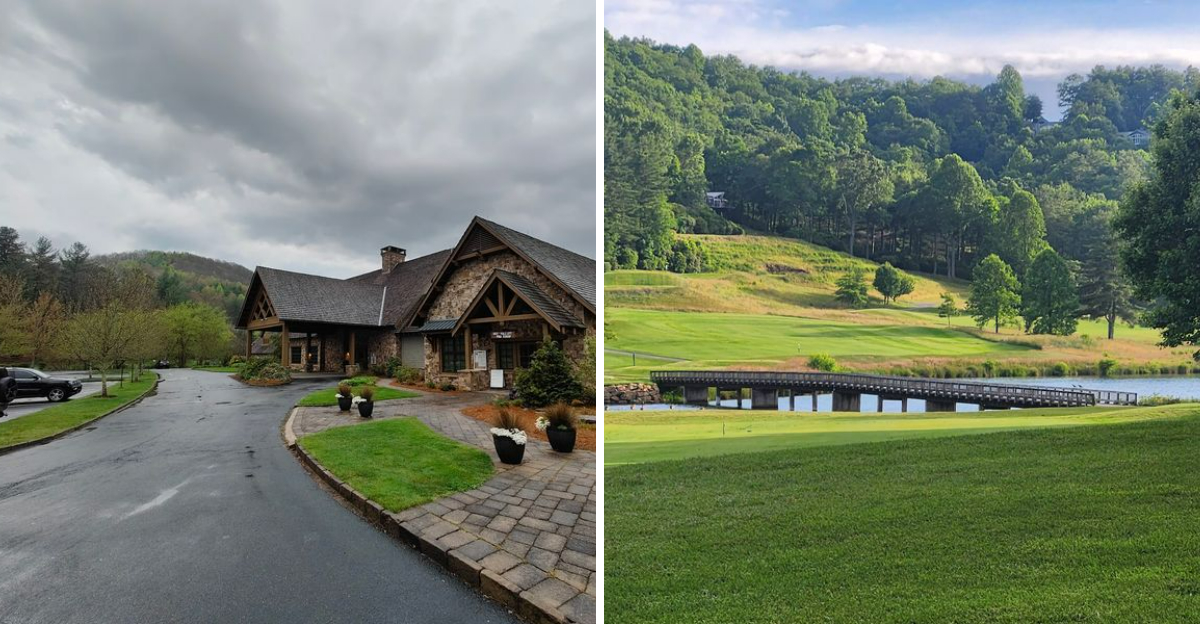
My phone said it was ninety degrees back home, so I packed shorts, sunscreen, and zero expectations for comfort. Then I got out of the car and actually reached for a sweater.
In July. In Georgia.
I stood there for a second, confused, checking my phone like it had lied to me. The air felt thin and cool, almost like autumn had snuck in early just to mess with me.
Locals walked past in flannel like this was completely normal. For them, it is.
Georgia has a reputation for brutal summers, and most of the state earns it. But somewhere up in elevation, the rules quietly stop applying.
I spent the afternoon layered up in the middle of summer, and honestly, I was not mad about it.
Georgia’s Highest City Sits Above The Heat
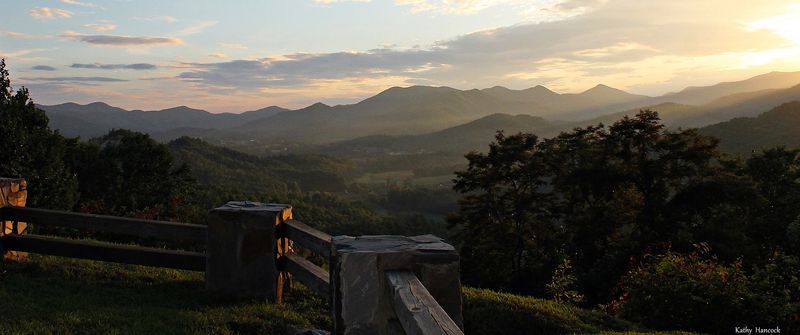
Elevation does something remarkable to a Georgia summer. Climb high enough and the sticky heat simply gives up.
This community holds the title of Georgia’s highest incorporated city. Elevations here run from about 3,200 feet up past 4,200 feet, with the valley floor near 3,100 feet.
The average city elevation lands around 3,500 feet. That kind of height shaves real degrees off the thermometer, not just a comforting feeling.
Sky Valley’s average July temperature is about 69 degrees, although daytime highs can rise above 80. August highs settle around 80, which explains the nickname many people use: the coolest place in the state.
I visited on an afternoon when Atlanta was baking. Up here, people were sitting outside without wilting.
The setting helps too. The town rests in a mountain valley on the northwest slopes of Rabun Bald, Georgia’s second-highest peak, inside Rabun County near the North Carolina line.
Nantahala National Forest wraps around the area, adding shade and mountain breeze. Incorporation happened in March 1978, making it a fairly young city with old scenery.
Population was 482 as of 2020, so crowds are not part of the deal. That town is Sky Valley, Georgia.
A Golf Course With Serious Vertical Drama
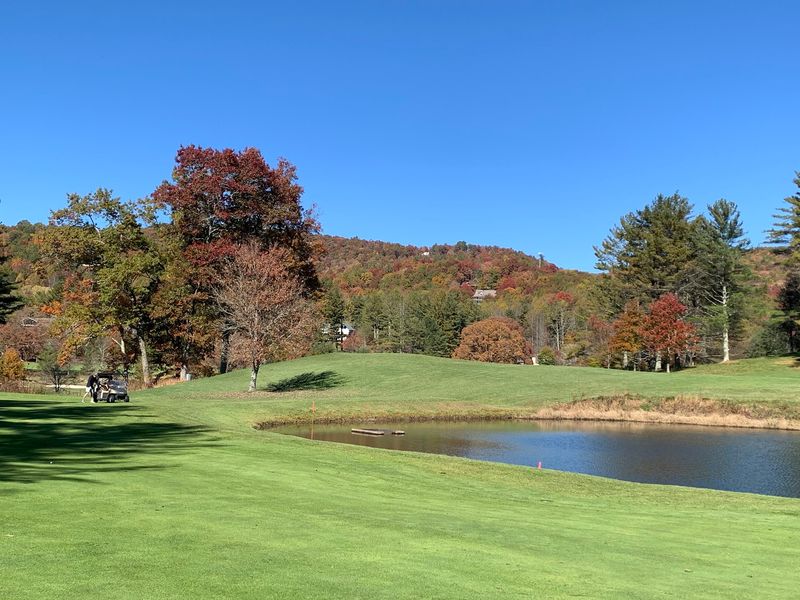
Golf here is less about flat fairways and more about gravity. The ground rises and falls like a rollercoaster with grass.
The country club anchors the community with an 18-hole championship course. It is open to the public, which is a treat for visitors who did not expect access.
Dramatic elevation changes are the signature feature. Tee boxes perch above fairways, and mountain streams cut across the layout in a few spots.
Panoramic views stretch across forested ridges. I watched a group stop mid-round just to look, which felt completely reasonable.
Cool air changes the whole experience. Playing 18 holes in Georgia summer usually means sweating through your shirt by the fourth hole.
Here the temperature stays friendly, so afternoon rounds are actually pleasant. Morning light on the mountains adds a nice bonus.
The club offers more than golf. Tennis courts, croquet, and swimming facilities round out the options for families who do not share one hobby.
Croquet feels charmingly old-fashioned, and that is part of the appeal. Bring extra golf balls, because those slopes can send a shot somewhere unexpected.
Mud Creek Falls Is An Easy Win
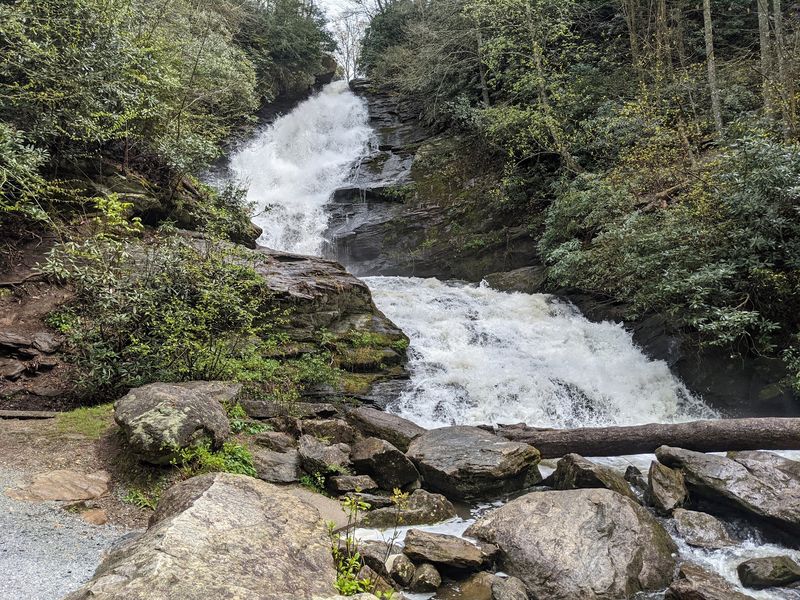
Most impressive waterfalls demand a hike that leaves your legs shaking. Mud Creek Falls skips the suffering entirely.
The falls sit right inside the city limits. A short walk gets you there, although wet and uneven ground may require extra caution.
Water slides down a broad rock face into cool shade. The temperature near the base drops even further, which feels like standing in front of an open freezer.
Rabun County is famous for waterfalls in general. Having one this accessible in a town this small feels lucky.
I brought a sandwich and stayed longer than planned. The sound of falling water does something to your sense of time.
Footwear matters more than fitness here. Rocks near the water stay slick, so shoes with grip beat flip-flops every time.
Photographers should aim for overcast mornings. Harsh sunlight blows out the white water and hides the detail in the rock.
Pack out whatever you bring in. Small places stay beautiful because visitors treat them carefully, and this one deserves that respect.
Rabun Bald Rewards The Climb
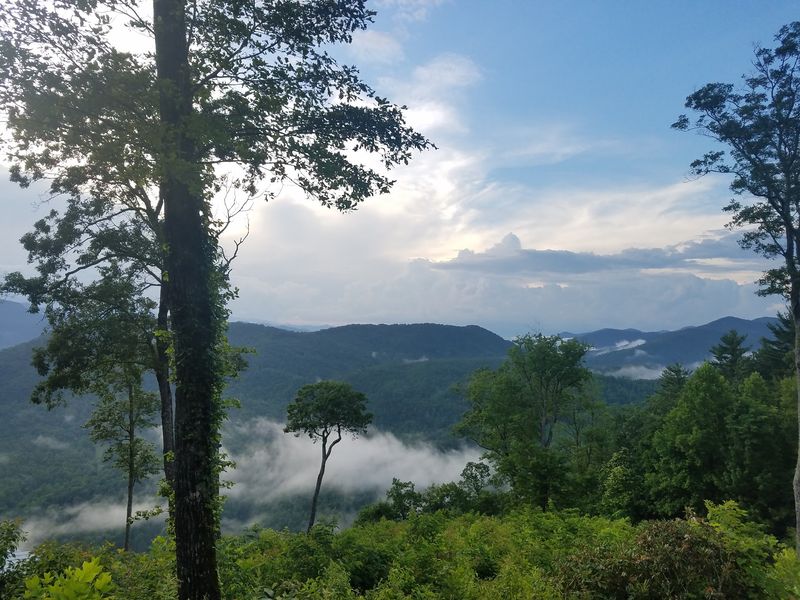
Second place sounds modest until you stand on top of it. Rabun Bald is Georgia’s second-highest peak, and it does not feel like a runner-up.
The town sits on the mountain’s northwest slopes. That means the trailheads are close and the elevation gain starts high.
Views from the summit sweep across ridge after ridge. On clear days the layers of blue seem to keep going forever.
Cool air makes summer hiking realistic here. Elsewhere in Georgia, July trails feel like a sauna with mosquitoes.
Other trails deserve attention too. Pickens Nose offers big payoff for modest effort, and sections of the historic Bartram Trail run through the region.
The Bartram Trail follows the route of an eighteenth-century naturalist. Walking it feels like borrowing someone else’s sense of wonder.
Bring more water than you think you need. Cool temperatures trick people into skipping hydration, and that catches up fast.
Start early if you want the summit to yourself. Mornings here are quiet, misty, and worth setting an alarm for.
Winding Roads Built For Slow Driving
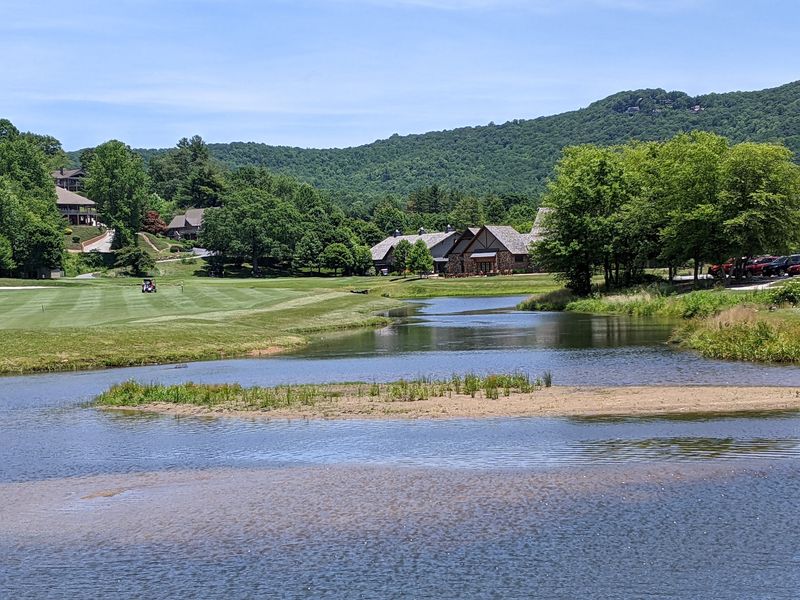
My GPS estimated twenty minutes. The drive took forty, and every extra minute was worth it.
Roads through this area twist along ridgelines and drop into hollows. Overlooks appear without warning, so keep a camera within reach.
Forest-covered ridges stack up in the distance. The green looks almost artificial in early summer, before late-season heat dulls anything.
Nantahala National Forest borders the community. That means long stretches of trees instead of billboards and strip malls.
Windows down beats air conditioning here. Summer temperatures are generally cooler than in lower parts of Georgia, making open windows pleasant on milder days.
Curves demand attention. Guardrails are not everywhere, and cyclists share these roads on weekends.
Fall gets the glory for color, but summer has its own charm. Rhododendron blooms and mountain laurel line the shoulders in early season.
Fuel up before you head into the mountains. Services thin out quickly, and a full tank buys you freedom to wander.
Give yourself no agenda for one afternoon. The best pull-offs are the ones nobody told you about.
Where Ziplines Meet Gem Mining and Trout Streams
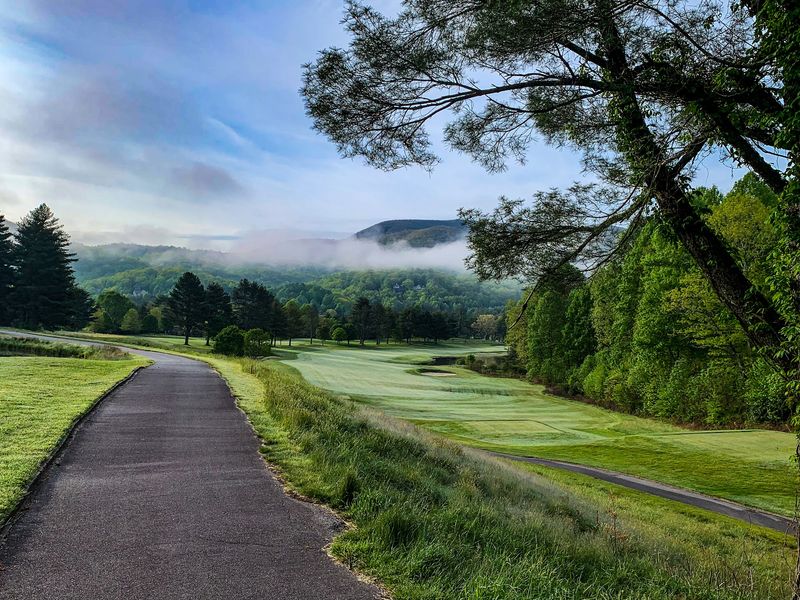
Not everyone wants to walk uphill for fun. The surrounding area understands that completely.
Ziplining tours send you over treetops with mountain ridges in the background. Cool air makes the ride comfortable instead of sticky.
Gem mining is a favorite with kids. Sluices let children wash buckets of gravel and pull out stones they will talk about for months.
Fishing rounds out the options. Mountain streams and creeks in Rabun County draw anglers throughout the warmer months.
Local shops and restaurants fill the gaps between activities. Small storefronts beat chain stores when you want something you cannot find at home.
Rainy afternoons happen in the mountains. Having an indoor plan keeps a family trip from falling apart.
Finding a colorful stone can easily become a memorable part of the experience for children. That reaction alone justified the stop.
Book zipline slots ahead during busy summer weeks. Popular time slots fill early, especially mid-morning.
Bring layers for everyone. Mountain mornings start chilly even when the calendar says August.
Appalachian History At Foxfire
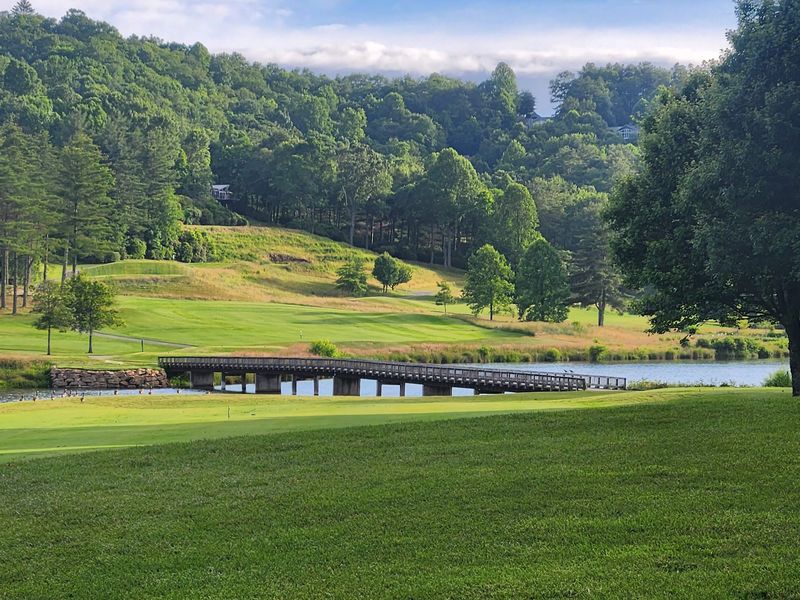
History here is not behind glass. It is standing in a clearing with a tin roof.
The Foxfire Museum and Heritage Center presents Appalachian life through an outdoor collection of preserved structures. Log cabins, tools, and everyday objects tell the story.
The project began with students recording the skills of older mountain residents. Those interviews became books that spread worldwide.
Walking among the buildings shows how mountain families handled cold winters and short growing seasons. Practical problem-solving is the theme throughout.
Mild, dry days are best for exploring because much of the museum is located outdoors.
Kids tend to gravitate toward the hand tools and the blacksmith setup. Seeing how objects were made hits differently than reading about it.
Wear comfortable shoes since paths run over uneven ground. The layout is spread out rather than compact.
Allow about an hour or two. Rushing through undercuts the point of the place.
Pair it with a scenic drive afterward. Understanding how people lived on these ridges changes how the landscape looks.
Planning Your Cool Weather Escape
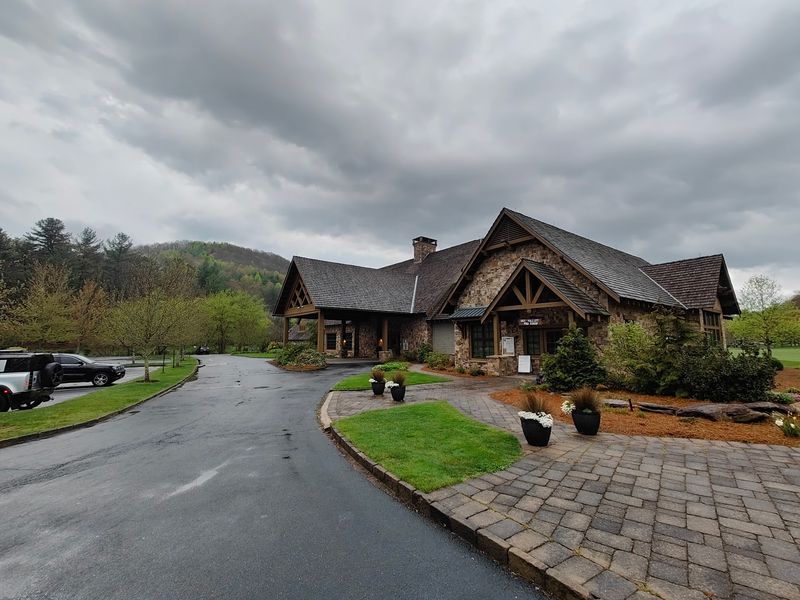
Quiet is the main product here, and supply is generous. Fewer than 500 residents means traffic jams are basically theoretical.
Many people come for a weekend and start browsing real estate. The area has long attracted vacation homes and retirees looking for a slower pace.
Resort accommodations put you close to everything. One useful reference point is 501 Sky Valley Way, Georgia 30537.
Pack a light jacket even in July. Evenings cool off quickly once the sun drops behind the ridges.
Cell service can be patchy in the mountains. Download maps before you leave the highway.
Grocery options are limited nearby, so stock up in a larger town first. Cabin cooking saves money and time.
Mornings often start with fog filling the valley. Sitting on a porch with coffee while it burns off is a legitimate activity.
Summer is the obvious season given the temperatures. Still, spring blooms and fall color give you reasons to return.
Book early for July and August. Word about cool Georgia summers has definitely gotten around.