Ohio Has A Witchcraft Museum, And It’s Every Bit As Wonderfully Bizarre As It Sounds
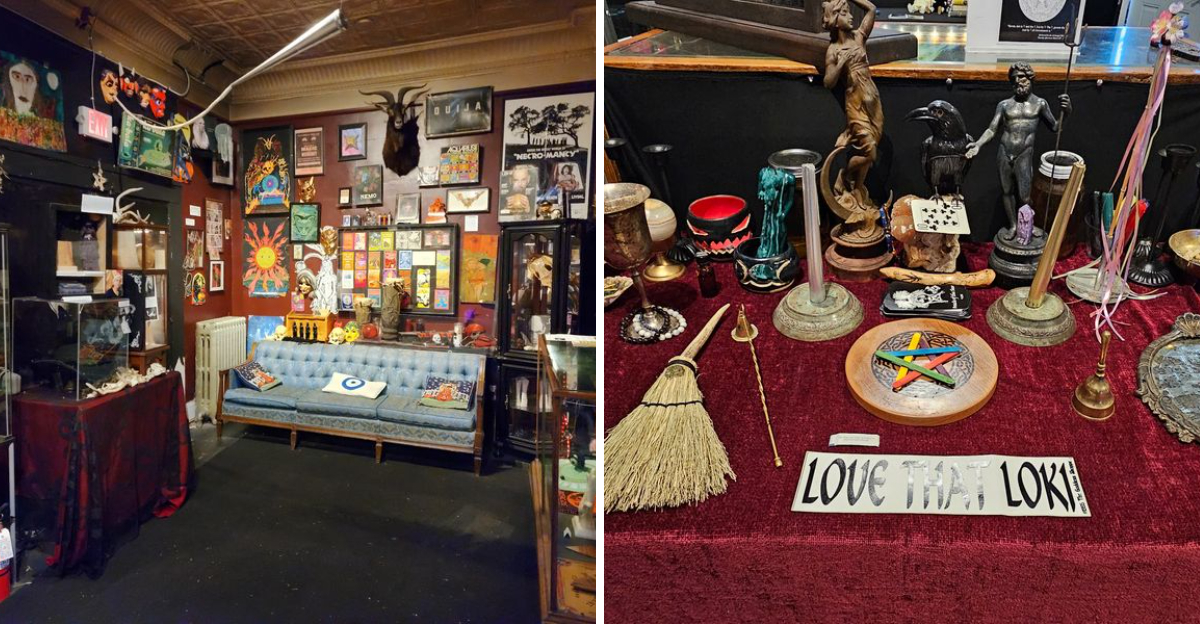
You probably think Ohio’s biggest mysteries involve the weather forecast. Then you find out Cleveland is home to the first witchcraft museum in America.
That is not a joke. It has been collecting the strange and the sacred since 1966.
Inside one packed room, you will find crystal balls, ceremonial robes, tarot decks, and objects once owned by some of the most famous occultists in history. Aleister Crowley’s belongings are in here.
So is plenty of folklore your schoolbooks skipped entirely. The staff will happily tell you the story behind every item, and they tell it well.
Nothing here is designed to scare you. It is designed to make you curious, and it works.
Buy your ticket ahead of time because space is tight. Then prepare to leave with more questions than you came with.
A Storefront That Keeps Its Secrets Well
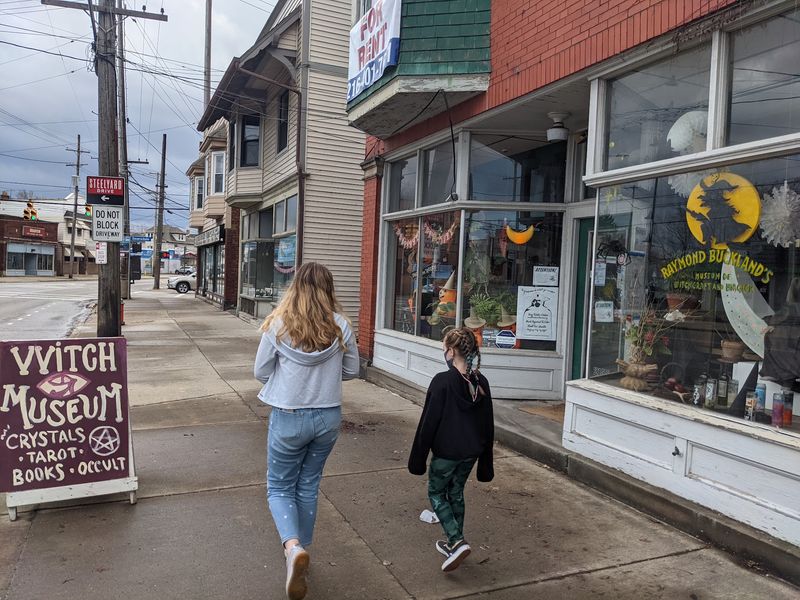
The Buckland Museum of Witchcraft & Magick hides behind one of the plainest doors in Cleveland. From the street, it looks like a small neighborhood shop.
No towers. No gargoyles.
Just glass, brick, and a modest sign that you might miss entirely.
I expected something theatrical. Instead I got a quiet entrance and a friendly greeting from the person at the desk.
That contrast works in the museum’s favor. The strangeness is saved for the inside, where it belongs.
The space sits in the Old Brooklyn area, surrounded by ordinary storefronts and everyday errands. Neighbors run their businesses while one of the country’s oddest collections sits nearby.
Parking is street parking, which is normal for the block. Arrive with a little patience and you will find a spot.
The building itself is compact, so plan for a focused visit rather than an all-day trip. That size is part of the charm.
You can see everything without your feet complaining. Small museums often deliver bigger memories than giant ones.
Bring curiosity and a few questions. The staff enjoy both.
You will find it at 2155 Broadview Rd, Cleveland, Ohio.
The Collection Started With One Determined Man
Every strange collection begins with someone who refused to stop collecting. Here, that person was Raymond Buckland.
He opened the first version of the museum in the 1960s, back when the subject was far outside the mainstream. His goal was education rather than shock.
Buckland is often credited with helping introduce modern Wicca to the United States. He wrote books, taught students, and kept gathering objects along the way.
The collection traveled over the decades, landing in several states before reaching Ohio. Cleveland became its long-term home.
Knowing the backstory changes how the rooms feel. Instead of random oddities, you see one person’s lifelong project.
There is something admirable about that kind of stubborn focus. Most of us abandon hobbies after a year.
Current caretakers have kept the original spirit intact. Items are labeled, explained, and treated seriously.
You are not walking through a haunted house attraction. You are walking through a genuine archive.
Read the placards instead of skimming them. The stories behind the objects are the real attraction.
History nerds will leave happier than thrill-seekers, and that is a compliment.
Glass Cases Packed Wall To Wall
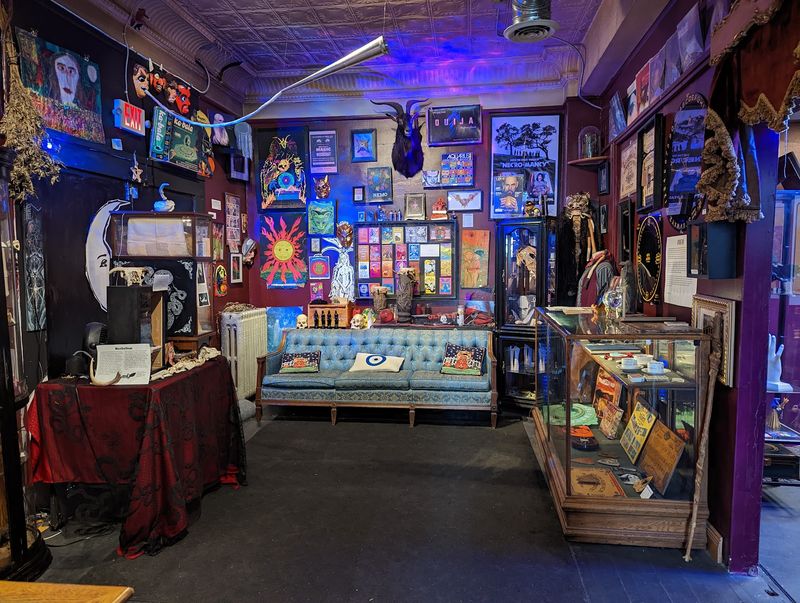
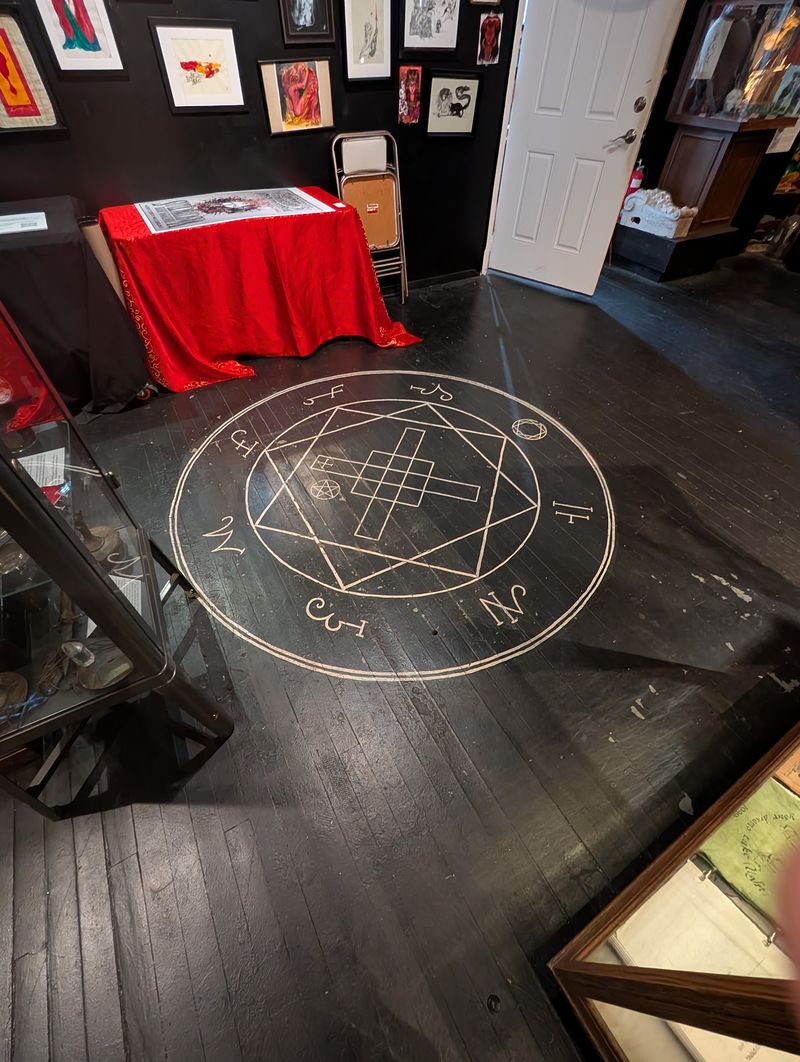
Space is tight, so the museum uses every inch. Cases line the walls and fill the middle of the room.
The effect feels less like a gallery and more like a very organized attic. I mean that kindly.
Inside those cases sit ritual tools, charms, carved figures, and objects with genuinely long histories. Some pieces are centuries old.
Others come from the twentieth century, when interest in these traditions grew across Europe and America. The range is wider than you would guess.
Lighting is warm and low, which suits the material. Colors look richer, and the metal pieces catch small gleams.
My advice is simple. Lean in and look at the details, because the small items reward attention.
Crowds are usually thin, so you rarely wait for a view. That alone beats most big-city museums.
Take your time with one case before moving to the next. Rushing here wastes the experience.
Photography rules can vary, so ask at the front desk first. Staff will tell you exactly what is allowed.
Respect goes a long way in a room like this.
Objects That Belonged To Famous Practitioners
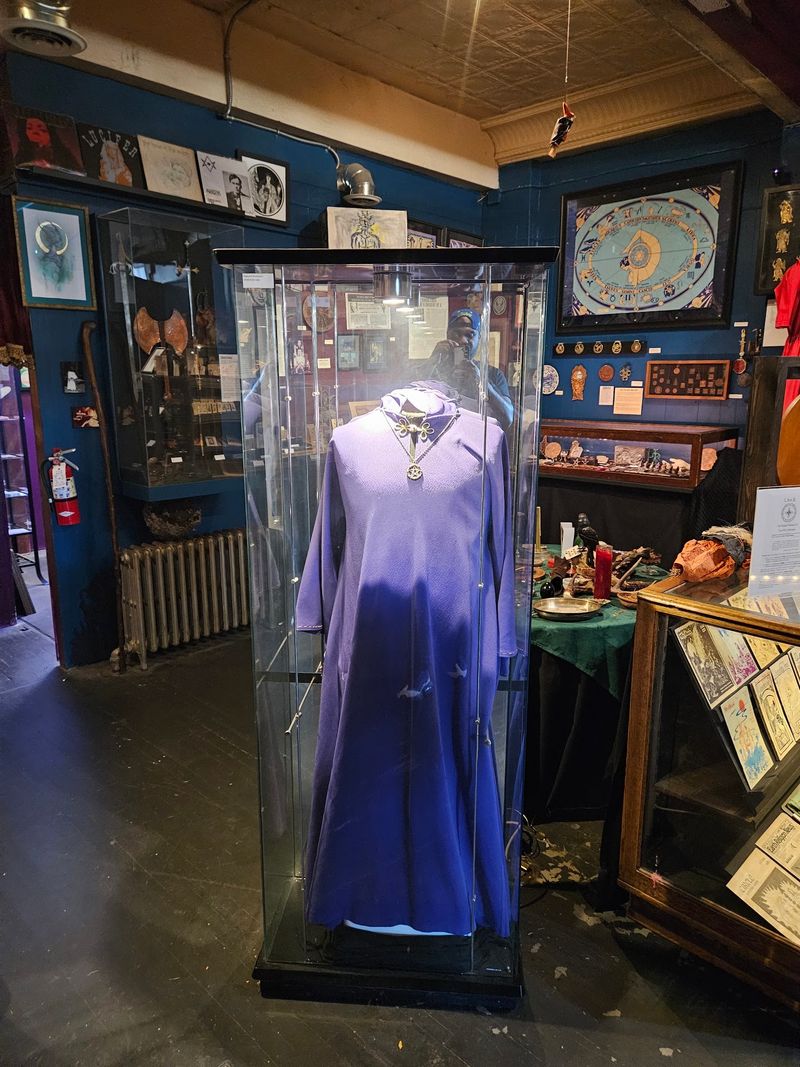
Certain items here carry names that occult historians recognize instantly. Gerald Gardner is one of them.
Gardner helped shape modern Wicca in England, and pieces connected to his circle appear in the collection. That is a genuine draw for researchers.
You will also find material tied to Buckland himself, including personal tools and writings. His handwriting shows up more than once.
Seeing someone’s actual working notes feels different from reading a printed book. It is more human.
Other displays cover folk magic traditions from various cultures. Charms, amulets, and protective objects appear across the cases.
The message is clear enough. People everywhere have looked for ways to feel safer and luckier.
Labels stay factual rather than dramatic. Nobody is trying to convince you of anything.
That restraint makes the museum more trustworthy, not less interesting. Facts hold up better than hype.
If you have read about these figures before, budget extra time. You will want to stand and stare.
Casual visitors still enjoy it, because good storytelling travels well.
Ouija Boards, Tarot, And Fortune Telling Gear
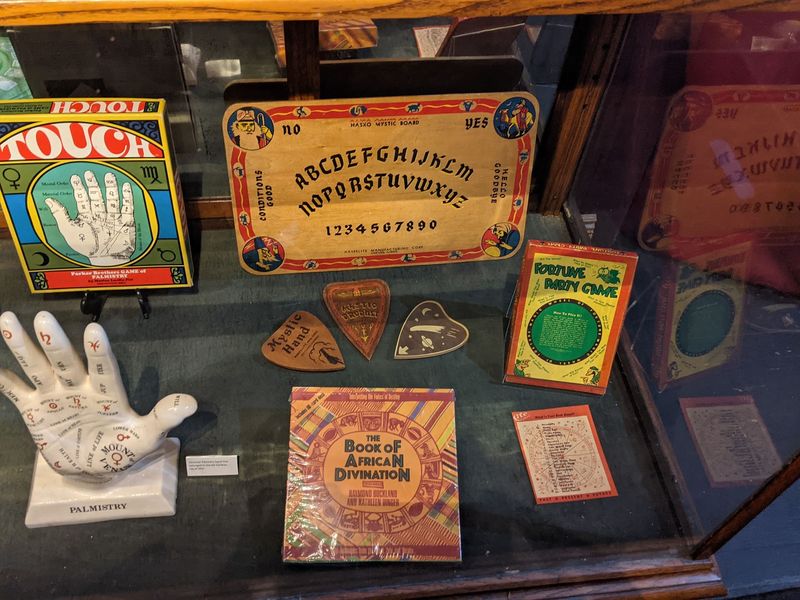
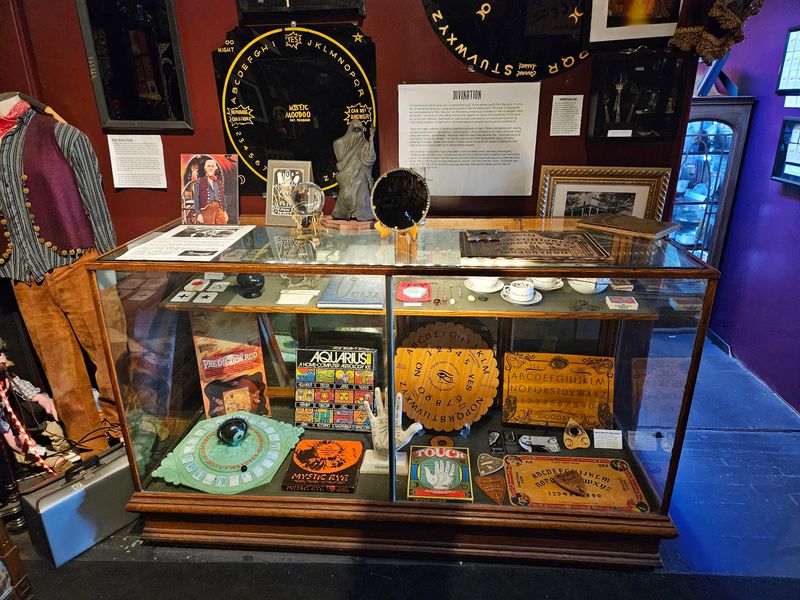
Vintage Ouija boards get more attention than almost anything else in the building. Visitors gravitate straight toward them.
The designs are gorgeous, with old printing styles and worn wooden planchettes. Some look like parlor game boxes from another century.
Tarot decks fill another section, showing how the artwork changed across decades. Early designs look nothing like the modern ones.
Comparing them side by side turns into an accidental art lesson. Colors, symbols, and printing quality shift dramatically.
There are also crystal balls, pendulums, and other fortune telling tools. Each one has a small explanation card.
Kids and teens usually find this corner the most fun. Adults quietly do too.
What I appreciated was the honesty in the labeling. The museum explains how these items were used and marketed.
You get context instead of spooky music. Context is more satisfying anyway.
Bring a friend who loves old design objects. They will not care about the subject matter and will still enjoy the visit.
Beautiful printing is beautiful printing.
Small Space, Very Big Personality
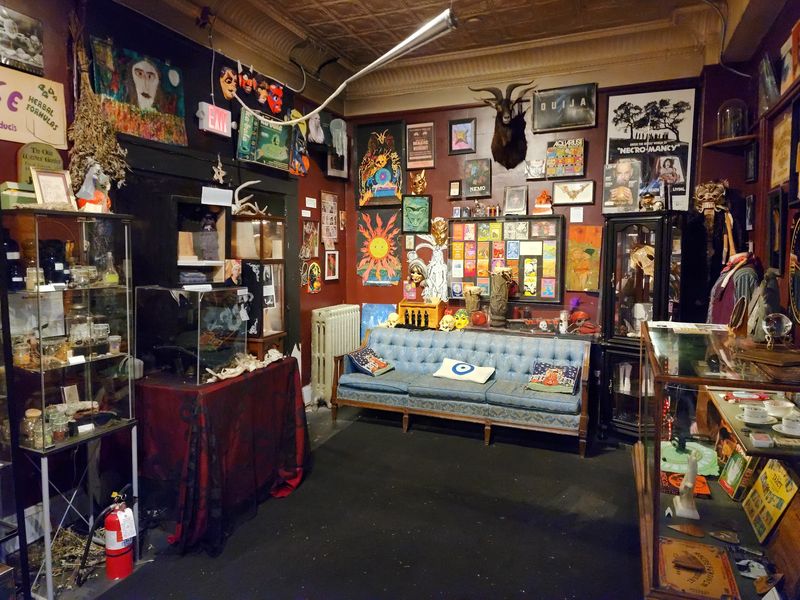
Square footage here is modest, and the museum knows it. Instead of pretending otherwise, it leans into the coziness.
You can cross the main room in seconds. You will not cross it quickly, though.
Most visitors spend around an hour, which sounds short until you are inside. The density of objects slows everyone down.
Because the room is small, conversations happen naturally. Strangers point things out to each other.
That social element is rare in bigger institutions. Here it feels normal.
Staff are genuinely knowledgeable and happy to answer questions. Ask about a specific object and you will get a real story.
They clearly enjoy the collection they care for. That enthusiasm is contagious.
Check hours before you drive over, since the schedule is limited compared to major museums. A quick look online saves frustration.
Weekend afternoons tend to be busier than weekdays.
The Gift Shop Is Half The Fun
Museum gift shops usually sell keychains and regret. Not this one.
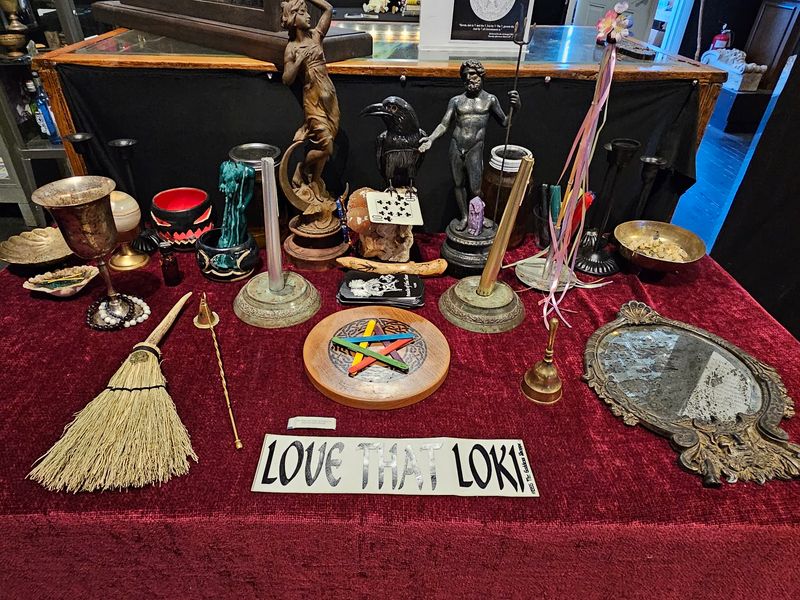
Shelves hold books, patches, candles, jewelry, and small curiosities that match the collection. Prices stay reasonable.
The book selection surprised me most. Titles range from serious history to beginner-friendly introductions.
If you leave curious about a topic, you can leave with something to read. That is smart museum design.
Handmade items from local artists appear too, which supports the Cleveland creative scene. Stock changes over time.
Repeat visitors often find something new on the shelves. That keeps people coming back.
Shop purchases help fund the museum’s operations. Small institutions rely on that support heavily.
Buying a book here feels better than buying one online. You are keeping the lights on.
My honest suggestion is to browse after the exhibits, not before. You will know what actually interests you.
Otherwise you buy randomly and miss the good stuff.
Plan Your Visit Around The Neighborhood
Old Brooklyn rewards anyone willing to wander a few blocks. The area is residential, friendly, and refreshingly unpolished.
Small bakeries, coffee spots, and family restaurants sit within a short drive. Easy to build a half-day around.
The Cleveland Metroparks Zoo is nearby, which makes an odd but excellent pairing. Animals in the morning, artifacts in the afternoon.
Downtown Cleveland is roughly ten minutes north by car. Very convenient for out-of-town visitors.
Weekdays feel calmer if you prefer quiet browsing. Weekends bring more energy and conversation.
Either way, the visit fits comfortably into a larger day of exploring. No need to rush.
Admission stays affordable, especially compared to major attractions. Families can manage it without stress.
Check the current pricing and hours before heading out. Details shift seasonally.
Go in curious rather than skeptical, and you will enjoy every minute. Strange collections deserve open minds.
Cleveland keeps surprising people, and this small room is proof.