This Illinois Beach Town Is The Perfect Escape When Temperatures Climb Above 90 Degrees
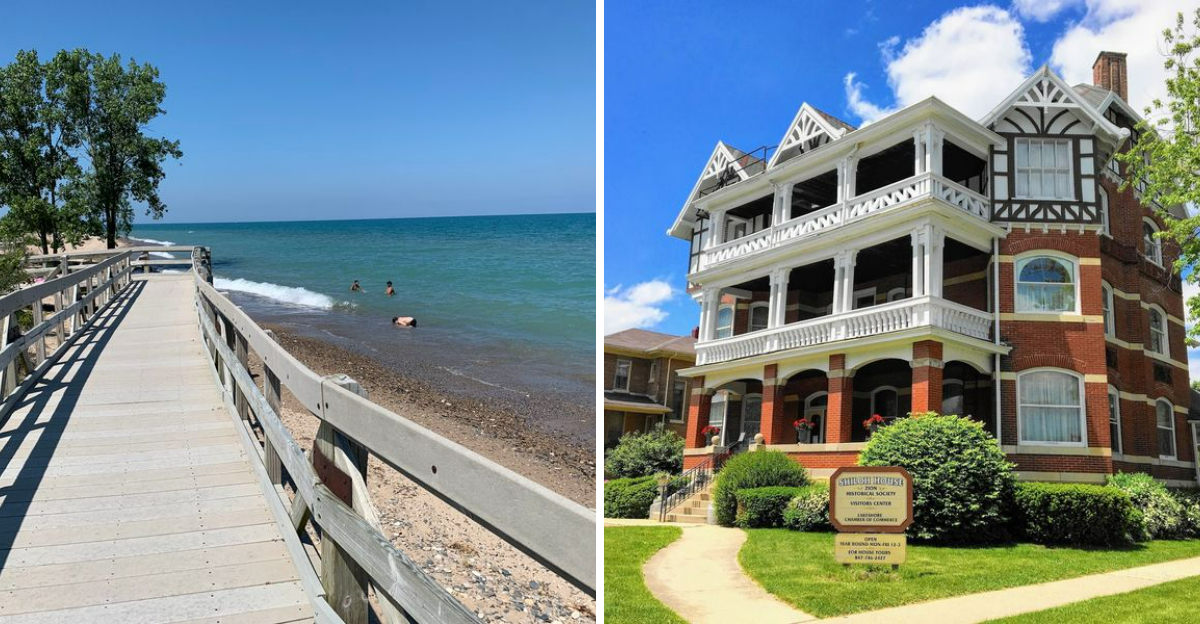
Some summer afternoons hit 90 degrees and every plan on my calendar suddenly feels exhausting. I went searching for somewhere cooler within an easy drive, honestly expecting nothing worth remembering.
What I found instead was miles of pale sand, cold lake water, and a breeze that felt borrowed from a different season entirely. Illinois keeps this kind of relief closer than most people realize, just far enough from the city to feel like an actual escape.
I dipped my feet in and forgot about the heat within minutes. Illinois summers can feel brutal, but this spot flips that completely, turning a miserable afternoon into one of my favorite memories of the year.
Now every time the forecast climbs past 90, this is the first place that comes to mind.
Six And A Half Miles Of Lake Michigan Shoreline
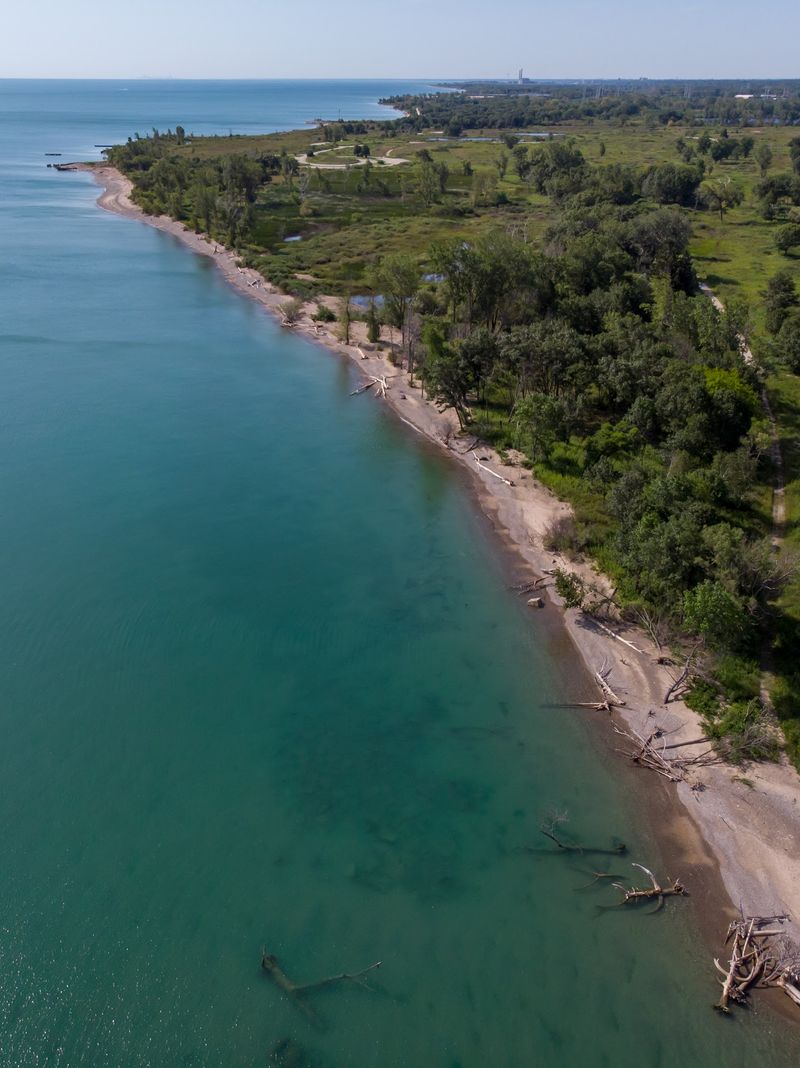
Sand stretches farther along this lakefront than most visitors expect from Illinois. The beach runs a full 6.5 miles, which leaves real elbow room even on busy summer days.
Walk a few hundred yards from the main parking area and the crowd thins fast. I have found quiet pockets of open sand on bright July weekends without much searching.
Lake Michigan handles the actual cooling work on a sticky afternoon. The water stays cold well into summer, so even a shallow wade resets your entire body.
No lifeguards are on duty along any part of the sand here. Swim carefully, keep younger kids within arm’s reach, and read the posted safety signs before entering.
A $73 million shoreline stabilization project was completed to protect several miles of the park from erosion. The work included offshore structures and beach nourishment.
Sunrise over the lake is worth setting an early alarm during a heat wave. Morning air feels ten degrees kinder than the afternoon, and parking is still simple.
Shade near the waterline is scarce, so bring an umbrella and plenty of sunscreen. This entire 4,160 acre spread belongs to Illinois Beach State Park in Zion, Illinois.
A Trail Where The Landscape Keeps Shifting
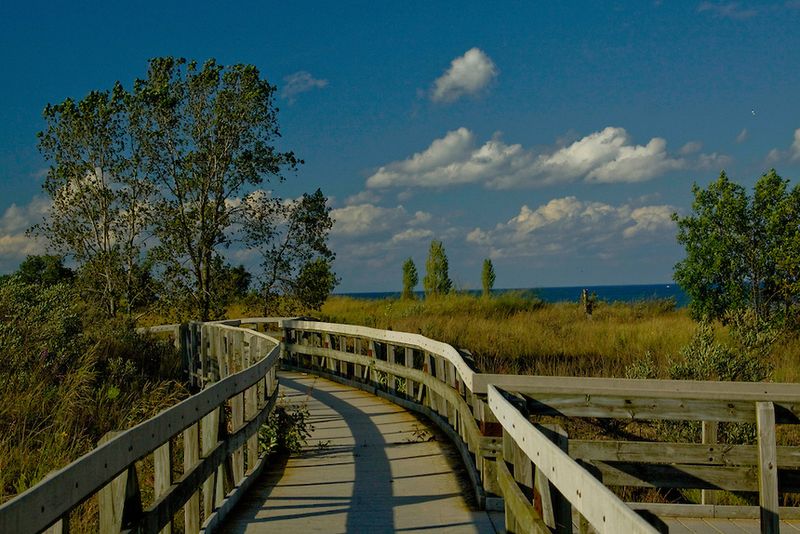
Prickly pear cactus grows here in Illinois, only a short walk from the waterline. Dry, sandy ridges give the odd little plant exactly the conditions it wants.
The park protects the state’s only remaining beach ridge shoreline, which is genuinely rare. Those long sand ridges formed slowly as the lake shifted and reshaped the coast.
Low, wet swales sit between the ridges, filled with marsh plants and standing water. The contrast between soggy ground and bone dry sand is striking.
Black oak forest covers parts of the interior and offers honest shade. On a hot afternoon, those trees outperform any beach umbrella you can carry.
Prairie grasses take over farther inland, bending steadily in the wind off the water. Wildflowers add color from June straight through the end of summer.
Staying on marked paths matters more than it might sound out here. Dune plants are fragile, and a handful of footprints can undo years of slow growth.
Recognition arrived early for this landscape and it still holds up. The site became the first Illinois Nature Preserve in 1964 and a National Natural Landmark in 1980.
Bring a camera if you enjoy landscape photos with unusual texture and layers. Morning light across the ridges makes the pale sand look almost gold.
Flat Trails Made For Hiking And Biking
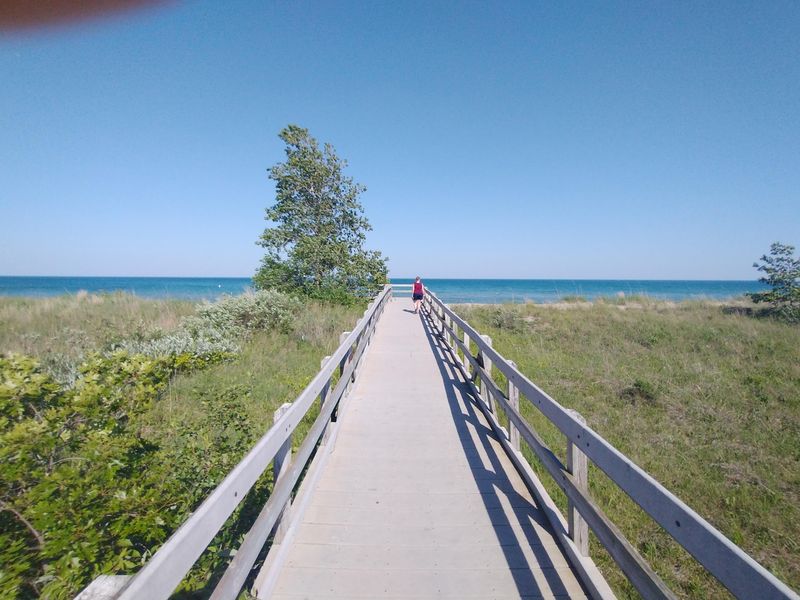
Flat trails feel like a gift when the temperature climbs and hills sound miserable. The South Unit offers about five miles of hiking trails, including a 2.2-mile gravel loop.
The North Unit also has the 1.8-mile multi-use Camp Logan Trail. Sharing works fine because the routes are wide and the sightlines stay open.
Scenery changes constantly as you move between shoreline, prairie, and woodland. One mile looks like a beach postcard, and the next feels like open grassland.
A bike trail links the North and South units, which saves you a separate drive. Riders can cover far more ground than walkers within the same hour.
Morning rides beat afternoon rides during a heat wave, without question. Cooler air and softer light make the miles pass much more comfortably.
Insect repellent belongs in your bag whenever you pass the marshy sections. Mosquitoes get enthusiastic in humid stretches, especially a day or two after rain.
Trail surfaces vary, so wider tires handle the sandy patches better than skinny ones. Road bikes still work, but expect a little slipping in loose spots.
Water is essential even on short loops, since shade appears and disappears quickly. Two full bottles per rider is a sensible rule in July.
Shaded Picnic Shelters And 241 Campsites
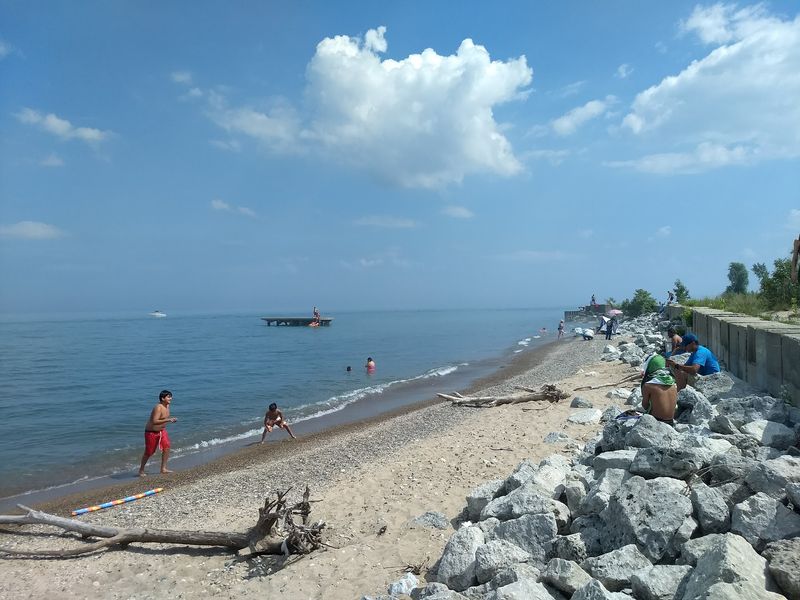
Few things beat lunch at a shaded picnic table with the lake in view. Shelters here make group meals simple, even on a crowded summer weekend.
Coolers, grills, and folding chairs turn a quick beach stop into a full afternoon. Cleanup gets easier when everyone gathers around one central table.
Campers have access to 241 Class A Premium sites with electricity and showers. That means fans, phone chargers, and hot water after a long sandy day.
Reservations are strongly recommended, particularly around holiday weekends in the middle of summer. Sites disappear quickly once school lets out and families start planning trips.
Nights beside the water run noticeably cooler than nights farther inland. A light blanket usually beats a heavy sleeping bag through most of July.
Falling asleep to the sound of waves is the real reward of camping here. On calm evenings that steady rhythm carries across the entire campground.
Store food properly, because raccoons treat unattended coolers like an unlocked pantry. Sealed containers and a closed vehicle prevent nearly every midnight problem.
Some campsites provide convenient access to the lakeshore, although walking distances vary by site. An early trip to the beach can be a memorable part of the stay.
A Visitor Center Worth Ten Cool Minutes
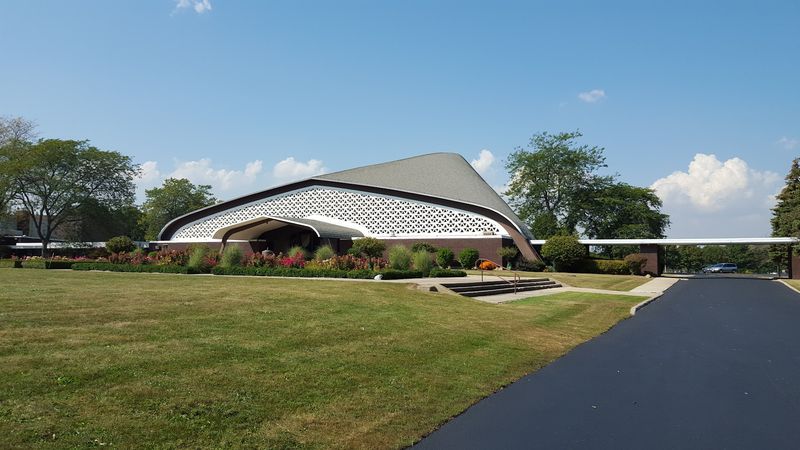
Planning goes smoother when somebody hands you a map and answers your questions. The visitor center does exactly that before you ever reach the sand.
Restrooms, exhibits, and classroom space make it a genuinely practical first stop. Families often use the lobby as a meeting point when groups split up.
Displays explain the dunes, the plants, and the animals waiting outside the door. Reading first makes the walk afterward considerably more interesting for everyone.
Air conditioning inside feels like a small miracle during a 90 degree stretch. Ten cool minutes can rescue an entire afternoon on the beach.
Staff can tell you which trails are dry and which ones stay muddy. That single question has saved me from soggy shoes more than once.
Restroom access matters with children, and options thin out along the open shoreline. Stopping here first prevents a lot of complaining later.
Save the address before you leave home: 1 Lake Front Dr, Zion, IL 60099. Cell signal can wobble once you get closer to the water.
Take a paper trail map even if you rely on phone apps. Batteries fade in the heat, and printed maps never do.
Summer Highs That Rarely Cross 90 Degrees
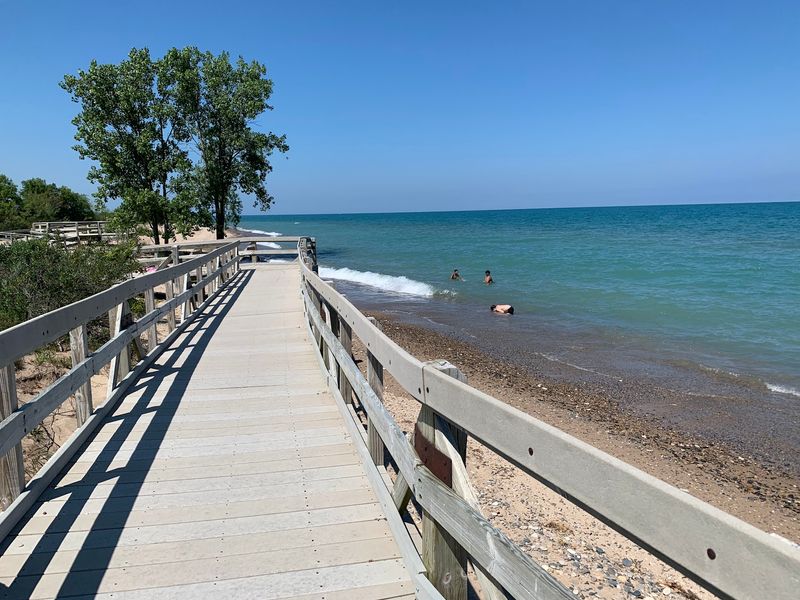
Here is the number that sells the whole trip in August: July highs average around 80 to 82 degrees. Inland towns bake while the shoreline stays comfortable.
The lake works like a giant air conditioner for the coast. Cool water chills the breeze before it ever reaches the sand, and you feel the change instantly.
Lake breezes can make warm days feel more comfortable, although July and August can still bring humid conditions. Check the local forecast before visiting.
Late June through mid September is the sweet spot for warm weather visits. Water temperatures climb slightly by August, so swimming feels less shocking later in the season.
Pack a light jacket anyway, because evenings near the water turn surprisingly cool. I learned that lesson after one breezy July sunset in shorts and a tank top.
Drivers from the city can reach this cooler pocket in roughly an hour, traffic permitting. That short trip buys a noticeable drop in both temperature and stress.
Early June days can feel chilly when a strong east wind pushes off the lake. Check the forecast, then schedule swimming for calmer, sunnier afternoons instead.
Sunshine still counts, so shade and water bottles matter regardless of the mild readings. The breeze can easily hide how much sun you are actually collecting.
Twenty-Five Rooms Of History At Shiloh House
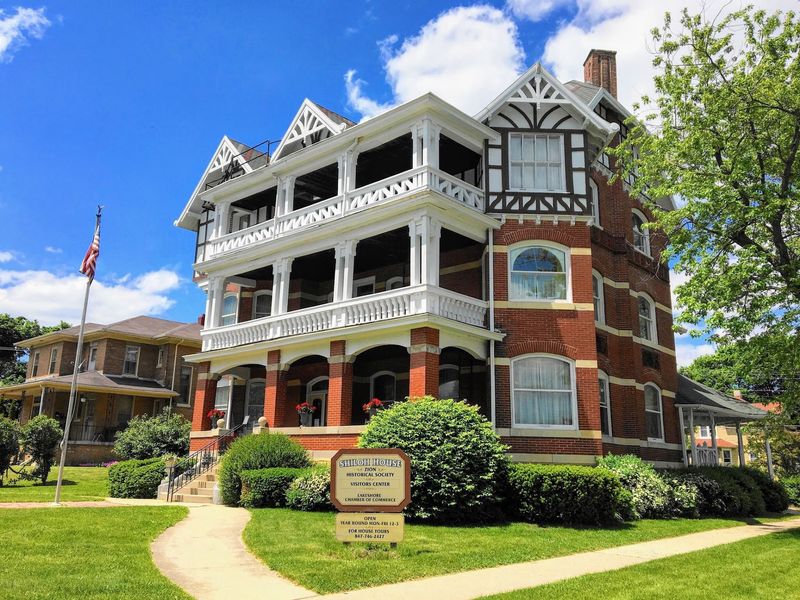
A 25-room mansion sounds like something from a much bigger city. This one stands a short drive from the sand and now operates as a museum.
Built for the community’s founder, the home reflects an unusual chapter of local history. The architecture alone justifies the detour away from the water.
Detailed woodwork, period furnishings, and generous rooms fill the interior. Each floor adds another piece of the story behind the surrounding neighborhood.
Touring an indoor site makes real sense when afternoon sun turns punishing. History and shade arrive together, which is a fair trade in August.
Visiting hours can be limited, so check ahead before making the drive. A quick look at the website prevents a disappointing arrival.
Photography fans will appreciate the exterior lines and that broad, welcoming porch. Late day light softens the whole facade beautifully.
The founding story is genuinely unusual for the Midwest. The city grew from a carefully planned community established in the early 1900s.
Pair the visit with lunch somewhere nearby before heading back toward the lake. The combination fills an entire day without much driving between stops.
Downtown Life With Something For Everyone

Small downtown streets can surprise you once you slow your pace. Local shops, cafes, and family run restaurants line the blocks in the heart of town.
Zion Park District hosts free Thursday evening concerts on selected summer dates. Check the current event schedule before planning your visit.
Bring a blanket, show up early, and claim a comfortable patch of grass.
Air conditioned shops offer relief when the sand gets uncomfortably hot underfoot. Browsing beats slowly melting on a towel at two in the afternoon.
Iced coffee tastes noticeably better after a long walk beside the water. Simple pleasures land harder when your shoulders are a little pink.
Parking downtown stays fairly easy, which is not true of every lakefront destination. That detail alone lowers the stress of a day trip.
Prices generally stay reasonable compared with larger tourist towns along the coast. A family can eat well here without doing careful math.
Combining a morning swim with an evening concert creates a complete summer day. That mix is exactly why visitors keep coming back each season.