This Tony-Winning California Theater Is A Secret Launchpad For Broadway-Bound Shows
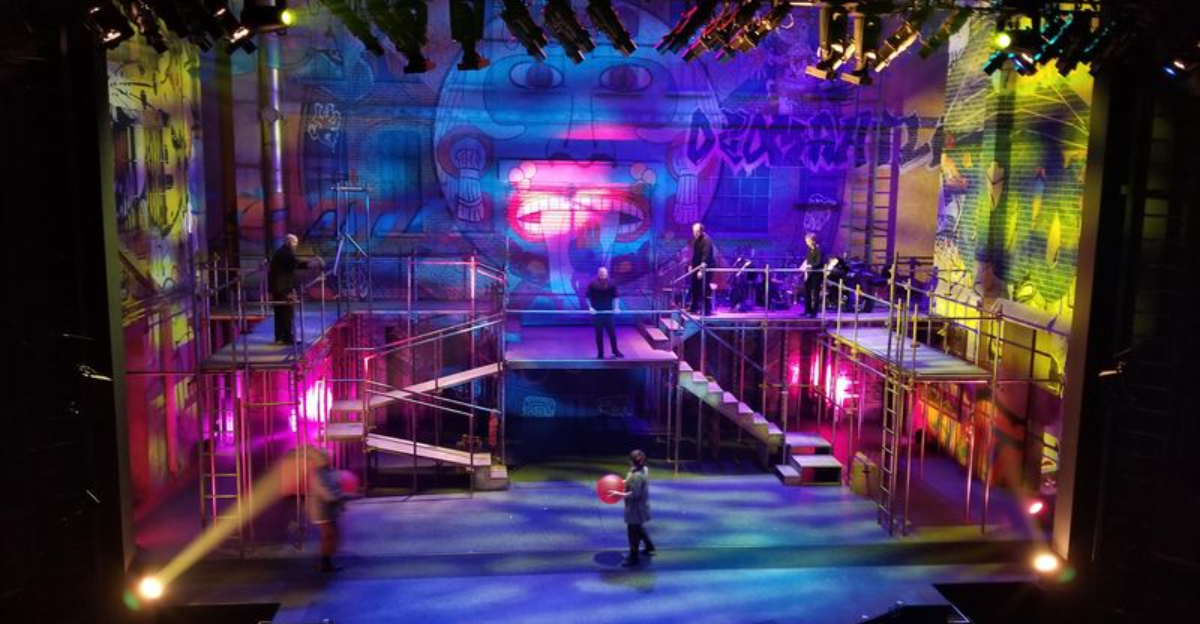
A Broadway show can start much farther from Times Square than you might expect.
Sometimes the first big clue is a packed house in Berkeley and an audience watching something before the rest of the country knows its name. That gives every curtain rise here a little extra charge.
This California theater has built a national reputation for developing ambitious work that later travels far beyond the Bay Area.
You may recognize a title after the fact and realize its story passed through this stage first.
That possibility changes the experience. Instead of simply asking whether the show is good, you start wondering where it might go next.
The Tony Award recognition only adds to that sense of pedigree.
What keeps the place interesting, though, is the feeling that the next major production could still be in the room right now, testing its wings before Broadway ever gets involved.
A Storefront Start Back In 1968
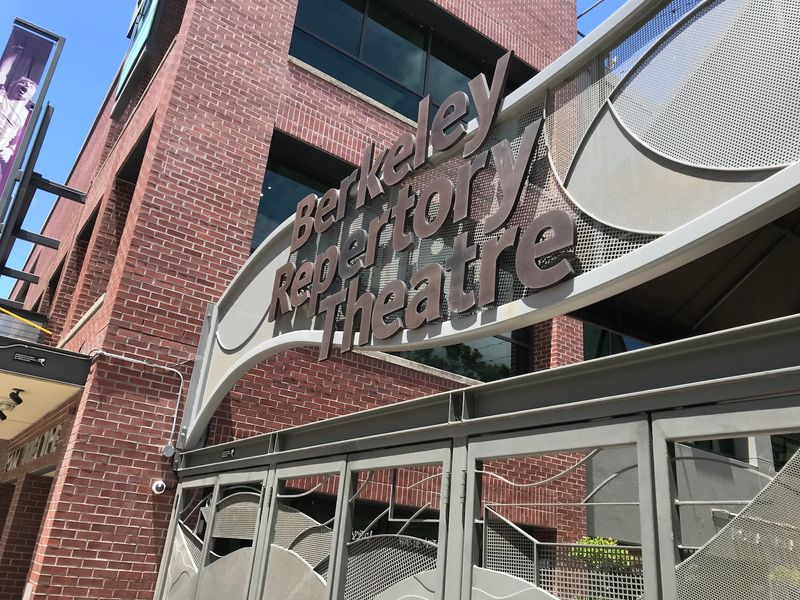
Long before the national reputation and the awards, the whole operation fit inside a small storefront space.
The nonprofit dates to 1968 and grew slowly from that modest beginning into one of the most recognized regional theaters in the country. Growth came from steady seasons rather than one lucky break.
Attendance numbers tell part of the story. More than six million people have seen over 500 productions across the theater’s history, and that catalog includes dozens of world premieres.
Those premiere numbers matter because they show how much of the programming was built from scratch rather than borrowed from other stages.
Programming has stayed varied on purpose. New dramatic voices share the calendar with fresh takes on older plays, so a single season can swing from a brand new musical to a classic script staged in an unexpected way.
For a visitor, the practical takeaway is simple. Reading the season lineup before booking helps, since two shows in the same year can feel completely different in tone, length, and subject matter.
Knowing the origin story also changes how the building feels once inside.
The lobby and courtyard are comfortable but not grand, which fits an organization that started small and kept the focus on the work happening onstage.
The 1997 Tony Award For Outstanding Regional Theatre
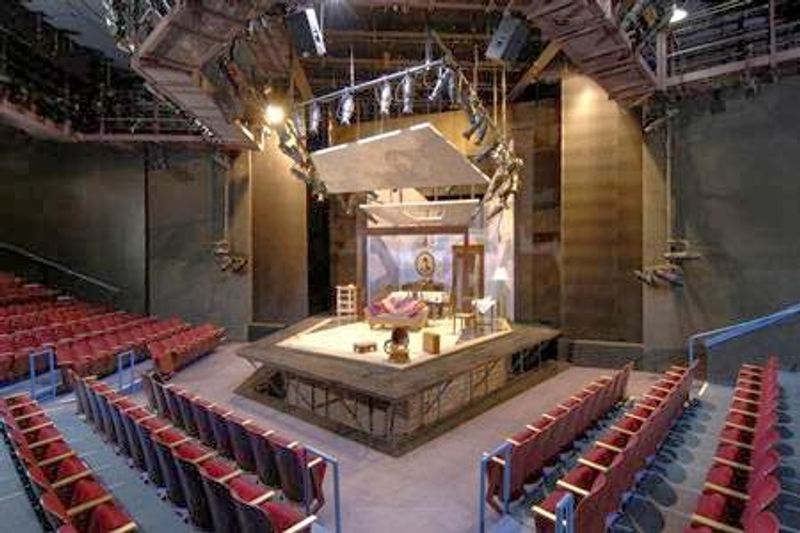
Plenty of theaters send shows to Broadway, but far fewer receive a Tony Award of their own.
That honor arrived in 1997, when Berkeley Rep was named recipient of the Tony Award for Outstanding Regional Theatre.
The category exists to recognize major nonprofit theater companies working outside of New York, and it is given to the institution rather than to any single production.
Recognition of that kind carries weight in the theater world. It signals that the organization has built a consistent body of work over many years, not just one memorable hit.
Productions connected to the theater have also collected awards on their own, including Tony Awards, Obie Awards, Drama Desk Awards, a Grammy Award, and a Pulitzer Prize.
None of that changes the ticket-buying experience much, though it does explain why casting and design teams here often include artists with national credits.
Visitors sometimes assume a regional theater means a scaled-down version of a Broadway show. The truth here runs closer to the opposite.
Work is frequently being built for the first time, with designers and directors solving problems onstage in front of paying audiences.
Understanding the award helps set expectations. Ambition is high, and the results reflect that.
Broadway Credits Stretching Across Decades
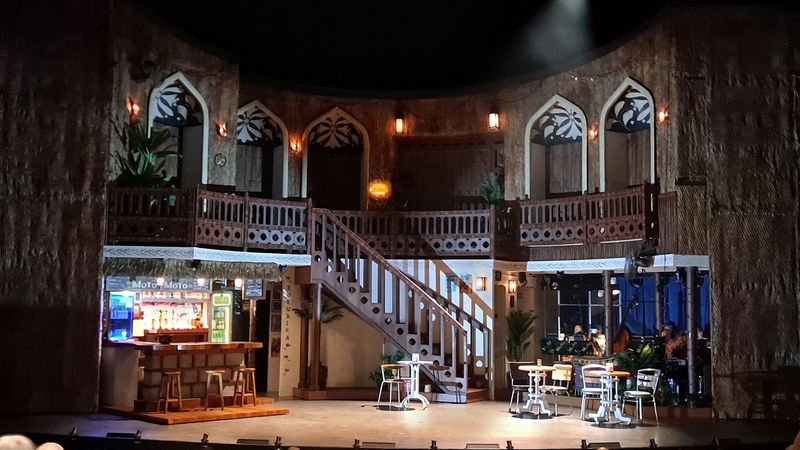
One breakout season can make any theater look important for a while. A long list of credits spread across many years tells a steadier story.
Broadway records show a repeated relationship between this California theater and New York stages, covering shows it developed, premiered, co-produced, or helped originate.
The credits span decades rather than clustering in a single stretch of unusually good luck.
Patterns like that come from infrastructure. Development programs, rehearsal space, staff who specialize in new work, and audiences willing to sit through unfinished ideas all contribute.
For someone planning a trip, the useful angle is that the pipeline is ongoing.
A show on the calendar today has a genuine chance of appearing in New York later, though nothing is guaranteed and many fine productions simply finish their run and close.
Checking whether a listed production is billed as a world premiere is a quick way to gauge what is happening. Premieres are the shows most likely to keep traveling.
Not every visitor cares about that. Some just want a good night out, and the theater delivers that too.
Still, there is something satisfying about seeing a title early and recognizing it on a Broadway listing months later.
Amelie Received Its World Premiere On This Stage
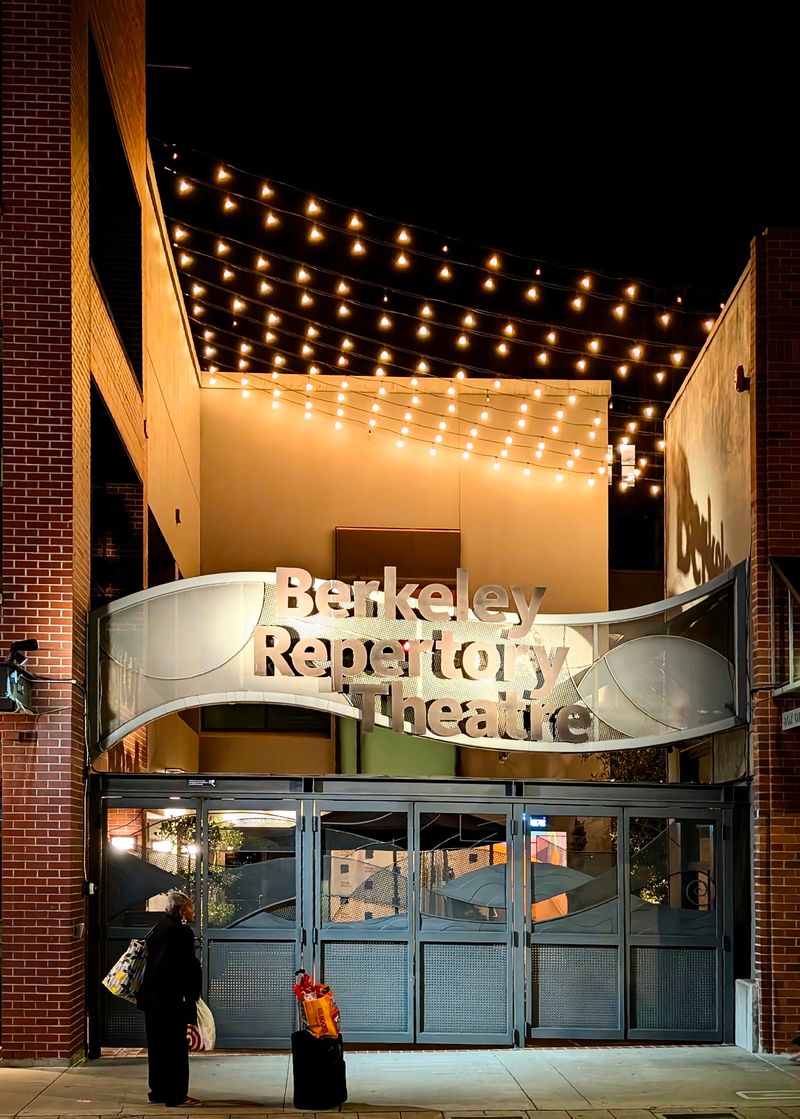
Fans of the film often assume the stage musical version began in New York. It did not.
Amelie had its world premiere at Berkeley Rep in 2015, with Samantha Barks in the leading role at that time.
Development continued after the Berkeley run, and the production opened on Broadway at the Walter Kerr Theatre in April 2017, with Phillipa Soo playing the title character.
Casting changes between a premiere and a Broadway opening are common, and this show is a tidy example of how much can shift along the way.
Berkeley audiences saw an early version of the staging, the score, and the design. Some of those elements carried forward and some did not.
Practical lesson for theatergoers: a world premiere is a snapshot rather than a final draft. That can be a plus if watching a work in progress sounds appealing.
It also means comparing a premiere to a later Broadway cast recording will turn up differences, which some people find genuinely fun.
Programs handed out at the door usually explain where a production sits in its development. Reading them adds context that makes the evening more interesting.
Hundreds Of Artists Have Come Through That Program
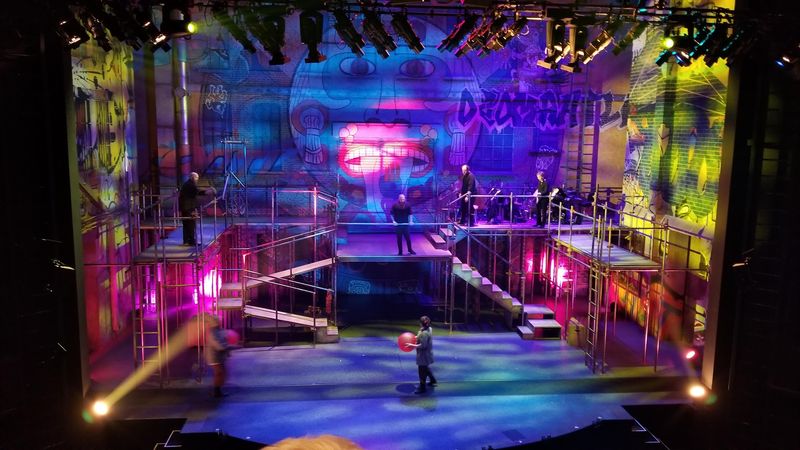
Numbers help show how large the development side has grown.
Since launching in 2012, The Ground Floor has supported over 1,000 artists and helped incubate more than 200 projects.
Works developed there have gone on to fully staged productions at Berkeley Rep and at theaters around the country and beyond.
For the 2026 Summer Residency Lab, 20 projects involving more than 100 artists were selected from roughly 1,300 applications. Competition at that level suggests the program is widely known among working theater artists.
Residency participants gather at the theater’s West Berkeley campus for an intensive four-week period, which was scheduled from June 15 to July 12, 2026.
Knowing the program exists does add texture to a visit though. Shows appearing on the mainstage may have started as a few pages read aloud in a rehearsal room down the road.
That behind-the-scenes layer is part of what separates a theater that develops work from one that only presents it.
It also explains the steady supply of premieres each season.
Every Seat Sits Closer Than You Might Expect
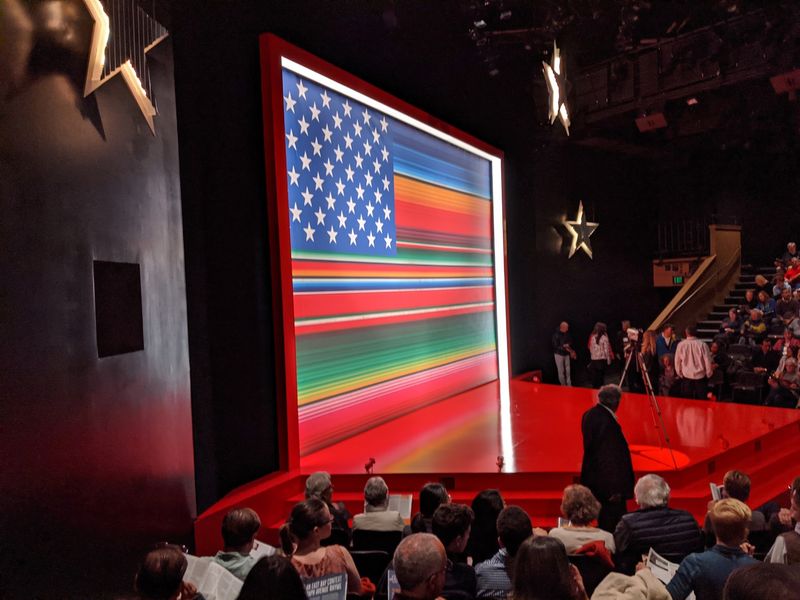
Distance from the stage changes everything about how a performance lands.
Berkeley Rep states that no seat in Peet’s Theatre is more than 44 feet from the stage, while the farthest seat in the larger Roda Theatre sits roughly 49 feet away.
Compared with many Broadway houses, those are short distances, and the difference is easy to feel once the lights go down. Facial expressions read clearly from the back rows, and quiet moments do not get lost.
Audiences frequently describe the rooms as intimate and comfortable, and there is broad agreement that weak seats are hard to find.
Seating is close together in places, which some people notice during longer shows. Standing during intermission helps.
Sound design carries well in both rooms, so hearing dialogue is generally not a problem even without amplification-heavy staging.
For anyone who has struggled with distant balcony seats elsewhere, the scale here is a relief. Choosing a mid-priced seat rather than the most expensive option often makes sense given how compact the rooms are.
Comfort and proximity are a big part of why regulars keep coming back.
Two Main Stages Share One Downtown Address
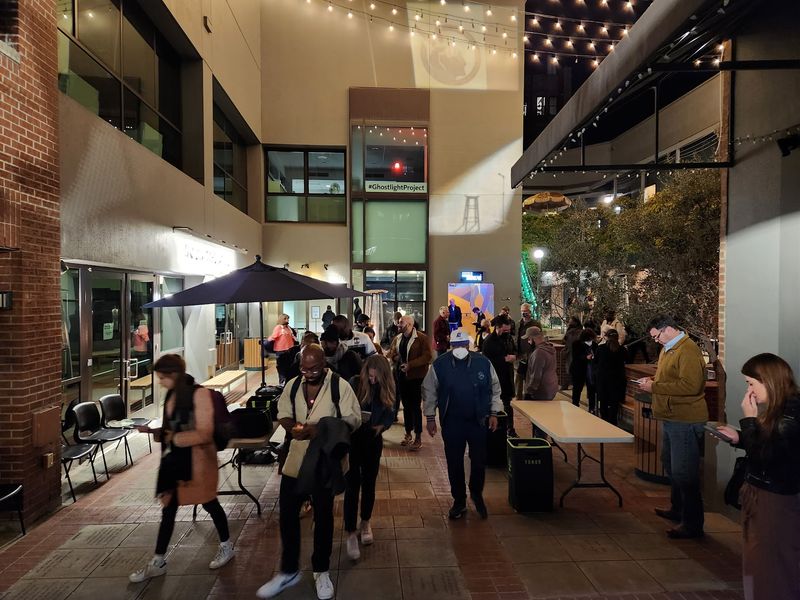
Knowing which room a show is playing in helps set expectations before arrival.
Berkeley Repertory Theatre operates two main performance spaces at 2025 Addison St, Berkeley, CA 94704, where the box office is also located.
Peet’s Theatre is the more intimate of the two with a capacity of approximately 399 seats, while the Roda Theatre holds around 568, figures often rounded to roughly 400 and 600 in the theater’s broader materials.
Larger musicals typically land in the Roda, while smaller plays often fit the Peet’s.
The location sits within a short walk of the Downtown Berkeley BART station, making transit a practical option from San Francisco and other East Bay stops.
A parking garage operates nearby for those who drive, and driving conditions and rates vary by time and day.
A courtyard with benches gives audiences somewhere to wait before doors open, and a small snack bar serves the lobby crowd.
Coffee is usually noticeable the moment the doors swing open.
Arriving 20 to 30 minutes early leaves time for will-call, restrooms, and finding a seat without rushing.
Future Hits Are Still Waiting To Be Discovered Here
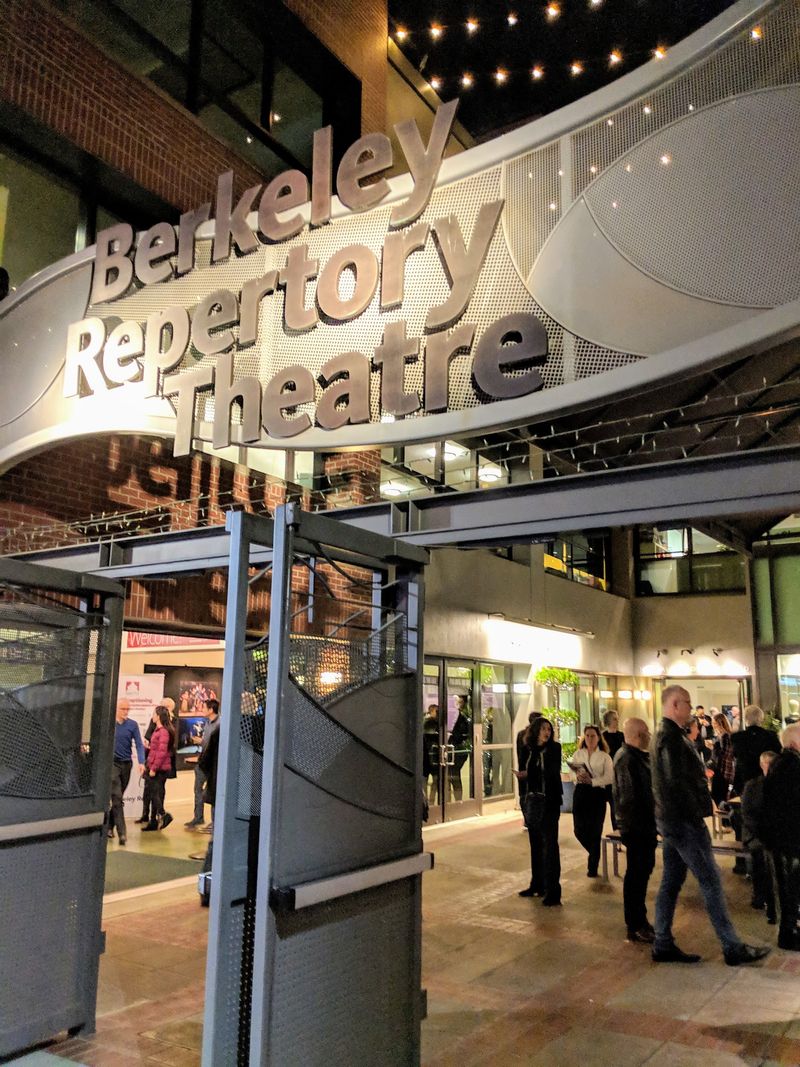
Catching something early is the whole point for a lot of visitors.
New work continues alongside established plays, and the 2026/27 season, which begins in September 2026, includes seven subscription productions covering both world premieres and familiar titles.
Buying a ticket at 2025 Addison Street carries a real possibility that the show onstage will keep traveling long after the run closes.
Nothing about that is guaranteed, and plenty of excellent productions simply end their run and become a good memory.
Season announcements usually arrive well before opening nights, which gives planners time to build a Bay Area trip around a specific title.
Subscriptions, single tickets, and rush options exist, though terms change from year to year and should be confirmed directly.
Weekday performances and matinees often feel calmer than weekend evenings, both in the lobby and on nearby streets.
For travelers combining theater with a broader California trip, downtown Berkeley works well because restaurants and transit sit within walking distance.
Leaving the evening loosely scheduled after the show is wise, since running times vary and post-show discussions can extend the night. Either way, the odds of seeing something memorable are strong.