North Carolina Has Its Own Grand Canyon And A Shockingly Easy 0.4-Mile Hike Leads Straight To The View
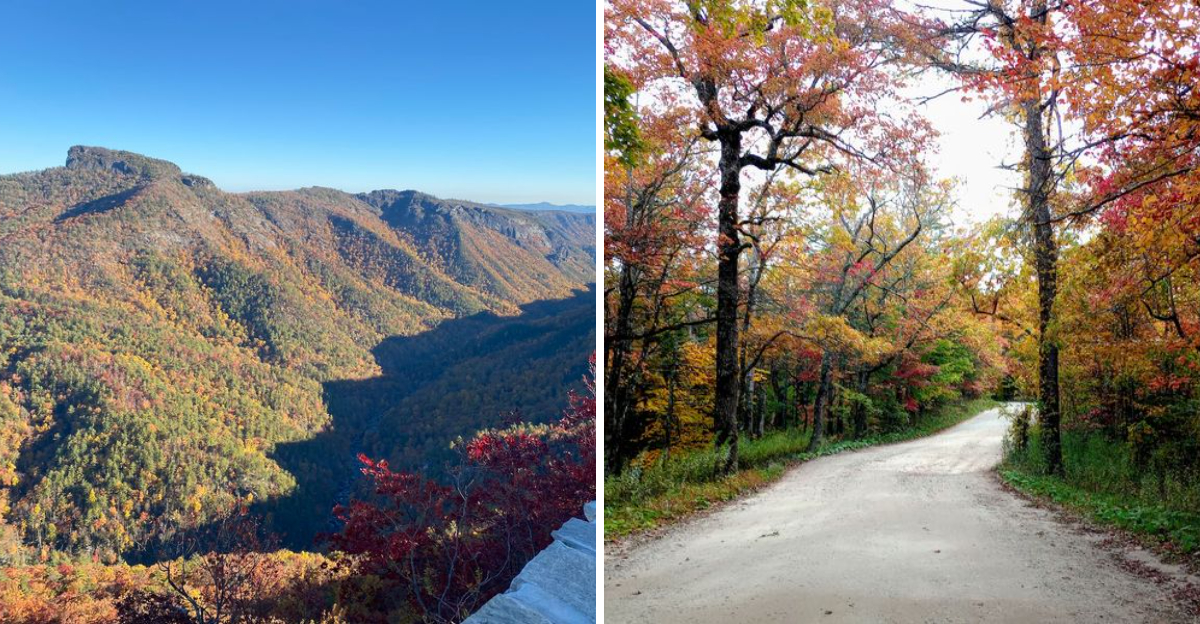
I walked less than half a mile and somehow ended up staring into a canyon that looked like it belonged several states farther west. Excuse me?
The cliffs plunge nearly 1,500 feet toward the river below, and the whole gorge spreads out so dramatically that my brain immediately started questioning the mileage.
Surely a view this huge was supposed to require an exhausting climb and at least one regrettable decision.
Nope. In this corner of North Carolina, the payoff comes after a ridiculously short paved walk.
I barely had time to complain before the landscape opened up and made me forget what I was saying.
Calling it impressive feels wildly inadequate.
I would expect aching legs for scenery like this. Instead, the hardest part may be closing my mouth long enough to take the photo.
Walk Less Than Half A Mile For A View That Feels Much Harder Earned
Five minutes. That is roughly how long it takes to go from your car door to one of the most jaw-dropping canyon views in the eastern United States.
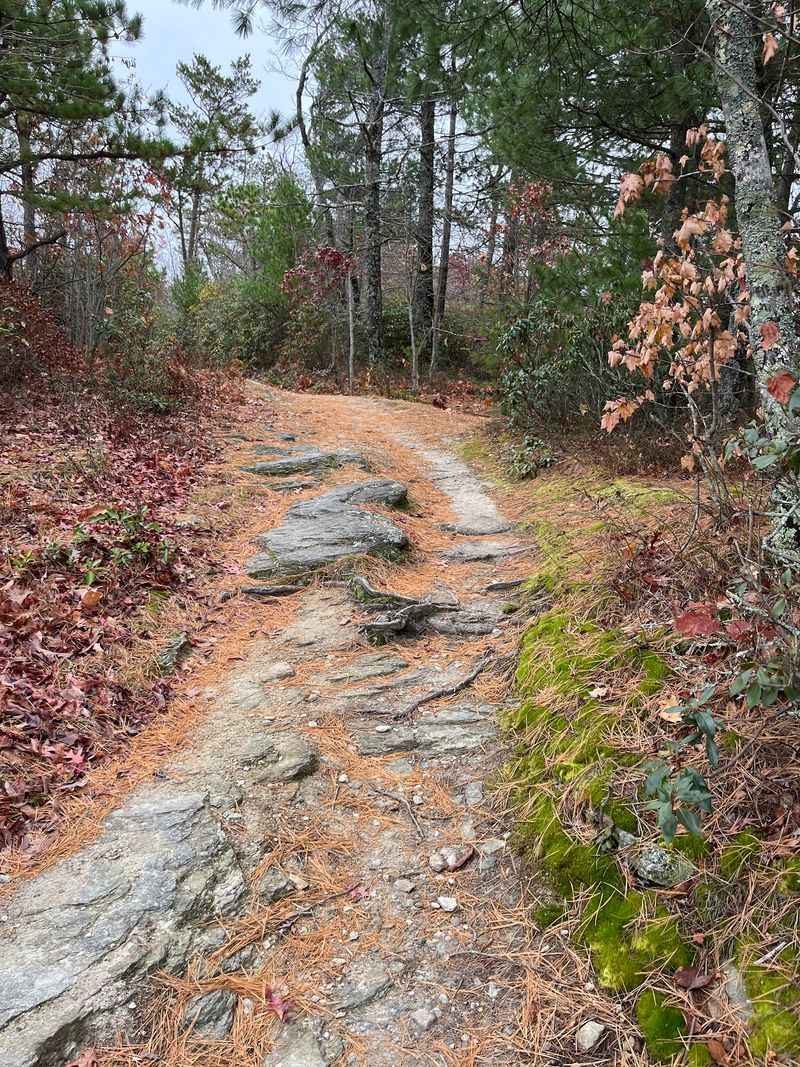
The full round trip to both observation points measures about 0.4 miles, and the surface stays paved and level nearly the whole way.
Benches sit along the route for anyone who wants to rest, and the parking area includes a restroom, which is a welcome detail this far into the backcountry.
What strikes you first is the smell: warm pine needles, damp soil, and a clean, cool draft rising out of the gorge. Birds call from the canopy overhead while the trail curves gently downhill.
Stone steps lead to the two lower turret platforms, though the upper seating area delivers a tremendous panorama on its own for visitors who would rather skip stairs. Strollers roll along fine here.
Families regularly cover the distance without a single complaint, which almost never happens on a mountain trail.
You Can Reach The Overlook Without Tackling A Long Mountain Hike
Getting here is honestly the hardest part of the whole outing, and even that is more adventure than obstacle. The scenic overlook sits outside Marion, NC 28752, reached by the Kistler Memorial Highway, better known to locals as Old NC 105.
Roughly four miles of that route runs on packed dirt and gravel, with occasional ruts and washouts that reward patience and a bit of ground clearance.
Drivers in an SUV, truck, or all-wheel-drive vehicle generally handle it comfortably. Smaller cars do make the trip in dry weather, though slow speeds and careful steering around dips are the smart approach.
Wet conditions turn the road considerably rougher.
Once you park in the large renovated gravel lot, everything changes. The paved walkway begins immediately, wide and steady, and the wilderness feeling arrives without any climbing.
There is no entrance fee, no reservation, and no gate. The site stays open around the clock, so early risers can chase sunrise while the forest is still cool and quiet.
Watch The Gorge Drop Away Beneath You Almost Immediately
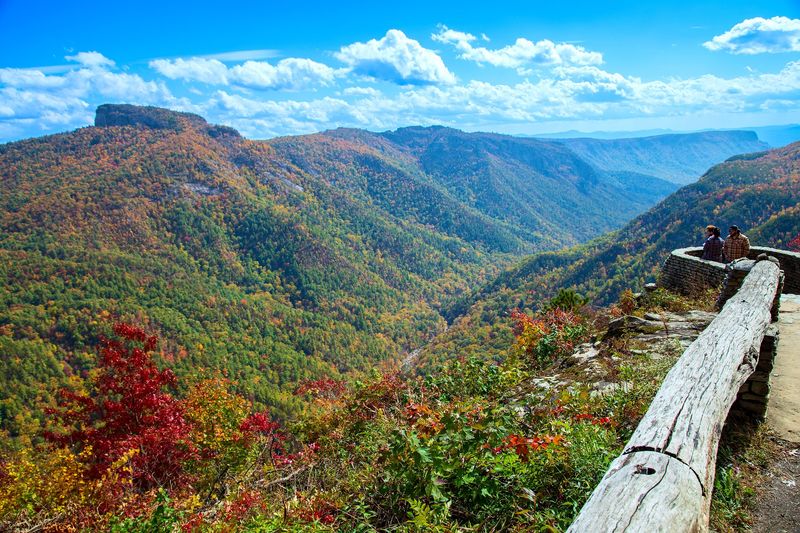
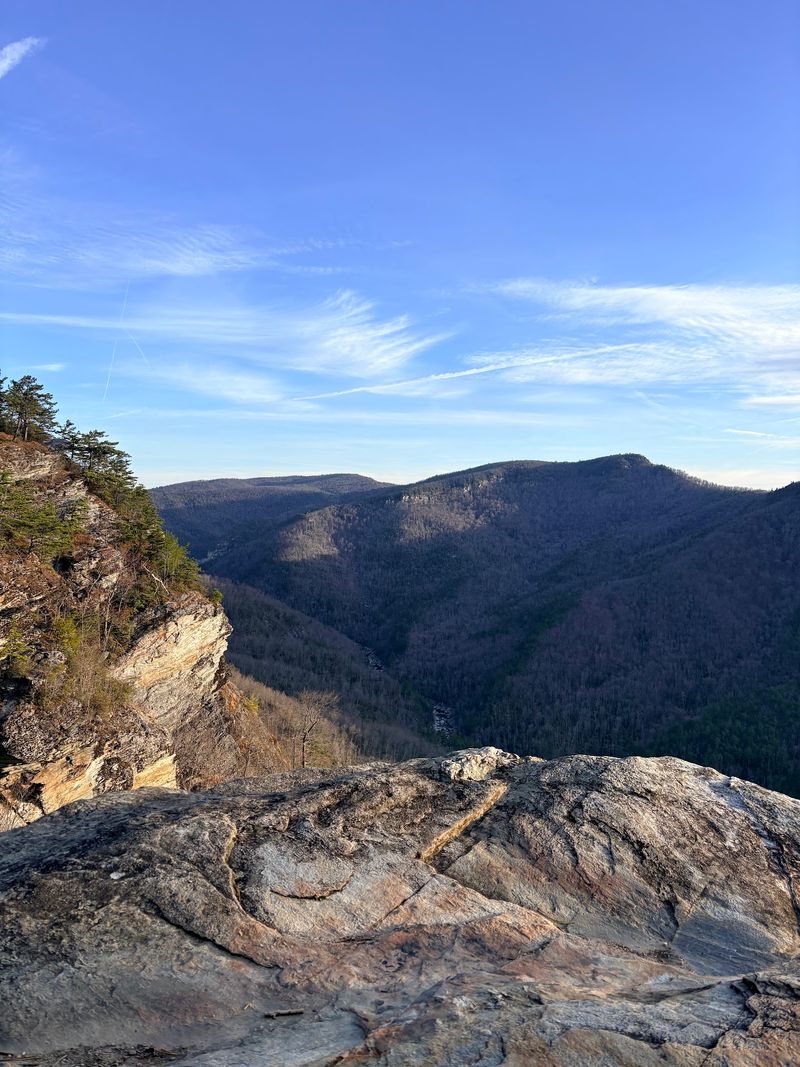
The ground simply ends. One moment you are walking through ordinary Appalachian woods, and the next the forest floor vanishes and a canyon opens beneath your feet.
Stone platforms perch near 3,400 feet in elevation, with the Linville River threading through the shadowy floor roughly 1,500 feet below. On still days you can catch the faint rush of water far down in the chasm, a sound that travels upward through all that open air.
Scale is what makes the moment land so hard. Full-grown hemlocks and oaks on the opposite slope shrink to something resembling moss.
Hawks and vultures ride thermals well below eye level, which rearranges your sense of up and down entirely.
Safety deserves real attention here. The drop-offs are genuine cliffs with no guardrails on the outer ledges, so keep small children close and pets leashed at all times.
Stay behind the stonework, breathe, and let the enormity of the place settle in slowly.
Look Across To Some Of The Most Dramatic Cliffs In Western North Carolina
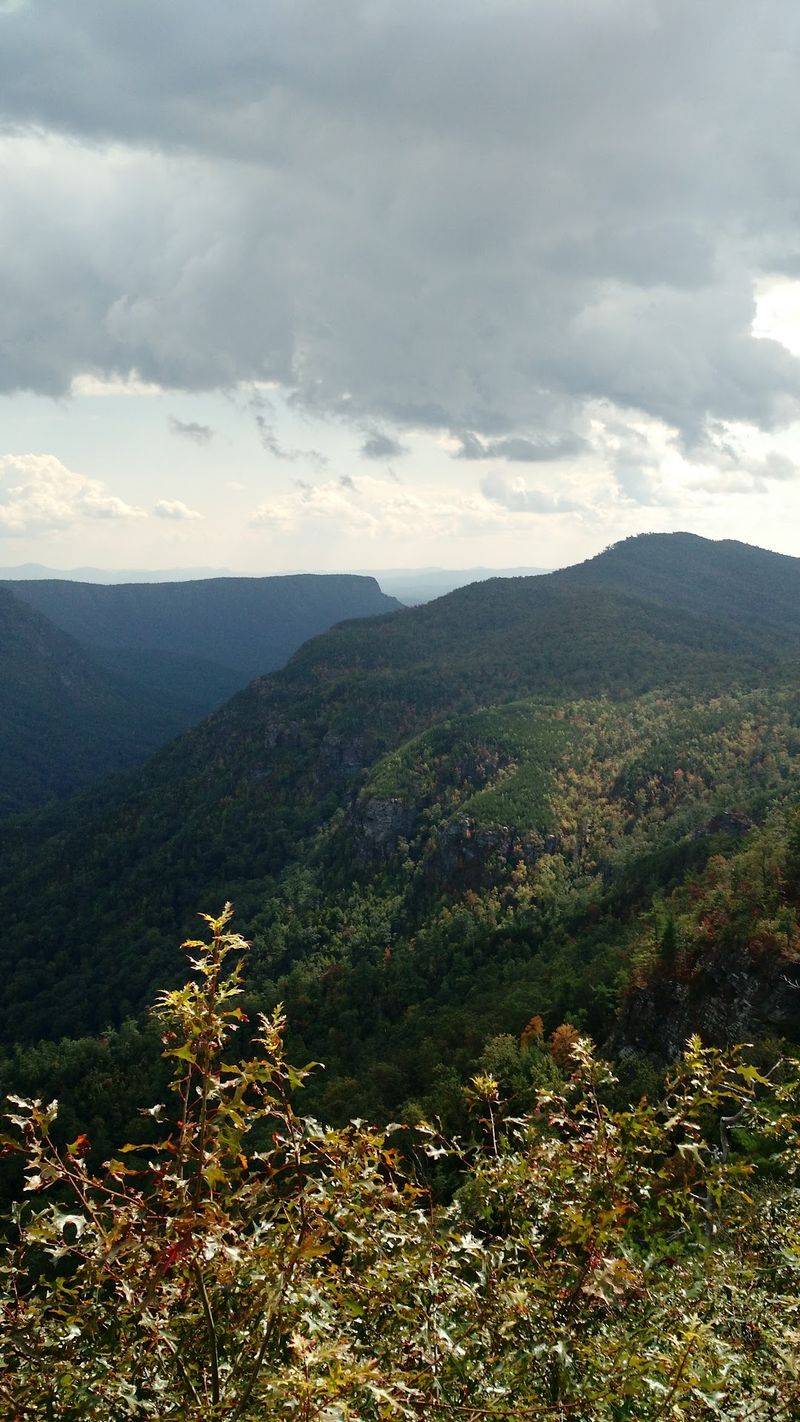
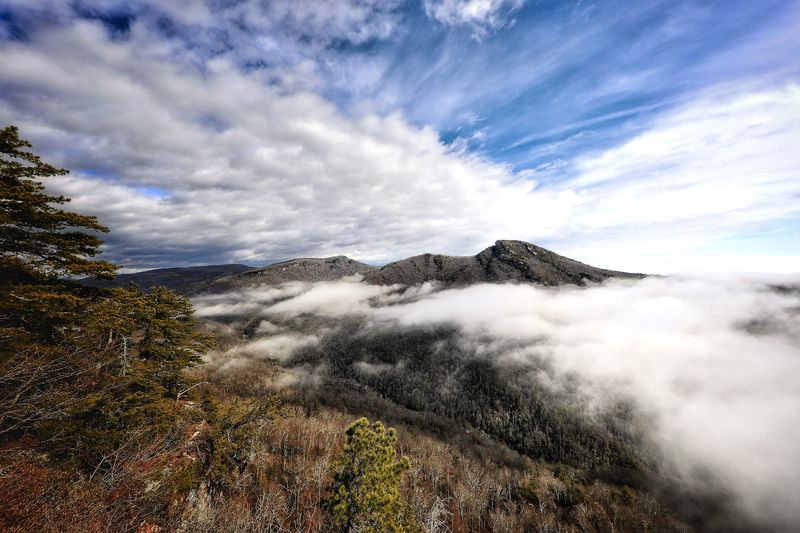
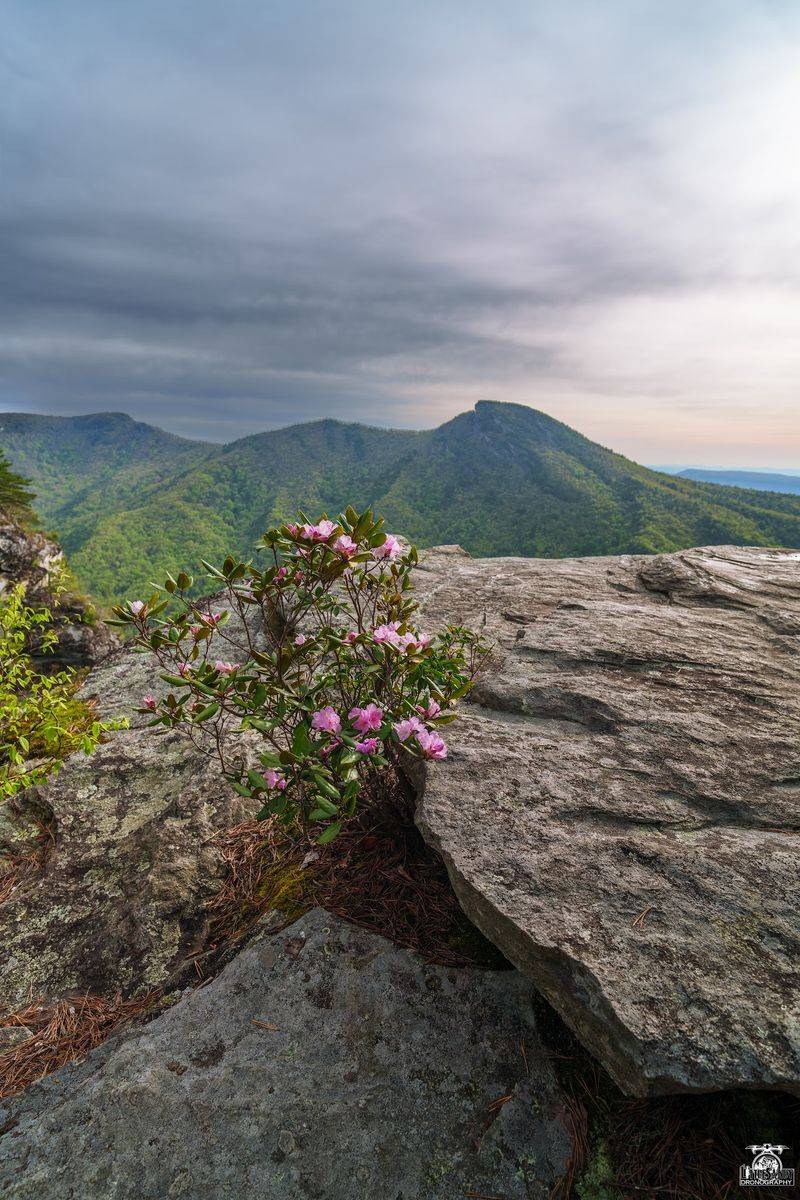
Directly across the canyon stand two of the most recognizable summits in the Blue Ridge: Hawksbill Mountain with its beaked, tilted crown, and Table Rock Mountain with its flat, unmistakable top.
From the western rim, Wiseman’s View looks across Linville Gorge toward Hawksbill Mountain and Table Rock, two of the most recognizable formations along Jonas Ridge.
Instead of looking at one landmark, you get both framed by a canyon rim of quartzite ledges and stubborn wind-shaped pines.
Rock climbers occasionally appear as tiny specks on the far cliff bands. Bring binoculars and the opposite wall reveals ledges, chutes, talus fields, and hidden pockets of bare stone that the naked eye blurs together.
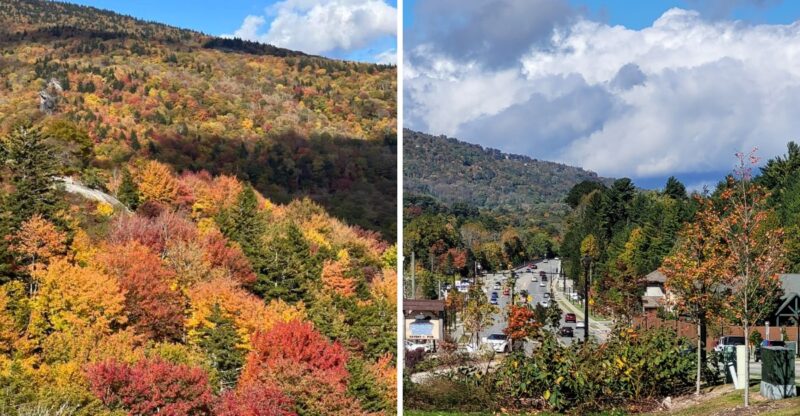
Seasons rewrite the whole scene. Winter strips the trees and exposes far more rock and river, spring brings soft green haze across the slopes, and October ignites the ridges in gold, copper, and deep red.
Come back twice in the same year and you may swear you visited two different places.
Bring A Camera Because The Scale Is Hard To Capture
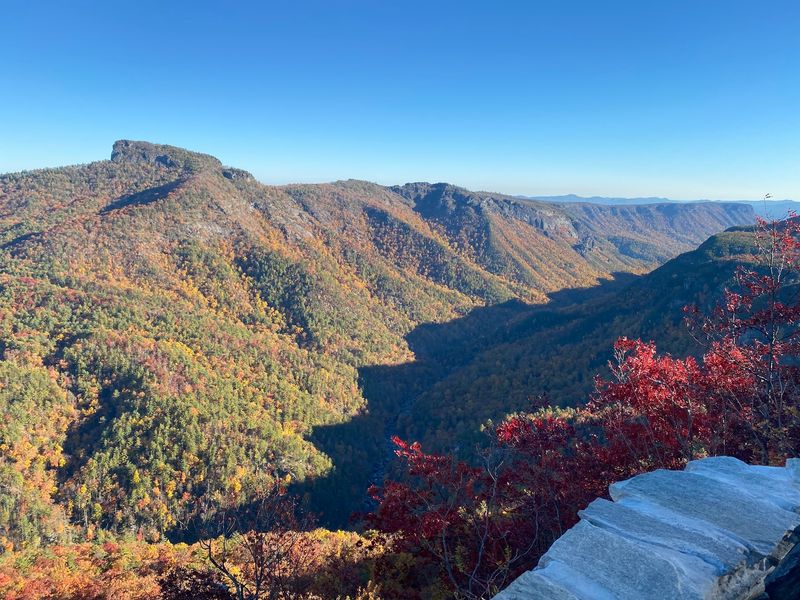
Every visitor eventually says the same thing while scrolling through their photos: it looked so much bigger in person.
Depth is the problem. A canyon 1,500 feet deep flattens into pretty green ridges on a phone screen unless you give the eye something to measure against.
Frame a nearby pine branch, a rock ledge, or a friend standing safely back from the rim in the foreground, and suddenly the distance reads correctly.
Light matters enormously. Mid to late afternoon sun rakes across the far wall and pulls texture out of the cliffs, while flat midday light washes everything into sameness.
Sunrise photographers show up before 7 a.m. on weekdays and often have the platforms nearly to themselves, with mist pooling in the gorge like slow-moving water.
Pack a wide lens if you own one, plus a zoom for isolating Table Rock. Then put the camera down for ten full minutes and just look.
That memory outlasts the files.
Take Your Time On The Short Trail Instead Of Rushing The Payoff
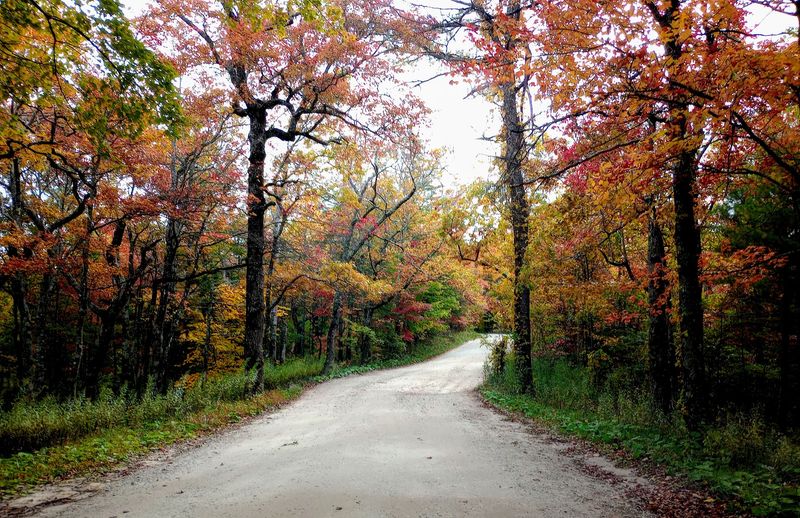
Short does not have to mean quick. Plenty of people park, march to the rim, snap three pictures, and leave within fifteen minutes, missing most of what the site actually offers.
A spur path connects the two overlook areas, and each one frames the gorge from a slightly different angle. The second platform shifts your line of sight along the canyon and reveals contours the first one hides.
Along the walk, look for mountain laurel and rhododendron crowding the edges, their leathery leaves curling tight in cold weather. Chipmunks rattle through the leaf litter, and the wind moving through table mountain pines makes a dry, papery sound.
Pack a picnic. The benches near the upper viewing area make a fine spot for sandwiches, apples, and a thermos of coffee while the canyon does all the entertaining.
Give the visit an hour rather than a quarter of one, and the place stops being a photo stop and becomes an experience.
Stay For Changing Light Across The Gorge Walls
Hours pass differently up here because the canyon never holds still.
Morning fills the gorge floor with cool blue shadow while the rim catches first light. By early afternoon the sun swings around and floods the eastern wall, throwing warmth onto Hawksbill and Table Rock until every crack and ledge stands out in relief.
Late in the day the shadows stretch long and the ridges stack themselves into fading layers of blue, each one paler than the last. Clouds racing overhead drag moving patches of shade across the forest below like something alive.
Weather rolls in fast in this part of the mountains, so keep an eye on the sky and carry a light jacket even in summer. Fog can swallow the entire view in minutes, then lift just as suddenly.
After dark, the region carries a famous mystery: the Brown Mountain Lights, strange glows reported in these hills for generations. Nobody has fully explained them, which only adds to the appeal.
Leave Wondering How Such A Huge View Came From Such A Short Walk
Walking back to the car takes about five minutes, and most people spend all five shaking their heads.
The math never quite adds up. A 0.4-mile stroll on pavement should not deliver the deepest gorge on the East Coast, complete with two landmark summits and a river running far below.
Yet here it is, free of charge, open every every day.
Accessibility is a real part of the story. Wheelchair users, grandparents, and toddlers can all reach a genuine wilderness panorama that usually demands hours of climbing.
Plan the rest of the day around it. Linville Falls sits nearby with its own network of trails and viewpoints, and the surrounding forest roads offer plenty of quiet pull-offs for exploring.
Come on a clear weekday if crowds concern you, and check road conditions before setting out. This corner of North Carolina rewards the people who make the effort to drive that last bumpy stretch.