North Carolina Hides A 40-Acre African Wildlife Paradise Where Giant Elephants Roam
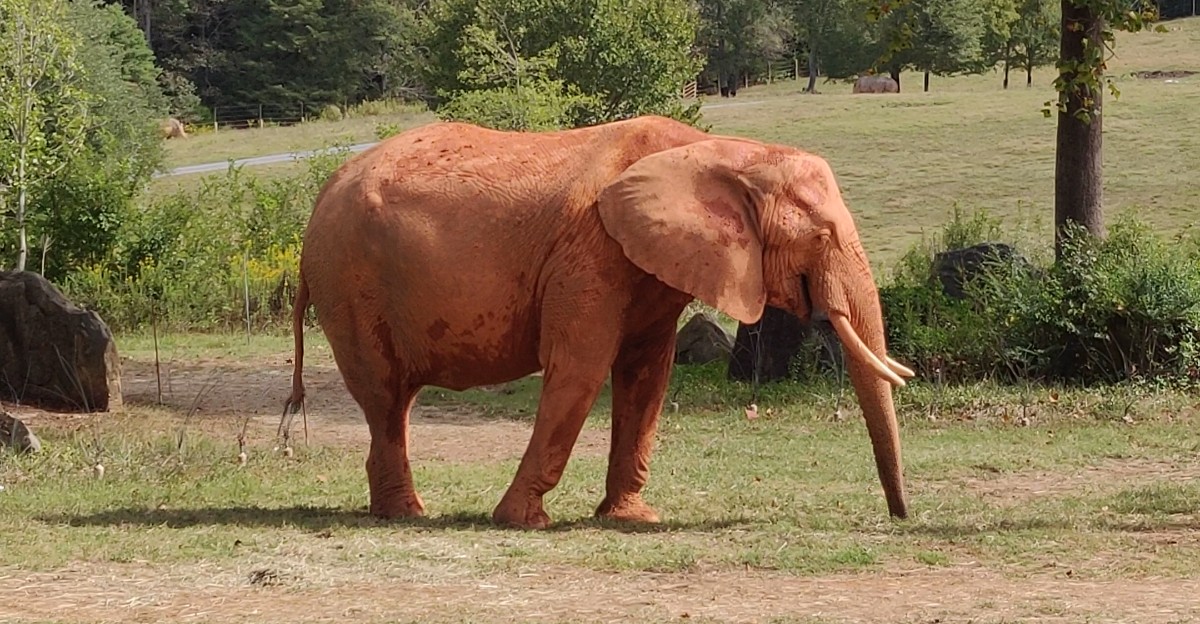
Their low rumbles, called infrasound, can travel through the earth, and other elephants can pick up those vibrations through their feet.
That fact alone sent me down a rabbit hole.
Then I found out the herd shares a 40-acre grassland with rhinos, antelope, and gazelles, which makes the average backyard feel downright embarrassing.
I love that all of this is happening in central North Carolina instead of on some faraway savanna.
Miles of shaded paths wind through the grounds, and giraffes can meet visitors nearly eye to eye from a raised deck.
The scale is what gets me.
These animals have room to roam.
And sometimes, 10,000 pounds of elephant decides to roam surprisingly close.
A Grassland So Big The Elephants Need Their Own Zip Code
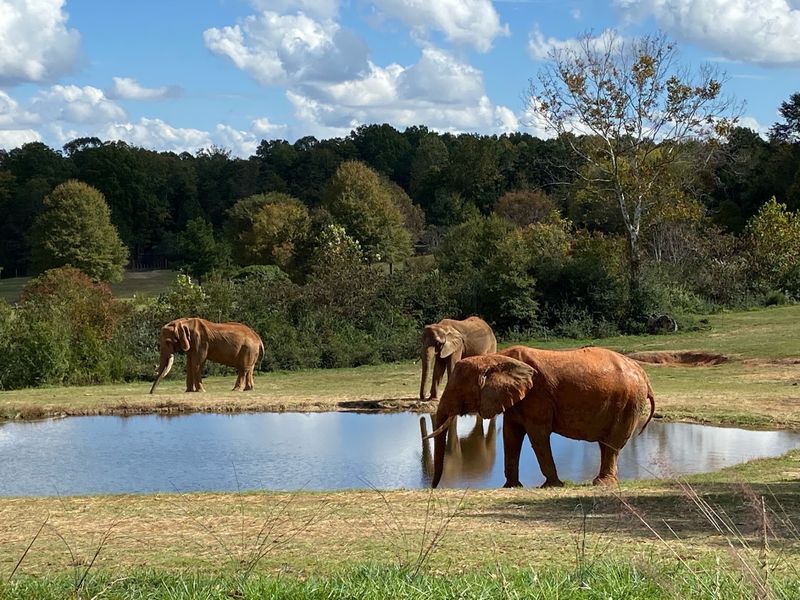
Forty acres is roughly the size of 30 football fields. That is the Watani Grasslands at the North Carolina Zoo, and it belongs to some very large residents.
Elephants, rhinos, antelope, and gazelles all share this open space. They graze freely, which means the view changes every time you look.
The zoo itself is called the world’s largest natural habitat zoo. It covers about 2,800 acres, with around 512 acres developed into exhibits.
That size matters for the animals. They can roam, rest, and sometimes slip out of sight for a while.
So patience pays off here. If the elephants seem shy, swing back later and try again.
I like that the habitat doesn’t feel like a cage with a fancy sign. It looks more like a slice of Africa dropped into North Carolina.
The Africa region has a long story too. Groundbreaking started in 1976, and the first five habitats opened in the summer of 1980.
Bring a camera with a decent zoom. The animals aren’t posing for you, but the wide-open setting makes every shot feel wild.
Your phone gallery will thank you later.
Meet The Herd Before You Meet Their Trunks
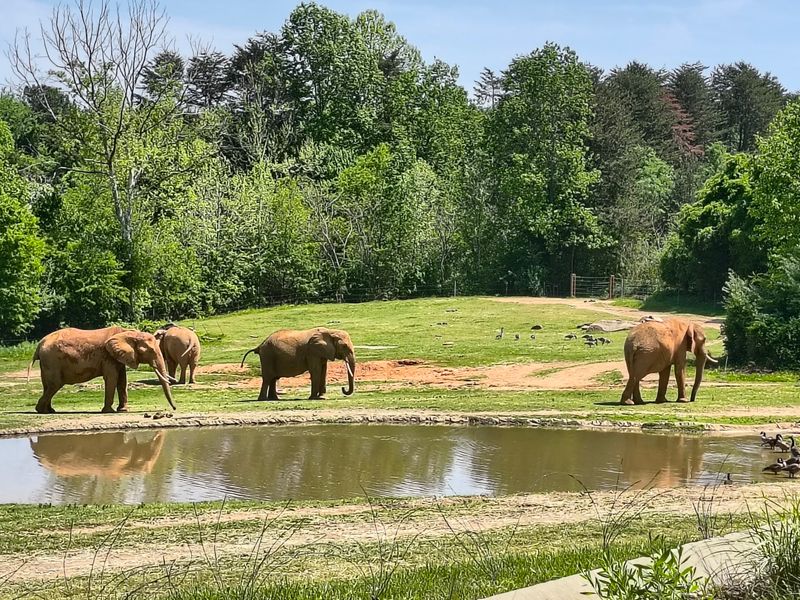
Rafiki runs the show. She’s the matriarch of the elephant herd, and every family needs a boss.
Her crew includes three other females named Nekhanda, Batir, and Tonga. Two males, Artie and Louie, round out the group.
These are African bush elephants with roots in Eswatini, the country once called Swaziland. Learning their names makes the visit feel personal right away.
Now for the numbers that make jaws drop. African elephants can weigh more than 10,000 pounds and stand about 11 feet tall.
Their trunks hold around 40,000 muscles. Your whole body has about 600, so the trunk wins easily.
That trunk grabs food, sprays water, and even greets friends. It’s basically a nose, hand, and hose in one.
Then there’s the foot trick. Elephants can sense low rumbles through the ground, a kind of secret phone line.
Kids usually love that fact. Try asking them to stand still and listen with their feet, and watch the giggles start.
Spend a few minutes just watching the herd interact. You’ll start noticing who leads, who follows, and who wants a snack.
The North Carolina Zoo sits at 4401 Zoo Pkwy, Asheboro, NC 27205.
Hop Into An Open-Air Truck For A Real Safari Feeling
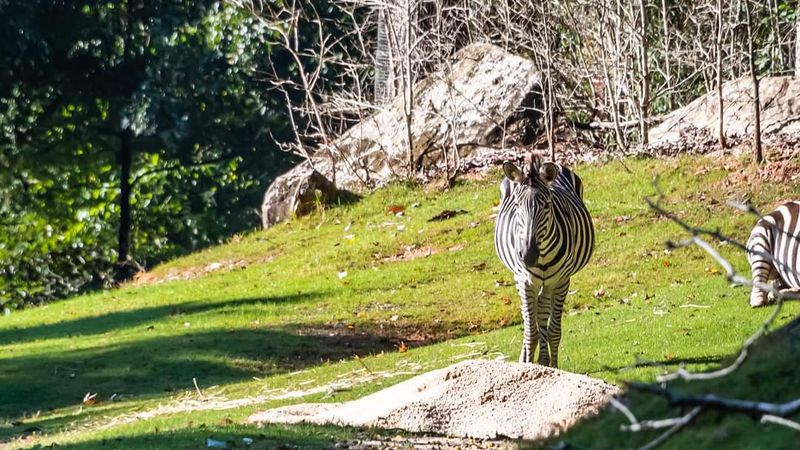
Walking paths are great, but riding through the habitat feels different. The Zoofari African Wildlife Adventure takes you right into the Watani Grassland.
You ride in a specially equipped open-air vehicle. Rhinos, gazelles, and antelope are part of the lineup, with nine species in all.
That’s a lot of wildlife from one seat. And you don’t even need hiking boots for this part.
Southern white rhinos are a big highlight. Seeing one from a truck bed puts their size in a whole new light.
Fringe-eared oryx and greater kudu also live in the Africa region. Their horns alone are worth the price of a good photo.
Timing is key for this tour. It runs seasonally from March 21 to November 15, weather permitting.
So a winter trip won’t include this ride. Plan a spring, summer, or fall visit if the safari tops your list.
It’s also smart to book early in the day. That way you have the rest of your visit to explore on foot.
Hold onto your hat when the wind picks up. The rhinos won’t fetch it for you.
Giraffes Will Look You Straight In The Eye Up Here
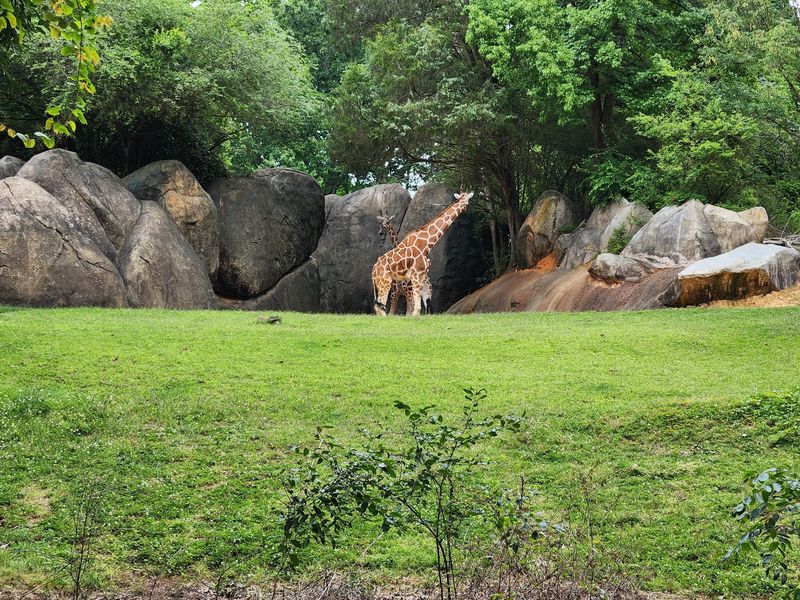
Most people spend a zoo trip staring up at giraffes. At Acacia Station Giraffe Deck, you finally get to meet them at their level.
The raised platform puts you eye to eye with these tall neighbors. Long eyelashes, giant tongues, all of it right there.
It’s a little funny how polite they look. Then that tongue comes out, and the moment turns silly fast.
The deck is open seasonally from March 15 to November 15. Weather can affect it, so check conditions before you go.
Giraffe feeding is a popular extra here. It does cost extra, so plan your budget ahead.
Kids and grown-ups both light up during this stop. It’s tough to stay cool when a giraffe leans your way.
Bring a camera ready to snap quickly. Giraffes move their heads faster than you’d expect for such long necks.
I can’t imagine a better photo for a family album. A giraffe photobomb beats a posed smile any day.
Give yourself a few extra minutes at this deck. It’s one of those stops people want to remember long after they head home.
Gorillas, Chimps, And A Very Busy Baboon Crowd

Elephants get the headline, but the primates steal plenty of hearts. The Africa region is packed with clever, curious faces.
Western lowland gorillas live in the Forest Glade exhibit. They often look calm and thoughtful, like they’re judging your outfit.
Over in Kitera Forest, chimpanzees bring more energy. Watching them play and solve problems can keep you parked for a while.
Then there are the hamadryas baboons. The North Carolina Zoo has one of the largest groups of them in the country.
Big troops mean lots of action. Grooming, chasing, and noisy squabbles are all part of the show.
Lemur Island adds another twist with red-ruffed lemurs. Their bright red fur makes them easy to spot among the trees.
Primates tend to be most active when it’s cooler. Morning visits can give you a better shot at lively behavior.
Look for Meet the Keeper encounters too. Times are usually posted at the habitats, and keepers share facts you won’t find on signs.
Ask a question if you get the chance. Keepers know these animals like family members.
Lions, Red River Hogs, And Some Surprising Characters
Lions usually need no introduction. Still, catching one awake can feel like winning a small lottery.
The African lions here enjoy plenty of space. On warm days, they may choose napping over performing, which is very relatable.
A quick tip helps here. Visit early, when big cats are more likely to stretch and move around.
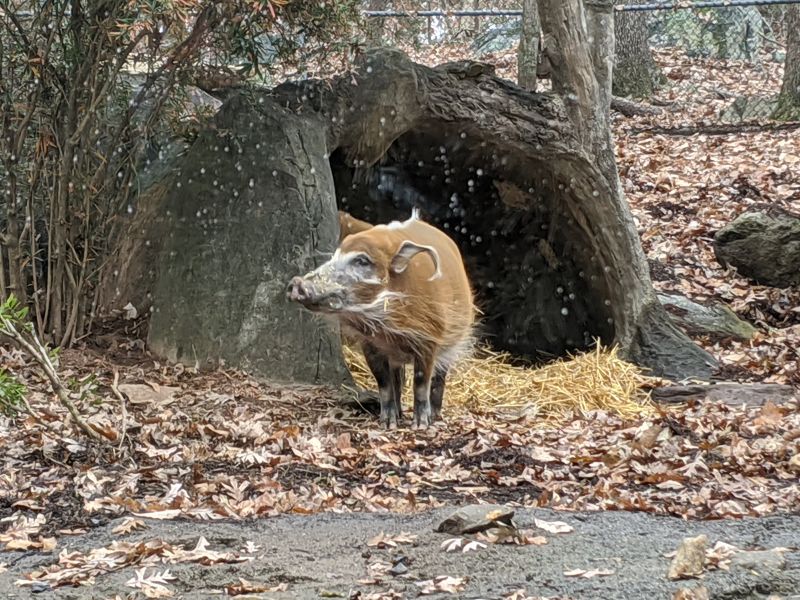
Red river hogs are the surprise favorites for many families. Their reddish coats and tufted ears make them look like cartoon characters.
They’re a fun reminder that Africa isn’t just big cats and elephants. Small and quirky animals have great stories too.
Reading the signs at each habitat adds a lot. You’ll pick up where each species lives and what it eats.
Kids can turn this into a game. Have them pick a favorite animal at every stop and explain why.
By the end of the day, you’ll have a full ranking. Expect heated debates in the car ride home.
Every habitat feels different, so slow down a little. Rushing through means missing the small moments that make this region special.
Fried Chicken Fuel For Elephant-Sized Adventures
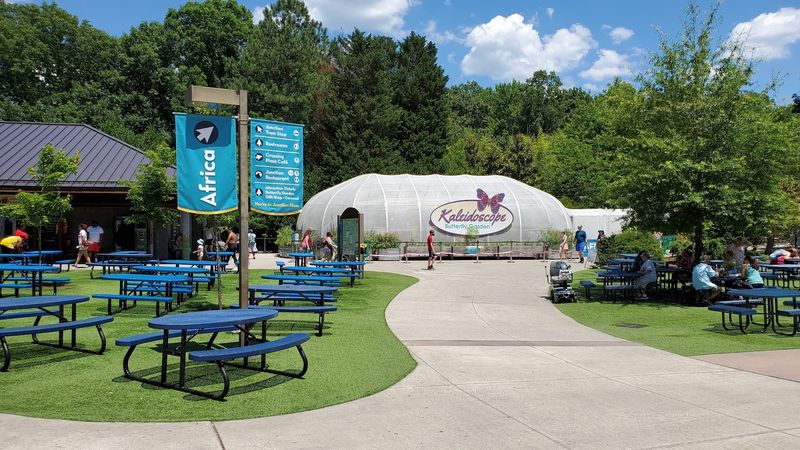
All that walking builds an appetite. Luckily, Akiba Market in the Africa region has you covered.
Billy D’s Fried Chicken serves fried chicken with made-from-scratch sides. Slaw, mac and cheese, and fried okra are on the list.
It’s classic Southern comfort right next to the wild animals. Pretty fitting for a day in North Carolina.
The chicken spot runs from March 15 to November 15. Billy D’s Snax is also nearby for quicker bites.
Want to save some money? You can bring your own food and non-alcoholic drinks into the zoo.
Coolers or insulated bags must stay within 24 by 15 by 18 inches. Pack smart and leave the giant chest cooler at home.
Picnic areas like Hippo Beach and Lakeside give you a place to eat. Some even offer views of Africa Lake.
Water bottle refill stations sit near the Watani Grassland restrooms. Bringing a reusable bottle is an easy win on hot days.
A full belly keeps everyone happy. Hungry kids and tired grown-ups are a tough mix on long trails.
Your Feet Will Want A Game Plan For This One
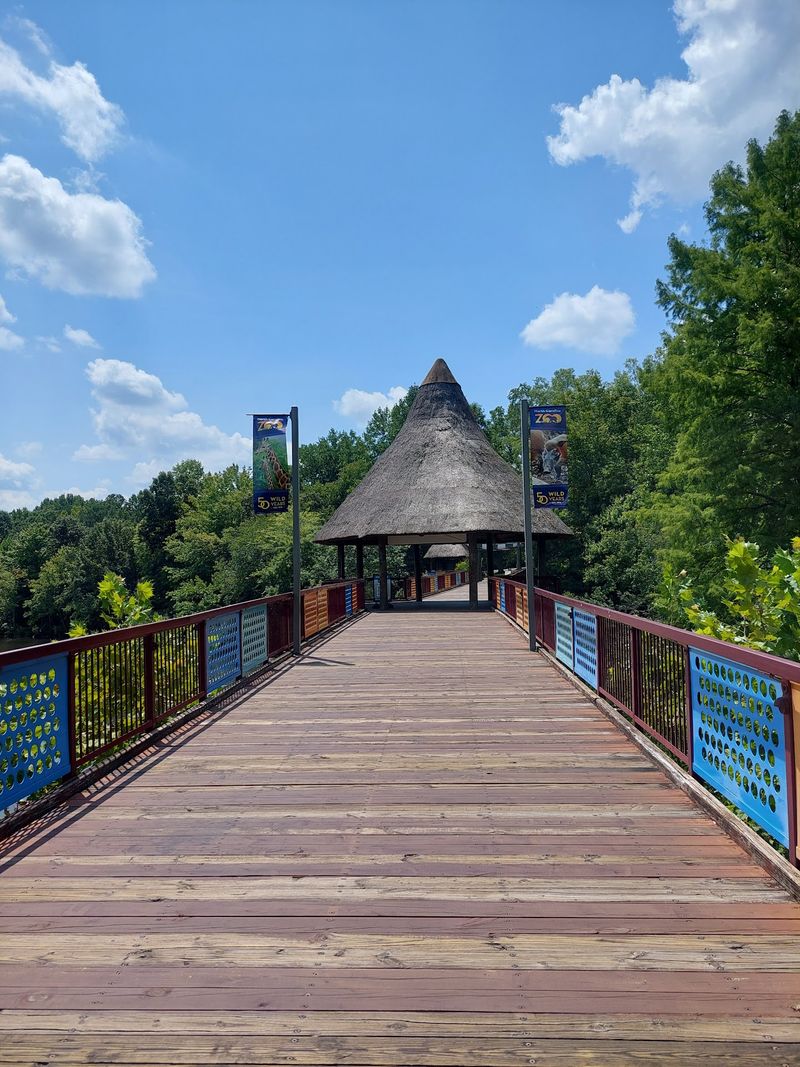
Five miles of walking paths connect the animals here. Comfortable shoes aren’t optional, they’re survival gear.
It has separate Africa and North America regions.
A shuttle runs between the two sections. It stops at Junction Plaza about every 20 minutes.
There’s also a parking lot shuttle linking the two lots. It generally runs from April through October, beginning at 11 a.m.
Need extra help? Wheelchairs and strollers can be rented at the Safari Gift Shop in Akiba Plaza.
Hours shift with the seasons. From April through October, the zoo is open 9 a.m. to 5 p.m.
November through March, it closes at 4 p.m. Last entry is one hour before closing.
Winter has one more twist. The African entrance closes, so use the North American ticket booths instead.
The zoo is open daily except Thanksgiving and Christmas. That gives you lots of chances to plan the right day.
A hat, sunscreen, and water bottle round out your kit. Your legs will be sore, but in a good way.
The Elephant Story Stretches All The Way To Africa
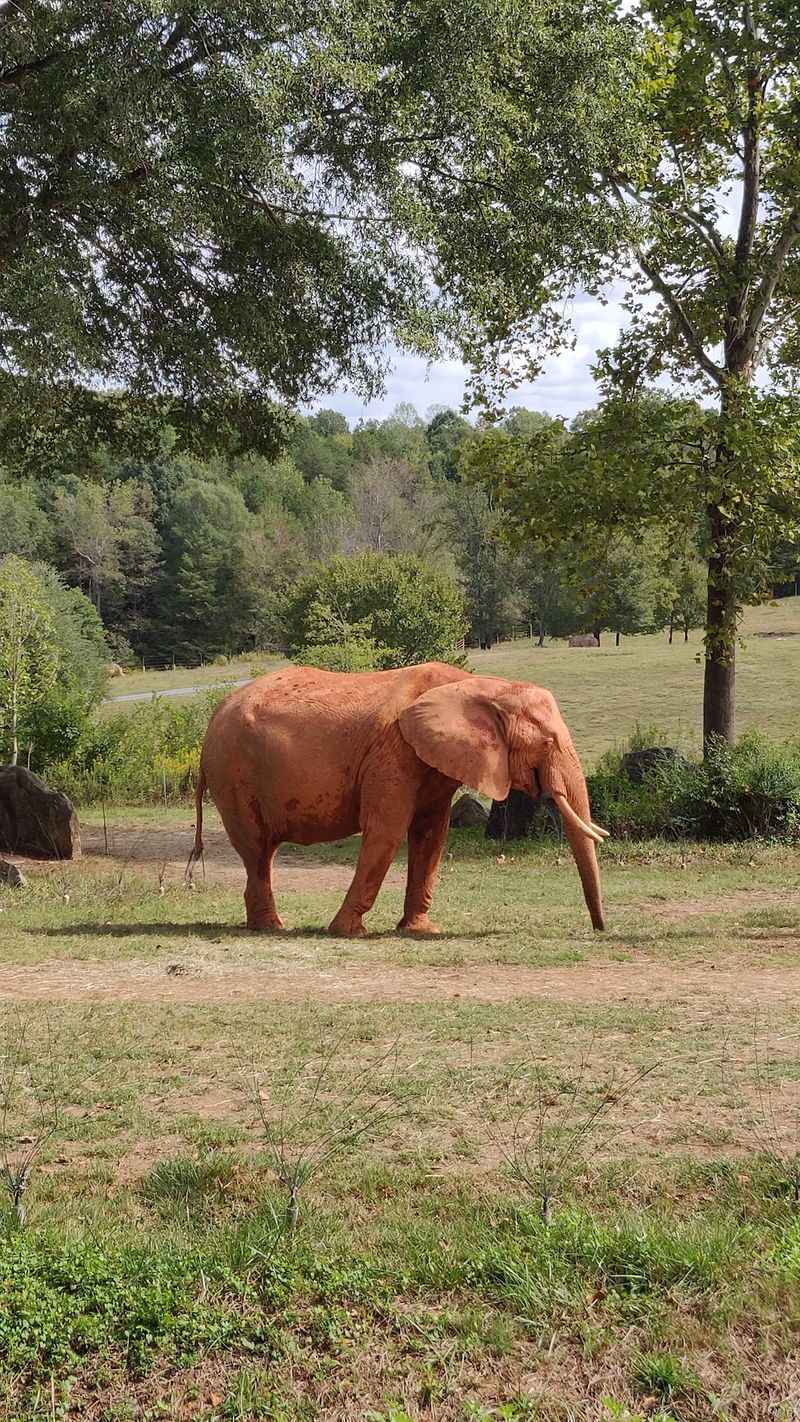
Here’s a twist many visitors miss. The North Carolina Zoo helps elephants far beyond Asheboro.
For more than 20 years, the zoo has studied forest elephants in Central and West Africa. Researchers track how they move and what habitat they need.
GPS satellite collars make this work possible. The data helps fight poaching and reduce conflicts between elephants and people.
That’s a big deal for a zoo in North Carolina. It turns a fun day out into something with real purpose.
The zoo runs field programs in more than 10 countries. It’s recognized around the world for leading in animal conservation.
So when you watch Rafiki and her herd, think bigger. Their wild cousins are getting help from the same team.
This can spark great talks with kids. Ask them how they might help animals someday.
I believe that’s the best souvenir of all. A stuffed elephant is nice, but curiosity lasts longer.
Head home with tired feet and a full camera roll. Odds are you’ll start planning your next visit before the parking lot.