This 19,000-Square-Foot Connecticut Greenhouse Feels Straight Out Of A Fairy Tale
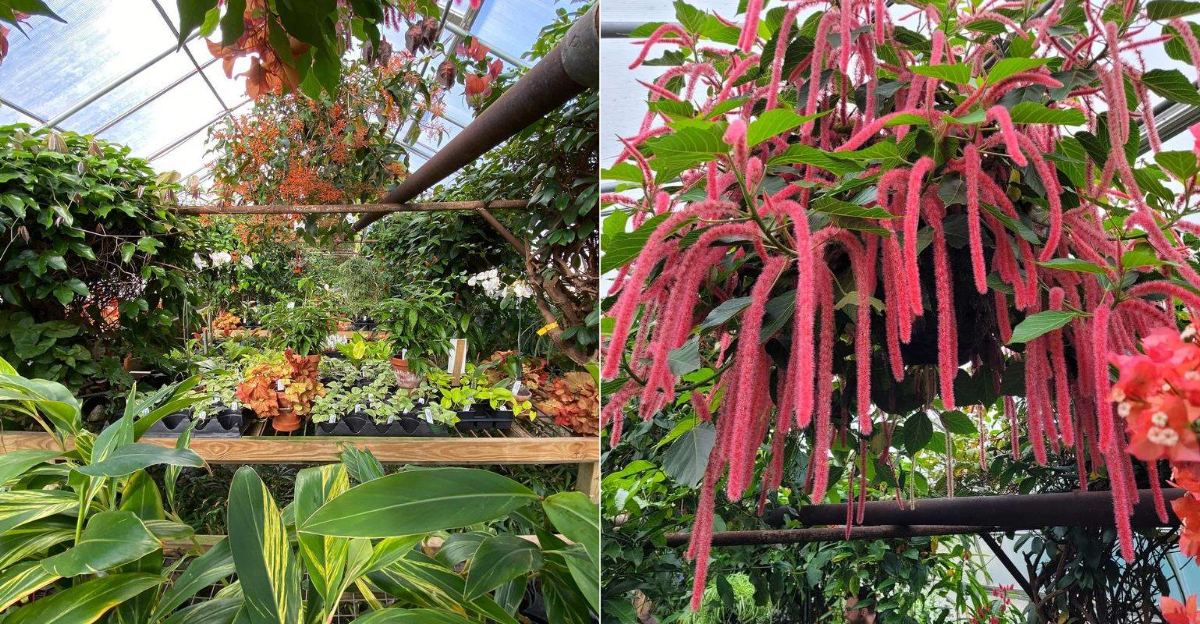
The first few steps inside feel less like shopping for plants and more like wandering into a secret indoor jungle.
This Connecticut greenhouse stretches across 19,000 square feet, with winding paths that keep pulling you toward whatever is growing around the next turn. Rare tropical plants fill the space, and enormous specimens make the whole place feel wonderfully larger than life.
Would you trust yourself to browse all of that greenery without suddenly deciding your living room needs a complete botanical makeover? That may be difficult.
The nursery has been family-run since 1892, which gives the place a sense of history beneath all those leaves. One historic greenhouse still holds a remarkable lemon tree planted more than a century ago.
Around every bend, another plant seems ready to steal your attention.
It is lush and slightly magical, with enough surprises to make a quick plant-shopping stop feel suspiciously like an adventure.
1. Six Historic Greenhouses Packed With Tropical Plants
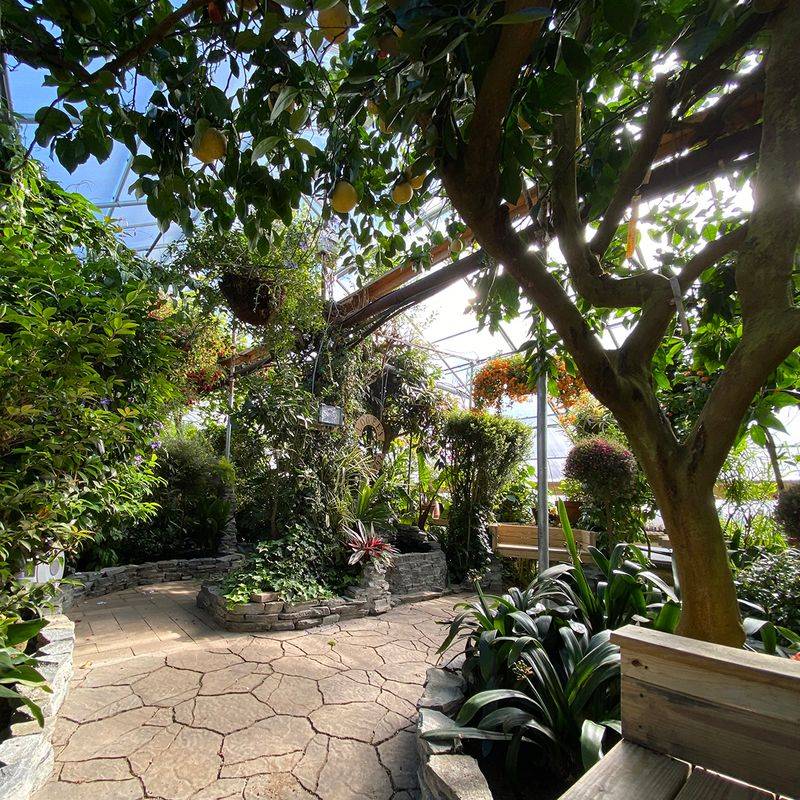
Things get wild quickly here. What looks like a simple nursery visit can turn into an hour of wandering beneath vines, peering into corners, and wondering how one greenhouse manages to hide so much.
Logee’s has been growing unusual plants since 1892, and its six public greenhouses feel wonderfully different from a typical garden center. More than 500 varieties grow across the property, with tropical plants and rare specimens filling the historic spaces.
Many are allowed to reach impressive sizes instead of being kept small for shipping, so branches stretch overhead and vines climb toward the glass.
The oldest greenhouse dates to 1892, while another holds a Ponderosa lemon tree planted in 1900. That tree is still producing oversized fruit more than a century later.
Nothing here feels frozen for display. These are active growing houses where plants are cared for and propagated as visitors explore, adding to the lively atmosphere.
Some pathways are narrow, which comes naturally with buildings this old. That only gives you another reason to slow down.
Logee’s suggests allowing an hour or more, and it is easy to see why. One pass rarely feels like enough when every turn seems to reveal something you somehow missed moments earlier.
2. Family Roots Going Back To 1892
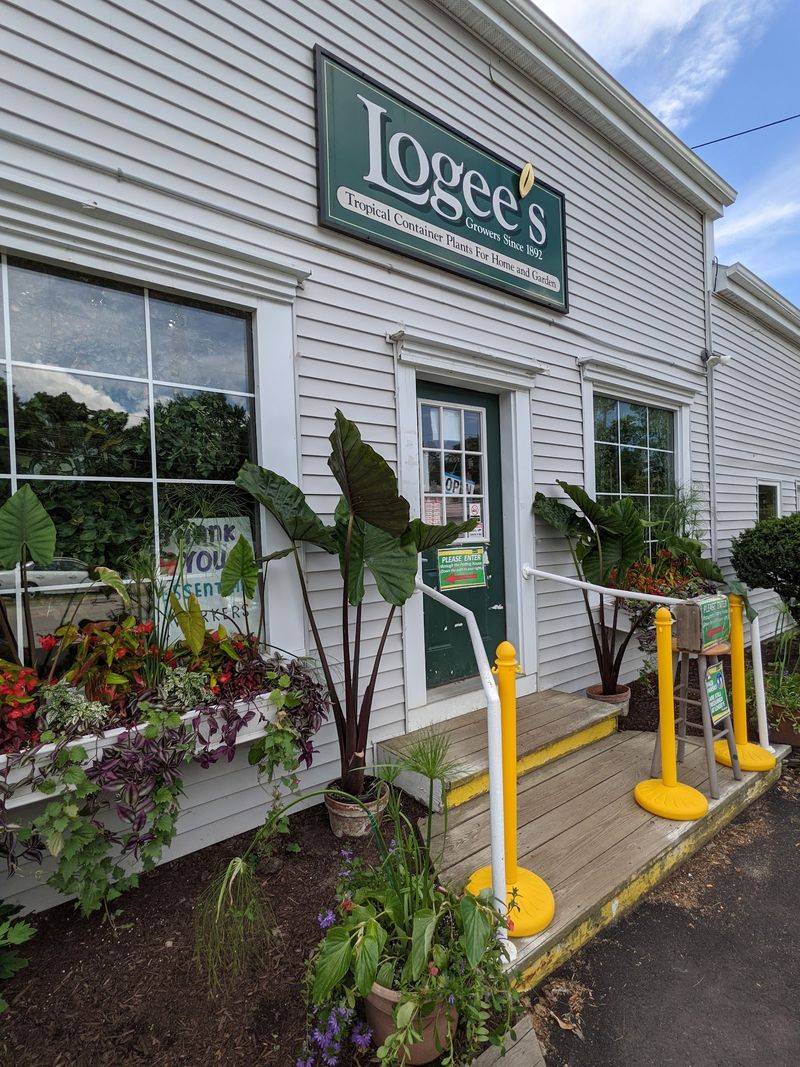
Back in 1892, the business that became Logee’s started out selling cut flowers in Danielson. The founder soon developed a stronger interest in collecting and propagating tropical and unusual plants, and that curiosity gradually reshaped the entire operation.
What began as a modest flower trade grew into a nursery known far beyond Connecticut. More than a century later, the business remains family-owned and family-run, with several generations taking their turn caring for the collection and carrying the tradition forward.
That continuity appears in unexpected places. Some plants growing here were propagated from cuttings passed through the greenhouses for decades, which means even a small pot sitting on a bench may come with a surprisingly long history.
The layout tells part of that story too. Greenhouses were added over time as the collection expanded, leaving visitors with winding paths rather than perfectly straight aisles.
Anyone interested in horticultural history will find plenty to appreciate. The character developed naturally through years of experimentation by people fascinated with growing rare and challenging plants.
More than a century after it began, that original curiosity is still easy to recognize throughout the crowded greenhouses.
3. The Original Fern House Still Standing Today
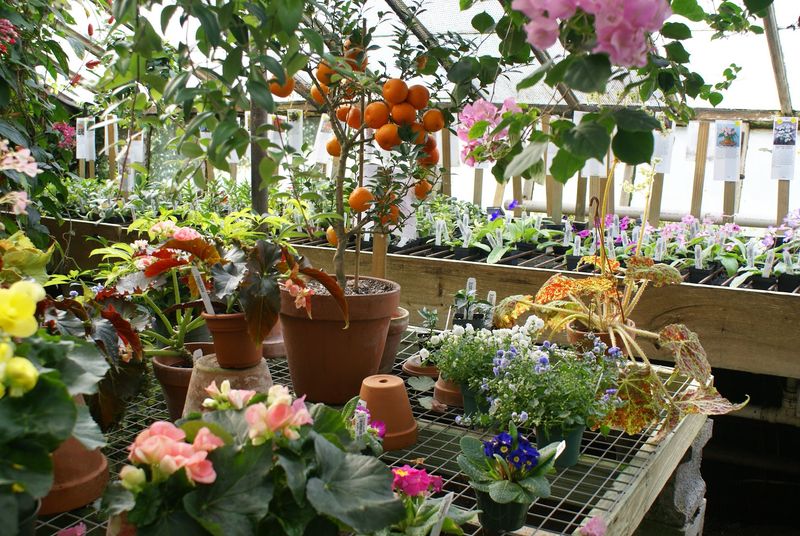
Of all six greenhouses, the Fern House carries the most history. Built in 1892, it was the very first structure on the property, and it is still standing and still growing plants today.
Ducking into it feels different from the newer houses. The ceiling sits lower, the air holds more moisture, and the foliage presses in close enough that you notice the leaves brushing past your sleeves.
Despite the name, the plantings go far beyond ferns. The house now holds a dense collection of exotic tropicals, including the rare jade vine with its unusual blue-green claw-shaped flowers, and a corpse flower, famous for its size and its very memorable smell when it blooms.
Blooming schedules for plants like these are unpredictable by nature, so nobody can promise a specific flower on a specific day. That uncertainty is part of the appeal for regular visitors, who never quite know what they will find.
Look up while you are in here. Some of the most interesting growth happens overhead, trained along the frame of a building that has been sheltering plants since the nineteenth century.
Few working greenhouses in the country can claim that kind of unbroken run.
4. Winding Paths Through A Warm Indoor Jungle
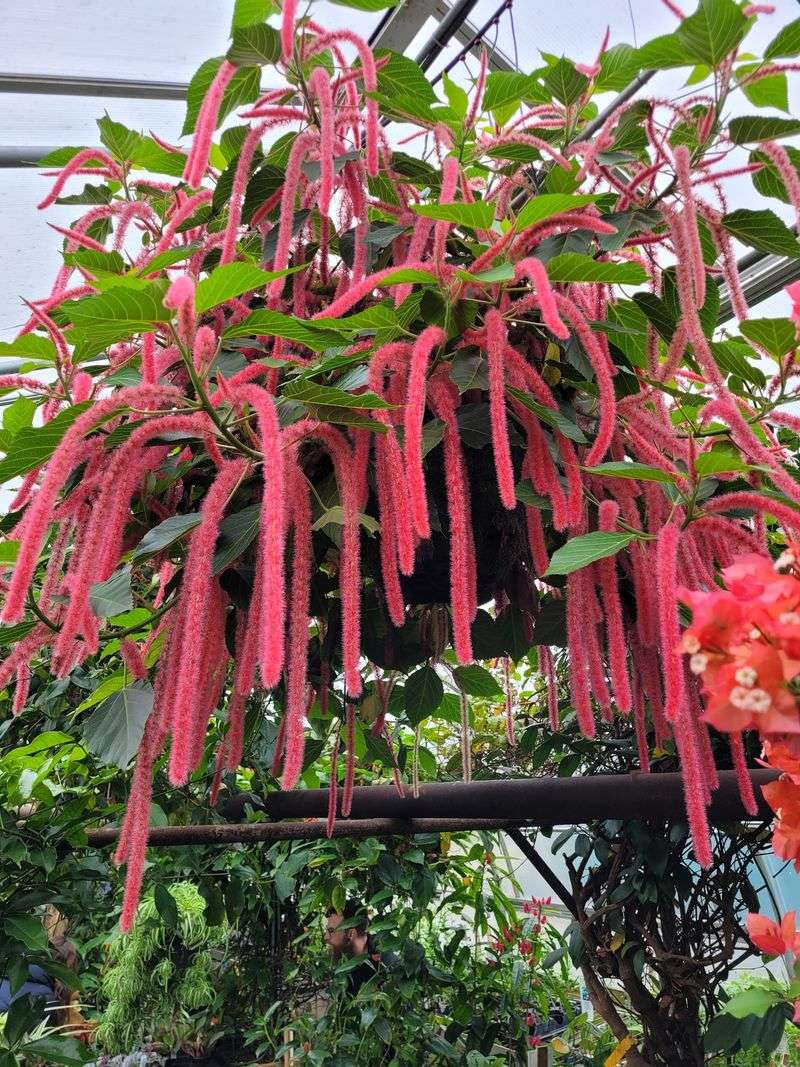
The Big House earns its name. A conservatory-style walkway of winding stone paths curves through the middle of it, with plants crowding in from both sides and overhead.
Fragrance is a big part of the experience. Depending on what is flowering, the air can carry jasmine, citrus blossom, or something spicier, and the scent shifts every few steps as you move between benches.
Temperatures are not the same throughout the property, which surprises some first-time visitors. The Lemon Tree House stays above 62 degrees Fahrenheit all year, while the Big House is allowed to dip toward 40 degrees in winter because the chill encourages certain plants to set buds and bloom.
Dressing in layers makes sense here. You may want a jacket in one house and wish you had left it in the car by the time you reach the next.
Benches placed along the routes give you somewhere to sit and take it in, a small touch that visitors mention often and genuinely appreciate.
Worth knowing before you go: the narrow, uneven paths and older construction mean the greenhouses are not well suited to wheelchairs, though the Big House walkway is the most open of the group.
5. A Ponderosa Lemon Tree Growing Here Since 1900
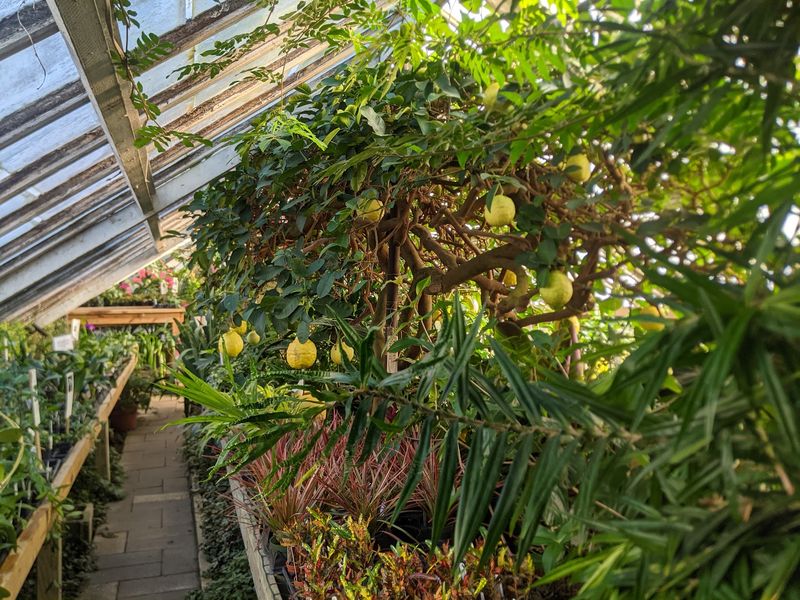
This lemon tree has been in the same greenhouse since 1900. Even its arrival sounds like a story from another era, because the young plant traveled from Philadelphia by train before completing the final stretch to Danielson by horse and buggy.
William D. Logee bought the Ponderosa lemon, then known as the American Wonder Lemon, for his collection.
Once it became too large for its pot, he planted it directly in the greenhouse floor. It never left.
More than 125 years later, that decision still shapes one of the most memorable corners of Logee’s. The tree has grown into a substantial specimen and continues producing enormous lemons that can weigh as much as five pounds.
Its branches spread through the Lemon Tree House, making an ordinary houseplant version suddenly seem very small.
The story keeps extending beyond the greenhouse walls. Thousands of plants have been propagated from this original tree, sending its descendants into homes far beyond Danielson.
Knowing all of that changes the way you look at it. This is not simply an old citrus tree with an impressive trunk.
It is a living piece of the nursery’s history, still growing in the exact spot where William Logee planted it.
6. Five-Pound Lemons Hanging Over The Lemon Tree House
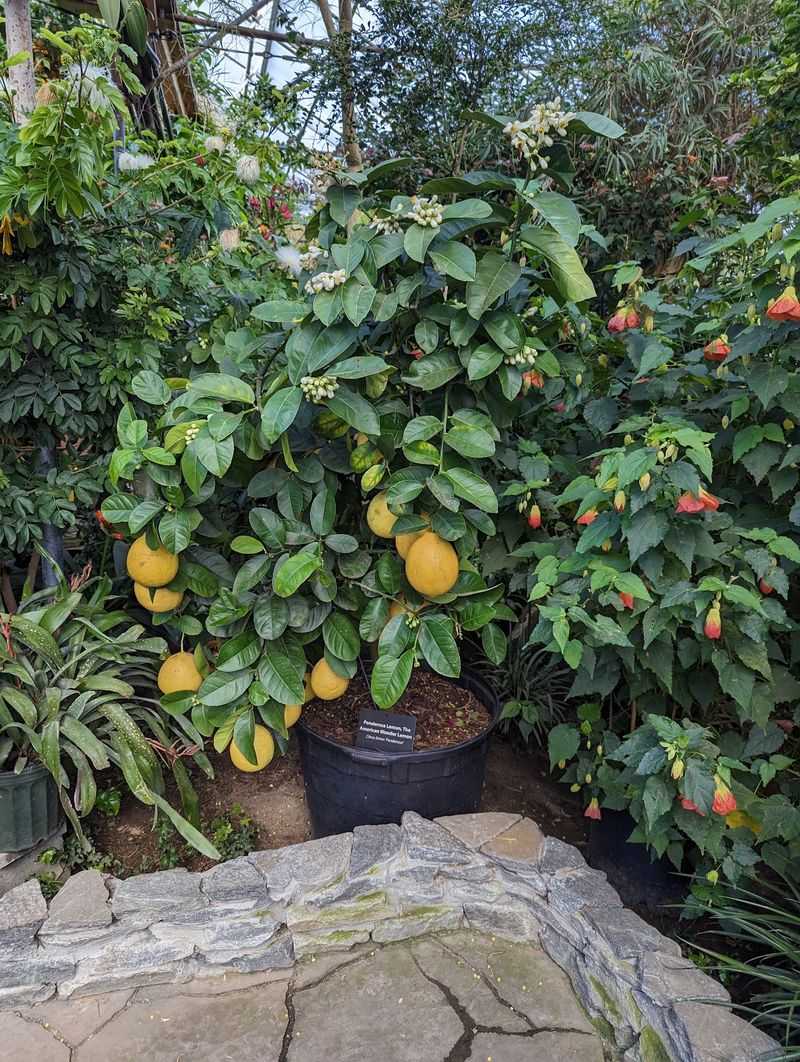
Five pounds. That is how much a single lemon from this tree can weigh, which puts it closer to a small melon than anything you would find in a grocery store produce bin.
Ponderosa lemons are known for producing oversized fruit with thick, bumpy rinds, and the ones hanging above the pathway here regularly draw double takes. Visitors often compare them to grapefruits, then look again and revise the guess upward.
The greenhouse built around this citrus is named the Lemon Tree House, and it stays warm year-round to keep the tropical residents comfortable. Other citrus varieties share the space, along with a striking display of orchids.
Winter visits are especially fun in this house. Snow outside, humid warmth inside, and enormous yellow fruit dangling overhead make for a combination that is hard to find anywhere else in New England.
Fruiting is seasonal and varies from year to year, so the number of lemons on the branches changes depending on when you come. There is usually something worth craning your neck for.
Bring a camera, and try to get a person in the frame for scale. Otherwise nobody at home will believe the size.
7. Rare Begonias, Orchids, And Unusual Fruiting Plants
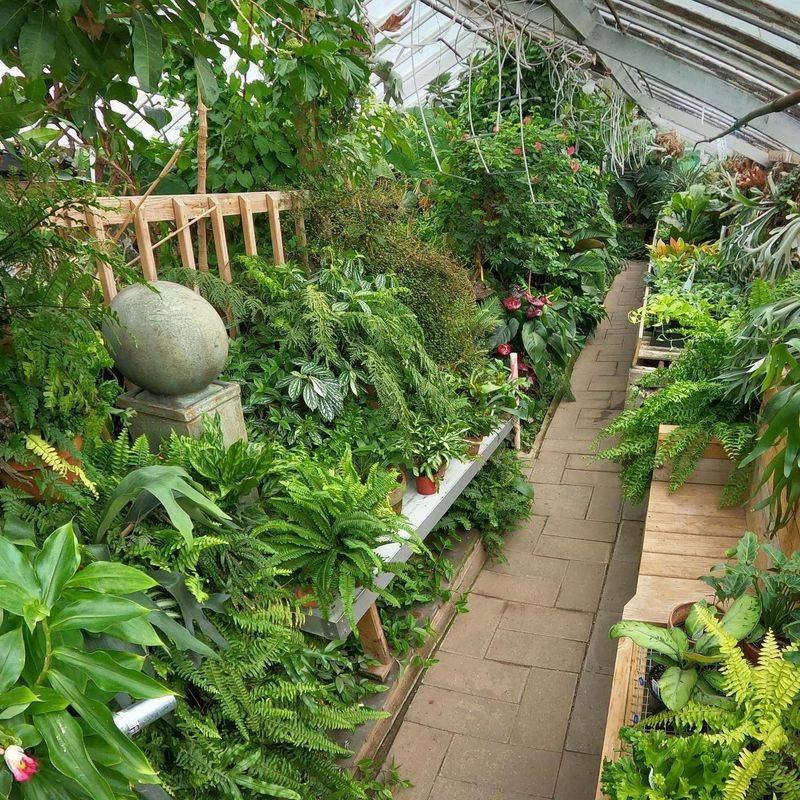
Begonia fans treat Logee’s the way record collectors treat a great vinyl shop. The nursery’s begonia heritage runs deep, with more than 400 varieties cultivated by an early horticulturist connected to the family, including many original hybrids.
You will find fibrous, tuberous, rex, and rhizomatous types, some grown for silvery patterned leaves and others for clouds of small flowers. Comparing them side by side on the benches is half the fun.
Orchids get plenty of attention too, with especially good displays in the Lemon Tree House. Spikes of bloom appear at different times through the year, so the lineup keeps changing.
Fruiting plants suited to indoor growing are another specialty. There is a 150-year-old orange tree carrying multiple citrus grafts, plus Meyer lemons, kumquats, and rare finger limes with their unusual caviar-like pulp.
Beyond citrus, the houses hold passion flowers, gesneriads, tropical spice plants, jade vines, and carnivorous plants, which makes browsing feel like exploring rather than shopping.
Staff members are used to fielding questions from beginners and experts alike, and visitors frequently mention getting helpful growing advice before checkout.
Plan on leaving with at least one plant you had never heard of before walking in.
8. A Year-Round Escape For Serious Plant Lovers
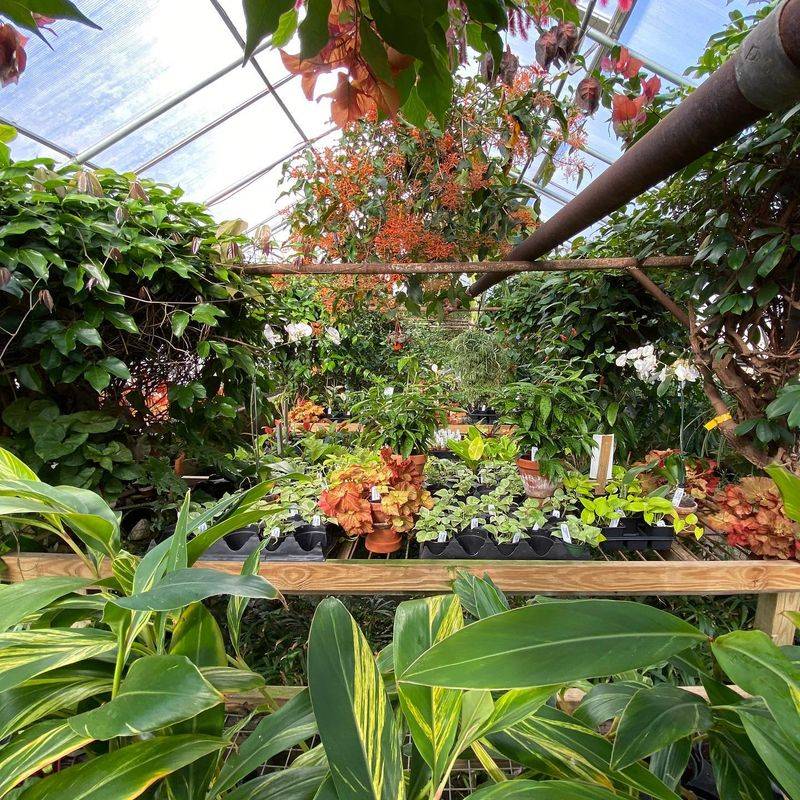
Cold weather does not win here. The moment the greenhouse doors close behind you, the outside season starts to feel very far away.
Warm air hits first, and then the greenery starts stealing your attention.
The nursery stays open year-round, and its six historic greenhouses keep changing with the calendar. One visit might be all about citrus.
Another can send you down an aisle because a strange flower stopped you in your tracks. That constant turnover keeps things interesting, especially for plant lovers who think they have already seen everything.
Logee’s recommends allowing at least an hour, and that estimate can feel optimistic once you start reading labels or circling back for another look.
The collection includes fruiting plants alongside rare tropical varieties, with mature specimens making the houses feel more like a living garden than a retail stop.
The nursery operates at 141 North Street in Danielson. It currently welcomes visitors Wednesday through Sunday, with shorter seasonal hours during parts of winter.
Checking the schedule before a longer drive is still worthwhile. Leave some extra room in the car, because browsing has a habit of turning into plant shopping.