Take This 1.3-Mile Coastal Walk In Connecticut For Some Of The State’s Best Long Island Sound Views

Sea air can make even a short walk feel like a proper reset.
This easy loop keeps the distance manageable while letting the shoreline do most of the showing off. The route crosses open grounds and brings you close to wide water views without demanding a long afternoon.
The setting feels especially generous for such a compact walk.
You can take your time instead of treating the path like a workout. Breezes off the Sound help, and the scenery gives you plenty of reasons to slow down.
For walkers who want maximum payoff from minimal mileage, Connecticut offers a coastal route that gets the balance almost exactly right.
The official loop measures 1.3 miles and is rated easy, so it fits neatly into a relaxed morning or late-day outing.
The view keeps stretching beyond the path, which is the whole point.
Some walks are about distance. This one is about how much coastline can fit into a very easy hour.
1. Easy Miles With Remarkable Coastal Scenery
Twenty-five minutes sounds almost too easy. That is the average time for the 1.3-mile Harkness Memorial Loop, but rushing through it would miss the best part.
This is a walk that rewards wandering.
The route circles the grounds of Harkness Memorial State Park and stays easy underfoot. It passes the historic Eolia mansion before drifting toward the formal gardens.
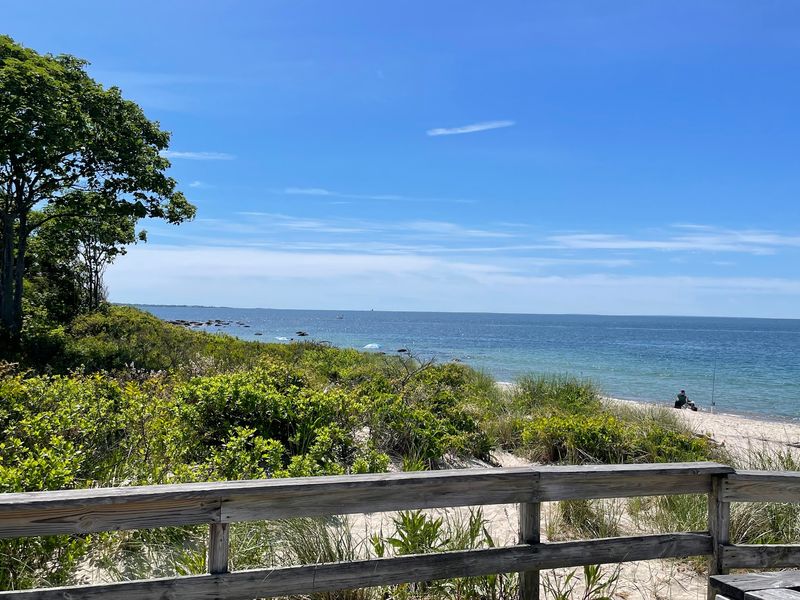
Farther along, the boardwalk opens up broad views of Long Island Sound. The terrain is mostly flat, so the walk feels approachable even if hiking is not usually your thing.
There is plenty of room to make the outing longer. Paved and unpaved paths branch across the estate, letting you follow whatever catches your attention.
The shoreline is especially hard to hurry past when the light starts changing over the water.
Morning tends to feel calmer, while late afternoon brings warmer color across the lawns. Comfortable shoes still help, even on such an easy route.
Give yourself more than the trail estimate suggests. A walk that looks like a quick loop on paper can easily turn into a slow afternoon of garden wandering, shoreline views, and a picnic before heading home.
That is exactly why this short route feels so satisfying.
2. Two Hundred Thirty Acres Along The Water
Space changes everything here. More than 230 seaside acres give Harkness Memorial State Park room to breathe, even when weekends get busy.
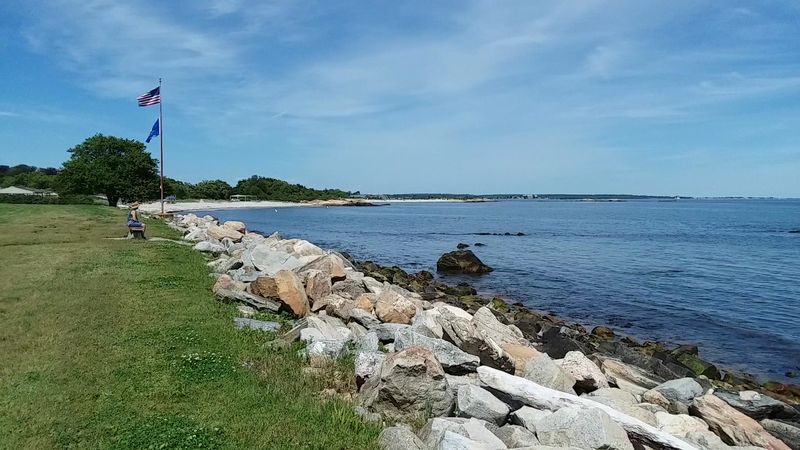
Wide lawns roll toward Long Island Sound, while formal gardens bring color closer to the mansion. Keep wandering and the scenery shifts again, with sandy shoreline, marshy habitat, and open coastal views waiting beyond the estate.
The park sits at 275 Great Neck Road, Waterford, CT 06385.
Part of the fun is how often the water reappears as you explore. Different corners of the grounds reveal new angles across Long Island Sound, so even a simple walk rarely feels repetitive.
The estate’s position near Goshen Cove adds another peaceful stretch of shoreline scenery.
This is also an easy place to turn a short outing into a full afternoon. Picnic tables and grilling stands make bringing lunch simple.
Restrooms are available, and the park opens daily at 8 a.m. before closing at sunset. In-state registered vehicles enter free, while out-of-state vehicles pay a seasonal parking fee.
Bring a blanket if the weather cooperates. Once you claim a patch of lawn with the Sound in front of you, leaving quickly becomes much harder than expected on a warm clear day.
3. Eolia Rising Above The Seaside Lawns

Named for Aeolus, the Greek god of winds, Eolia sits at the center of the park like the anchor of the entire walk. The name suits a house that faces open water and catches every breeze coming off the Sound.
Built in 1906 in the Roman Renaissance Revival style, the 42-room summer residence was designed by the New York firm Lord and Hewlett. The Harkness family acquired it in 1907, and interior renovations later brought in a neoclassical approach under architect James Gamble Rogers.
Guided tours of the mansion are typically offered on weekends and holidays from Memorial Day through Labor Day, and they are worth timing your visit around if history interests you. Volunteer docents lead many of them.
Eolia also functions as an event venue today, hosting weddings, private parties, seminars, conferences, luncheons, and teas. Do not be surprised to spot a wedding party posing on the lawn while you walk past.
Here is a detail that puts the estate in perspective: the broader property once ran as a working farm, complete with livestock and a vegetable garden that supplied fresh produce to the household. Greenhouse structures on site still hint at that self-sufficient past.
4. Formal Gardens Designed By Beatrix Farrand

Plenty of visitors arrive expecting big water views and end up equally taken with the gardens near the mansion. They are not an afterthought.
They are the work of Beatrix Farrand, a leading landscape designer and one of the founding members of the American Society of Landscape Architects.
Between 1918 and 1929, Farrand redesigned the West Garden and created the East Garden, the Boxwood Parterre, and the Alpine Rock Garden. Her layered use of plants and textures was paired with the owner’s preferred color palette and a substantial collection of Asian garden statuary.
The East Garden follows a traditional English style, filled with purple, pink, yellow, and white blooms including heliotrope, along with Asian statues and a jade stone pool. The West Garden takes a formal Italian approach, with symmetrical footpaths, elegant iron fencing, and a limestone fountain at its heart.
Restoration work in the mid-1990s returned these Connecticut gardens to their 1930s appearance, following Farrand’s original plans closely. Today you will find a loggia, water features, winding paths, wrought iron detailing, statuary, benches, and hundreds of perennials, annuals, and shrubs.
Late spring and summer tend to be the showiest stretch, though something is usually flowering across the warmer months.
5. A Boardwalk Beside Long Island Sound
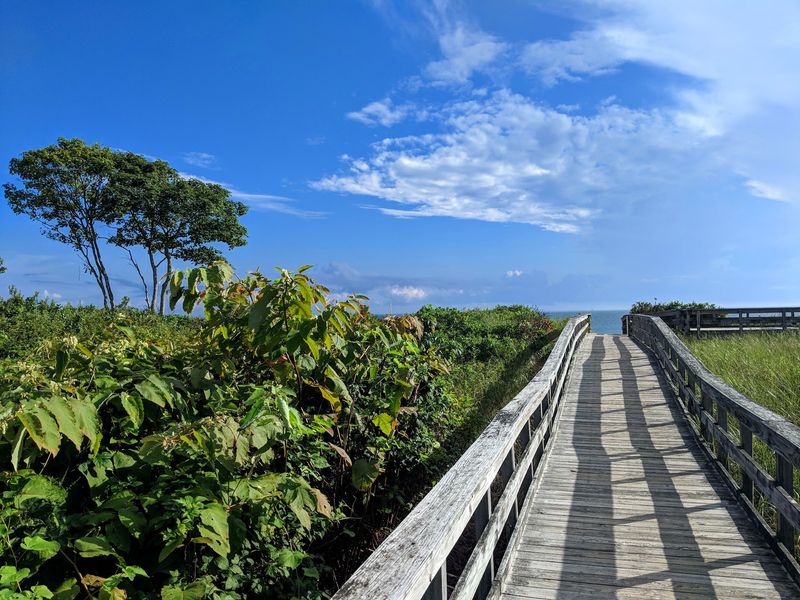
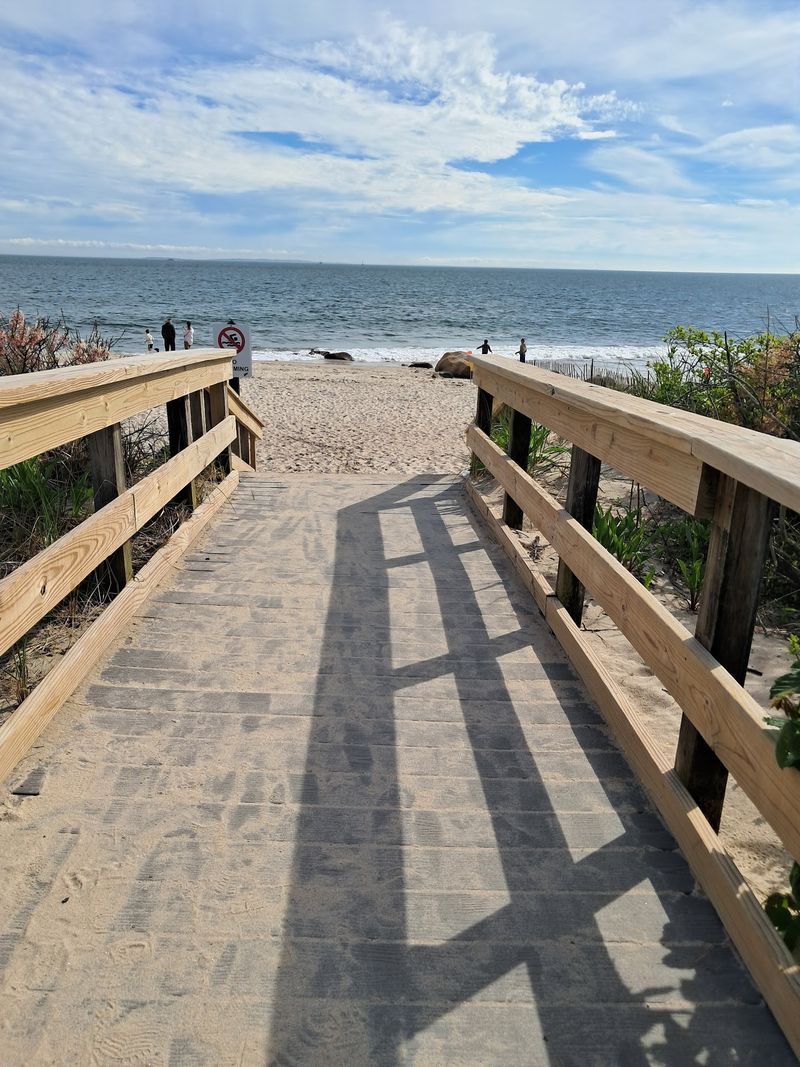
The sound of your footsteps changes when you reach the boardwalk. Pavement and grass give way to wooden planks, and the route lifts you gently over sand dunes on its way toward the beach.
Crossing dunes on a raised walkway does two useful things. It keeps fragile plants and shifting sand undisturbed, and it gives you a slightly elevated line of sight across the shoreline and out over Long Island Sound.
The beach is popular for fishing and shoreline views, but swimming is not permitted. Park staff often advise wearing water shoes if you intend to go in, since fishing hooks can end up in the sand.
Several paved walkways run through the rest of the property, which means the wide water views are reachable for visitors using wheelchairs or pushing strollers. Many people note how accessible the grounds feel compared with other coastal parks.
Gentle grades across the paths and the boardwalk keep the whole stretch comfortable, even for young kids or anyone taking it slowly. If you want the calmest experience, aim for a weekday morning when the shoreline stays quiet and the light sits low over the water.
6. Salt Marshes And Dunes Along The Route
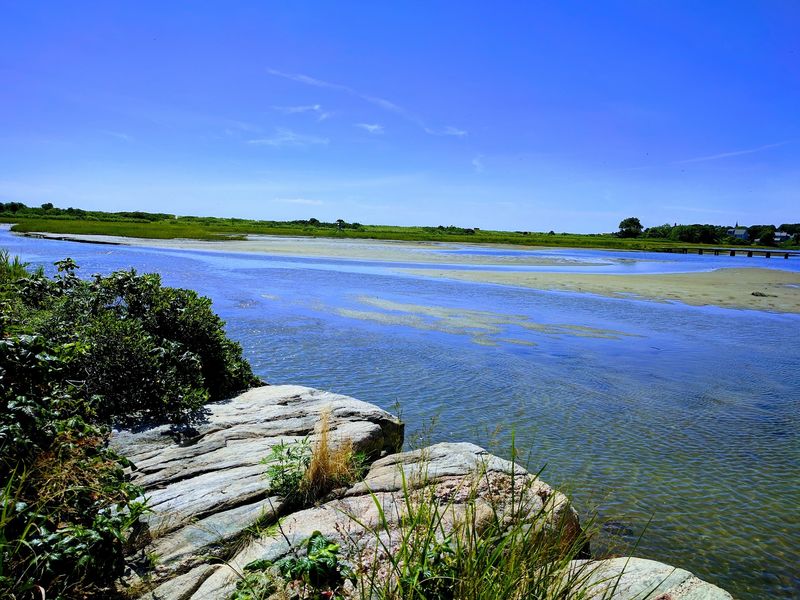
Step away from the clipped lawns and the landscape turns wilder fast. Low sand dunes, coastal grasslands, and salt marsh take over, and the transition happens within a surprisingly short walk.
On the western side of the estate sits the Dr. William A. Niering wildlife area, a 31-acre preserve set aside for nature.
Packed into those acres are a long, narrow beach, low dunes, a salt marsh, a saltwater cove, and open coastal grassland.
The barrier beach within the preserve, known as The Strand, plays an important role in supporting shorebird species. Signs and protected areas help keep sensitive stretches undisturbed, so stick to marked paths.
For a closer look at the marsh, there is a short Salt Marsh Overlook Trail that leads to a viewing platform with wide vistas over the wetland. The Niering Walk leads toward Goshen Cove and a wildlife viewing platform overlooking the wetland.
Salt marshes are quietly hardworking places. They filter water, buffer the shore during storms, and shelter young fish and shellfish.
Bring bug spray in the warmer months, and expect the smell of salt and marsh mud, which is part of the experience rather than a drawback.
7. Island Views Across The Sound

Clear days are the ones to aim for. From the open lawns, the view across Long Island Sound stretches far enough to pick out Fishers Island, Great Gull, Little Gull, and Plum Island, with the North Fork of Long Island visible in the distance beyond them.
It is a living view rather than a static one. Ferries push across the channel, sailboats lean into the wind, and working boats trace slow lines near the horizon, so the scene rearranges itself while you watch.
Close to the shoreline, the mood shifts from panoramic to intimate. Water meets sky in a bright seam, waves work the sand, and the scale suddenly feels manageable again.
Those broad lawns explain something else about the park’s reputation. Steady coastal wind and huge unobstructed grass make this a well-loved spot for kite flying, and organized kite events have been held on the front lawn.
Practical tip: bring binoculars if you want the islands to feel close, and a windbreaker even in summer, since the breeze off the Sound can be stronger than the parking lot suggests. Haze often builds on hot afternoons, so mornings usually offer the sharpest sightlines.
8. Wildlife Watching Near Goshen Cove
Birders talk about this corner of the park with real affection, and the reason is habitat variety. Dunes, salt marsh, coastal grassland, beach, and a sheltered cove sit side by side, which draws a wide mix of species into a small area.
The Dr. William A. Niering wildlife area takes in Goshen Cove on the west side of the property.
Rare and threatened birds turn up here, including piping plover and least terns, with designated protected dune sections maintained specifically for their nesting.
Osprey are part of the picture too, nesting on platforms set in the marshland. Watching one drop toward the water is the kind of moment that makes people stop mid-sentence.
A wildlife viewing platform gives you a steady vantage point over the cove without disturbing anything. Below the surface, the protected saltwater cove shelters finfish and shellfish, which helps explain the steady bird traffic overhead.
If you only have time for one short detour, take the Niering Walk. At roughly a quarter mile and easy underfoot, it is regularly singled out as the best stretch for bird watching and cove views.
Early morning, binoculars, and patience are all you really need.