This California City Is Changing So Fast That Longtime Locals Barely Recognize It
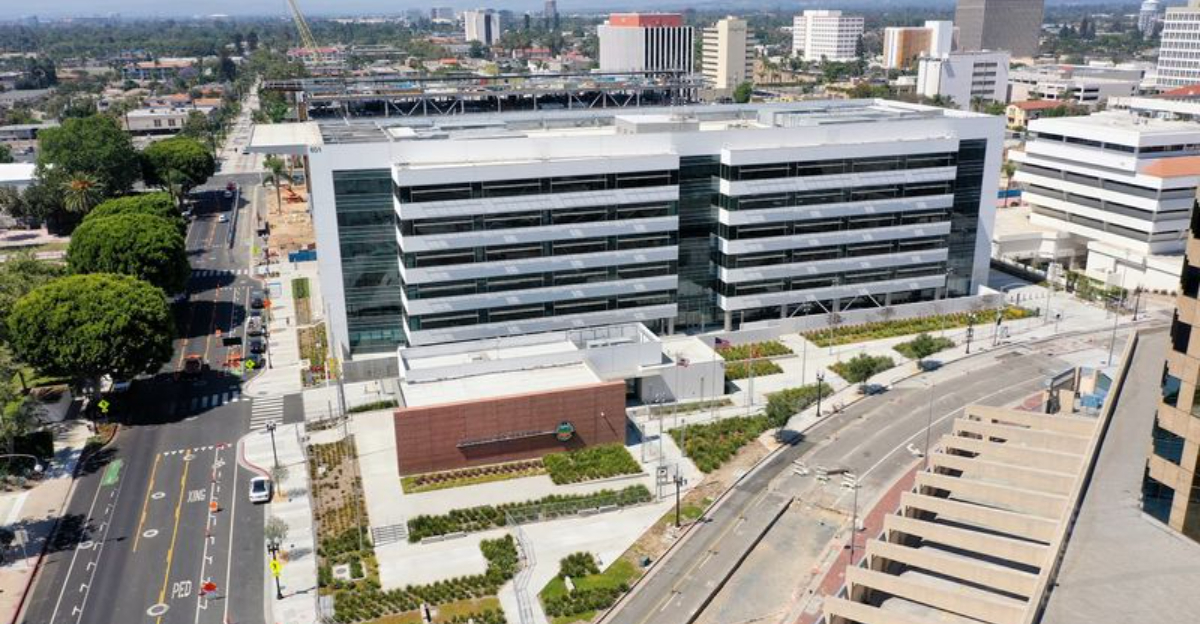
A city can change block by block without ever announcing that it has become somewhere different.
A familiar storefront disappears. New apartments rise where an older business once stood. Streets that longtime residents knew by habit begin attracting a different crowd, with new prices and new expectations.
This California community is changing quickly enough that some longtime locals say the version they grew up with is becoming harder to find.
That does not mean everything new is unwelcome.
Growth can bring investment, jobs, restored buildings, and fresh energy.
The tension comes when that momentum also raises housing costs or makes longtime residents wonder whether they still fit into the place they helped define.
The skyline may be changing.
The deeper story is what happens to a community when the pace of change starts outrunning people’s sense of home.
Calle Cuatro No Longer Feels Like The Downtown Many Grew Up With
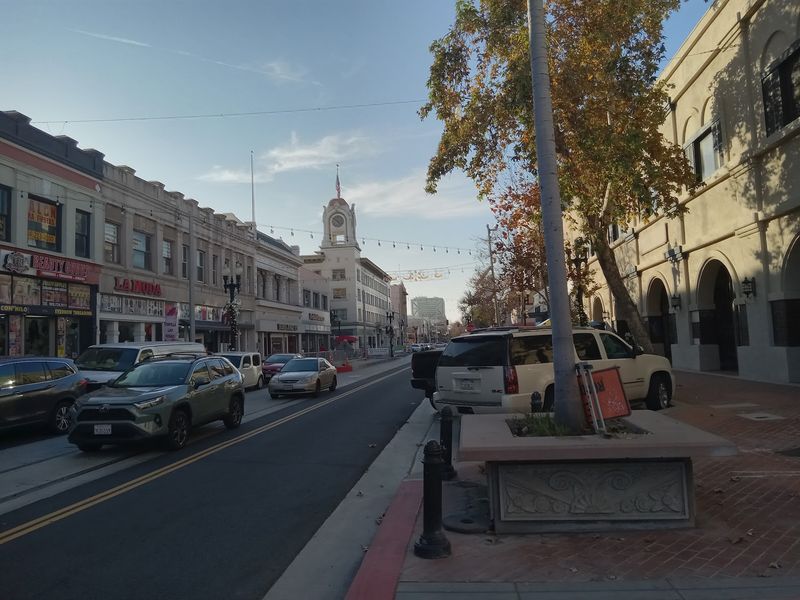
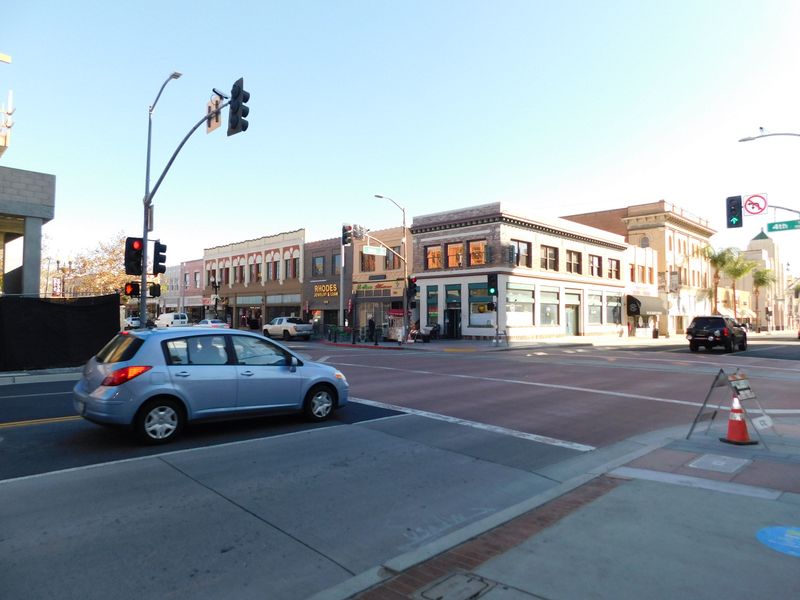
Bridal shops, bakeries, and discount clothing stores once defined the stretch of Fourth Street known widely as Calle Cuatro.
The corridor served as a hub of Latino commercial and cultural life for decades, drawing shoppers from across the region.
Today the same blocks hold a different mix. Trendy eateries, specialty hat shops, and nightlife venues now sit alongside longtime family businesses.
The blend has sparked years of discussion about whether the district’s Latino identity is being diluted.
Some downtown change has involved city-funded agreements with Downtown Inc., a private nonprofit that has provided clean-and-safe and other downtown management services.
Supporters point to new activity and foot traffic during evenings. Others see storefront turnover as a loss of something that took generations to build.
Worth knowing for anyone planning a walk here: the corridor rewards slow pacing.
Sidewalks are wide, storefronts are close together, and much of the character shows up in details like hand-painted signage and window displays rather than big landmarks.
A bit of history adds context.
As recently as 2005, a prominent Spanish-language newspaper described Fourth Street as resembling many cities in Mexico, a cultural identity strikingly different from the mid-twentieth-century image the area once carried.
Streetcar Tracks Have Physically Rewritten The City Center
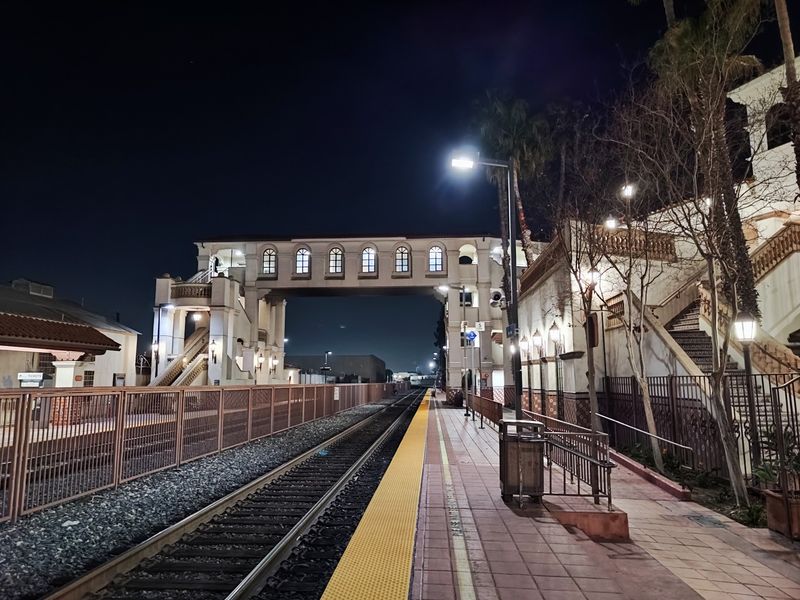
Rails now run through streets that carried only cars for generations.
The OC Streetcar is a modern streetcar line currently in testing across Santa Ana and Garden Grove in California, and building it meant years of track laying, station construction, and utility relocation.
Original plans aimed for service to begin in 2021. Delays pushed that timeline repeatedly, and as of May 2026 the expected start of passenger service moved to March 2027.
Testing has progressed in stages. Trial runs on the Pacific Electric Right-of-Way began in October 2025, followed by street testing along Santa Ana Boulevard in February 2026.
The finished route will stretch 4.15 miles with ten stops in each direction.
It connects the Santa Ana Regional Transportation Center to a new Harbor Transit Center in Garden Grove, giving the area its first street-running rail service in modern memory.
For anyone visiting before service opens, expect construction fencing and occasional lane shifts near the alignment. Sidewalks remain walkable in most sections, though crossings can require a short detour.
The visual difference alone explains why longtime residents describe the center of town as unfamiliar.
Overhead wires, platforms, and embedded track have changed the texture of streets that once looked purely suburban.
Merchants Along Fourth Street Absorbed A Rough Construction Stretch
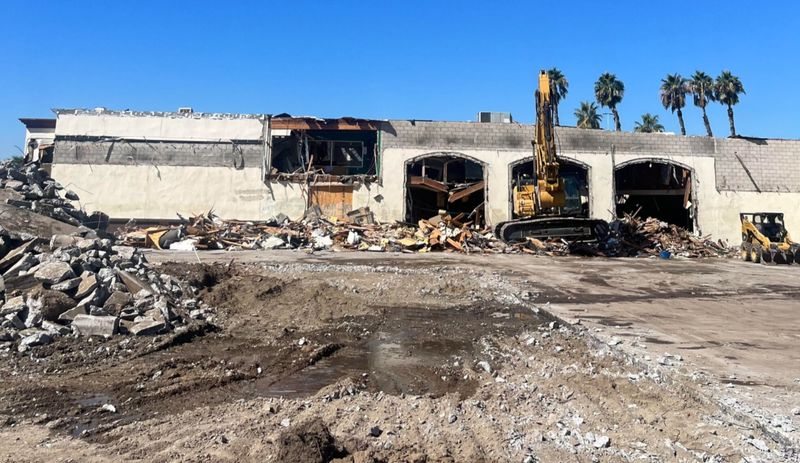
Dust, noise, and blocked sidewalks became daily realities for shops along historic Fourth Street while streetcar construction moved through. The disruption lasted long enough to change shopping habits.
Merchants reported reduced foot traffic and difficult access throughout the building period. Street closures and limited parking made quick errands harder, and sales suffered as a result.
Some businesses did not make it to the finish line. A combination of construction impacts and pandemic-era shutdowns forced closures, including one establishment that shut its doors in 2023.
Concerns reached county leadership. Orange County officials faced questions about the toll on local businesses, and a proposal for financial relief was brought forward in May 2022.
Practical takeaway for visitors: many surviving shops are still operating, and stopping in supports businesses that weathered a genuinely hard stretch.
Weekday mornings tend to be quieter, which can make browsing easier and conversations with shopkeepers more relaxed.
Construction impacts often get discussed as abstract inconvenience.
Along this corridor the effects were measured in lost customers, shortened hours, and shuttered storefronts, which is part of why debate over the project remains emotional for people who have worked here for decades.
Old Retail Land And Parking Lots Are Giving Way To Dense Development
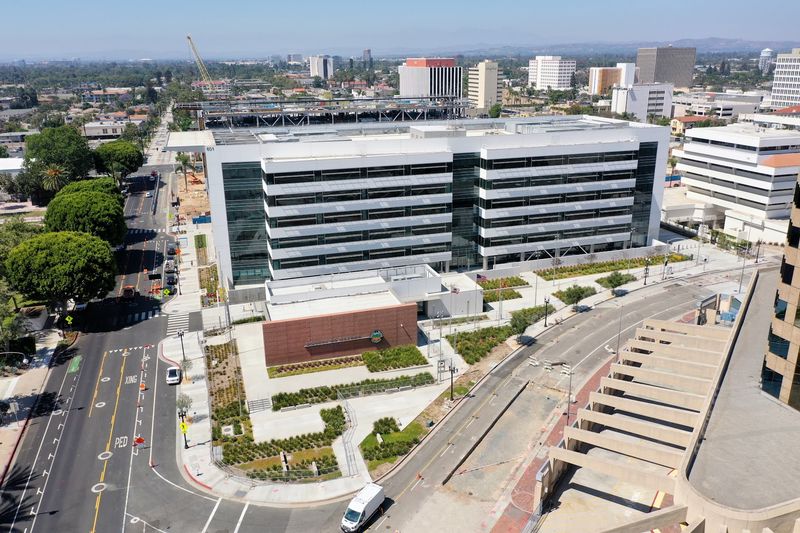
Planning documents rarely make headlines, but the updated General Plan has quietly driven much of what residents now see on the ground.
The Santa Ana General Plan took effect on May 26, 2022, marking the first comprehensive update in four decades.
It provides long-term policy guidance for physical development, quality of life, economic prosperity, and sustainability through 2045.
A full revision of the zoning code is also underway. The effort replaces outdated amendments with modern regulations, aligns local rules with newer state laws, and supports carrying out the General Plan.
Growth is concentrated along five corridors: West Santa Ana Boulevard, South Main Street, South Bristol Street, Grand Avenue and 17th Street, and the area surrounding the 55 Freeway and West Dyer Road.
New zoning districts in those areas allow greater development intensity, including multifamily housing, offices, and commercial uses.
Some are designated as urban neighborhood districts, which encourage denser and more vertical construction.
The practical effect shows up as housing, shops, public spaces, and transit occupying land once given over to large shopping centers and wide parking fields.
Aging retail buildings and their surrounding asphalt are being reimagined as community-focused environments, which explains why familiar corners can look unrecognizable after only a few years away.
Housing Costs Have Become Impossible To Overlook
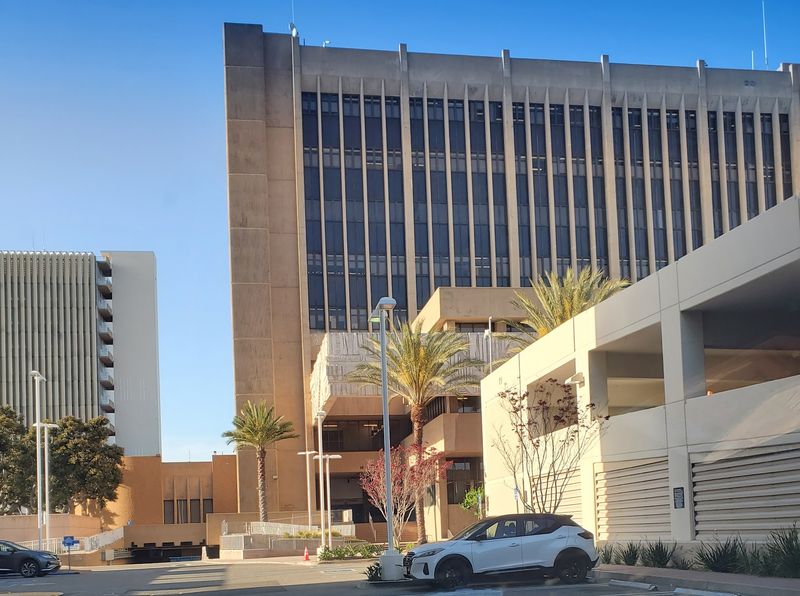
Numbers explain a lot of the tension behind every construction crane in town. Housing costs sit at the center of nearly every conversation about the city’s direction.
Median gross rent for the 2020 through 2024 period is recorded at 2,082 dollars per month. Over that same span, the median value of owner-occupied housing reached 713,000 dollars.
Household income provides useful context. The median household income for the 2020 through 2024 period, measured in 2024 dollars, was 93,999 dollars.
Put those figures together and the affordability squeeze becomes easier to understand.
Rent and home values of that size shape decisions about whether families can stay in neighborhoods where they have lived for generations.
The costs also influence the debate over new development. Supporters argue additional housing supply helps ease pressure, while critics question whether new units arrive at prices existing residents can actually afford.
For anyone researching a move or simply trying to understand local news coverage, these figures are worth keeping in mind.
They frame why housing policy here draws far more attention than in many neighboring communities.
Affordability is not an abstract policy topic in this city. It shows up in multigenerational households, long commutes, and the steady presence of housing at the top of local political discussion.
Rent Protection Here Goes Further Than Anywhere Else In Orange County

Only one city in Orange County has adopted rent control, and it is the county seat.
Both a Rent Stabilization Ordinance and a Just Cause Eviction Ordinance took effect on November 19, 2021.
The stabilization measure limits residential rent increases to the lesser of 3 percent annually or 80 percent of the change in the Consumer Price Index over the most recent twelve-month period.
Negative CPI readings trigger a specific outcome. When the index registers below zero, no rent increase is permitted at all.
Eviction protections cover most tenants who have lawfully occupied a residential property or mobile home for at least 30 days.
For no-fault terminations, the property owner must provide three months of relocation assistance or waive rent for the final three months of the tenancy.
The rules adjust yearly. As of July 8, 2026, the maximum allowable increase for the period from September 1, 2026, through August 31, 2027, is 2.87 percent.
Renters and landlords alike benefit from checking the city’s official resources for current figures, since the allowable percentage changes annually with economic data.
Policy choices like these signal how seriously local leaders have treated housing instability, and they mark a real difference between this city and its neighbors.
Population Figures Complicate The Boomtown Story
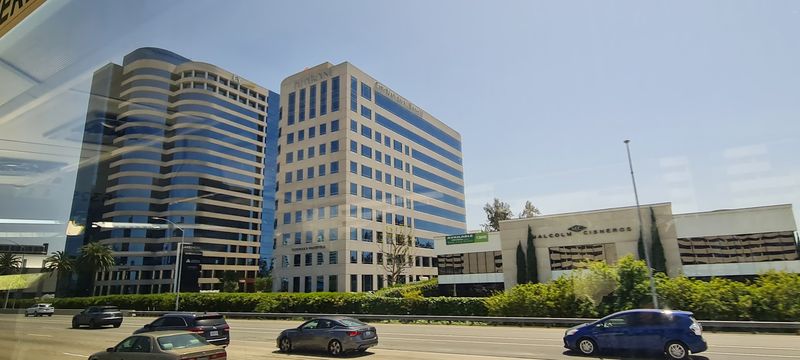
Rapid physical change usually suggests rapid population growth, but the data here tells a messier story.
The 2010 Census recorded 324,528 residents. That figure dropped to 310,227 in the 2020 Census, a decline rather than a surge.
More recent estimates show modest recovery. The U.S.
Census Bureau estimated 316,184 residents as of July 1, 2024, and 315,586 as of July 1, 2025.
The official decennial Census counts show a population decline of about 4.4 percent between 2010 and 2020, rather than an increase.
Reading these numbers together suggests something important. The transformation visible on the ground has been far more dramatic than raw population change alone would indicate.
Construction is being driven less by sudden population booms and more by policy shifts, transit investment, and the redevelopment of aging commercial land.
For readers trying to make sense of local news, keeping estimates and census counts separate helps. Annual population estimates are model-based figures that can be revised, while decennial census figures represent counts taken at a specific point in time.
The lesson is that a city can feel completely different without adding a huge number of new residents.
The Bigger Question Is What The City Should Become Next
Two honest viewpoints sit side by side in nearly every public meeting about growth here.
Supporters view new housing, transit service, private investment, and public open space as improvements that arrived later than they should have.
From that perspective, denser development along key corridors addresses long-standing shortages.
Longtime merchants and community advocates raise a different concern. Progress, they worry, may come at the expense of the people and businesses that shaped the city’s character in the first place.
Tension surfaces most clearly around specific projects. Discussions about the OC Streetcar and large-scale redevelopments regularly include questions about gentrification and displacement.
Meanwhile the built environment keeps shifting.
New apartments, taller mixed-use projects, pedestrian areas, and transit infrastructure are gradually replacing a landscape once defined by low-rise commercial strips and car-oriented design.
The General Plan supports concentrating higher-density housing in mixed-use villages, designated planning focus areas, the downtown district, and along major travel corridors.
It also promotes development that strengthens the city’s role as a cultural, governmental, and business-friendly regional hub.
Creating housing and commercial opportunity while preserving established community values and cultural heritage is the work that will determine whether longtime residents recognize their city a decade from now.