This North Carolina Bee Farm Lets You Get Up Close To The Hives And Shop For Fresh Local Honey
Honey is basically the finished product of a business meeting involving several thousand employees with wings.
On one 40-acre North Carolina farm, the jar on the shelf is only the beginning. Bees are raised here, hive equipment is built on-site, and decades of beekeeping experience shape nearly everything that happens behind the scenes.
The owner started working with bees as a child, long before the farm business officially took shape in 2014.
That history makes the place feel less like a novelty stop and more like a peek into a craft that never really clocks out.
Visitors can browse the shop and learn what keeps a colony humming along. Hands-on apiary classes have also been offered for anyone brave enough to get considerably closer to the buzz, though current sessions should be confirmed before making the trip.
Turns out honey has a much busier backstory than breakfast ever lets on.
See The Hives Up Close During Hands-On Beekeeping Classes
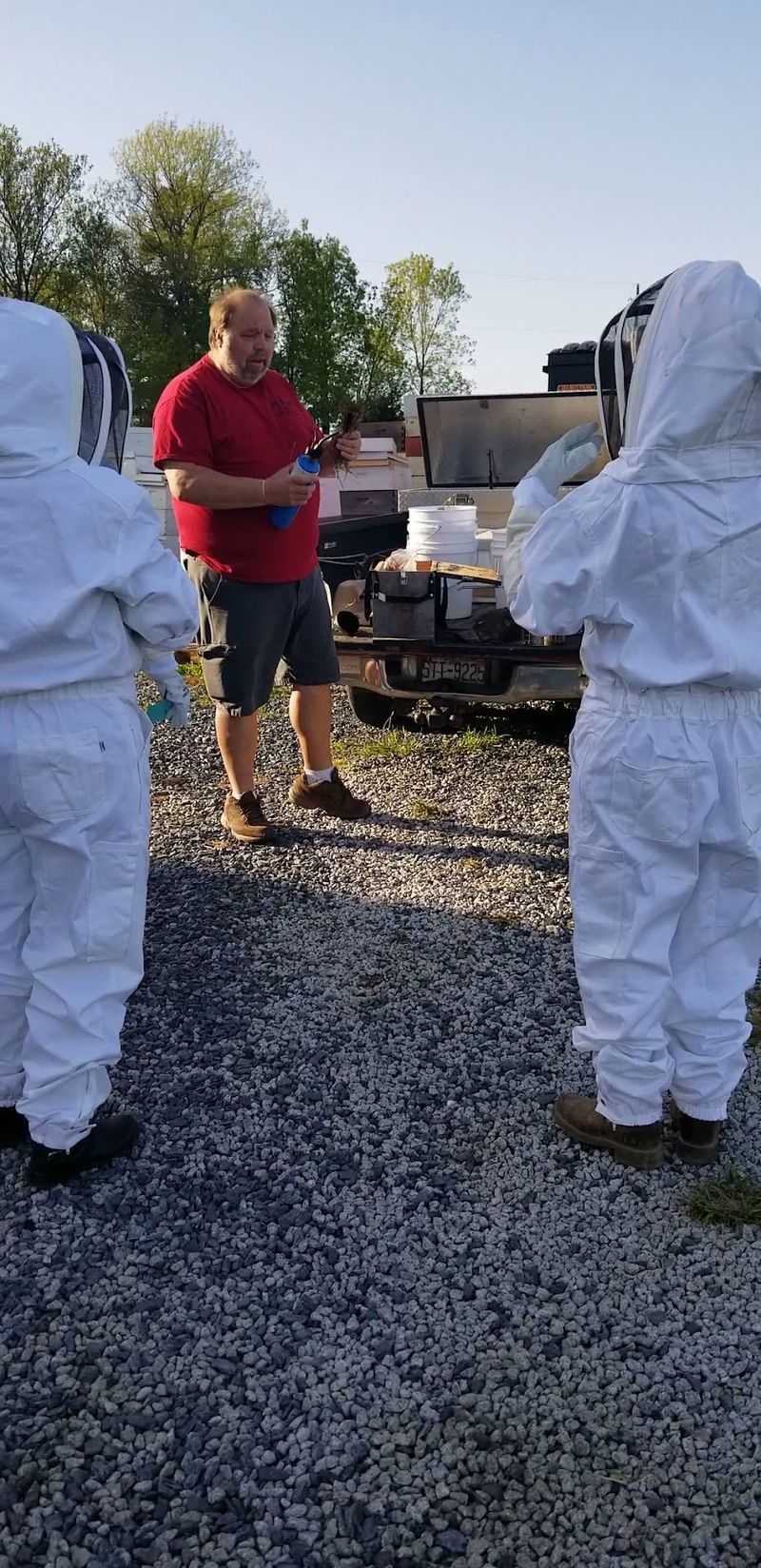
Up-close hive work is part of the educational side of the farm, with small hands-on apiary classes designed to put students beside active colonies under the guidance of experienced instructors.
Previous sessions have limited attendance to four students and covered practical subjects such as finding queens, managing pests, and preparing honeybees for winter.
The current classes-and-education catalog continues to list hands-on in-hive instruction, although availability changes and scheduled sessions can sell out. That makes checking the latest calendar before arriving especially important.
These experiences are aimed at people who want to understand what happens inside a colony rather than simply look at boxes from a distance.
Protective equipment and careful instruction become part of the lesson as students learn how hive management works in practice.
The farm’s broader educational program also gives newcomers several ways to start with less intensive material before moving into an open hive.
For someone who has always wondered what a beekeeper actually sees after lifting the lid, a scheduled class provides the closest look this Sophia operation offers.
Important: Beez Needz has offered two-hour hands-on apiary classes that place small groups beside working colonies with experienced instruction. Previous sessions were limited to four students and covered subjects such as queen management, pests, and winter preparation.
The current 2026 introductory course lists a separate hands-on class date as still to be determined, so visitors should confirm future in-hive opportunities directly with the business rather than expecting hive access during a normal retail stop.
Fresh Local Honey Gives The Shop Its Sweetest Reason To Browse
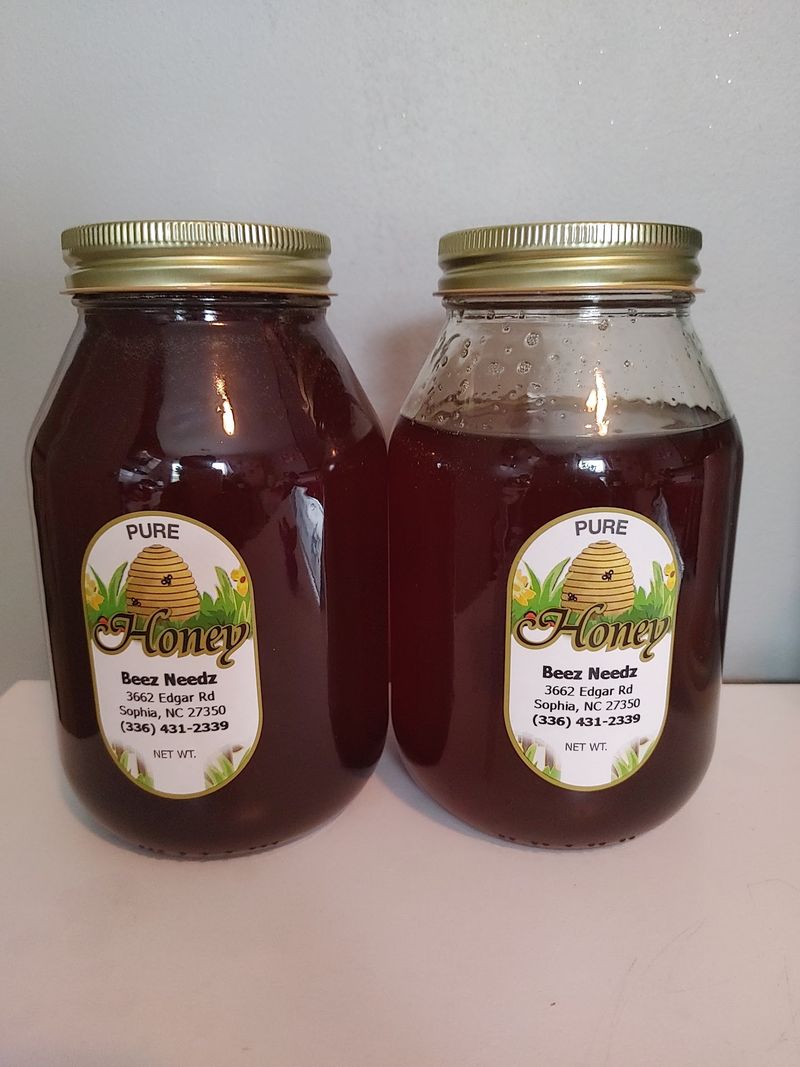
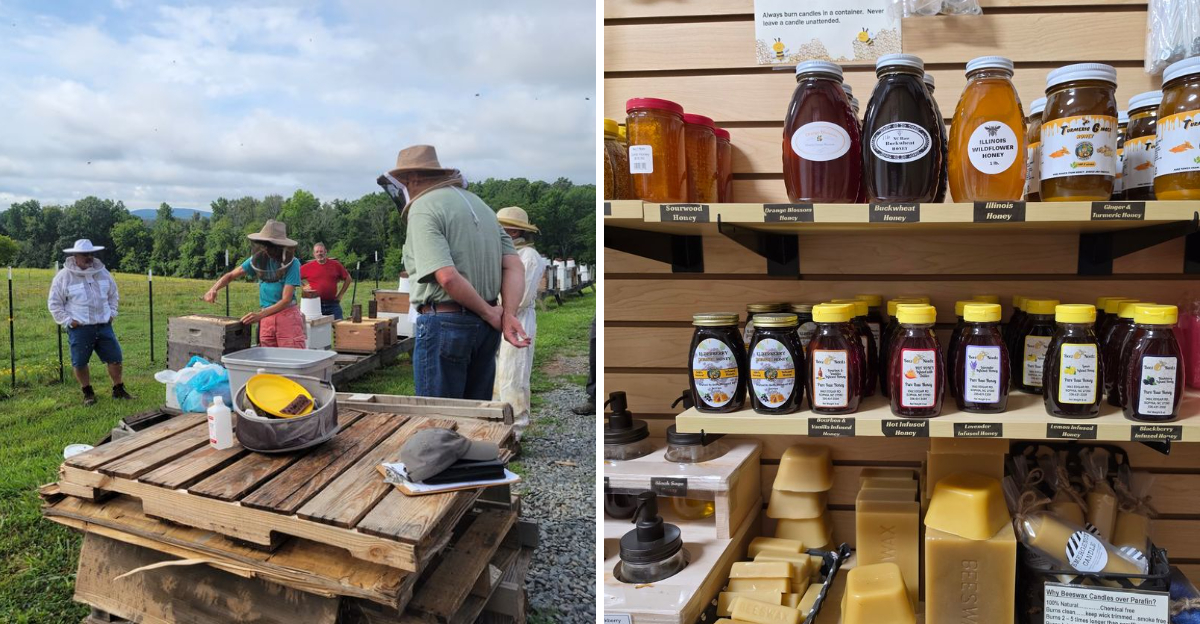
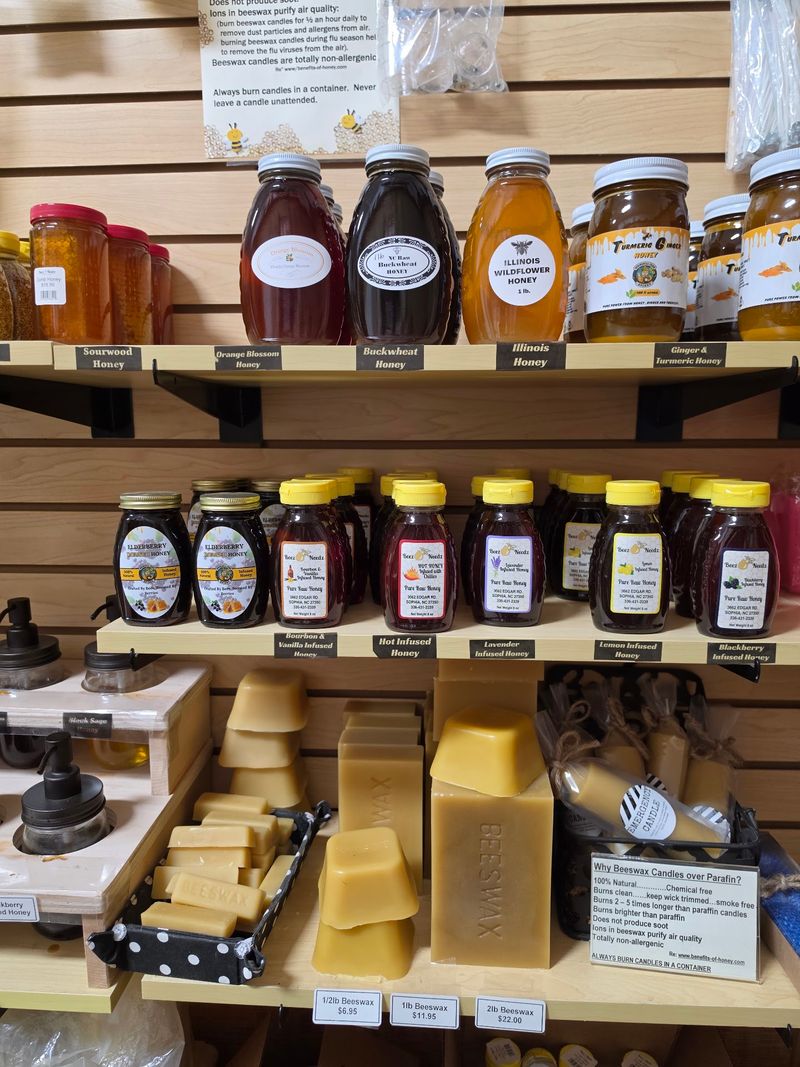
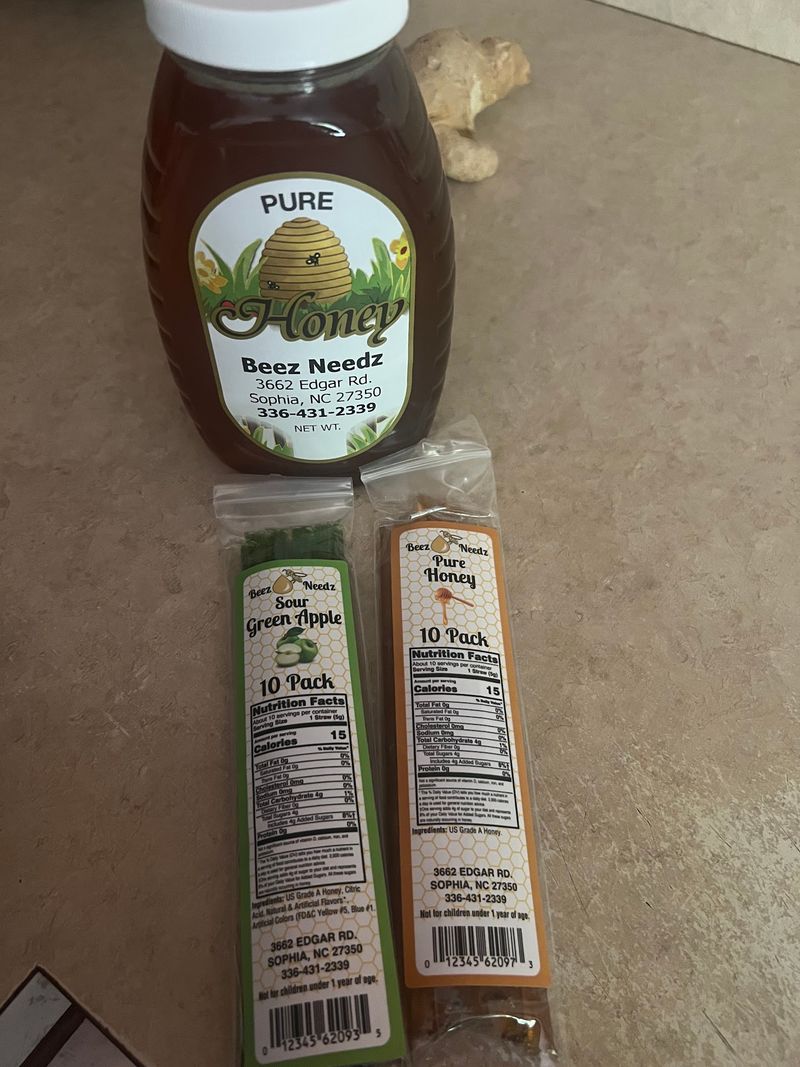
Step inside the retail side and the focus quickly shifts from hive hardware to something ready for the kitchen. The current Honey Collection includes wildflower honey, honey sticks, and infused honey, while the shop is also promoted locally as a source for pure local honey.
Infused selections listed online include flavors such as lemon, blackberry, lavender, and elderberry, although individual varieties can move in and out of stock.
Wildflower honey keeps things simpler, letting the natural character of the honey remain the main attraction.
The selection makes it easy to leave with a small treat or choose a larger container for everyday use at home. Honey sticks offer the most portable option, especially for anyone stopping during a longer drive through Randolph County.
What visitors should not expect is a guaranteed lineup of every floral variety associated with North Carolina beekeeping, since the shop’s current online honey collection is more focused than that.
The draw is having honey sold alongside the equipment and education surrounding the bees themselves, giving the shelves a natural connection to the rest of the business.
Bee Education Adds More To The Experience Than Simply Buying A Jar
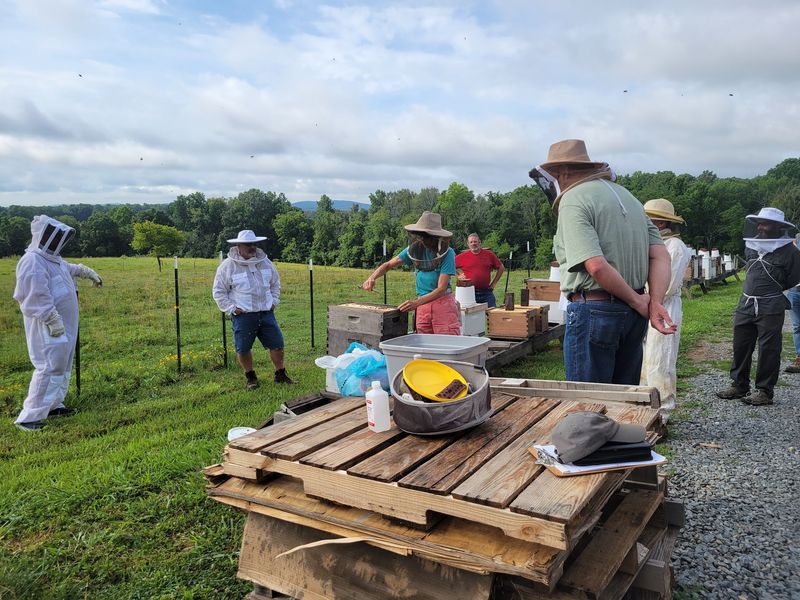
Learning here can begin well before anyone is ready to open a hive.
The 2026 Intro to Beekeeping series followed the full cycle of a year with bees. Lessons covered basic anatomy, hive placement, colony setup, feeding, common challenges, and essential equipment.
One lesson also included hands-on frame or box building, connecting classroom information with the physical equipment used in an apiary. Separate Education Days have added more specialized topics throughout the year.
March focused on making successful colony splits, while a later session addressed summer management and honey flow.
The business announced that Education Days are generally planned for the second Saturday of each month, with schedule changes posted through its own channels.
That continuing format gives both beginners and more experienced keepers a reason to watch the calendar instead of treating education as a one-time spring event.
Books and field guides are also sold through the education collection for anyone who wants another reference at home.
The result is a program that treats beekeeping as an ongoing skill rather than something learned in a single afternoon.
A Lifelong Interest In Bees Came Before The Farm Business
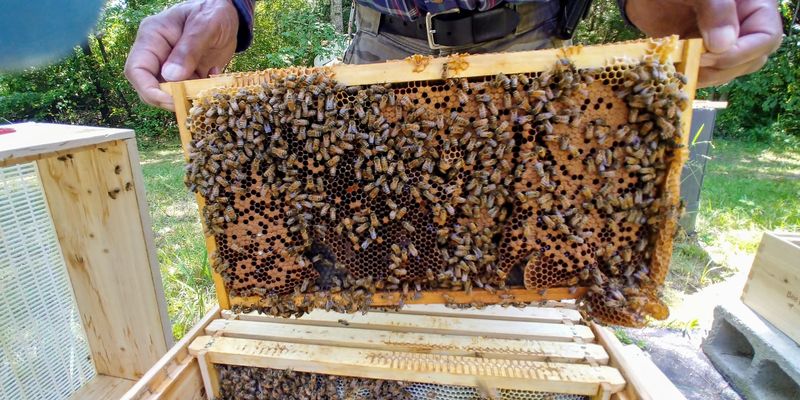
Long before the Sophia storefront opened, Keith Elkes was already learning his way around a hive. According to the company’s history, he was 11 when neighbor Walter Grey introduced him to beekeeping and taught him how to build hive boxes, clean frames, and work around a bee yard.
By age 12, Elkes had eight hives of his own. The commercial side arrived much later.
In 2010, he and a friend named Roy began producing cypress woodenware in a garage and selling it locally. Four years afterward, Keith and his wife Andrea were given the opportunity to establish their manufacturing and retail operation on her parents’ farm.
That 2014 move became the foundation for the business visitors see today. The timeline explains why woodworking and bees remain so closely connected here.
This was not a gift shop that later added beekeeping supplies to its shelves. Hive equipment was part of the operation from the beginning, built by people already familiar with how the pieces would be used.
The family-owned company has since grown into a specialized stop serving customers at very different stages of beekeeping.
Much Of The Wooden Hive Equipment Is Made On The Property
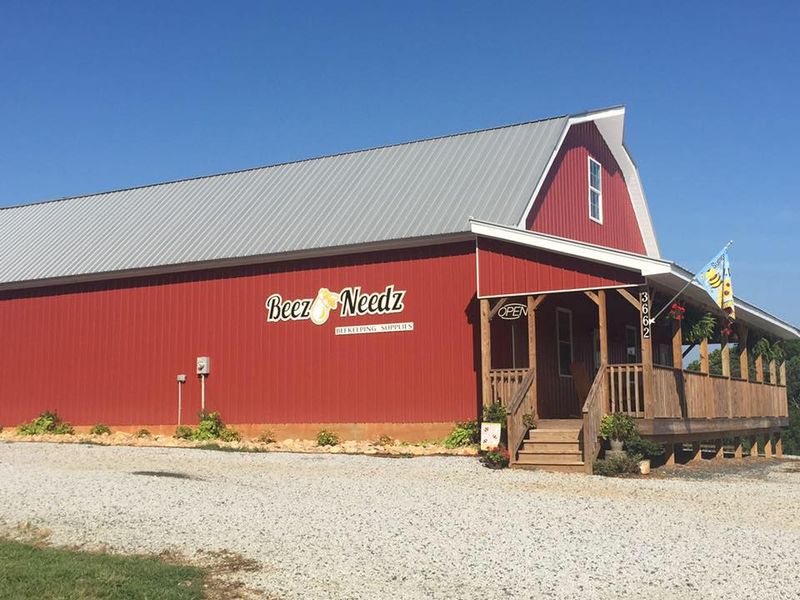
Woodworking is not simply a decorative part of the farm’s story. Beez Needz says it manufactures the majority of its woodenware in-house using cypress and pine, and current product listings confirm that hive bodies are produced in its North Carolina woodworking shop.
The catalog includes assembled boxes in several depths and frame configurations, along with complete hive setups intended for beginners or established keepers expanding an apiary.
Finger joints and built-in hand holds appear on several of the company’s box designs, showing how practical details shape equipment that may spend years outdoors.
Frames, foundation, bottom boards, covers, and other components fill out the larger selection.
Visitors should not expect an advertised woodworking demonstration every time they stop by, but the locally manufactured equipment gives the retail floor a direct connection to the production side of the business.
That is unusual enough to make even an empty hive box more interesting once you understand where it came from.
Instead of functioning only as a reseller, the company still maintains the manufacturing work that helped launch the operation.
For aspiring beekeepers, seeing locally built equipment beside ready-made kits can make the structure of a hive much easier to understand.
Live Bees And Specialized Supplies Serve Serious Beekeepers Too
Starting a colony requires considerably more than an empty wooden box, and the inventory here reflects that reality. The 2026 catalog included three-pound Italian honeybee packages with marked queens and five-frame nucs, although both are currently shown as sold out online.
Availability is seasonal, so future bee purchases require checking ahead rather than assuming colonies can be picked up at any time of year.
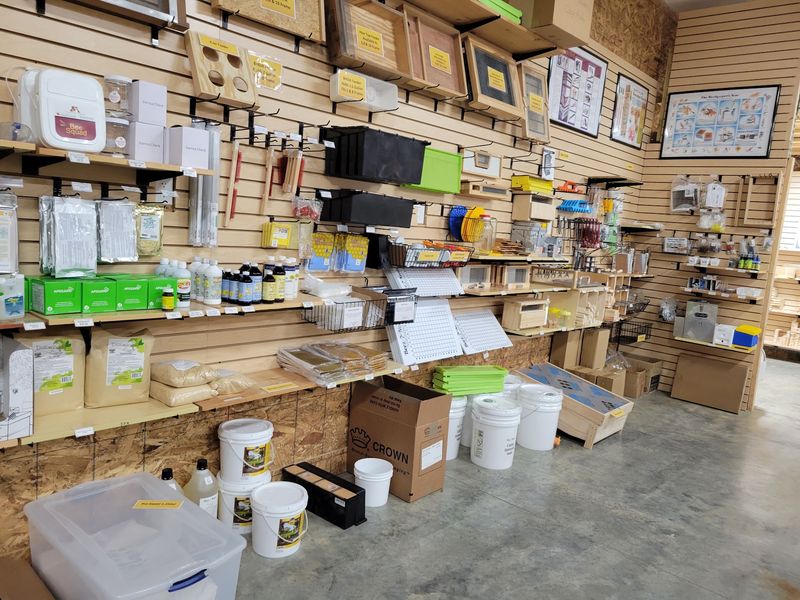
Beyond live bees, the store carries an extensive assortment of equipment for maintaining an apiary.
Protective clothing, hive tools, feeders, frames, foundation, extraction gear, and complete hive kits appear throughout the current catalog. Beginners can shop dedicated starter equipment, while more specialized products cover tasks that become relevant as an apiary grows.
That range helps explain why the business attracts people who are already keeping bees as well as visitors who have only begun considering their first colony.
Shipping is available for many products, which extends the operation far beyond shoppers who can drive to Sophia.
Still, seeing the equipment together in person makes the retail store particularly useful for understanding how many individual pieces go into keeping a working hive functioning through the seasons.
The Gift Shop Goes Beyond A Basic Jar Of Honey
Honey may be the obvious souvenir, but it occupies only one corner of the retail experience. The business maintains a dedicated gift shop collection alongside its beekeeping inventory, giving casual visitors something to browse even if they have no plans to start an apiary.
Pure beeswax is among the current products, sold in several sizes for uses such as candle making and other crafts. Honey-related goods and bee-themed gifts broaden the selection beyond the technical tools filling other parts of the store.
That mix creates a useful divide between the people comparing hive components and those simply looking for something connected to the farm’s specialty.
The company has promoted its gift shop through North Carolina beekeeping publications as well, describing it as a substantial part of the Sophia location rather than an afterthought beside the supply counter.
Anyone more interested in how honey reaches a jar can wander toward harvesting and bottling equipment elsewhere in the shop, where extractors and containers reveal another step in the process.
It is an unusually complete retail setup, moving easily between practical beekeeping and the products that make bees interesting to shoppers who may never own a hive themselves.
Set Aside Time To Enjoy The Farm Before Heading Home
A visit does not need a full afternoon to feel worthwhile, particularly for travelers stopping primarily for honey or a look through the store.
The family-owned operation sits on 40 acres, and its own website encourages guests to spend a little time on the front porch, where rocking chairs offer an easy place to linger before getting back on the road.
Classes and Education Days naturally require more planning, while ordinary retail visits can stay flexible around the shop’s regular schedule. Current official hours are 9 a.m. to 6 p.m.
Monday through Friday and 9 a.m. to 5 p.m. Saturday, with the business closed on Sunday.
Anyone hoping for hands-on hive instruction should arrange that separately through a scheduled class rather than expecting open-hive access during normal shopping hours.
Honey selections and seasonal bee availability can also change, making the website useful for checking specific products before a longer drive.
The farm is at 3662 Edgar Rd, Sophia, NC 27350, in northern Randolph County. Its combination of beekeeping education and farm-based manufacturing gives the stop considerably more personality than a conventional supply store.
Even without plans to become a beekeeper, leaving with a jar of honey makes a fitting reminder of what all that careful hive work eventually produces.