10 Fun Hawaii Towns That Make Retirement Feel Like An Endless Vacation
Retirement gets interesting fast when your morning walk could end at a beach, a farmers market, or a coffee farm.
Across Hawaii, towns offer wildly different versions of island life.
Some sit near surf and quiet bays. Others climb toward cooler uplands, ranch country, or rainforest scenery. What a choice to have!
Daily life can include paddling, local markets, art, hiking, and community events without needing a packed schedule. Health care, housing, and everyday services matter too.
The scenery may grab attention first, but rhythm matters more over time.
For anyone imagining a slower next chapter, these towns offer plenty of ways to picture what an ordinary Tuesday could actually feel like.
1. Wailea, Maui
Some towns just seem built for slow mornings and long ocean views. South Maui delivers exactly that, with warm weather nearly every day of the year.
Wailea sits on the sunny southern end of Maui, and the pace here is refreshingly unhurried.
Wailea has a notably large older population, with Census data showing nearly 40% of residents age 65 or older. Ocean conditions still vary by beach and day, so swimming conditions should always be checked before entering the water.
Snorkeling, hiking, and golfing on world-class courses fill the calendar nicely. A coastal walking path connects beaches, shops, and fine dining rooms. Everyday services are close by, and Kihei sits just up the road for extra conveniences.
Wailea is traditionally interpreted as water of Lea, with Lea identified in Hawaiian place-name sources as a deity associated with canoe makers.
Ancient Hawaiians grew sweet potatoes on the slopes of Haleakala and fished these shores. After the Great Mahele land redistribution, cattle ranching took over the dry landscape.
During World War II, Marines trained along this coastline. Development into an integrated residential resort community began in the early 1970s. Tourism now shapes much of the local economy.
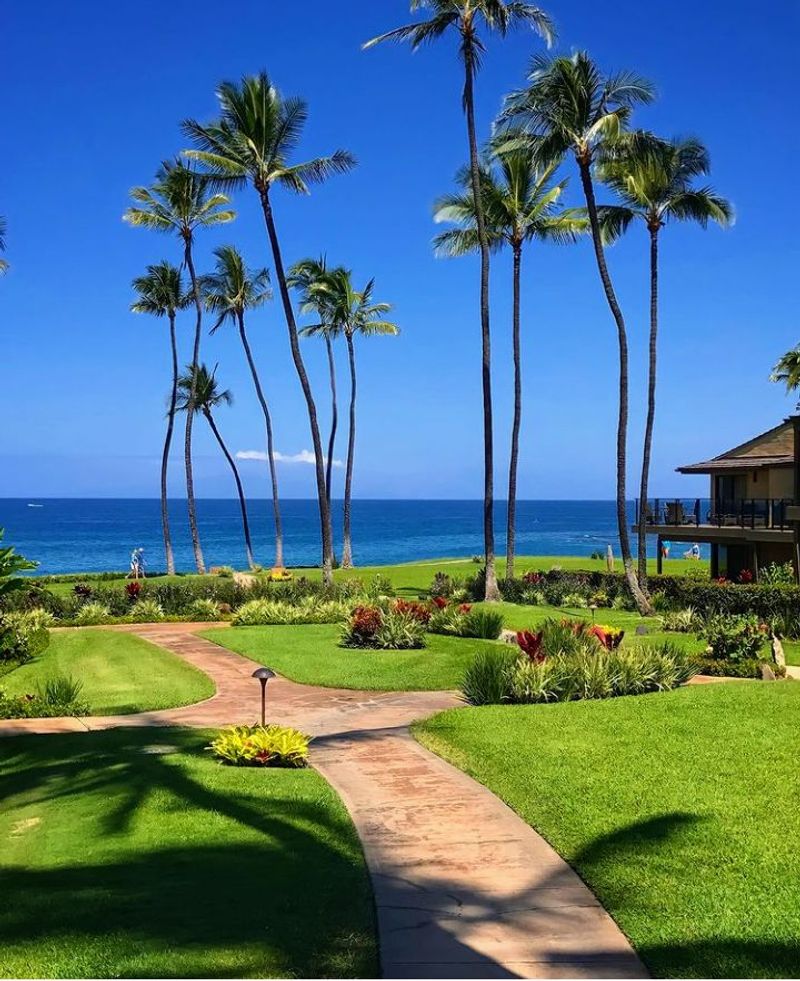
Ocean views define many parts of Wailea, particularly along the coastal path, beaches, resorts, and hillside neighborhoods.
Retirees who want beach access without giving up restaurants and shopping tend to settle in quickly. If your dream retirement includes flip-flops, fairways, and reef fish, this corner of Maui makes a strong case.
2. Kailua, Oahu
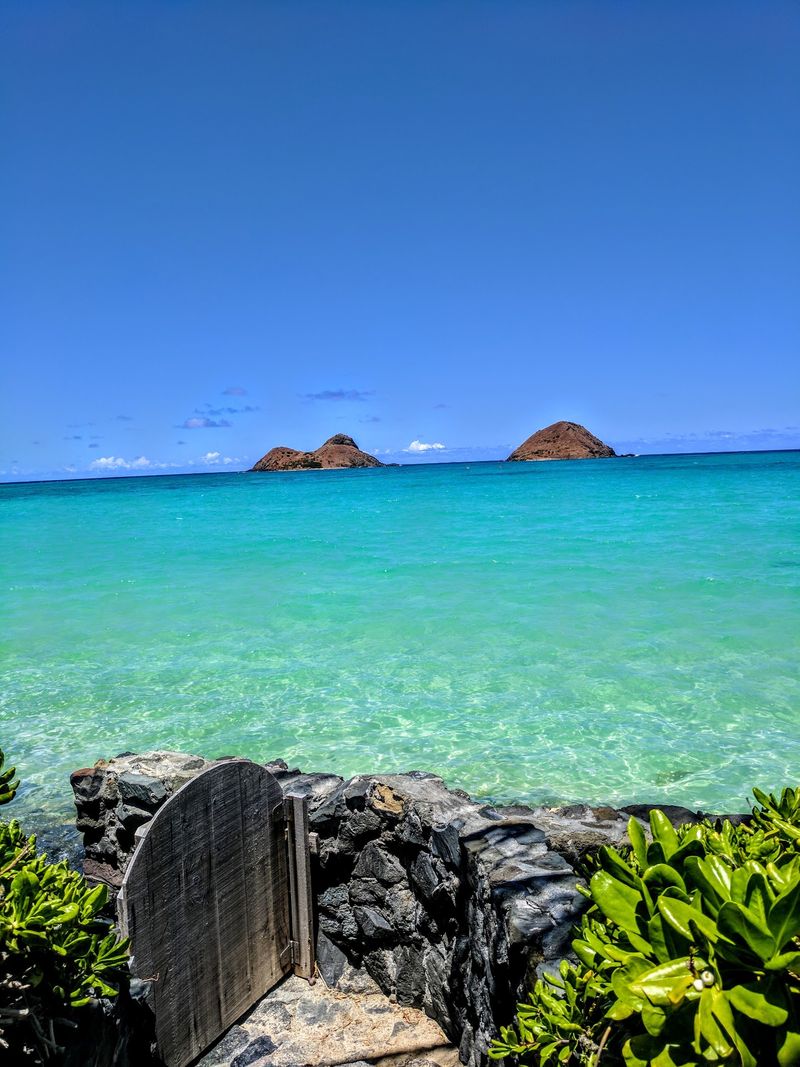
There is a beach town just 12 miles northeast of Honolulu that still moves at half speed. Casual, active, and green, it wins over almost everyone who wanders in.
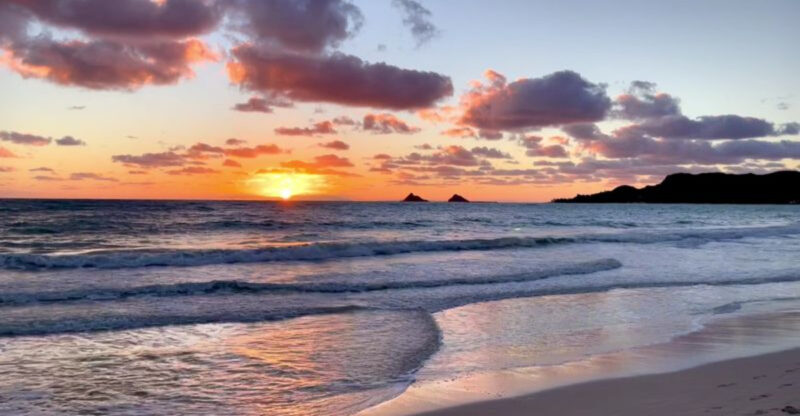
Kailua sits on Windward Oahu, backed by the towering Koolau Mountains. Cooling breezes sweep across stream-fed lands and the wide Kawainui Marsh. Kailua Bay glows an unreal shade of blue on clear mornings.
Kailua offers plenty of opportunities for walking, paddling, beach outings, and other outdoor activity close to residential areas.
Paddling across the bay is a beloved local pastime. The business district keeps shopping and dining options plentiful and walkable.
History here runs deep, stretching back more than 1,500 years.
Early Hawaiian families settled around Kawainui, and by the 15th and 16th centuries Kailua had become an important royal and political center with a large chiefly complex.
Taro fields covered the valley floor, later giving way to rice farming and eventually dairy operations.
Kailua literally means two seas, with interpretations linking the name to local currents and the area’s major waters. After World War II, rapid growth turned a sleepy town into a thriving community.
Legends still cling to the marsh and surrounding hills.
Retirees appreciate the mix of quiet residential streets and quick access to city services. Sunrise beach walks feel almost required. Few towns balance easygoing charm and practical convenience quite this well.
3. Kihei, Maui
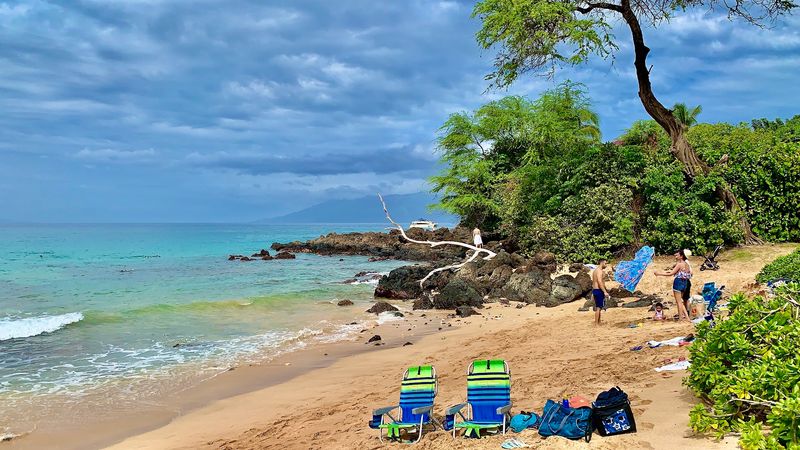
Sounds too good to be true, but there is a stretch of South Maui with miles of white sand and remarkably mild weather. Rain clouds usually drift elsewhere.
Kihei mixes longtime residents with seasonal folks, and the result is a friendly, unfussy community. The relaxed rhythm appeals strongly to retirees who want a slower pace. Views stretch across the channel toward neighboring islands.
Snorkeling trips head to Molokini Crater and the Ahihi-Kinau Natural Area Reserve.
The Kamaole Beaches are ideal for spending an entire lazy afternoon. Humpback whales pass through between December and April, often visible from shore.
South Maui Gardens makes a pleasant outing, and sunsets here draw quiet crowds every evening.
Current archaeological evidence generally places the first Polynesian settlement of the Hawaiian Islands between about 1000 and 1200 AD. Remains of ancient fishing villages and fishponds can still be spotted along the coast.
Much of this coastline was once marshland dotted with small ponds.
Major modern development followed in the 1970s after water was piped into the dry South Maui area from Central Maui. Ancient religious sites called heiaus are scattered throughout the area.
The Hawaiian Islands Humpback Whale National Marine Sanctuary headquarters sits right here, which delights anyone fascinated by marine life.
Shops and casual eateries line the main road. For sunshine, sand, and whale songs, few towns compete.
4. Hilo, Big Island
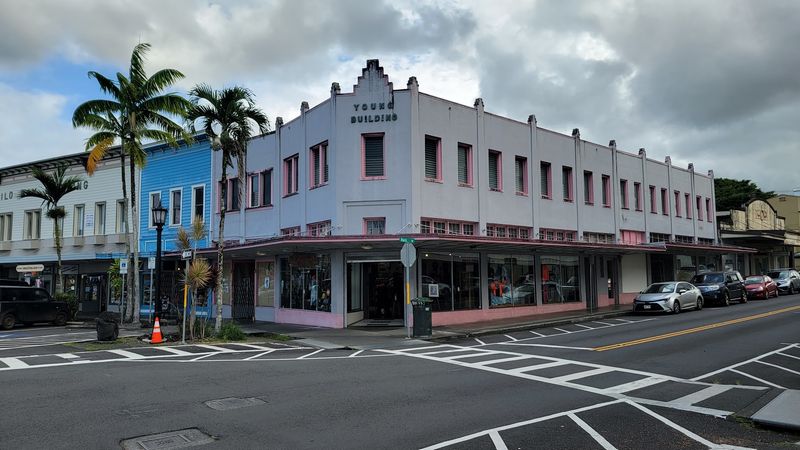
This is a destination for anyone who loves rain-fed greenery and waterfalls within minutes of downtown. The eastern side of the Big Island wears its rainforest proudly.
Housing costs in Hilo are lower than in many of the other communities on this list, although everyday expenses across Hawaii can still be substantial.
Senior-friendly communities here feel welcoming rather than exclusive. The town overlooks Hilo Bay with Mauna Loa and Mauna Kea rising behind it.
Farmers markets overflow with tropical fruit, flowers, and vegetables several days a week. Local shops, galleries, and museums keep the revitalized downtown busy.
The Merrie Monarch Festival brings a week-long celebration of ancient and modern hula every spring.
Polynesians first settled the area around 1100 AD, building fishing and agricultural communities. Hilo has several possible name origins, including associations with twisting, the first night of the lunar month, and a Polynesian navigator.
Sugar plantations later drew immigrants from across Asia and Europe, shaping the food and culture you taste today.
Powerful tsunamis struck this coast in the past, which led to the Pacific Tsunami Warning Center. The Tsunami Museum downtown explains those events clearly and respectfully.
Affordable senior housing exists too, including Mohouli Heights Senior Residences III at 571 Kupuna Place, Hilo, HI 96720.
Warm temperatures and constant greenery shape daily life here, though Hilo also receives substantial rainfall throughout the year. Retirement here trades glitz for authenticity, and that suits plenty of people beautifully.
5. Waimea, Big Island
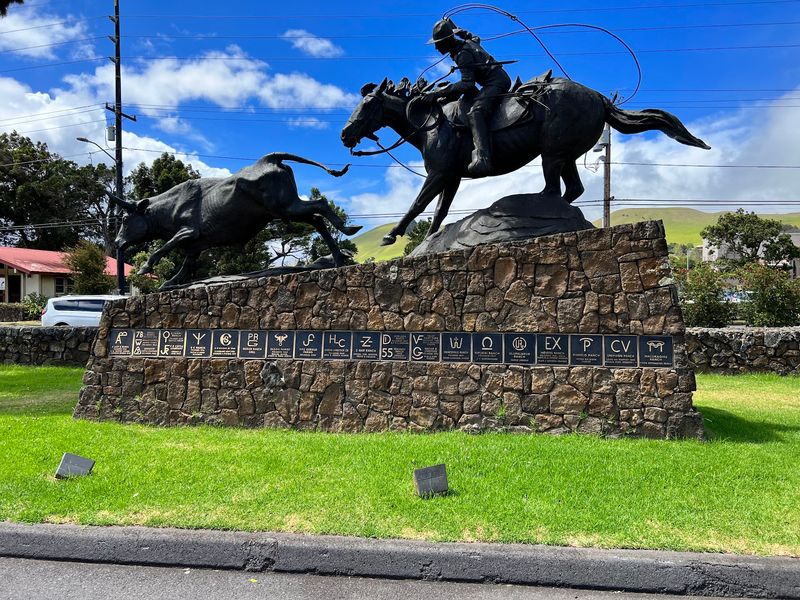
Cowboy boots in this state? Absolutely, and the northern Big Island has been wearing them since the 1830s.
Waimea, also known as Kamuela, sits upcountry at roughly 2,670 feet, so temperatures run noticeably cooler than the coast. Rolling green pastures replace barren lava fields. Mauna Kea and the Kohala Saddle dominate the horizon on clear days.
Paniolo culture remains central to Waimea, with events such as Parker Ranch’s annual July 4 Rodeo and Horse Races celebrating that heritage.
The 130,000-acre working Parker Ranch also offers historic-home tours by appointment.Horseback riding through those hills fits the setting perfectly.
Independent businesses and farm-to-table restaurants give the town real character. Bustling farmers markets take over on Wednesdays and Saturdays, loaded with upcountry produce.
Waimea Nature Park, called Ulu Laau, gives residents a peaceful loop for morning strolls.
Every February, the Waimea Cherry Blossom Heritage Festival celebrates blooming trees with music, crafts, and food.
Waimea means reddish water, while Kamuela is the Hawaiian form of Samuel. Historical place-name sources differ on whether the postal name honored Samuel Parker or former postmaster Samuel Spencer.
Mexican vaqueros arrived nearly two centuries ago to teach cattle-raising skills, and that legacy never faded.
The Waimea Center sits at 65-1158 Mamalahoa Hwy #14, Waimea HI 96743. Sweater weather in the tropics has its own quiet appeal, especially for retirees tired of humidity.
6. Kailua-Kona, Big Island
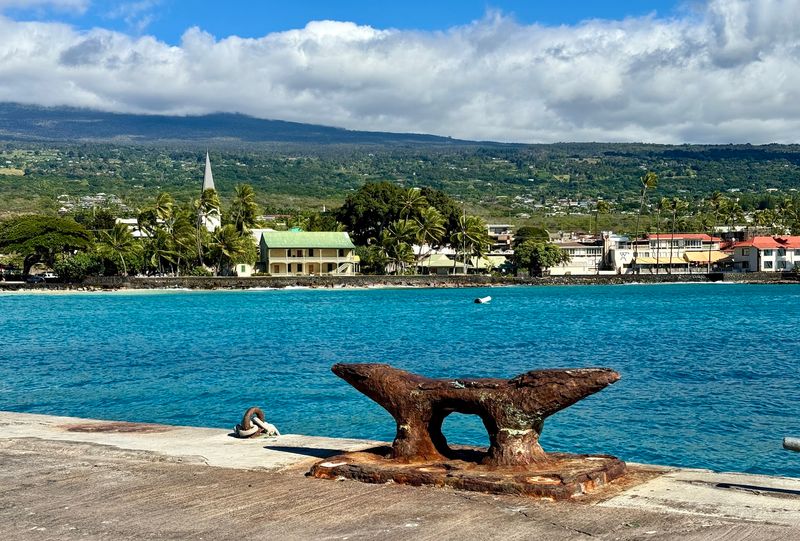
Let me be real for a second, sunshine reliability matters when you are choosing where to retire. The western coast of the Big Island delivers clear mornings almost daily.
Kailua-Kona is a major commercial and activity hub for West Hawaii. NOAA climate normals show average highs generally in the low-to-upper 80s and average lows in the upper 60s to mid-70s through the year.
Clouds build in the afternoon, then clear again by evening. Snorkeling at Kahaluu Beach Park and Kealakekua Bay ranks high on most lists.
Manta ray night snorkel tours are unforgettable and unlike anything elsewhere. Deep-sea fishing, kayaking, bodyboarding, and sunset cruises round out the water options.
Historic Alii Drive makes for an easy oceanfront walk past shops and landmarks. Kaloko-Honokohau National Park protects ancient fishponds and cultural sites worth exploring slowly.
Coffee farms in the hills above town welcome guests for tours and tastings.
Royal history runs strong here. Kailua-Kona was an important royal center, and King Kamehameha I spent his final years there before his death in 1819.
Huliheʻe Palace was built in 1838 and later served as a vacation home for Hawaiian royalty. The Mokuʻaikaua mission dates to 1820, while the current stone church was completed in 1837 and is the state’s earliest extant Christian church.
Kona coffee has been part of local agriculture since 1828, and the beans still earn worldwide praise.
The name Kailua means two seas, probably referring to currents. Retirees who want warmth, culture, and constant ocean access find plenty to love.
7. Kapa’a, Kauai
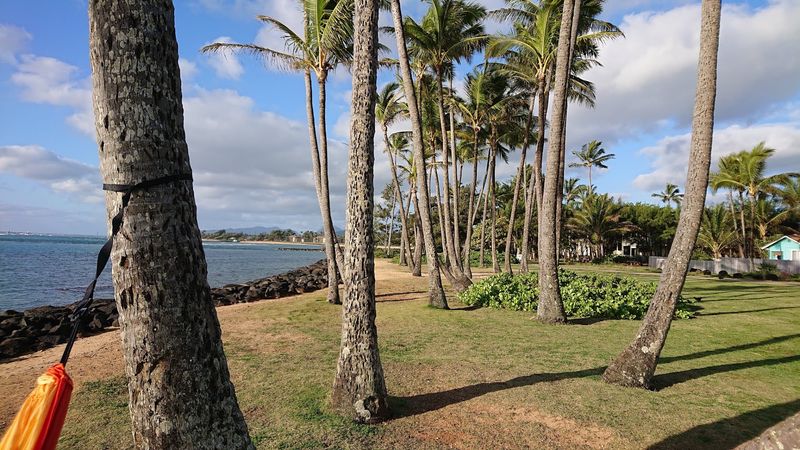
Sometimes cozy beats flashy when picking a retirement town. Kauai’s east side has a friendly little community that proves the point.
Kapa’a wraps its residents in an easygoing rhythm that rarely speeds up. Beaches sit close by, and lush green landscapes surround the town on all sides. Mornings often start with birdsong instead of traffic noise.
Senior-friendly communities exist here, and neighbors tend to know each other’s names. Natural beauty encourages daily outdoor time, from beach sitting to gentle coastal walks. The scenery alone keeps people outside longer than planned.
Practical details deserve honest attention. The cost of living runs somewhat higher than in several other state’s communities. Single-family home prices can be substantial, so budgeting carefully matters.
A car adds flexibility on Kauai, but Kapaʻa is served by the Kauaʻi Bus system, which operates fixed-route service around the island and offers discounted fares for seniors.
Kapaʻa has local primary and specialty clinics as well as Samuel Mahelona Memorial Hospital, which operates a 24-hour emergency department.
Wilcox Medical Center in Līhuʻe provides a broader range of specialties, although some highly specialized treatment may still require off-island travel.
Still, the serene setting and warm local vibe win hearts quickly. Life here rewards people who prefer simplicity over stimulation. Anyone craving calm days beside green mountains should take a serious look.
8. Hanalei, Kauai
Hanalei practices simplified living better than almost anywhere.
Misty emerald mountains cascade toward a crescent-shaped bay backed by two miles of golden sand. Waterfalls streak those slopes after every rain.
The bay suits kayaking, paddleboarding, and surfing, mellow in summer and epic in winter. Nearby, the dramatic Napali Coast rewards hikers and boaters alike.
Kee Beach, Haena Beach, and the Maniniholo Dry Cave are all worth unhurried afternoons.
Limahuli Garden and Preserve showcases native plants with real care. Farm tours explain local agriculture, and golf waits nearby at Princeville Makai Golf Club. Town shops and small restaurants keep things charmingly low-key.
The name means crescent bay or lei valley. Native settlement here goes back centuries, and the fertile valley long centered on taro farming before rice took hold.
Hanalei Pier began as an interisland steamer landing in the 1890s and was later improved to handle the valley’s substantial rice shipments. The historic Haraguchi Rice Mill preserves another important part of that agricultural history.
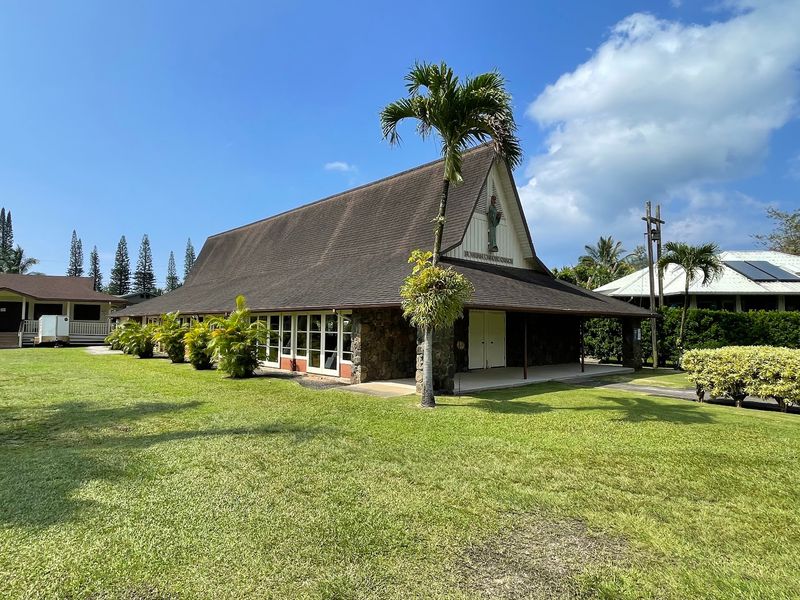
Western missionaries established the Waiʻoli mission in Hanalei in 1834, while the church complex seen today developed later.
One caution: the nearest hospital sits roughly 30 miles away. This resilient community has rebuilt from floods and hurricanes more than once.
9. Makawao, Maui
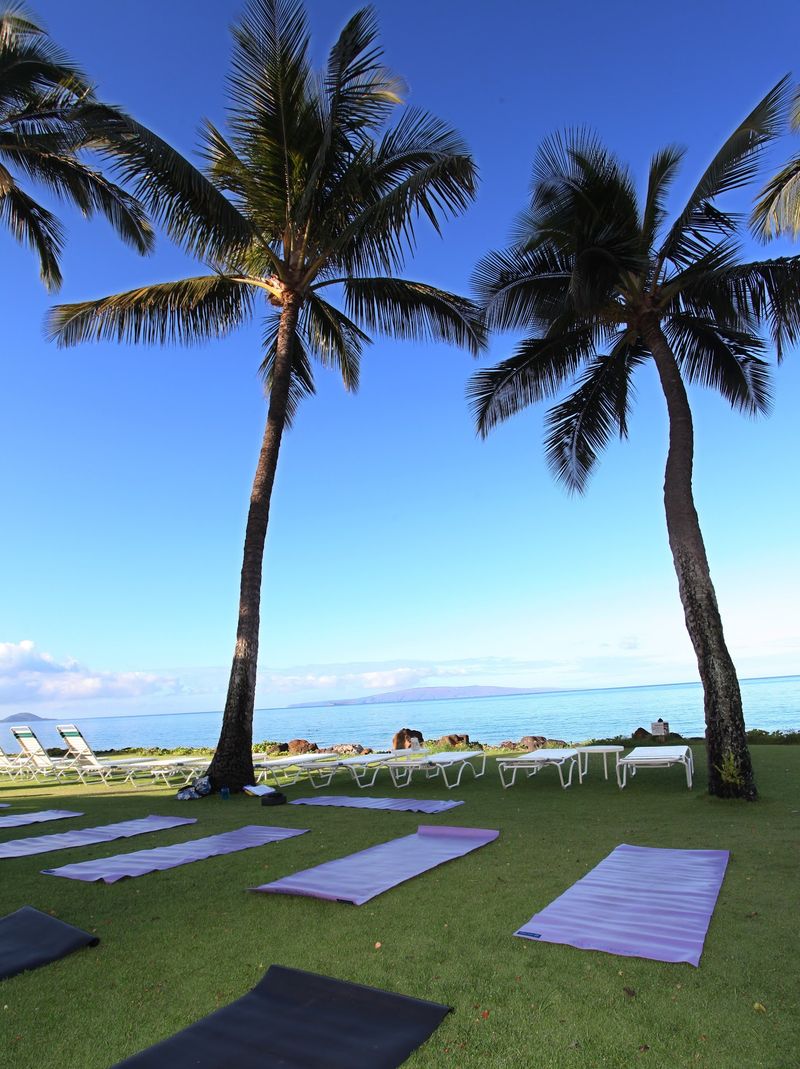
Art galleries and rodeo chutes in the same small town? Upcountry Maui makes that combination work surprisingly well.
Makawao rests on the mid-slopes of Haleakala volcano, well above the beaches. Cooler air and green pastures define the setting.
The 2020 Census counted about 7,300 residents in Makawao, where historic storefronts still contribute to the town’s upcountry character.
Paniolo heritage and a thriving arts community share the streets here. Galleries, quirky shops, and restaurants fill those historic buildings.
The famous Makawao Rodeo rolls in every 4th of July weekend, celebrating cowboy roots with real enthusiasm.
Hiking through Makawao Forest offers shaded trails, while nearby ranches, farms, gardens, and scenic upcountry roads can extend the outing. Ranches and farms still operate throughout the surrounding hills.
Ranching and agriculture took hold in the mid-19th century. Mexican vaqueros and European ranching traditions shaped the Hawaiian cowboy, or paniolo, into a cultural cornerstone.
The name means edge or beginning of the forest, which describes the location exactly.
Paniolo once gathered in town to trade stories and compete in rodeos. Later, the growing sugarcane industry brought laborers from China, Portugal, Japan, and the Philippines, adding new food and traditions to the mix.
Retirees who prefer sweaters over swimsuits often land here happily. Creative energy, cowboy history, and cool mountain mornings make an unexpectedly delightful combination.
10. Haleiwa, Oahu
Call me crazy, but a retirement town with legendary surf breaks nearby sounds like a great story to tell the grandkids. Oahu’s North Shore has exactly that.
Haleiwa keeps its rustic charm through plantation-era buildings and a deep-rooted heritage. Sky and water views stretch wide along this coastline. The town is known as the gateway to some of the most famous waves on earth.
Winter brings world-class surfing to Waimea Bay, Pipeline, and Sunset Beach.
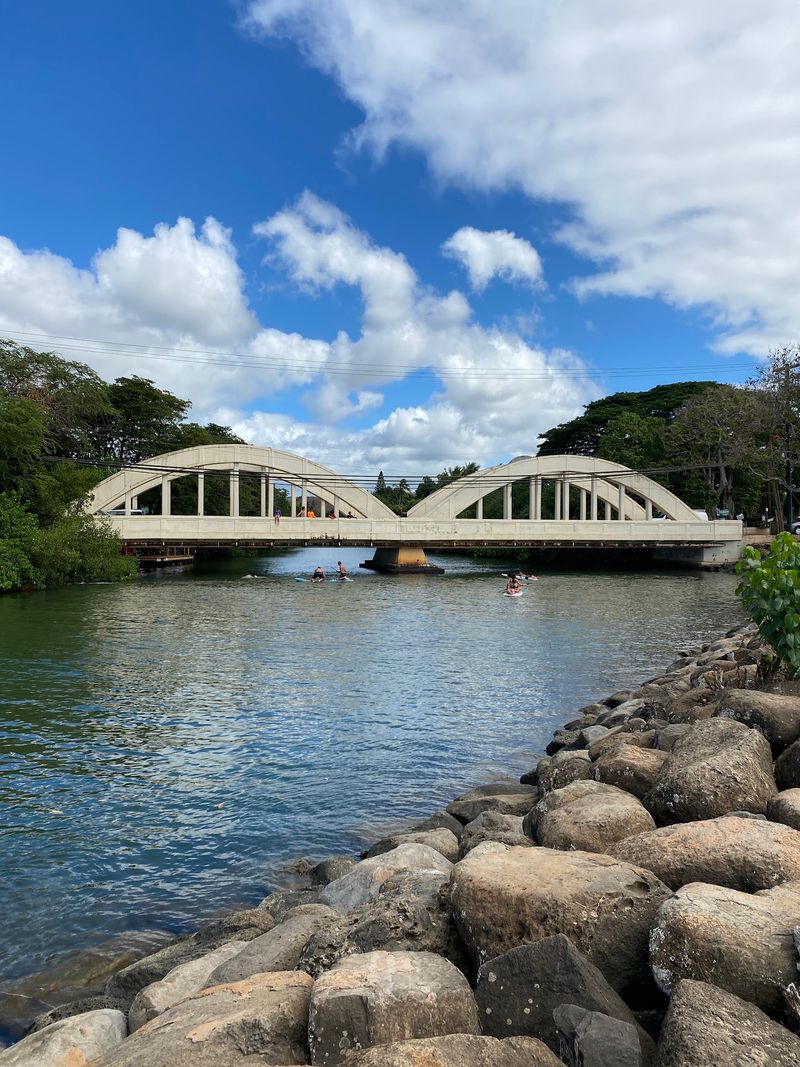
Paddleboarding and kayaking add quieter water options around Haleʻiwa and the Anahulu Stream during suitable conditions. Local shops, farmers markets, cafes, and art galleries line the main street.
Centuries of Native culture shaped this area long before sugar arrived. The name, pronounced hah-lay-EE-wah, means house of the iwa, or frigate bird, and figuratively home of attractive people.
Businessman Benjamin Dillingham’s railroad and the Haleiwa Hotel boosted popularity in the late 1800s.
Sugar plantations turned the town into a busy hub, drawing immigrants whose traditions still flavor local life. In 1984, it earned designation as a Historic, Cultural, and Scenic District, preserving that plantation look.
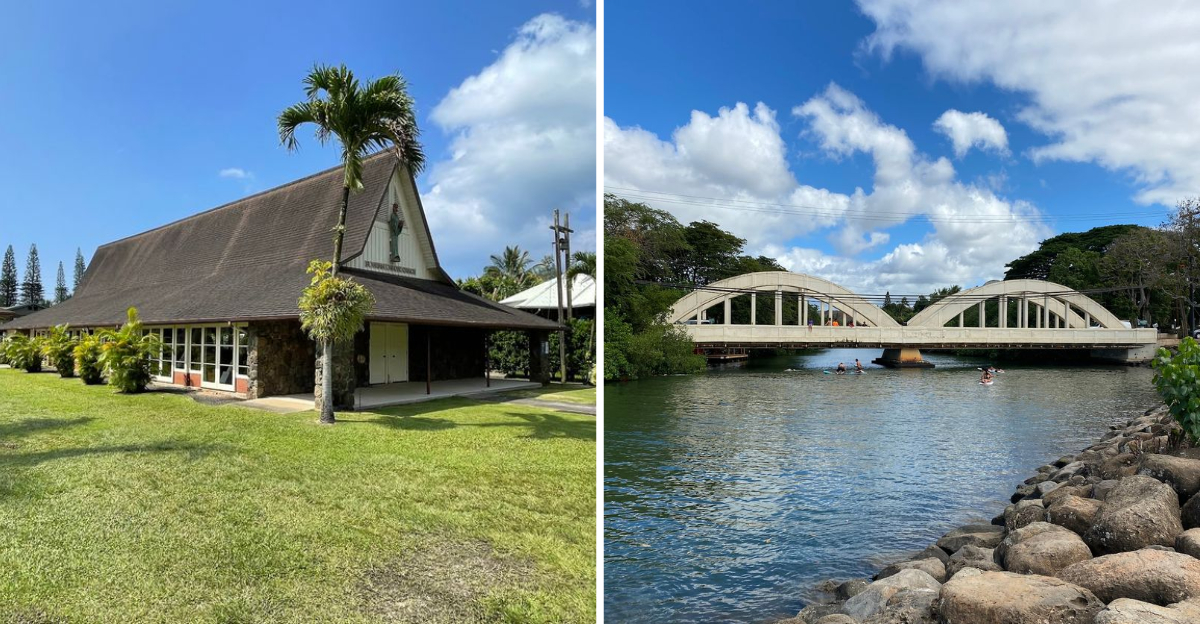
Liliʻuokalani Protestant Church traces its congregation to 1832, while the present church building dates to a later period.
The Anahulu Stream Bridge, built in 1921 and widely nicknamed Rainbow Bridge for its twin arches, remains another major Haleʻiwa landmark.
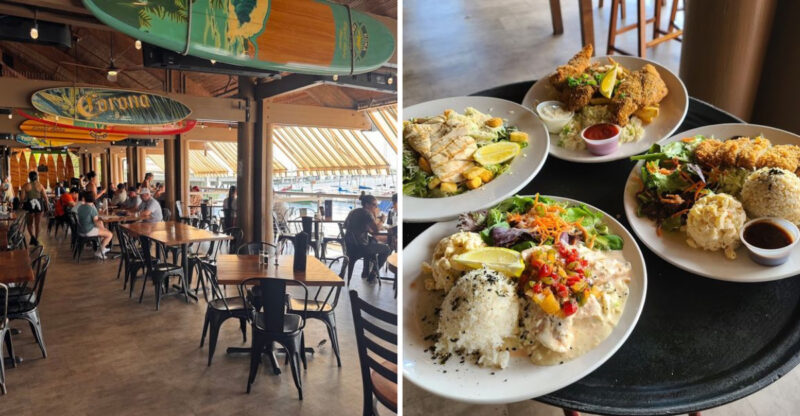
Shave ice, food trucks, and sunset watching fill ordinary days. Retirement here comes with a permanent surf report and zero pressure to hurry.