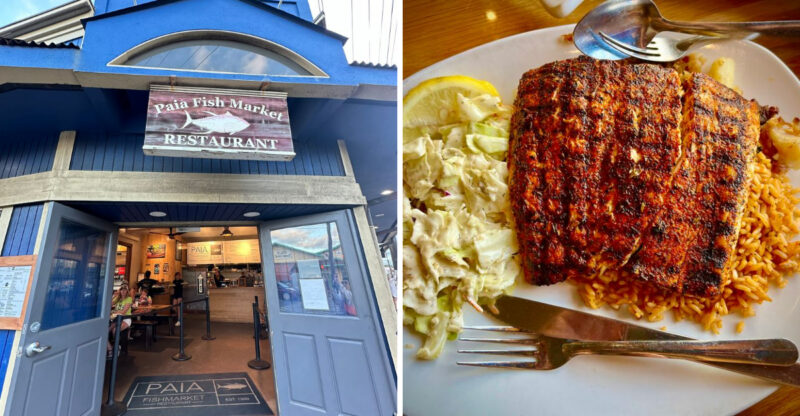
This Hawaii Town Is Known For Its Slow Pace And Relaxed Atmosphere
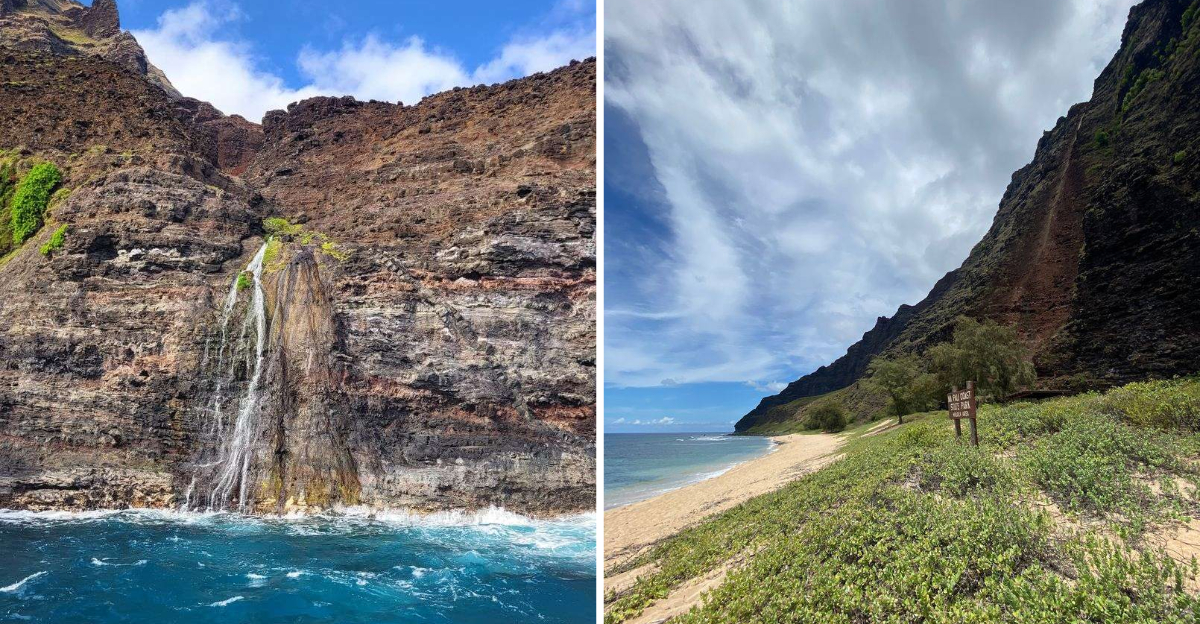
Imagine a vacation day where the biggest decision is beach first or lunch first.
Hawaii has a charming town where relaxed island rhythm makes slowing down feel like part of the experience.
Surf culture, local businesses, nearby beaches, and agricultural history give visitors plenty to enjoy throughout the day.
The surrounding landscape adds hiking and outdoor possibilities whenever a little adventure sounds appealing. Everything fits naturally into an itinerary built around taking your time.
Enjoy the water, browse around town, grab something tasty, and see where the afternoon leads. That easy rhythm is exactly what gives this community its appeal.
A few unhurried hours here can become a favorite vacation memory.
Taro Fields And Old Stories
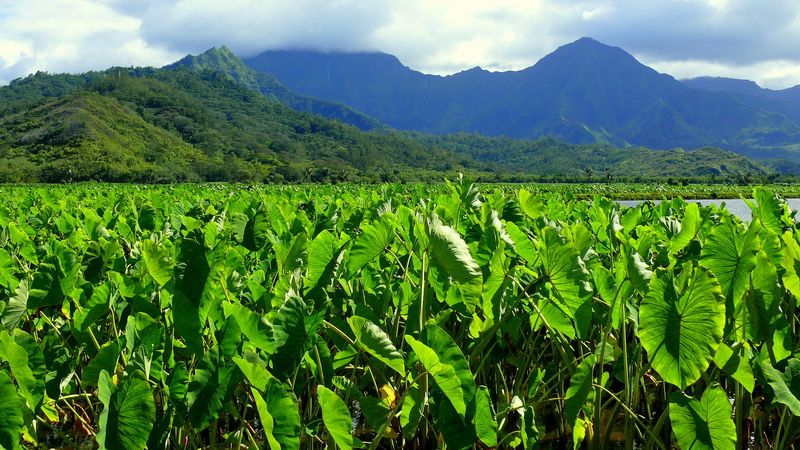
Long before anyone packed a suitcase for Kauai, this valley was already feeding people. Native Hawaiian families cultivated kalo, better known as taro, in the rich soil beside the Hanalei River.
Heavy rainfall and steady water flow made the land unusually productive. Those same terraced patches still shine green today, and they are not decoration. They are working farms carrying on centuries of careful practice.
The 1800s brought big shifts. Missionaries arrived and founded Waioli Huiia Church in 1834, though the current green building with its stained glass windows dates from a 1912 rebuild that still anchors the town.
Later the valley turned toward sugar, then rice, and a wooden pier went up in 1892 to load crops onto boats, with the structure standing today dating to a 1912 rebuild.
Hawaiian royalty knew this bay too. King Kamehameha II and King Kalakaua both spent time along these shores during the 19th century, which says plenty about the setting.
Standing at the edge of a taro patch, I understood something. The slow pace here is not a marketing idea, it grew from generations of farming that follow water and weather rather than schedules.
History gives this corner of Hawaii a weight you can feel. Look past the beach towels and you will find a story still being written by families who never left.
Mountains, Bay, And River
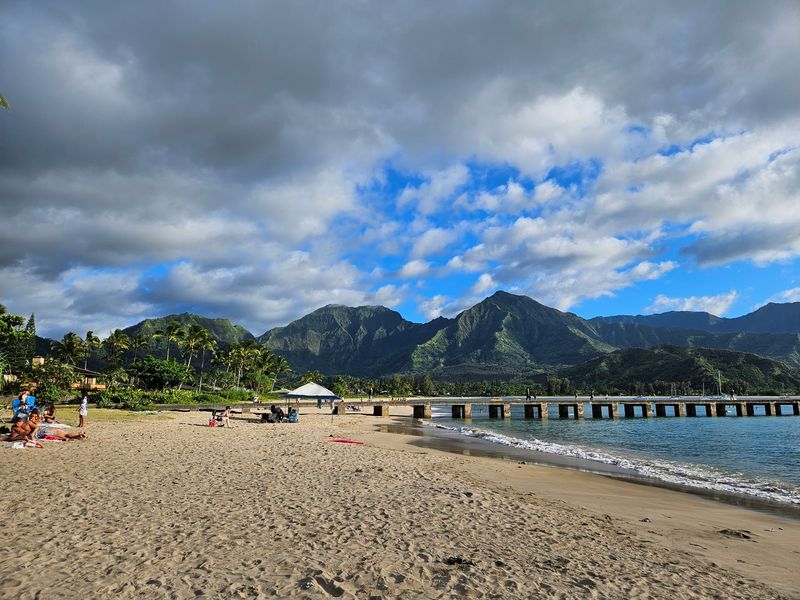
My first look at the valley came from the Hanalei Valley Lookout, and I stayed far longer than planned. Below stretched a quilt of emerald taro squares, stitched together by a slow river.
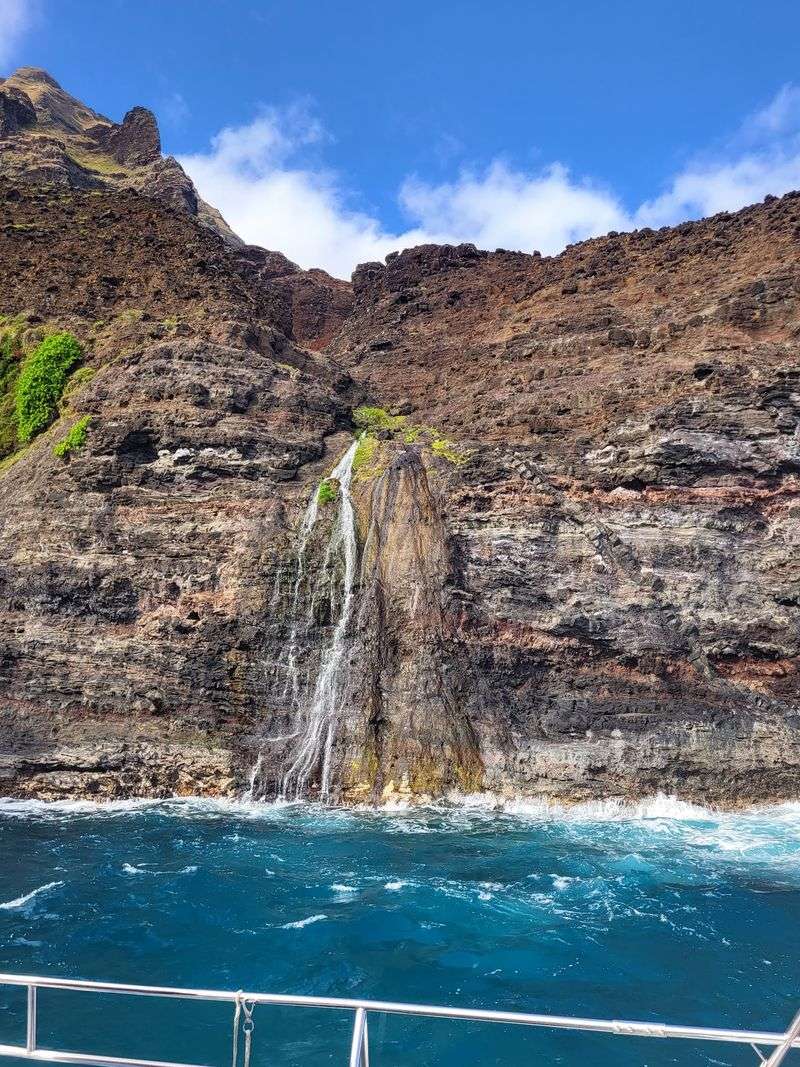
Behind it all rose ridges wrapped in cloud. After rain, thin waterfalls appear on those cliffs like silver threads, then fade once the sun returns.
The bay is the other headliner. Nearly two miles of golden sand curve in a wide arc, wide enough that morning walks never feel crowded.
Waioli Beach Park sits along that stretch, home to the Pine Trees surf area that local surfers know well. Sand here is soft and pale, and the water shifts between deep blue and pale green depending on light.
The Hanalei River deserves credit too. It winds through the valley, feeds the taro fields, then empties quietly into the bay, keeping the whole system connected.
Just west of town, forested hills back Lumahai Beach, a shoreline used in the 1957 film South Pacific. Gorgeous to admire, though the surf there demands real caution. Few places in Hawaii pack this much variety into such a small area.
Why Nobody Here Hurries
Traffic across the one-lane bridge works on courtesy, not signals. Drivers take turns, wave thanks, and nobody leans on a horn.
That little ritual changed my mood within seconds. You cannot rush across a bridge built for one car at a time.
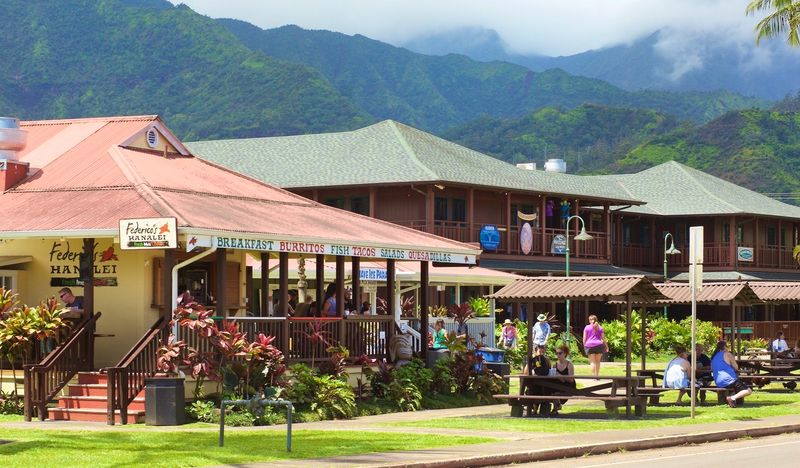
Town itself is compact and low-slung, with weathered wooden buildings shaded by big trees. There are no high-rise hotels blocking the mountain views, and the whole place keeps a neighborly, small-town feel.
People chat in parking lots. Kids carry surfboards down the road barefoot. Dogs nap in shady spots without a care.
I noticed my own habits shifting by day two. Checking the phone felt silly when the better entertainment was watching waves roll into the bay.
Aloha spirit here shows up in small gestures: directions offered without being asked, a smile from someone stocking shelves, patience in every line.
Development pressure exists across Hawaii, yet this town has held onto its character. Mountains hem it in on one side, ocean on the other, and that geography helps preserve the calm.
Come expecting quiet evenings and long mornings, and Hanalei delivers exactly what it promises.
Surf, Paddle, And Float
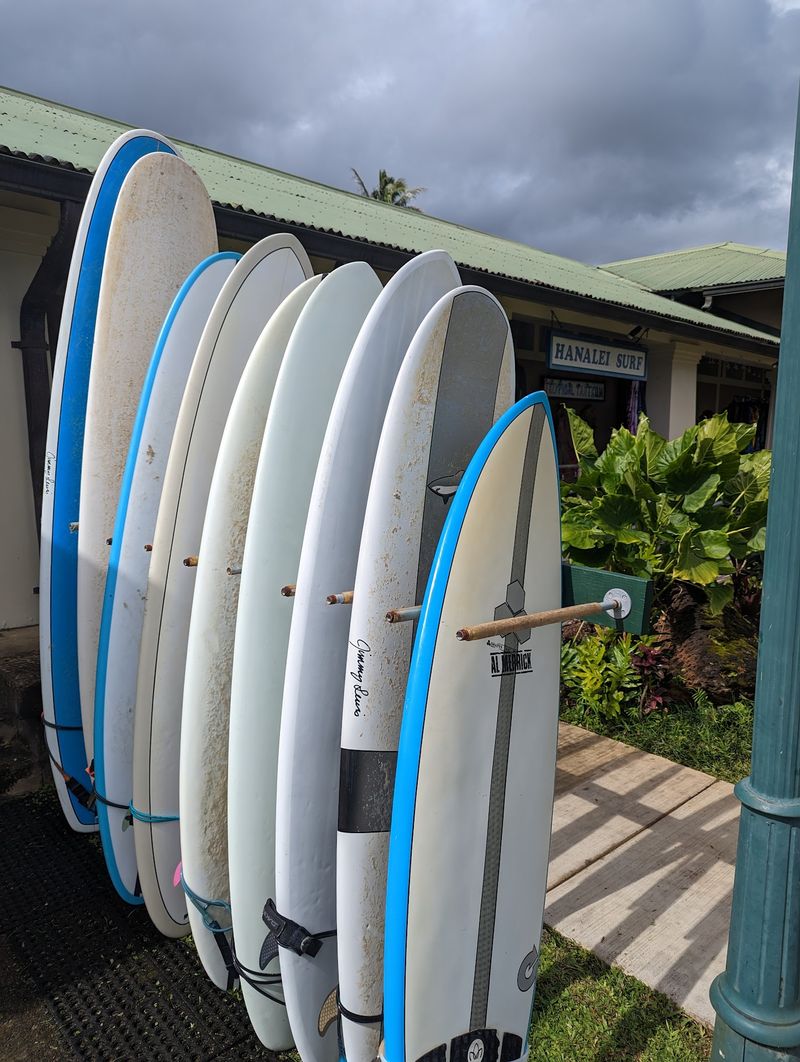
Summer turns the bay into the friendliest playground on the north shore. Water goes clear and warm, waves soften, and swimming becomes a genuine pleasure.
Snorkeling works well near the calmer edges when conditions cooperate. I spent one whole morning drifting with a mask on, in no rush to go anywhere.
Stand-up paddleboarding is wildly popular around here, and for good reason. Gliding across glassy water gives you a mountain view no beach chair can match.
Kayaking on the Hanalei River offers a mellower option. The current is gentle, the banks are thick with greenery, and birds keep popping out of the reeds.
Surfers of every skill level find something. Small summer sets suit first-timers, while winter swells bring serious size for experienced riders. Lessons are easy to arrange in town.
Winter deserves respect, though. Currents strengthen, shore break gets heavy, and conditions can change fast between morning and afternoon.
My rule was simple: check the daily surf report, then ask a lifeguard before entering. Swim near a staffed tower and skip the day if flags say no.
Trails Worth The Sweat
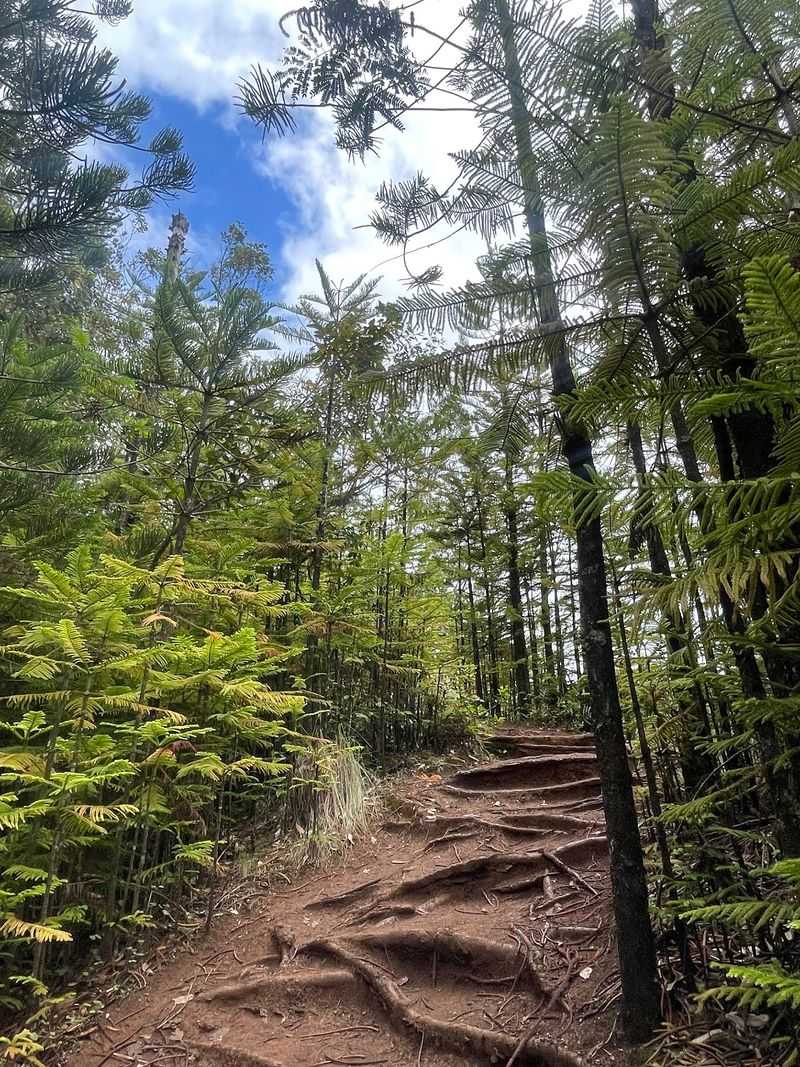
Boots deserve equal time with flip-flops in this town. The ridges above the valley hide trails with views that make the climb worthwhile.
Okolehao Trail is the local favorite for a reason. It climbs through forest, gets muddy after rain, and opens onto a sweeping panorama of the valley and bay.
Go early. Morning light on the taro fields is soft, the air is cooler, and clouds usually hold off until midday.
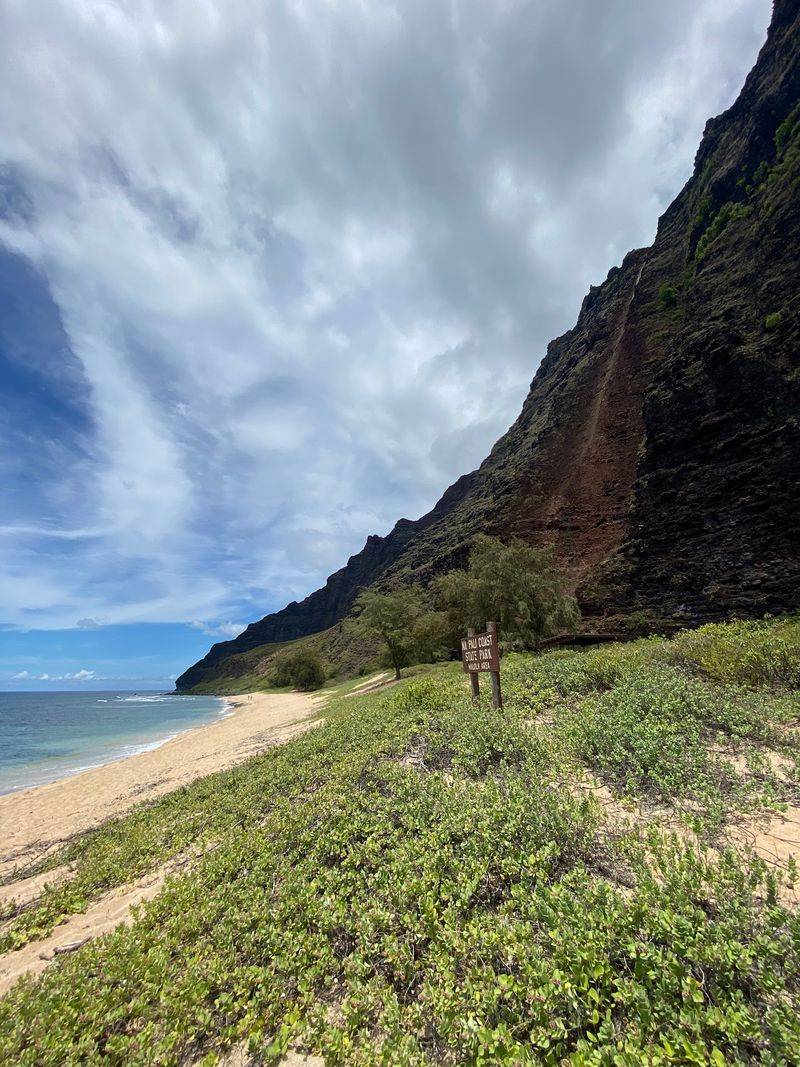
Farther west, the famous Kalalau Trail traces the Na Pali Coast. Tackling the whole route takes real planning and permits, but shorter stretches still deliver towering cliffs and hidden beaches.
For something gentler, Limahuli Garden and Preserve sits in one of the most biodiverse valleys in Hawaii. Paths wind past ancient terraced taro plots and native plants you will not see elsewhere.
Bring more water than feels necessary, plus shoes you do not mind ruining. Red mud here is enthusiastic and permanent on white sneakers.
Birdwatchers should also note the Hanalei National Wildlife Refuge in the valley, a sanctuary for rare native water birds.
Local Art And Music
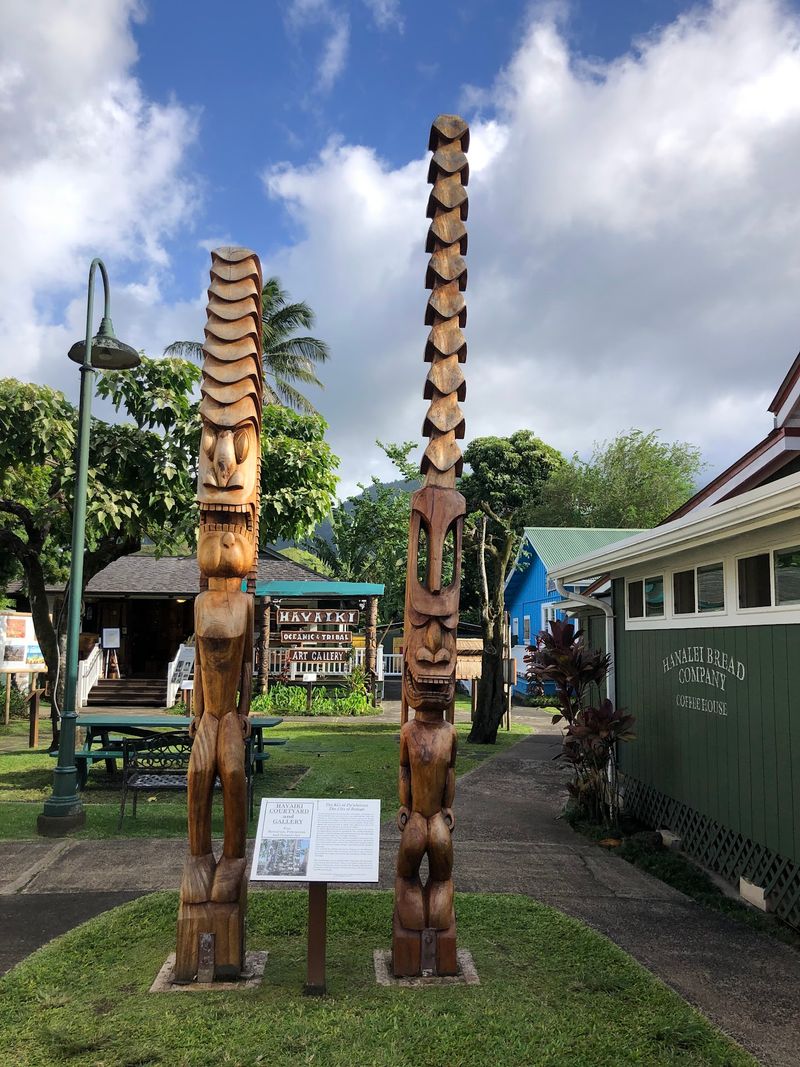
Wander the little shopping areas and you will meet the creative side of this town. Galleries display work made on the island, from paintings of the bay to carved wood and jewelry.
Prices vary, but the appeal is knowing the maker likely lives a few miles away. That connection matters here.
Farmers and growers hold the same status as artists. Produce stands and markets fill up with fruit picked days, sometimes hours, earlier.
Taro remains the heart of it. Watching farmers work those flooded patches gave me a new respect for every bite of poi I tried.
Music drifts through too. The Hanalei Community Center hosts ukulele concerts, and hearing traditional Hawaiian songs played in a simple hall beats any staged show.
Many local kitchens lean hard into farm-to-table cooking, which in a valley this fertile is less a trend than common sense.
I noticed something else: shopkeepers actually talk with you. Ask about a piece of art and you may get its full backstory.
Culture across Hawaii can feel packaged in busier resort areas. Here in Hanalei it simply happens, unrehearsed, in the middle of ordinary days. Bring cash, bring curiosity, and leave room in your bag.
Landmarks With Real Character
Sunset belongs to the pier. First built in 1892 to load rice onto ships and rebuilt in 1912, it now serves fishing lines, slow strolls, and cameras aimed west.
The wooden structure with its covered end appeared in the 1957 film South Pacific, which brought it worldwide attention. Locals seem unbothered by the fame.
Up the road stands Waioli Huiia Church, easily one of the most photographed buildings in Hawaii. Its green exterior, pointed spire, and stained glass, part of a 1912 rebuild of the original 1834 mission church, sit beneath enormous shade trees.
Next door, the Waioli Mission House shows how missionary families lived in the early 1800s. Rooms are modest, furnishings simple, and the history feels close.
Then there is the bridge, a landmark disguised as infrastructure. That single lane has quietly protected the town from tour buses and heavy traffic for generations.
None of these sites take long to visit, which suits the mood. I spent maybe two hours seeing all of them, plus another hour just sitting on the pier. Photographers should aim for early morning at the church and late afternoon at the water.
Timing Your Visit Right
Weather shapes everything on this coast, so planning pays off. The dry stretch runs roughly April through October, and that window brings the calmest seas.
May through September is prime time for swimming, snorkeling, and paddling. Water clarity improves and the surf backs off considerably.
Prefer fewer people? September and early October hit a sweet spot. Skies stay bright, crowds thin out, and the whole island settles into an easy groove.
December through February flips the script. Rain increases sharply, big swells hammer the north shore, and ocean activities often become unsafe.
That said, winter has its rewards. Waterfalls multiply on the cliffs, the valley glows impossibly green, and storm-watching from dry land is dramatic.
Parking is the practical challenge year-round. Beach lots fill early, so I arrived before eight and never had trouble.
Swim only near lifeguard stations, obey posted warning flags, and never turn your back on the water. Currents here are not casual.
Respect goes a long way too. Stay out of taro fields, drive patiently across the bridge, and pack out whatever you bring in.