This North Carolina University Was Founded For Native Americans And Still Charges Just $500 A Semester
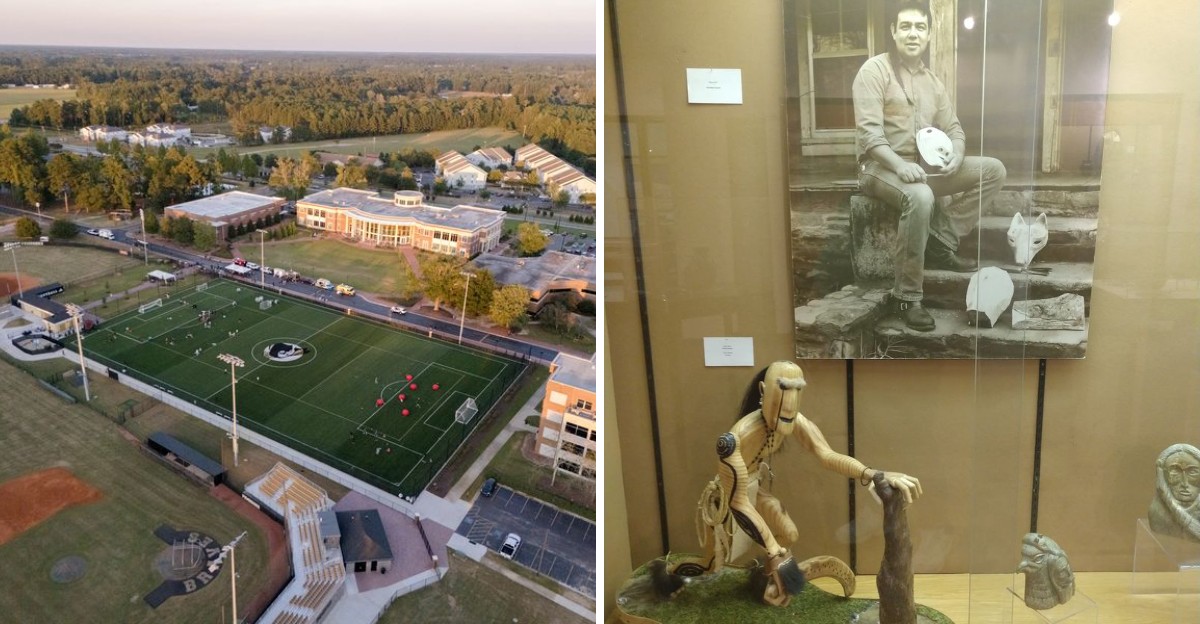
Five hundred dollars a semester for college tuition sounds like somebody misplaced a zero.
North Carolina did not.
At this historic campus, in-state undergraduates pay remarkably little through the NC Promise program, making the price tag feel almost rebellious in an era when college costs can dominate the conversation before classes even begin.
The story behind the school is even more unusual.
Its roots reach back to 1887, when the Lumbee people established an institution to train American Indian teachers. That origin still gives the campus a cultural identity far deeper than its affordability alone suggests.
Today, brick paths and tall pines surround a university carrying more than a century of history while offering students a degree without the kind of tuition bill that makes parents stare silently at spreadsheets.
The cost gets your attention.
The legacy makes the place unforgettable.
Start With A School Founded To Educate American Indian Teachers
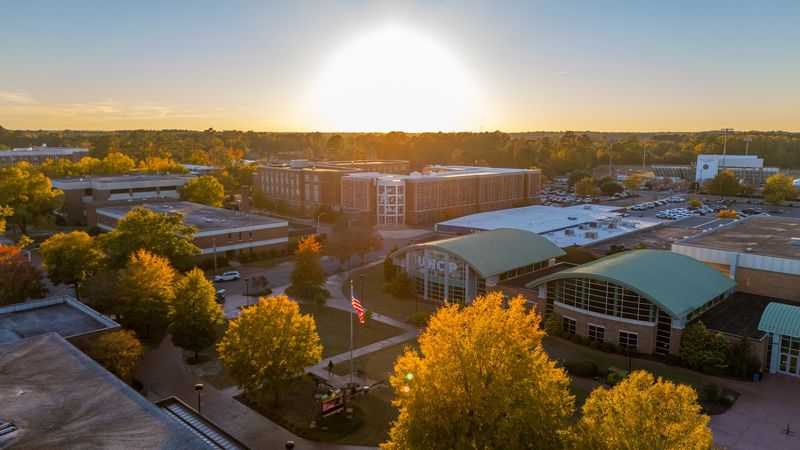
March 7, 1887 is the date that started everything. On that day, lawmakers approved the creation of the Croatan Normal School, an institution built for one clear purpose: training American Indian public school teachers for the surrounding communities.
Classes began in the fall of 1887 with fifteen students and a single teacher. Picture a modest wooden building, dirt paths, and a schoolroom where every lesson carried the weight of a community’s hopes.
Those first pupils were not just learning arithmetic and grammar, they were preparing to teach their own neighbors’ children.
From 1939 until 1953, it was the only state-supported four-year college for American Indians in the United States. That distinction is not a small footnote.
It shaped the values that still guide the campus, where cultural pride and classroom achievement grow side by side.
Walking the grounds now, you can sense that origin story in the way the place carries itself. The University of North Carolina at Pembroke never drifted from its founding promise, and visitors often leave surprised by how visible that history remains.
See How Its Lumbee Roots Still Shape The Campus Today
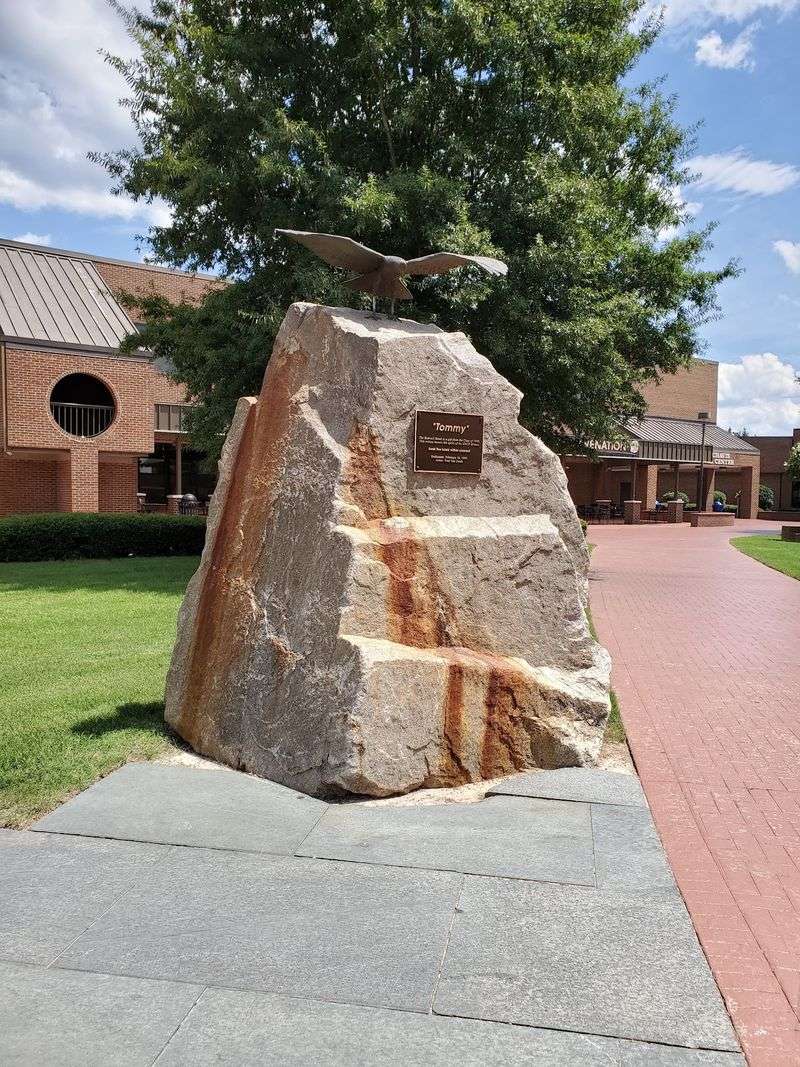
Lumbee families in Robeson County pushed for this school long before it existed, and their fingerprints are everywhere you look. The campus sits at 1 University Drive, Pembroke, NC 28372, in a town where American Indian residents form the majority.
The Lumbee people remain the largest ethnic group in the county.
In 2005, the General Assembly made the connection official by naming the school North Carolina’s Historically American Indian University. That title shows up in more than paperwork.
Cultural programs, student gatherings, and a full major in Native American Studies keep the heritage active rather than commemorative.
Even the athletic teams reflect it. The Braves nickname was embraced by the Lumbee community itself, and game days at the athletic complex draw generations of families back to campus.
Come during a powwow and you will hear drums carrying across the lawns, smell fry bread cooking nearby, and see regalia catching the afternoon light. Few campuses anywhere let a founding culture stay this present in daily life.
Pay Just $500 A Semester In Tuition If You Are A North Carolina Undergraduate
Five hundred dollars. That is the full semester tuition bill for in-state undergraduates here, and it is not a scholarship, a lottery, or a limited offer with fine print buried at the bottom.
Every accepted in-state undergraduate qualifies automatically. No essay contest, no special application, no waiting list.
For families who have watched college costs climb year after year, that number lands like fresh air.
What it changes is bigger than a receipt. Students can work fewer hours, take a lighter loan, or finish a degree without the knot in their stomach that so many graduates describe.
For families paying college expenses, the reduced tuition can make the overall cost easier to manage.
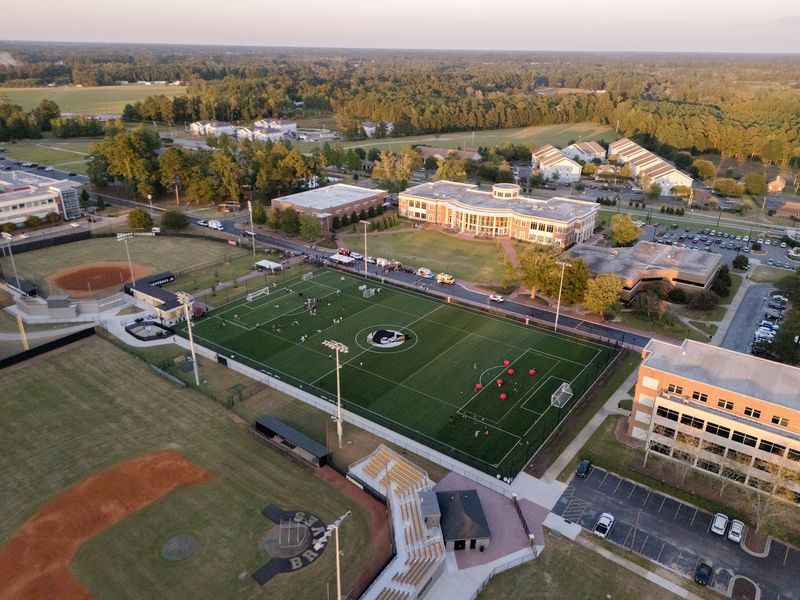
The campus itself does not feel budget-built either. Modern classrooms, updated laboratories, newer residence halls, and a well-kept athletic complex sit across more than 281 acres of pine-shaded ground.
Affordability here is a policy choice, not a compromise in quality, and it remains one of the most talked-about features of the University of North Carolina at Pembroke.
Learn How NC Promise Keeps Tuition So Unusually Low
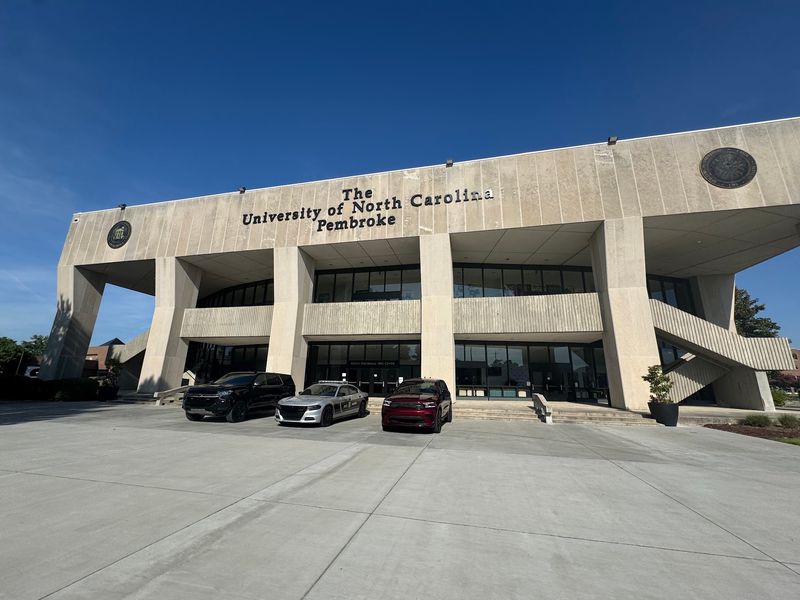
Behind that remarkable price tag sits a state program called the NC Promise Tuition Plan. Launched in fall 2018, it was designed to knock down the biggest wall standing between families and a bachelor’s degree.
The mechanics are simple. The state pays the university the difference between its regular tuition rate and the reduced rate students actually see on their bill.
Nothing about the funding for instruction shrinks, only the amount the student owes.
Out-of-state undergraduates benefit too, paying a reduced rate that makes crossing the border for school genuinely practical. Students from Virginia, South Carolina, and far beyond have taken notice.
The goals go beyond individual savings. Lawmakers wanted less student debt, more college graduates, and stronger local economies across North Carolina, especially in rural counties where a degree can change a whole family’s direction.
Worth remembering when you tour: the tuition figure covers tuition specifically. Fees, housing, meals, and books are separate lines, so the admissions office is the best stop for a full cost breakdown before you commit.
Visit Old Main To Connect With More Than A Century Of History
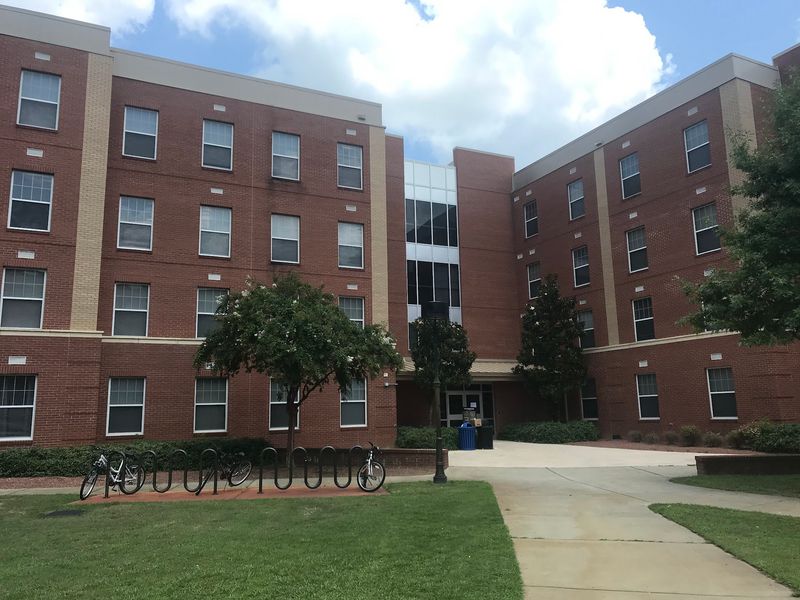
Some buildings are pretty. Old Main is important.
Completed in 1923, it was the first brick structure ever raised on this campus, holding classrooms, offices, and an auditorium all under one roof.
Its survival is the real story. Community advocacy helped preserve Old Main in the 1970s, and a major restoration allowed the historic building to reopen in 1979.
Lumbee community members organized, argued, petitioned, and refused to let it go.
Old Main remains an active academic and cultural building, and its historic exterior is undergoing restoration work in 2026 to preserve the landmark for future generations.
Inside, the halls stay busy with students heading to American Indian Studies classes, museum visitors browsing exhibits, and campus media crews working on the next issue or broadcast.
Weekday hours run 8 AM to 5 PM, and the building sits within easy walking distance of visitor parking. Old Main is the beating heart of the University of North Carolina at Pembroke, a landmark saved by the very people it was built to serve.
Explore Native History At The Museum Of The Southeast American Indian
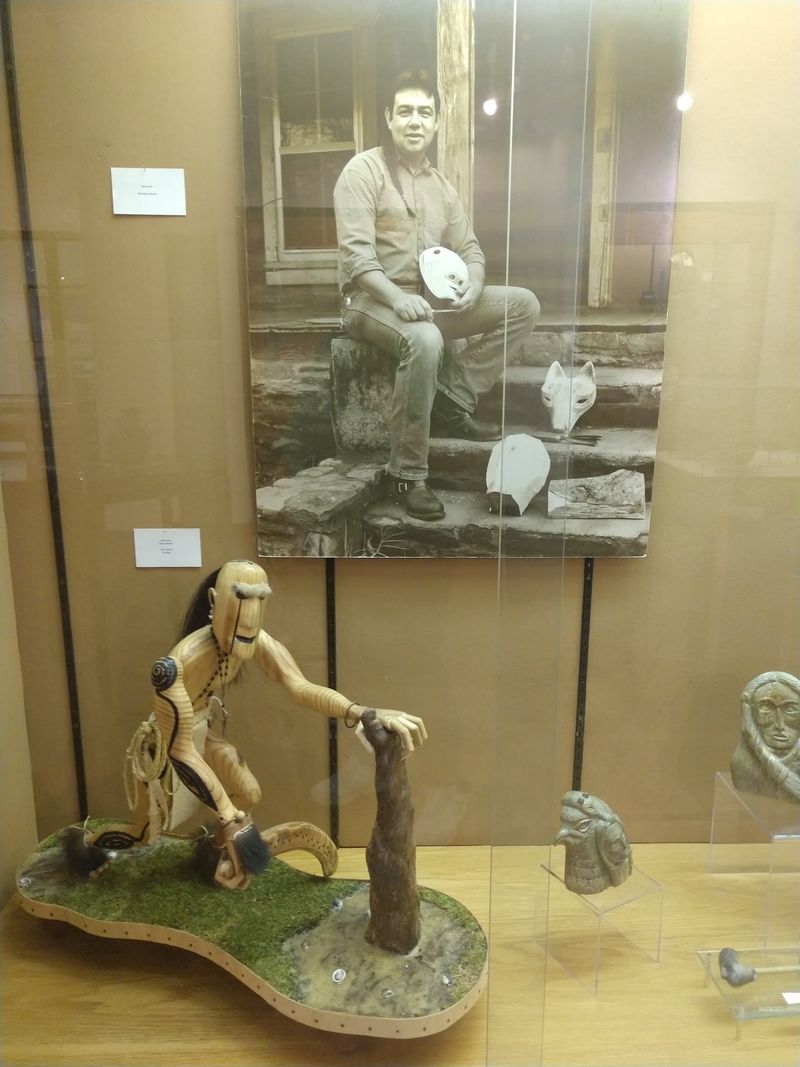
Free admission and a thousand-year-old canoe make for a memorable combination. Inside Old Main, the Museum of the Southeast American Indian gathers artifacts, artwork, and stories from Native communities across the southeastern United States, with special attention to the peoples of Robeson County.
The dugout canoe stretches sixteen feet and has been carbon-dated to more than a millennium old. Its hollowed wood surface still shows the work of the hands that shaped it.
Nearby hangs the Pine Cone Patchwork Quilt, a study in patience, color, and precise stitching.
A recreated eighteenth-century cabin gives younger visitors something tangible to step toward, and the Children’s Discovery Center turns curiosity into hands-on play.
Rotating art exhibitions bring in contemporary Native artists, so repeat visits rarely look identical. Cultural programs fill the calendar throughout the school year.
Plan roughly an hour, more if you read every panel.
Study American Indian History And Culture Right On Campus
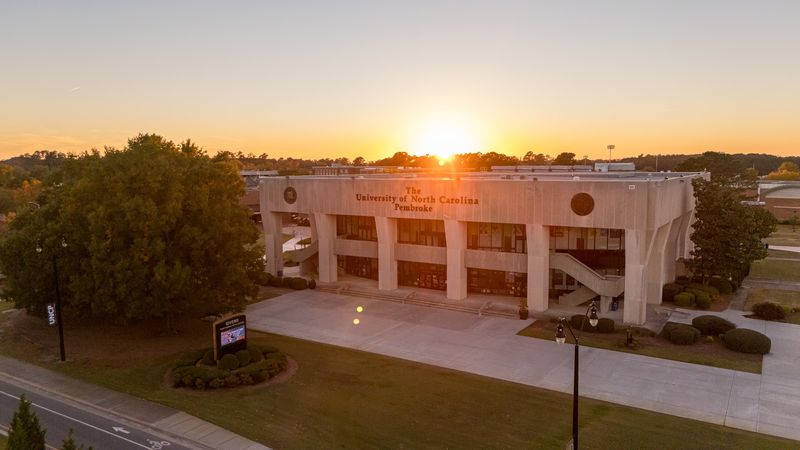
Few universities can teach Native history with the surrounding community sitting right outside the classroom window. Here, that closeness is the whole point.
The Department of American Indian Studies offers a Bachelor of Arts, a minor, and an academic concentration, available in person or online.
Coursework moves through Native history, literature, religion, tribal law, and present-day issues, with a strong focus on tribal nations of the Southeast.
Students do not stop at reading assignments. Research projects, internships, and community engagement put them in direct contact with the people and organizations they study, which changes how the material lands.
Support comes from the Curt and Catherine Locklear American Indian Heritage Center, a hub for academic help, mentorship, and connection.
The center also hosts signature events including the BraveNation Powwow and Gathering, where drumming, dance, and shared food fill the air.
Prospective students can browse program details at uncp.edu or reach the campus by phone during weekday hours. It is one of the most distinctive academic paths available anywhere in this part of the country.
Take A Campus Tour And See How UNCP Has Grown Since 1887
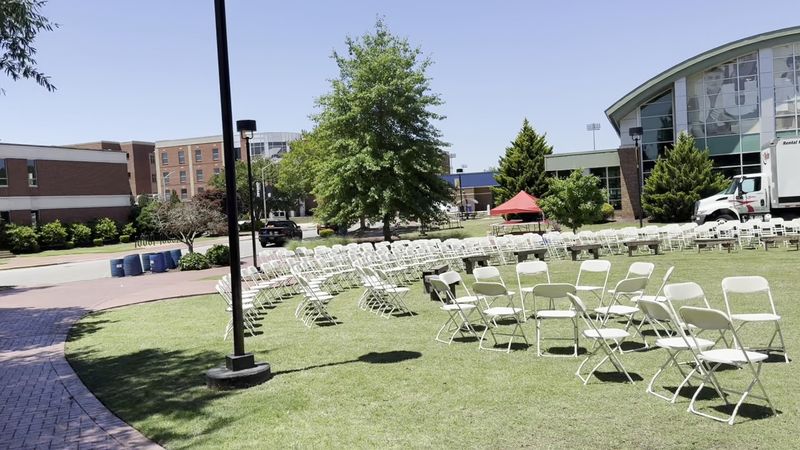
“Fifteen students in 1887. More than 8,000 today.
That growth curve becomes real the moment you start walking the 281-acre campus and realize how far the paths stretch.
Tour routes wind past updated classroom buildings, research laboratories, newer residence halls, and an athletic complex that former Braves families return to see. The Givens Performing Arts Center anchors the cultural side, hosting music, dance, and seasonal productions.
Grounds crews keep the lawns trimmed and the plantings tidy, and the walking track draws neighbors as well as students. There is a coffee shop on campus and a bowling alley in the student union, both handy for a break mid-visit.
Visitors can choose guided tours or explore virtually from home. Offices run 8 AM to 5 PM Monday through Friday, closed weekends, so schedule accordingly.
Address for your navigation app: 1 University Drive, Pembroke, NC 28372. What you will notice most is how a school born to serve one community now welcomes thousands while holding tight to the story that started it.