This Dreamy Arizona Mining Town Still Feels Wonderfully Offbeat
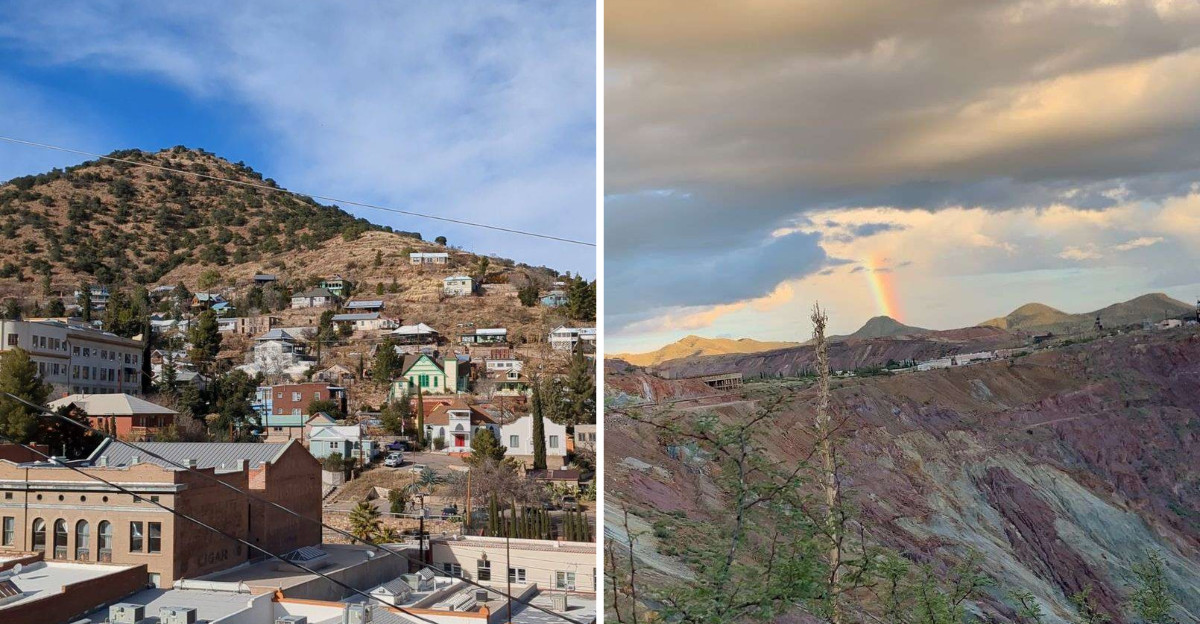
A town built into steep hillsides has no choice but to be interesting.
In Arizona, this former copper community curls through narrow streets lined with staircases, painted homes, galleries, old storefronts, and enough eccentric detail to make wandering feel like the main attraction.
The mining history still sits close to the surface.
Tours head underground, murals brighten alleys, and cooler mountain air makes the streets easier to explore than the desert below.
Evenings bring dark skies and a slower pace that suits the setting perfectly. Lose an afternoon here and you may not mind! Skip the rushed checklist.
Follow the stairs, browse the shops, and let the town reveal itself one crooked block at a time.
Copper Boomtown Beginnings
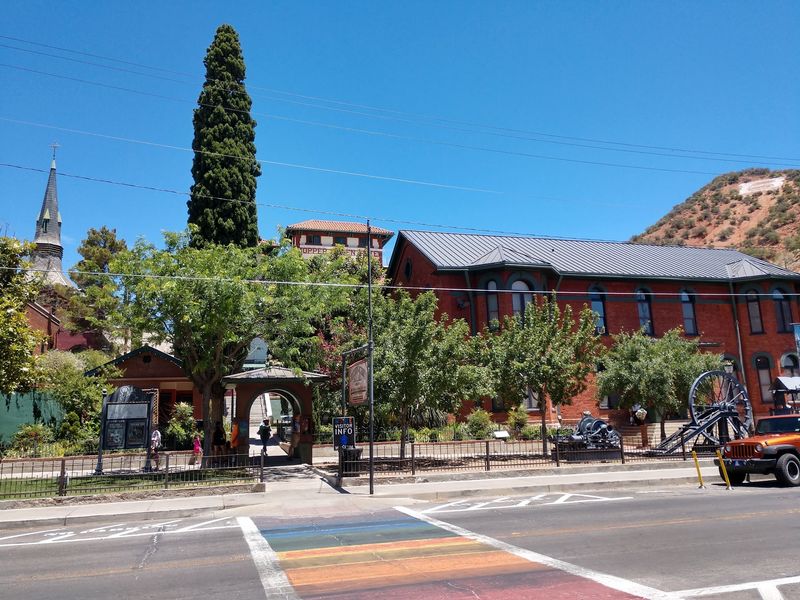
Founded in 1880, this hillside settlement began as a rough mining camp carved into a desert canyon. It took its name from Judge DeWitt Bisbee, a financial backer of the Copper Queen Mine.
Copper made the town famous, earning it the nickname Queen of the Copper Camps. By the early 1900s, more than 20,000 people lived here, making it one of the biggest cities between St. Louis and San Francisco.
The mines produced billions of pounds of copper, plus silver, gold, zinc, lead, and manganese. Money flowed, buildings rose fast, and the canyon filled with houses stacked on steep slopes.
Ore reserves eventually shrank, and mining operations wound down in the mid-1970s. Most towns fade after that kind of blow, yet this one refused.
Artists and other creative newcomers arrived after large-scale mining ended, helping Bisbee reinvent itself around historic preservation, art, and tourism.
Old brickwork, historic buildings, and hillside stairways make the town’s mining-era development visible throughout Old Bisbee.
Streets Built For Wandering
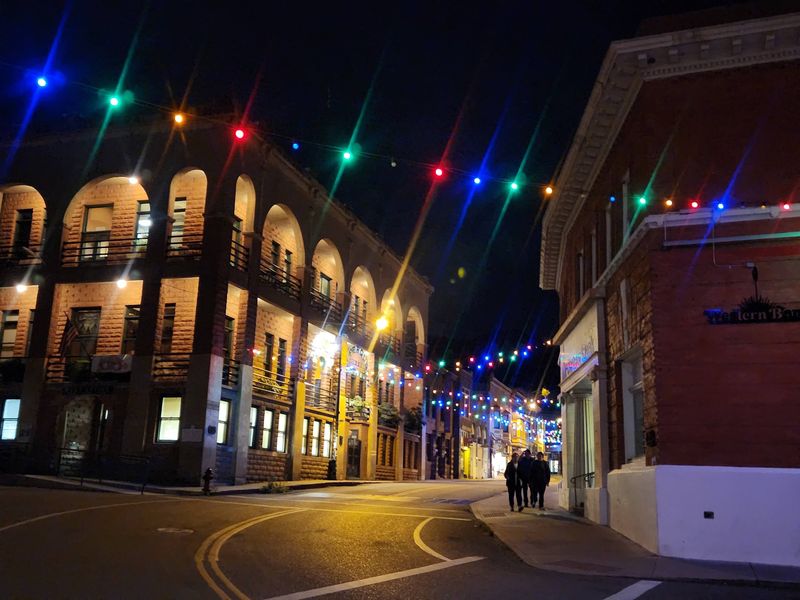
Cars never really got a vote when these streets were planned. The town grew on steep canyon slopes long before automobiles shaped city layouts.
That unusual layout created a compact historic district where many shops, galleries, landmarks, and stairways can be explored on foot.
Architecture shifts block by block along the way. Elegant Victorian homes sit near clean-lined Art Deco buildings, and neither looks out of place.
Quirky shops and small cafes line the sidewalks at odd angles. Doorways appear where you least expect them, tucked between staircases and stone retaining walls.
Locals sometimes describe the mood here as bohemian and playfully offbeat. That description fits, because the town blends small-town warmth with a creative streak.
Street art turns up in surprising corners. A mosaic here, a painted stairway there, and suddenly a plain alley feels like a discovery.
Independent shops, galleries, historic buildings, and winding pedestrian routes give Old Bisbee much of its relaxed, unconventional character. Comfortable shoes matter more than any guidebook in Arizona towns built on hillsides.
Landmarks With Real Stories
Hard hats and headlamps are part of the experience at the Copper Queen Mine Tour.
Guides take visitors about 1,500 feet underground into the historic Queen Mine, explaining mining techniques, equipment, working conditions, and the site’s history.
Historic equipment and underground passages help illustrate the conditions miners encountered while working beneath the Mule Mountains.
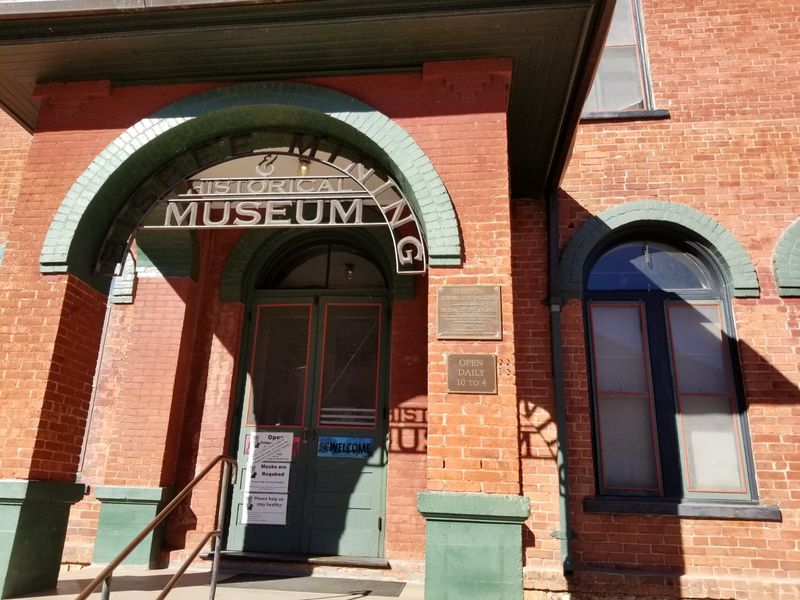
Above ground, the Bisbee Mining and Historical Museum offers the bigger picture. As a Smithsonian-affiliated institution, it traces the town’s mining heritage and its later reinvention.
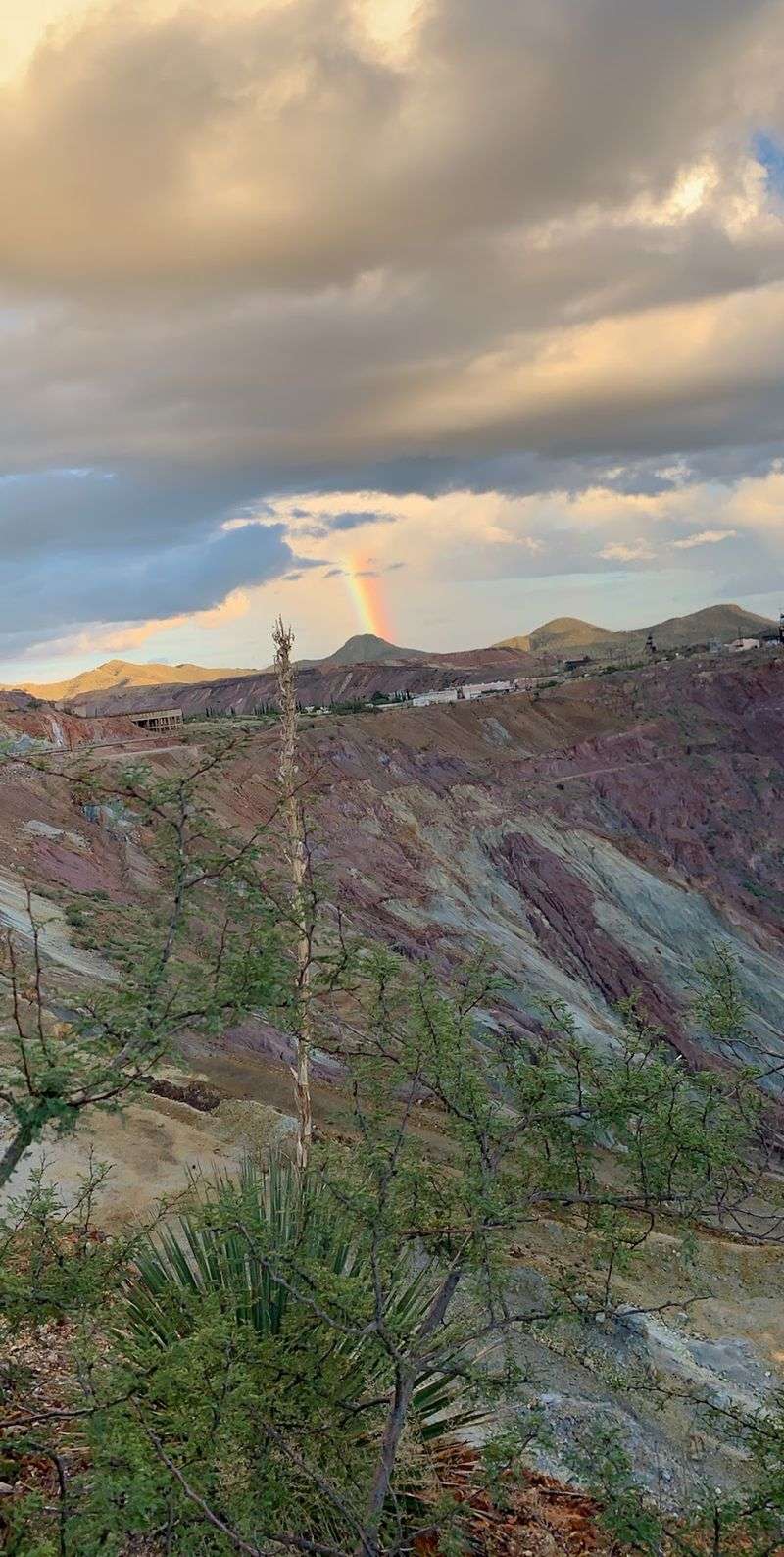
The Lavender Pit sits just outside the historic center, an enormous open-pit mine. Viewpoints along the road show the sheer scale of what machines once moved.
Colored rock layers make the pit strangely beautiful in late afternoon light. It remains one of the most recognizable sights in southern Arizona.
The Copper Queen Hotel anchors the historic district with early 1900s elegance intact. Staying there puts travelers inside a working piece of local history.
The Muheim Heritage House adds another layer, with 19th-century furniture, gardens, and mountain views. Together these places explain how a copper camp became something far more interesting.
Stairways, Trails, And Tours
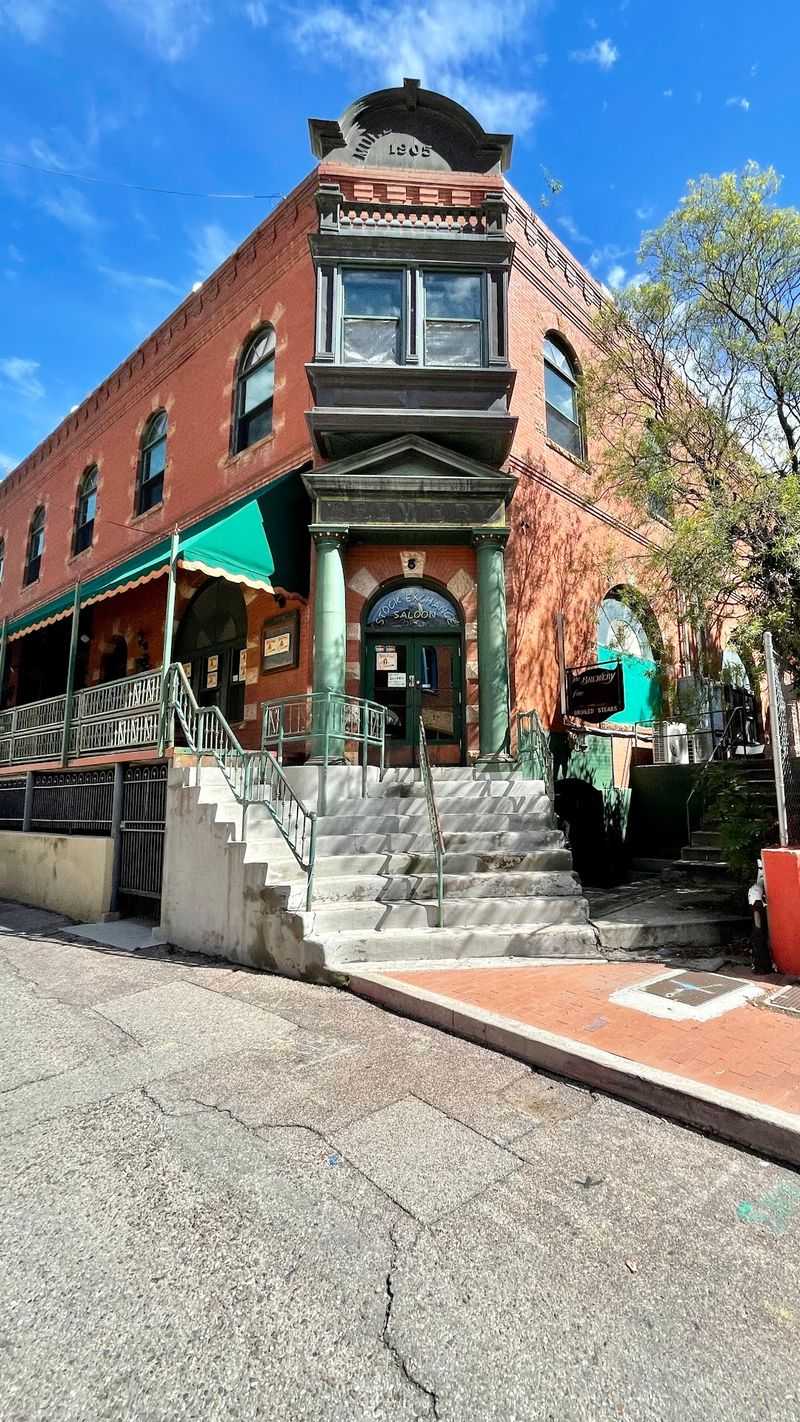
An extensive network of public stairways connects Old Bisbee’s steep hillside neighborhoods, and the annual Bisbee 1000 turns nine of those staircases into a 4.5-mile course with more than 1,000 steps.
Climbing the public stairways reveals changing views across Old Bisbee, along with hillside homes, gardens, murals, and other details easily missed from the road.
The surrounding Mule Mountains offer additional hiking, including the roughly three-mile Bisbee Cross route above Old Bisbee and other locally used mountain trails.
Golf cart and jeep tours suit anyone who would rather ride than climb. Drivers navigate the tight, hilly lanes while sharing history and architectural details.
Ghost tours cover another side of the town’s storied past after dark. They are theatrical, entertaining, and a fun way to see lit-up streets.
Old Bisbee itself makes a fine activity with no planning required. Main Street and Brewery Gulch hold galleries, vintage shops, and small cafes worth a slow browse.
My advice is simple. Pace yourself, drink water, and save the steepest staircase for a morning when the air is still cool.
Galleries, Murals, Creative Energy
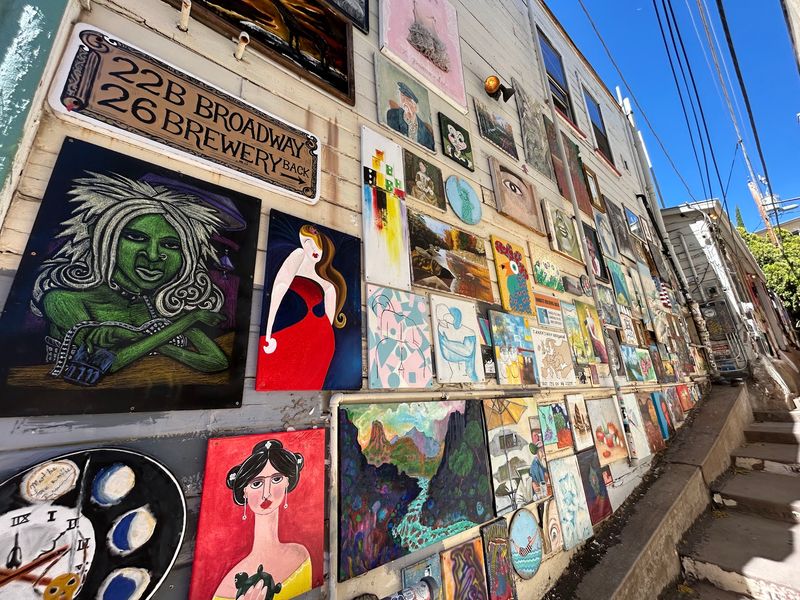
Art did not arrive here by accident. When mining ended, painters, sculptors, and makers moved in and filled empty buildings with studios.
The result is a well-established arts community where galleries, studios, cafés, and vintage shops occupy many of Old Bisbee’s historic storefronts.
Current creative spaces include Sam Poe Gallery, Subway Gallery, and Gallery 32, which replaced the former Main Street Tang Gallery after its owner retired.
Public art matters just as much as what hangs indoors. Murals, mosaics, and odd little installations turn ordinary walls into open-air exhibits.
Murals, painted stairways, mosaics, and other public artwork add color throughout Old Bisbee’s streets and pedestrian routes.
Annual events push the creativity further, with the 2026 Bisbee Plein Air Festival scheduled for October 8 through 11.
The Bisbee After 5 Art Walk fills the streets with music, open studios, and neighborly conversation. Timing a trip around either one is a smart move.
Galleries and artist-run spaces make creative work particularly visible throughout the historic district.
Why It Stays Under-The-Radar
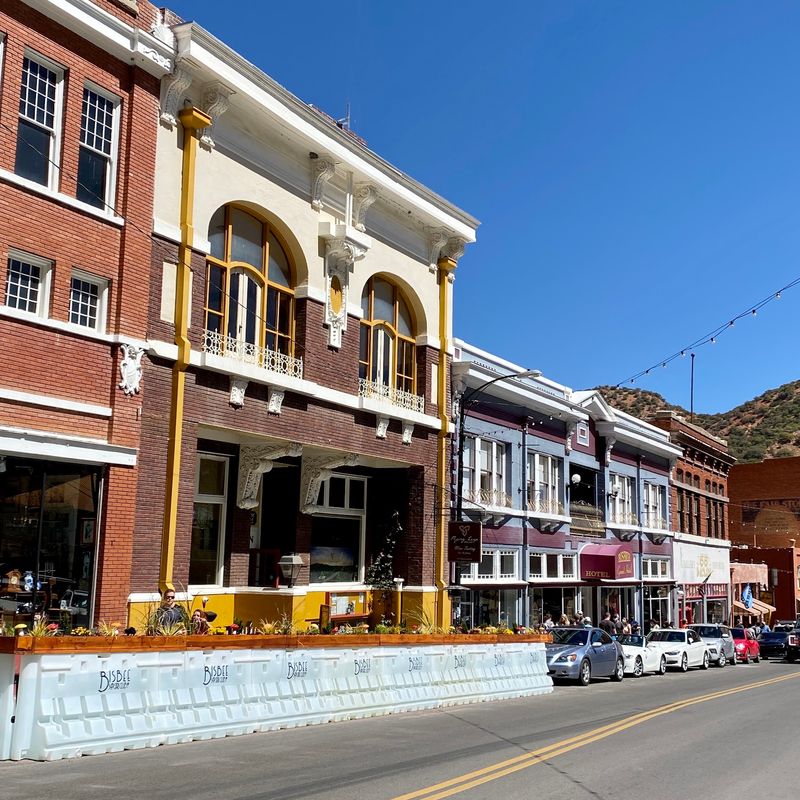
Bisbee remains small in population, but it is an established tourism destination. After large-scale mining ended, artists and other creative newcomers helped reshape the town’s economy and identity.
Musicians, painters, and independent thinkers were drawn to the historic architecture and low-key atmosphere. Their arrival prevented a slide toward abandonment.
What developed is an unusual mix of Old West grit and 1970s counterculture spirit. Both influences still show up in shop windows and porch conversations.
Handcrafted goods, vintage finds, art, antiques, and locally owned businesses remain especially prominent in Old Bisbee, while the community has actively resisted the kind of big-box development common in larger cities.
Creative freedom is easy to sense as you wander. Nobody seems concerned with matching anyone else’s style, which keeps every block interesting.
Reinvention happens quietly and constantly here. New studios open, old buildings get repaired, and the character somehow stays intact.
Bisbee’s preserved mining architecture, independent businesses, and longstanding arts community give it an identity that feels distinctly different from more conventional resort towns.
For travelers interested in smaller historic communities, Bisbee combines mining history, preserved architecture, art, shopping, and mountain scenery within a compact setting.
Sky Islands And Stargazing
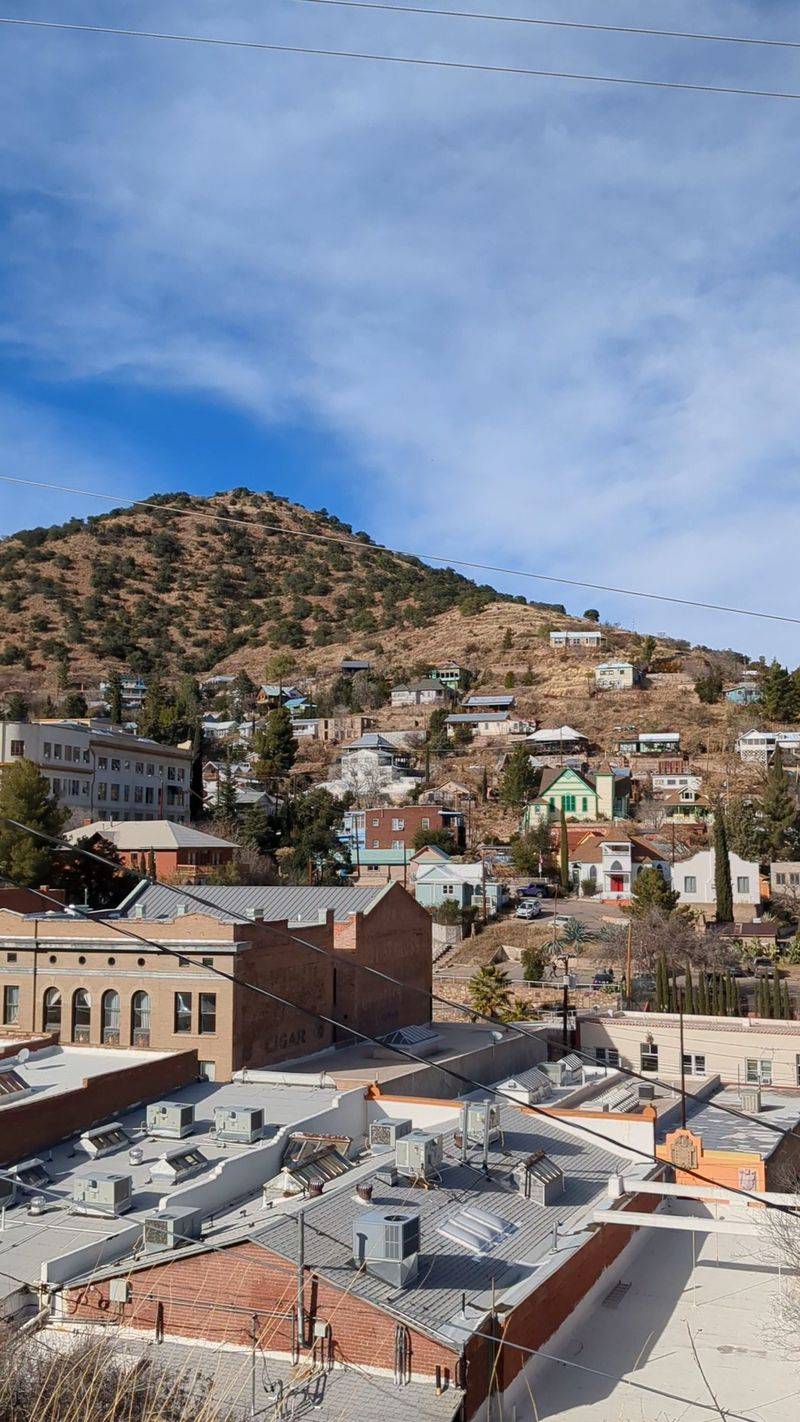
Elevation changes everything about this landscape. The town sits within the Mule Mountains, part of a Sky Island ecosystem where high woodlands meet desert grasslands.
Southeastern Arizona sits at an ecological crossroads influenced by the Chihuahuan and Sonoran deserts and several mountain systems, while Bisbee’s 5,538-foot elevation helps moderate temperatures compared with lower desert communities.
Hiking trails thread through the surrounding hills with long views over rugged country. Mornings bring soft light and comfortable air, even in warmer months.
Birders have a serious reason to visit. The nearby San Pedro Riparian National Conservation Area records over 350 bird species.
Ramsey Canyon Preserve and Ash Canyon Bird Sanctuary attract hummingbird enthusiasts from around the country. Binoculars belong in your day bag.
Nightfall delivers the other headline attraction. Remote location and thin, dry air produce dark skies packed with stars.
Bisbee’s night skies are notable enough that DarkSky International certified the city as an International Dark Sky Community in 2024.
Between canyon trails, feathered visitors, and glittering nights, the natural side of the region matches its cultural charm step for step.
Best Seasons And Smart Tips
Timing shapes the whole trip in high desert country. Spring, roughly March through May, and fall, September through November, bring the most comfortable weather.
Mild temperatures make climbing the hilly streets pleasant rather than punishing. Wildflowers brighten spring, while autumn delivers gentle sun and cool evenings.
Summer runs warm, though the town’s elevation keeps it cooler than many other spots in Arizona. Monsoon storms roll through and often refresh the afternoons.
Winter suits travelers who prefer quiet streets and crisp air. Average highs typically land in the 50s and 60s Fahrenheit.
Parking once and exploring on foot is the smartest strategy. Streets are narrow, spaces are limited, and walking reveals details drivers miss entirely.
Build extra time into your schedule, since Old Bisbee’s shops, museums, galleries, stairways, and historic streets can easily fill several hours.
Layers help year round, since shaded canyon lanes stay noticeably cooler than sunny stretches. Sturdy shoes handle the slopes with ease.
Slow travel works best here. Give this southern Arizona town an unhurried day or two and it will reward every minute generously.