This Nebraska Lavender Farm Has A $5 Tour, Lavender You Pick Yourself, And A Shop In The House
Gravel roads in southeast Nebraska don’t usually smell like anything except dust and cut alfalfa. Then you turn down one particular lane, roll the window down, and get a face full of something floral and clean that has no business being out there among the soybeans.
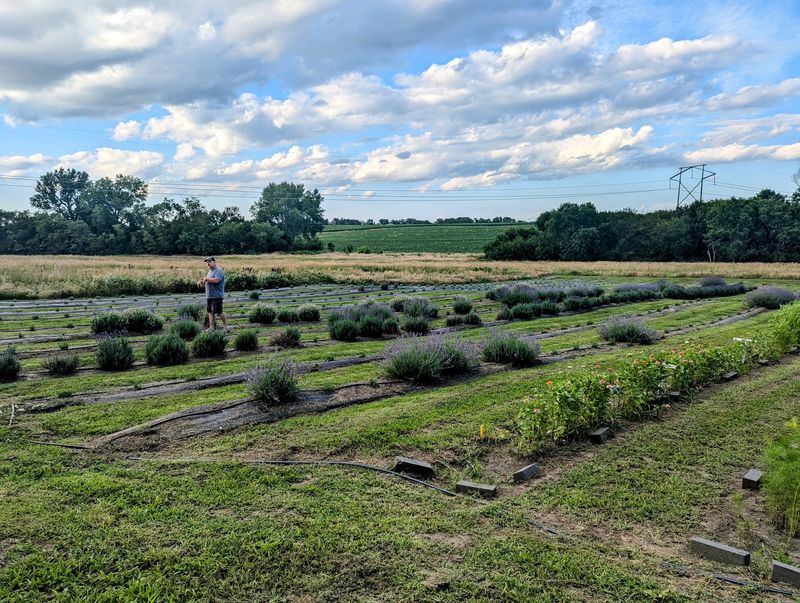
Two acres of purple rows sit behind a farmhouse, with honeybee hives humming at the edge and a shop set up inside the house itself. A five dollar tour gets you the whole story, and if the timing is right, you can walk out with lavender you cut yourself.
A Purple Field South of Lincoln
Firth sits in Lancaster County, a short drive south of Lincoln, and it is not the sort of town that announces itself. Farm ground, a grain setup, a few streets, and then more farm ground.
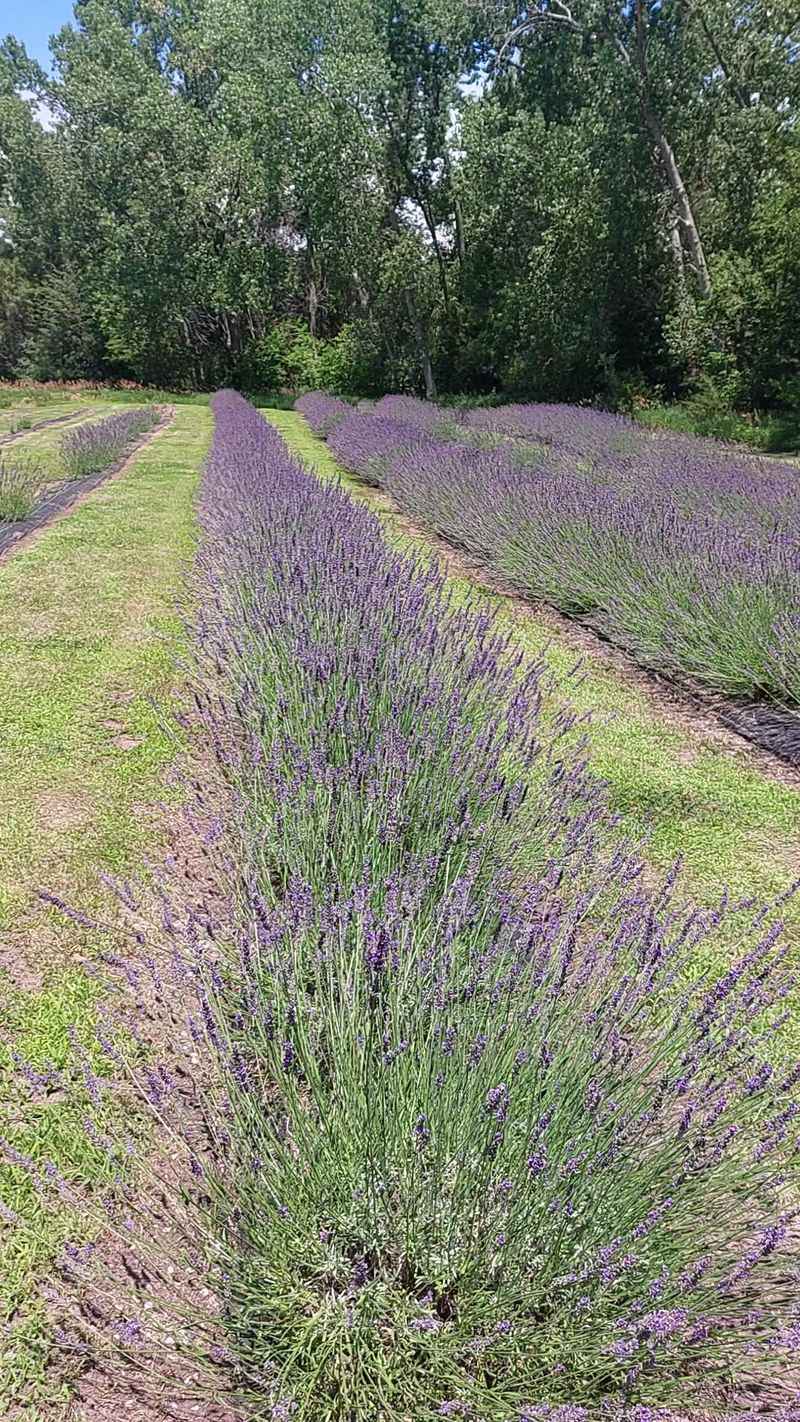
Out at 25700 S 38th St, though, the crop changes. Sleepy Bees Lavender Farm grows lavender across roughly two acres, planted in long tidy rows that turn a soft purple-gray by early summer.
Jerry and Holly McCabe started the operation in 2018 with 1,700 Phenomenal lavender plants, a variety chosen because it handles cold winters and humid Nebraska Julys better than most. Everything else grew outward from that first planting: an herb garden, rows of cutting flowers, five honeybee hives, and a shop stocked with products made right there on the place.
Google lists it as a farm shop, which undersells what happens on the property. The address is close enough to Lincoln for an afternoon run, far enough out that the only sounds are bees, wind, and the occasional pickup on the county road.
How 1,700 Plants Turned Into a Farm
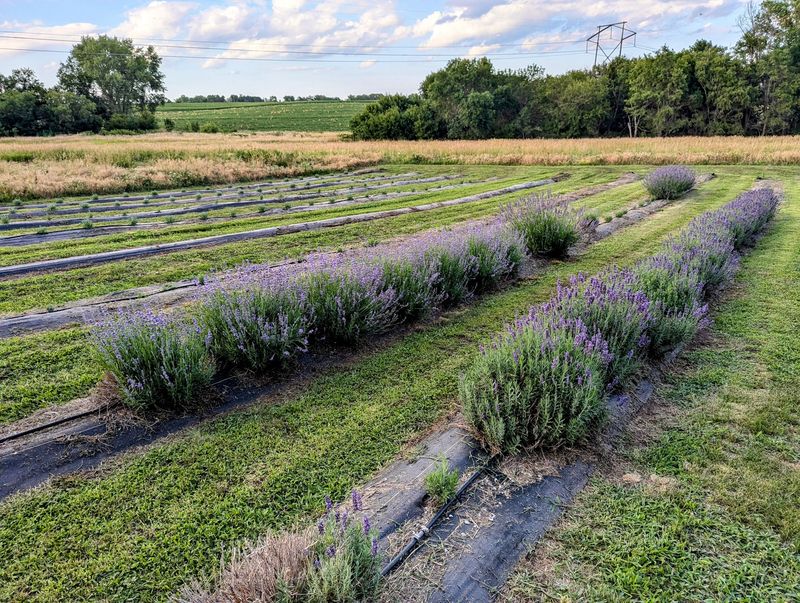
Back in 2018, the first plants went into the ground with no shop, no tours, and no guarantee that lavender would even survive a Nebraska winter. Phenomenal lavender was the gamble, bred for hardiness and humidity tolerance.
It worked. Seven years on, the McCabes grow seven different types of culinary lavender alongside the original planting, plus herbs and cutting flowers in rows of their own.
Jerry and Holly talk openly about where the farm is headed, and the plans have been part of the tour since the early days. A dedicated building near the second lavender field is intended to house a commercial kitchen for lavender treats and drinks, replacing the current arrangement where retail runs out of existing farm space.
What makes the story land is how ordinary the starting point was. Two people, a field, and a plant most Nebraskans associate with gift shops rather than crop rotation.
Now it is a working farm with its own product line, sold on site and at Lincoln farmers markets from May through September.
The Five Dollar Guided Tour
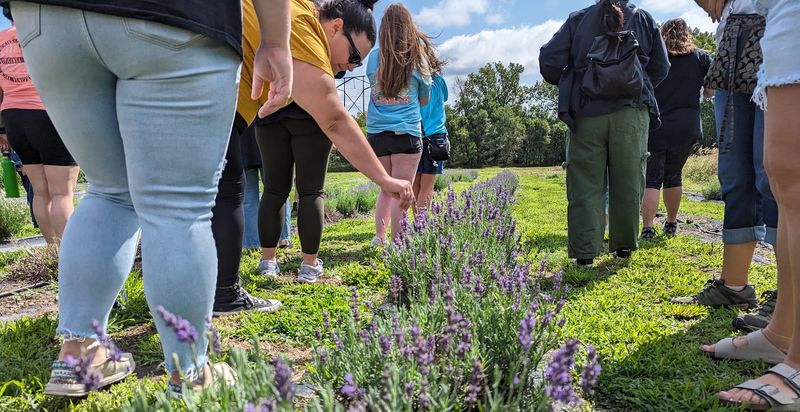
Five dollars. That is the whole admission for a guided walk through the fields, and kids twelve and under come along free.
Plan on about 45 minutes. The route covers the farm’s history from that 2018 planting forward, the different lavender varieties in the ground, and how the crop gets harvested, dried, and turned into everything stocked in the shop.
Because the McCabes lead the tours themselves, the information is first-hand rather than rehearsed. Questions about soil, irrigation, winter survival, or why one row looks different from the next all get answered on the spot.
It is a hands-in-the-dirt kind of explanation, not a script. The long-range plans for the property come up too, which is unusual for a farm tour and part of why the walk holds attention.
For a family of four with two young kids, the total comes to ten dollars. Few outings within half an hour of Lincoln cost less and give you that much to look at.
Tickets are booked in advance through the farm’s event calendar.
Cutting Your Own Bundles at U-Pick Events
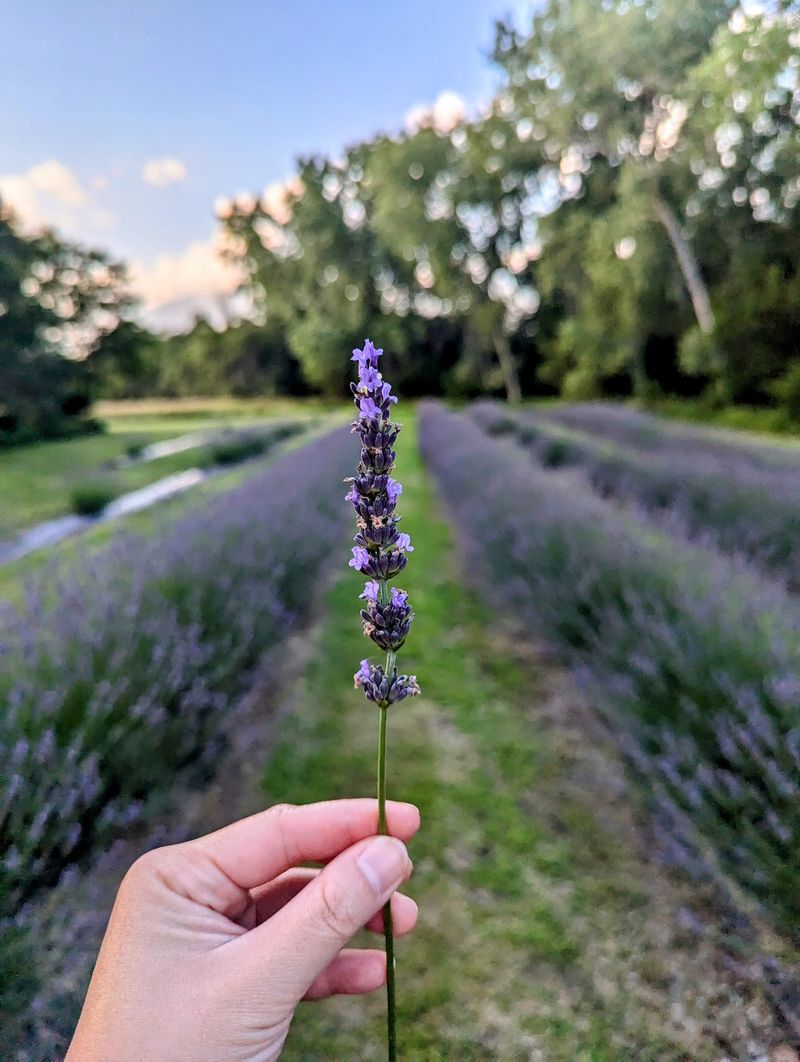
Scissors, a row of your choosing, and about ten minutes is all it takes to build a bundle worth hanging in a kitchen for the next year. U-Pick happens during peak bloom and at designated events on the farm calendar.
Lavender is forgiving to harvest. You cut the stems long, gather them until the bundle feels right in your hand, and tie it off.
The U-Pick rows are not limited to lavender either. Other cutting flowers grow in their own rows, and the herb garden sits nearby, so a single visit can produce a mixed armload rather than one uniform purple bunch.
Timing matters more here than anywhere else on the property. U-Pick days are announced rather than standing, and once the bloom passes, the opportunity closes until next season.
Anyone who has ever paid florist prices for dried lavender will understand the appeal of cutting it yourself in a Lancaster County field. It smells stronger fresh, and it keeps its scent for months hanging upside down in a dry room.
A Shop Set Up Inside the Farmhouse
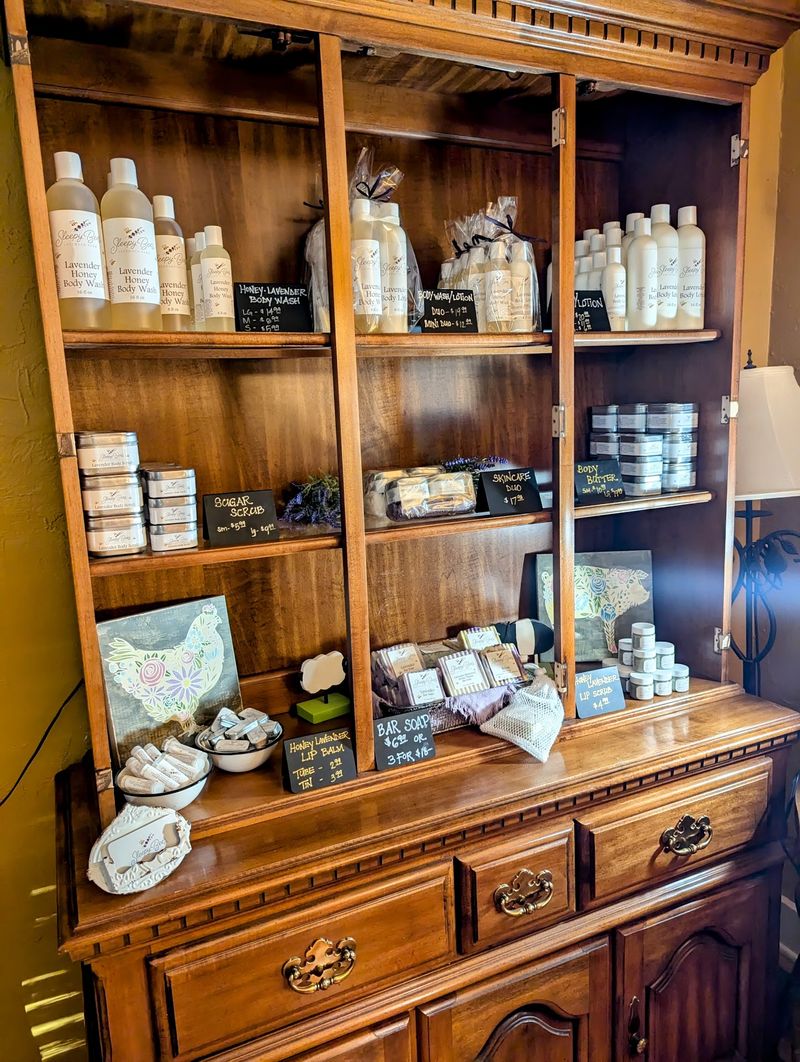
Retail here does not happen in a barn or a purpose-built storefront. It happens in the house, in a room fitted with shelves, and it is open to visitors during events.
Products are made on the premises, which is the whole point of the setup. Fresh and dried lavender sit alongside culinary lavender, natural aromatherapy goods, and a bath and beauty line that includes foaming hand soap, a healing balm, honey lavender lip balm, and facial mist.
Farm-fresh honey from the property’s hives is available too, which pairs neatly with the lavender products since the bees work the same rows.
Because the space doubles as part of the household, the shopping experience runs closer to visiting someone’s kitchen table than browsing a boutique. You are handed things to smell rather than left alone with a display.
The current room is a stopgap. Plans call for a dedicated building near the second lavender field, with a commercial kitchen for lavender treats and drinks, so the in-house shop is a chapter with an end date attached.
Lavender Lemonade, Iced Tea, and Baked Goods
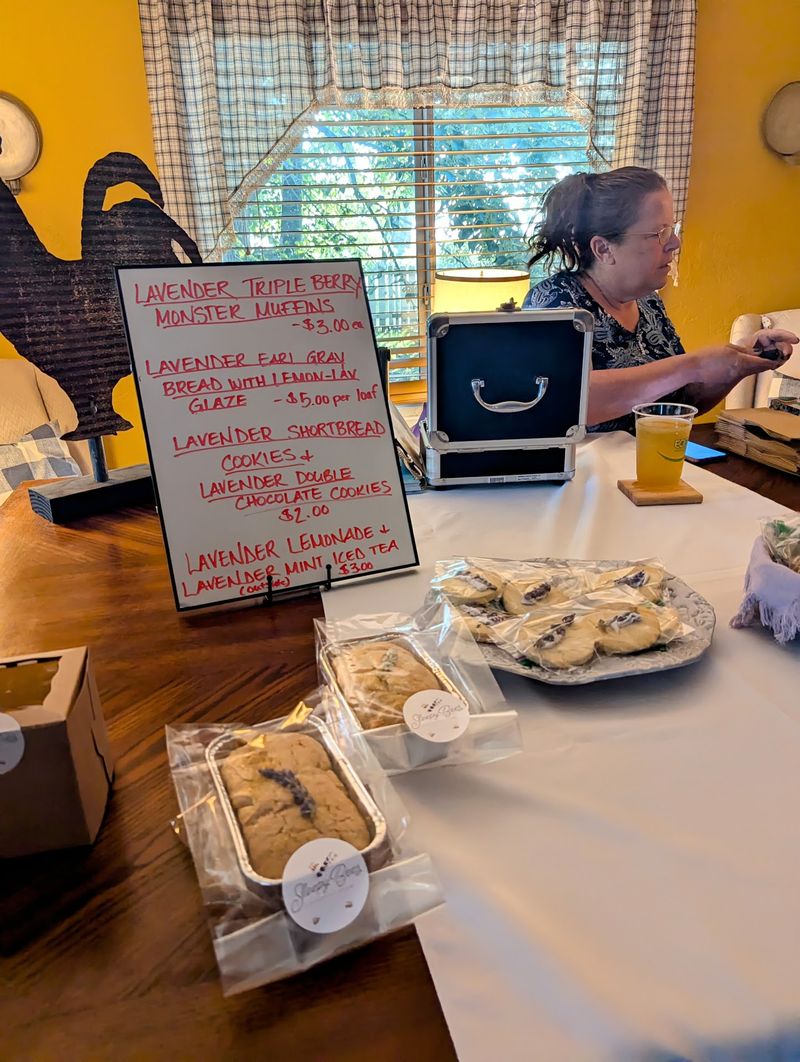
Cold lavender lemonade on a July afternoon in Nebraska is a specific kind of relief. The farm serves it during certain events, along with lavender iced tea and lavender baked goods.
Culinary lavender is its own thing, and the farm grows seven types of it. Used carefully, it reads floral and slightly citrusy rather than soapy, which is the trap most home bakers fall into on their first try.
The refreshments are event-specific rather than an everyday menu, so the farm calendar decides whether lemonade is part of your visit. When it is available, it tends to be the detail people remember longest.
There is shaded outdoor seating on the grounds, which makes the drink more than a walk-and-sip. You can sit down, look at the rows, and let the smell do its work.
Culinary lavender is also sold in the shop for anyone who wants to try the lemonade at home. Fair warning: a little goes a long way, and a heavy hand tastes like potpourri.
Five Hives and the Bees That Named the Place
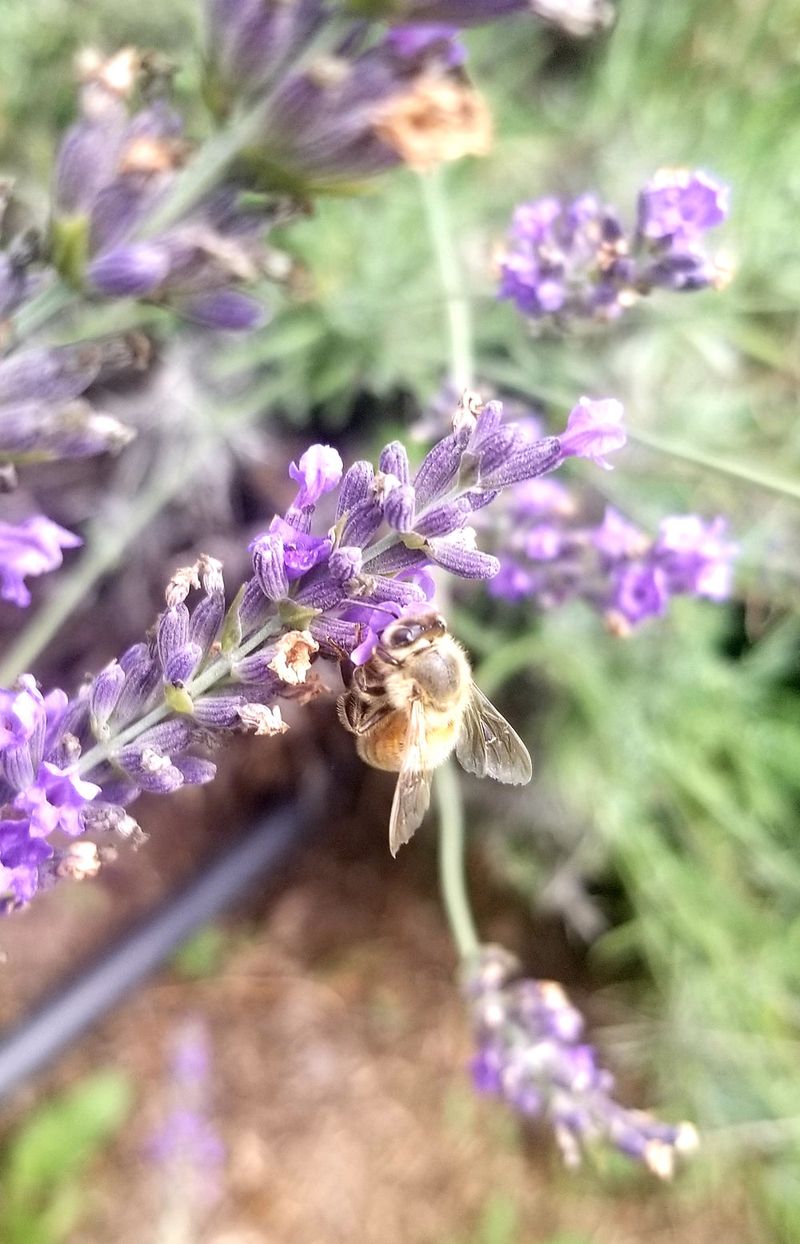
The name is not decoration. Five honeybee hives sit on the property, and their tenants spend the bloom season working the same rows visitors walk through.
Lavender is a strong nectar source, and the pairing is practical rather than symbolic. Honey from those hives is sold on the farm, produced within a few hundred feet of where it was gathered.
Native species are planted around the property specifically to support pollinators through the parts of the year when lavender is not blooming. That extends the food supply past the mid-June to late-summer window.
Standing in a lavender row while the hives are active is a genuinely loud experience. The hum comes from every direction at once, and the bees are far too busy to pay attention to anyone.
Careful gardeners will notice how much of the farm’s design serves the insects rather than the crop. It is a reminder that a lavender field in Lancaster County is really two operations sharing the same two acres, and both of them show up in what you carry home.
No Pesticides, Drip Lines, and Native Plantings
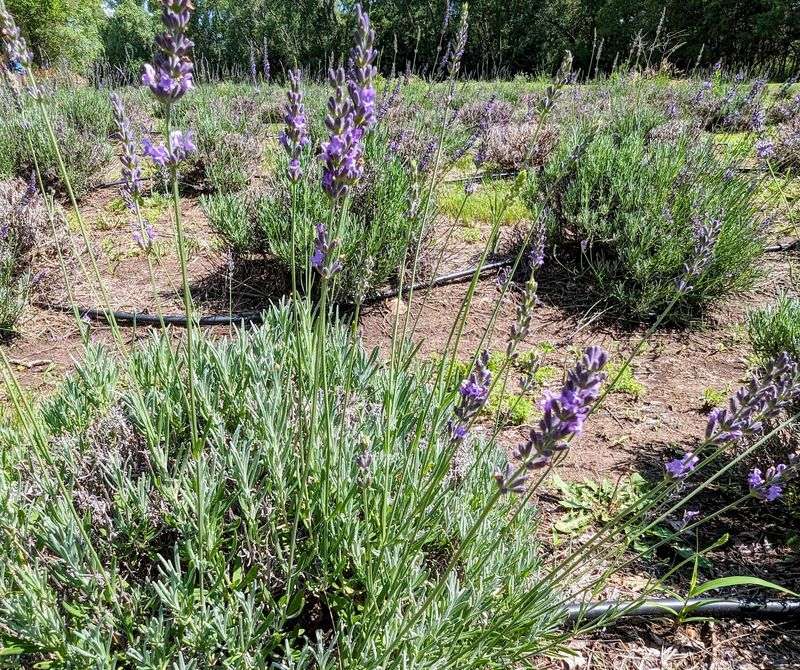
Black drip tubing runs along the base of every lavender row, delivering water at the roots instead of over the top. Lavender resents wet foliage, and in a humid Nebraska summer that detail is the difference between healthy plants and rot.
No pesticides or herbicides go on the lavender crop. That decision means more hand work and more attention to spacing, airflow, and weeding.
Native species planted around the fields feed pollinators and keep beneficial insects on the property year-round. The whole system is built to lean on itself rather than on a sprayer.
Growing lavender in this part of the country is not the obvious move. The Mediterranean plant wants dry heat and sharp drainage, and southeast Nebraska offers heavy soil, thunderstorms, and hard freezes.
Choosing Phenomenal lavender for that first 1,700-plant block was the workaround, since the variety tolerates cold and humidity better than the classic English types. Anyone who has watched a lavender plant in their own Nebraska yard slowly give up will appreciate what two thriving acres represents.
Herb Rows and Cutting Flowers Beyond the Lavender
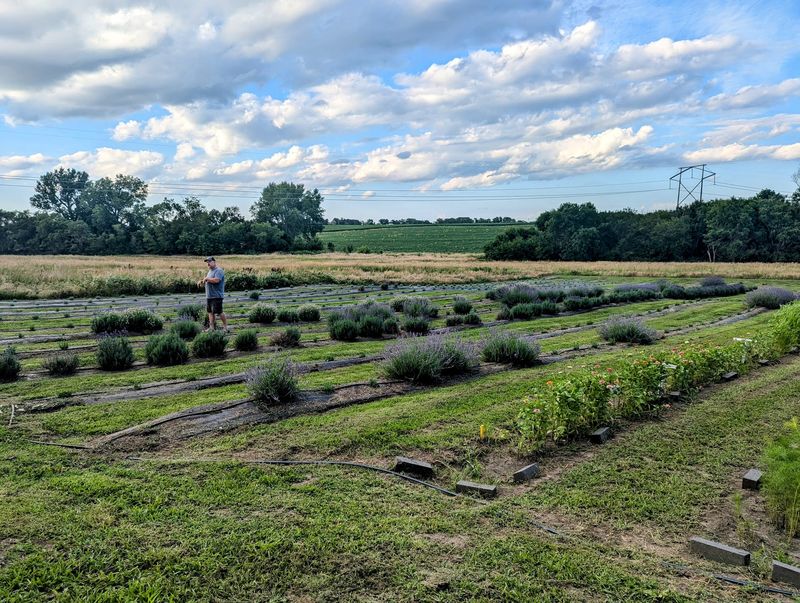
Purple gets the attention, but it is not the only thing planted in rows out here. An herb garden and beds of other cutting flowers share the property and open up for U-Pick alongside the lavender.
That mix widens the season and the take-home options. Someone who arrives at the tail end of the lavender bloom still has flowers to cut and herbs to look at.
Cutting gardens are their own small pleasure. Walking a row and choosing stems by color and height is a slower, more deliberate activity than grabbing a wrapped bunch off a cooler shelf at the grocery store.
For gardeners, the herb rows work as a live reference. Seeing mature plants at full size answers spacing questions no seed packet ever manages to.
The variety also explains why the farm can host events across spring, summer, and fall rather than only during the six or eight weeks when lavender peaks. Something is usually growing, and the calendar reflects it.
Bring your own container if you plan to carry much home.
Shaded Seating and a Farm Cat on Patrol
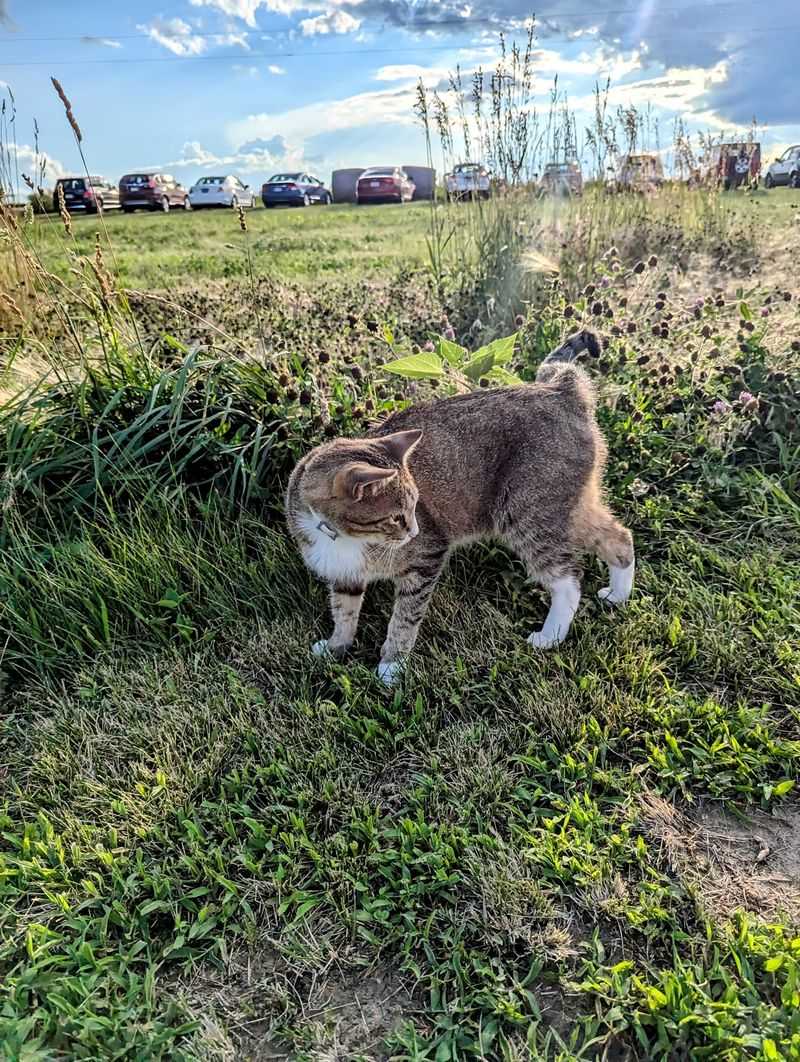
Mature trees ring part of the property, and under them sit chairs and tables where you can put your feet up after walking the rows. On a ninety-degree Nebraska afternoon, that shade is not a minor amenity.
The grounds are kept tidy, mown paths and all, which makes the whole place easy to move through with a stroller or slower walkers in the group.
There is also a cat. It lives on the farm, supervises arrivals with the confidence of ownership, and has become part of the visit for regulars.
Holly McCabe has mentioned in a public reply to a visitor that they love sharing the lavender fields and the kitty with everyone who comes out, which tells you where the animal ranks in the farm’s own description of itself.
Pack a snack if you like. The seating is set up for exactly that, and eating outdoors surrounded by two acres of blooming lavender is a fairly specific kind of good afternoon.
Bring sunscreen and a hat regardless. The fields themselves offer no cover at all.
When the Nebraska Bloom Actually Peaks
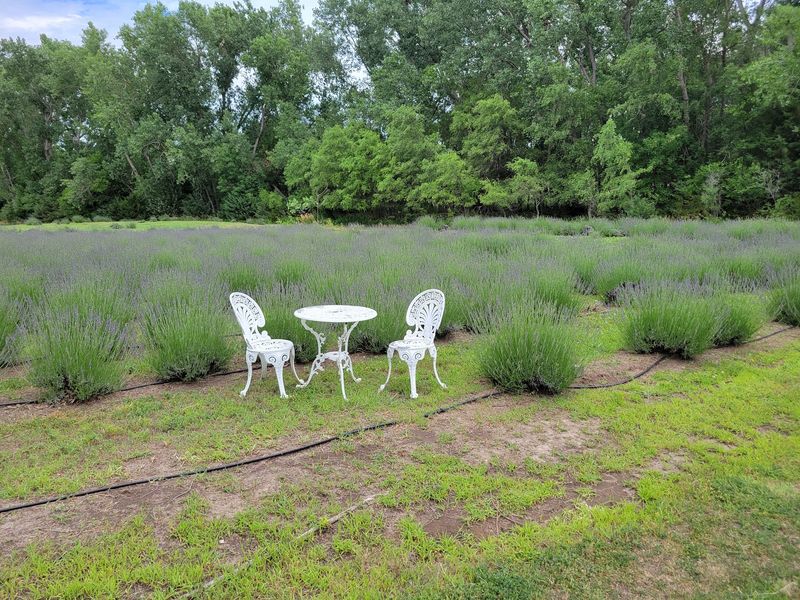
Mid-June is when color starts showing up in the rows. From there the bloom stretches through the summer, with July and August generally giving the fullest view of the fields.
Tours have run mid-June through mid-July in past seasons, timed to the strongest bloom. U-Pick days land during peak as well, announced on the calendar rather than held every weekend.
Events happen across spring, summer, and fall, so the farm is not strictly a two-week destination. The lavender itself, though, keeps to its own schedule and does not negotiate.
Morning visits have an advantage worth knowing. Heat lifts the oils and the scent, but the light is kinder and the crowds thinner before noon.
Checking the farm calendar before driving out is not optional. Tours and U-Pick run as scheduled events with advance tickets, and the shop opens to visitors during those events rather than on general walk-in hours.
Miss the window and the rows go green and quiet until the following June. Plan around the bloom, not around your free Saturday.
Getting There and What to Know First
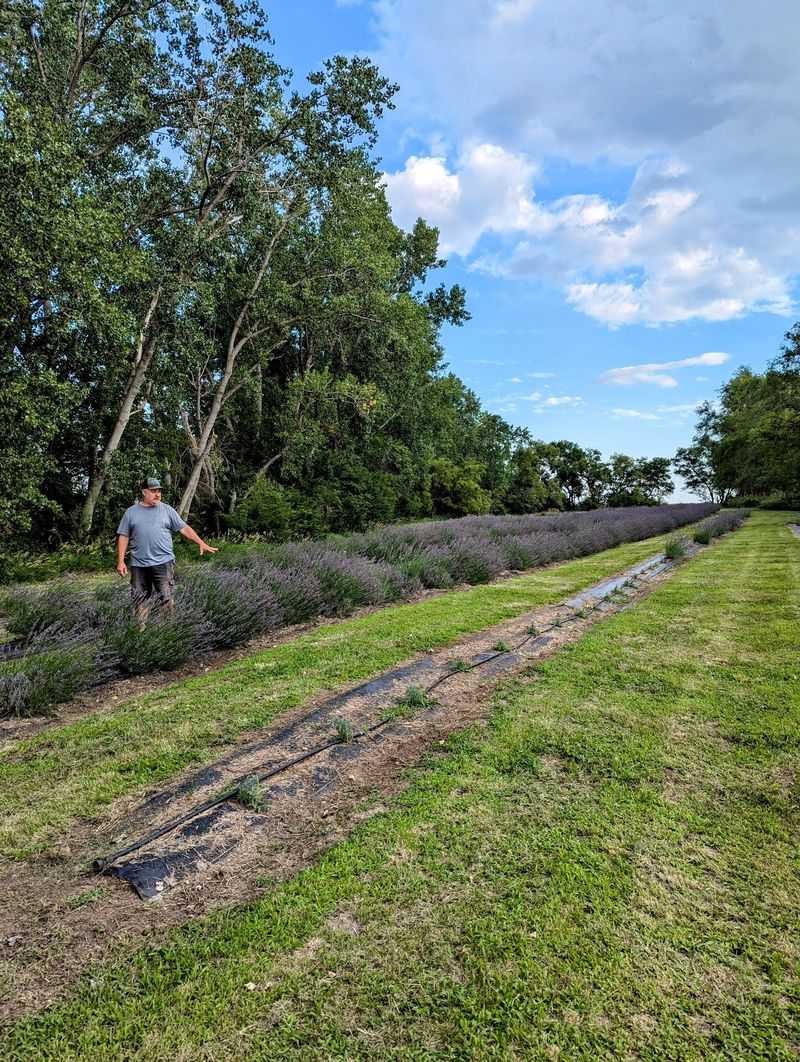
Set your directions to 25700 S 38th St, Firth, NE 68358, and expect the last stretch to be rural. Firth sits south of Lincoln in Lancaster County, an easy half-hour or so from most of the city.
Tour admission is five dollars, with kids twelve and under free. Tickets are purchased ahead through the farm, and the operators have shown flexibility when plans change.
Wear closed shoes. You are walking a working field, not a paved path, and the ground can be uneven between rows.
Bring cash or a card for the shop, plus a bag or box if you intend to buy dried bundles or bath and beauty products that you would rather not balance on your lap.
Anyone who cannot make it to the farm has another option. The McCabes sell at Lincoln farmers markets from May through September, including the Prescott and College View markets, so the products travel even when the field visit does not fit your schedule.
Check the calendar first, always. Events drive access here.
Why Ten Dollars and a Country Drive Adds Up
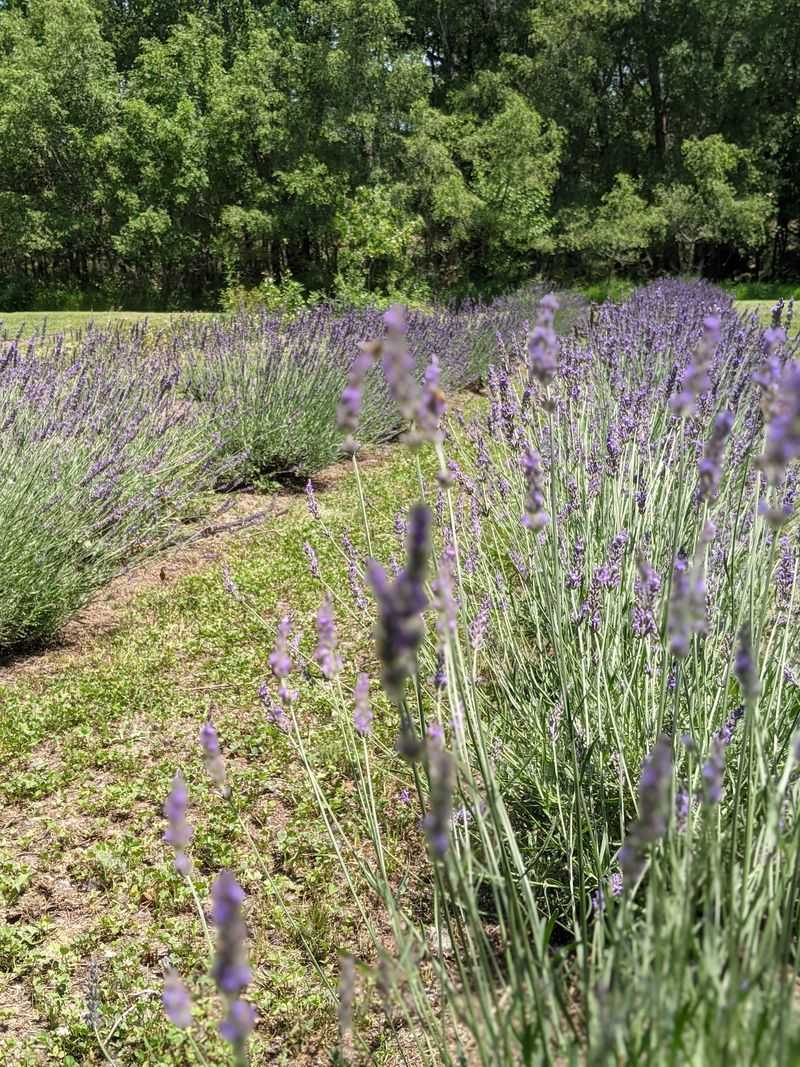
Cheap outings that hold up are rare. A five dollar ticket, a 45-minute walk, free admission for younger kids, and a shop where the products were made a few steps from where they grew is a hard combination to beat within driving distance of Lincoln.
Retirees, gardeners, families, and anyone looking for a quiet afternoon all fit here comfortably. The pace is slow by design, and nothing about the place rushes you.
Expectations are worth setting, though. Two acres is a real field but not an endless one, the shop occupies a room in a house, and access depends on the event calendar rather than daily hours.
What you get instead is direct contact with the people who planted all 1,700 original bushes and can tell you exactly why each row looks the way it does.
Come during bloom, take the tour, cut your own bundle if U-Pick is running, and carry home honey from hives you just walked past. Nebraska has plenty of corn.
Purple rows are harder to find.