The Handmade Donuts At This Nebraska Bake Shop Draw A Line Out The Door Almost Every Morning
Some mornings in Nebraska, the smell gets to you before the building does. Warm sugar, yeast, hot oil, drifting down a residential block where you would swear nothing much happens before eight.
Follow it and you end up at a small storefront with a faded yellow sign, a short counter, and a line of people who clearly knew about this long before you did. What comes out of the fryer there has kept that line forming in single-digit cold, which tells you something no menu board ever could.
A Small Storefront on South 10th Street
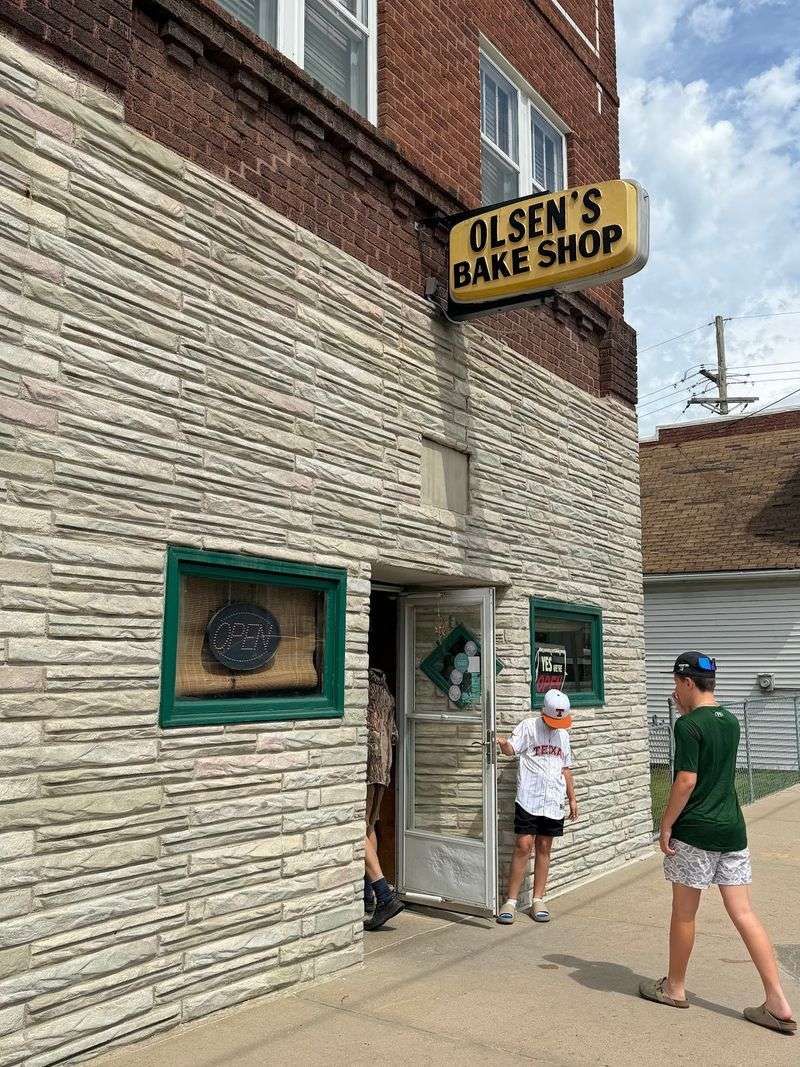
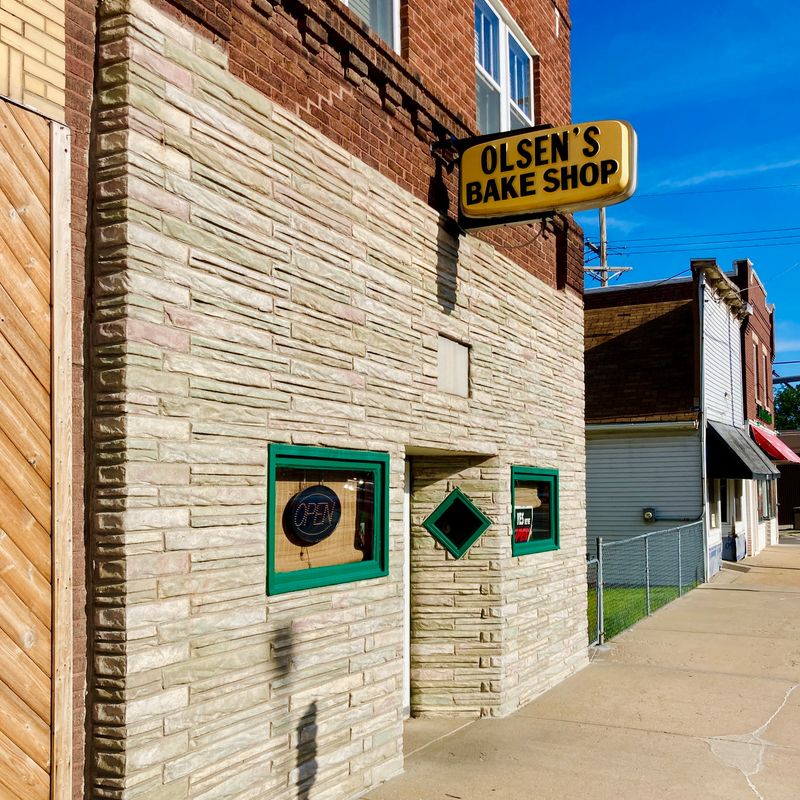
The address is 1708 S 10th St, in Omaha’s Little Bohemia area just south of downtown, and the building does not announce itself. Brick, modest windows, a vintage yellow sign, and a doorway barely wide enough for two people to pass.
Olsen Bake Shop is a bakery in the plainest sense of the word. No espresso bar, no seating area worth mentioning, no menu screens glowing above a register.
There is a counter, a set of display cases, and whatever came out of the kitchen that morning.
Anyone who has driven Omaha’s south side has probably passed it without slowing down. The shop sits in a neighborhood of older homes and small businesses, tight to the sidewalk, with no dedicated parking lot to make things easy.
Douglas County has plenty of newer bakeries with better signage and longer hours. Almost none of them produce a line that stretches onto the sidewalk before the workday starts.
That contrast is the whole story of this place, compressed into one small brick front.
Eight Decades of Frying Donuts
Since 1942, this shop has been getting up early. That predates the interstate system, the drive-thru window, and roughly every donut chain currently operating in Omaha.
Longevity like that is not an accident in the bakery business. Shops close when a founder retires, when a lease turns, when the neighborhood shifts.
Olsen has stayed put through all of it, on the same street, doing the same thing.
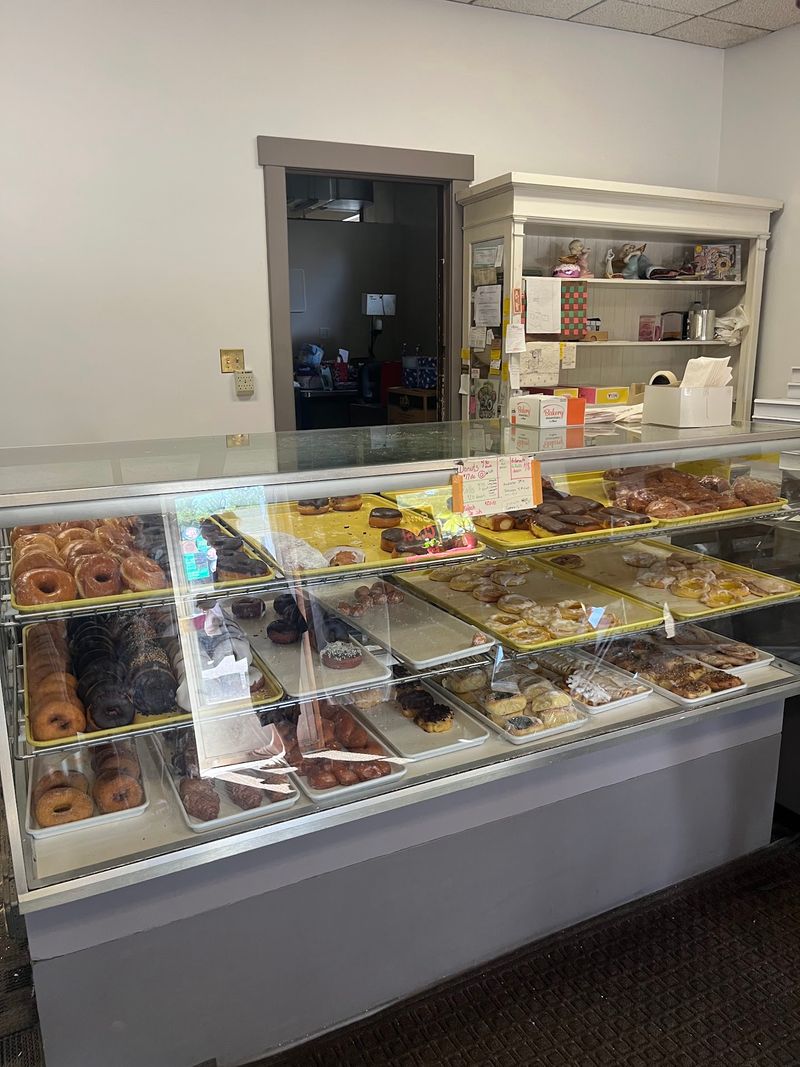
The interior carries the years honestly. Display cases show their age, a small collection of vintage figurines watches over the counter, and nothing has been redecorated to look old on purpose.
What you see is simply what has been there.
There is a practical reason the recipes have not changed much. When a formula works well enough to draw people out of bed for eighty-some years, tinkering with it is a strange business decision.
Plenty of Omaha institutions have vanished from their original addresses. A bake shop still frying in the same spot since the 1940s is a rarer thing than most Nebraskans realize.
The Family Behind the Counter
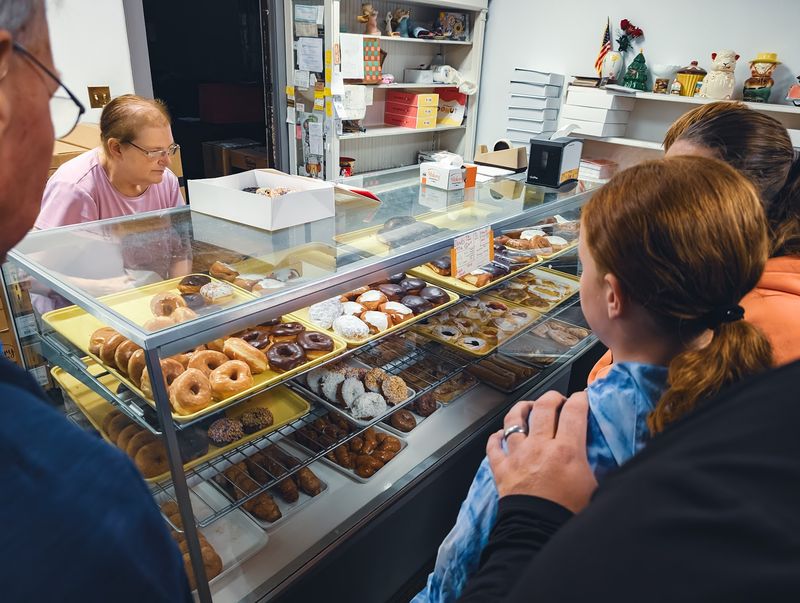
Family members make the donuts by hand. Not a production line, not a distributor’s frozen dough dropped into a fryer, but people related to each other working the same small kitchen before dawn.
Regulars know Deb by name, and the women behind the counter recognize repeat customers and remember what they order. In a shop this size, that kind of familiarity develops fast.
Being family-run shapes the whole operation. Hours stay short because there are only so many hands.
The menu stays classic because those are the recipes the family knows cold. Nothing scales up beyond what the crew can actually produce.
Service here is efficient rather than chatty during the rush. When a line runs out the door, the counter moves quickly, and having your order ready helps everyone behind you.
Some visitors have found the pace brusque on a busy morning, particularly on a first visit when they needed a minute to decide. Knowing what you want before you reach the case smooths things considerably.
That Line Out the Door
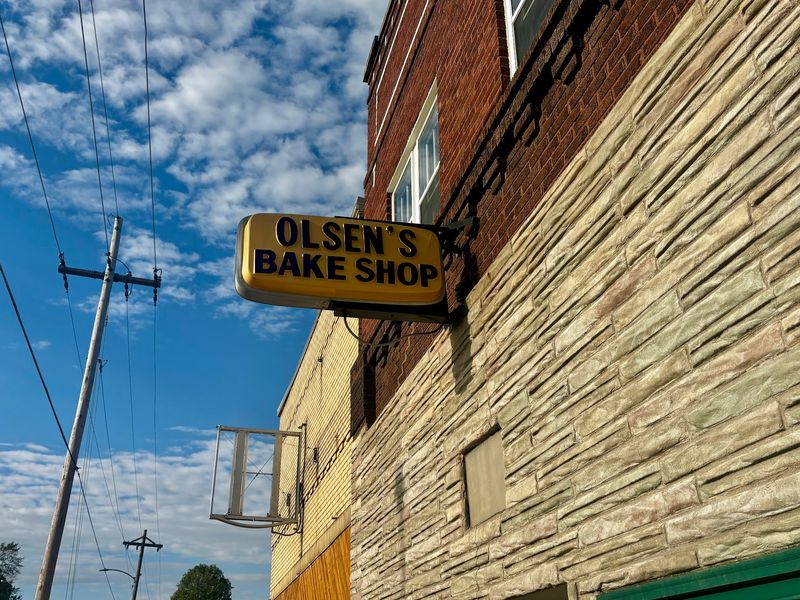
Single-digit temperatures do not clear the sidewalk. Omaha still lines up, coats zipped, waiting for a paper bag of donuts that will be gone before the commute ends.
Arrive around eight on a weekday and you might find five people ahead of you, most ordering by the half dozen or the dozen. The line moves, but it rarely disappears entirely during the first couple of hours.
What makes the queue interesting is how consistent it is. A line out the door forms almost every day the shop is open, not just on weekends or holidays.
Volume explains part of the wait. Few people stop in for a single donut.
Boxes leave the counter stacked, headed to offices, job sites, and kitchen tables across Douglas and Sarpy counties.
The practical takeaway is simple. Get there early if you want a choice, because selection thins as the morning goes on and the popular items disappear first.
Waiting twenty minutes for whatever is left is a poor trade.
Glazed Donuts Made the Old Way
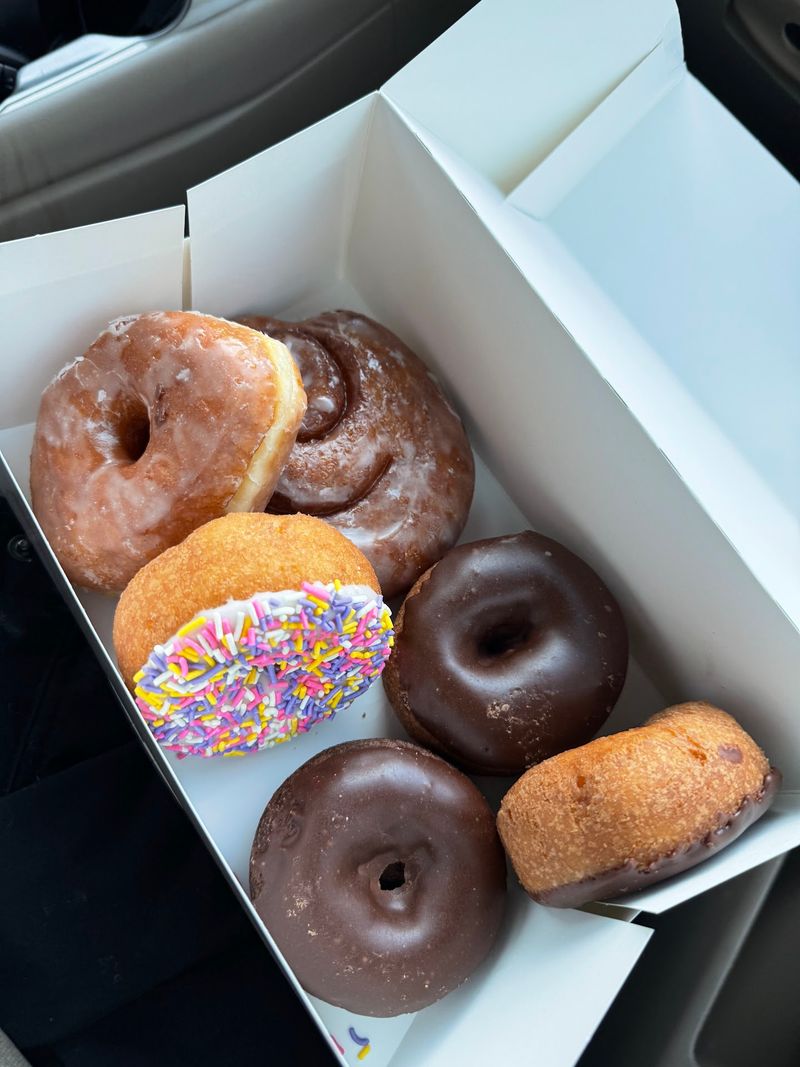
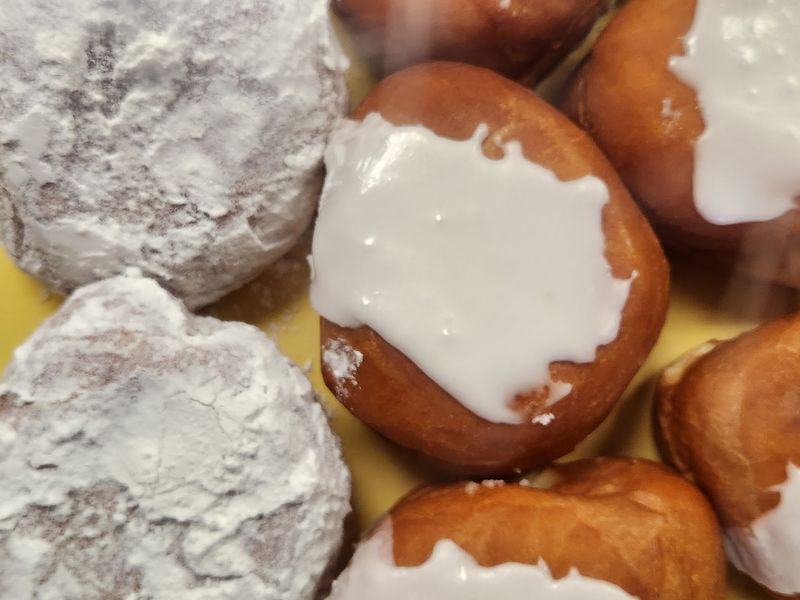
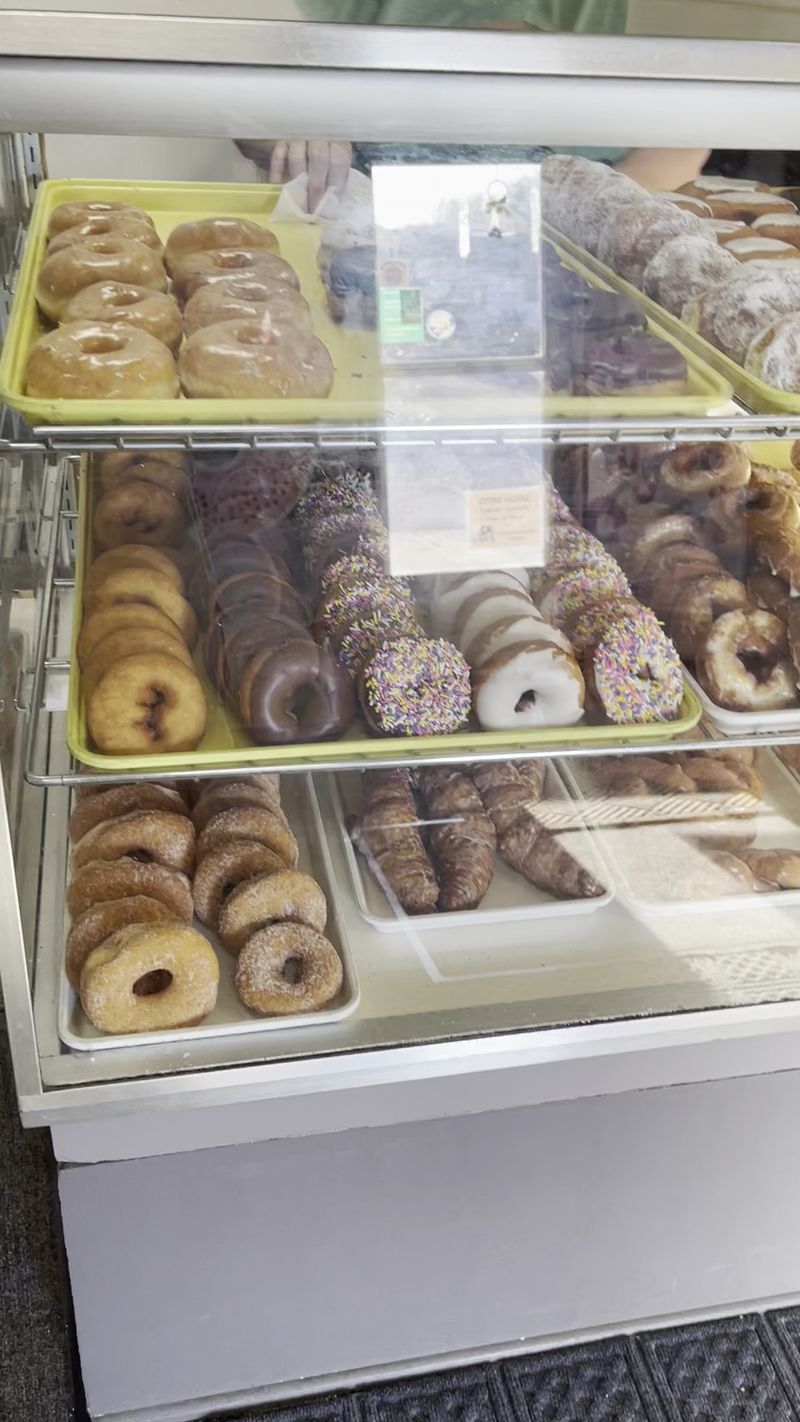
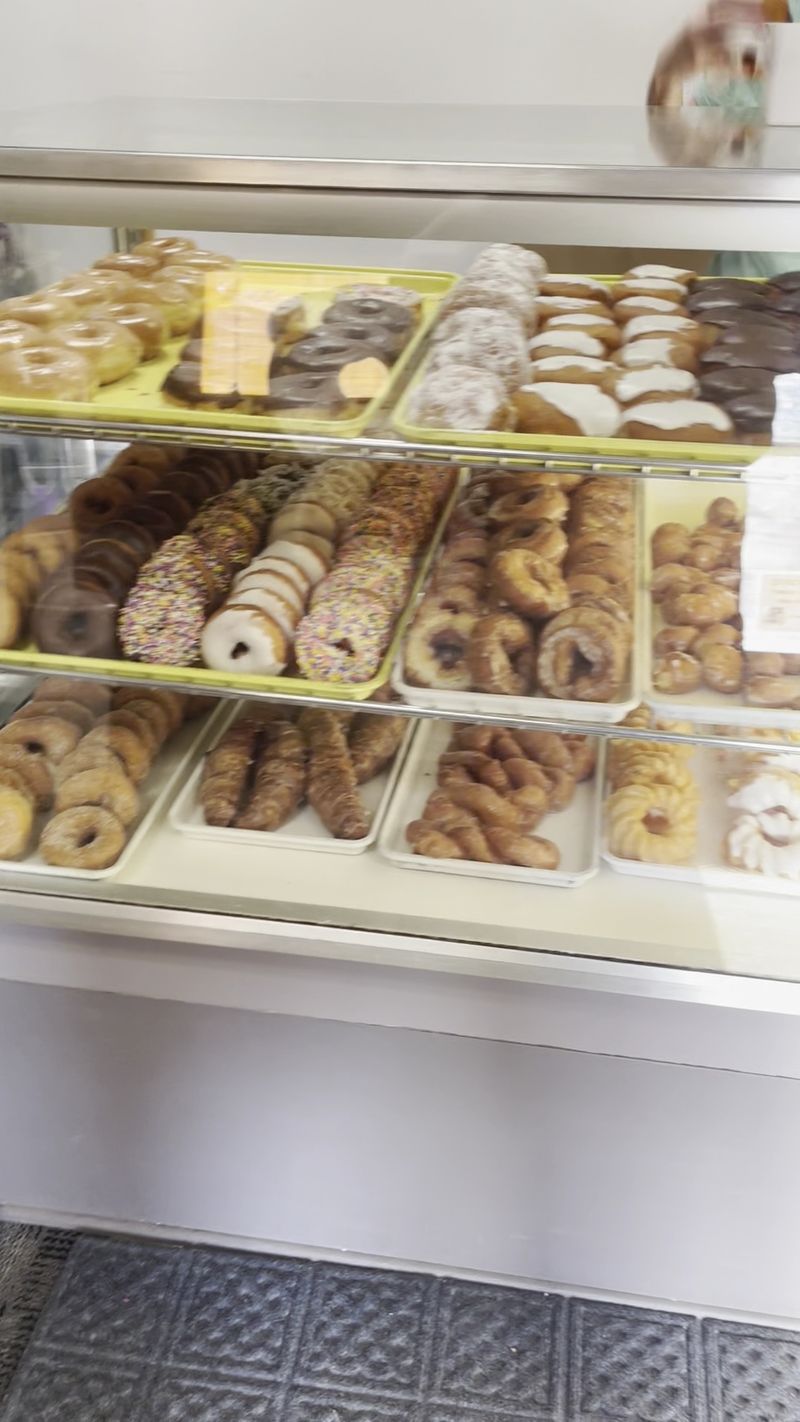
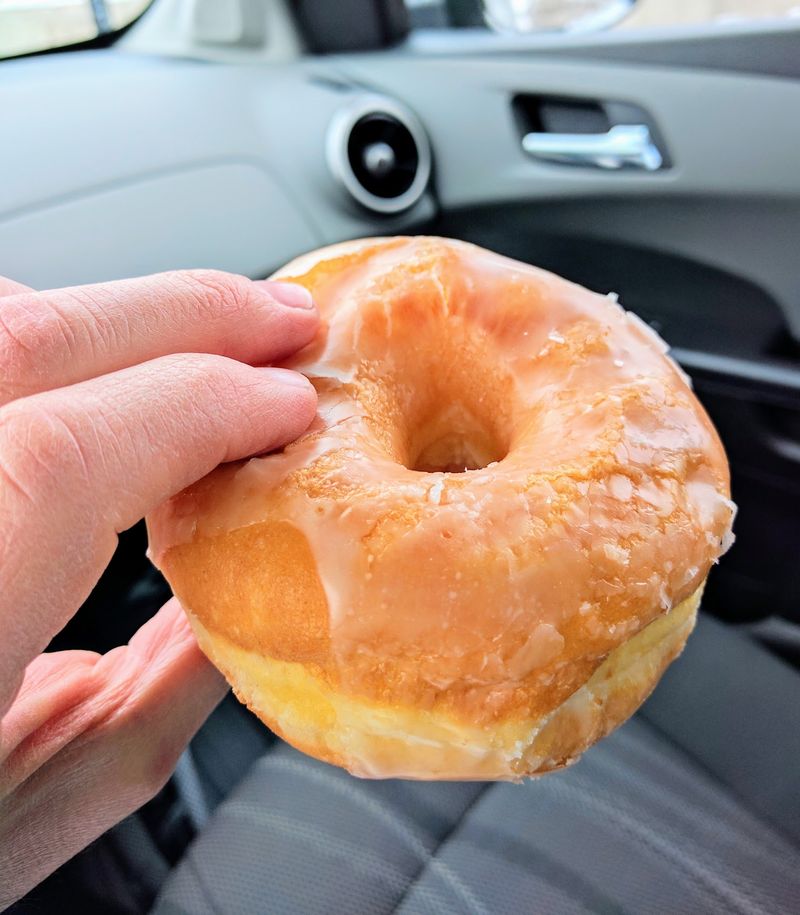
Glaze is the headline. The original glazed donut shines under the case lights, thin coating cracking slightly when you bend it, the inside soft enough to pull apart with two fingers.
Dough gets time to mature here, and that shows up as chew. There is structure to these donuts, a light springiness rather than the collapsing airiness of a supermarket ring.
Frying matters just as much. They come out clean instead of heavy, without the greasy residue that ruins a donut before you finish it.
Sweetness lands on the restrained side for a glazed pastry. Some people find the glaze plenty sugary, particularly on the croissants, but the standard glazed donut stays balanced enough to eat two without regret.
Comparisons to national chains come up constantly, and the handmade version generally wins. Consistency is the reason.
A donut fried in small batches by the same family, every open morning for decades, does not have off days the way a mass-produced one does.
Order more than you think you need. That decision tends to age well on the drive home.
The Cake Donut Worth Getting Up For
Crispy outside, moist inside. That is the whole argument for the cake donut here, and it is a strong one.
Cake donuts are harder to get right than glazed. Too much time in the fryer and they turn dry and crumbly.
Too little and the center goes dense. Hitting the middle consistently takes practice measured in years, not months.
The craggy exterior edges are where the texture lives. They fry up with a genuine crust that gives way to a tender crumb, no oily heaviness dragging it down.
People who have worked their way through Omaha’s donut options tend to circle back to this one. It holds up to coffee, it travels reasonably well, and it does not need frosting to justify itself.
Worth noting for anyone bringing donuts to a group: cake donuts survive a car ride better than filled or heavily glazed varieties. If you are driving them out to Papillion or Bellevue for a morning meeting, they will still be presentable when you arrive.
Glazed Croissants and Other Case Surprises
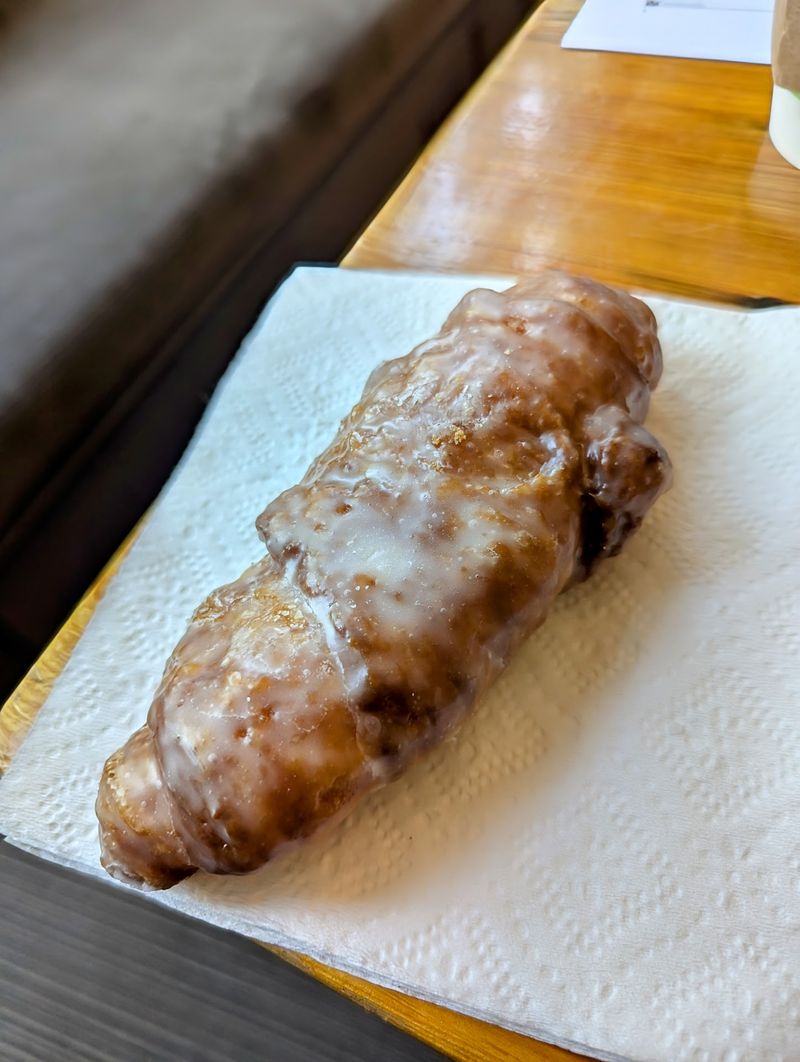
Not everything in the case is a donut, and skipping the rest would be a mistake.
The glazed croissant has developed its own following. Layers of pastry get the same sugar treatment as the donuts, producing something that melts more than it flakes.
It runs sweet, so pair it with black coffee rather than anything sugary.
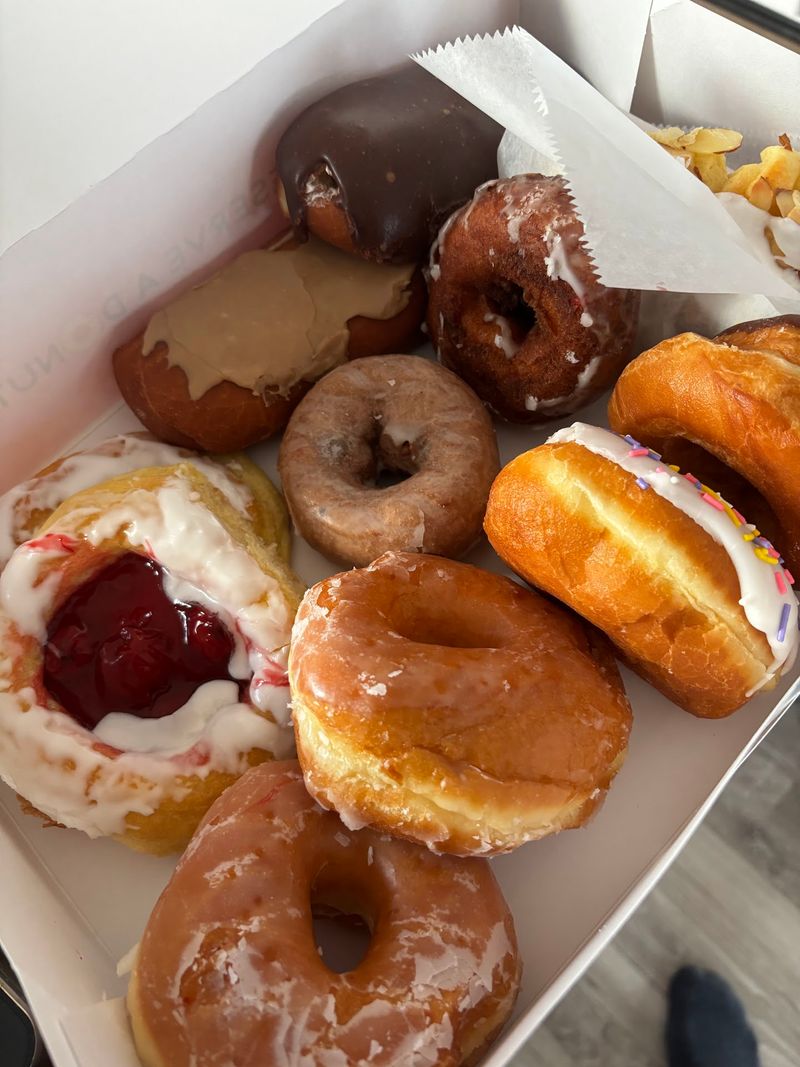
Danishes rotate through the case, with the cherry version standing out. Cinnamon rolls come frosted white, soft all the way through, sized generously enough to split.
Cookies deserve a mention too. A coconut toffee cookie has been known to disappear in the parking area within thirty seconds of purchase, which is either a compliment to the baker or a comment on self-control.
Sticky buns show up as well, sticky in the correct and inconvenient way. Napkins are not optional.
The lesson from all of this: build a mixed box. Grab a couple of glazed, a cake donut, a danish, and whatever the crew has made that morning that you cannot identify.
The odds are good.
Kolaches and the Little Bohemia Connection
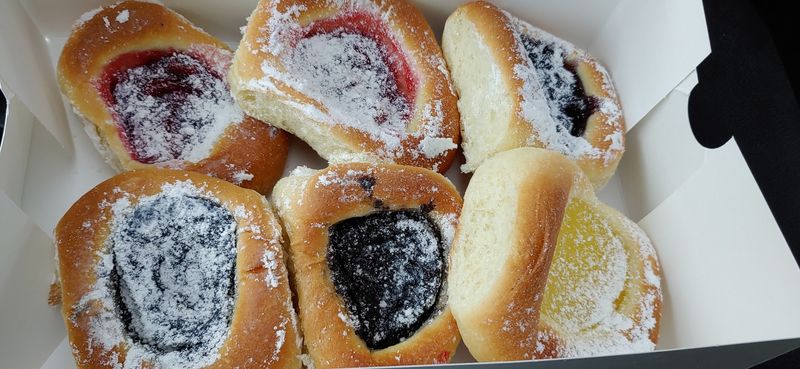
Poppy seed filling in a kolache is a Nebraska litmus test. Plenty of shops make apricot and cherry.
Fewer bother with poppy seed, and its presence here says something about where the shop sits.
South Omaha’s Little Bohemia neighborhood grew from Czech immigration, and kolaches are the edible remnant of that history. Wilber may hold the Czech Capital title, but Omaha’s south side has its own claim.
The versions here come with classic fillings, apricot included, on soft yeasted dough rather than the sweetened bread some bakeries substitute. They sit in the case alongside the donuts, easy to overlook if you walked in focused on glaze.
Anyone who grew up with a Czech grandmother in Saline or Colfax County will recognize the style immediately. It is not a modernized interpretation.
Adding one or two to a donut box makes for a better spread anyway. The fruit filling cuts through all that sugar, and the contrast between a glazed donut and an apricot kolache turns a simple bag of pastries into something closer to a proper breakfast.
Inside a Genuine Old Bake Shop
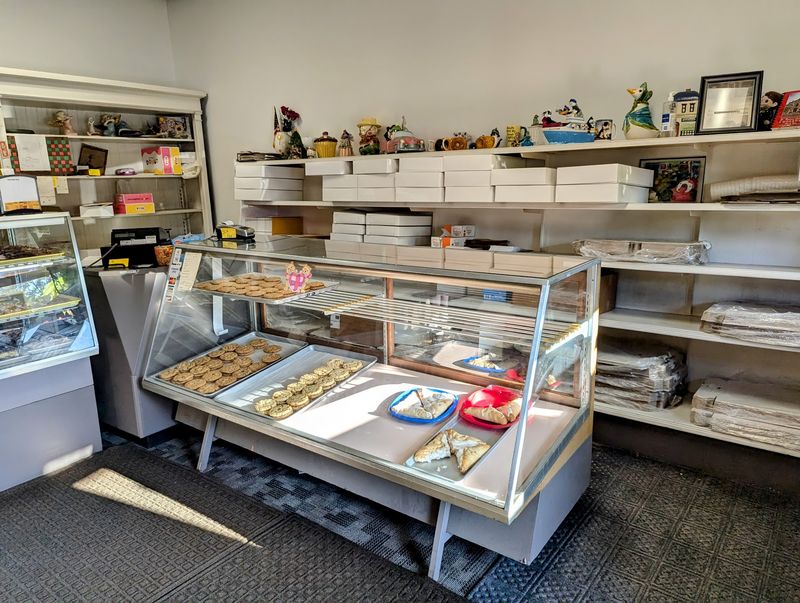
Step through the door and the room is smaller than expected. Cases along one side, a narrow standing area, and the working kitchen close enough that you can hear trays moving.
Vintage figurines line a shelf, collected over years rather than purchased as decor. The display cases themselves are old enough to have real character in the glass and frames.
Nothing has been styled. There is no reclaimed wood, no chalkboard lettering, no curated playlist.
The look is simply the accumulated result of a business operating in one room for generations.
Smell does most of the work. Yeast, hot sugar, and warm dough fill the space so thoroughly that waiting in line becomes part of the appeal rather than a chore.
Space is tight, which shapes behavior. People order, pay, and step out rather than lingering, keeping the line moving on busy mornings.
For anyone who remembers small-town Nebraska bakeries from childhood, the layout will feel immediately familiar. This is what those rooms actually looked like before anyone thought to make them photogenic.
Cash, Prices, and Keeping It Simple
Bring cash. Cards are accepted with a small added fee, but the operation runs primarily on bills and coins, and having exact money ready speeds up the line for everyone.
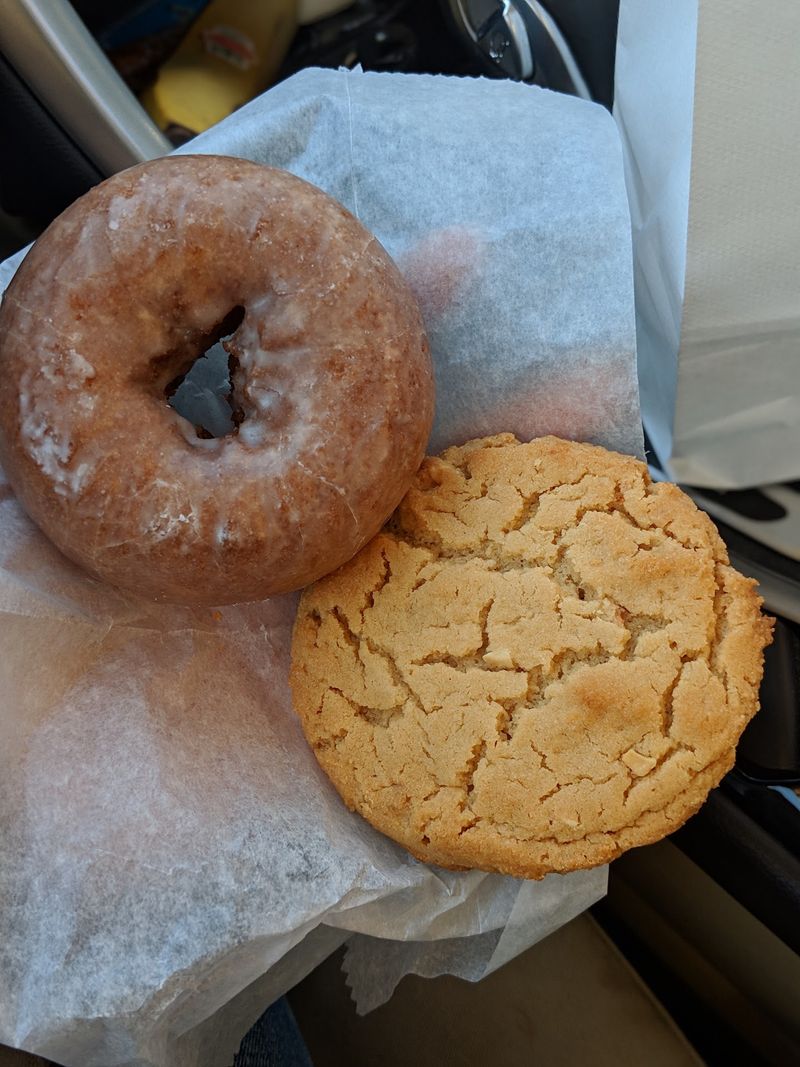
Prices sit in the $1 to $10 range depending on how much you carry out. A glazed croissant and a cookie together have run around $2.25, which puts a full family breakfast well under what a drive-thru run would cost.
Affordability is part of why boxes leave the counter so heavy. When individual pastries cost about a dollar, ordering a dozen stops feeling like an indulgence and starts feeling like planning ahead.
No tipping screens, no loyalty app, no online ordering. You show up, you point at the case, you pay, you leave.
The simplicity keeps overhead low and lets the shop focus on production instead of systems. It also means a first-time visitor should plan slightly, since there is no way to reserve a dozen or check inventory before driving over.
An ATM stop on the way is time well spent.
Hours That Demand an Early Alarm
Doors open at 7:30 AM Tuesday through Saturday and close at noon. Sunday and Monday, the shop is dark.
Four and a half hours of selling per day is a narrow window, and it shrinks further in practice. When the donuts sell out, the shop is done.
There is no afternoon batch.
Anyone driving in from Lincoln, Fremont, or Council Bluffs should build the schedule around that reality. A 10:30 arrival on a busy Saturday means picking from what remains rather than what you came for.
The best variety exists in the first hour. Popular items go fast, and by mid-morning the case has visibly thinned.
Parking is another wrinkle. The shop has no lot, so expect to find street parking nearby and walk a short distance on the sidewalk.
Weekday mornings tend to move faster than Saturdays. If your schedule allows a Tuesday or Wednesday stop, the line is generally shorter and the selection fuller, which makes the early alarm considerably easier to justify.
Getting There From Around the Metro
South 10th Street runs through one of Omaha’s older neighborhoods, close enough to downtown that the drive from most of the metro takes under twenty minutes.
Coming from I-80, exit toward downtown and work your way south. From the Old Market, it is a short hop.
From west Omaha, allow extra time for morning traffic on Dodge or the interstate.
Council Bluffs sits just across the river, making this an easy Iowa-side run as well. Lincoln drivers looking at roughly an hour on I-80 should leave before seven to arrive with the case still full.
The trip pairs naturally with other stops. Lauritzen Gardens, the Durham Museum, and Henry Doorly Zoo are all within a short drive, which turns a donut run into a full Omaha morning.
Street parking is the only option, so plan on a brief walk. The neighborhood is residential, meaning the spots nearest the door fill first on busy mornings.
Once you know the block, finding it again is easy. The yellow sign does the rest.
Who Fits Right In Here
Kids do well here, mostly because the whole visit takes about ten minutes and ends with a donut in hand. Families make it a stop on the way to weekend activities across the metro.
Retirees and early risers have an obvious advantage, since the 7:30 opening rewards anyone already awake. The line at opening tends to be the shortest of the day.
Out-of-town guests get a real Omaha experience rather than a polished one. Nothing about the shop has been arranged for outside observers.
People with specific dietary needs should know the menu is traditional and limited. Egg-free and allergen-specific options are not part of what the kitchen produces, and asking during the rush is unlikely to yield alternatives.
Anyone hoping to sit down with coffee and a laptop should look elsewhere. There is no café setup, no seating, no lingering.
What fits best is the quick, purposeful visit. Cash in hand, order decided, box carried back to the car while it is still warm.
That is the intended experience, and it works remarkably well.
Why Nebraskans Keep Coming Back
Eighty-plus years of frying donuts on the same Omaha street has produced something a marketing budget cannot buy. People show up because the product has been reliable longer than most of them have been alive.
The shop holds a 4.8-star average across roughly 499 reviews, which is unusual consistency for a business that keeps four-and-a-half-hour days and prefers cash.
It is not a polished stop. The room is cramped, the counter moves fast, and a hesitant first-timer can feel rushed on a busy morning.
Knowing that going in changes the experience entirely.
What you get in exchange is a handmade donut with real chew, fried clean, glazed by someone whose family has been doing it since 1942. Chains cannot replicate that, and they have had decades to try.
For a Nebraska morning outing, the math is hard to argue with. Ten dollars, a twenty-minute drive, and a box that will not survive the ride home intact.
Set the alarm, grab cash, and get there before the case empties.