This Connecticut Farm Stand Has Been Growing Fresh Food For Local Families For More Than 100 Years
A roadside farm stand can become much more than somewhere to grab vegetables on the way home. Give it enough time, and stopping by starts feeling like part of the local routine.
That is especially true when the story stretches back more than a century. Generations have watched the seasons change here, while fresh food has remained the simple reason people keep returning.
Few Connecticut farm stands can claim more than a century of feeding local families while still feeling wonderfully down to earth.
Nothing about that history needs a flashy presentation. The appeal comes from knowing that the same land has kept producing food while everything around it changed.
There is something reassuring about that. Businesses come and go quickly, yet a family farm can keep doing what it knows best for decade after decade.
More than 100 years later, an everyday stop for fresh food carries a story much bigger than the stand itself.
1. Generations Of Farming Still Shape The Place
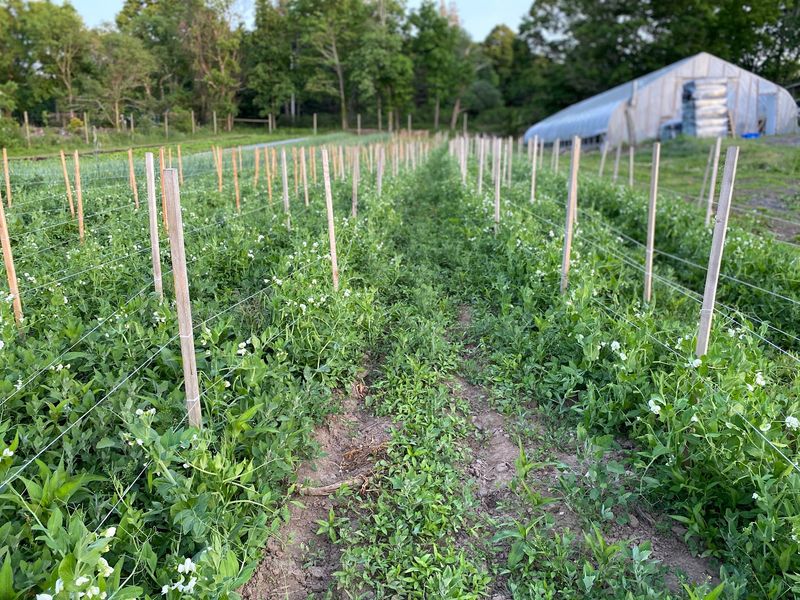
Milk came first. In the early 1900s, the family behind Laurel Glen Farm set up a dairy operation on 100 acres of Shelton land, sending fresh dairy products to homes around the area.
Dairy farming in Connecticut got harder as the decades passed, and competition finally brought that chapter to a close in the 1970s. Rather than letting the land go quiet, the second generation shifted gears during the 1980s, raising beef cattle and cutting hay instead.
The newest version of the farm began in 2013, when a great-grandson of the original farmers rebuilt the operation around mixed vegetables. That single decision turned a working hay and beef property into one of the busiest small produce farms in the region.
Four generations have now worked this same ground, which is a rare thing in a corner of the state where open fields have grown scarce. You can feel that continuity in small ways, from the old barn to the way regulars talk about the place like a neighbor rather than a business.
The farm leans into that connection on purpose, building a community of curious eaters who want to know exactly where their food grew. Visitors often describe the atmosphere as friendly and unhurried, the kind of stop that makes errands feel pleasant.
2. Waverly Road Leads To The Farm Store
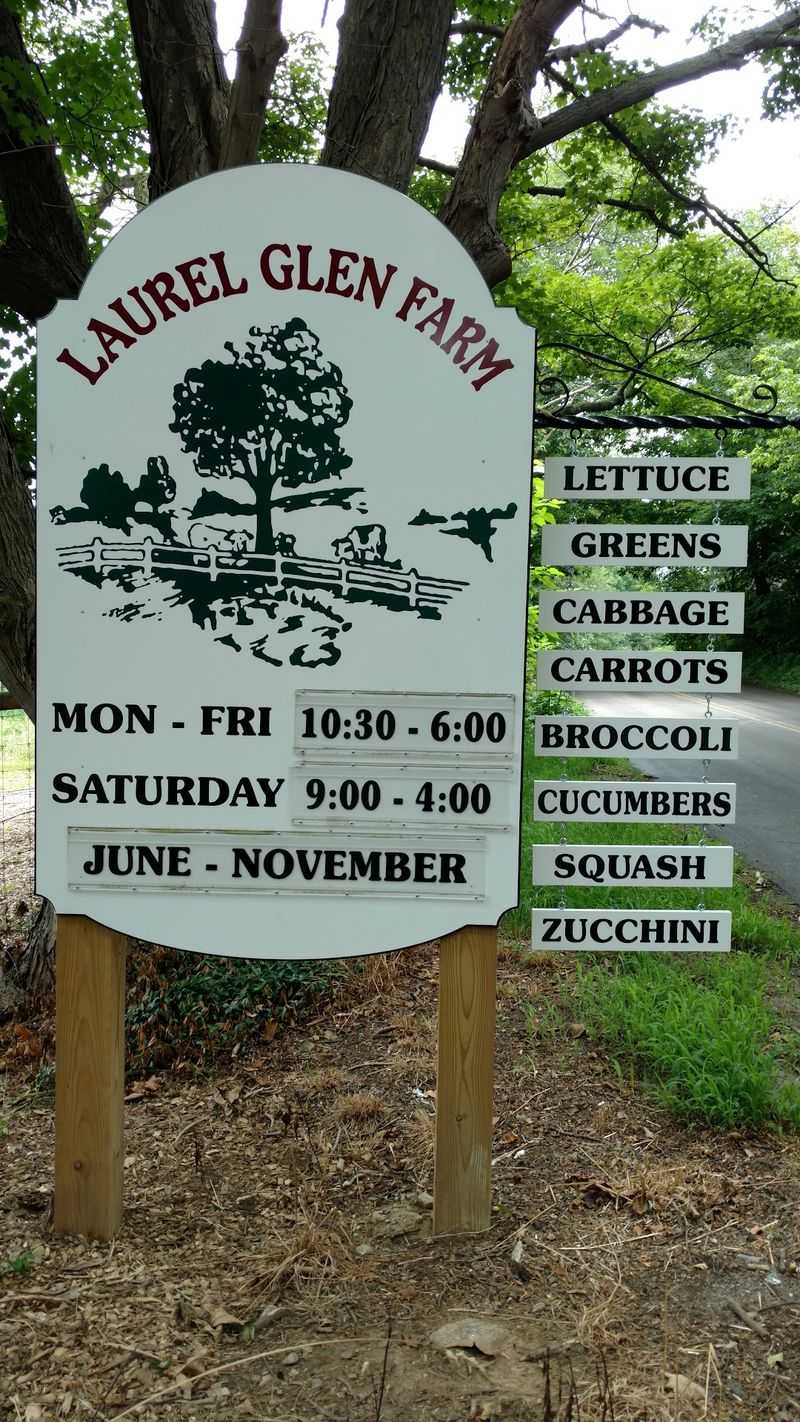
Fresh food has deep roots here. More than a century of them, in fact.
What began as a family farm in the early 1900s has evolved into a lively stop for seasonal produce and locally made goods.
Four generations of the Rogowski family have worked this land. The operation once covered about 100 acres and focused on dairy before shifting to beef and hay.
In 2013, Randy Rogowski transformed it into a mixed vegetable farm, which now grows more than 80 varieties using sustainable practices.
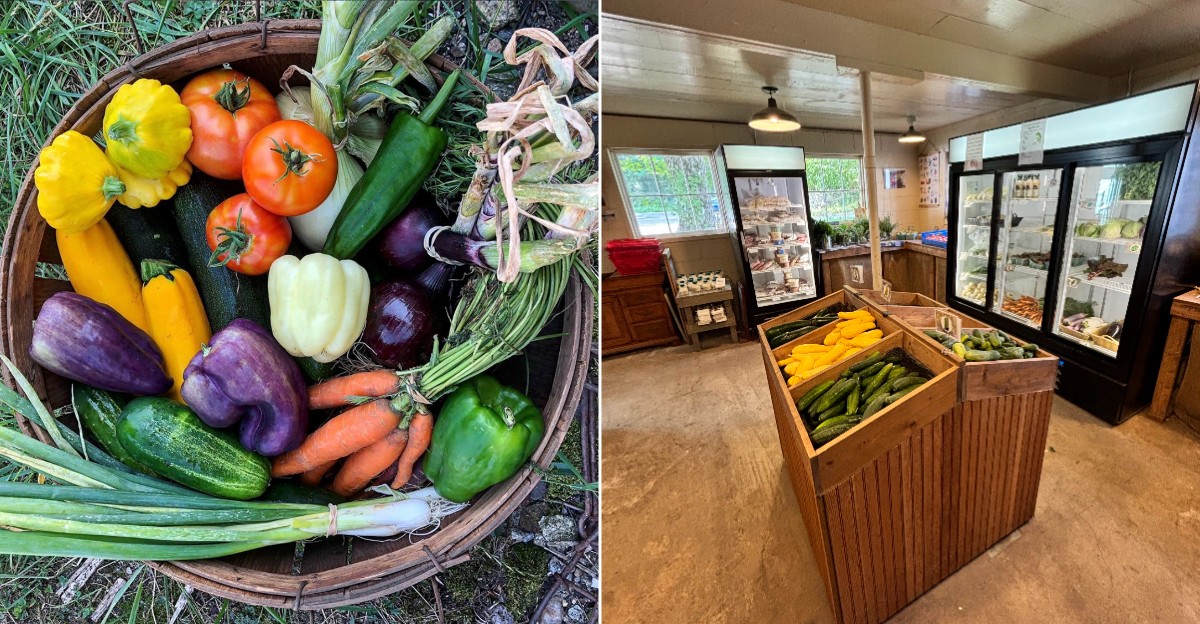
Today, the farm store feels more like a neighborhood food hub than a simple produce stand. Vegetables sold inside are grown right on the farm, while carefully selected local producers supply items such as cheese, pasta, coffee, bread, honey, eggs, yogurt, and preserves.
Laurel Glen also makes canned goods using its own produce.
The store operates seasonally, and its 2026 schedule runs from May 2 through December 5. Hours vary throughout the week, with longer shopping days Tuesday through Thursday.
Farm-store visits begin at 247 Waverly Road in Shelton.
Laurel Glen has also earned recognition as CT Magazine’s Best Farm Stand.
After four generations, the appeal remains refreshingly simple: local food grown by a family that has spent more than 100 years feeding its community.
3. More Than 100 Years Of Local Roots
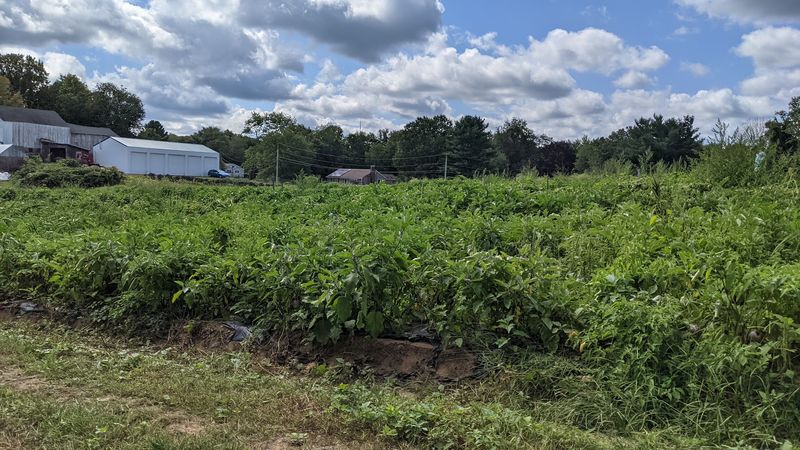
A century is a long run for any business, and an especially long one for a farm in Fairfield County, where open land has been under pressure for decades.
Laurel Glen’s timeline starts in the early 1900s and has never fully paused. Four generations have farmed the property, each one adjusting to what the market and the land would support at the time.
The arc is easy to follow: a 100-acre dairy farm, then beef cattle and hay after dairy production ended, then the vegetable and fruit operation that defines the place today. Each shift kept food production alive on the same soil instead of handing it over to something else.
Today the farm covers 20 acres. That is a compact footprint by farming standards, but it is worked intensively, with dozens of crops packed into carefully rotated beds.
What that long history really gives customers is trust. When a family has farmed one piece of ground for four generations, they have a strong reason to keep the soil healthy and the reputation intact.
It also gives Shelton something harder to measure. Kids who visit can see a real working farm rather than a photo in a textbook, and that sticks with them.
4. Fresh Produce Comes Straight From The Fields
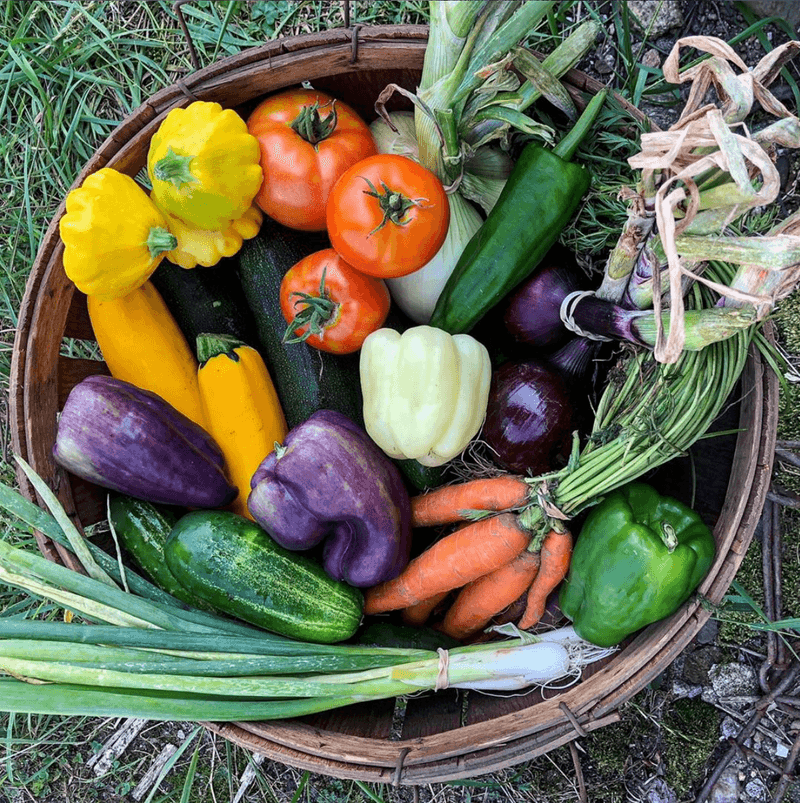
Here is the rule that shapes everything at Laurel Glen: they sell only what they grow. No trucked-in boxes, no out-of-season tomatoes filling gaps in February.
That policy means the selection changes constantly. Spring brings crisp lettuce and tender greens, midsummer delivers tomatoes by the basket, and autumn shifts toward squash and heartier roots.
Customers frequently mention how clean and genuinely fresh the vegetables are, which makes sense when harvest and sale happen within a short walk of each other. Lettuce and tomatoes come up again and again as favorites.
Growing practices get real attention too. The farm uses an Integrated Pest Management system, a method built around monitoring problems closely and stepping in with the lightest touch possible.
In practice that looks like planting on biodegradable plastic mulch, pulling weeds by hand, feeding the soil with compost and natural amendments, releasing beneficial insects, rotating crops season to season, and scouting regularly for pests and disease.
All seeds are non-GMO, and the mix includes heirloom varieties chosen for flavor rather than shipping durability. When pest pressure does call for treatment, certified organic applications are used, and only as needed.
For shoppers, the practical takeaway is simple. Come with flexible dinner plans and let the harvest decide.
5. Over 80 Crops Grow Here
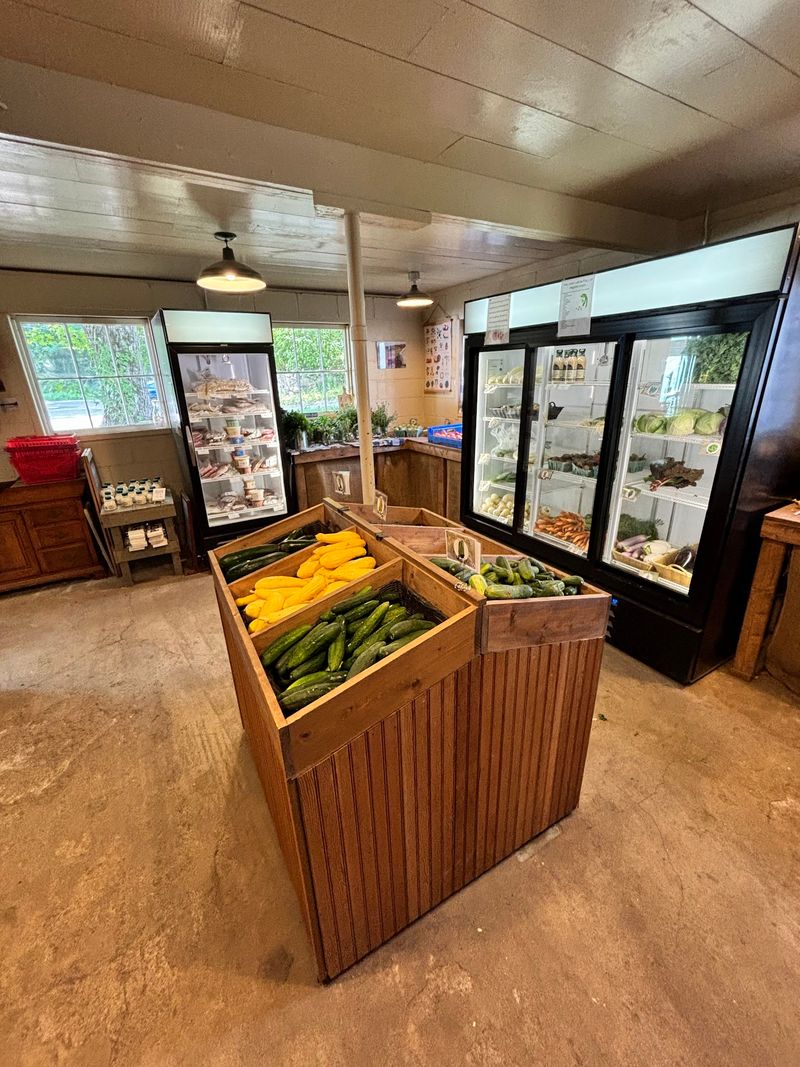
Eighty-five. That is roughly how many different fruits and vegetables come out of these 20 acres over a growing season, which is a remarkable number for a farm this size.
The squash lineup alone reads like a tasting menu: acorn, butternut, delicata, honeynut, and hubbard. Tomato fans get slicing types, grape tomatoes, and plum varieties, with the harvest stretching across much of the warm season.
Greens show up in every direction too, from arugula and Asian greens to bok choy, choy sum, and escarole. Several kinds of broccoli rotate through, along with beans, bell peppers, beets, and basil.
Then come the crops that make people pause and ask questions. Celeriac, cutting celery, fennel, garlic scapes, Hakurei salad turnips, and husk cherries all have their moment, and many shoppers say they have cooked vegetables here they had never tried before.
That is part of the fun. A farm with this much variety nudges you out of the same five vegetables you always buy.
The diversity serves the land as well. Rotating many different crops through the same beds helps keep soil healthy and reduces pest pressure naturally.
Bring a curious attitude and ask what is peaking that week. The answer changes every visit.
6. Homemade Sauces Fill The Shelves
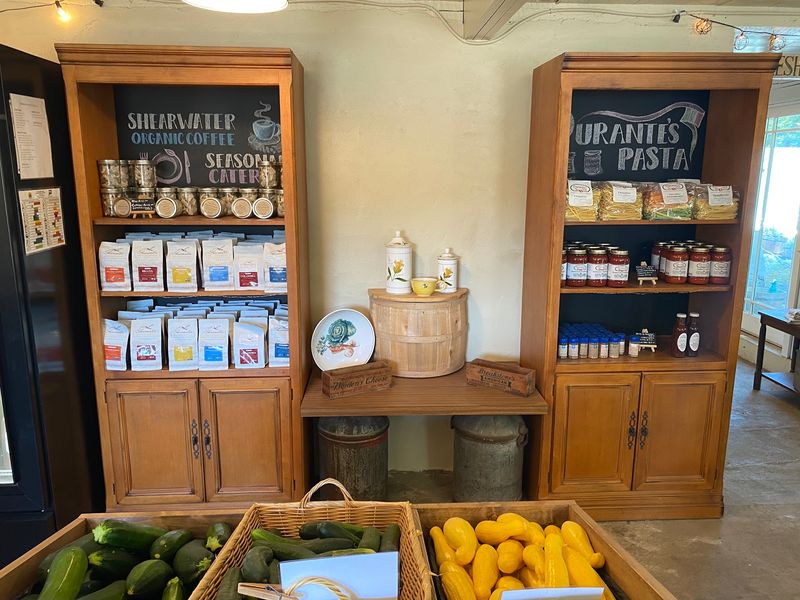
Too many tomatoes? Great problem to have.
Laurel Glen Farm turns part of its harvest into shelf-stable sauces and canned goods, giving shoppers another way to enjoy what grows in its fields long after peak season ends.
The farm’s Just A Crush keeps tomatoes at the center of attention. It is a simple crushed tomato base that can head in almost any direction once it reaches the kitchen.
Pasta sauce, soups, and slow-cooked recipes all become easy possibilities.
Sunday Sauce does more of the work upfront. This ready-to-use marinara brings the farm’s tomatoes straight to the dinner table without requiring hours of preparation.
It is especially handy when fresh tomato season feels very far away.
Then comes the more unusual option. Butternut Squash Sauce puts one of the farm’s cool-weather crops to work, creating a rich sauce that pairs naturally with pasta, ravioli, or gnocchi.
The best part is knowing where the main ingredients started. Laurel Glen grows dozens of vegetable varieties, and its canned products are made using produce harvested from the farm itself.
These jars also extend the season in a deliciously practical way. Even when fresh crops change or the farm store closes for winter, the pantry can still hold a little piece of the harvest.
Stock varies with production, so favorite flavors may not always be available. When the right jar appears on the shelf, grabbing an extra suddenly makes plenty of sense.
7. Local Goods Add More To The Selection
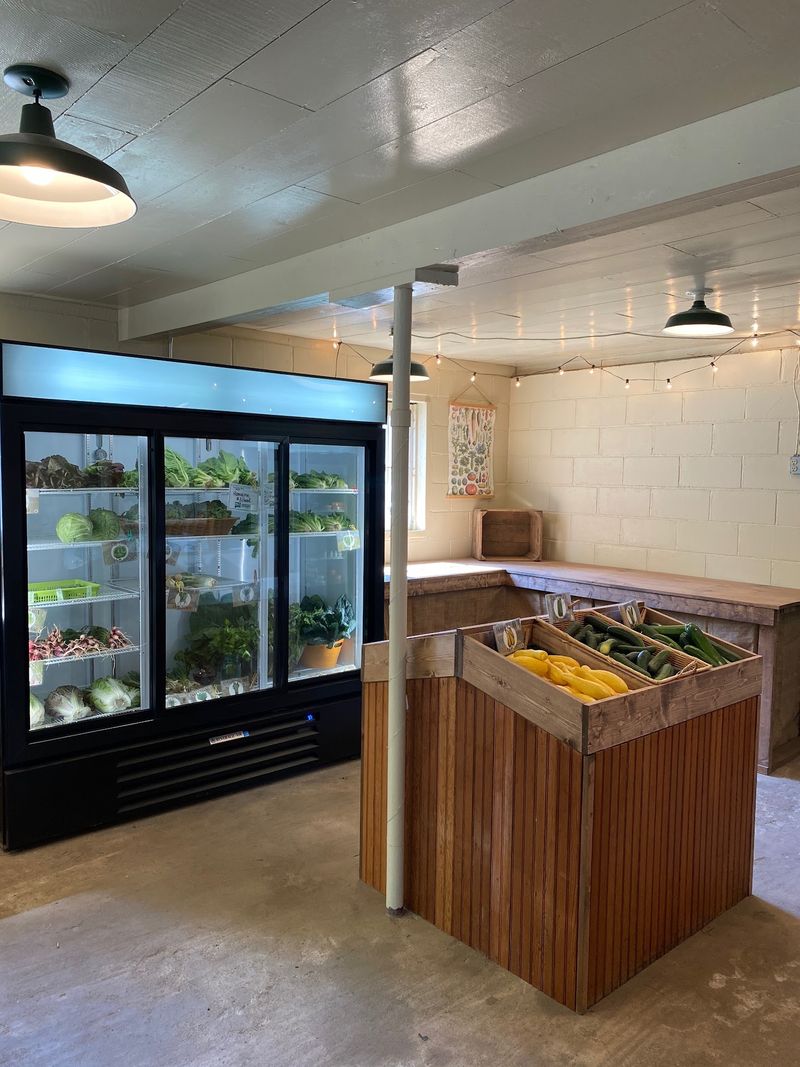
A vegetable farm cannot grow cheese, so Laurel Glen does the next best thing and stocks the work of other small state producers. The result is a store where you can actually finish a shopping list.
Local honey is a steady favorite, along with artisanal cheeses and cuts of locally raised meat. Shoppers often point to those items as the reason a quick produce run turns into a fuller basket.
The specialty shelves reward browsing. Kombucha, infused olive oils and vinegars, sea salts, fresh and frozen pasta, jerky, kimchi, and gourmet coffee blends all rotate through.
Seasonal additions widen things further. Depending on the time of year you might find homemade bread, jams and jellies, or maple sugar alongside the regular lineup.
There is a practical benefit to all of this. Instead of driving to three different places, you can pick up dinner ingredients, a pantry staple, and a small gift in one stop.
The partnerships matter beyond convenience, too. Every jar and package on those shelves represents another regional business getting support from Shelton shoppers.
Many visitors mention the flavored olive oils in particular, which makes them a reasonable first pick if you are not sure where to start.
8. Pick-Your-Own Adds To The Fun
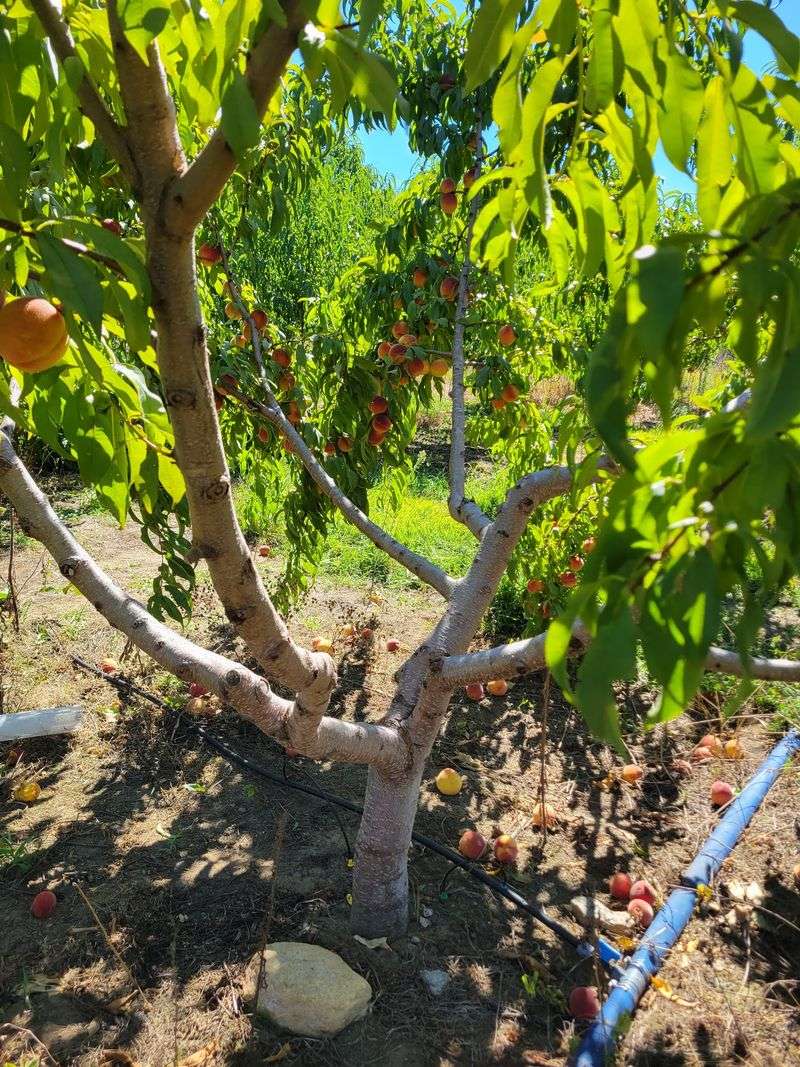
Picking your own peach off the branch changes how it tastes. That is the appeal of Laurel Glen’s pick-your-own fields, where the harvest becomes the outing rather than just the errand.
Depending on the season and crop conditions, visitors may get opportunities to pick raspberries and blackberries, while designated flower-picking sessions offer the chance to cut fresh blooms.”
One detail trips up first-timers: the pick-your-own fields are not at the farm store. They sit at 475 Booth Hill Road in Shelton, roughly a mile from the Waverly Road location.
Plan the two stops together and the trip works beautifully. Pick fruit and flowers first, then swing by the store for produce, sauce, and whatever else catches your eye.
Timing is everything with pick-your-own. Ripeness windows are short, weather shifts the schedule, and a popular weekend can thin out a field quickly, so checking the farm’s current updates before driving over saves disappointment.
Practical tips help too. Wear closed shoes, bring sun protection and water, and give yourself unhurried time rather than squeezing it between other plans.
Families tend to get the most out of it. Kids who help pick their own berries have a noticeably different attitude about eating them later.