This Old Idaho Train Depot In Nampa Now Serves As A Museum You Can Walk Through
Some buildings in Idaho refuse to fade quietly, even after the trains stop rolling in. In the heart of the Treasure Valley sits a grand old brick station that once welcomed travelers heading toward Portland, Boise, and Salt Lake City.
Today, instead of ticket lines and steam whistles, it holds a museum packed with stories you can actually walk through. It’s the kind of stop that surprises people who assumed it was just another empty depot.
A Grand Depot Reborn in Nampa
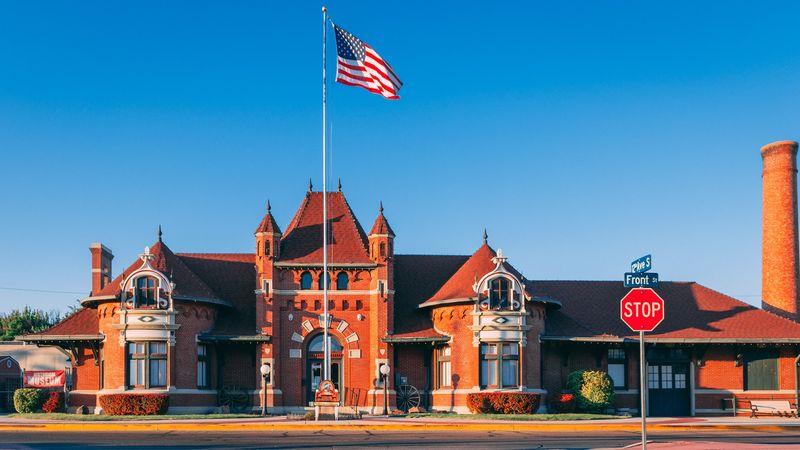
Red brick and pressed sandstone rise up along Front Street in Nampa, topped by a distinctive tile roof that juts out like a wide brim. Long before it became a museum, this building buzzed with the sounds of arriving trains and travelers clutching tickets.
Built in 1903 by the Oregon Short Line Railroad, the depot once anchored the whole town. Passengers stepped off here on their way to Boise, Portland, and Salt Lake City, treating Nampa as a crossroads rather than a stopover.
Walk up to it now and you’ll find something rare in Canyon County: a station that survived when so many others vanished. The Canyon County Historical Society keeps it alive as a working museum, letting visitors wander through rooms that once handled telegraphs and timetables.
What strikes most people is how the building itself feels like the main exhibit. The arched windows, the wooden benches, the old signage all remain, quietly telling you that this place mattered to generations of Idahoans who passed through its doors.
Architecture Unlike Anything Else in the Country
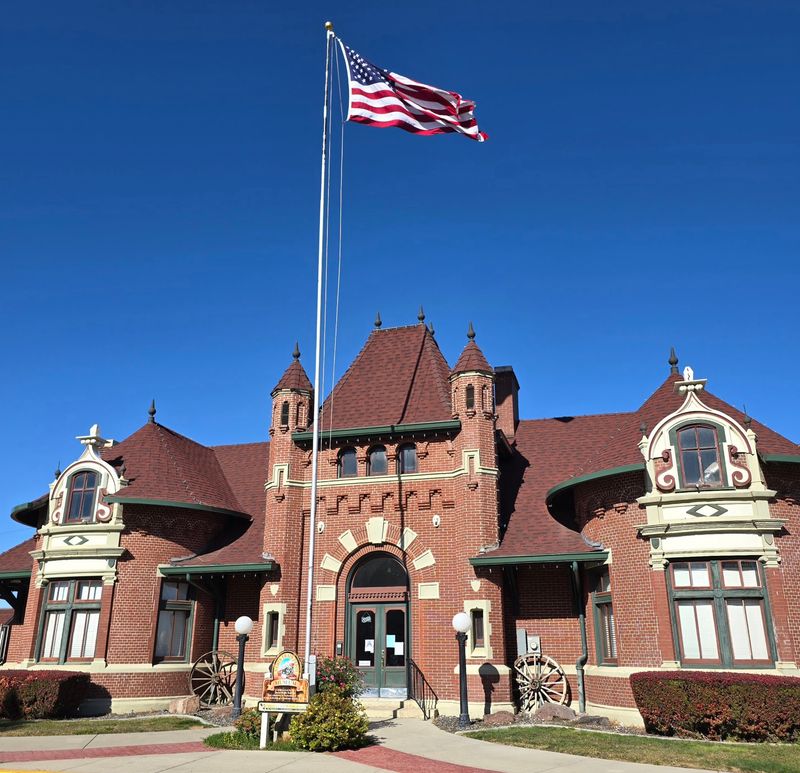
Look closely at the depot’s rooflines and trim, and you’ll notice it doesn’t match the plain wooden stations scattered across the West. Curves, arches, and ornamental flourishes give it a personality all its own.
The design blends Romanesque, Renaissance, and Baroque touches, though the neo-Baroque style dominates. Combined with red brick, pressed sandstone, and that protruding tile roof, the mix creates something believed to be one of a kind in the United States.
Craftsmanship from the turn of the century shows in every detail. Builders back then treated a railroad station as a statement of a town’s ambition, and Nampa clearly wanted travelers to know it had arrived.
Standing outside, it’s easy to imagine why passengers found the building impressive. Few small Idaho towns could claim a station this ornate, and fewer still can point to one that has survived intact.
The structure itself counts as the largest artifact in the collection. Rather than housing history, it embodies it, offering a tangible link to how design and pride shaped early Canyon County.
When Nampa Ran on Rails
Timetables once ruled daily life around this station, dictating when people came and went across the region. The depot wasn’t just a building; it was Nampa’s connection to the wider world.
As a primary stop for Union Pacific passenger trains, it linked the town to Boise, Salt Lake City, Portland, and points far beyond. Each arriving train carried new faces, new goods, and new possibilities into Canyon County.
For decades, rail travel defined the town’s rhythm and identity. Families said goodbye on the platform, workers commuted, and businesses grew up around the steady flow of passengers stepping onto the boards.
The station stayed busy handling passengers until 1927, when the building shifted into offices for railroad employees. Even then, the tracks nearby kept Nampa tied to the great web of Western rail lines.
Understanding that role helps the museum make sense. The exhibits inside aren’t random antiques; they trace how a whole community organized itself around trains, and how deeply the railroad shaped the place Nampa would become.
The Fight That Saved the Building
In 1972, this landmark stood dangerously close to being torn down. The trains no longer needed it, and an aging station without a purpose can disappear quickly.
Rather than watch it fall, a group of determined citizens formed the Canyon County Historical Society specifically to save it. Their campaign against demolition turned neighbors into preservationists almost overnight.
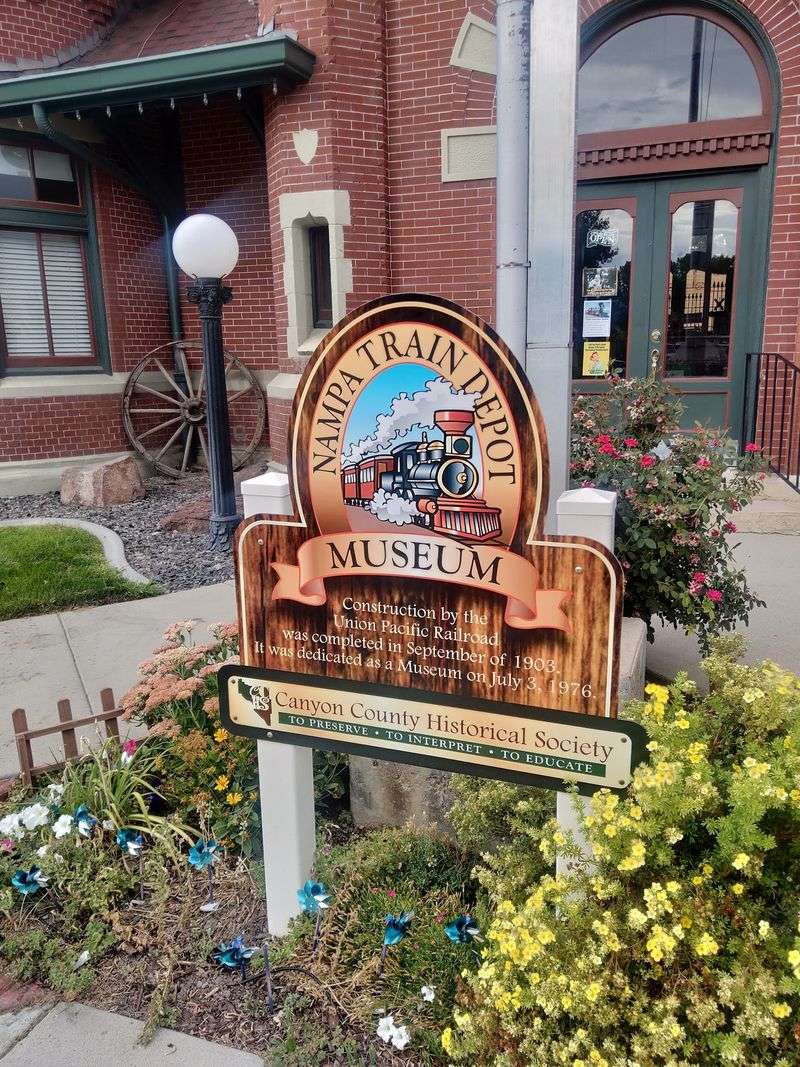
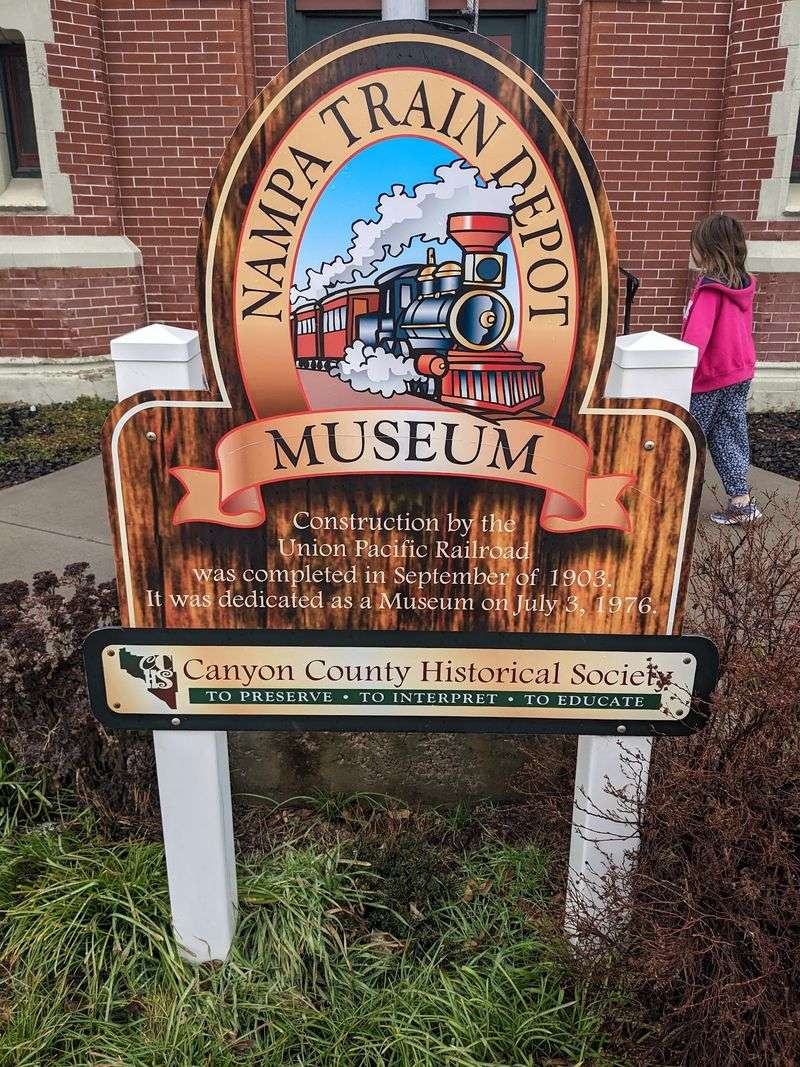
Their effort paid off when the Union Pacific Railroad donated the building to the society in 1974. Two years later, on July 3, 1976, the depot reopened as a public museum, giving the old station a brand new job.
That rescue is the emotional heart of the whole place. Every exhibit exists because ordinary people refused to let a piece of their town’s story vanish into rubble.
Today the depot sits on the National Register of Historic Places, a formal acknowledgment of what those volunteers fought for. For anyone who grew up in the area, the building stands as proof that persistence can outlast a wrecking crew and keep local memory standing tall.
Stepping Into a Station Frozen in Time
Cross the threshold and the century seems to peel back. Wooden benches sit where waiting passengers once shifted nervously, watching the clock for their train.
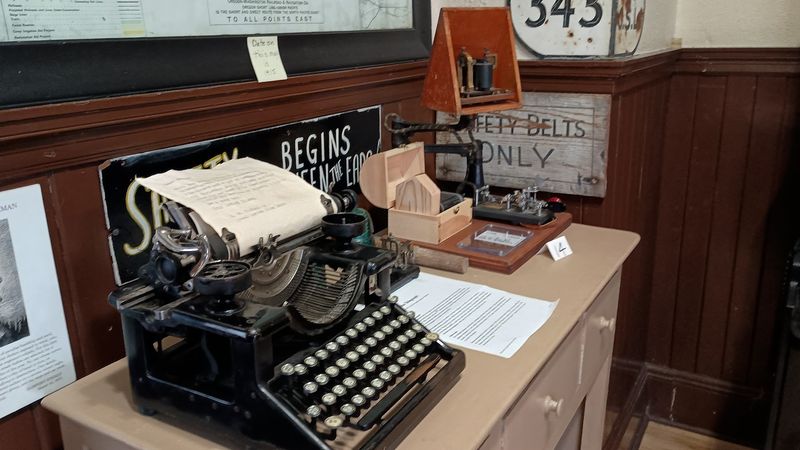
Arched windows still let in light the same way they did in 1903, and remnants of the old telegraph office remind you how messages traveled before phones existed. Historic signage hangs where it always did, guiding an imaginary crowd toward departing trains.
Visitors often mention how the interior keeps its original character rather than feeling scrubbed and modernized. The building’s bones do much of the storytelling on their own.
Because the depot itself is considered the largest artifact, every room offers a lesson in turn-of-the-century design. You can run your eyes over woodwork and details that most modern buildings simply don’t bother with anymore.
People frequently say the place turns out to be far more than they expected from the outside. What looks like a quiet old station becomes an immersive walk through Nampa’s founding, its early businesses, and the sweeping story of railroading across Canyon County.
Model Trains That Bring the Tracks Back to Life
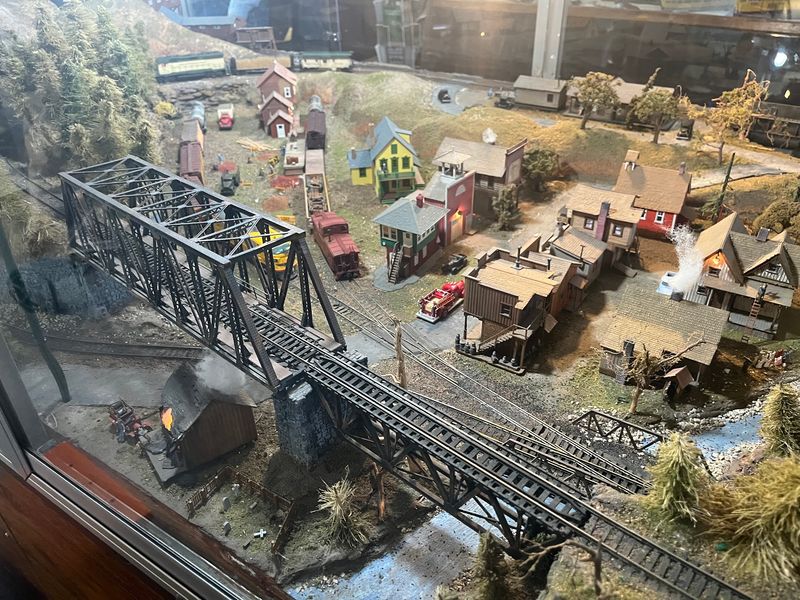
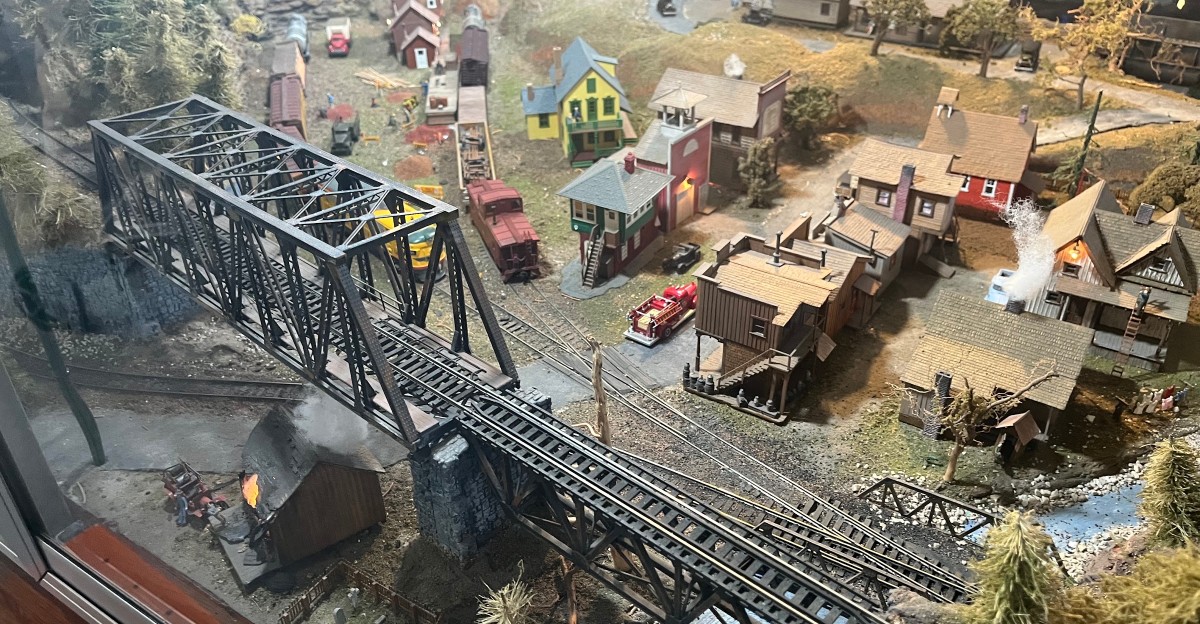
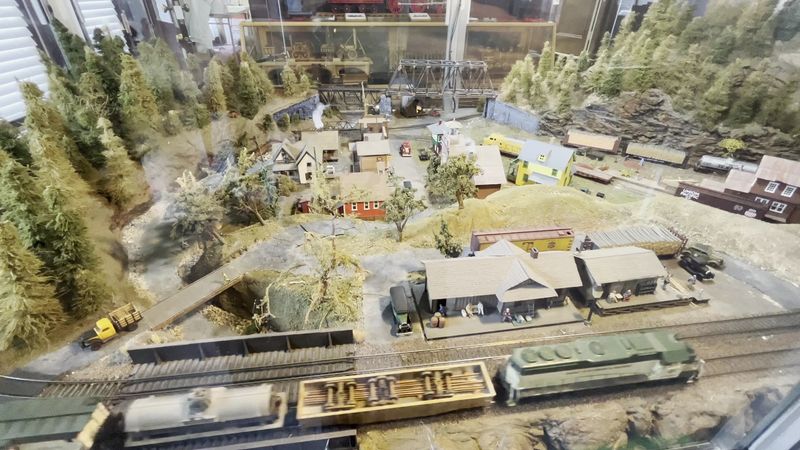
Tiny locomotives circle miniature towns inside the museum, and it’s hard to walk past without stopping. Working model train displays draw kids and adults alike into a world built at one-twelfth scale.
One elaborate exhibit recreates an Idaho mountain town, complete with detailed scenery that rewards a slow, careful look. Families report playing rounds of I Spy, hunting for hidden details tucked among the tiny buildings.
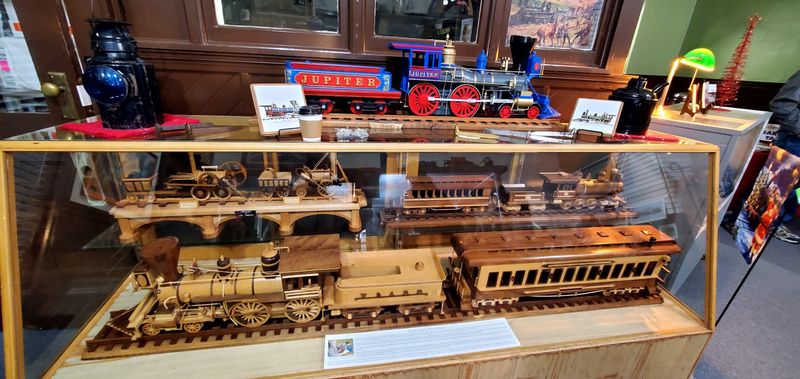
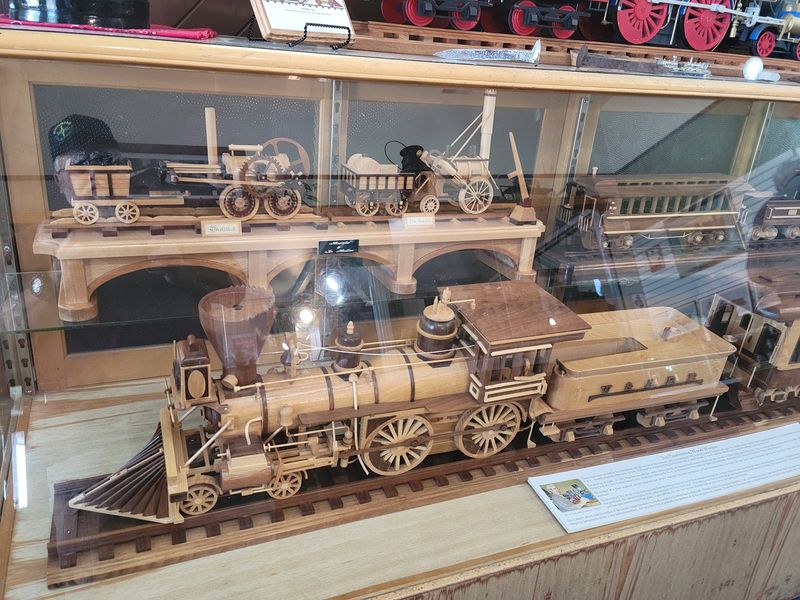
In the original Men’s Waiting Room, beautifully handcrafted wooden train models by a Nampa artist sit on display. The craftsmanship shows real patience, each piece shaped by hand rather than stamped out by machine.
The giant model train setup tends to become a favorite for younger visitors especially. There’s something hypnotic about watching a small train loop steadily through a landscape you can lean over and study.
For anyone who loved trains as a child, these displays hit a nostalgic nerve. They connect the museum’s serious railroad history to the pure fun of watching miniature engines roll down handcrafted track.
The 1942 Caboose Out Back
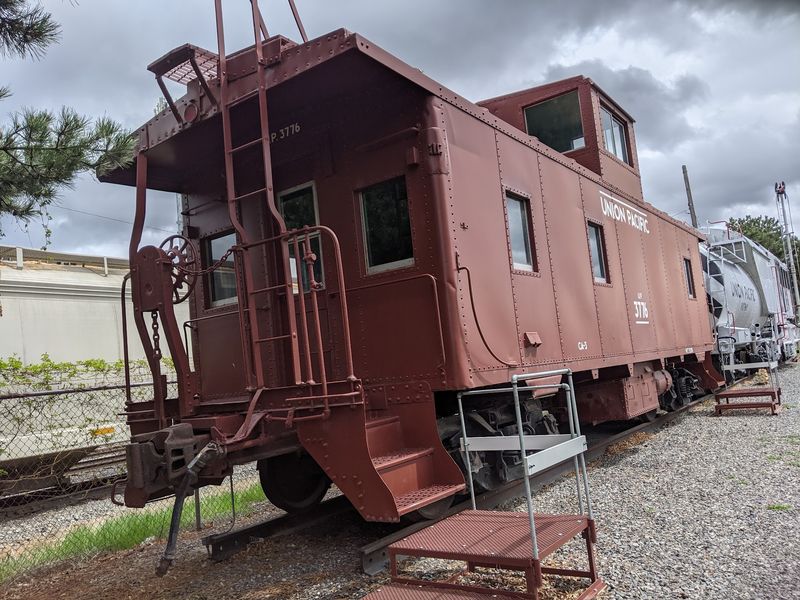
Behind the station sits a bright reward for anyone who ventures outside: a 1942 caboose you can actually climb into. It’s the kind of hands-on piece that makes history feel real.
With a guide, visitors can step inside and see how railroad crews once worked and traveled at the tail end of a train. Poking around the small space gives a surprising sense of daily life on the rails.
The caboose comes up again and again as a highlight for guests. Something about entering a genuine rail car, rather than just reading about one, sticks with people long after they leave.
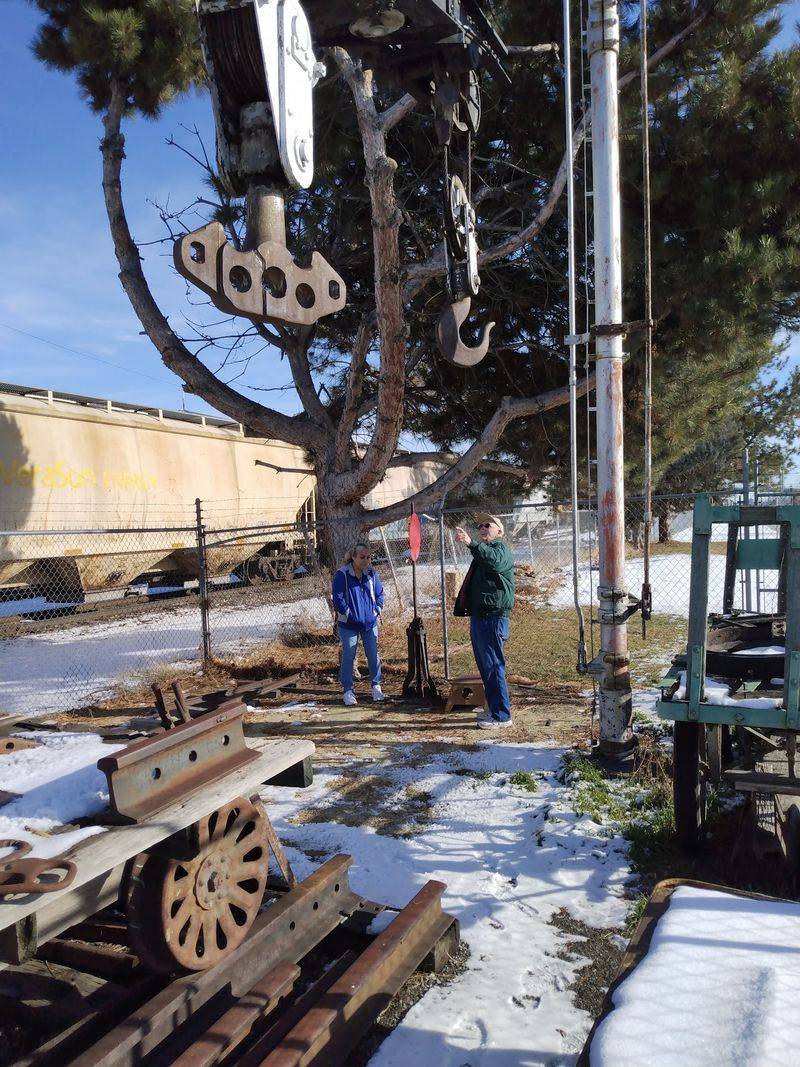
Alongside it, an old steam crane shows off the heavy-duty muscle that once handled serious lifting along the tracks. It’s a hulking reminder of the labor that kept the railroad running.
Together, the caboose and steam crane turn the museum grounds into an open-air extension of the exhibits. For train-loving kids especially, this outdoor stop often steals the show and seals the whole visit.
The Station Office Packed With Railroad Relics
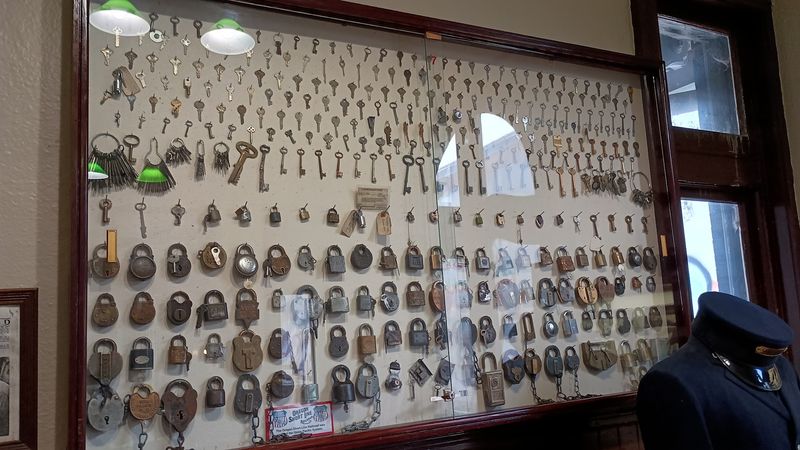
Old lanterns line the shelves of the former Station Office, their glass still glinting under museum lights. This room leans fully into its railroad heritage.
Antique office machines share space with a large assortment of locks and keys, the kind of everyday tools that once kept a busy station organized. Each item hints at the paperwork and precision that ran behind the scenes.
Wandering through, you get a sense of how much detail a working depot demanded. Nothing here is flashy, but the collection quietly explains how rail operations actually functioned day to day.
Guests who love old tools and equipment tend to linger longest in spaces like this. The lanterns and gadgets carry a workmanlike charm that photos rarely capture.
Because volunteers gathered so much of this material through donations, the room feels personal rather than generic. These aren’t props ordered from a catalog; they’re pieces of Canyon County’s railroad past, saved and arranged by people who cared enough to keep them together for the next curious visitor.
A Surprising Mix of Everyday History
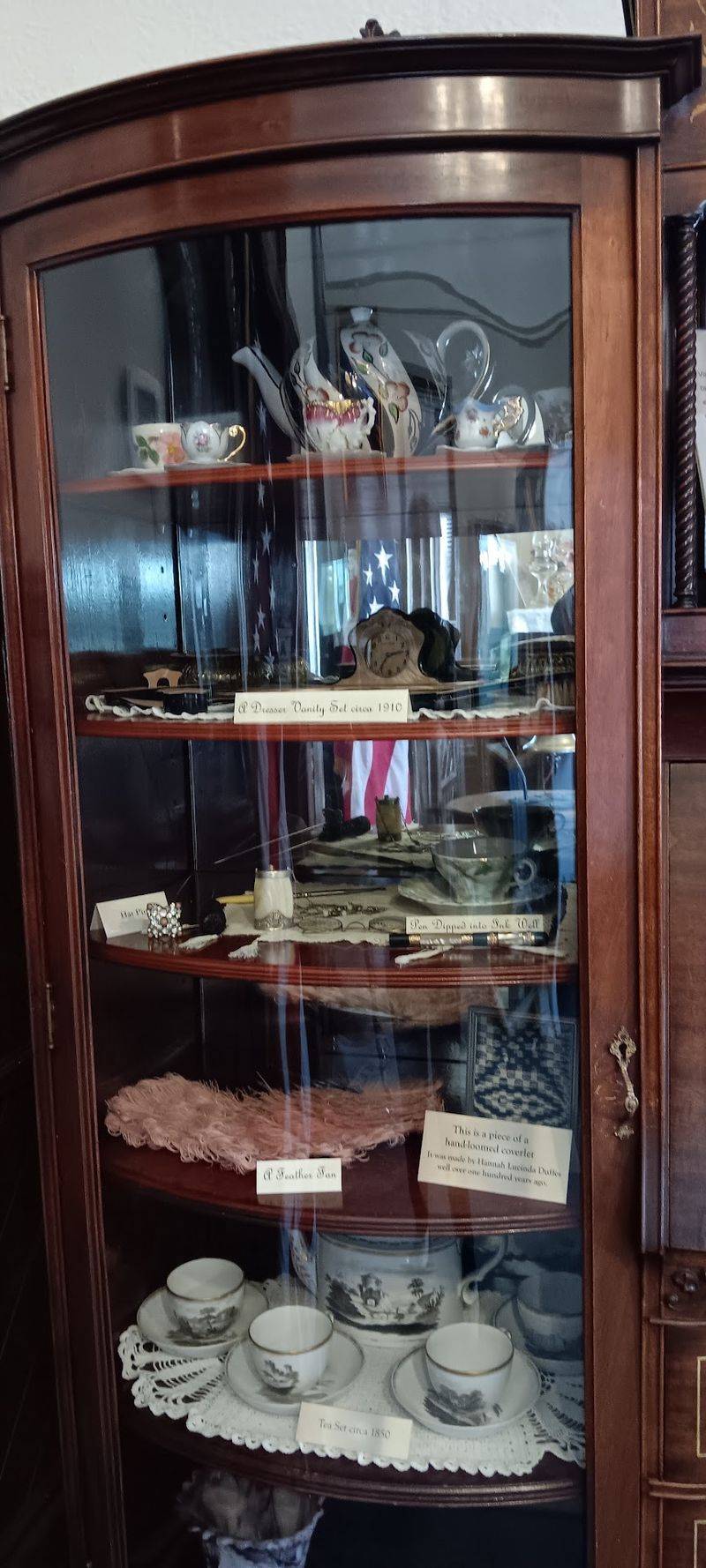
Not everything inside relates to trains, and that’s part of the fun. Antique schoolhouse items sit near old farming tools, painting a picture of daily life across early Canyon County.
Vintage dolls, rodeo artifacts, and even a collection of mustache cups round out the eclectic mix. It’s the sort of assortment that makes you slow down and wonder about the people who once used each object.
Visitors regularly say the museum turns out to be far broader than they anticipated. Displays of old tools, stagecoaches, and wagons tend to impress guests who arrived expecting only railroad memorabilia.
Rotating exhibits in the Ladies Waiting Room add educational and civic displays that change over time. That means repeat visitors can find something new rather than the exact same rooms twice.
This variety reflects how a small-town museum works. Locals donated pieces of their own family history, and the result is a layered portrait of Nampa’s founding years, its schools, its farms, and the ordinary lives that filled the decades between them.
Edison Inventions and a Palace Hotel Replica
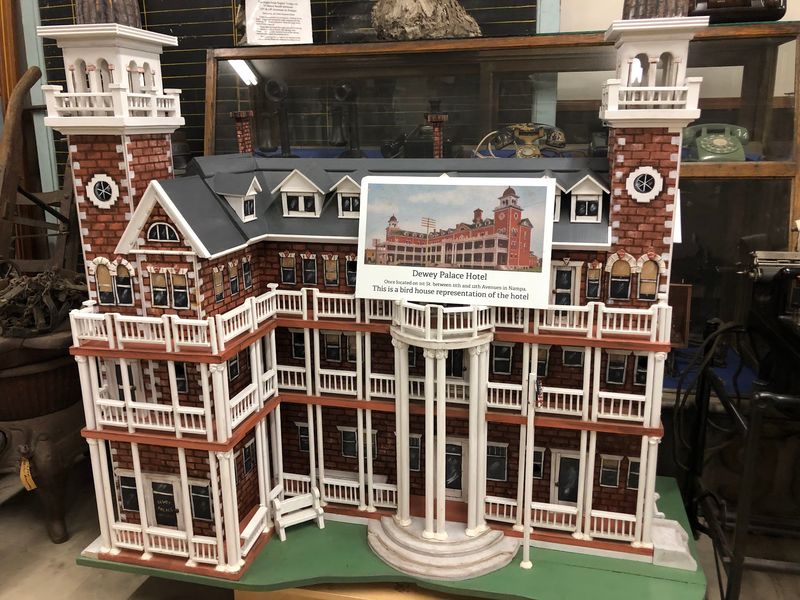
An early gramophone and some of Thomas Edison’s original light bulbs sit among the displays, a reminder that Nampa’s story brushed up against the wider age of invention. These pieces feel almost startling in a small depot museum.
Nearby, a replica of the grand Dewey Palace Hotel recreates a lost piece of local grandeur. The hotel once stood as a symbol of Nampa’s early ambitions, and the model keeps its memory alive.
Period-appropriate travel attire fills out the picture, showing what well-dressed passengers wore when boarding a train more than a century ago. The clothing helps visitors imagine the era rather than just read about it.
Movie buffs get a treat too. Memorabilia from the film Bronco Billy, partly shot in Southwest Idaho, connects the region to Hollywood history in an unexpected way.
These varied exhibits show how one modest building can hold surprisingly wide horizons. From electric pioneers to vanished hotels to a movie set, the museum keeps rewarding curiosity around every corner.
Volunteers Who Bring the Stories Alive
Ask a question here, and you’ll likely get a story in return. The people staffing this museum aren’t paid employees; they’re volunteers who genuinely love the place.
Guests consistently praise how knowledgeable and friendly the docents are, describing folks who enjoy sharing the history behind each exhibit. One volunteer named Jay even earned a shout-out for making a family’s visit far better than expected.
Because the docents guide the caboose, steam crane, and even a jail cell tour, the experience feels personal rather than self-guided. You’re walking through history with someone who knows its backstory.
Children in particular seem to soak up the attention. Hands-on activities, from tapping out telegraph messages to spotting details in the model train town, keep young visitors engaged instead of bored.
That human touch is what many people remember most. It’s touching to realize that so many locals donate their time and their family artifacts to keep this little station’s history intact.
The volunteers turn a collection of objects into a warm, living conversation about Nampa’s past.
An Easy, Kid-Friendly Stop for the Whole Family
Families with restless kids will appreciate how manageable this museum feels. It doesn’t take all day, yet there’s plenty to hold a child’s attention.
Little hands-on activities scatter throughout the rooms, from communicating by telegraph to climbing into a real caboose. One family recalled learning about trains, travel, and communication from a hundred years ago, then leaving eager to come back.
The scale works in its favor. Small enough to explore comfortably, big enough to fill an afternoon, the depot suits both curious kids and history-minded adults without overwhelming anyone.
Guests often describe it as an easy, fun stop that pairs well with exploring the rest of Nampa. It’s the kind of place you tuck into a weekend day-trip through the Treasure Valley.
People interested in local culture, railroad history, or just old-fashioned Idaho charm tend to walk away pleased. Whether you grew up nearby or you’re passing through Canyon County, the museum offers a low-key payoff that lands especially well with families chasing an affordable, engaging outing.
Planning Your Visit to Front Street
You’ll find the museum at 1200 Front Street in Nampa, right where the old rail line once ran through the heart of Canyon County. Getting there is simple, tucked into the historic core of town.
Keep in mind that the doors open mainly on weekends, with limited hours toward the end of the week. Because the schedule is narrow, it’s smart to check ahead before making the drive so you don’t arrive to a locked door.
Since dedicated volunteers run everything, hours can hinge on their availability. A quick look at the current schedule saves disappointment and helps you time your stop.
Admission stays gentle on the wallet, running on a recommended-donation basis with free entry for members and young children. Those contributions matter more than usual here.
The Canyon County Historical Society receives no support from the City of Nampa, relying entirely on memberships and donations to keep the depot open. Every dollar dropped in the box helps preserve a landmark that generations of locals fought to save.
Why This Old Depot Still Matters
Stand across the street at the end of your visit and the building takes on a different weight. What began as a rescue project in the 1970s has become a genuine keeper of Nampa’s identity.
The depot tells a story bigger than trains. It shows how a town organized itself around the railroad, then reinvented that same building when the trains no longer needed it.
For Idahoans with roots in the area, the place offers a chance to confirm a piece of shared memory. For day-trippers, it delivers a quiet surprise, far richer inside than its brick exterior suggests.
Guests routinely leave saying it was well worth the stop and that they intend to return. That kind of loyalty says a lot about a museum run purely on volunteer heart.
If you’re mapping out an afternoon in the Treasure Valley, this converted station earns a spot on the list. Few places let you walk straight through a century of local history and feel it under your feet the way this one does.