This California Country Store Has Barrels Of Candy And Aisles Of Old-Fashioned Treats
Some stores are built for getting in, grabbing what you need, and getting out.
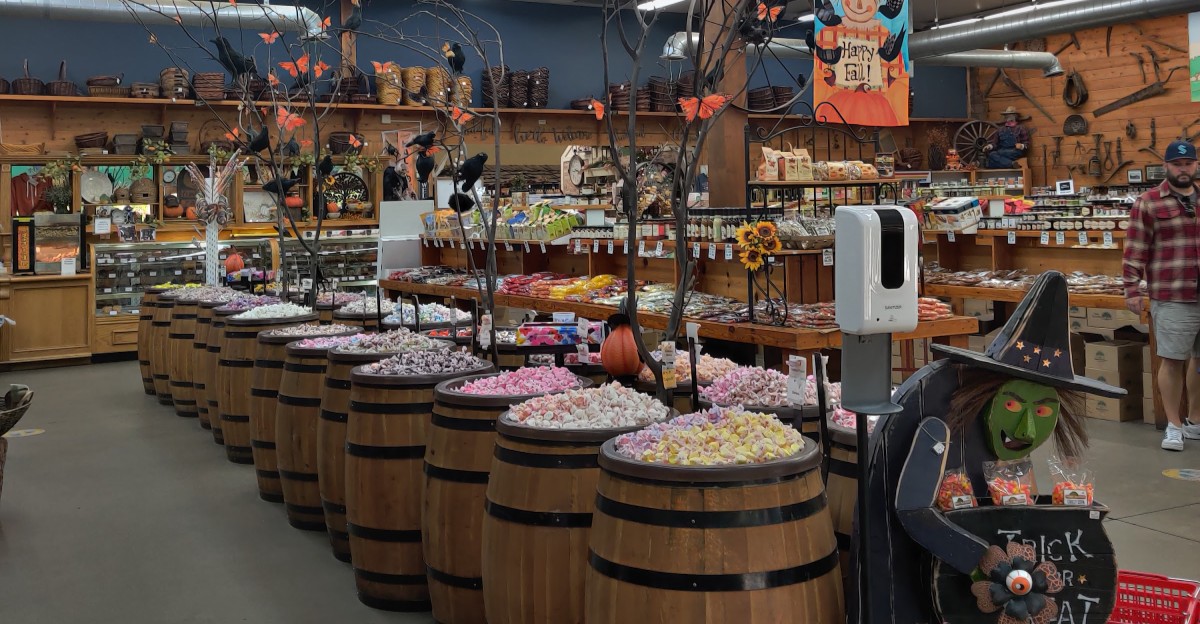
A country store packed with candy barrels and old-fashioned treats has absolutely no interest in helping you stay that disciplined.
The fun begins once you start browsing. Familiar sweets bring back memories, unusual finds invite a closer look, and you are considering snacks you have not thought about since childhood.
A few scoops from a candy barrel can make modern California feel wonderfully old-fashioned for a minute.
That nostalgic pull is a big part of the appeal.
There is something much more satisfying about wandering aisles and discovering a forgotten favorite than simply adding another snack to an online cart.
Of course, nostalgia can become a convenient excuse once the basket starts filling up.
Country-store logic works a little differently, and your sweet tooth will understand perfectly.
Barrels Of Salt Water Taffy Near The Entrance
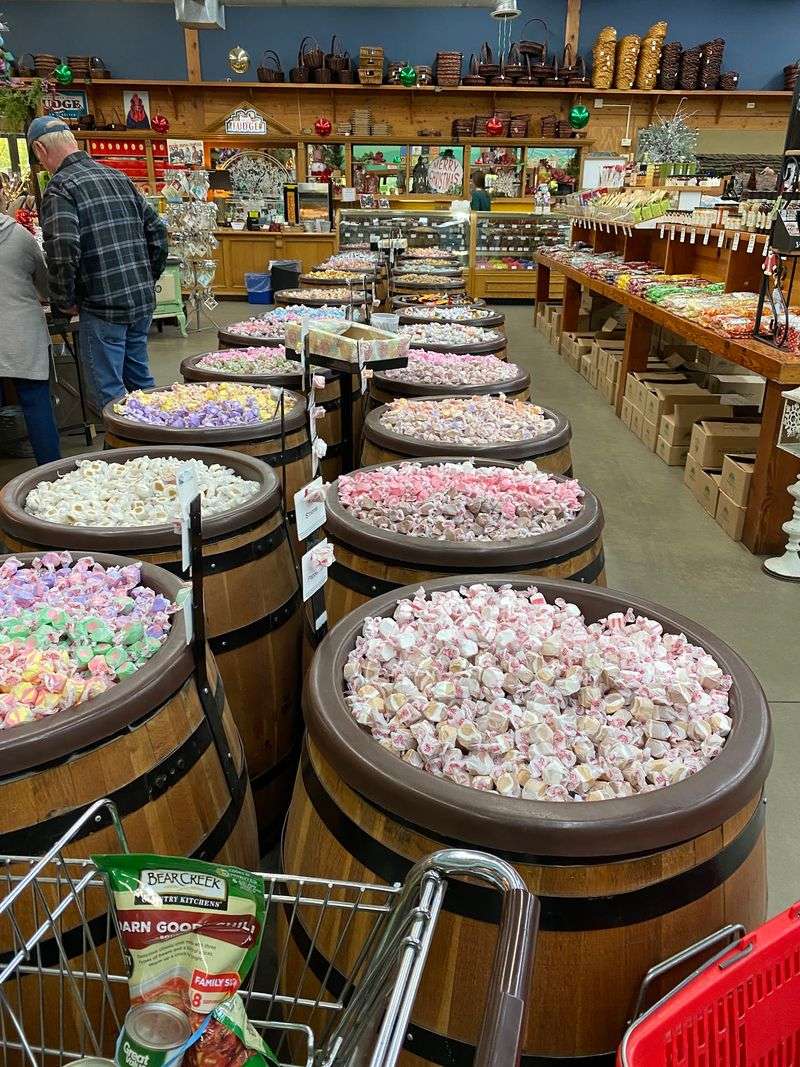
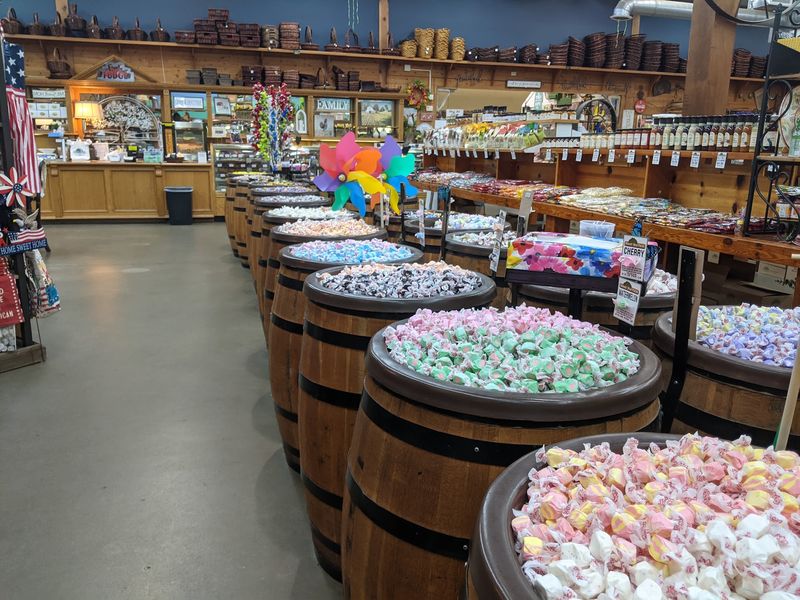
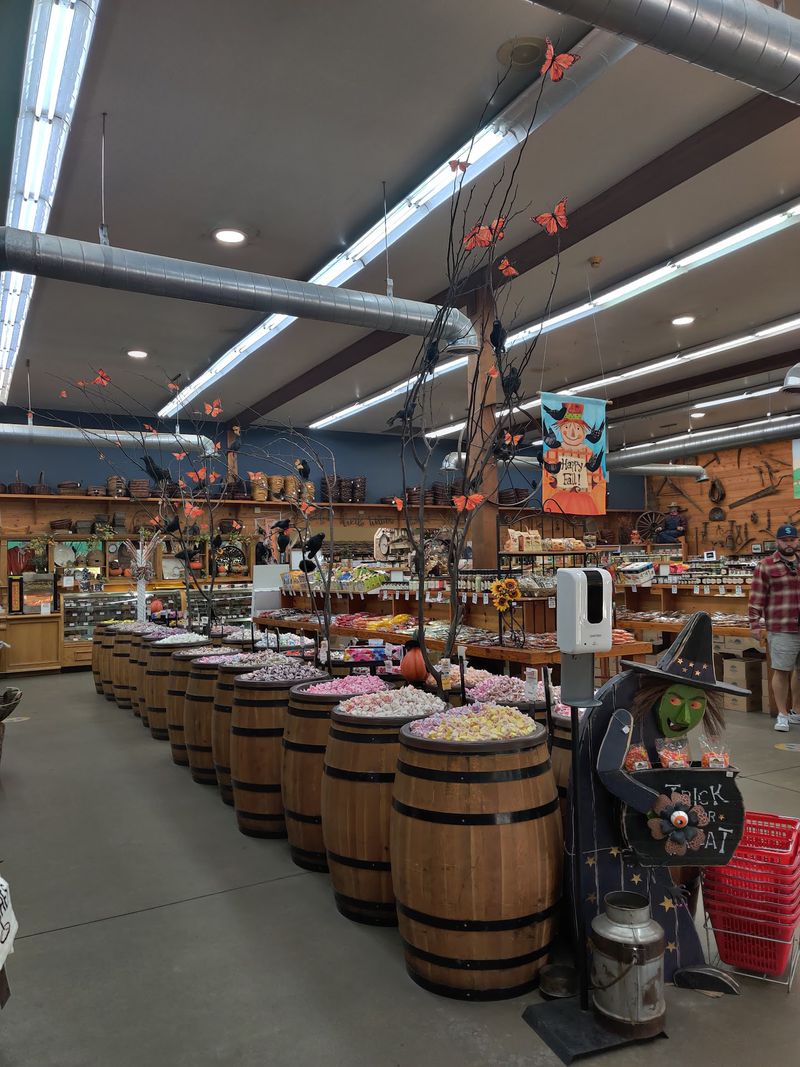
Right behind the door, big wooden barrels hold salt water taffy in a jumble of bright wrappers. The pieces are loose, so shoppers scoop what they want and mix flavors however they like.
Kids usually reach the barrels first, and the sound of crinkling paper follows them through the rest of the store.
Loose candy sold by weight makes it easy to try a small handful instead of committing to a full bag.
A few pieces of each color cost very little, which turns the barrels into a low-pressure way to sample something new.
The taffy sits close to the front counter, so it is simple to grab a bag on the way out if the rest of the store fills up the basket first.
Shoppers who visit on a weekday morning often have the barrels mostly to themselves.
Weekend afternoons bring more people, and the aisle near the entrance can get tight when families cluster around the candy.
Bringing a small tote helps, since taffy bags tend to multiply once everyone starts picking favorites.
Flavors rotate based on what is stocked, so the selection is not identical from one trip to the next.
A Candy Counter That Stretches More Than 25 Feet
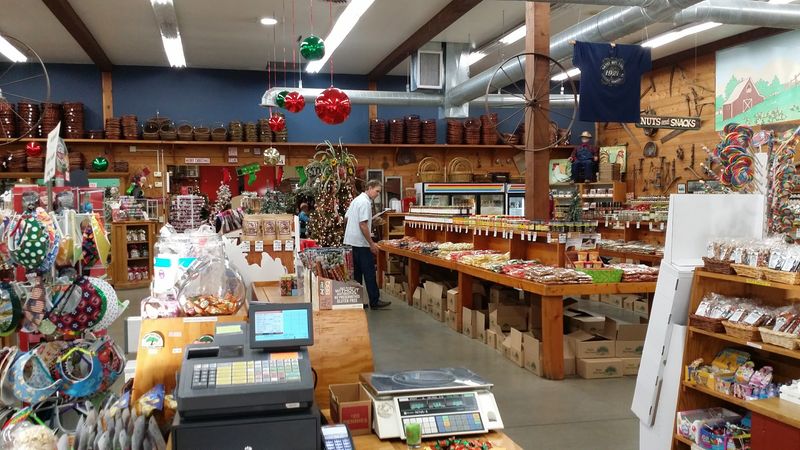
Few places still keep a candy counter this long, and walking its full length takes a minute or two if you actually look.
Glass cases run more than 25 feet and hold chocolates, truffles, assorted candies, and a sugar-free section for anyone watching their sugar intake.
The display is arranged so each tray is visible from standing height, which means children can see almost everything without being lifted up.
Shopping here works best when there is no rush.
Deciding takes time, and the people behind the counter are used to questions about what is inside a particular truffle or whether a candy contains nuts.
Asking is encouraged, and it saves guesswork for anyone with allergies.
Small boxes and bags are available, so a purchase can be as modest as a few pieces or as large as a gift assortment.
The sugar-free options sit in their own section rather than being mixed in, which makes them easier to find.
Lighting inside the cases is bright enough to see detail, though the rest of the store keeps a softer, warmer feel.
Homemade Fudge Made On Site
Fudge gets made on the property, and the trays behind the glass show it in thick, uneven slabs rather than tidy factory squares.
Samples are often offered while shoppers browse, which is a friendly touch that also helps with picking a flavor. The texture leans dense and soft, the kind that softens quickly in a warm car.
Buying a small piece first is a reasonable approach, especially if several people want different flavors.
Fudge is sold by weight, so portions can be adjusted rather than locked into set sizes.
Wrapping keeps it fresh for the drive home, though shade in the car helps on hot Valley Center afternoons. Plenty of return visitors treat fudge as the one thing they never skip.
It pairs oddly well with the roasted nuts sold a few steps away, since one is rich and the other is salty. Both travel well as small gifts for neighbors or coworkers.
Prices reflect a made-in-house product rather than mass production, so a modest piece may cost more than supermarket candy.
Nuts Gathered From Around The World
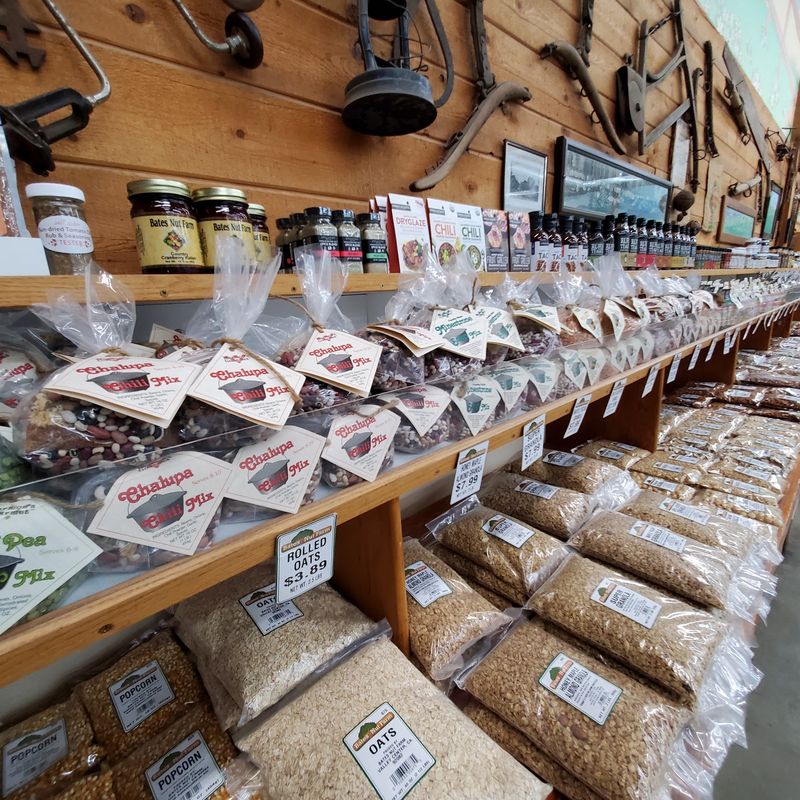
Pistachios, pecans, cashews, peanuts, pignolias, and sunflower seeds fill shelf after shelf, and that list barely covers it.
The variety is the main draw for repeat shoppers who come specifically to stock a pantry. Bags range from snack size to larger quantities meant for baking or holiday gifts.
Choices include raw, roasted, spiced, and plain, so the same nut can show up in several forms.
Comparing labels is worth a moment, since a salted version and a plain version often sit side by side.
Anyone cooking with nuts usually wants the raw option, while snackers tend to reach for the seasoned bags.
Flavored varieties such as chili lime style seasonings appear among the offerings, and taste preferences vary widely on those.
Starting with a smaller bag of an unfamiliar flavor is a sensible way to test it before buying more. The plain roasted options are the safest bet for a mixed group.
Shelving is organized by type, which keeps browsing manageable even when the store gets busy.
Shelves Of Dried Fruit For Old-School Snacking
Tucked among the nuts and candy, the dried fruit section quietly holds its own.
Raisins, apricots, and mango slices share space with mixed blends that include peaches, apples, pears, and prunes.
The colors alone make the shelf worth a look, deep orange next to pale gold and dark purple.
Dried fruit works as a practical purchase rather than just a treat.
It packs easily for road trips, keeps well without refrigeration, and mixes into oatmeal, baking, or trail mix without much effort.
Families with kids often find it an easier sell than a bag of candy.
Combining dried fruit with nuts from the next aisle makes a homemade trail mix that costs less than prepackaged versions.
Choosing unsweetened varieties keeps the sugar lower, and labels indicate which ones have added sugar.
Mixed blends offer the most variety for a single bag.
Portion sizes vary, so checking the weight helps when comparing value between options.
Smaller bags suit a one-time snack, while larger ones make more sense for regular use at home.
Anyone planning a picnic on the grounds may find dried fruit the most travel-friendly item in the store, since it will not melt in the sun the way chocolate or fudge can.
Boxed Chocolates And Specialty Foods
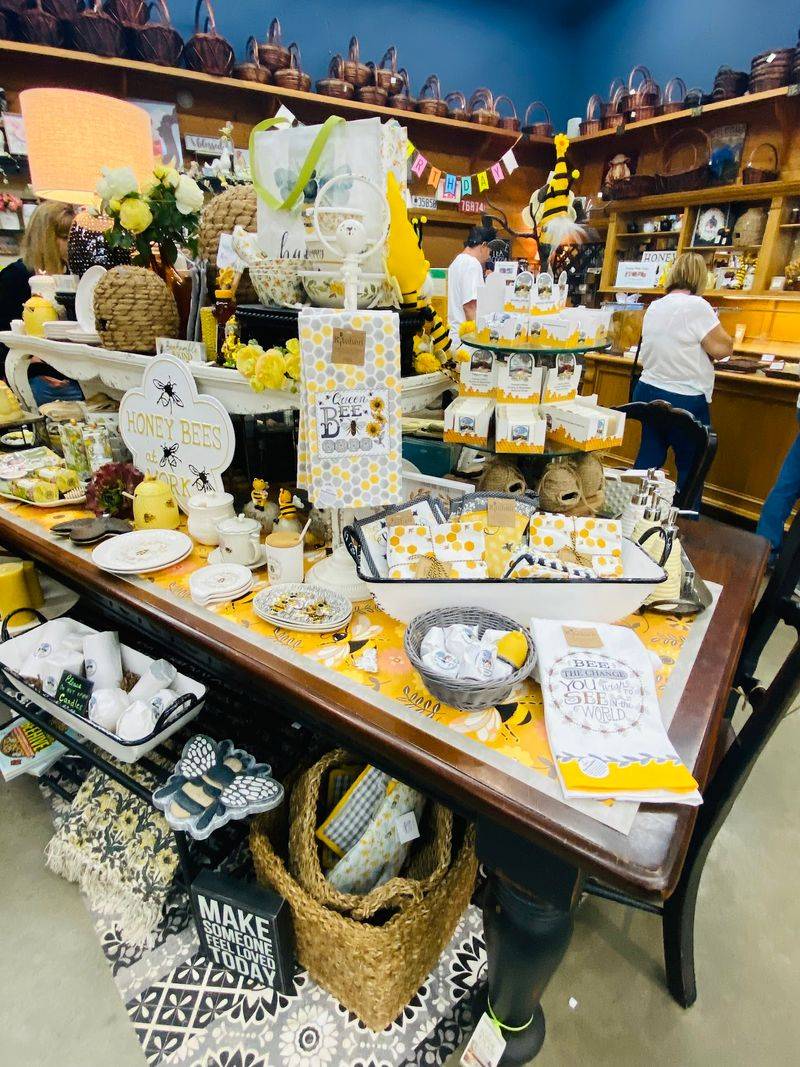
Calling it a nut shop undersells what fills the rest of the shelves. Boxed chocolates, assorted candies, honey, preserves, coffees, and teas share the space with the roasted nuts.
Home goods, signs, kitchen towels, soaps, and lotions turn up in the mix as well. Gift shopping works well here because so many categories sit under one roof.
A single stop can cover a host gift, a birthday box, and something small for a coworker. Assembling a mixed basket of nuts, fudge, and honey is a common approach.
The specialty food section rewards slow browsing.
Labels are worth reading since flavors and producers vary, and some items are seasonal rather than year-round.
Stock changes, so an item found once might not return on the next trip.
Aisles get narrow when the store is busy, particularly during autumn weekends. Leaving strollers near the entrance or shopping in shifts makes movement easier for everyone.
Baskets are available near the front for anyone collecting more than a handful of items.
Budget-minded shoppers should know that specialty and small-batch goods generally cost more than supermarket equivalents, which is typical for this kind of store.
Antique Farm Tools Along The Walls
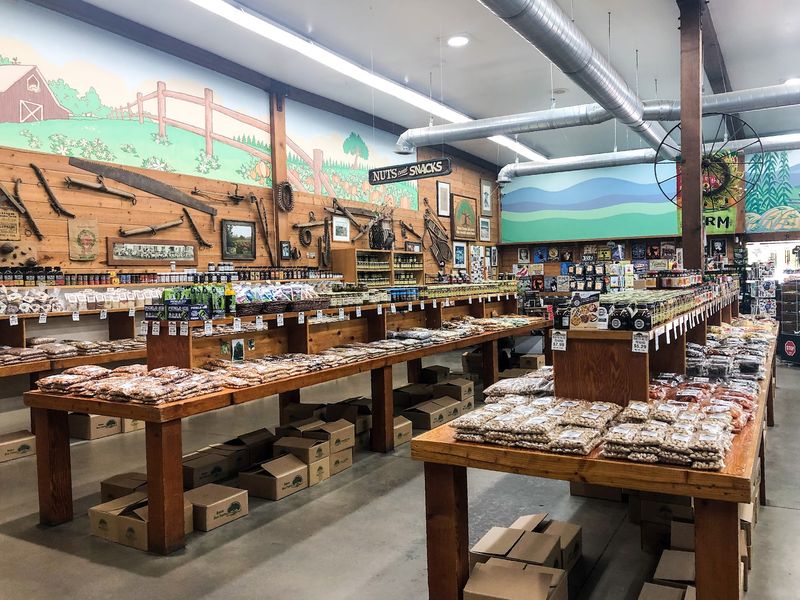
Look up while browsing and the walls turn into something closer to a display case.
Antique farm tools and old equipment hang throughout the retail space, mounted where shelves leave room.
Hand implements, worn wooden handles, and iron pieces give the store its country character. The pieces are not labeled like museum exhibits, which keeps the effect casual.
Children often notice them before adults do, especially the larger or stranger-looking tools.
Pointing out what a tool might have been used for makes for an easy conversation while waiting at the candy counter.
Lighting inside leans warm rather than bright, so the wood and metal read as aged rather than polished.
The overall feeling is lived-in, not decorated.
Photos work reasonably well indoors, though the mix of window light and overhead fixtures can be tricky.
Standing near the front windows usually gives better results than shooting toward the back wall. Being mindful of other shoppers in narrow aisles is appreciated.
Anyone who enjoys vintage objects should budget a few extra minutes just to look around rather than heading straight for the register.
The Farm Zoo And Its Residents
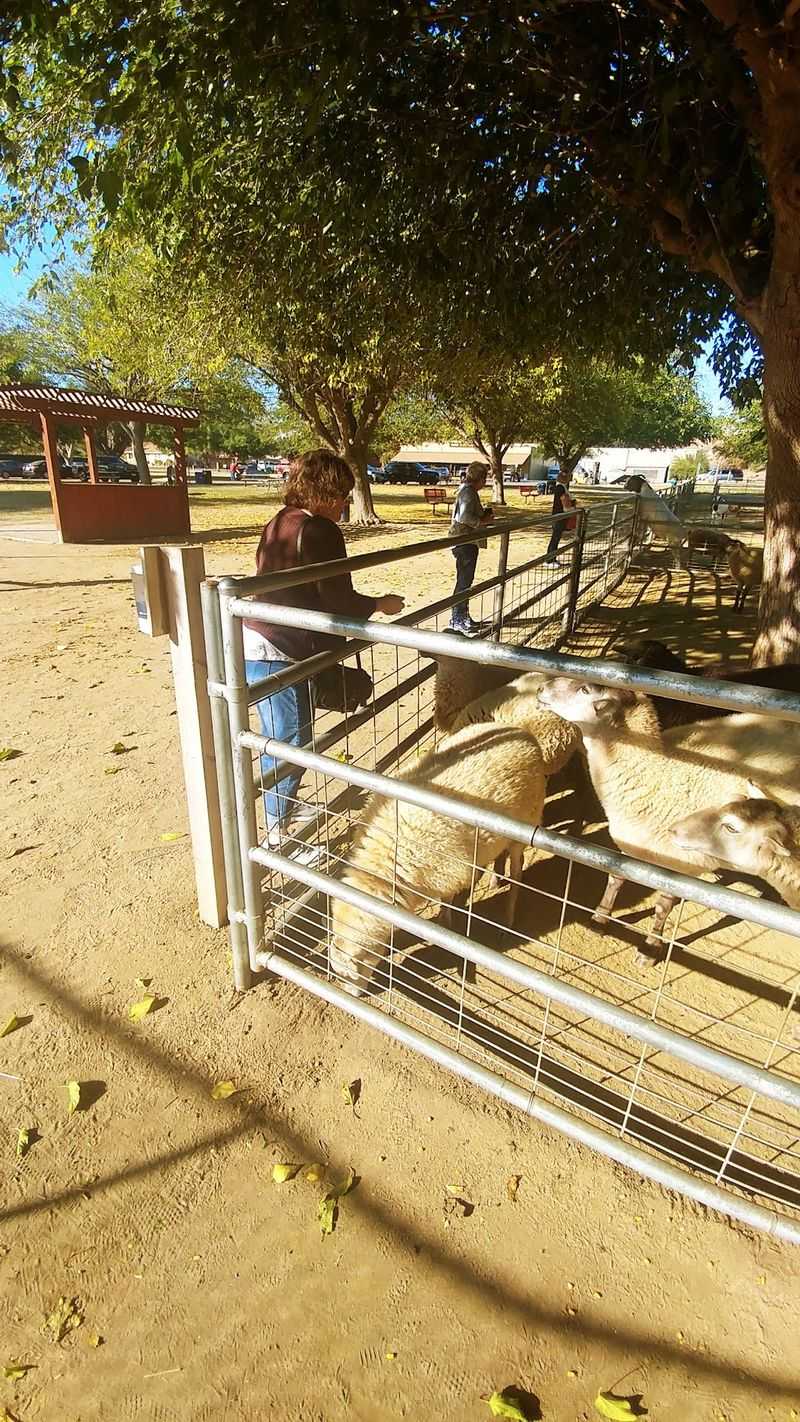
Just beside this California store, a small farm zoo holds a surprising range of animals for its size.
Alpacas, goats, sheep, mini donkeys, geese, ducks, chickens, an emu, and a tortoise all live here. The enclosures sit close to the walkways, so viewing does not require long distances or stairs.
Open daily from 9 a.m. to 5 p.m., the zoo fits easily into a short visit. Walking the full loop takes maybe fifteen or twenty minutes at an unhurried pace.
Paths are mostly flat, which helps for strollers and for anyone who prefers level ground.
The goats tend to be the most interactive, often crowding the fence when people approach.
Larger birds like the emu are better observed from a step back.
Supervising young children near the fences keeps everyone comfortable.
Shade varies by area, so a hat helps on warm afternoons in Valley Center. Mornings are usually quieter, and the animals may be more active before the day heats up.
Fees for certain seasonal attractions can apply, so checking current details before arriving avoids confusion.
The zoo itself is a simple, low-key stop rather than a large attraction, and setting expectations accordingly makes it more enjoyable.
The Pumpkin Patch That Draws Crowds Every Fall
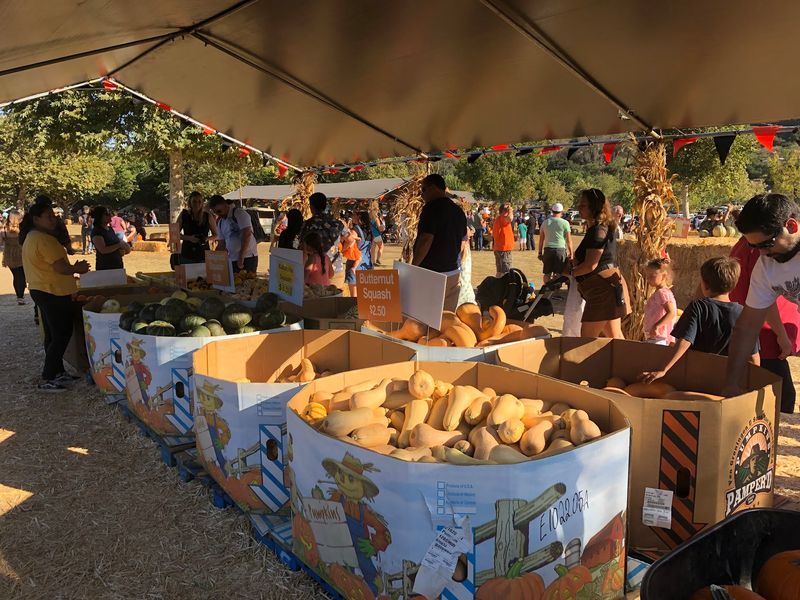
Autumn is when the property changes most dramatically.
The 2026 Pumpkin Patch runs from September 17 through October 31, filling the fields with pumpkins in a wide range of sizes and colors.
White, blue, and fairytale varieties appear alongside standard orange ones.
Daily activities during the season include tractor hayrides and a straw maze. Pony rides and a petting zoo operate every day in October.
Weekend additions often include face painting and a rock climbing wall.
Parking costs 10 dollars per vehicle on weekends during pumpkin patch season, while weekday parking remains free.
October hours may extend, with weekdays running until 5:30 p.m. and weekends from 8:30 a.m. to 6 p.m.
Checking the farm’s current schedule before driving out is the safest approach since details can change.
Crowds build significantly on weekends, especially midday. Arriving early in the season and early in the day means shorter lines and better pumpkin selection.
Comfortable shoes matter, since the fields are uneven and dusty.
Traffic on the approach road can back up during peak weekends, so allowing extra travel time prevents frustration before the visit even starts.
Getting There And Knowing The Hours
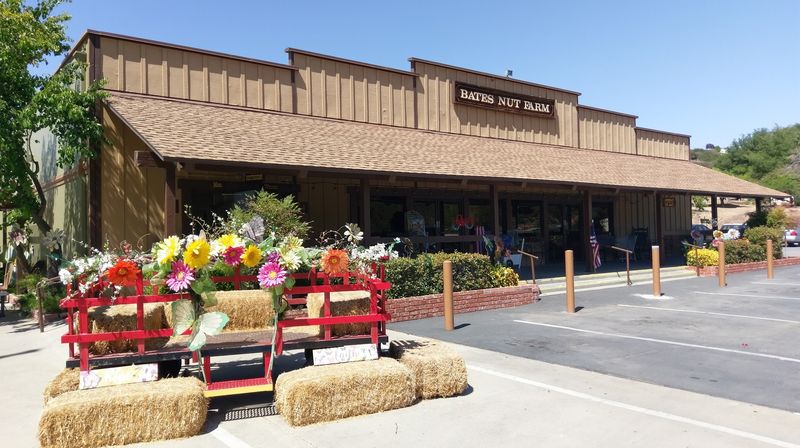
Planning a trip out here is refreshingly simple. Bates Nut Farm is located at 15954 Woods Valley Rd, Valley Center, California 92082.
Current hours run daily from 9 a.m. to 5 p.m., with extended hours possible during October.
The drive winds through rural roads, and a large oak tree greets vehicles near the entrance driveway.
Parking is generally free outside pumpkin patch weekends. The lot is sizable, though it fills during peak autumn days.
Admission to the farm is typically free throughout the year. Certain seasonal attractions and activities carry their own charges, and parking fees apply on select busy weekends.
Confirming current pricing before arriving prevents surprises, particularly for larger groups.
Weekday visits tend to be considerably calmer than weekends. Families with out-of-town guests often find a midweek morning gives the easiest experience for both shopping and seeing the animals.
Two hours covers most of the property comfortably.
Cell service in rural areas can be inconsistent, so downloading directions ahead of the drive is a reasonable precaution.