The Quiet Small Town In Colorado Where Time Slows Down And Life Feels Lighter
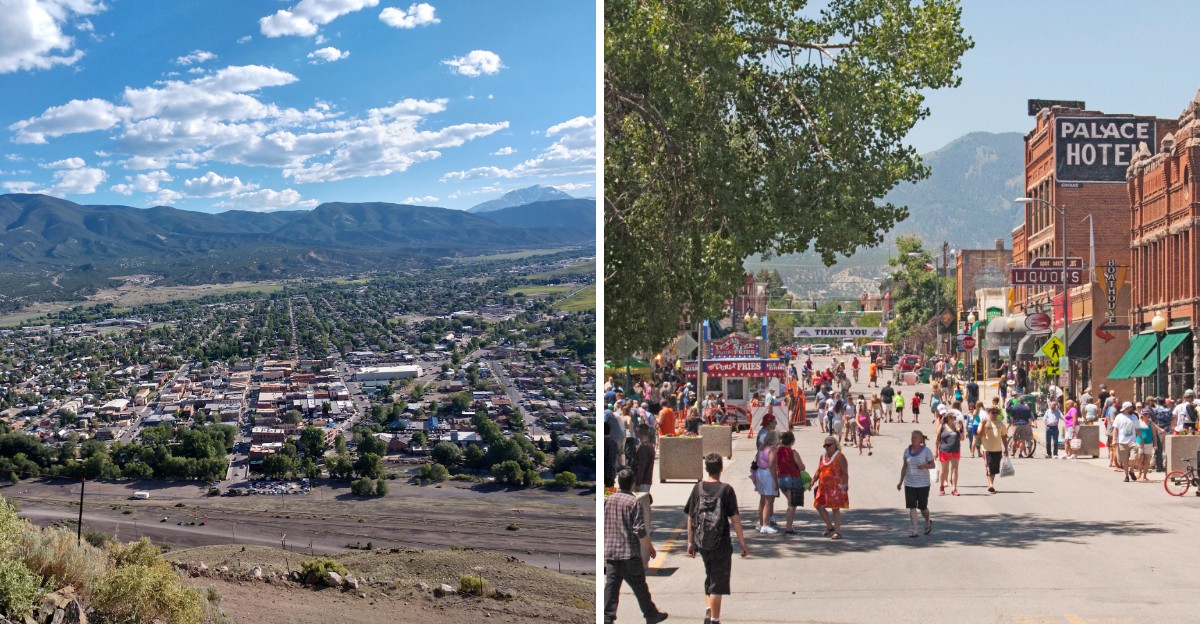
You will notice the mountain first. There is a giant letter S on the hillside above town, and somebody lights it up at night.
It sits where the Arkansas River is still young and in a hurry. The town is not.
People float through the middle of it on rafts while everyone else drinks coffee on a patio and watches them go by.
Downtown is full of brick buildings from the 1880s that nobody ever got around to tearing down. Now they hold galleries, bookstores, and a brewery or two.
There is a hot springs pool where you can soak off whatever the day did to you.
Fourteen thousand foot peaks sit on the horizon in almost every direction. You will stop noticing them by day three, which is how you know the place is working on you.
Nobody here is in a rush. Give it a weekend and you will stop rushing too.
A Mountain Town With The Rockies For A Backyard
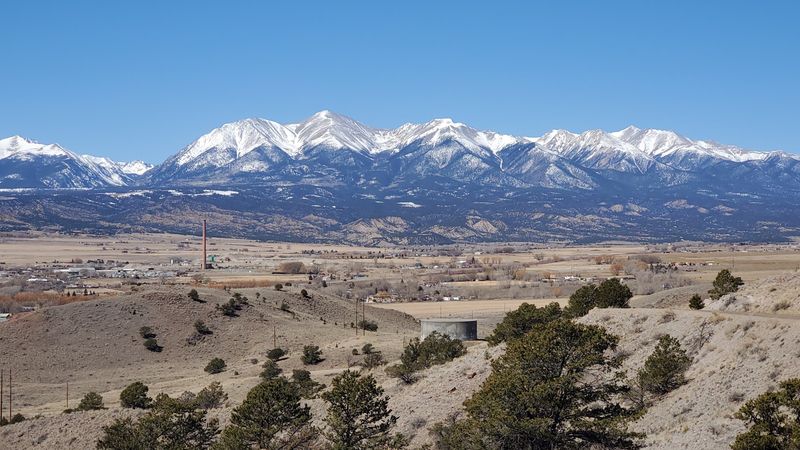
Geography did Salida a serious favor. The town sits at the foot of the Central Rockies, on the western bank of the Arkansas River, in Chaffee County.
Big peaks rise in nearly every direction. That means your morning coffee comes with a skyline most cities pay architects to imitate.
Around 5,666 people call it home, according to the 2020 census. Small enough that faces repeat, large enough that there is always something open and something happening.
Elevation matters here too. Salida sits high, so the air feels crisp and the light has a clean, sharp quality photographers chase.
The mountains also set the pace. When you are surrounded by things that took millions of years to form, hurrying starts to feel a little silly.
Locals often say time is measured differently in town. Not slower in a sleepy way, just slower in a way that lets you notice things.
Getting around is refreshingly simple. Most of what you want sits within a few walkable blocks, so the car can rest.
Plan for weather swings, since mountain towns change moods quickly. Pack a jacket, even in summer, and you will thank yourself by evening.
Salida makes a strong case that geography really can shape a mood.
Victorian Brick That Never Got Torn Down
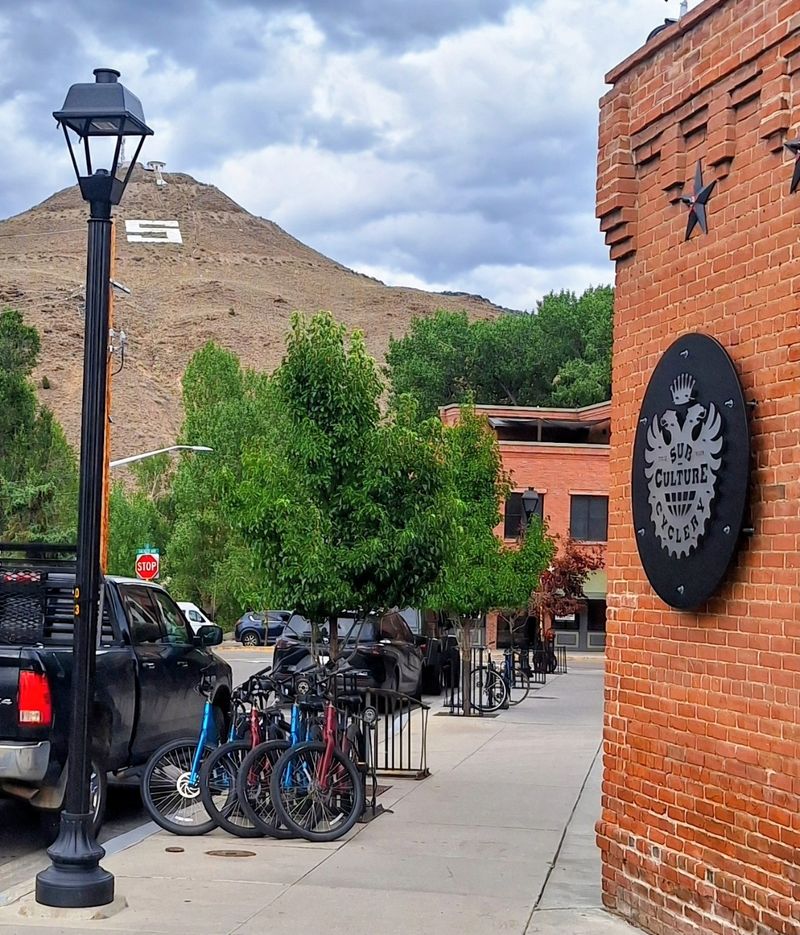
Here is a fact worth bragging about. Downtown Salida holds Colorado’s largest National Historic District, and it is not a plaque on a single wall.
Entire blocks of Victorian-era buildings survived, many dating to the late 1800s. Ornate trim, colorful facades, and brickwork that has watched more than a century pass by.
Walking these streets feels closer to reading than sightseeing. Each storefront carries some quiet record of who built it and why.
What makes the district special is that it stayed useful. Those old buildings hold shops, galleries, and restaurants rather than sitting empty as museum pieces.
Look up while you stroll. Cornices, dates carved into stone, and faded signage live above eye level, where most visitors forget to check.
The scale helps too. Buildings here are two or three stories, so the sky stays visible and the street feels friendly.
Photographers tend to love the late afternoon. Low light hits the brick and the whole block warms up to a soft orange glow.
Preservation like this takes stubborn people who refused to trade character for convenience. Salida got lucky, and you get to enjoy the result.
Give yourself an hour with no destination. The district rewards wandering far more than checklists.
Colorado’s First Certified Creative District
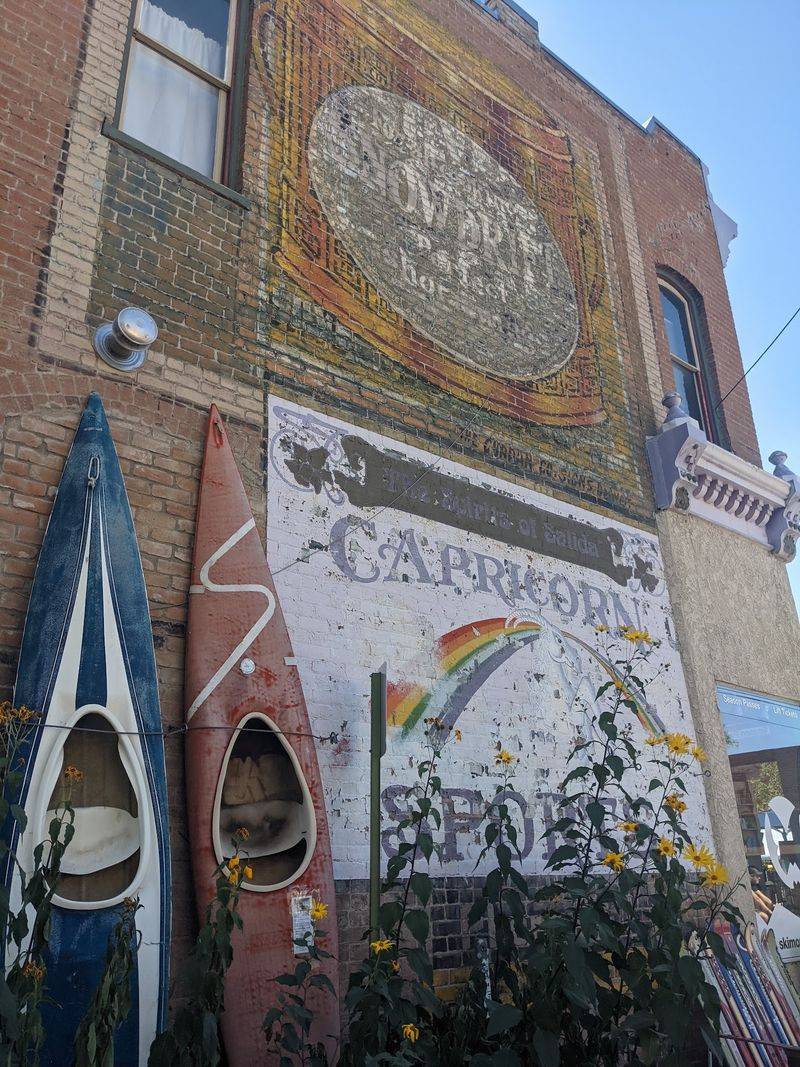
Art here is not an afterthought. Salida holds the title of Colorado’s first and largest state-certified creative district, which is a mouthful and a real distinction.
Dozens of studios, galleries, and cultural spaces sit within a few walkable blocks. You can see fine art, sculpture, ceramics, and handmade jewelry without ever moving your car.
The mix keeps things interesting. Some spaces lean traditional, others push into bolder work that surprises first-time visitors.
Art also spills outdoors. Murals and public pieces show up on buildings and corners, turning an ordinary walk into a small scavenger hunt.
Many working artists live in town rather than just selling here. That means conversations with makers happen naturally when studio doors are open.
Bring cash or a card and an open mind. Smaller pieces like ceramics and jewelry travel home easily and cost less than you might expect.
A practical tip: start at one end of the main downtown stretch and work your way back. Galleries cluster tightly, so backtracking wastes good daylight.
Why does a town this size support so much creativity? Cheap old buildings, striking scenery, and a community that shows up for its artists.
The creative energy is easily Salida’s most underrated feature.
The Arkansas River Runs Right Through It
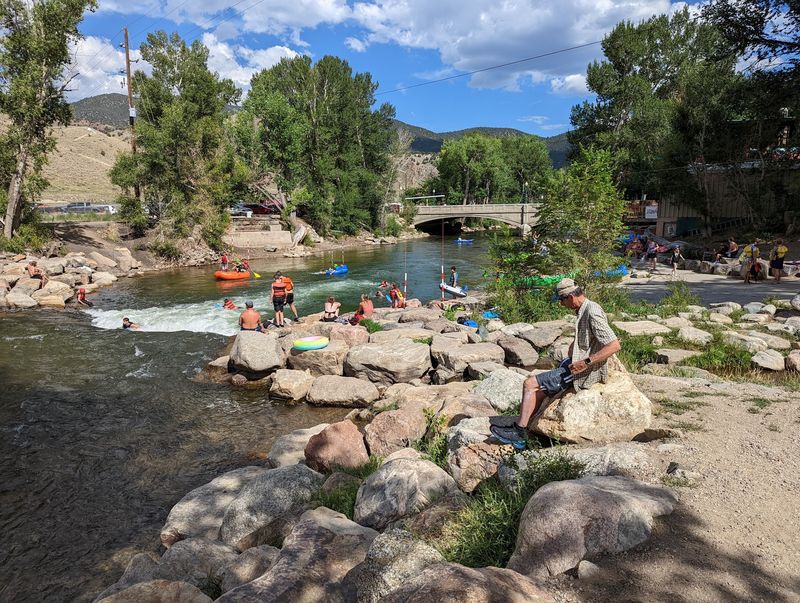
Most towns have a main street. Salida has a main river, and the Arkansas flows directly through the middle of it.
Whitewater rafting draws people from across the country, with trips ranging from thrilling rapids to gentle floats. Beginners and veterans both find something that fits.
The river also earns Gold Medal status for trout fishing. Anglers wade in for hours, watching the current and waiting for that one good tug.
You do not need gear to enjoy it. Riverside paths and rocks make excellent seats for watching boats bounce through the waves.
Summer turns the water into the town’s living room. Kids splash, dogs shake off, and paddlers drift past downtown windows.
Spring runoff brings the biggest water, while late summer runs mellower. Choose your season based on how much adrenaline you actually want.
Outfitters operate in town, so booking a guided trip is straightforward. Guides handle the reading of rapids while you handle the paddling and the grinning.
Listen at night, and the river is still there. That steady sound does more for sleep than any app.
Few natural features shape a town’s personality this completely. In Salida, the Arkansas sets the rhythm and everyone happily follows.
Shops Where Nothing Feels Mass Produced
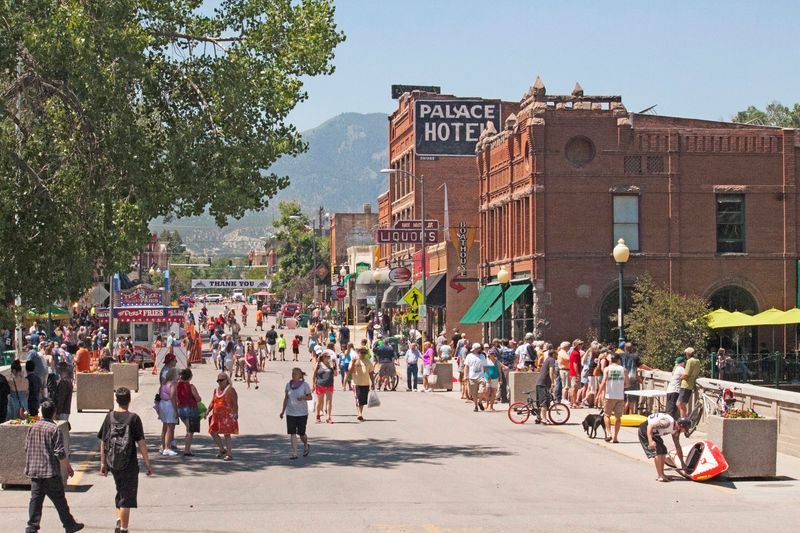
Chain stores never quite took hold downtown. Instead, Salida’s blocks fill up with boutiques, artisan shops, and stores run by people who actually own them.
Antiques, books, toys, and clothing sit side by side. The variety means two people with opposite tastes can shop the same street happily.
Consignment spots add to the fun. Ruby Blues, for instance, keeps a rotating stock of vintage finds worth digging through slowly.
Shopping here works better without a list. The good stuff tends to appear when you are not hunting for anything specific.
Owners often know the makers behind their merchandise. Ask about a piece and you may get the backstory along with it.
Bookstores and toy shops make this an easy stop with kids. Small hands stay busy while you browse the shelf above them.
Prices land in reasonable territory for a mountain town. Handmade goods cost more than factory versions, though you leave with something nobody else owns.
Give yourself a full afternoon. Rushing through independent shops defeats the entire point of visiting them.
Souvenir quality here beats the usual magnet-and-keychain routine by a wide margin. Salida sends you home with objects you will actually keep.
Riverfront Tables And Wood-Fired Pizza
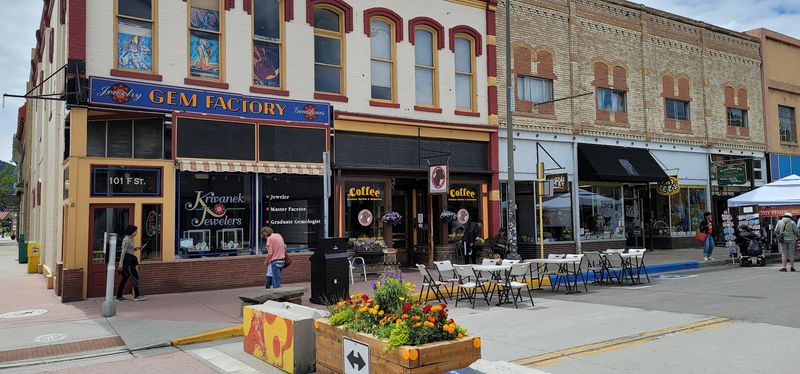
Hunger is easy to solve downtown. Salida packs an impressive number of local eateries into a handful of walkable blocks.
The Boathouse Cantina offers riverfront dining, where the Arkansas provides both view and soundtrack. Watching rafts float by while eating feels slightly unfair to everyone elsewhere.
Amicas handles the wood-fired pizza side of things. Blistered crust, hot ovens, and a room that hums on busy evenings.
Authentic Mexican food holds a strong presence in town. Expect real salsas and kitchens that season with confidence rather than caution.
Mornings belong to coffee shops like Brown Dog Coffee Co. Regulars will tell you the place doubles as an unofficial town meeting spot.
Menus lean toward hearty portions, which makes sense in a town full of rafters and hikers. Nobody leaves hungry after a day on the water.
Weekends fill up fast during summer. Eating a little earlier than usual saves you a wait on the sidewalk.
Patios are the move whenever weather cooperates. Mountain evenings cool off quickly, so bring a layer and stay outside longer.
Small-town dining sometimes means limited choices. Not here, where Salida’s food scene consistently outpunches its population.
A Community That Still Knows Its Neighbors
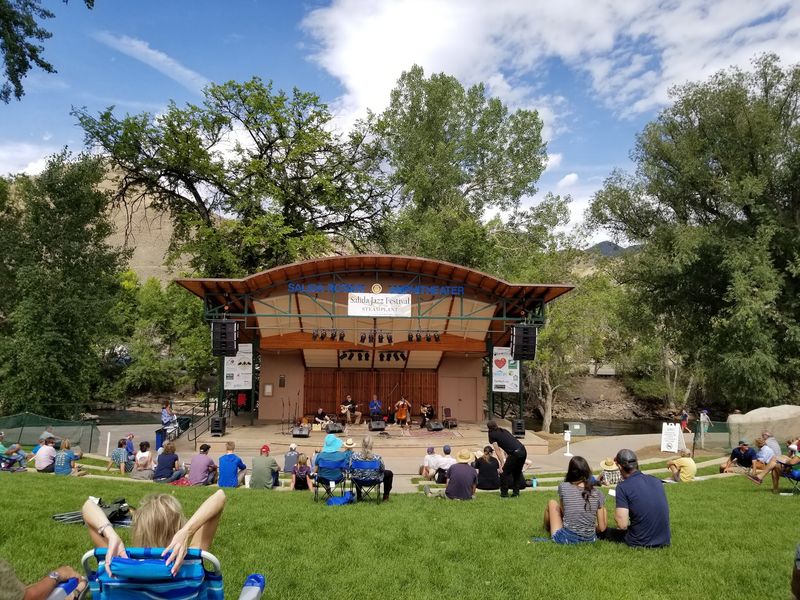
Something shifts when a town has fewer than 6,000 residents. Salida keeps that close-knit feeling where neighbors recognize each other and actually stop to talk.
Strangers get greeted on sidewalks. Not performed friendliness, just the habit of people who share the same grocery store.
Newcomers tend to notice how quickly they stop feeling like newcomers. Show up twice at the same coffee shop and someone remembers your order.
The scale creates accountability. When the person behind the counter might be your kid’s soccer coach, service tends to stay warm.
Community events fill the calendar through the year. Art walks, river festivals, and downtown gatherings turn the historic district into one big front porch.
Visitors benefit from the same openness. Ask for a trail suggestion and you will likely get directions plus two better alternatives.
Unhurried living is baked into daily routines here. People linger, conversations run long, and nobody taps their foot behind you in line.
That atmosphere is harder to build than any bike path or brewery. It comes from years of residents choosing to stay involved.
Salida proves that the best amenity a town can offer is people who genuinely look out for each other.
How To Let Yourself Slow Down Here
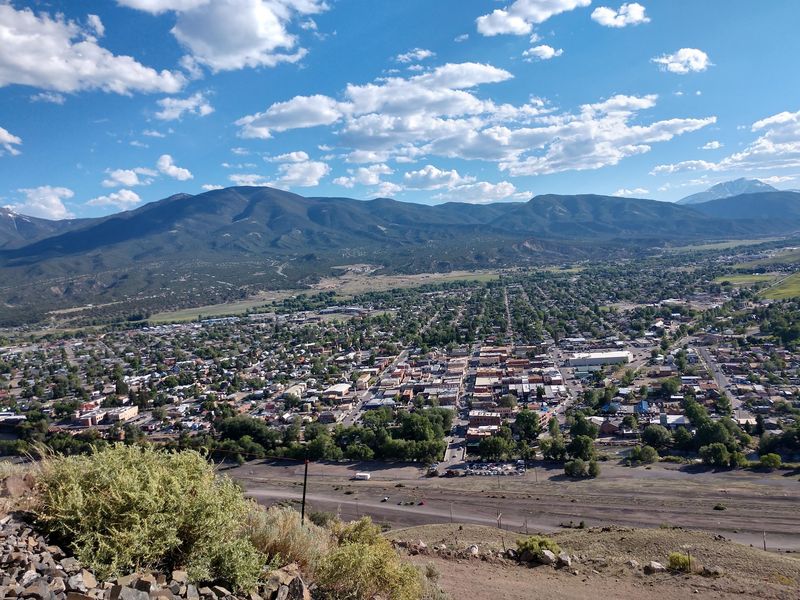
Slowing down sounds simple until you try it. Salida helps by removing most of the reasons to hurry in the first place.
Leave the itinerary loose. One planned activity per day gives you room to follow whatever looks interesting at noon.
Park once and walk. The historic district, galleries, river paths, and restaurants sit close enough that driving becomes pointless.
Mornings here reward early risers. Light on the peaks, quiet streets, and coffee shops opening before the day gets loud.
Build in sitting time. A bench by the Arkansas counts as an activity, and the river never runs out of things to show you.
Stay two nights minimum if you can. Day trips let you see the town, though they rarely let you feel it.
Shoulder seasons bring thinner crowds and softer pricing. Fall especially, when the air sharpens and the brick looks even warmer.
Talk to people. Shop owners, guides, and artists share details no guidebook bothers to print.
The lighter feeling travelers describe is not magic. It comes from mountains, moving water, old buildings, and a community that never learned to rush.
Salida simply gives you permission to stop performing busyness for a while.