10 Louisiana Day Trips That Could Make You Fall In Love With The State
Suppose you had only one free day and no desire to waste it.
Louisiana makes that decision surprisingly difficult because short drives can lead to completely different experiences.
One direction may bring wetlands and wildlife. Another may lead toward history, art, food, or small-town streets made for wandering.
The state rewards curiosity more than rigid planning. That is part of the fun. Pick a route based on mood rather than reputation.
Some outings work best when you move slowly. Others fill the day without trying.
A single afternoon can reveal a side of the state that the famous postcards never bother to show.
1. Poverty Point World Heritage Site, Pioneer
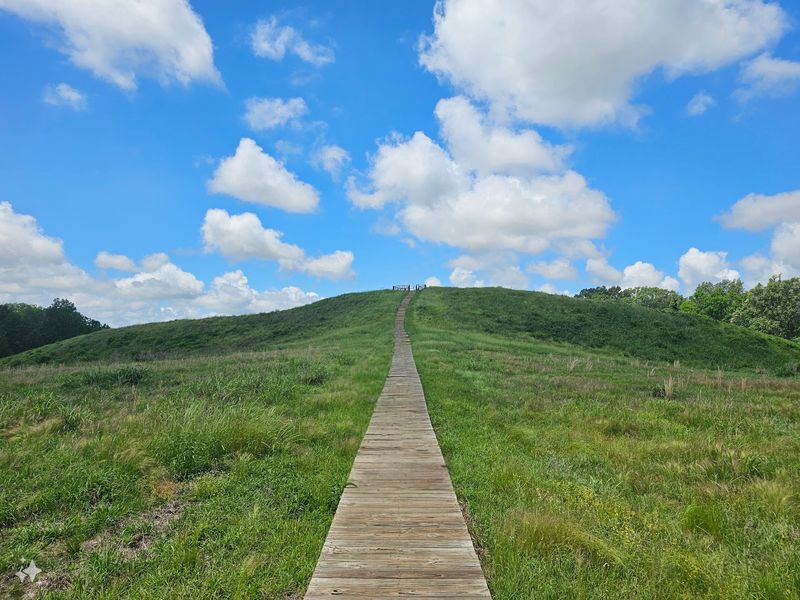
The scale becomes even more striking when you consider the technology available more than 3,000 years ago. Builders moved roughly 53 million cubic feet of soil using woven baskets.
Poverty Point World Heritage Site in Pioneer protects one of North America’s oldest large-scale construction projects. Work happened between 1700 and 1100 BC, long before farming took hold here.
Six curved earthen ridges wrap around a central plaza, with tall mounds rising nearby. The layout still puzzles researchers, and that mystery is half the fun.
Trade goods arrived from hundreds of miles away, marking the area as a busy exchange hub. Copper, stone, and other materials traveled here along river routes.
The interpretive museum displays artifacts including small fired clay balls used as cooking stones. Staff call them Poverty Point Objects, and they show real cooking ingenuity.
A tram tour runs seasonally and saves your legs across the wide grounds. Walking trails work well too, especially in cooler months when shade is scarce.
Fall and early spring bring the most comfortable weather for exploring the ridges. Bring water, sunscreen, and shoes you do not mind getting dusty.
The site is currently open daily from 9 a.m. to 5 p.m. Picnic facilities make it easy to build a break into a longer visit.
You will find the entrance at 6859 Hwy 577, tucked into farmland country. Few day trips in America pack this much prehistory into one afternoon.
2. TABASCO Factory Tour & Museum, Avery Island
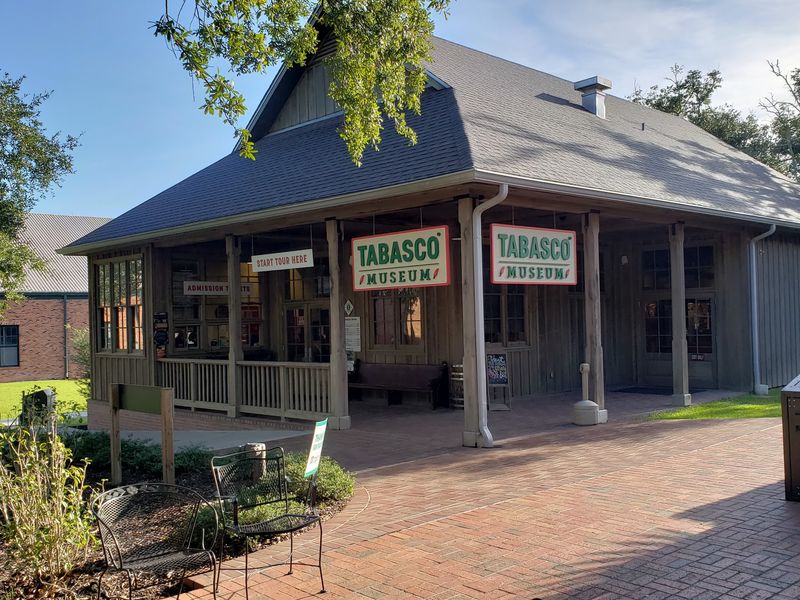
The process can stretch across several years from pepper cultivation to finished sauce.
Much of that time comes from aging the pepper mash before blending and bottling.
Avery Island sits on a salt dome ringed by wetlands, and it has produced TABASCO sauce since 1868. The warm climate and rich soil suit the heirloom peppers perfectly.
A self-guided factory tour at 32 Wisteria Rd walks you through the whole journey from seed to bottle. You pass the pepper greenhouse, the barrel warehouse, and the blending area.
Pepper mash ages in white oak barrels before moving on to the blending process. Bottling moves fast, which makes for good watching.
The broader island ticket includes Jungle Gardens, a 170-acre nature preserve with quiet driving and walking routes. Visitors may spot alligators around the wetlands and ponds of Jungle Gardens.
Bird lovers should bring binoculars, since wading birds gather in impressive numbers. Spring nesting season is especially active.
A country store carries products you will not easily find elsewhere. Restaurant 1868 serves Cajun-inspired dishes built around the famous sauce.
Plan at least half a day so you are not rushing the gardens. The factory experience opens at 9 a.m., giving early arrivals plenty of time to combine the tour with Jungle Gardens.
3. Natchitoches Welcome Center & Historic District
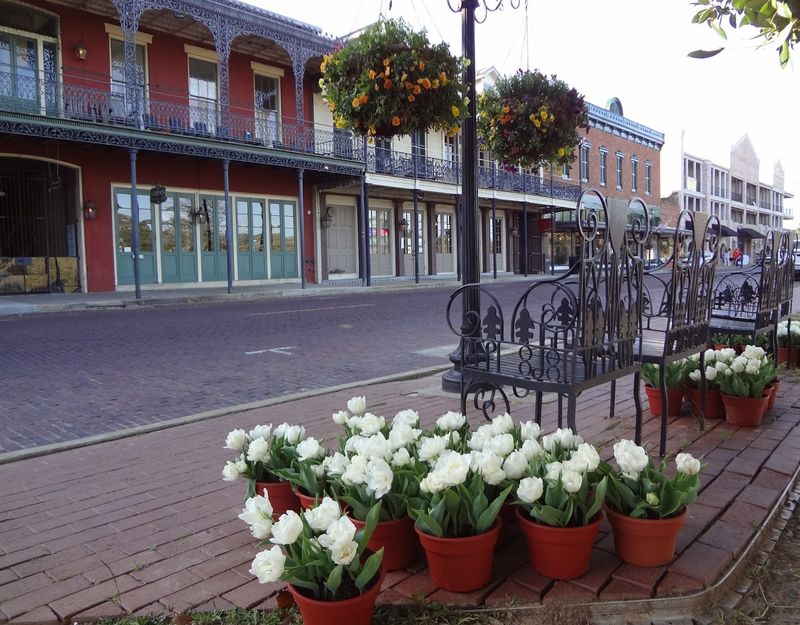
French settlers established Natchitoches in 1714. New Orleans would not be founded until four years later.
Natchitoches holds the title of oldest permanent settlement in the Louisiana Purchase territory. Its 33-block National Historic Landmark District looks remarkably well kept.
Brick streets, wrought-iron balconies, and old lamps line the riverfront along Cane River Lake. Strolling is the whole point here.
Architecture buffs will spot Queen Anne, Victorian, and Creole styles within a few blocks. Boutiques and cafes fill many ground floors.
Guided walking tours run regularly, with horse-drawn and electric-carriage tours offering another way to see downtown. Each covers different corners of the district.
Fort St. Jean Baptiste State Historic Site sits nearby as a reconstructed French colonial outpost. Costumed interpreters explain 18th century frontier life.
Kaffie-Frederick General Mercantile still rings up sales on a 1910 cash register. Wandering its aisles is a small time warp.
The Northwest Louisiana History Museum covers roughly 3,000 years of regional cultures. Plan an hour there at minimum.
December brings the famous Christmas lights along the riverbank, drawing big crowds. Quieter months suit slow exploring better.
Start your day at 780 Front St, right by the water. Small towns rarely carry this much layered history so gracefully.
4. Rosedown Plantation State Historic Site, St. Francisville
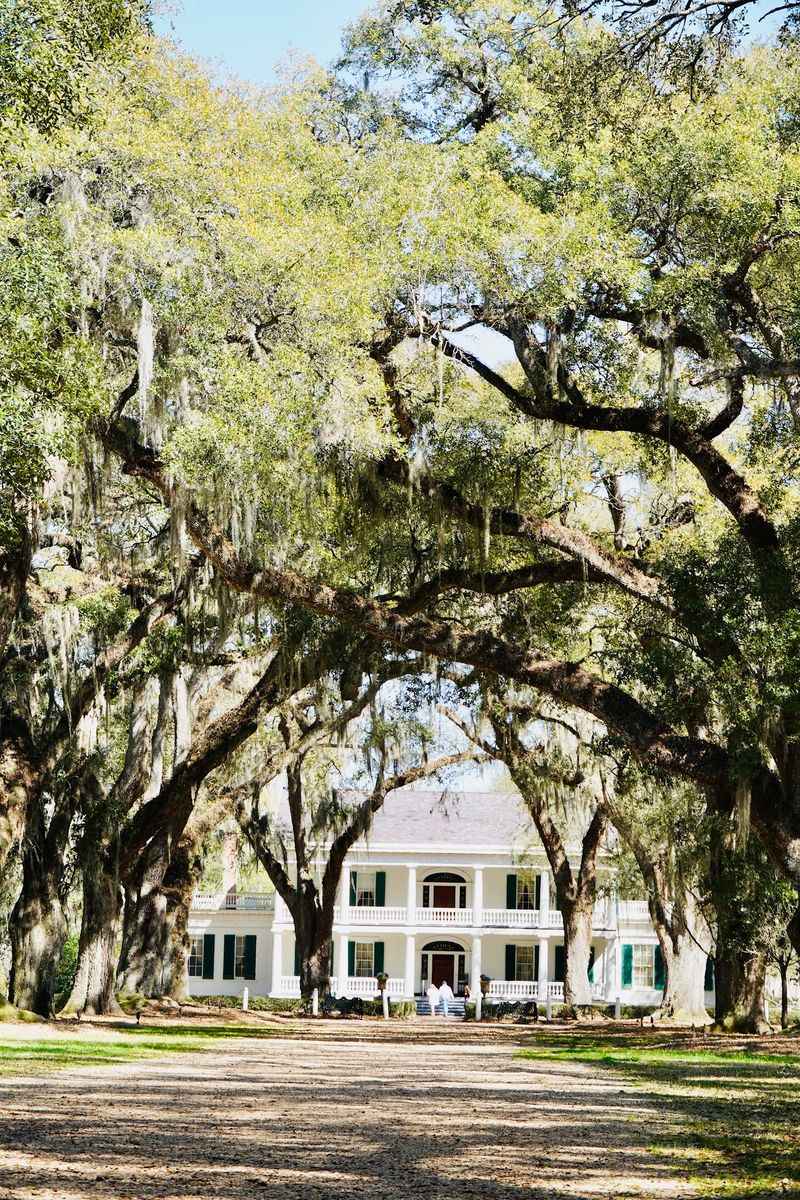
Twenty-eight acres of ornamental gardens will slow anybody’s walking pace. The formal landscape is substantial enough to make the gardens a major part of the visit.
Rosedown Plantation State Historic Site in St. Francisville preserves a 19th century cotton estate now designated a National Historic Landmark. The Greek Revival mansion anchors the property.
Martha Turnbull designed and tended those gardens across her lifetime. She drew ideas from formal gardens she saw in France and Italy.
Historic plant stock survived on the property and was used to propagate varieties recorded in Martha Turnbull’s garden diaries. Those records later guided the restoration of the formal landscape.
A long live-oak allée shades the approach toward the house. Loblolly pines, eastern red cedars, and southern magnolias fill in the rest.
Privately maintained formal gardens of this scale were unusual for the era. That rarity is part of why the site earned its status.
Guided house tours focus on the main residence, while 13 historic buildings survive across the wider property. Interpretation addresses both the Turnbull family and the enslaved people whose labor sustained the estate.
Spring and fall bring migratory birds through the property in good numbers. Bring binoculars and a camera with a decent zoom.
Azaleas and camellias put on their best show in late winter and early spring. Summer visits are lovely but warm.
The gates sit at 12501 Highway 10, in West Feliciana Parish. Bring comfortable shoes and let the pathways lead you somewhere unhurried.
5. Whitney Plantation, Wallace
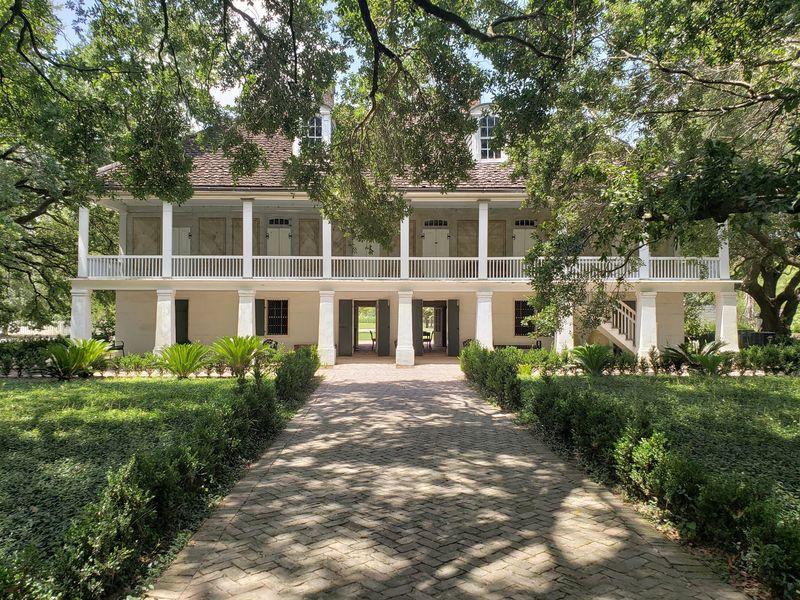
Here is something that changes how you see the River Road.
The museum centers the lives, voices, labor, and resistance of enslaved people rather than treating the property mainly as an architectural attraction.
Whitney Plantation is the only plantation museum in this state with an exclusive focus on the history and legacies of slavery. That focus sets it apart completely.
Originally called Habitation Haydel, the property was founded in 1752. It shifted from indigo to sugar cultivation over the following decades.
Guided tours center the lives of people enslaved on the property from 1752 to 1865. Primary sources, oral histories, memorials, and trained interpretation connect those individual experiences to the state’s broader history of slavery.
Historic structures include the Big House, slave cabins, plantation outbuildings, and Antioch Baptist Church, which was moved to the site from nearby Paulina. Each structure carries clear, careful explanation.
Memorials honor more than 100,000 men, women, and children enslaved across Louisiana. Engraved names cover long granite walls.
Life-size sculptures known as the Children of Whitney are displayed inside Antioch Baptist Church. Artist Woodrow Nash created the figures as part of the museum’s memorial landscape.
Guided tours take about 90 minutes, while the museum recommends allowing at least two hours for a full visit. Cooler months make the experience more comfortable.
Whitney recommends its tours for children ages 12 and older because the subject matter is heavy and emotional. Adults bringing younger children are encouraged to prepare them beforehand and discuss the experience afterward.
The entrance is located at 5099 Louisiana Hwy 18, along the Mississippi.
6. Vermilionville, Lafayette
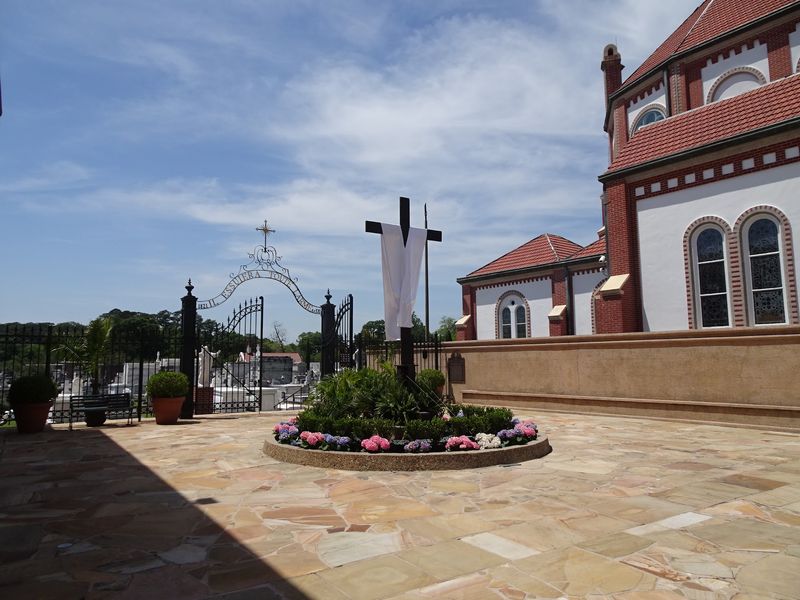
Live accordion music drifting across a bayou will stop you mid-sentence. That sound is the heartbeat of Acadiana.
Vermilionville spreads across 23 acres along Bayou Vermilion in Lafayette. The folklife park depicts Acadian, Creole, and Native American life between 1765 and 1890.
Restored and reconstructed homes sit among gardens and artisan workshops. Paths connect them in an easy loop.
Resident artisans demonstrate traditional crafts in workshops and historic buildings across the village. Questions are welcome, and answers come with stories.
Open-hearth cooking demonstrations show how households fed themselves without modern appliances. The aromas alone justify a slow walk through.
Cajun French music jams happen regularly, and the rustic dancehall hosts a weekly Bal du Dimanche. Dancers of every skill level join in.
Scheduled boat tours travel Bayou Vermilion while interpreting its history, geology, and ecology. Wildlife may appear along the route, but sightings are not guaranteed.
The park’s mission centers on appreciation for the cultures and natural resources of the Attakapas region. Interpretation stays grounded and respectful.
Spring and fall deliver the most pleasant weather for outdoor sections. Vermilionville recommends allowing about one to one and a half hours for a typical self-guided visit.
Families do well here since kids can move freely between buildings. Shade is plentiful along the paths.
You will find it at 300 Fisher Rd, close to the airport. The state’s French roots feel very much alive on this ground.
7. Creole Nature Trail Adventure Point, Sulphur
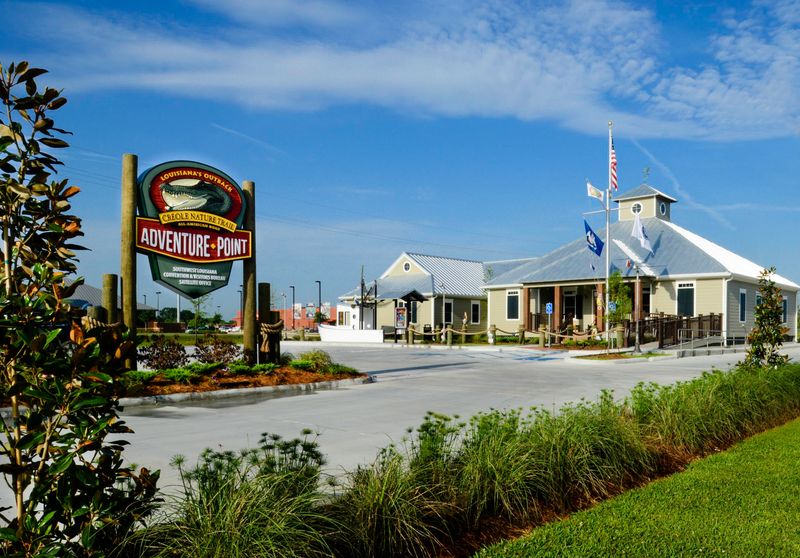
Southwest Louisiana calls its marshland country the Outback, and the nickname fits. Getting oriented before heading out there makes a real difference.
Creole Nature Trail Adventure Point in Sulphur serves as the launching pad for the Creole Nature Trail All-American Road. Admission costs nothing, which sweetens the deal.
Hands-on displays teach you where alligators gather and when migratory songbirds pass through. That knowledge pays off within the hour.
Interactive exhibits let you peek at marsh wildlife and smell Cajun and Creole cooking aromas. Another station invites you to play along with a Zydeco band.
Maps and route suggestions are available before you head onto the trail itself. Staff will point out current wildlife hotspots.
The road winds past farmland, brackish marsh, and natural sand beaches on the Gulf of Mexico.
Pull-offs and wildlife-viewing stops dot the route, but Blue Crab Recreation Area and the Wetland Walkway are currently closed because of active wildfires.
Wildlife diversity is substantial, with 28 mammal species, more than 400 bird species, and 132 fish species documented along the route. Fall migration is spectacular.
Bring bug spray, binoculars, and a full tank before driving the loop. Services thin out quickly past the interstate.
Wildlife activity varies with season, weather, and location along the 180-mile route. Slower driving and stops at refuges, beaches, and viewing areas improve the opportunities for observation.
Begin your adventure at 2740 Ruth St, just off the main corridor. Marsh country rewards anybody willing to drive slowly and look closely.
8. Abita Mystery House, Abita Springs
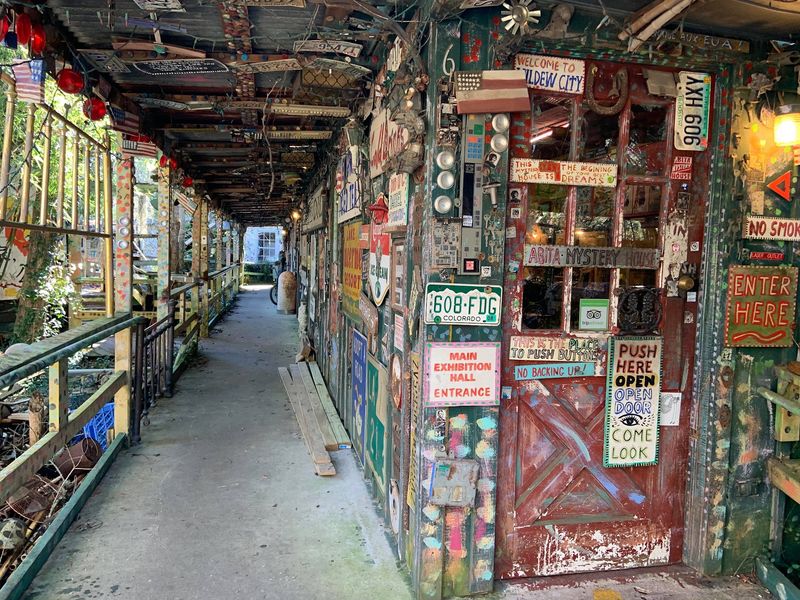
There is a creature here that is half alligator and half dog. Yes, really.
Abita Mystery House in Abita Springs also goes by UCM Museum, pronounced You-See-Em. Folk art and oddball collections fill every available surface.
Artist John Preble converted a vintage gas station, an old barn, and a Creole cottage into one connected maze. Walkways link the buildings in a loop.
Thousands of found objects and homemade inventions crowd the shelves. A comb collection sits near old arcade machines.
Miniature towns come alive when you press buttons that trigger animated scenes. A jazz funeral appears among the animated miniature scenes, while a full-size flying saucer appears to have crashed into an Airstream elsewhere on the grounds.
A homemade marble machine joins the museum’s collection of moving contraptions and recycled-art inventions. Watching it run is oddly hypnotic.
The attraction has appeared on television programs including American Pickers. Its folk art and unusual collections have also received travel-media attention over the years.
Most visitors can explore the compact museum at their own pace without needing a full day. The push-button displays and playable arcade machines make much of the collection interactive.
The museum sits near the Tammany Trace bike trail, making it an easy add-on. The museum is currently open daily from 10 a.m. to 5 p.m.
Look for the colorful buildings at 22275 Hwy 36 on the north shore. Roadside weirdness this creative deserves a permanent slot on your Louisiana list.
9. Grand Isle State Park, Grand Isle
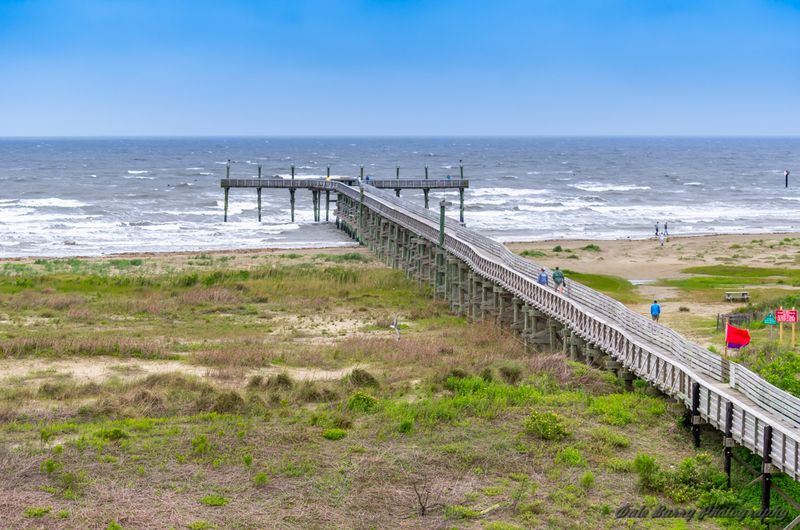
Sand between your toes is not the first thing most travelers associate with this state. That assumption deserves correcting.
Grand Isle State Park occupies the state’s only inhabited barrier island, facing the Gulf directly. Beaches, fishing, and birding define the experience.
A public fishing pier extends into the Gulf, with a fish-cleaning station nearby. Inshore species keep anglers busy.
Surf fishing works well right off the shoreline too. Beachcombers find shells and driftwood along the tide line.
The island sits along the Mississippi Flyway, which makes spring migration extraordinary. Songbirds and wading birds arrive in waves.
Nature trails cross the coastal habitat and provide dedicated birding and wildlife-viewing opportunities. Sightings vary with season, weather, and migration conditions.
The park’s northern lagoon offers sheltered water for paddling and crabbing away from the open Gulf shoreline. Crabbing there is popular with families.
The Grand Isle International Tarpon Rodeo, the nation’s oldest fishing tournament, takes over the island each July. The 2026 rodeo ran July 23 through 25 and welcomed both competitive anglers and spectators.
Shade is limited, so hats and sunscreen are non-negotiable. Pack water and snacks since options are few.
Sunrise over the water here is worth setting an alarm for. Sunsets across the marsh side compete closely.
Park entrance is at 108 Admiral Craik Dr, at the island’s eastern end. Coastal Louisiana shows a softer, saltier side out here.
10. Germantown Colony Museum, Minden
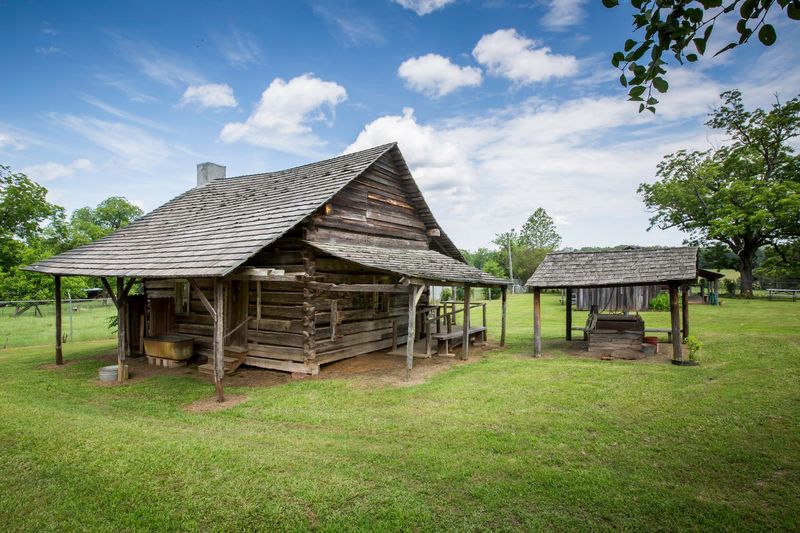
A group of German settlers once tried building a perfect society in north Louisiana. Their story is stranger and sadder than most textbooks allow.
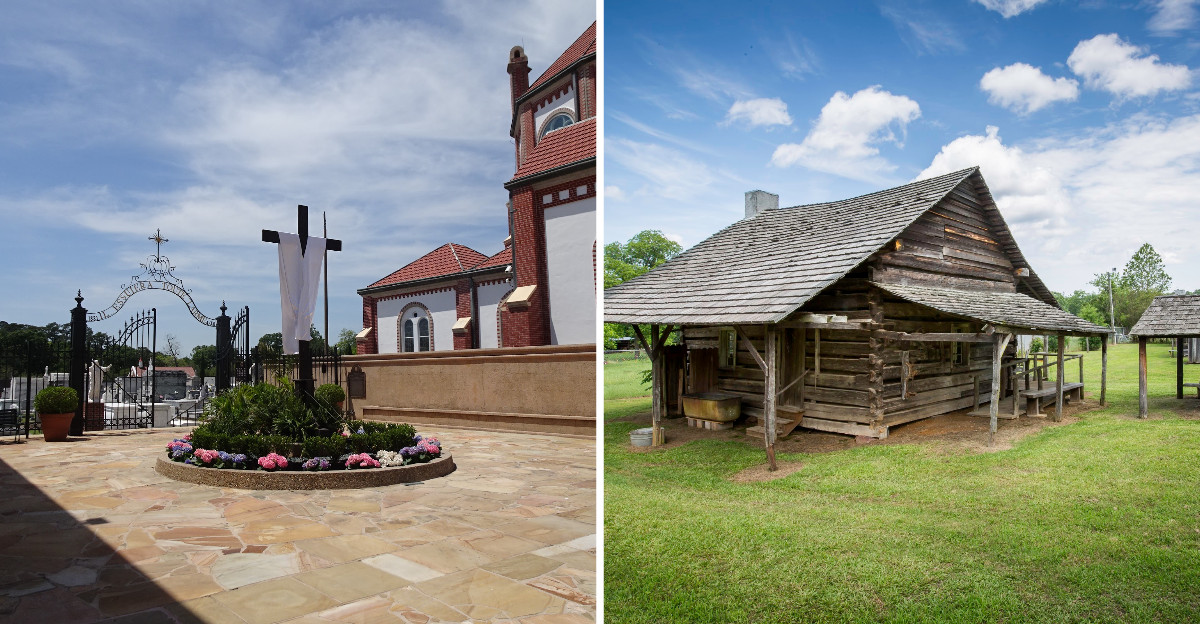
Germantown Colony Museum sits just north of Minden and preserves the communal settlement established there in 1836.
Its founders belonged to a religious movement connected to Pennsylvania’s Harmony Society and organized the community around communal property.
Their leader, known as the Count de Leon, did not survive the journey. His wife, the Countess of Leon, carried the vision forward.
Only two historic colony buildings survive: Countess von Leon’s residence and the kitchen-dining hall, both constructed of hewn logs.
Other structures on the museum grounds are later additions used alongside the surviving buildings to interpret the settlement.
Exhibits display tools, clothing, and everyday artifacts from colony households. Together they sketch a life built on faith and self-sufficiency.
The community ran a cotton gin and held all property in common. That arrangement sustained them for several decades.
Economic decline accelerated during the Civil War, and the communal arrangement formally ended in 1871. Their influence on the region outlasted the settlement.
The museum is currently open Tuesday through Saturday from 9 a.m. to 4 p.m. Members of several original colony families still live in the surrounding area.
Spring and autumn bring pleasant weather for walking the shaded grounds. Allow about ninety minutes total.
The museum address is 200 Museum Rd, north of town. North Louisiana keeps quieter secrets, and this one is genuinely worth the drive.