10 Louisiana Tourist Spots I Expected To Dislike But Ended Up Loving
I was ready to roll my eyes before arriving. That is exactly why these Louisiana attractions became so memorable.
Hype can make any tourist stop feel doomed from the start. Crowds do not help. Neither do oversized expectations. Then something shifts.
A detail feels more meaningful than expected, the setting wins you over, or the whole experience turns out to be far less cheesy than feared.
Those reversals are worth paying attention to. Travel gets more interesting when a place challenges your assumptions.
Not every famous stop deserves the praise it gets. These managed to earn theirs the hard way: by changing a skeptic’s mind.
1. The National WWII Museum, New Orleans
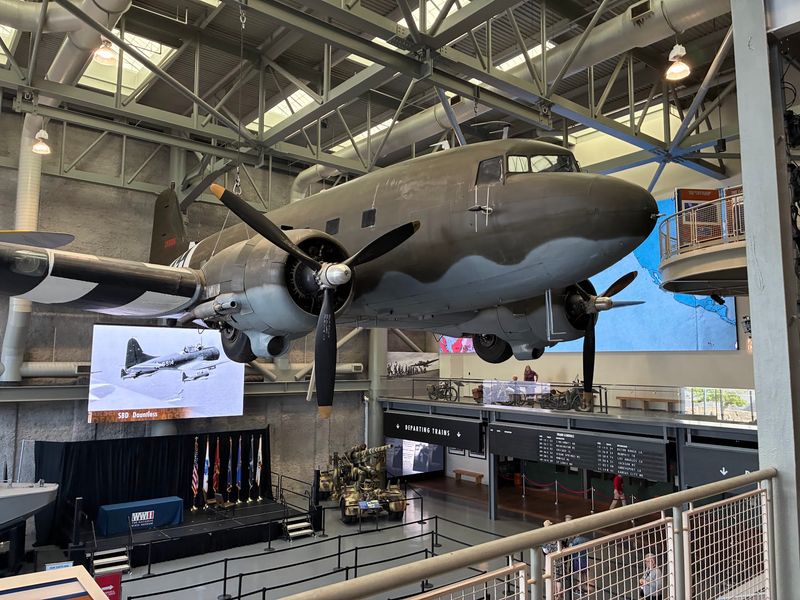
The experience goes far beyond rows of glass cases and typed labels. A restored C-47 hangs permanently above the Louisiana Memorial Pavilion.
The National WWII Museum traces the American experience from the Home Front through campaigns in Europe and the Pacific.
North Africa appears within the Road to Berlin galleries as part of that broader European-theater story. Interactive displays and film presentations carry the weight beautifully.
A PT-305 boat and a Sherman tank sit among the star attractions. Rotating exhibits dig into specific chapters, including the USS New Orleans at war.
A second 2026 special exhibition, Drawn to Combat, explores wartime cartoonist Bill Mauldin and his work.
Here is a detail many people miss. The institution opened as The National D-Day Museum. Congress named it America’s National World War II Museum back in 2004.
The campus now stretches across seven acres and keeps expanding.
The reopened John E. Kushner Restoration Pavilion now displays PT-305 alongside other large WWII artifacts. Private below-deck PT-305 tours are also offered separately when available.
Give yourself a full day, or split it across two mornings. The original D-Day Invasion of Normandy gallery is temporarily closed for renovations and is scheduled to reopen in 2027.
Find it at 945 Magazine St, right in the Warehouse District. I walked in expecting a quiet history lesson and left genuinely moved. Few museums anywhere manage that balance of scale and heart.
2. R.W. Norton Art Gallery, Shreveport
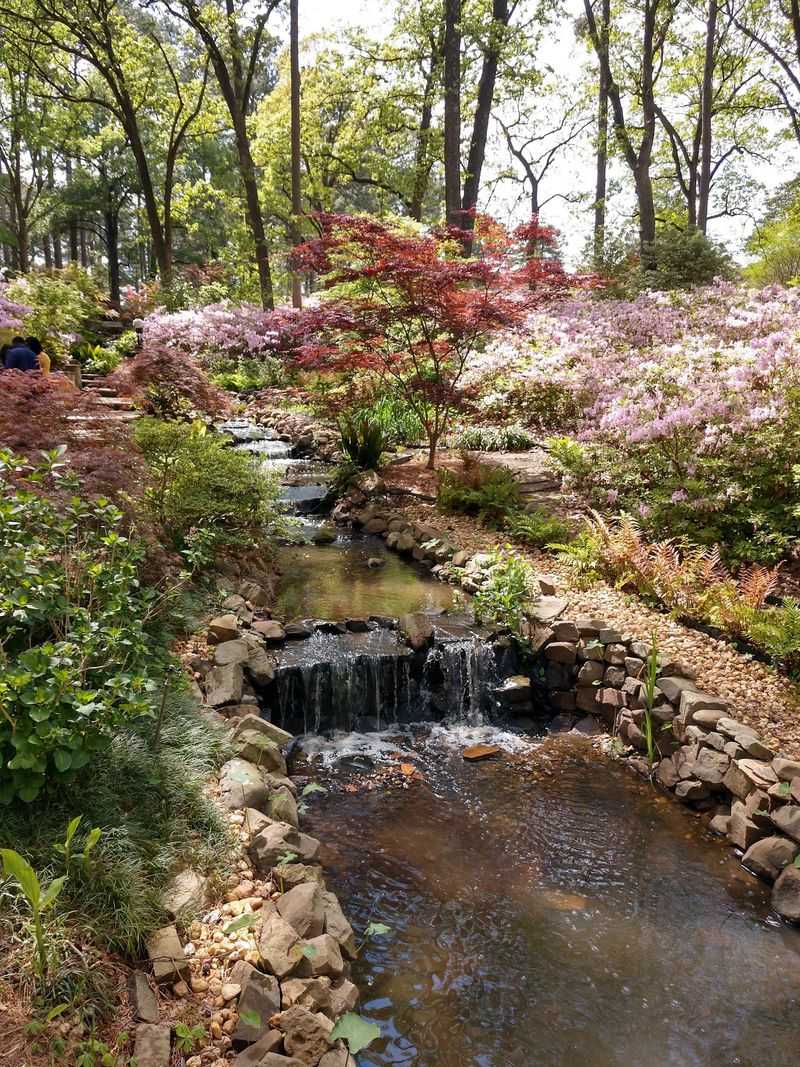
Art and botany share equal billing at the R.W. Norton Art Gallery in Shreveport. The collection covers American and European work.
Pieces stretch across more than 4,000 years of human creativity.
The permanent collection includes more than 400 paintings and hundreds of sculptures representing more than 100 artists. Decorative arts and artifacts fill additional rooms. Rare books round out the holdings nicely.
Works by Frederic Remington count among the headline attractions. Western bronzes and frontier scenes draw steady attention. Quiet galleries make studying them easy.
Outside, 40 acres of botanical gardens wrap around the grounds. Over 15,000 plants grow here. More than 100 azalea varieties explode with color each spring.
Trails wind past small streams and waterfalls. Outdoor sculptures appear at thoughtful intervals along the way. Benches invite you to slow down.
The gardens are open from sunrise to sunset Wednesday through Sunday, while the museum opens Thursday through Sunday from 1 to 5 p.m.
Photography and videography are currently prohibited inside the museum and throughout the grounds except for approved school photography classes.
The address is 4747 Creswell Ave, tucked into a residential neighborhood. The combination of formal galleries and extensive gardens makes the visit much more varied than a standard indoor museum stop.
3. Vermilionville, Lafayette
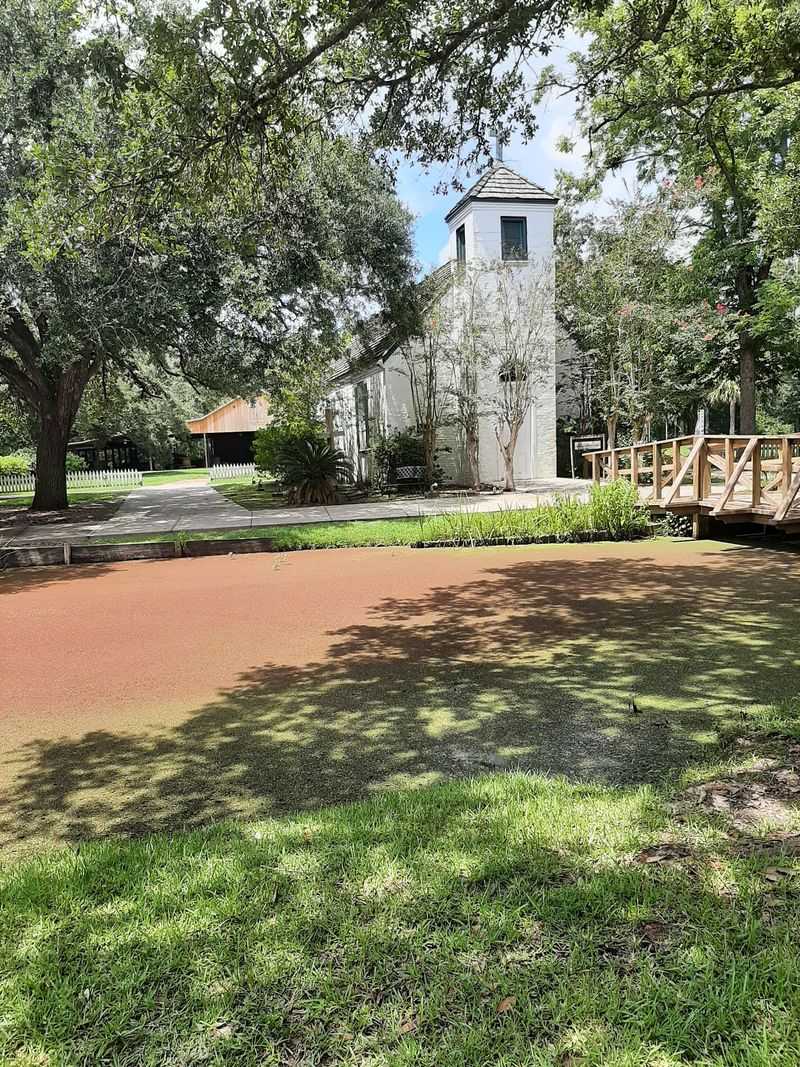
Just imagine for a second hearing fiddle music drift across a bayou.
Regular Cajun music programming makes that soundtrack a real possibility during a visit. The live-music calendar helps keep the historic village from feeling static.
Vermilionville spreads across 23 acres in Lafayette, hugging the banks of Bayou Vermilion. The village recreates life between 1765 and 1890. Acadian, Creole, and Native American cultures all share the stage.
Nineteen historic attractions dot the grounds, including original relocated homes. Cypress beams and wide porches show how builders handled the heat. Each structure tells a slightly different story.
Costumed interpreters demonstrate traditional crafts in several historic buildings, with the exact activities varying by day.
Live music performances happen regularly, and dancing often breaks out. Cooking classes teach regional dishes step by step. Dance lessons welcome complete beginners.
The mission centers on appreciation for these cultures and the surrounding natural resources. Interpretive signs explain the bayou ecosystem too. Birds and turtles make frequent appearances.
Paths stay fully wheelchair accessible throughout the site. Mornings run cooler and quieter. Sunday programming often includes Bal du Dimanche or other live-music events, depending on the current calendar.
A basic self-guided visit generally takes about an hour to an hour and a half, while scheduled events can extend the outing considerably.
4. Poverty Point World Heritage Site, Pioneer
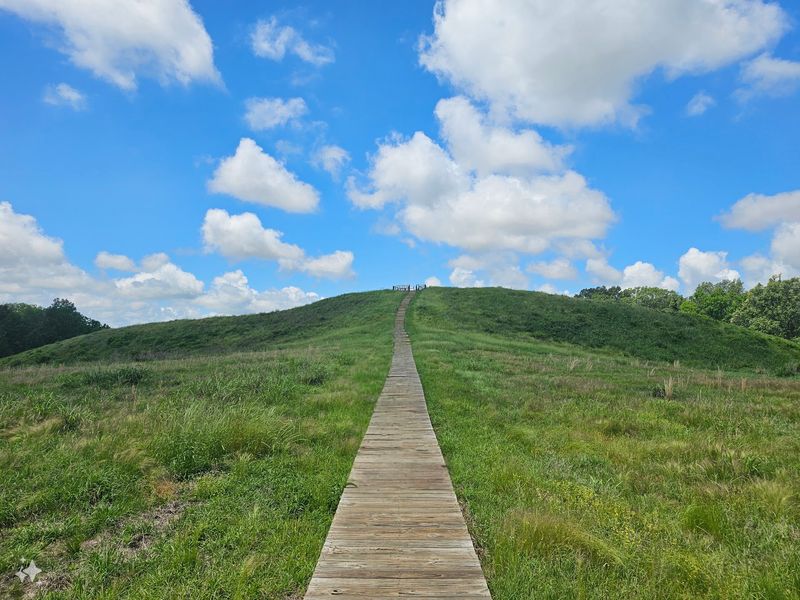
The site’s scale is easy to underestimate at first glance.
Some of the grass-covered ridges rise only a few feet above the surrounding ground. Their significance becomes clearer once you learn how much earth ancient builders moved by hand.
Poverty Point World Heritage Site sits near Pioneer in northeast Louisiana. Massive earthen mounds and ridges cover the landscape. A hunter-gatherer society shaped all of it by hand.
Construction happened between 1700 and 1100 BC. That predates plenty of famous ancient structures worldwide.
Archaeologists have found no evidence of cultivated crops, making the site’s monumental construction especially unusual for a hunter-gatherer society.
Six concentric C-shaped ridges form the heart of the complex. The outermost ring measures nearly three-quarters of a mile across. Standing at the center gives you real perspective.
Mound A, called the Bird Mound, ranks among the largest in North America. Baskets of soil built it, load by load. Researchers still debate how quickly the work went.
Artifacts uncovered here reveal a wide trade network. Stone materials arrived from hundreds of miles away. Small objects hint at daily routines and craft skills.
UNESCO added the location to its World Heritage list, a rare honor in the United States. Guided tram tours run seasonally. Cooler months make walking far more pleasant.
Point your GPS to 6859 Hwy 577. The tram and walking routes help turn subtle earthworks into a much clearer overall plan.
5. TABASCO Factory Tour & Museum, Avery Island
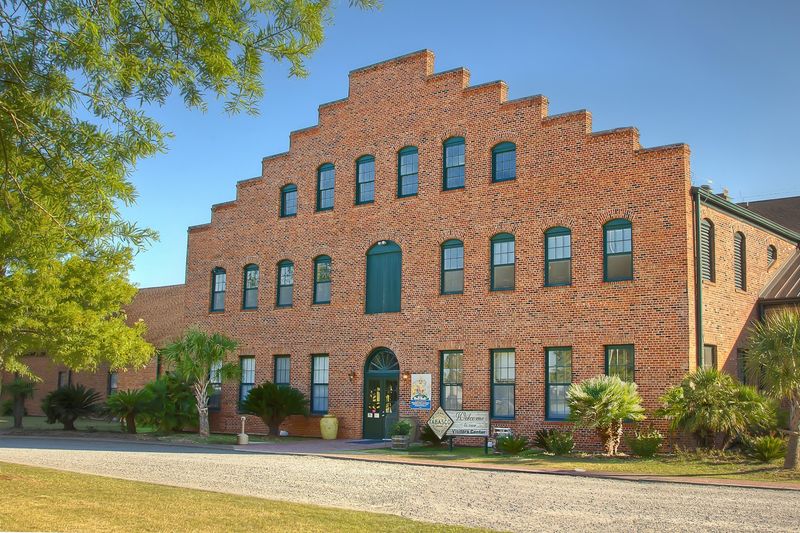
Factory tours can sound dry on paper. This one moves through a sequence of production stops, tastings, and island experiences.
The TABASCO Factory Tour & Museum sits on Avery Island in south Louisiana. The McIlhenny family has made the sauce since 1868. Five generations later, the recipe stays remarkably consistent.
Avery Island rests on a salt dome, which explains the unusual terrain. Rich soil there suits heirloom tabasco peppers perfectly. Seed stock gets guarded carefully each season.
The pepper mash ages in white oak barrels for up to three years before it is blended, strained, and bottled. You walk through the pepper greenhouse first. Then comes the barrel warehouse where mash ages in white oak.
Blending and bottling areas follow, humming with machinery. Tasting stations appear along the route. Ice cream with a spicy twist waits at the end.
Jungle Gardens covers 170 acres on the same island. The preserve shelters wildlife year round. Thousands of snowy egrets return each spring to nest.
Alligators sun themselves near the lagoons, so keep your distance. Spring delivers the best bird activity. Allow half a day for both attractions.
The entrance sits at 32 Wisteria Rd. The factory and 170-acre Jungle Gardens make the island unusually varied for a single stop. Production history and wildlife viewing sit side by side throughout the experience.
6. Whitney Plantation, Wallace
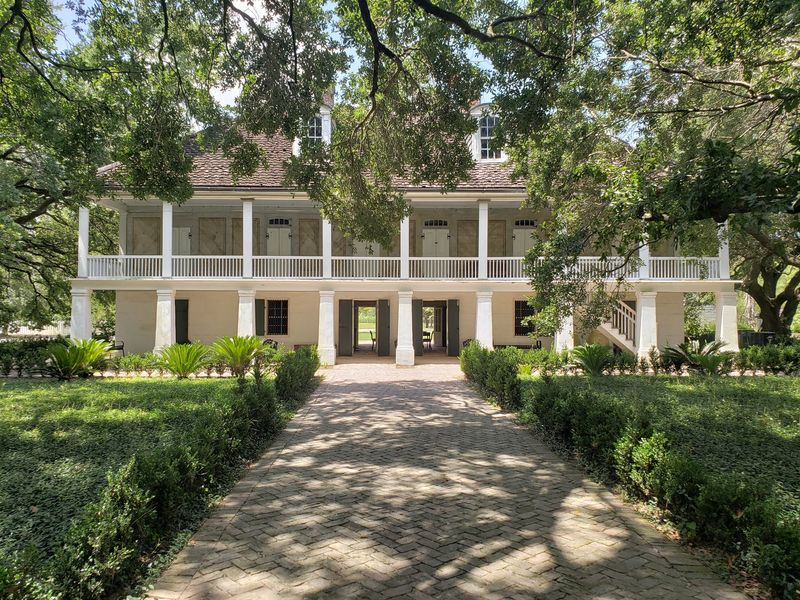
This stop changed how I think about historic homes.
The visit is built around difficult history rather than decorative nostalgia. Memorials, historic structures, and testimony shape the experience from the beginning.
Whitney Plantation stands in Wallace, along the River Road corridor. The museum focuses exclusively on the history of slavery. That singular purpose sets it apart across the state.
Doors opened to the public in 2014. Exhibits present the harsh realities of the era without softening anything. First-person narratives guide much of the interpretation.
Original structures remain on the grounds, carefully restored. Several original work buildings survive, while the slave cabins on display were moved from nearby River Road properties.
Memorial artwork honors those held in bondage here. The Field of Angels remembers children who died while enslaved. Names carved in stone make the numbers personal.
Tours run at a measured pace with time for reflection. Historical interpreters lead guided tours and staff stations throughout the grounds to answer questions. Both guided and self-guided formats use research-based interpretation.
Plan at least two hours, with many visitors spending two to three hours on the grounds and exhibits.
You will find the property at 5099 Louisiana Hwy 18. Education and remembrance sit at the center of everything here. I drove away quieter than I arrived, and grateful for it.
7. Abita Mystery House, Abita Springs
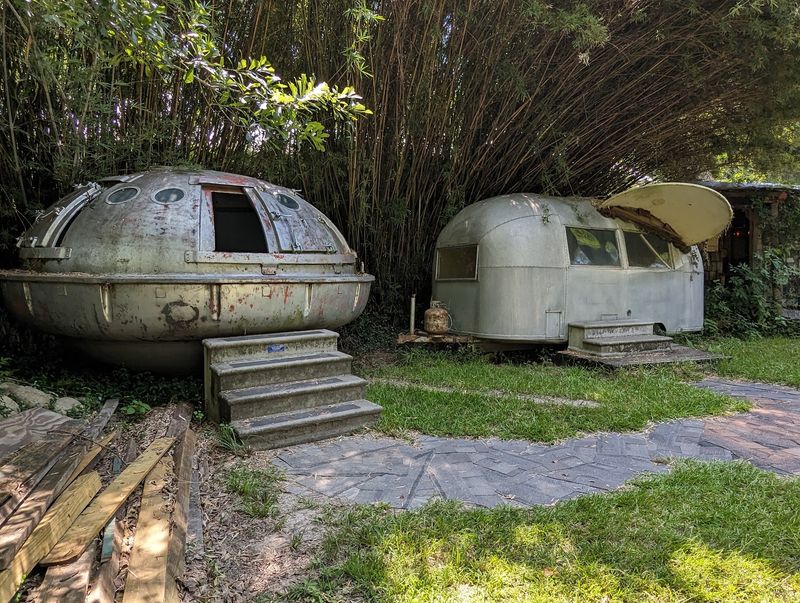
Flying-saucer imagery and other surreal constructions set the tone quickly.
A cluster of deliberately strange displays makes the entrance easy to remember.
I circled back twice to confirm. Roadside weirdness rarely delivers this well.
Abita Mystery House occupies a former gas station in Abita Springs. Artist and inventor John Preble built thousands of handmade displays. Everything is self-guided, so you set the pace.
The attraction started as the UCM Museum, pronounced you-see-em. Doors opened in 1993 and the collection has grown ever since. New oddities appear regularly.
A vintage gas station front greets you at the entrance. Open-air sections and exhibition halls stretch out behind it. Each doorway reveals something stranger than the last.
Louisiana-themed sculptures anchor the collection, including Darrel the Dogigator. Over 50,000 found and recycled objects fill the shelves. Bottle caps, buttons, and broken toys all earn a second life.
Push a button and miniature scenes spring into motion. Old arcade machines still rattle and clank. Pottery and hand-painted signs round things out.
Kids adore the interactive bits, and adults appreciate the craftsmanship underneath. Plan around an hour. Bring small bills for the gift shop.
The address is 22275 Hwy 36, an easy detour north of Lake Pontchartrain. Silly on the surface, seriously creative underneath. I grinned the entire way through.
8. Natchitoches Welcome Center & Historic District
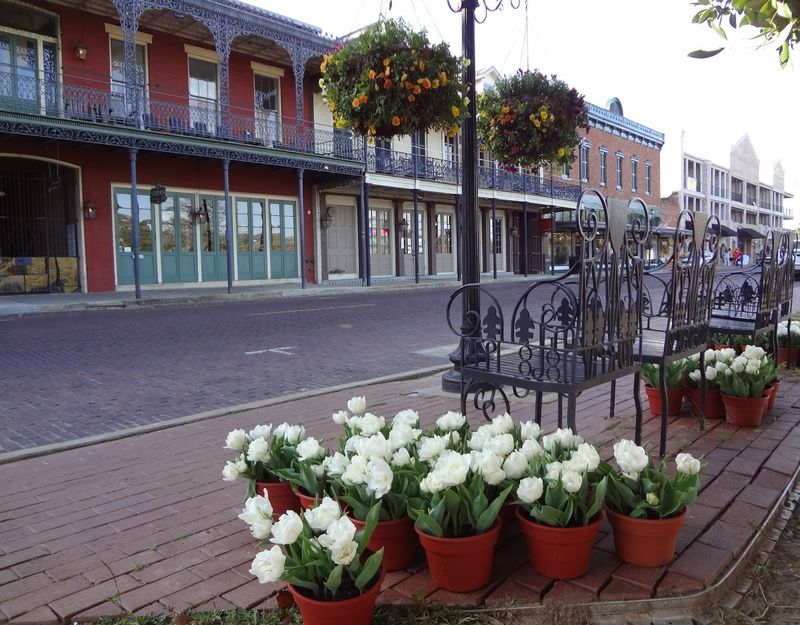
A compact historic district can hold its own against much larger downtowns.
Natchitoches does it with brick streets, old buildings, and a waterfront setting. The combination becomes clear within a few blocks of Front Street.
Natchitoches holds the title of oldest permanent settlement in the Louisiana Purchase territory.
Its 33-block National Historic Landmark District covers a lot of ground. Brick-lined streets run beneath stately oaks.
Front Street traces the edge of Cane River Lake. Iron balconies decorate multi-story brick buildings. Architecture from the 19th and early 20th centuries survives in excellent shape.
The Minor Basilica of the Immaculate Conception deserves a stop. Stained-glass windows glow beautifully in afternoon light. Ceilings soar higher than the modest exterior suggests.
Fort St. Jean Baptiste State Historic Site recreates an early French outpost. Wooden palisades and period buildings fill the compound. Interpreters explain frontier life clearly.
Meat pies are the local specialty, and skipping them borders on rude. Golden crust, seasoned filling, served hot. Downtown restaurants and festival vendors continue to serve the city’s signature meat pies.
December transforms the town into the City of Lights. More than 300,000 lights illuminate the historic district and riverfront during the annual Christmas season.
The welcome center sits at 780 Front St. The walkable riverfront makes it easy to connect architecture, food, and local history in one compact stop. Louisiana saved a sweet finale for last.
9. Biedenharn Museum & Gardens, Monroe
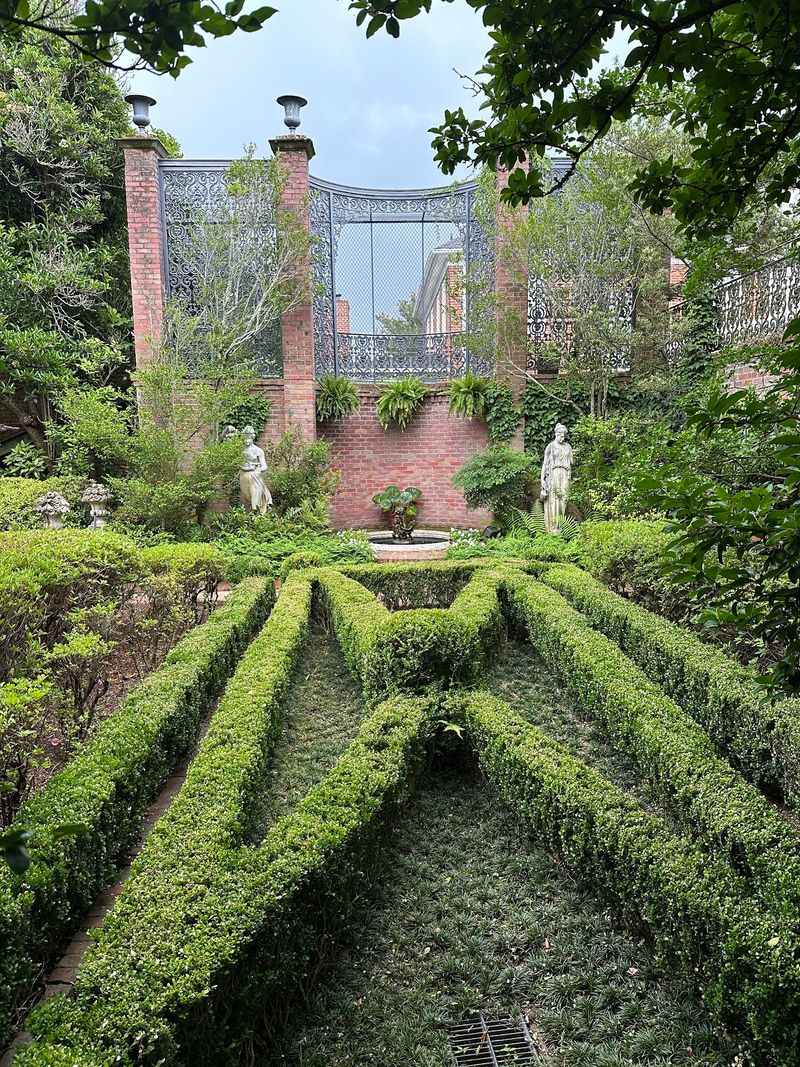
A historic home, a soda museum, and a Bible collection in one complex sounded random. Turns out random works beautifully here.
Biedenharn Museum & Gardens sits along the river in Monroe.
Joseph A. Biedenharn, the first person to bottle Coca-Cola, built the Monroe home in 1914. Rooms stay furnished as they looked during his daughter Emy-Lou’s years there.
The Coca-Cola Museum traces how bottling began. Memorabilia, advertising pieces, and historical objects line the walls. An original vending machine still dispenses a five-cent Coke.
The working vending machine turns the bottling story into a hands-on part of the visit. Cold bottle, warm afternoon, good company. Simple pleasures win.
The Bible Museum holds Emy-Lou’s extensive personal collection. Among the treasures sits a page from the Gutenberg Bible. Early printed texts and illuminated works share the space.
ELSong Gardens carry her name and her taste. Walled English gardens feature fountains and formal plantings. Thousands of plants create a hush you can practically hear.
Spring and fall bring the most comfortable weather for garden strolling. Allow around two hours for everything. Guided commentary adds helpful context.
Look for it at 2006 Riverside Dr. Three unrelated passions under one roof somehow made perfect sense. Monroe pulled off the unexpected.
10. Louisiana State Capitol, Baton Rouge
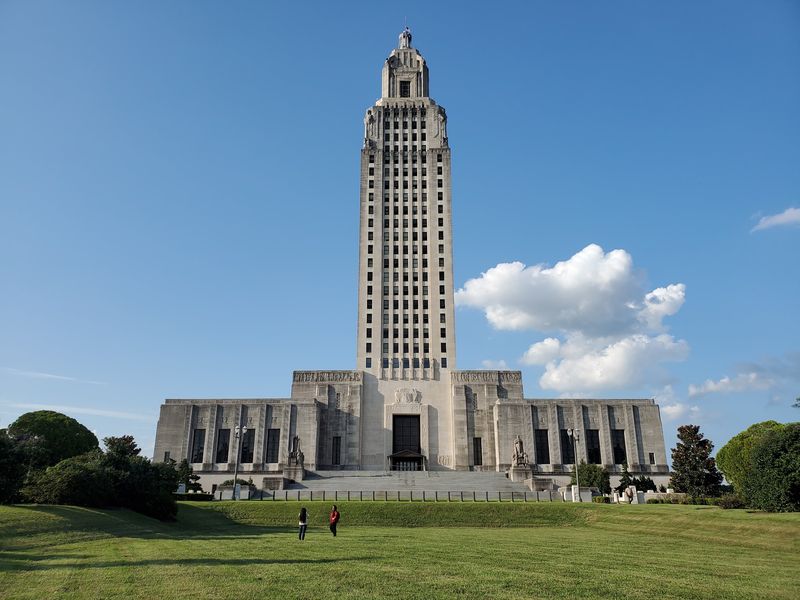
Let’s be real for a second, government buildings rarely make anyone’s must-see list.
I only stopped because rain canceled my other plans. Twenty minutes later I was riding an elevator toward the sky.
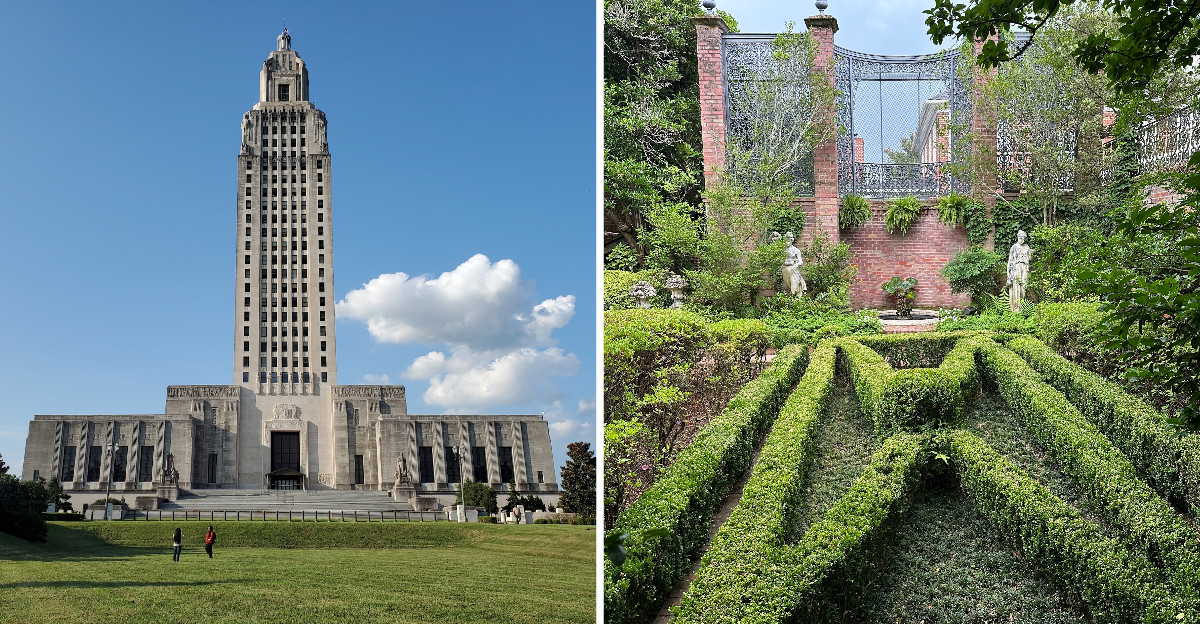
The Louisiana State Capitol in Baton Rouge holds the title of tallest state capitol in the country. It rises 34 stories and reaches 450 feet. No dome sits on top, which surprises almost everyone.
Art Deco design rules every surface here. Construction started in 1930, and the building was dedicated in 1932. Carved stone, bronze doors, and polished marble fill the main halls.
Only four skyscraper capitols exist nationwide, and this one leads the pack in height. Twenty-seven acres of landscaped grounds surround the tower. Spring blooms make the approach especially pretty.
History here runs dark in places. U.S. Senator Huey P.
Long was shot inside a hall in 1935. He died two days later, and a plaque and display case now mark the shooting site near the Speaker’s Office.
The 27th-floor observation deck is currently closed for renovations. Visitors can still explore Memorial Hall and designated public areas inside the building. The landscaped grounds remain open for viewing the tower from below.
I came for shelter from a storm and stayed for the architecture. That is the best kind of travel accident.