8 Nebraska Museums That Tell Plains Tribe History Most Textbooks Leave Out
A brick building on a quiet side street in Nebraska can hold more Plains tribe history than an entire chapter of a school textbook. Some of these places sit on tribal land, some inside old hospitals and trading posts, and a few you could drive past for years without slowing down.
Inside are beadwork stitched with porcupine quills, oil paintings of tribal leaders, and student records from a federal boarding school. Here are eight museums across the state that fill in the parts most history classes skip.
1. Genoa Indian Industrial School Museum, Genoa
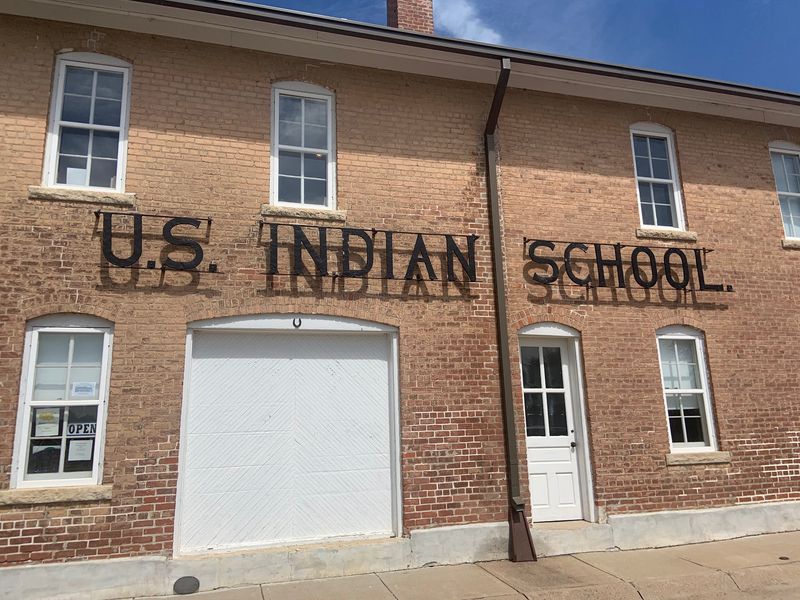
One surviving brick building is all that stands from a campus that once sprawled across hundreds of acres in Platte County. The rest came down decades ago, which makes what remains in Genoa feel unusually heavy.
The museum occupies an original structure from the federal Indian boarding school that operated here, and the exhibits keep their focus tight on the children who were sent to it. Displays trace where students came from, what they were made to do, and what happened to the families left behind.
Staff and volunteers have spent years piecing together names and records, and the collection reflects that patient work rather than a polished corporate presentation. Kids can walk through it, and the material is handled with care rather than shock value.
You will find it at 209 E Webster Ave, a short drive from Columbus or Fullerton and an easy add-on to a Loup valley loop. There are restrooms on site but no food, so plan to eat in town.
Hours can shift with volunteer availability, so call before you drive out.
2. Museum of the Fur Trade, Chadron
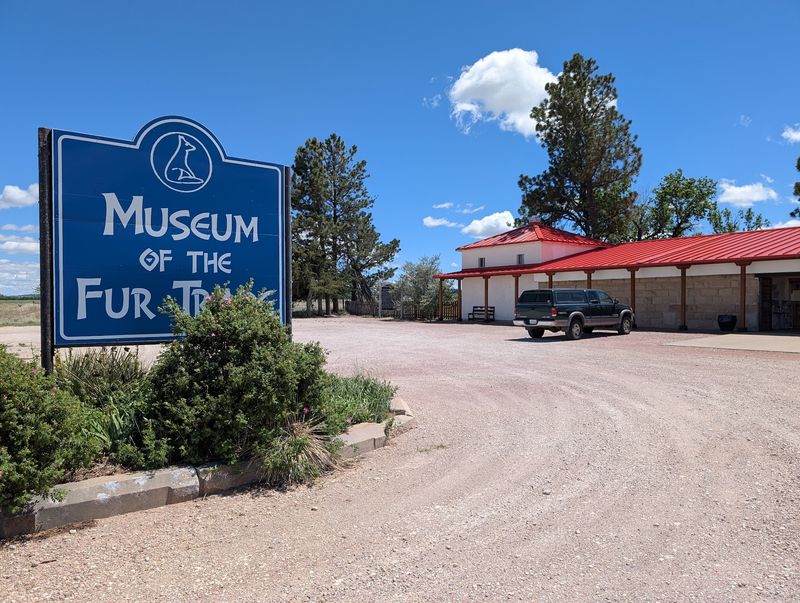
Six thousand artifacts sit under glass out on Highway 20 east of Chadron, and the ground beneath them is part of the story. The museum stands on the site of James Bordeaux’s trading post, established in 1837.
Trade goods fill case after case here: cloth, paints and dyes, tools, blankets, and firearms that moved between tribal nations and English, French and Spanish traders. Each piece carries a written note explaining what it was, who used it, and why it mattered, which turns a big collection into something you can follow at your own pace.
A short film sets up the five centuries of exchange that reshaped the northern Plains. The displays never treat Native people as bystanders to that trade; they show tribes as buyers, makers, and negotiators who shaped what traders brought west.
There is a gift shop, restrooms, no restaurant, and free room to park. The setting in the Pine Ridge country of Dawes County makes the drive part of the outing, especially in autumn when the ponderosa hills turn gold at the edges.
3. Angel De Cora Museum and Research Center, Winnebago
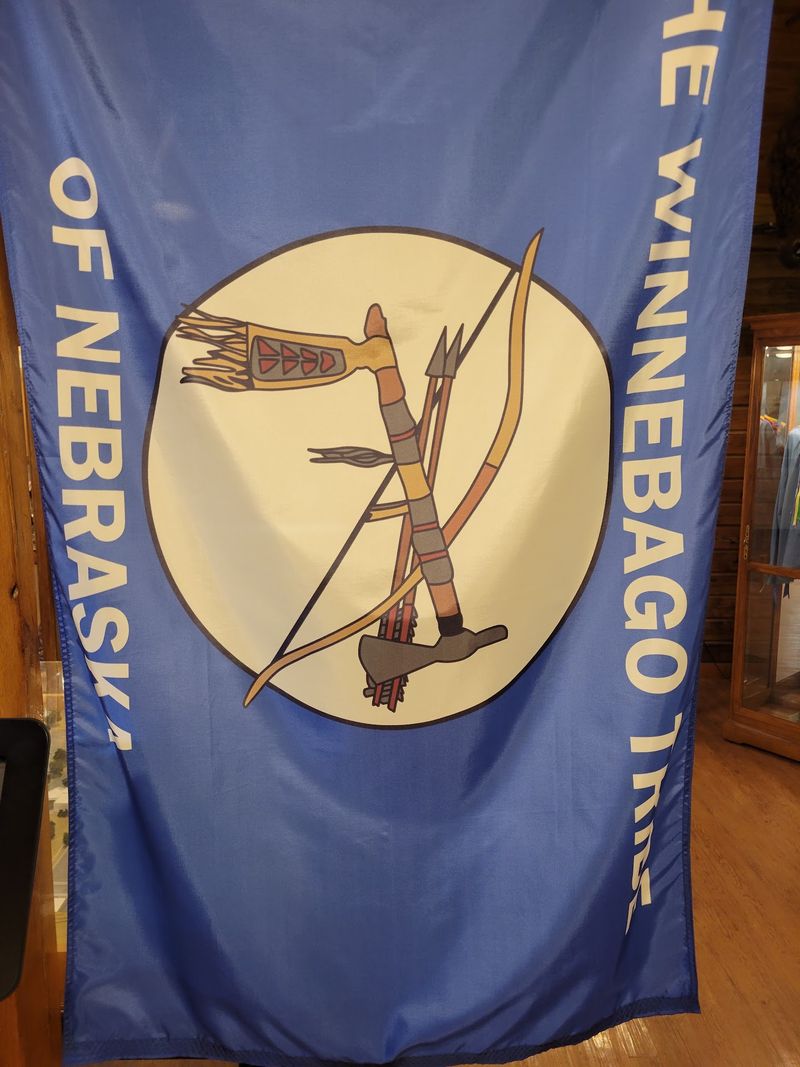
Compact does not mean thin. The Winnebago Tribe of Nebraska packed an enormous amount into this building on East College Drive, and the layout moves you through it without ever feeling crowded.
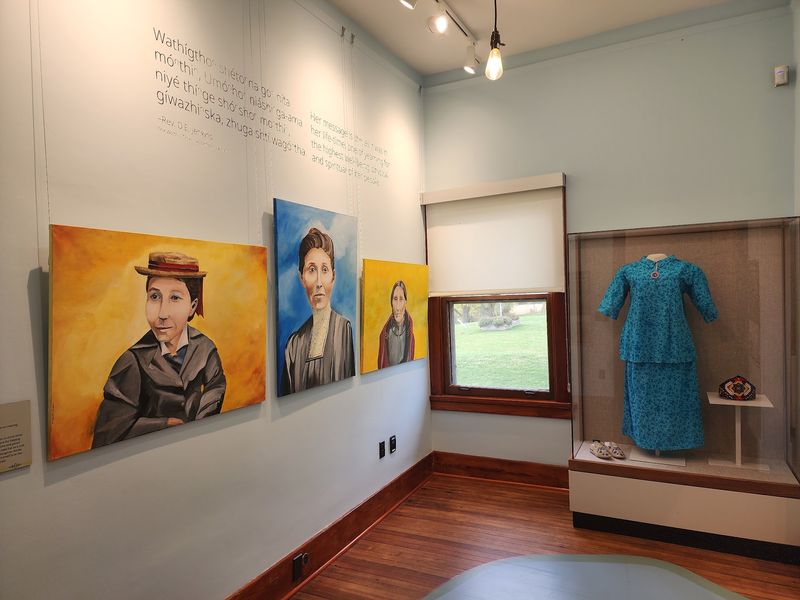
Maps, charts and photographs carry the throughline of Ho-Chunk history, while cases hold powwow regalia, beadwork, baskets and traditional clothing. Oil portraits of chiefs and tribal leaders line the walls, and a replica rock carving of Wakjexi, the water serpent, brings tribal storytelling into the room.
The center is named for Angel De Cora, the Winnebago painter, illustrator, teacher and advocate whose career opened doors in American art. Naming the museum after an artist rather than a battle or a treaty says a lot about how the history here is framed.
Present-day culture gets as much space as the past, which is the part textbooks almost always miss. A small theater, restrooms and on-site parking round out the visit.
Find it at 601 E. College Drive in Thurston County, open Monday through Saturday.
It pairs well with a drive down to Walthill or Macy.
4. Fort Robinson Museum and History Center, Crawford
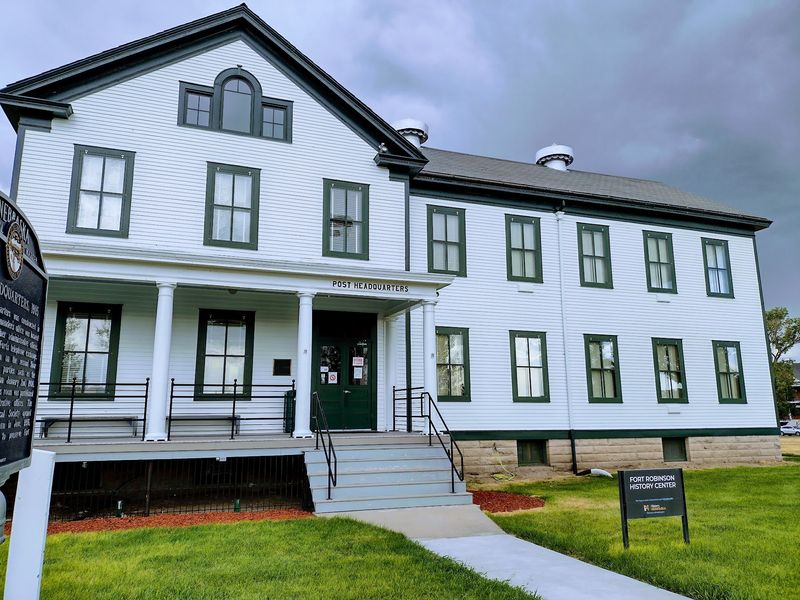
The 1905 post headquarters at Fort Robinson still faces the old parade ground, with buttes rising behind it. Inside, the exhibits run from the 1870s through World War II, and the Plains tribe chapters are the ones that stay with you.
Fort Robinson was built in 1874 to sit beside the Red Cloud Agency, which served Oglala Lakota and other Northern Plains people. Interpretive markers scattered across the grounds walk you through the Cheyenne Outbreak of 1879 and the events surrounding Crazy Horse, with the actual ground in view as you read.
Artifacts in the cases were worn and carried by people who lived at the post, both soldiers and the tribal members whose lives the fort reshaped. It takes hours to work through the fort area properly.
Because the museum sits inside a state park, the day can stretch: horseback rides, hiking, swimming, a restaurant and a cafe are all close by. There is a gift shop, guided tours, and free parking.
The address is 3200 US-20 in Crawford, out in Dawes County, open daily.
5. Susan LaFlesche Picotte Center, Walthill
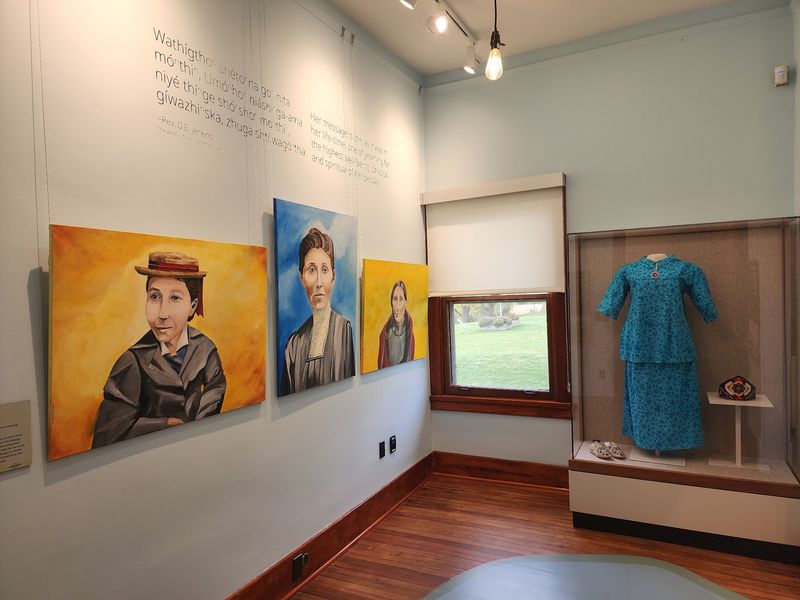
A 1913 hospital in a town of a few hundred people became a National Historic Landmark, and the reason is the woman who built it. Susan LaFlesche Picotte, of the Omaha Tribe, was the first Native American to earn a medical degree in the United States.
She raised the money for this building herself and treated Umonhon patients and settler families alike within its walls. The museum and shop occupy the first and second floors, tracing her medical practice, her public health campaigns, and her work on land rights.
Omaha tribal history threads through the exhibits rather than sitting off to the side, and a clinic still operates on the lower level, which makes the place a working piece of the community instead of a monument.
Walthill sits in Thurston County, close enough to Winnebago and Macy to build a half-day route through Omaha and Winnebago tribal lands.
The center is at 503 Matthewson St, with free parking on site and on the street. Open midweek only, and large groups should call ahead.
6. Ponca Tribe Museum, Niobrara
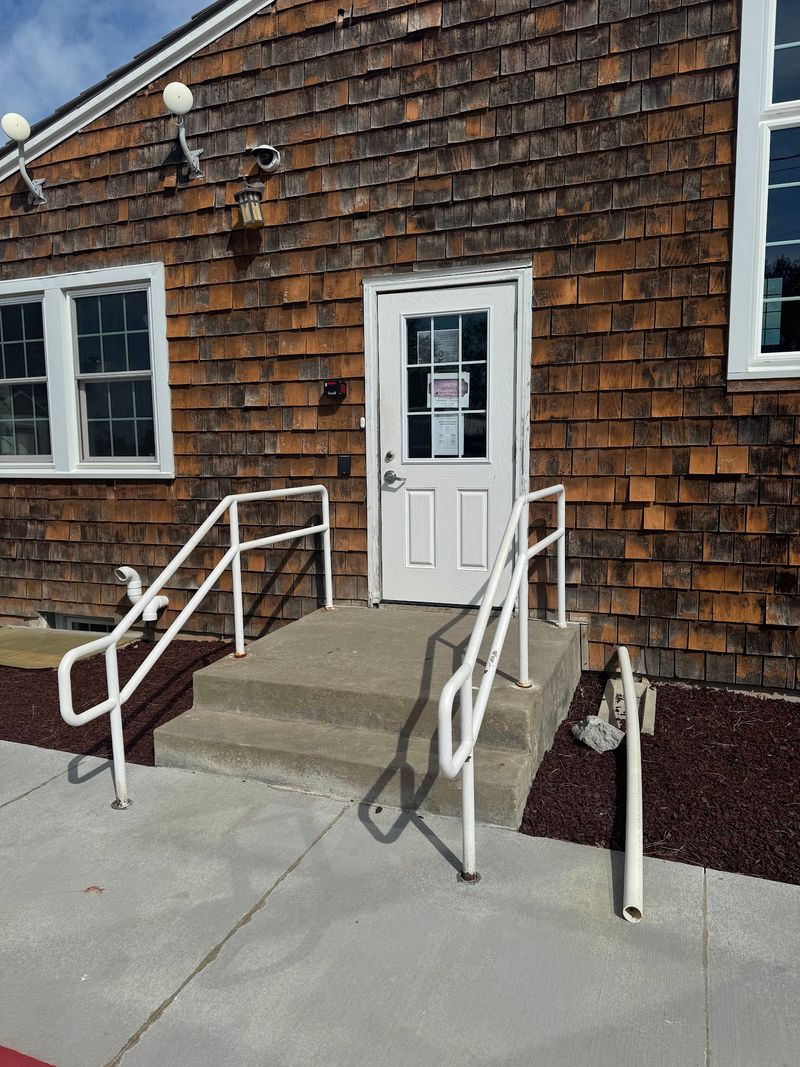
Few museums in the state sit where this one does: inside the community center at the Ponca Powwow Grounds, above the Niobrara River valley in Knox County. The setting alone tells you the history here is still being lived.
Repatriated items form the heart of the collection, including headdresses, tools, beadwork, jewelry, musical instruments and carvings that came home from the Smithsonian. Archival and contemporary photographs, many given by tribal families, line the displays alongside a tribal library and historical archives.
Outside, an educational trail carries kiosks with traditional Ponca stories, and a reconstructed earth lodge lets you walk into the kind of dwelling the tribe built along these rivers. A statue of Chief Standing Bear looks out over the valley, marking the court case in which he argued successfully that a Native person is a person under American law.
That case is the single biggest thing most textbooks leave out, and it happened in Nebraska.
The museum is at 88915 521 Avenue, open weekdays. Bring your own snacks; there is no restaurant on site.
7. Alliance Knight Museum, Alliance
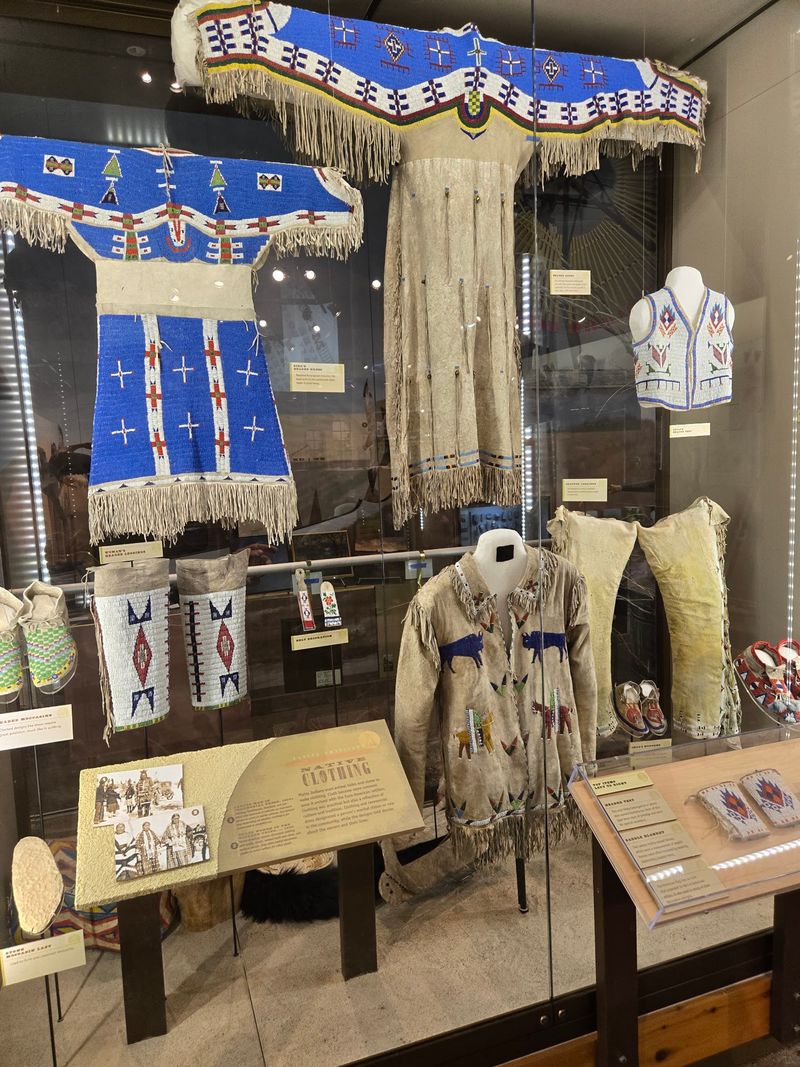
No admission fee, and the Native American displays are the strongest part of the building. That combination is rare anywhere, let alone in a Box Butte County railroad town of 8,000.
The Knight Museum walks the High Plains story forward in order: tribal life on the short-grass prairie first, then homesteaders, then the arrival of the railroad that made Alliance what it is. Cases hold tribal artifacts, historical records, Old West material and train memorabilia, each group clearly labeled and kept immaculate.
Staff know the collection deeply and will happily explain what sits behind the scenes as well as what is on view. A small theater and live programming add to the visit, and there is a gift shop near the entrance.
Since it costs nothing to walk in, a family can spend an hour or two and still have money for lunch downtown, which is part of why the place draws Panhandle school groups.
Look for it at 908 Yellowstone Ave, open Monday through Saturday with free parking. Weekday mornings are the quietest stretch.
8. Morrill Hall at the University of Nebraska in Lincoln
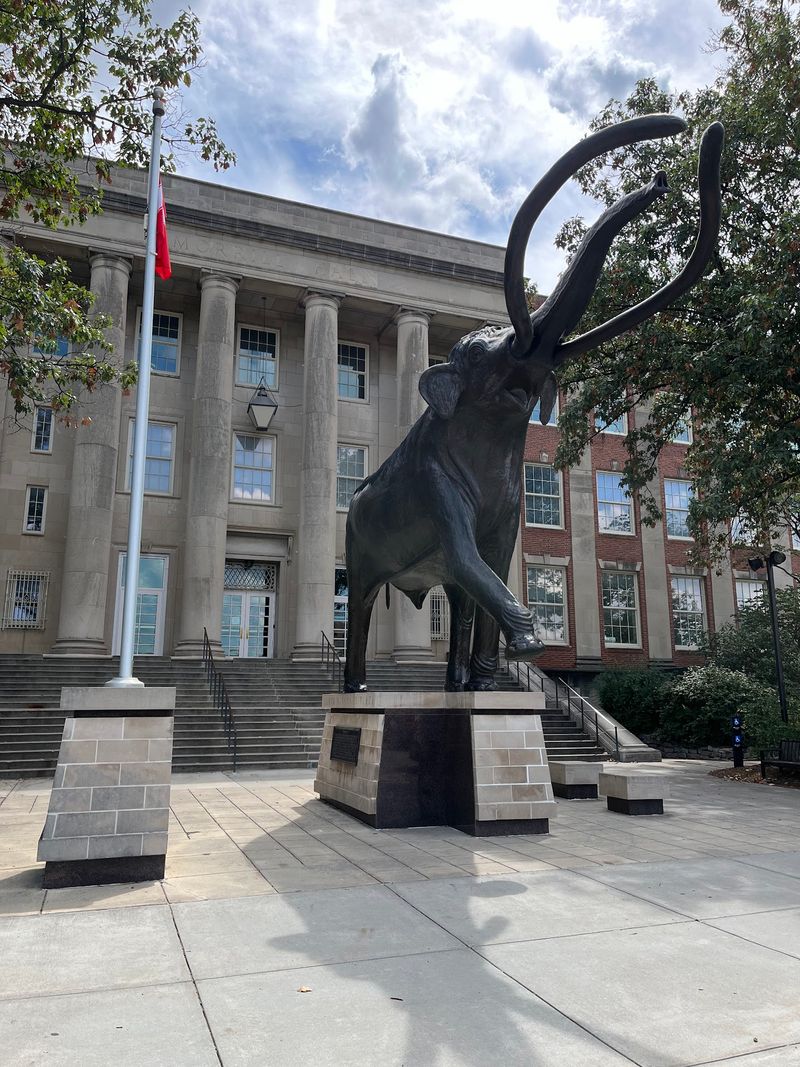
Most people come to Morrill Hall for the mammoths. Three floors up from the fossil halls waits the Claire M.
Hubbard First Peoples of the Plains gallery, and it deserves its own trip.
Founded in 1871, the University of Nebraska State Museum covers the state’s biodiversity and its cultures, and the Plains gallery ties the two together on purpose. Displays show how tribal nations turned the region’s own materials into tools, food, shelter and clothing, then trace how language, marriage customs, art and belief grew out of that same landscape.
Objects on view include quillwork beading made with porcupine quills, carved ivory, and deer-hide moccasins, each connected back to the place its makers lived. Celebrations and present-day heritage share the space with the historical material.
Interactive stations keep younger kids busy, and the planetarium upstairs is an easy reward after the galleries. There is a cafe, a gift shop, free wi-fi, restrooms and changing tables.
Morrill Hall sits at 645 N 14th St on the downtown Lincoln campus, open Tuesday through Sunday, with parking options ranging from free street spots to nearby garages.