Rescued Dogs Get A Fresh Start At This Idaho Humane Society Adoption Center
Almost 120 poodles arrived at once, curly-coated and blinking after a long ride from a rural corner of Idaho. Their story started rough, but the ending is still being written, one adoption at a time.
A quiet building on the south side of Boise turned into the busiest fresh start in the state that week. Here is where those dogs landed, and why so many Idahoans keep coming back to help them.
Where The Curly Coats Landed
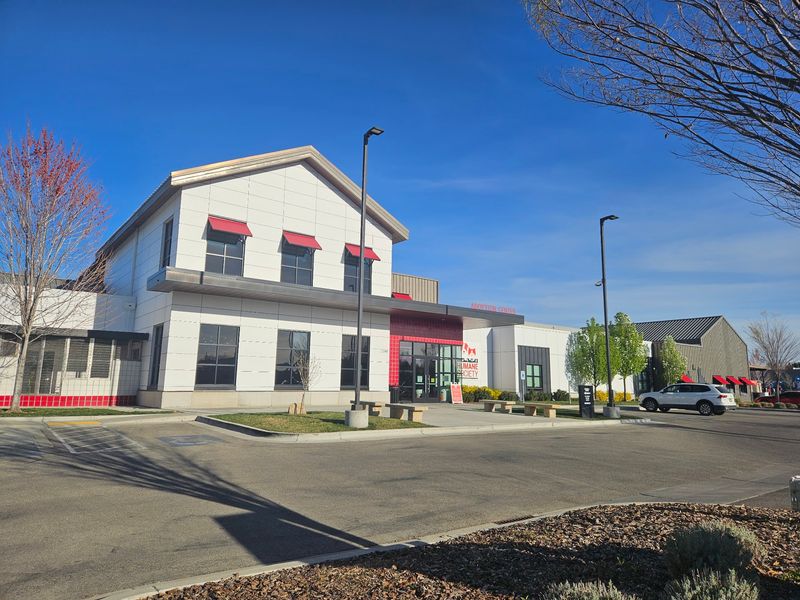
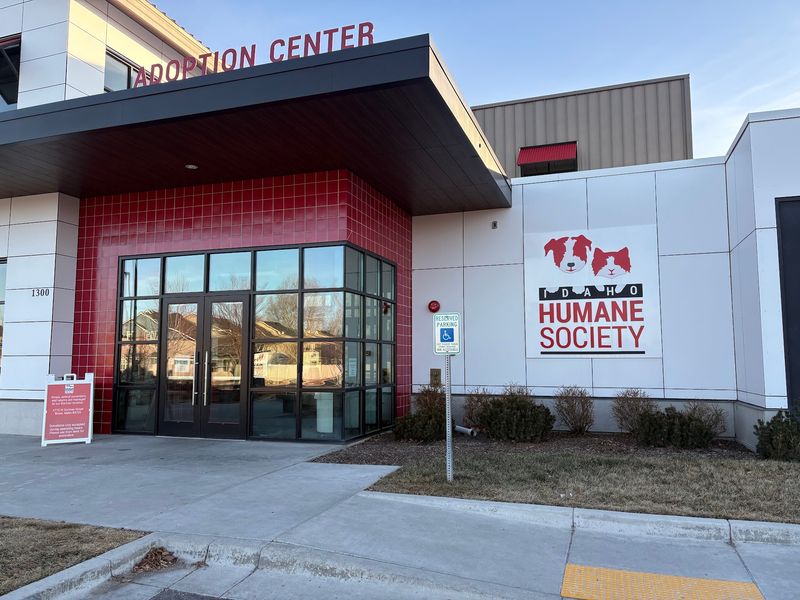
Roughly 120 poodles walked, wobbled, and were carried through the doors of a low, modern building on the south end of Boise in May 2026. The parking lot filled with crates.
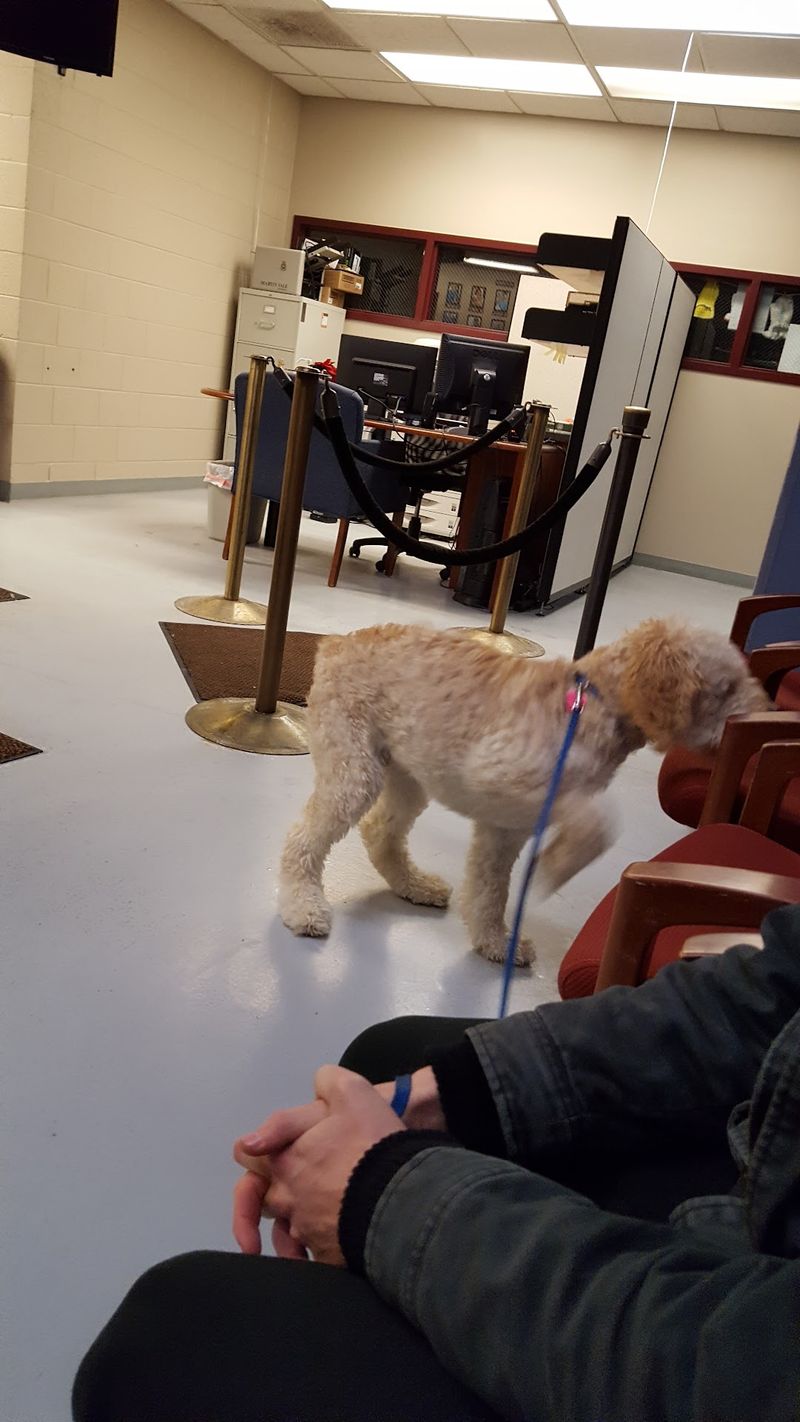
The lobby buzzed with volunteers.
Set in the Treasure Valley off Overland Road, the Idaho Humane Society Adoption Center is the state’s largest and oldest animal welfare organization. It runs an adoption floor, a veterinary charity clinic, and a behavior team all under one roof.
The poodles came from Elmore County, surrendered by a former commercial breeder who had lost control of the population. It was the kind of large-scale intake that tests a shelter’s every corner.
What greeted them was space, warmth, and a staff that knew exactly what to do. Regulars mention that the newer facility feels calm rather than chaotic, even on a packed weekend.
For dogs who had known very little kindness, the first hours here mattered. Idaho gave them a soft place to land, and the work of putting them back together started immediately.
A Rescue That Outgrew Its Owner
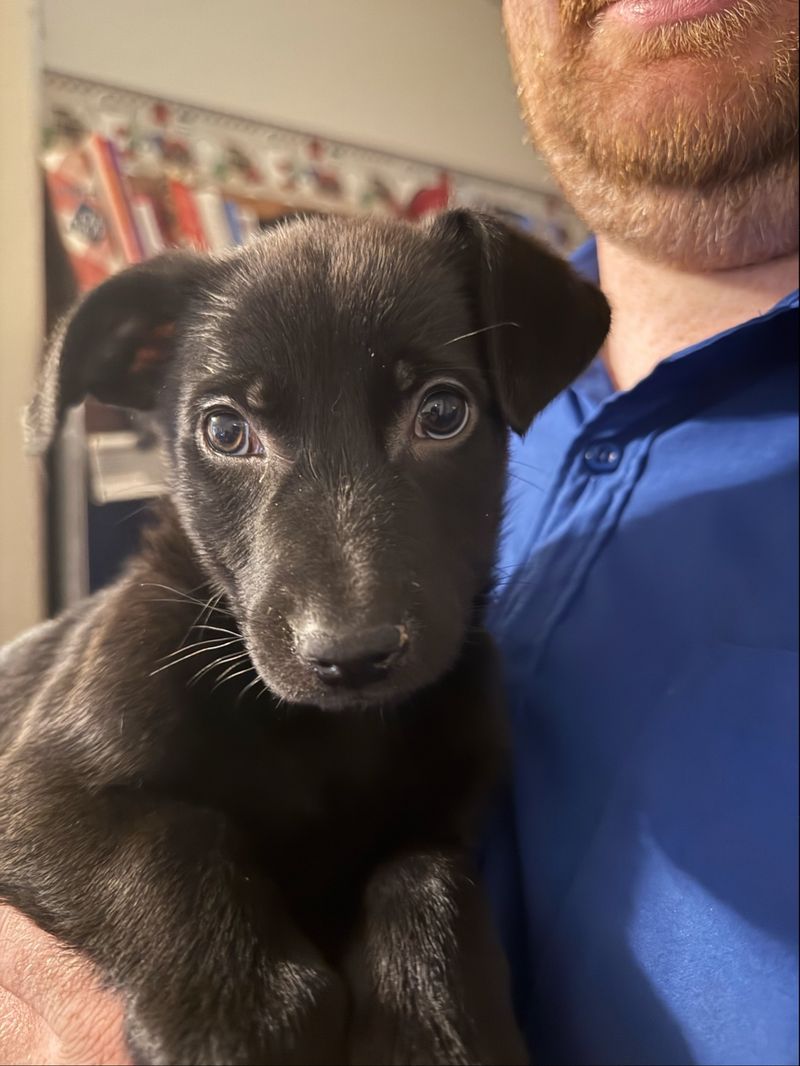
A single breeder, a growing kennel, and a situation that quietly slipped past the point of no return. That is how nearly a hundred dogs ended up needing a new home all at once.
The Elmore County breeder voluntarily surrendered the poodles after the population escalated beyond what one person could manage. Rather than let things spiral, the choice was made to hand the dogs over to people equipped to help.
Elmore County sits southeast of the Treasure Valley, out where the high desert stretches toward Mountain Home. The distance meant a coordinated haul to get every dog to Boise safely.
Surrenders on this scale are rare, and they demand ongoing, resource-intensive effort. Each dog needed intake photos, a health screening, and a temporary spot before anything else could happen.
There is no villain framed in this story, just a breeding operation that grew faster than one household could handle. The important part is that the dogs got out, and Idaho’s largest shelter was ready to catch them.
The Clinic That Worked Overtime
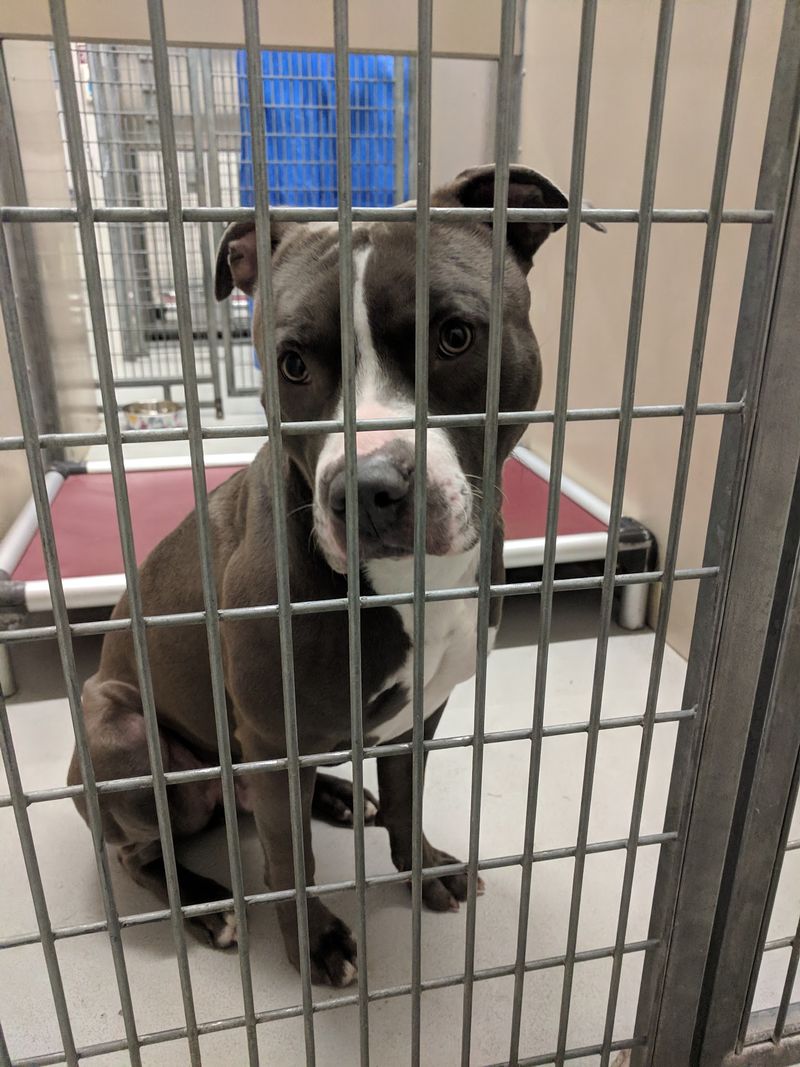
Many of the poodles needed care the moment they arrived. Some were fighting parvovirus.
Others carried chronic conditions that had gone untreated for far too long.
The veterinary team dug in. Exams, medications, isolation for the sick, and steady monitoring became the daily rhythm as staff nursed dog after dog back toward health.
The on-site charity clinic is a genuine draw for Treasure Valley pet owners too. Visitors point out that shot appointments with a technician can run around fifteen dollars, and larger procedures cost a fraction of what a standard practice charges.
One family shared that a limb-removal surgery for their own dog was handled with patience and fair pricing, scheduled quickly once the wellness visit was done. That same expertise is what the rescued poodles benefited from.
Scheduling can take planning, since the clinic stays busy and often books weeks out. Deposits are typically paid up front to hold a slot.
For the poodles, this clinic was the difference between a rough arrival and a real recovery in Idaho.
Stopping The Cycle At The Source
Fixing the immediate crisis was only half the job. The other half meant making sure it could never happen again in that same place.
Alongside the rescue, the organization spayed and neutered dogs that remained on the Elmore County property. That step quietly closes the door on another unchecked litter down the road.
It is preventive work that rarely makes headlines, yet it carries real weight. Every altered dog is one less accidental litter and one less future emergency for a shelter to absorb.
The math is simple and stark. A single breeding pair can produce dozens of descendants in a few short years, and shelters across Idaho already stretch to keep up.
The staff treat spay and neuter as core to their mission rather than an afterthought. It reflects a long-standing focus on responsible animal care throughout the state.
For anyone frustrated by overpopulation, this is the unglamorous answer at work. The poodle rescue was a symptom, and the surgeries were part of the cure Idaho put in place.
Meet Moose, Ready And Waiting
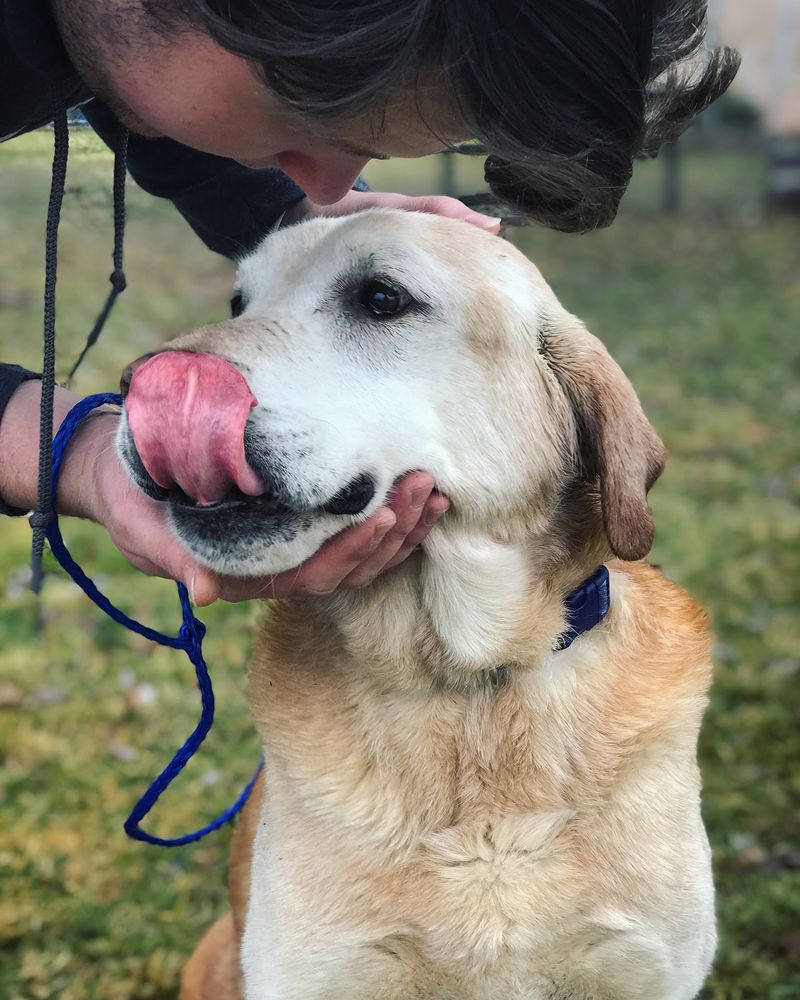
Among the crowd of curly newcomers, one poodle earned a name that stuck: Moose. Big personality, cleared for adoption, and eager for whatever came next.
Moose became a small face for a large rescue. While dozens of dogs blurred together in headlines, a single named pup gives people something to root for.
By early May, a good number of the poodles had already found homes, and Moose was near the front of the line of those ready to go. Others were still tucked into foster care or working with the behavior department.
Adopting a dog like Moose comes with real support. Staff walk new owners through care questions, feeding, and follow-up shots so nobody leaves feeling unprepared.
People who have adopted here describe returning Saturday after Saturday until the right match clicked. Nobody rushes the decision, and that patience shows.
Whether Moose has since found his people or is still charming visitors, his story captures the whole point. In Idaho, a rescued dog gets treated like an individual, not a number.
The Foster Homes Behind The Scenes
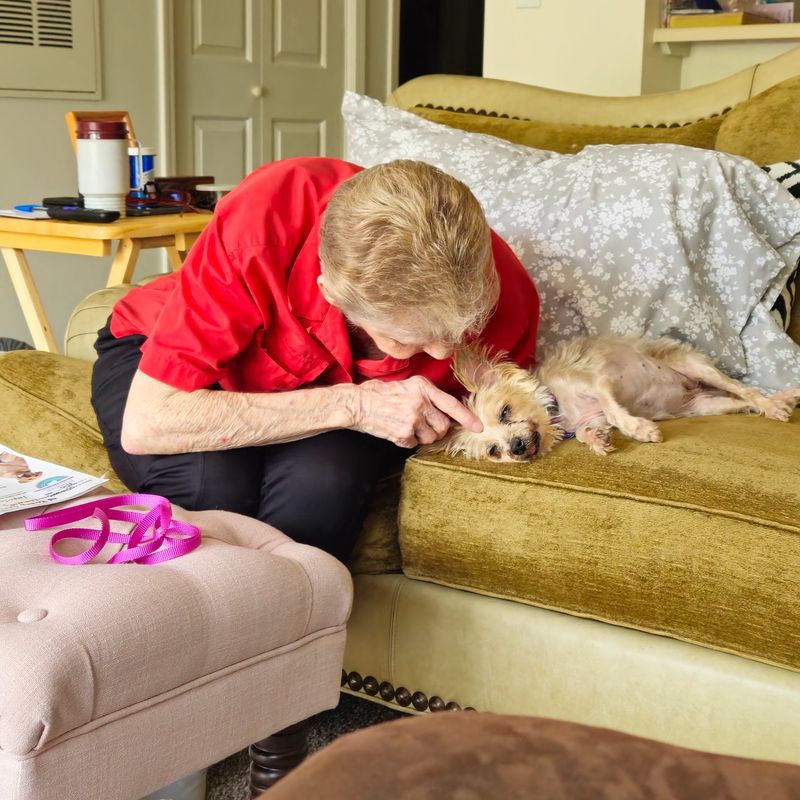
Not every rescued dog thrives on an adoption floor right away. Some need a quiet couch, a calm household, and time before they are ready to be seen.
That is where foster homes step in. A share of the poodles went straight into temporary families across the Treasure Valley to decompress away from the bustle of the shelter.
Fostering does two jobs at once. It frees kennel space for the next dog in need, and it teaches the team how each poodle behaves in a normal home setting.
A foster parent might learn that a shy dog loves car rides, ignores the cat, or panics at thunderstorms. All of that becomes gold when matching the dog to a permanent family.
For the poodles who had spent their whole lives in a breeding operation, a real living room was brand new territory. Carpet, doorbells, and dinnertime routines all had to be learned.
The foster network is one of the quieter engines of Idaho animal rescue, and it carried a heavy load during this intake.
When Behavior Needs A Coach
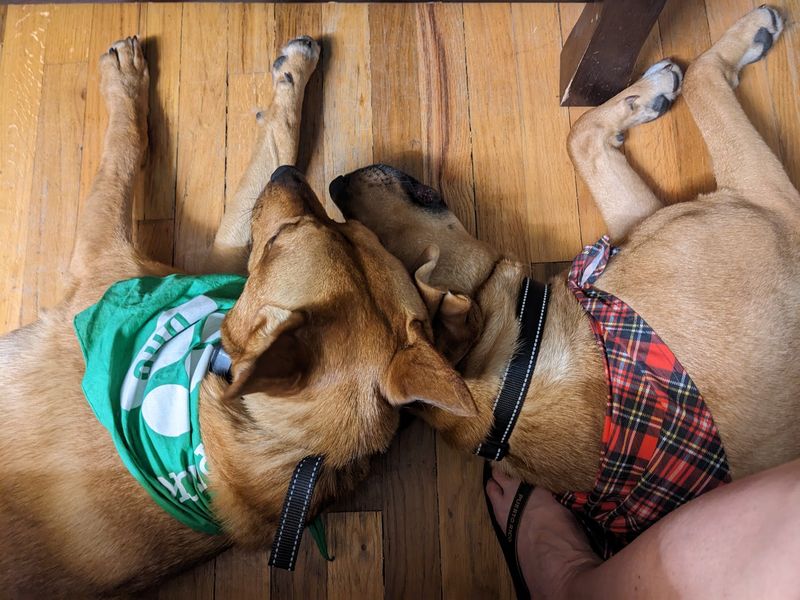
A dog raised in a kennel does not automatically know how to be a pet. Leashes feel strange.
Hands reaching down can spark fear rather than joy.
Several of the rescued poodles were routed to the organization’s behavior department, where trainers help nervous or undersocialized dogs learn to trust people again.
The work is slow and deliberate. It might mean days of simply sitting nearby, offering treats, and letting a frightened dog decide when to come closer.
Behavior support matters because a poorly adjusted dog is far more likely to be returned. By investing early, the team gives each poodle a better shot at staying in its forever home.
People who adopt from here often praise how educational the staff are, walking them through what to expect and how to keep progress going at home.
For dogs that spent years without gentle handling, this department is a bridge back to normal life. It is one more reason the shelter’s reach extends well beyond simple adoptions across Idaho.
More Than A Boise Shelter
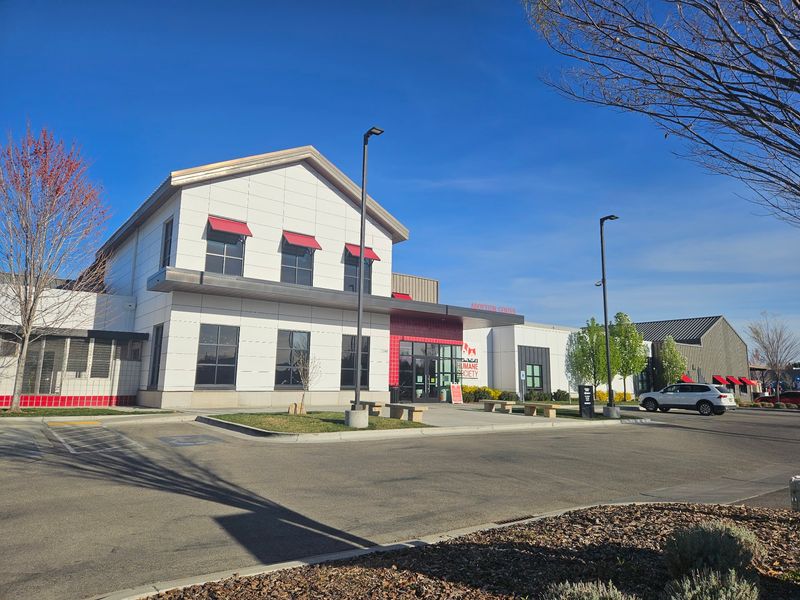
The reach of this place stretches far past its own kennels. As the largest and oldest animal welfare group in the state, it shoulders responsibilities most people never see.
Beyond adoptions, the organization advocates for responsible care, steps in against animal cruelty, and runs humane education programs throughout Idaho. The poodle rescue was one chapter in a much longer story.
It also regularly brings in animals from other shelters, both inside Idaho and beyond state lines, to ease overcrowding elsewhere. That network keeps pets moving toward homes instead of piling up.
The newer facility off Overland has earned steady affection from longtime supporters. Families who have adopted here across decades notice how much smoother the current building feels.
All of this runs on ongoing, resource-intensive effort, funded largely by the community that believes in it. Donations, volunteers, and adopters keep the doors open.
When you understand the full scope, the poodle intake makes more sense. This is simply what a well-built animal welfare hub does when Idaho calls on it.
What It Feels Like To Visit
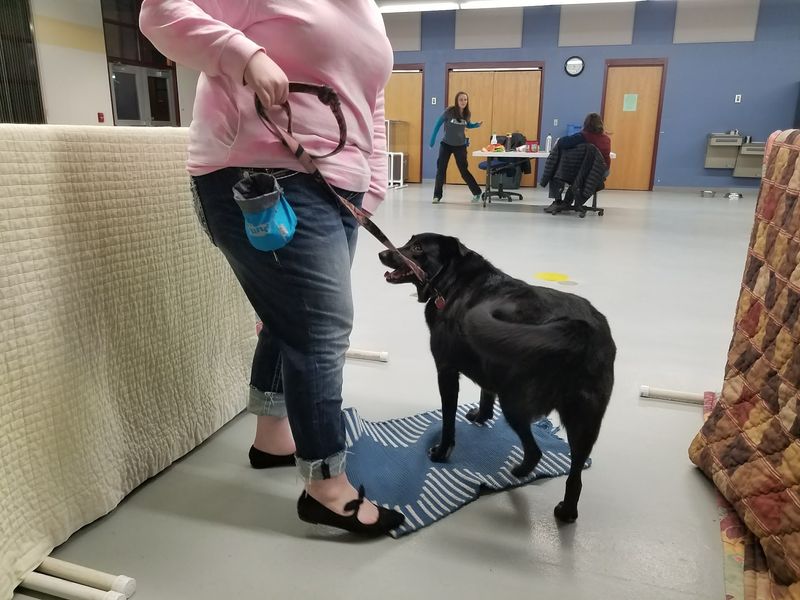
Walk in on a busy afternoon and you will find a mix of hopeful families, curious kids, and staff who genuinely seem glad you came.
The mood leans calm and encouraging rather than pushy. Adopters describe bouncing between kennels, meeting dog after dog, and never feeling rushed into a choice.
Kind-hearted is the word that comes up again and again about the people working the floor. They answer questions about care, feeding, and vaccinations without making anyone feel foolish.
Families and near-retirees will find it an easy, low-pressure outing. You can spend an hour visiting animals even if you are not ready to bring one home that day.
Meet-and-greets happen in quiet rooms where a dog can settle and show its real personality. That setup helps shy poodles shine and helps visitors picture daily life together.
It suits weekend day-trippers in the Treasure Valley looking for something warm to do, and it suits serious adopters ready to commit. Either way, the welcome in this Idaho building lands the same.
Getting There And Planning Ahead
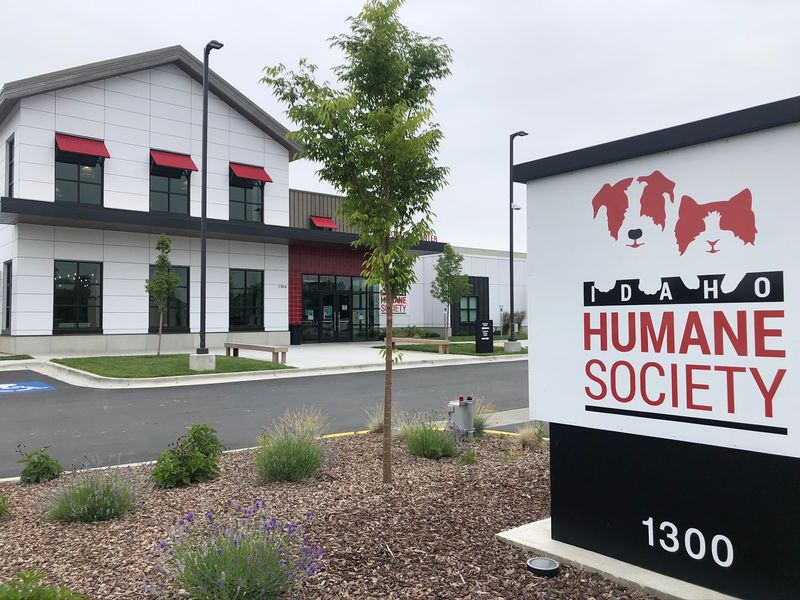
You will find the adoption center at 1300 South Bird Street in Boise, tucked into the south side of town off the Overland corridor in the Treasure Valley.
It is an easy drive from most of the metro area, with parking right on site. The location makes it a simple weekend stop rather than an all-day expedition.
The doors stay closed on Mondays, and hours run from late morning into the evening on several weekdays, with earlier closing midweek and on Sundays. Because those times shift, it is smart to confirm before you head out.
Adoption fees are modest and go straight back into caring for the next animal in line. The on-site clinic operates separately and usually requires appointments booked in advance.
Bring patience if you are adopting, since the right match can take more than one visit. Some regulars came back four Saturdays running before finding their dog.
Plan around the schedule, arrive with questions, and give yourself time to wander. This corner of Idaho rewards visitors who are not in a hurry.
A Fresh Start Worth Witnessing
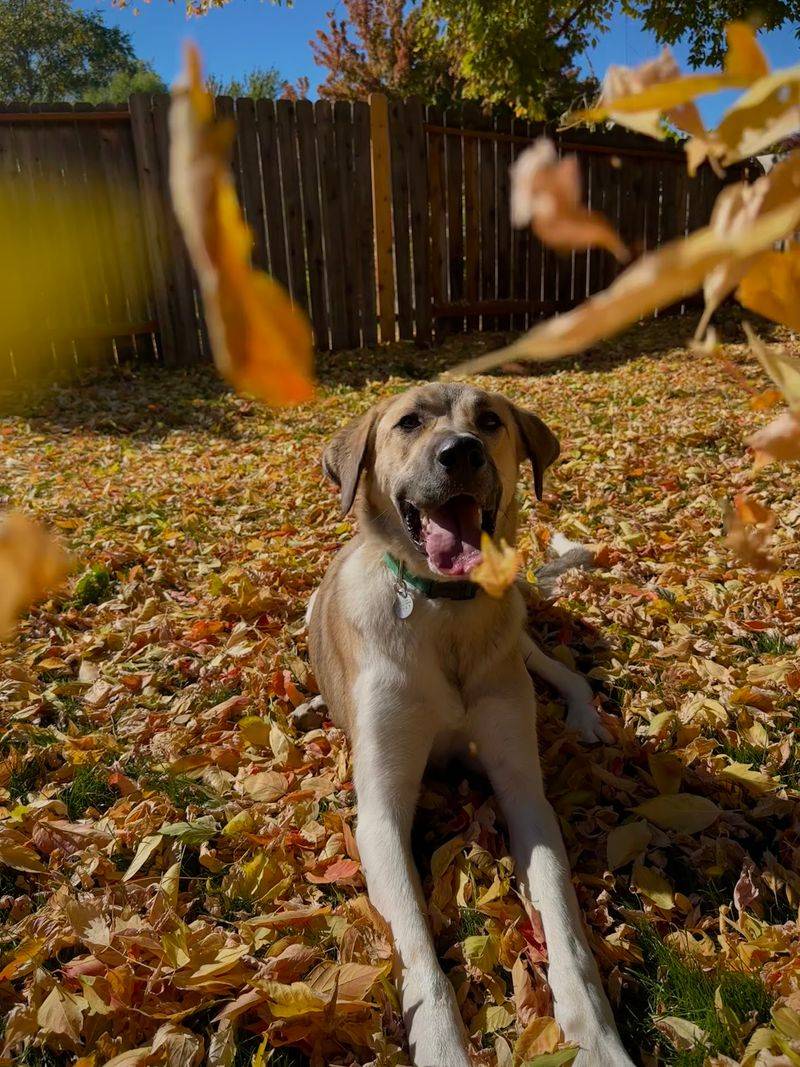
Nearly a hundred dogs went from an overwhelmed kennel to warm homes across the Treasure Valley, and that arc is the whole reason this place matters.
The poodle rescue showed what the organization does best: absorb a crisis, heal the sick, calm the fearful, and match each dog with the right family. No drama, just steady work.
Even if the poodles are all placed by the time you read this, the shelter never sits empty. New arrivals from around Idaho and beyond keep the adoption floor turning.
Whether you come to adopt, to foster, to use the affordable clinic, or simply to spend an hour among grateful animals, you will leave with a clearer sense of what community care looks like.
The staff’s kindness is not a slogan here, it is the daily habit that pulled a hundred dogs back from a rough start.
Point your car toward south Boise, take your time, and see it for yourself. Idaho built something quietly good on Bird Street, and it is still open for you.