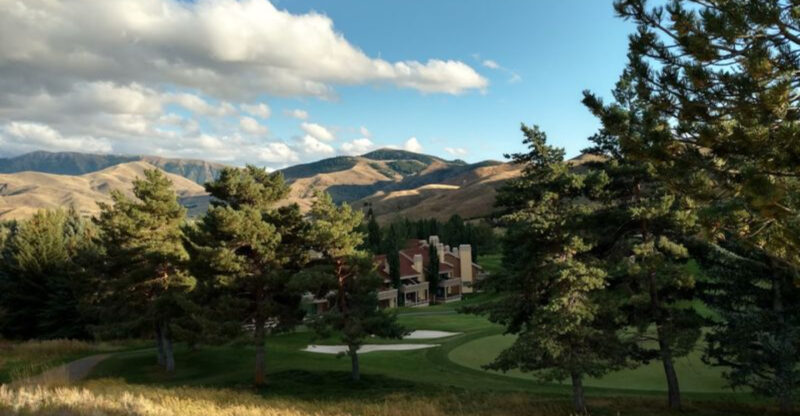
This Remote Idaho Ghost Town Is A Well-Preserved Mining Camp You Reach By A Rough Dirt Road
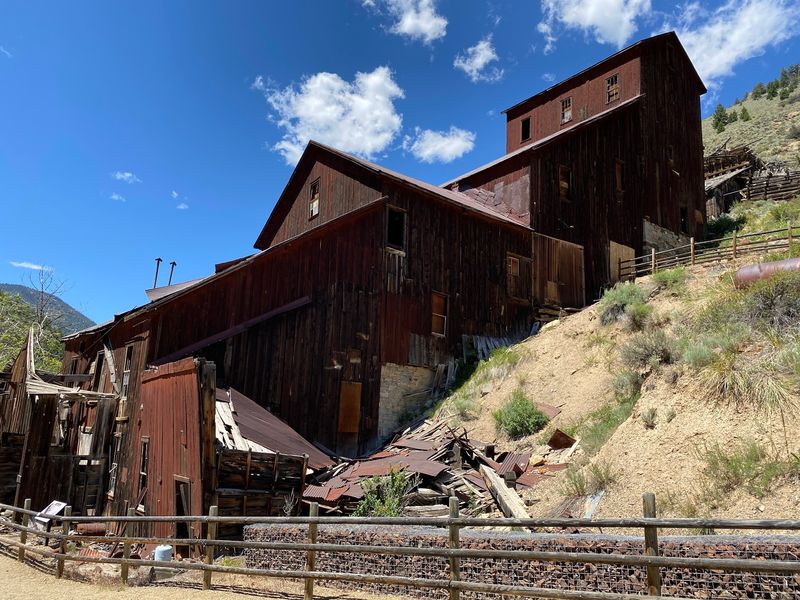
Wells Fargo built its little stone building in this Idaho canyon to last, and more than a century later it is still standing while everything around it slowly leans and weathers. Roughly fourteen old structures cling to a hillside here, reachable only by a rocky dirt road that keeps the crowds thin and the quiet real.
The reward at the end is a whole mining town frozen mid-decay, complete with plaques that tell you who lived and worked in each spot. Bring a picnic, take your time, and walk the same street the miners did.
A Canyon Town At The End Of The Dirt
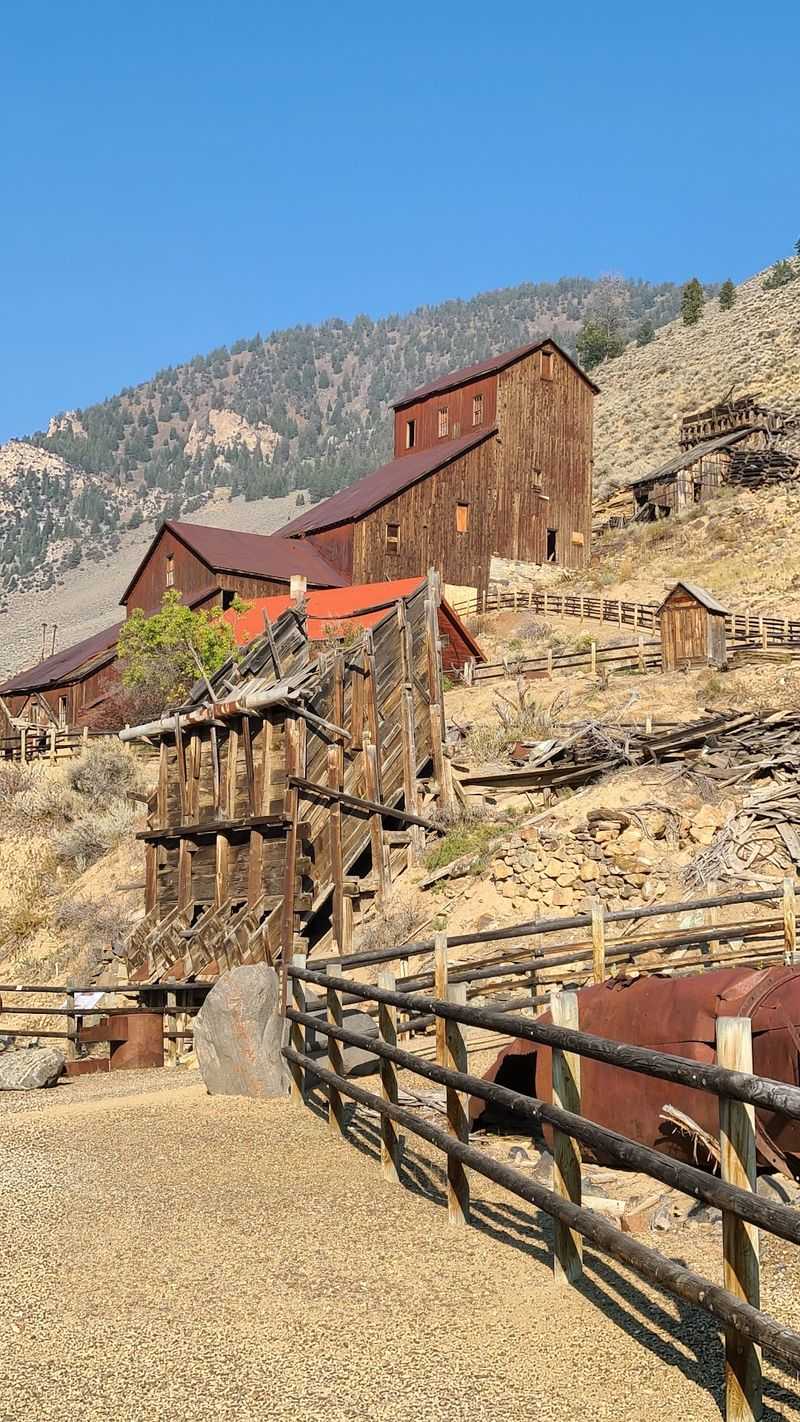
Rocky slopes rise steeply on both sides, and tucked into the folds of the canyon sit weathered wooden buildings that have not seen a new coat of paint in over a hundred years. Some structures stand nearly whole; others have folded in on themselves, leaving just a frame or a chimney behind.
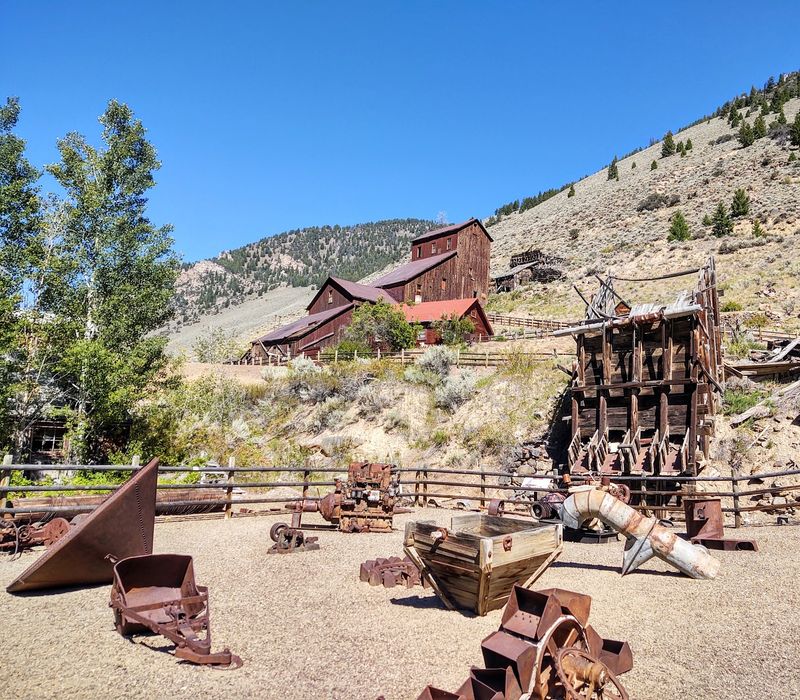
Located in the mountains of central Idaho near the Salmon River country, Bayhorse is a genuine mining camp rather than a rebuilt tourist stop. Gold and silver drew hundreds of people up here in the late 1800s, and the town processed ore right on site.
What makes it special is how much survived. Around fourteen buildings remain, spread along a marked walking path that lets you take in the whole settlement in under an hour.
Wide, slightly steep trails carry you past homes, business fronts, and industrial remnants.
Reaching it takes a rough four-mile drive off the main highway, which is exactly why so much of the town is still here to see today.
When Silver Built A Boomtown
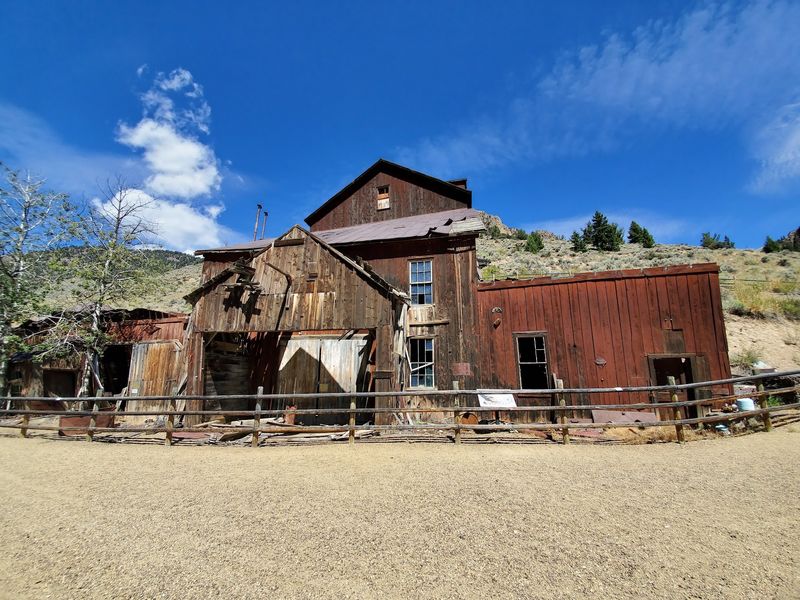
Picks striking silver and gold in these hills during the late 1800s set the whole story in motion. Word spread, prospectors poured in, and a working camp took shape almost overnight along the canyon floor.
At its peak, Bayhorse buzzed with hundreds of residents. The mines pulled ore from the surrounding mountains, and the town grew the businesses a mining crowd needed to keep going day to day.
Life here was hard, remote, and built entirely around the pursuit of precious metal.
The scale of the effort still lands when you stand in the middle of it. Hauling equipment up rough terrain, building sturdy structures from stone and timber, and running an ore-processing operation this far from anywhere took real grit.
Visitors often walk away marveling at what those workers pulled off with the tools of the era. Reading the story of Bayhorse in the very spot it happened gives Idaho history a weight that no museum display quite matches.
The Building Wells Fargo Made To Last
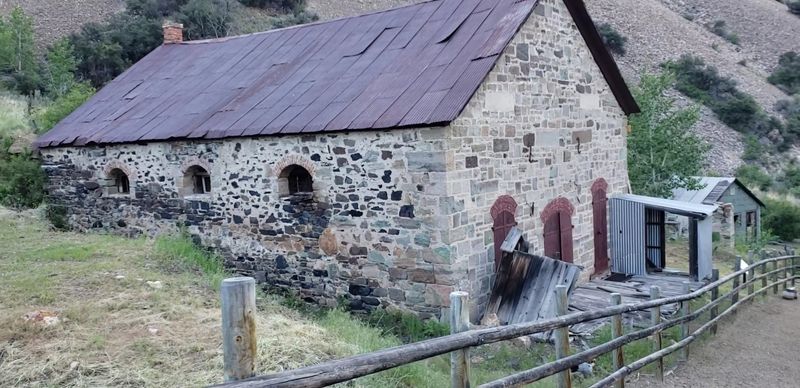
Thick stone walls set the old Wells Fargo building apart from its wooden neighbors the moment you spot it. While plenty of structures around town have crumbled, this one still stands solid and squared-off, a clear sign it was built to protect whatever passed through its doors.
Frontier towns needed a secure place to handle gold, silver, and the business that came with them, and this was it. The masonry has outlasted fires, harsh winters, and more than a century of neglect.
Walking up to it, you get a real sense of the difference between what was meant to endure and what was thrown together fast. The contrast between crumbled cabins and this stubborn stone box tells its own quiet story about frontier priorities.
Visitors regularly point to this building as a highlight of the whole site. It is one of the most photographed spots in Bayhorse, and standing beside it, you understand why it earned that reputation among Idaho ghost town fans.
Reading The Town Off The Plaques
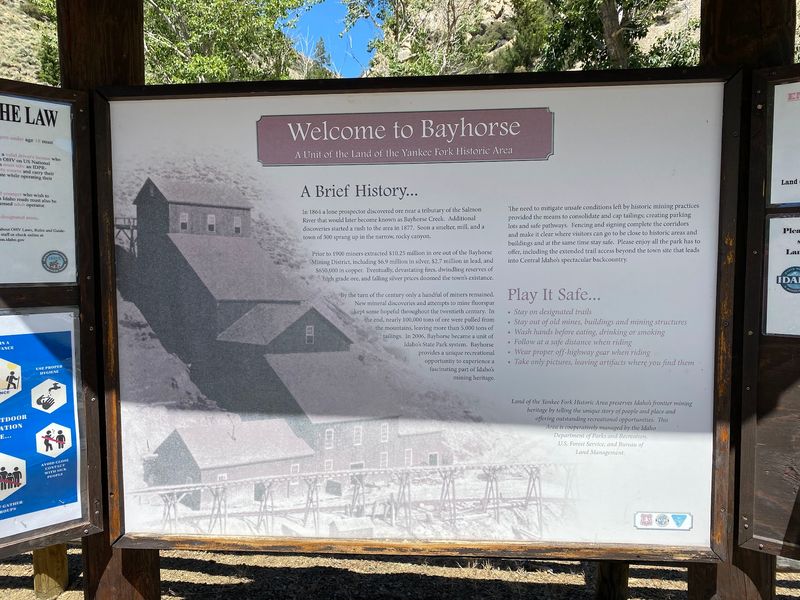
Interpretive signs line the marked path, and they turn a walk past old wood into an actual tour of frontier life. Each plaque explains who ran a given building, what business they did there, and how the town functioned as a whole.
Without the signage, many structures would just be mysterious ruins. With it, you learn which spot was a shop, which handled ore, and how daily life pieced together in this remote pocket of Idaho.
The plaques are one of the most mentioned features by people who visit. They strike a nice balance, giving enough detail to satisfy history buffs without overwhelming families who just want the highlights.
Wide, well-kept footpaths connect the signs, so you can move at your own pace and stop wherever curiosity strikes. Reading your way through Bayhorse is genuinely engaging, and it is the main reason the town feels like a lived-in place rather than a random pile of old lumber on a hillside.
Fourteen Buildings In Arrested Decay
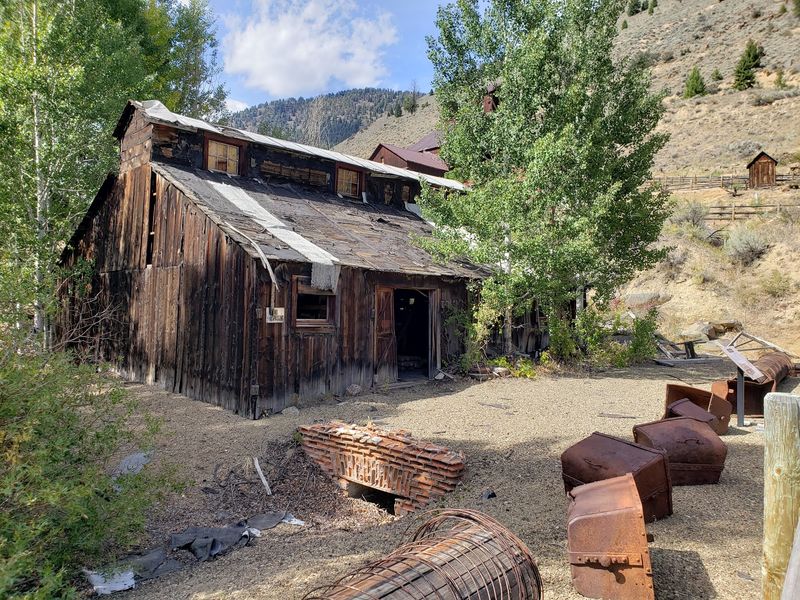
Some cabins here have completely folded, their boards scattered and gray, while others still stand square with roofs intact. That mix is exactly what makes wandering Bayhorse so absorbing.
Roughly fourteen buildings survive from the mining days, kept in what preservationists call arrested decay. Rather than rebuilding them shiny and new, caretakers stabilize what remains so the honest weathering stays visible.
You see time itself frozen in the leaning walls and sun-bleached timber.
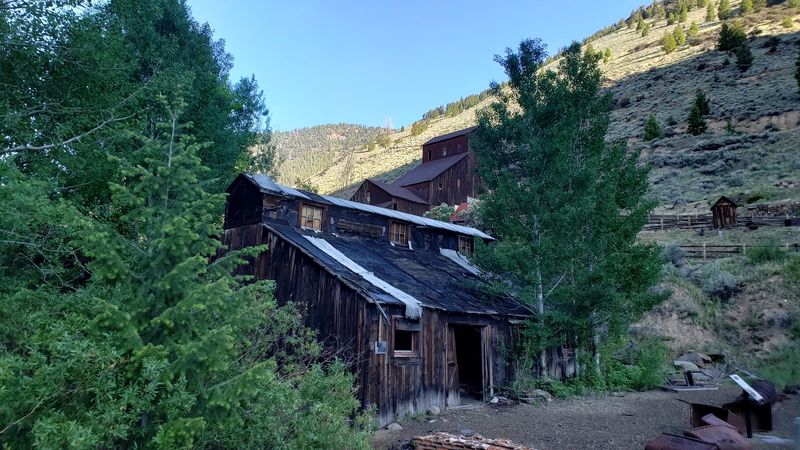
Homes, business fronts, and ore-processing remnants all sit within a short stroll of one another. The whole cluster reads like a snapshot of a working town paused mid-breath, then left alone for the mountains to slowly reclaim.
Photographers love the setting, and it is easy to understand the appeal. Textured wood against the rugged canyon backdrop makes for striking pictures no matter the light.
Because the collection is compact, you can take in every structure without a hard hike, which suits visitors of nearly any ability level exploring this corner of Idaho.
The Ranger Who Fills In The Gaps
A park ranger is often on hand, and having someone there to answer questions changes the whole visit. Beyond what the plaques cover, the ranger can explain the finer points of how people survived up here over a century ago.
Guests frequently mention how helpful and knowledgeable the staff are. Ask about a particular building or a bit of the mining process, and you will usually get a thoughtful answer that brings the place to life.
Guided talks are occasionally available too, adding another layer for those who want to dig deeper. For history lovers, catching the ranger on site is a real bonus.
It is worth remembering that this is a working part of Idaho’s state parks system, and staffing follows the season. The presence of a ranger also means the site stays cared for, with trails maintained and the buildings watched over.
If you have the option, timing your trip when staff are around makes an already interesting stop noticeably richer and more memorable.
Trails Made For Every Pair Of Legs
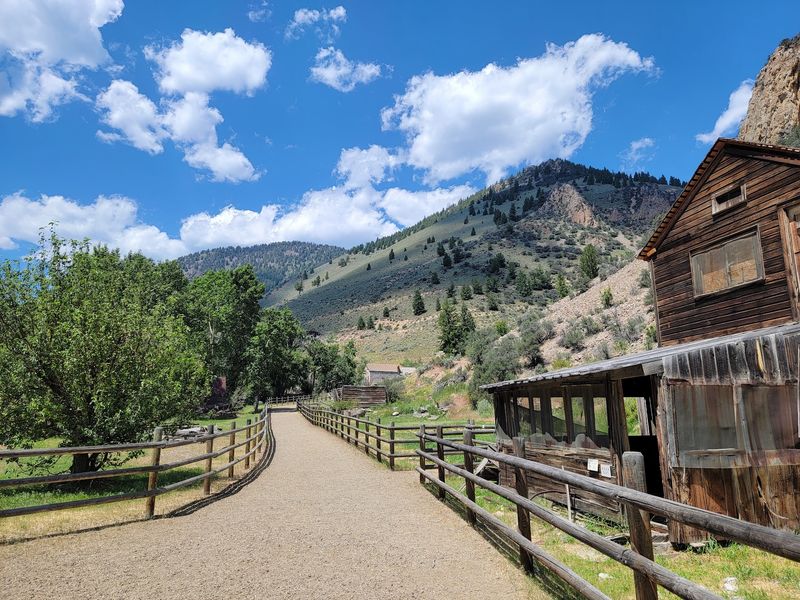
Wide gravel paths wind through the town, graded gently enough that most visitors can manage them without much trouble. A few stretches tilt slightly uphill, but nothing here demands serious hiking gear or stamina.
That accessibility is part of the charm. Families with kids, older travelers, and anyone wanting an easy outing can all walk the same street the original settlers did, which is a rare thing at a genuine ghost town.
You can see the entire site comfortably in under an hour if you are moving along, or stretch it out much longer by lingering at each building and reading every sign. There is no pressure to rush.
Footpaths reach all the main levels of the town, so no structure feels off-limits or out of reach. For a spot this remote in Idaho, the layout is surprisingly welcoming.
Slip on comfortable shoes, watch your footing on the loose spots, and you will find Bayhorse one of the more approachable historic walks in the state.
A Picnic Among The Ruins
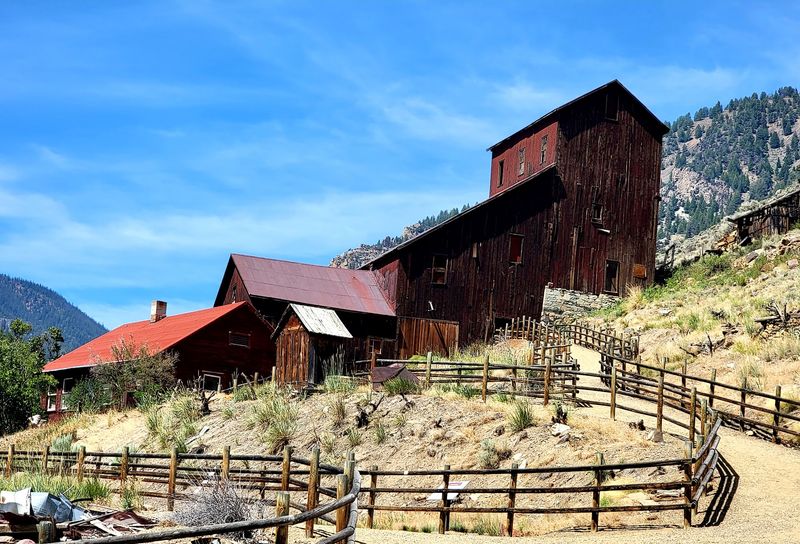
A couple of picnic tables and a covered shelter make it easy to turn a quick stop into a leisurely afternoon. Spread out a lunch, take in the canyon views, and let the kids stretch their legs between building tours.
Basic facilities round things out with vault toilets and a generous parking lot, which matters at a place this far from any town. You will not find gas stations or shops nearby, so plan to arrive self-sufficient.
Visitors appreciate that Bayhorse offers just enough comfort to linger without feeling commercialized. The setting stays raw and authentic, but you are not roughing it entirely either.
Pack water, snacks, and everything you might need for a half-day out, since the nearest supplies sit miles down the road. Eating lunch surrounded by weathered mining structures and mountain air beats any roadside stop.
For a low-cost Idaho day trip, the combination of history, easy walking, and a shaded spot to eat is hard to top. It is the kind of unhurried outing that suits nearly everyone.
The Drive That Guards The Town
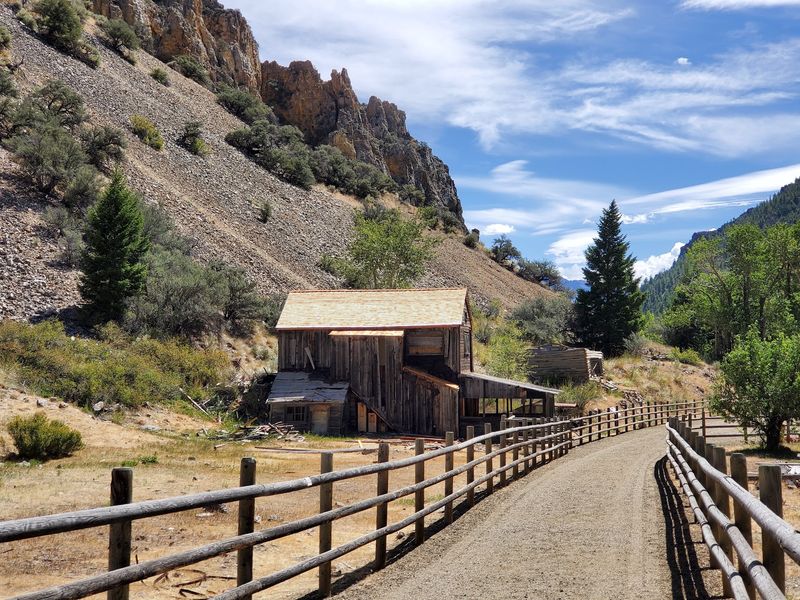
Loose rock and a few steep, slightly rough patches greet you on the roughly four-mile dirt road climbing from the Salmon River Highway up to the town. Most cars can make it, though you may dodge a stray rock or two along the way.
The rugged access is a blessing in disguise. Keeping the route unpaved has helped protect Bayhorse from heavy traffic and modern development, preserving the very thing people come to see.
One thing to watch: partway up the dirt road you will hit a fork with two signs, neither clearly marked for the ghost town. Go left.
Plenty of first-timers have puzzled over that split.
Larger vehicles and motorhomes can technically manage it, but drivers should take the narrow spots slowly and carefully. Check road conditions before heading out.
Getting here really is part of the adventure. By the time you park, you have earned the payoff, and the isolation makes the preserved town feel like a genuine discovery in the Idaho backcountry.
Knowing Before You Go
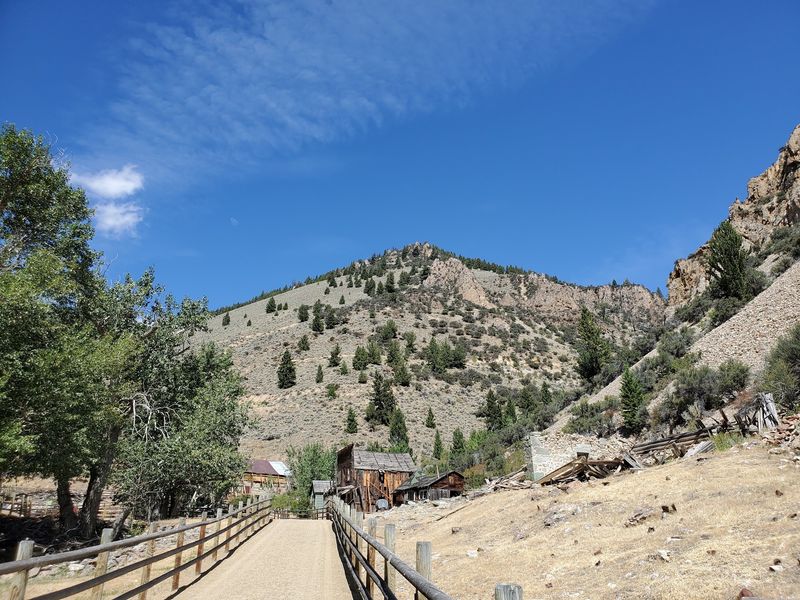
A locked gate has caught more than one traveler off guard, so it pays to plan ahead before making the long haul out here. Access can vary, and posted online hours do not always match what you find on the ground.
Bayhorse is part of Idaho’s state parks system and tied into the state parks passport program. If you register a vehicle in Idaho, you can pick up a pass then; otherwise a modest day-use fee applies at the site.
The address puts it near Challis, Idaho, and the official Land of the Yankee Fork state park page is the best source for current conditions. A quick check before you drive can save a wasted trip.
Seasonal weather and snow can affect the road, so late spring through fall is the safer window. Call ahead or verify online rather than relying on outdated listings.
A little homework goes a long way with a remote spot like this. Confirm the gate is open, and you will arrive ready to enjoy every bit of it.
Making A Day Of The Detour
Bayhorse Lakes sit just a few miles beyond the town, offering fishing spots, campsites, and mountain scenery that easily fill out a full day. The ghost town makes a natural anchor for a broader trip into this part of Idaho.
Travelers passing between Challis and Stanley often treat the site as a rewarding side trip, and it fits neatly into a scenic mountain drive. The surrounding country holds hiking options and remnants of other old mining activity for those who want to keep exploring.
Some visitors base themselves at cabins around Challis and make Bayhorse one stop among several. With the lakes and camping so close, an overnight turns the outing into a proper weekend.
One small heads-up: bees and wasps can be active around the buildings in warmer months, so anyone with allergies should come prepared.
Pairing the ghost town with the nearby lakes and open backcountry gives you a low-cost, unhurried Idaho weekend built around fresh air, history, and plenty of room to roam at your own speed.
Walking The Same Street They Did
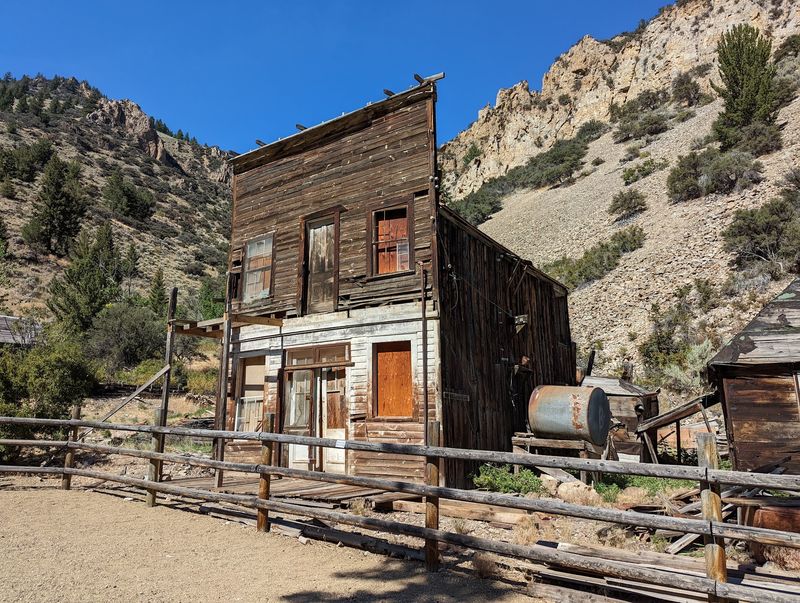
Standing in the middle of the old main street, with weathered buildings leaning on either side, you get a rare, unfiltered look at frontier Idaho. Few historic sites let you tread the exact ground the first settlers walked with so little between then and now.
For history buffs, photographers, and families chasing an easy adventure, Bayhorse delivers on nearly every front. The mix of intact structures, honest ruins, helpful signs, and an on-site ranger makes it far more than a quick roadside curiosity.
Yes, the dirt road is rough, the facilities are simple, and you need to plan for no services nearby. But those very limits are what kept the town authentic and worth the effort.
People consistently call it well worth the drive, and after an afternoon here it is easy to see why they feel that way.
If you want a genuine slice of Idaho’s mining past reached by a road that filters out the crowds, point your car toward this canyon and give yourself an unhurried day to soak it all in.