This 77-Acre Pennsylvania Zoo And Aquarium Feels Like A Full-Day Adventure
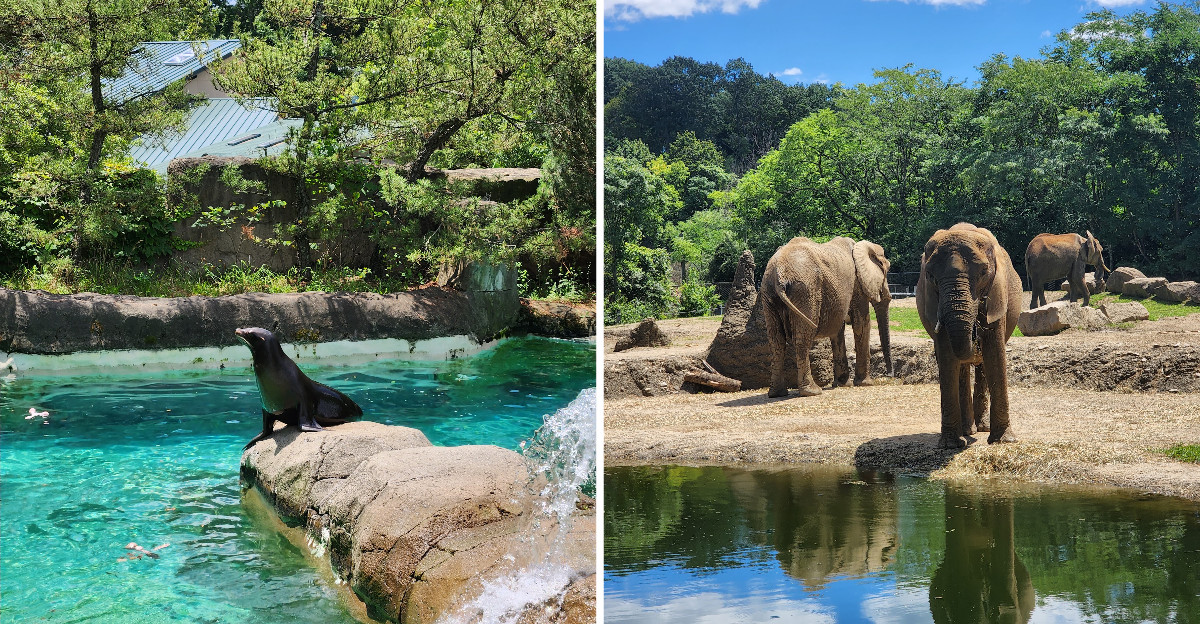
Do not promise anyone you will be finished by lunch. One Pennsylvania zoo can turn a short visit into a full-day commitment.
You may not notice until the schedule is already gone. The size matters, but variety matters more.
A busy habitat can lead into a quieter indoor stop. Then another exhibit pulls everyone farther across the grounds.
Checklists usually lose control by midday. That is fine. Pick a few priorities and let the rest happen naturally.
Comfortable shoes will matter more than a perfect plan.
Big attractions become easier to enjoy when you stop trying to conquer them. Leave something for next time.
A Century Of Animal Care
Back on June 14, 1898, this place opened its gates as the Highland Park Zoo. Philanthropist Christopher Lyman Magee funded that first vision of a zoological garden for the city.
More than a century later, the bones of that idea are still visible in the mature trees and winding stone paths.
Later expansions have grown around those older landscape features rather than erasing them completely.
Big changes arrived in the late 1930s, when the Works Progress Administration helped build outdoor bear exhibits. That shift moved things away from cramped cages toward roomier habitats.
Then came 1949 and the first Children’s Zoo, which charmed generations of young Pennsylvania visitors. The original Children’s Zoo became a fixture for generations before later renovations transformed the area.
That history is defined by repeated changes in exhibit design, education, and animal care. Modern habitats now sit beside those older footprints, while current construction is preparing another round of updates.
Accreditation from the Association of Zoos and Aquariums backs up the care standards behind the scenes.
Where Jungle Meets Ocean
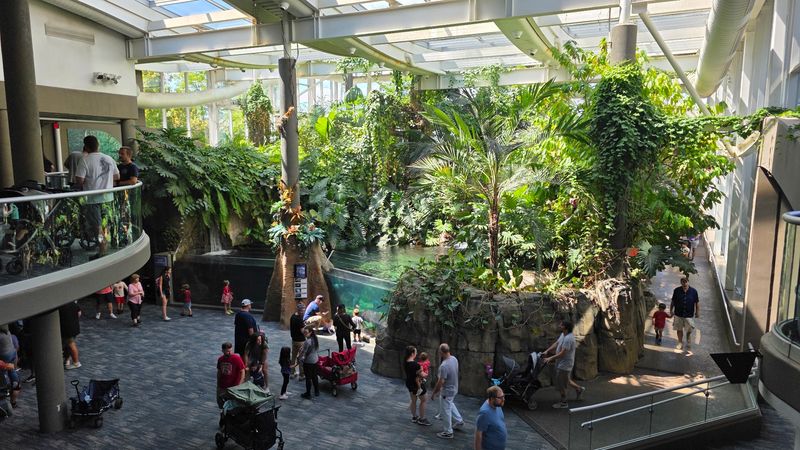
The indoor Tropical Forest and Aquarium create two very different environments within the same visit.
That flip from forest to ocean happens in a matter of steps.
Only about six major zoo and aquarium hybrids exist across the United States, and the Pittsburgh Zoo & Aquarium is one of them. The value of that pairing sinks in fast.
The AquaZoo first opened in 1967 and was groundbreaking at the time. It held the title of the only public aquarium in Pennsylvania and ranked second largest in the country.
A major renovation in 2000 roughly doubled the number of marine animals on display. The tanks now feel deep, generous, and easy to linger beside.
Large aquarium habitats often bring compatible species together in the same display. Different animals occupy those shared environments in distinct ways.
Sharks share the aquarium lineup with stingrays, jellyfish, eels, penguins, and sea turtles.
The Aquarium remains one of the zoo’s major year-round indoor areas. Its two-level layout gives visitors plenty to see without rushing through.
Seventy-Seven Acres Of Habitats
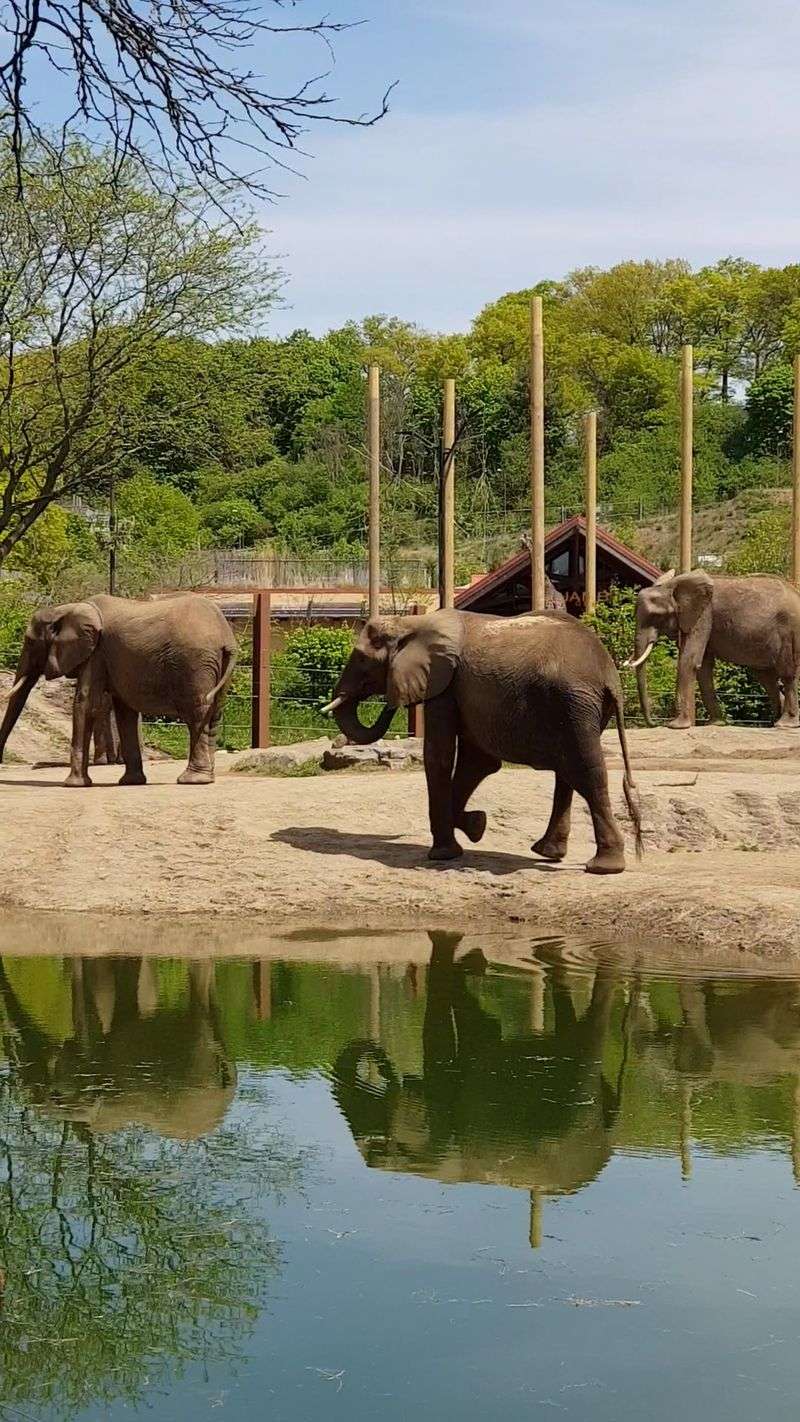
Rolling terrain is part of the experience here, and it turns sightseeing into gentle exercise.
Over 8,000 animals live across the grounds, covering more than 600 species. Among them are over 30 species of conservation concern.
The African Savanna opens into broad plains where giraffes and grazing herds share sightlines. The savanna viewing areas provide broad sightlines across several large-animal habitats.
Tropical Forest goes the opposite direction with dense greenery and monkeys crashing through branches. Western lowland gorillas are among the primates currently housed in the Tropical Forest.
The Islands section highlights creatures from remote island ecosystems, which are often the most fragile on the planet.
Jungle Odyssey opened in 2017 and currently features animals including giant anteaters, cotton-top tamarins, ocelots, ring-tailed lemurs, and pygmy hippos. Its present roster differs from the collection that occupied the area when it first opened.
Upper Kids Kingdom normally includes elevated pathways near wallabies, river otters, and beavers. As of September 8, 2026, that entire upper section is closed through the winter for boardwalk construction.
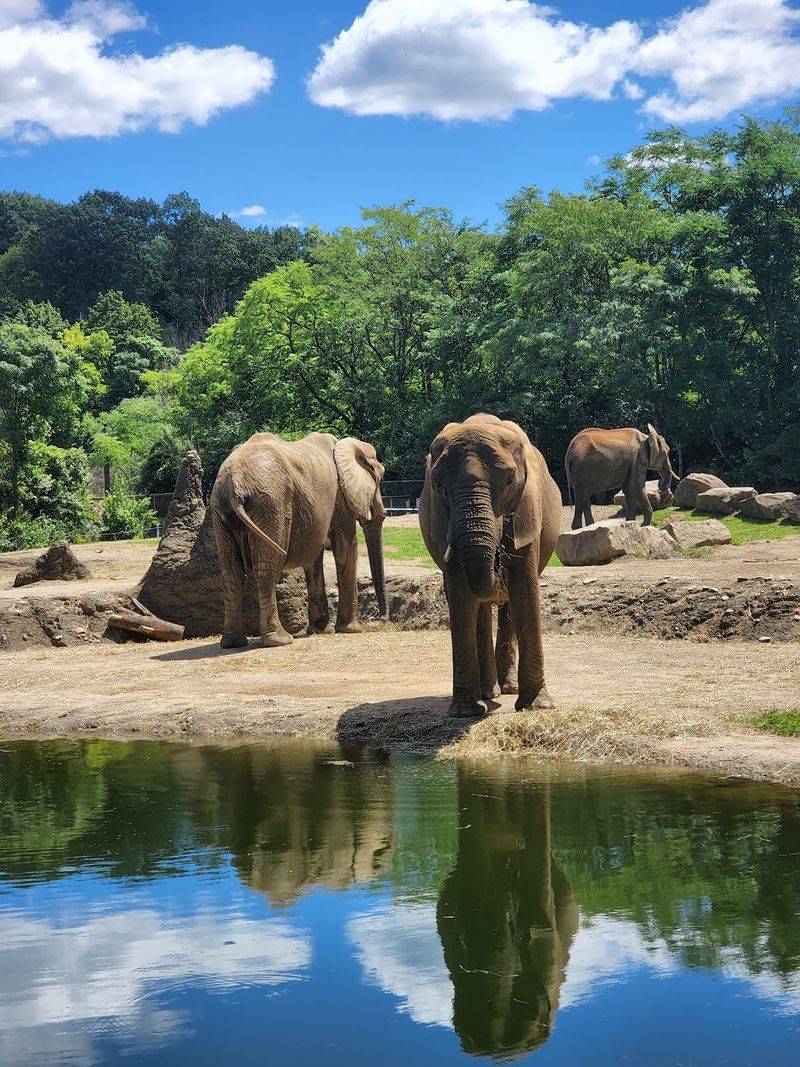
Lions, tigers, cheetahs, elephants, and penguins round out the roster.
Conservation Work With Global Reach
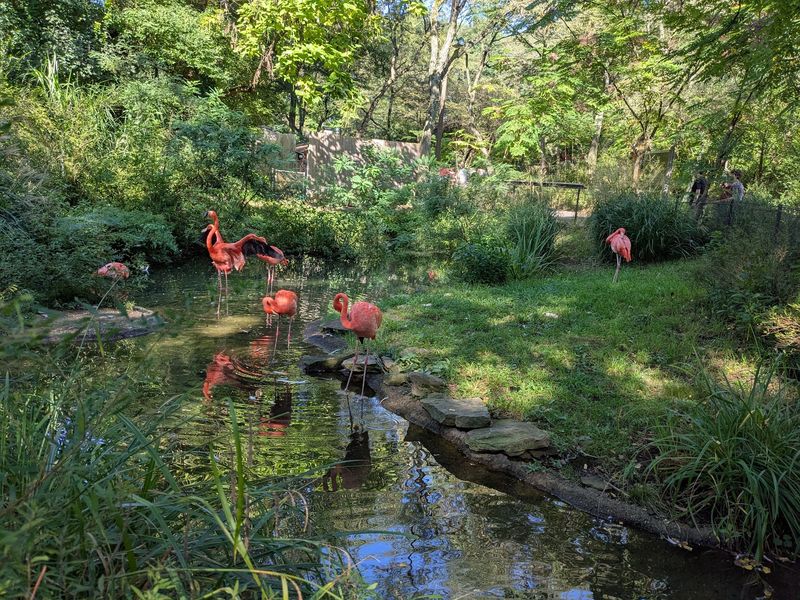
Some of the most important work connected to this zoo happens nowhere near the public paths. Projects reach across all seven continents and five oceans.
The International Conservation Center sits on a 724-acre property in Somerset County. Research and breeding programs there focus heavily on African elephants.
The large off-site property creates additional room for elephant breeding, research, and conservation work. The center complements what can be done on the smaller Pittsburgh campus.
Zoo staff hold leadership roles in the AZA SAFE Red Panda program, including its conservation-action leadership team. Partner organizations tackle habitat loss and poaching together.
The zoo also supports wild red pandas through coordinated field-conservation efforts and partnerships.
The Sea Turtle Second Chance Program rescues cold-stunned turtles found stranded along coastlines. Veterinary teams rehabilitate them and return most to the wild.
One resident named Harbor, a green sea turtle with lasting injuries, stays on as an ambassador inside the aquarium. Her permanent residence gives visitors a direct connection to the rehabilitation program.
Sustainability shows up in operations too, with a target of 100 percent renewable energy by 2030 and roughly half achieved.
Face-To-Face Animal Moments
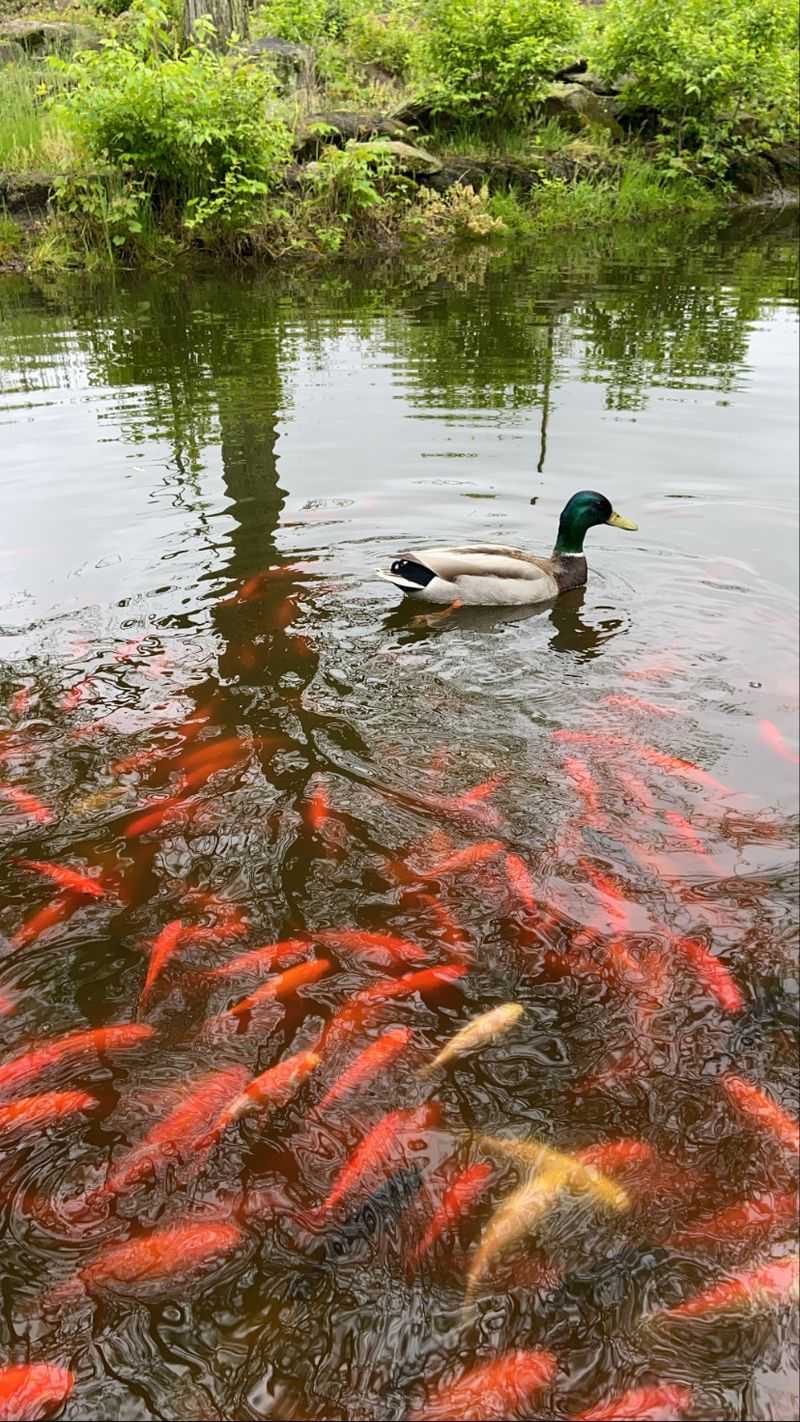
Water’s Edge gives visitors close viewing opportunities around the polar bear habitat. Water’s Edge makes that possible through underwater viewing tunnels.
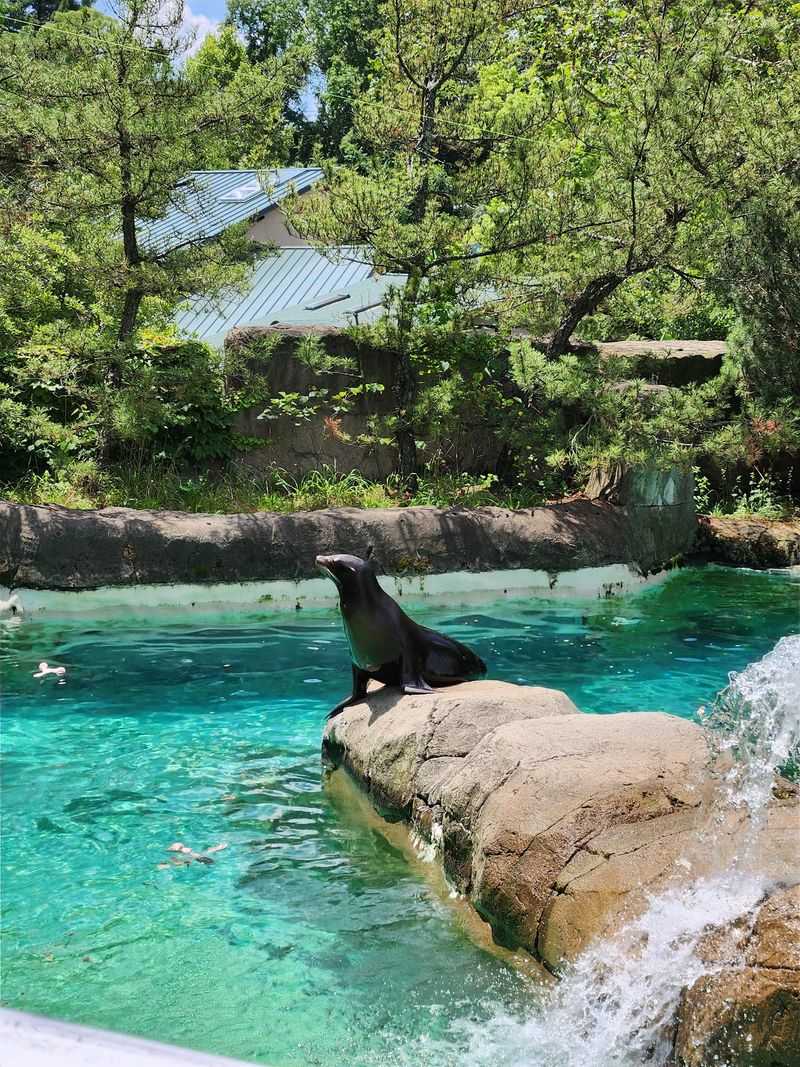
The area is themed as a small coastal fishing village, complete with weathered wood and rope details. Polar bears, sea otters, and sea lions all live within a short stretch.
Northern elephant seals remain part of the Water’s Edge marine-mammal collection. Their large size adds a very different presence from the nearby sea lions and otters.
Lower Kids Kingdom still offers hands-on discovery and viewing of domestic animals during the current construction period. Alpacas remain accessible there, while the wallaby area in upper Kids Kingdom is temporarily closed.
Kids Kingdom normally includes multiple play areas alongside its animal exhibits. Upper-area playground access is currently affected by the construction closure.
The indoor Discover Disguises exhibit in Worlds of Discovery features reptiles, amphibians, and insects.
Wild Encounters take things further with behind-the-scenes access to ambassador animals. Keepers explain personalities, diets, and daily care routines in plain language.
These encounters are designed to connect visitors more closely with animal care and conservation. Wild Encounters add optional behind-the-scenes experiences with selected species.
Seasonal Events Worth Timing
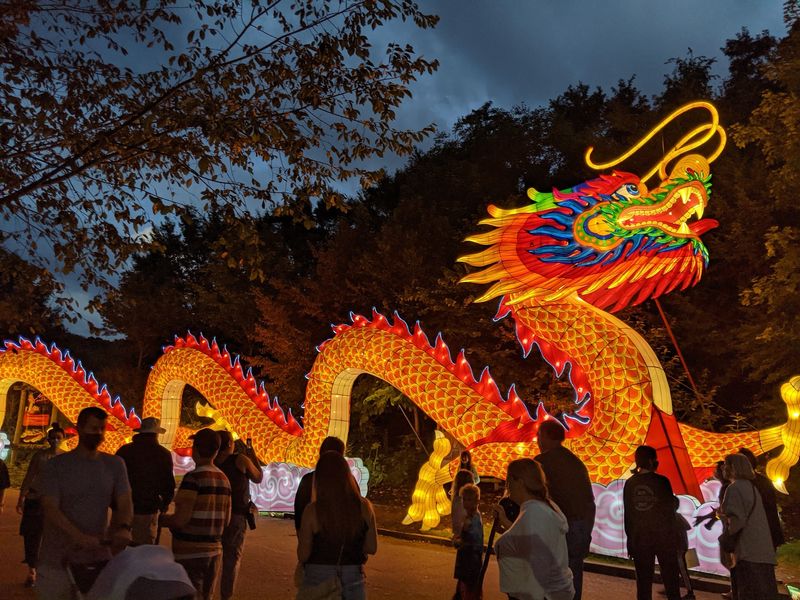
Timing your visit around a special event can double the fun. The calendar here stays busy throughout the year.
The zoo’s major fall 2026 nighttime event is the Jack O’Lantern Extravaganza, running October 2 through November 1.
Thousands of artistically carved pumpkins will illuminate the route during the 2026 fall event.
The evening route covers the Village, Forest Passage, African Savanna, Jambo Plaza, The Islands, and Jungle Odyssey. Winter 2026 then shifts to Zoo Lights Drive-Thru from November 27 through January 3, 2027.
Dinosaurs ran from April 1 through September 7, 2026, so the temporary exhibition has already ended. The temporary display included more than 30 animatronic dinosaurs throughout the zoo grounds.
I Spy a Butterfly ran from May 22 through September 7, 2026 and has now ended for the season.
Ice Age: Frozen in Time was a 2025 temporary exhibit and was not part of the zoo’s 2026 summer lineup.
The vintage carousel currently operates on fall weekends from 10 a.m. to 4 p.m., with possible additional dates depending on weather and staffing.
Smart Tips Before You Go
Comfortable shoes are not optional on this terrain. Hills and long loops add up across 77 acres.
Weekdays are generally the better choice for a quieter visit outside peak season. Fall weekends can still operate more like busy peak-season days.
Animal activity varies by species, weather, and individual welfare needs. Some residents may choose indoor or behind-the-scenes areas during warmer periods.
Current construction has changed parts of the usual walking route. Posted detours now guide visitors around the Giraffe Care Center work and other temporary closures.
Buying a dated admission ticket online currently saves two dollars compared with purchasing at the gate.
The One Wild Day Pass is a seasonal bundle, and its included attractions vary with what is operating during the visit period.
Doors open at 9:30 AM and close at 5:30 PM daily, and the Pittsburgh Zoo & Aquarium operates nearly every day of the year. Only Thanksgiving, Christmas, and New Year’s Day are exceptions.
Bring refillable water bottles and snacks. Misters exist, but they are limited on scorching days.
Learning That Sparks Action
Education runs deeper here than the signs beside each habitat. Classes and Zoo Camps teach visitors of every age how ecosystems stay balanced.
Hands-on classes use animal encounters, stories, crafts, and guided activities to reinforce wildlife concepts.
Partnerships stretch into the surrounding community as well. Work with Tree Pittsburgh supports urban biodiversity through tree planting and hands-on educational programs.
Greening neighborhoods matters for wildlife that never sets foot inside a zoo. Birds, pollinators, and small mammals all benefit.
Landscaping and planted areas remain part of the zoo’s setting alongside the animal habitats. The new entrance plaza also added native Pennsylvania plantings as part of its 2026 improvements.
Education staff and animal-care teams support scheduled classes, keeper programs, camps, and behind-the-scenes encounters.
Jambo Grill is the zoo’s main made-to-order restaurant near the African Savanna.
A visit can easily fill several hours when the aquarium, major animal areas, and seasonal activities are included.
You can find all of this at 7370 Baker St, Pittsburgh. Mark it down before you plan your day.