This Connecticut Italian Bakery Makes Old-School Panettone That Would Feel Right At Home In Italy
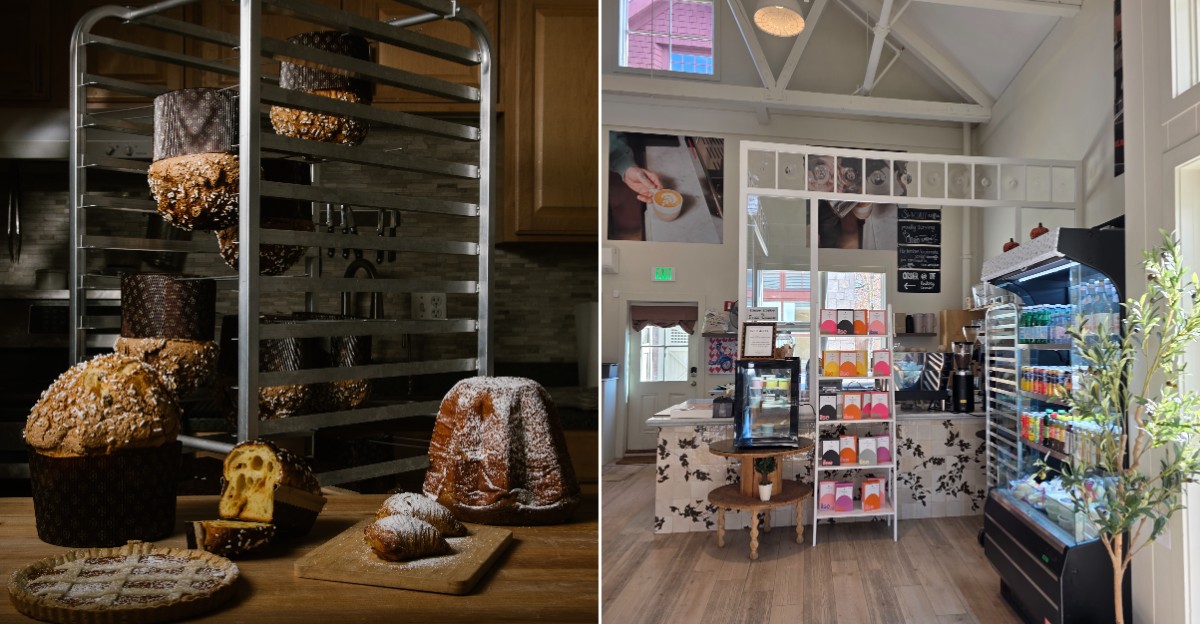
Panettone has a way of making an ordinary bakery box feel like something meant for a celebration. Slice into one and the patience behind traditional baking becomes much easier to appreciate.
This is not a pastry designed for shortcuts.
An Italian bakery in Connecticut keeps the old-school approach alive with panettone that could look perfectly comfortable sitting in a bakery case back in Italy.
That connection to tradition is a large part of the appeal. Panettone demands time and careful handling before it reaches the tall, airy loaf people recognize.
The finished result feels wonderfully different from grabbing another everyday sweet.
There is history wrapped into the process, yet the pleasure remains remarkably simple once a slice reaches the plate. You do not need a holiday gathering to understand why this Italian classic has endured.
When a local bakery treats panettone with this much respect, a trip overseas suddenly feels slightly less necessary.
1. Italian Baking Traditions Guide Everything Behind The Counter
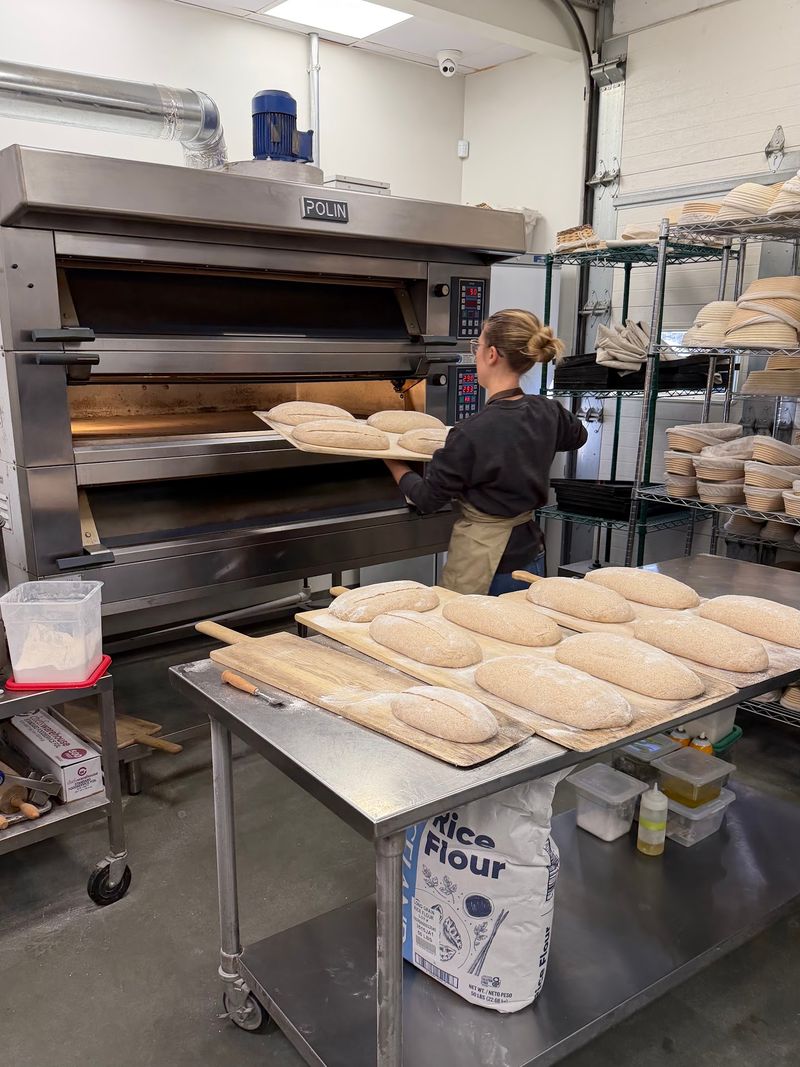
Good dough takes patience. Great pastry rewards it. At Fatto a Mano, that hands-on approach shapes far more than the panettone that gets so much attention around the holidays.
The bakery’s name translates to “made by hand,” an appropriate description for a Connecticut bakery built around traditional Italian baking methods. Naturally leavened breads are an important part of the selection, giving visitors plenty to explore long before panettone season arrives.
The pastry case makes choosing harder. Cornetti bring an Italian spin to the morning pastry ritual, while crisp, layered sfogliatelle offer something completely different.
Soft bomboloni provide another sweet temptation when one pastry simply does not seem sufficient.
Savory choices deserve attention, too. Focaccia can become an easy lunch or something to bring home for later, while a fresh loaf can quickly earn a place at the dinner table.
First-time visitors can have fun pairing something familiar with a pastry they have never tasted before. Since the daily selection can change, checking the counter before deciding is part of the experience.
What connects it all is the dough and the time devoted to it.
Panettone may be the holiday showstopper, but the breads and pastries reveal that old-school Italian approach throughout the year.
2. A Small Westport Bakery Keeps The Experience Personal
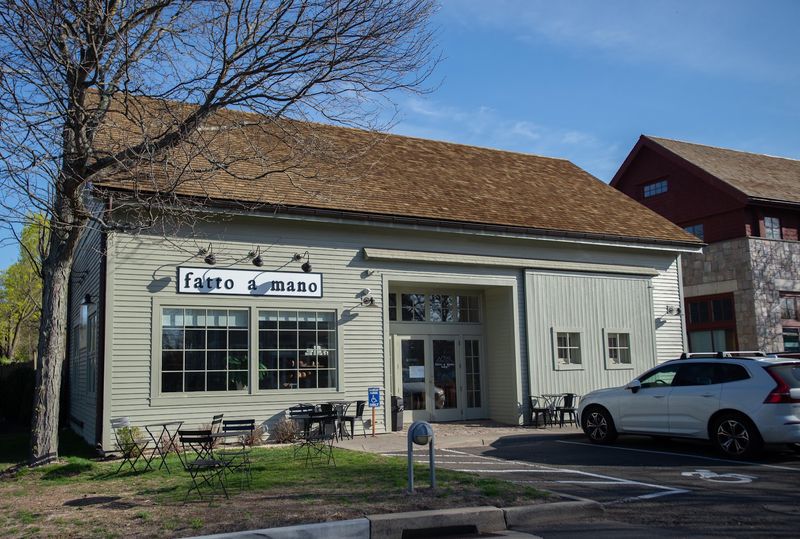
Small bakery. Serious bread. Fatto a Mano proves a shop does not need a sprawling dining room to send visitors home carrying an impressive box or bag.
This Italian micro-bakery keeps things compact, making it well suited to grabbing a pastry, enjoying a quick coffee, or picking up bread for later. Seating is limited, so snagging a table is best treated as a bonus rather than an essential part of the visit.
Taking everything home works just as naturally.
The business developed its local following before opening its current Westport bakery and café, where visitors can now find its breads, pastries, panettone, focaccia, and other Italian specialties.
It pays to study the counter before ordering. A pastry might solve the immediate craving, while a naturally leavened loaf can come home for tomorrow.
The selection can vary, adding a little spontaneity to an ordinary bakery run.
The storefront is at 1835 Post Road East in Westport.
Holiday visits require more planning when panettone is the main goal, since seasonal demand changes the equation.
On an ordinary day, though, arriving ready to see what looks irresistible might be the most enjoyable way to visit.
3. Long Fermentation Gives The Dough Time To Develop
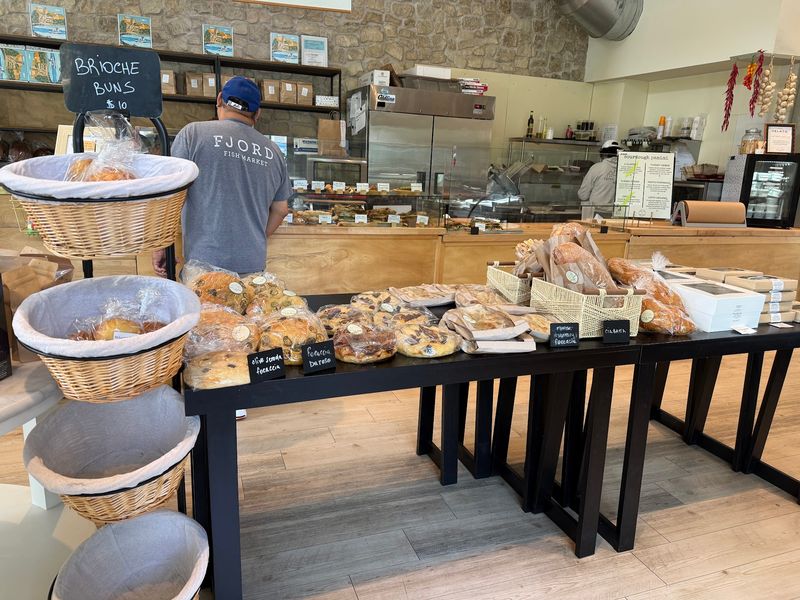
A panettone cannot be rushed into being a panettone. At Fatto a Mano, making one has been described as a process spanning three to four days.
Much of that time belongs to the dough, which needs repeated attention and room to develop before it reaches the oven.
Fermentation is the stage when living microorganisms work through dough and help it rise. Given enough time, that activity also builds flavor and changes texture.
In a rich bread like panettone, patient handling matters because the dough must support butter and other ingredients while still baking up light.
The bakery applies a similar sense of patience beyond its holiday specialty. Its bomboloni dough has been described as fermenting for about 48 hours.
Those filled pastries and a tall panettone look quite different, yet both show why dough preparation can shape the final bite as much as toppings or fillings do.
Try noticing texture before judging sweetness when you taste a slice. Look for a crumb that feels tender and open, then see how the flavor changes as you chew.
If you are buying panettone for a gathering, that long production schedule is a practical reason to order early. It is not simply a loaf a bakery can make at the last minute.
4. Panettone Becomes The Star Around The Holidays
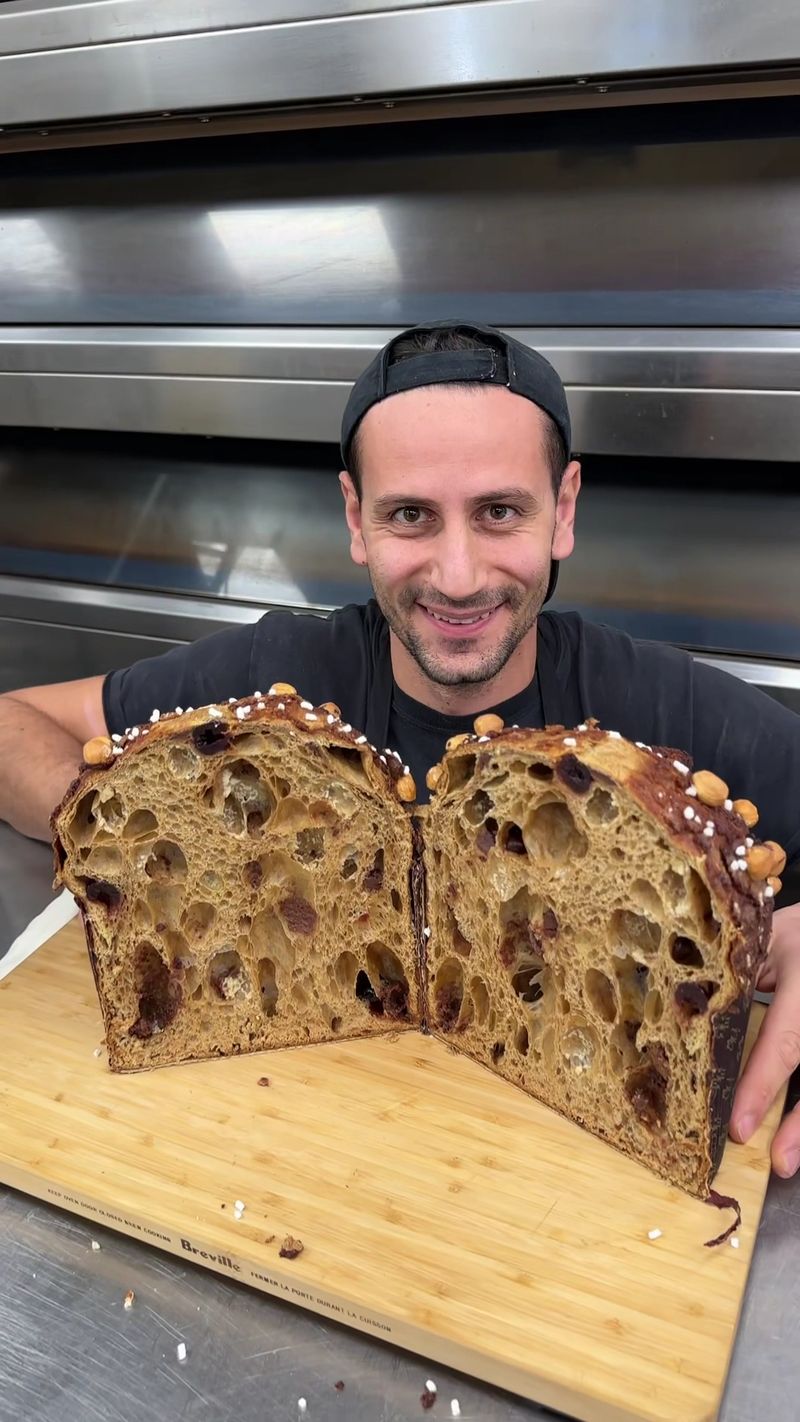
Holiday shopping has a delicious deadline at Fatto a Mano. Panettone, the tall Italian sweet bread often served at Christmas, takes on a bigger role as the season approaches.
The bakery has offered holiday preorders, making it possible to plan for a family table instead of hoping your preferred loaf is available during a visit.
Classic orange and raisin panettone is a good starting point for anyone who wants the traditional combination of fruit and rich dough. Other holiday selections have included chocolate chip, pistachio and lemon, and espresso with dark chocolate.
Flavors and ordering options can change from season to season, so check the current selection before building a menu around one variety.
Panettone works especially well when a group wants a dessert that needs little preparation. Set out slices after a meal, or serve them with coffee during a slower afternoon.
Its tall shape also makes it a cheerful centerpiece before anyone cuts into it.
If your gathering falls near Thanksgiving, Christmas, or New Year’s Eve, ask about preorder timing well in advance. A few days of baking go into each loaf, and holiday demand adds another reason not to wait.
Choosing a flavor early leaves more time for the enjoyable part: deciding who gets the first slice.
5. Natural Leavening Creates Its Signature Airy Texture
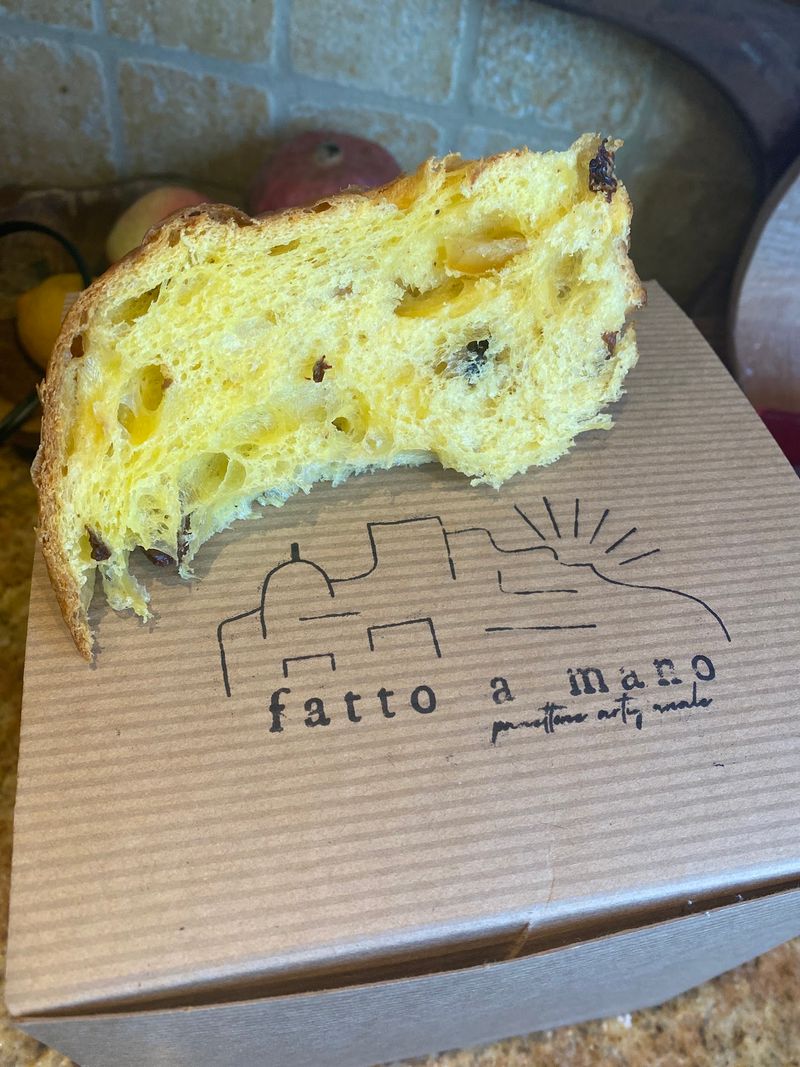
How does such a rich bread stay so wonderfully light? The answer starts long before a panettone reaches the oven.
At Fatto a Mano, careful fermentation plays a major role.
The bakery uses natural leavening, relying on a maintained starter known as lievito madre to help the dough rise. Keeping that starter active requires regular attention, while the dough itself needs time and careful handling as it develops.
That patience becomes easier to appreciate once you cut into a finished panettone. Despite ingredients that could easily produce something heavy, the interior is soft and airy, with a delicate crumb that pulls apart easily.
Even baking is not the final step. Fatto a Mano has described cooling its panettone upside down for roughly 12 to 14 hours.
Suspending the freshly baked loaves helps them retain their tall shape and airy interior while they cool and set.
You do not need to know much about bread making to appreciate the difference. Simply slice into the loaf and take a look at that open texture before adding anything else.
Similar attention to natural fermentation extends to the bakery’s sourdough breads.
That makes panettone more than a seasonal sweet. It is also a delicious example of just how much patience can go into one loaf.
6. Italian Ingredients Keep The Flavors Rooted In Tradition
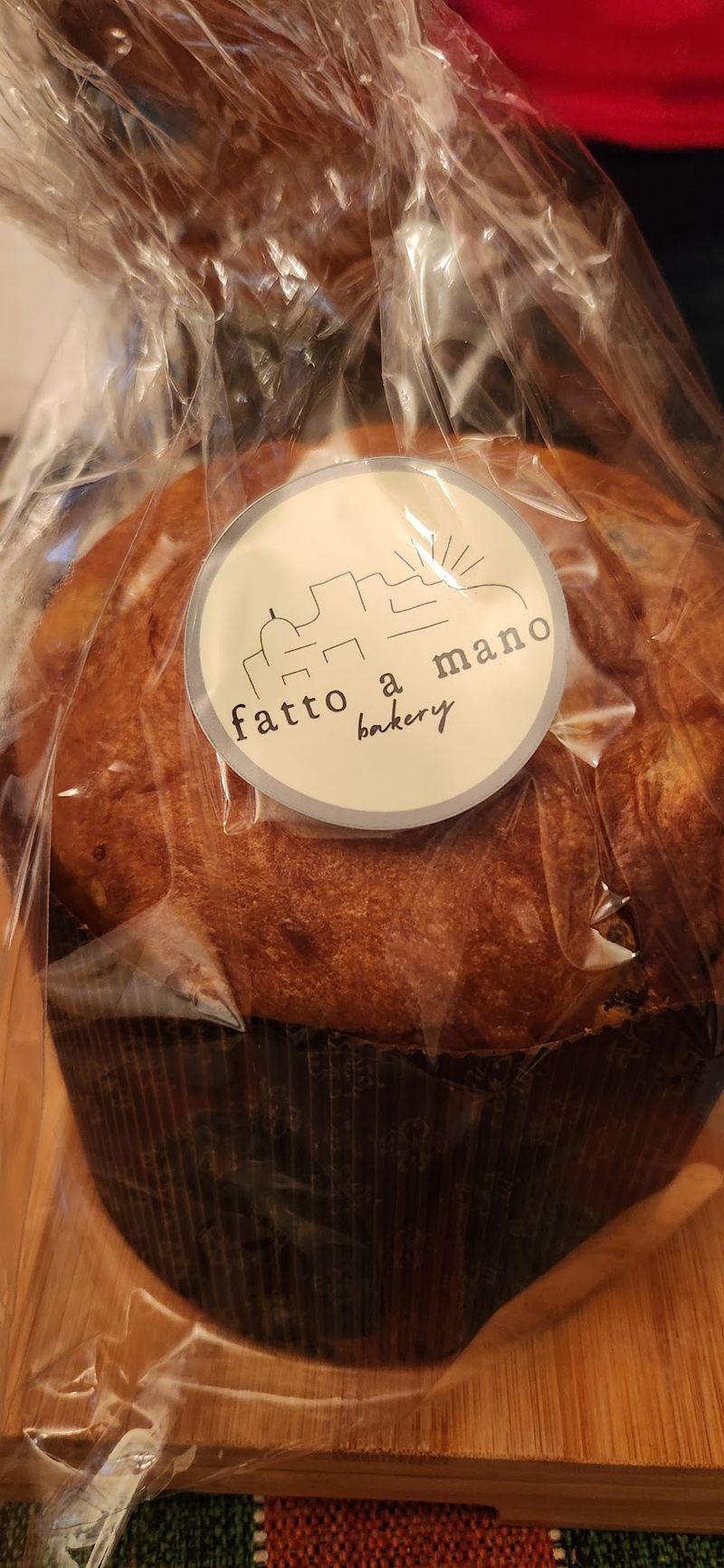
Good technique needs ingredients that can keep up with it. For its panettone, Fatto a Mano uses flour imported from Italy, along with carefully chosen ingredients that include butter, eggs, honey, and citrus preparations.
The goal is not to make the loaf complicated; it is to give familiar flavors a clear place in every slice.
Citrus matters more than many first-time panettone eaters expect. The bakery makes its own orange and lemon paste, adding another layer to the traditional fruit and sweet dough.
If you choose the classic orange and raisin version, take a bite on its own first so those flavors have room to come through.
Italian ingredients appear elsewhere in the bakery’s work, too. Imported flours are used for items including focaccia and cornetti, while a small market selection has featured Italian pantry goods such as tomatoes and olive oil.
Availability can vary, but browsing that section may give you an idea for a simple meal to go with your bread.
When selecting a gift, consider what the recipient actually enjoys. Someone who loves fruit may welcome a traditional loaf, while a chocolate choice could suit a different table.
The careful ingredient choices give both styles a connection to the bakery’s Italian approach without making either one feel like a novelty.
7. Seasonal Bakes Give Regulars Something New To Find
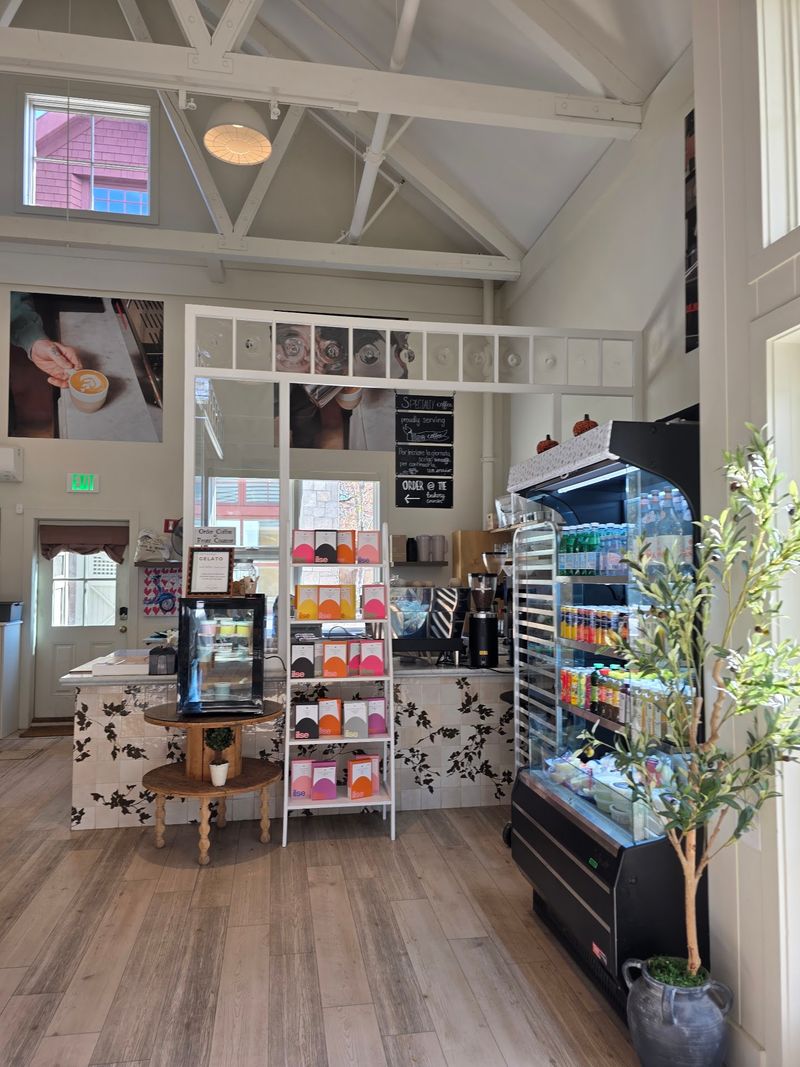
Panettone gets plenty of attention. But the temptation does not disappear after the holidays.
Fatto a Mano keeps its counter interesting with Italian pastries, naturally leavened breads, and savory choices throughout the year.
Morning can begin simply with coffee and a cornetto, while the crisp layers of sfogliatella offer another reason to linger over the pastry selection. Sourdough and focaccia take things in a savory direction, and cakes add another option when the occasion calls for something sweet to share.
The selection can shift depending on the day and season, which makes checking the counter part of the fun. Weekend specials have included Roman-style pizza and handmade pasta, while salads have drawn inspiration from produce available through the Westport Farmers’ Market.
Arriving with a flexible plan works especially well here. You might come in thinking about breakfast and leave carrying lunch or a fresh loaf for home.
Each choice also highlights a different part of the bakery’s craft. Cornetti show off delicate dough, while sourdough puts fermentation front and center.
Focaccia turns that same patience toward something savory.
Panettone may still steal the spotlight during the holidays, but the everyday selection gives you plenty of reasons to return once the last festive slice is gone.
8. Holiday Boxes Make The Panettone Easy To Share
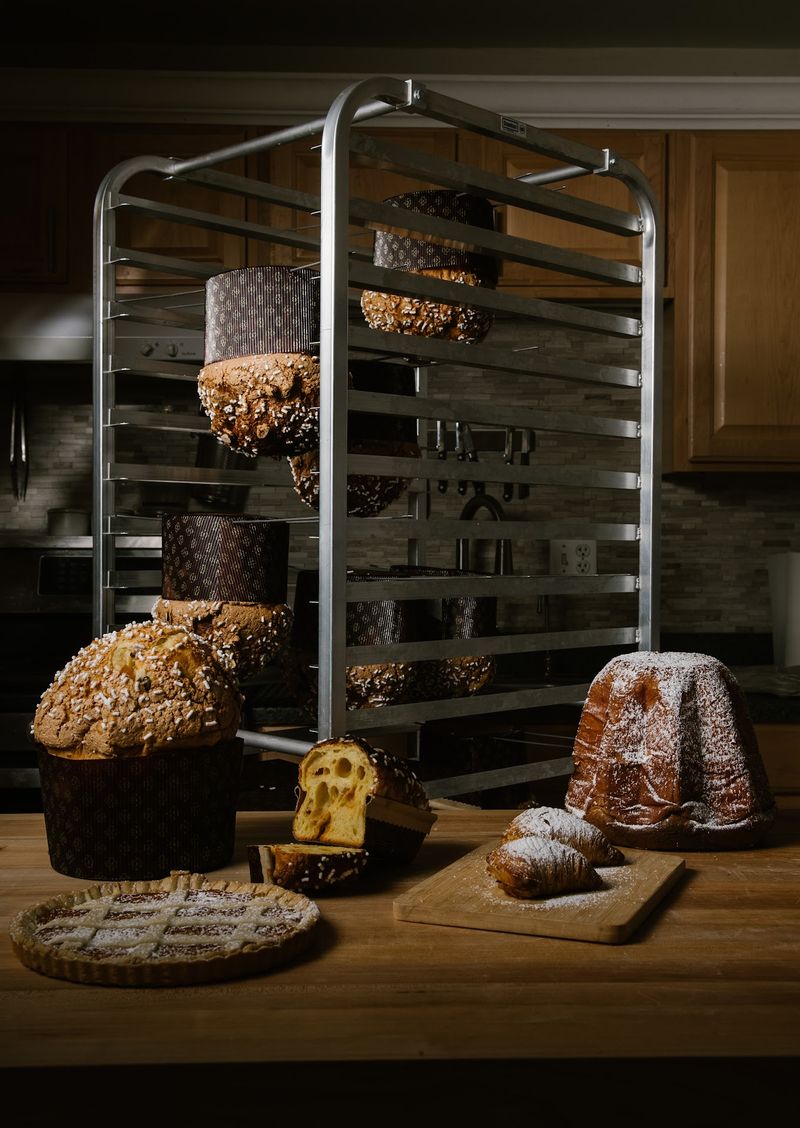
A tall panettone feels generous before anyone even opens it. Fatto a Mano’s holiday preorder and shipping offerings make its loaves practical to give as well as serve.
Rather than counting on a particular box style, focus on choosing the right loaf and confirming the current pickup or shipping details.
The bakery has listed shipping options for varieties including traditional orange and raisin, chocolate chip, pistachio and lemon, and espresso with dark chocolate. Holiday menus can change, so check which flavors are offered when you order.
If the bread is meant for a specific celebration, pay close attention to the available dates and any ordering cutoff.
Sharing panettone takes very little work once it reaches the table. Cut it into slices for a group, and let guests choose a smaller piece if they want to sample another dessert.
Leftover slices can make a pleasant breakfast the next day, which stretches the gift beyond one meal.
For someone unfamiliar with panettone, a simple note explaining that it is a traditional Italian holiday bread can make the present more personal. Fatto a Mano’s slow process and naturally leavened dough give that story a connection to the loaf itself.
It is a gift with a clear purpose: bring people together, pass the slices around, and enjoy something made with patience.