Forget The Summer Heat, This California Rail Trail Turns Into A Gorgeous Fall Bike Ride
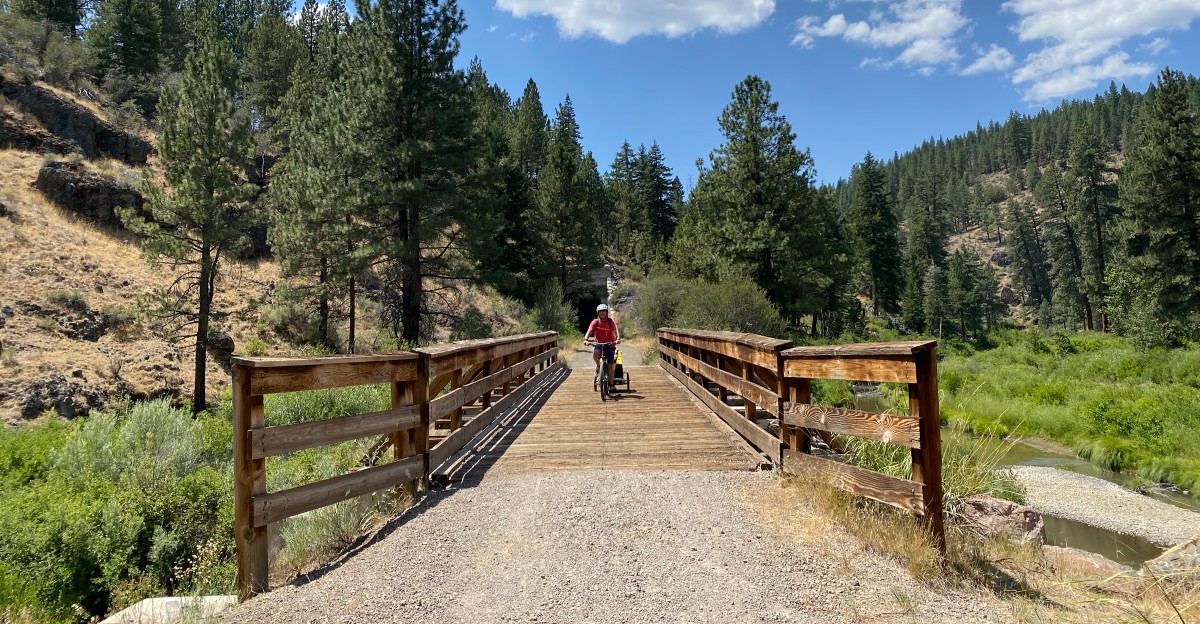
Some bike rides become much more inviting once summer finally backs off. Cooler air changes the mood completely, especially on a route where the scenery gives you many reasons to slow down.
Following an old railroad corridor brings its own sense of adventure.
Instead of simply chasing miles, riders get a route shaped by the landscape and its transportation past, with autumn adding another layer to the experience.
Fall gives this corner of California the kind of cycling weather that makes staying indoors feel like a questionable decision.
The seasonal shift can turn an ordinary ride into something worth planning a day around.
Crisp air makes pedaling more comfortable, while changing foliage brings warmer shades to a landscape that looked completely different only weeks earlier.
You can still enjoy the satisfaction of covering ground without feeling like you are competing with peak summer temperatures.
The Trail Runs For Roughly 25 Miles
Twenty-five miles might sound like a lot, but the distance is part of the charm here.
The Bizz Johnson National Recreation Trail stretches roughly 25 to 26 miles between Susanville and the Westwood area in Lassen County.
That length gives riders plenty of room to choose their own kind of day.
The surface is mostly packed gravel and dirt rather than pavement. It can feel firm and smooth in dry weather, though some spots may be looser or bumpy.
Mud can build up after rain or snow, so conditions often depend on recent weather.
Two agencies share the job of caring for the route. The Bureau of Land Management looks after one portion, and the Lassen National Forest manages the rest.
Hikers, runners, and cyclists all share the path. Motor vehicles are not allowed on the trail itself, which helps keep things quiet and relaxed.
A friendly bell ring or a quick call out before passing goes a long way.
Riding the full length in one day is possible for fit riders, especially going downhill toward Susanville.
Plenty of visitors split it into pieces instead. Packing enough water and snacks matters since services along the way are very limited.
Fall Brings Color Along The Susan River
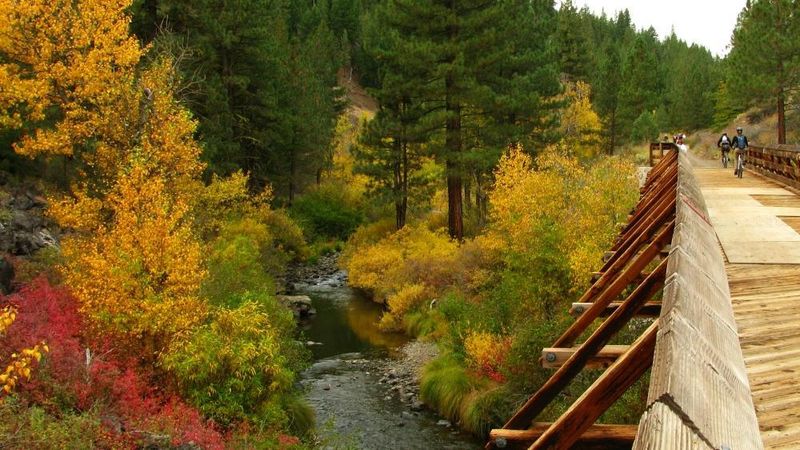
Golden leaves floating on dark water set the mood for an autumn ride here.
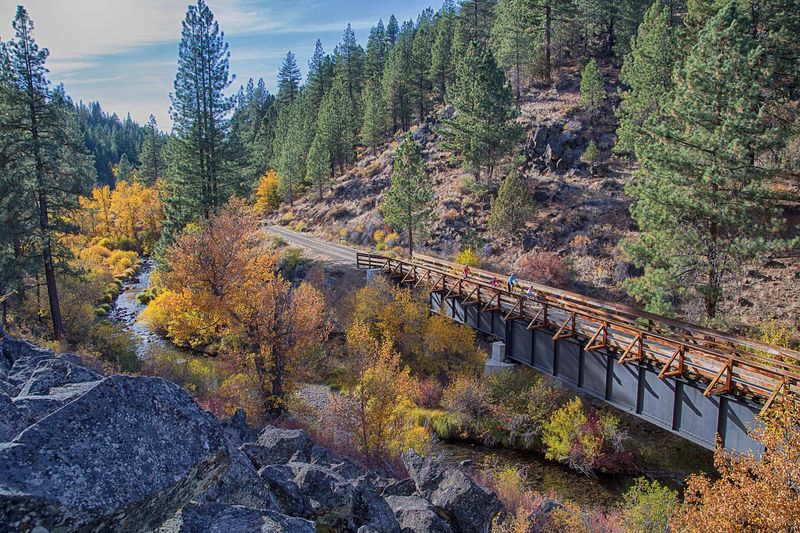
Trees along the riverbanks turn warm shades of yellow and orange as the nights get colder. The contrast against gray rock and blue sky can be striking on a clear day.
Much of the color comes from the trees that grow close to the water. The canyon walls and evergreen hillsides stay darker, so the bright leaves really stand out.
When sunlight hits the riverbanks in the afternoon, the whole canyon floor may seem to glow.
Fall leaves also make the ride sound different. Tires crunch softly over fallen leaves on some stretches of gravel.
A light breeze can send leaves drifting across the path while the river rushes nearby.
The trail has gained a reputation for its autumn scenery, and it is easy to see why.
Colors do not peak on the same date every year, though. Weather, rain, and early frost all play a part in how bright and how long the show lasts.
Bringing a phone or small camera is a good idea for this stretch. Stopping at a bridge or a quiet bend in the river can give a great view of the leaves.
Much Of The Route Follows An Old Railroad Grade
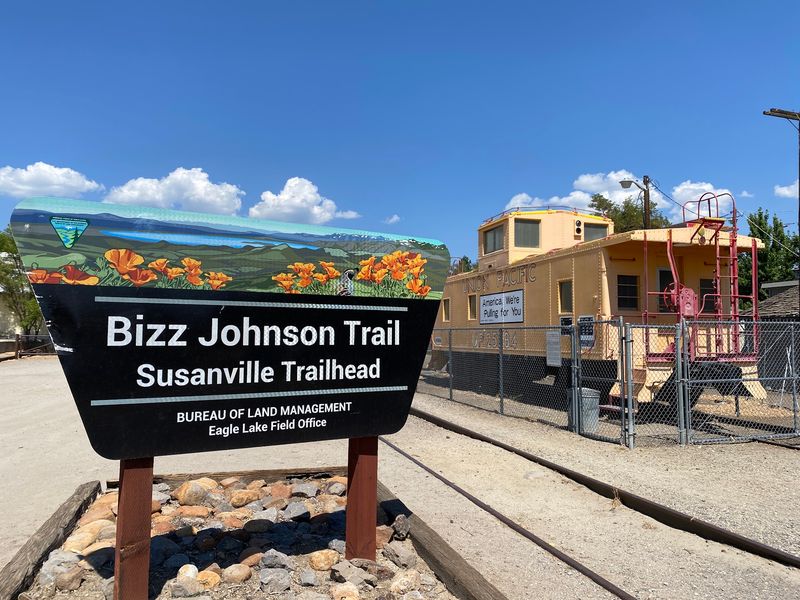
Long before bikes rolled through this canyon, steam trains hauled lumber along the same path.
The trail follows the old Fernley and Lassen Branch Line of the Southern Pacific Railroad. Work on the line took place around 1913 and 1914.
Timber was the main reason the railroad existed. Trains carried logs and milled lumber from the forests down toward larger rail connections.
Railroads need gentle slopes because heavy trains cannot climb steep hills. The trail grade generally stays at about 3 percent or less.
For riders, that means long, steady stretches instead of sudden punchy climbs.
Signs of the old line show up in the shape of the land. Flat ledges are cut into hillsides, and the path runs level where the ground on either side drops away.
Paying attention to these details can make the ride feel like a moving history lesson.
Knowing the backstory also adds meaning to the quiet. The canyon was once filled with the noise of engines and whistles.
Today the loudest sounds are more likely to be the river, wind in the trees, and the crunch of gravel under tires. That change alone makes a slow, thoughtful pace feel right on this trail.
The Gentle Grade Makes It Appealing For Recreational Cyclists
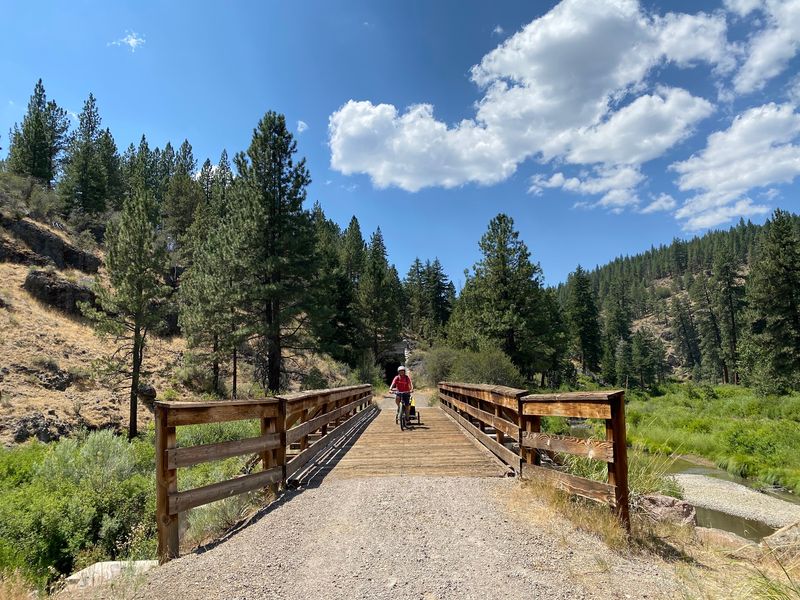
Here is a helpful trick for an easier ride: start high and finish low.
Many cyclists begin at the western end near Mason Station and ride east toward Susanville. The drop from Westwood Junction to Susanville, California is about 1,355 feet over the full distance.
Spread across so many miles, that descent feels mild rather than wild. Most of the ride is a slow, steady downhill or nearly flat.
Legs get a break, and eyes get more time to enjoy the scenery.
Going the other way is still doable for riders who like a bit more effort.
The climb is gradual since trains once used the same grade. It simply takes more time and energy than the downhill direction.
Families and casual riders may find the easy grade a big plus. There are no sharp hairpin turns or long steep climbs on the main trail.
Gravel does require steady handling, though, so riders newer to dirt surfaces should take it slow at first.
A one-way downhill trip does need planning. Setting up a second car at the finish or arranging a shuttle keeps the day simple.
You Can Ride Through Two Historic Railroad Tunnels
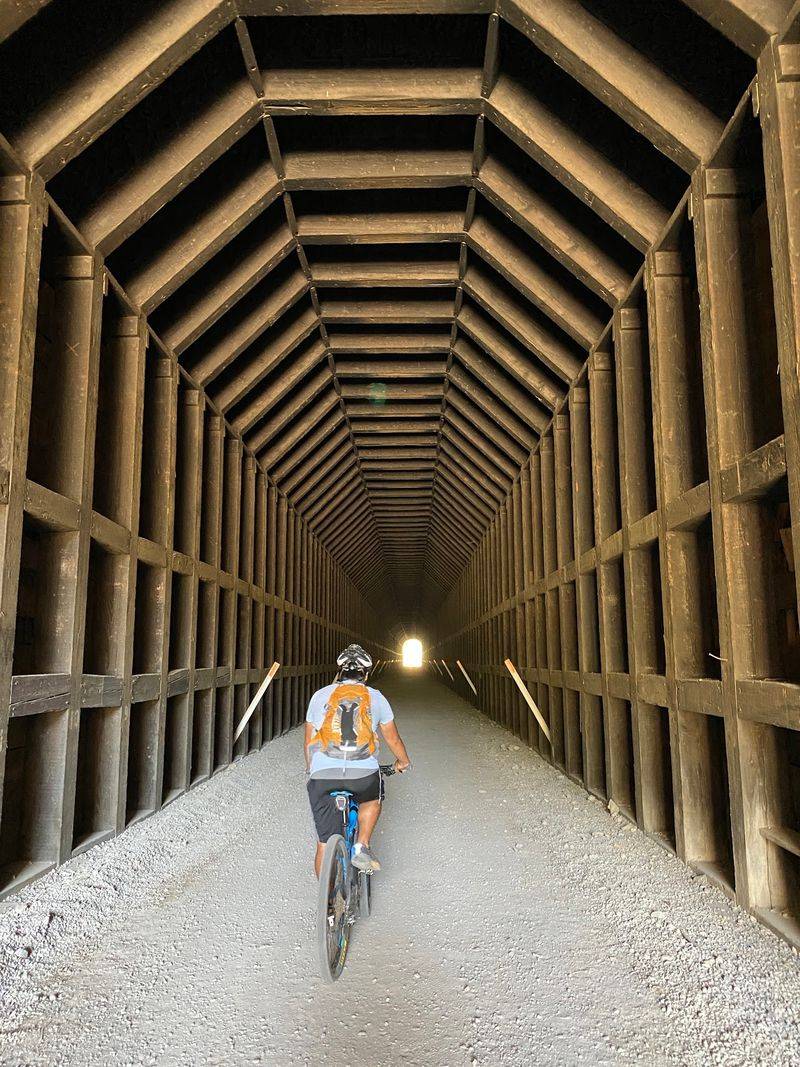
Few moments on a bike ride feel as exciting as rolling from bright daylight into a dark rock tunnel.
The trail passes through two old railroad tunnels in the canyon. One measures roughly 400 to 450 feet, and the other runs about 800 to 850 feet.
Neither tunnel has lights inside. The air often feels cooler, and sounds echo off the rough stone walls.
The longer tunnel can get quite dark in the middle, especially on cloudy days.
A bike light or flashlight is strongly recommended. Even a small headlight helps spot rocks, puddles, or other trail users.
Slowing down before entering gives eyes a moment to adjust.
Kids often love this part of the trip. The echo invites a friendly hello, though keeping voices calm helps other visitors enjoy the quiet.
Walking bikes through is always an option for anyone who feels unsure.
The tunnels are a clear reminder of how hard early railroad work must have been. Crews carved through solid rock to keep the grade steady for trains.
Standing at the entrance and looking at the rough walls gives a real sense of that effort. Coming back out into sunlight and colorful leaves afterward feels like a small reward.
Old Railroad Bridges Add Drama To The Route
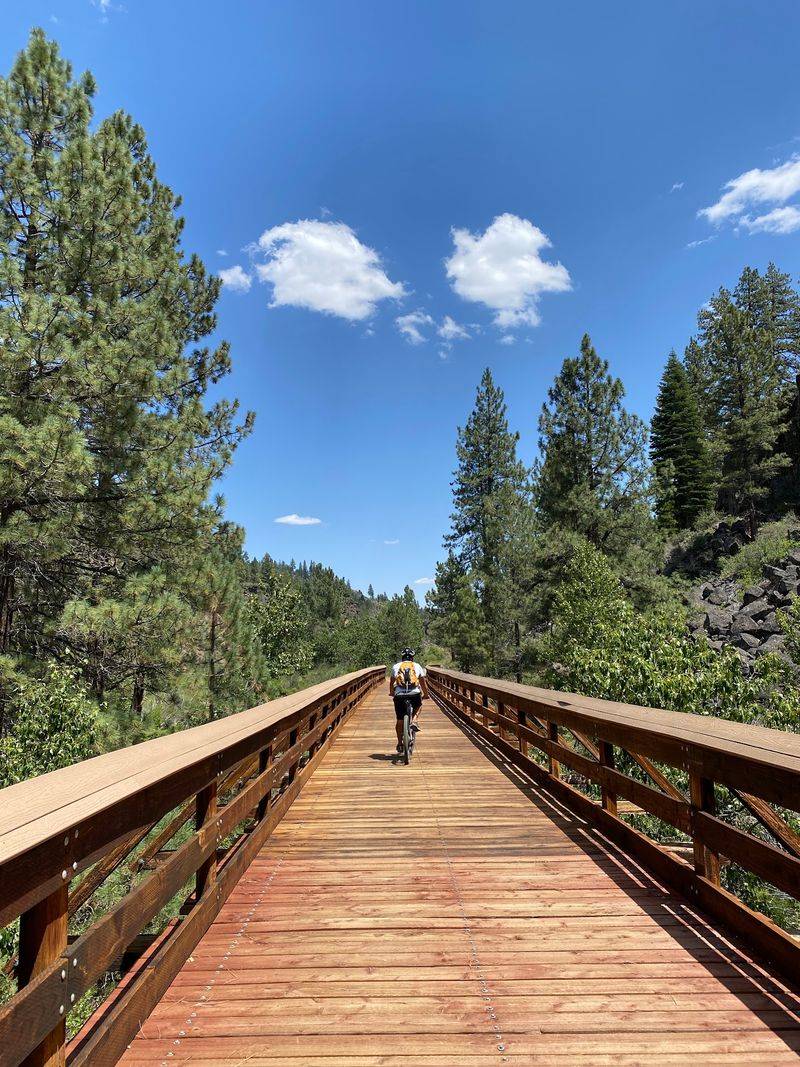
Crossing a river on a century-old railroad bridge never really gets old. The trail crosses the Susan River many times, with about a dozen bridge and trestle crossings through the canyon.
Some bridges sit fairly low near the river, while others offer a higher view. From the middle of a span, riders can look straight down at rocks, pools, and small rapids.
Bridge decks can sound different under tires than gravel does. There may be a soft rumble or a hollow thump as wheels roll across.
Wet or frosty mornings may make surfaces slicker, so extra caution helps.
These spots make natural places to pause. Pulling to one side keeps the path clear for others who want to pass.
It is also a good chance to sip some water and simply listen to the river.
The bridges add to the character of the whole trail. They link the rail history with the natural beauty of the canyon in one scene.
Counting the crossings along the way can be a fun game for kids and adults alike. By the end, the rhythm of bridge, bend, and bridge again becomes part of the ride.
Rocky Canyon Walls Create Some Of The Most Scenic Sections
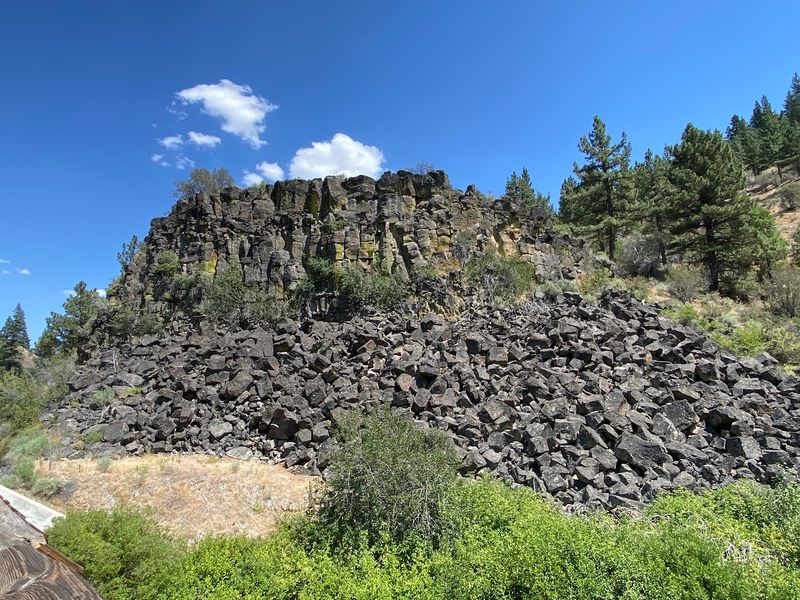
Rugged stone walls rising above the path give the eastern end its big personality. The first seven miles or so west of California’s Susanville pass through a dry, rocky stretch of canyon.
Many riders consider this part among the most scenic on the whole trail.
The landscape here feels quite different from a thick forest. Sagebrush, scattered junipers, and exposed rock cover the slopes.
The canyon walls catch sunlight in shades of tan, brown, and gray.
Light changes a lot in this section during the day. Morning shadows can keep parts of the canyon cool and dim.
By afternoon, the rock may warm up and glow as the sun moves overhead.
Since this stretch is close to town, it tends to be one of the most visited sections.
Weekends may bring more walkers and dog owners than weekdays. Keeping speed friendly and passing with care helps everyone share the space.
Looking up now and then is part of the fun. The tall walls make the path feel tucked away even though town is not far.
The mix of rock, river, and bright fall leaves in the canyon bottom creates a rich scene. It is a great section for riders who only have a couple of hours to spare.
Multiple Access Points Make Shorter Rides Possible
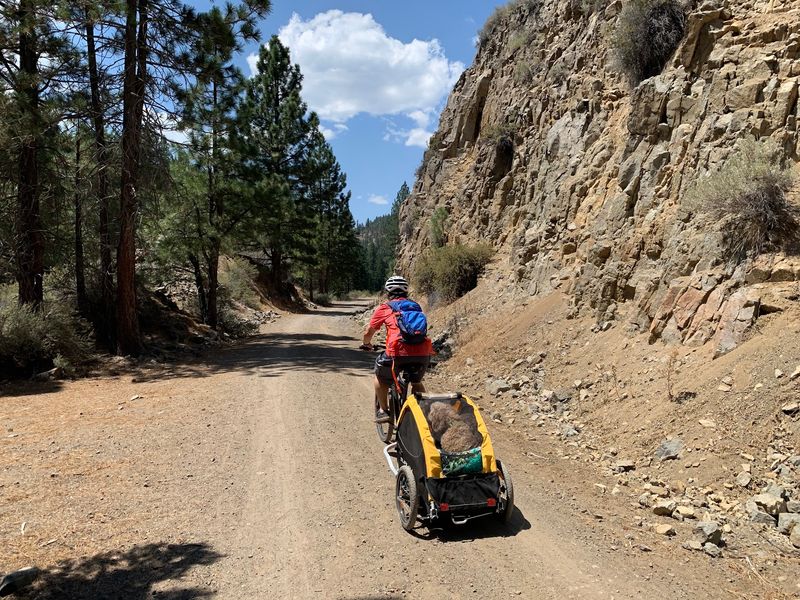
Planning a ride gets much easier when there are several places to hop on.
The historic Susanville Railroad Depot, which houses the Lassen Land and Trails Trust, sits at 601 Richmond Road, Susanville, California 96130. It serves as the main eastern trailhead and a visitor center.
Other access areas spread out the options. Hobo Camp Day Use Area sits near the eastern end, and there is an access point along Highway 36 about seven miles west of Susanville.
The Mason Station Trailhead near Westwood marks the western starting spot.
Each access point offers a different kind of trip. Starting at Hobo Camp can put riders right into the canyon quickly.
The Highway 36 area makes a handy midpoint for splitting the ride into two parts.
Restroom options are few along the trail, so using facilities before starting is wise. Parking and depot hours can change, so checking ahead helps avoid surprises.
Loop rides are possible too. The parallel Southside Trail, a singletrack route, connects with the main trail in places.
That singletrack is rougher, so it suits riders with mountain biking skills. The local Lassen Rural Bus has offered bike racks, which may help with one-way plans.