10 Haunted Roads In New York Locals Think Twice About Driving After Dark
Night has terrible manners on an empty road.
A harmless curve starts looking suspicious, headlights catch something odd, and every old story suddenly becomes easier to believe.
New York has winding routes tied to legends about ghostly figures, unexplained lights, and hills that appear to play tricks on drivers.
The fun lives in the stories, not in pretending every tale is proven fact.
Years of retelling have made several of them stranger, creepier, and much harder to forget. That is exactly why these roads fascinate people.
Darkness does half the storytelling. Your imagination is perfectly capable of handling the rest.
1. Buckout Road, White Plains
Could one stretch of pavement really collect so many strange stories? I would save that question for daylight, when the road is easier to read.
Buckout Road belongs to a wider corridor running from White Plains into Harrison, and its reputation grew around dark woods, older homes, and the nearby Foster-Buckhout Cemetery.
The White Plains Historical Society treats the supernatural claims as urban legend rather than documented history, which is the safest way to approach them.
The setting still explains why the stories lasted. Portions of the road once felt more isolated, while internet retellings added tales about strange figures, unusual houses, and unexplained activity.
Modern widening, lighting, and development have changed some of that older atmosphere.
Driving after dark can still make ordinary details feel theatrical. A bend disappears beyond the headlights, leaves move at the shoulder, and a quiet driveway suddenly becomes noticeable.
None of that proves a haunting, but it does plenty for the mood.
Anyone exploring should keep the trip on public roads and leave the cemetery and private property undisturbed. Stopping suddenly for a photograph can create a more immediate problem than any ghost story.
Maps may show Hall Avenue in White Plains before the route becomes Buckout Road in Harrison. Check the route before leaving.
By morning, the same corridor looks far less mysterious. After sunset, folklore does the rest.
2. Sweet Hollow Road, Huntington
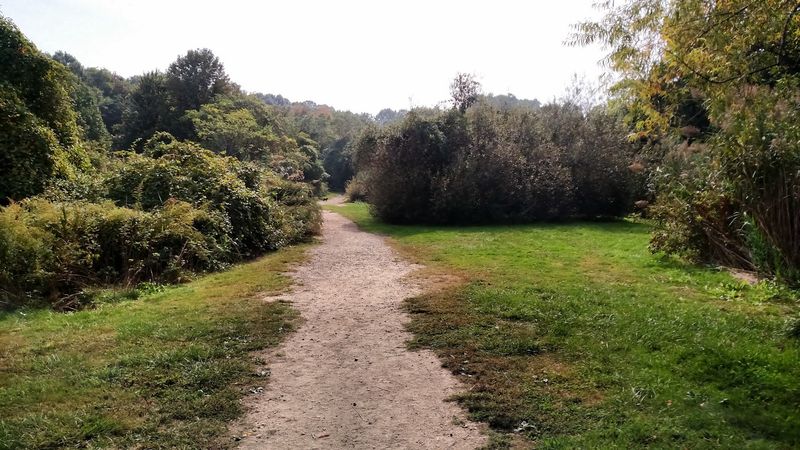
Are those lights moving, or did the next bend simply change the view? That little puzzle gives this drive plenty of atmosphere before any folklore enters.
Sweet Hollow Road runs through the West Hills area of Huntington beneath the Northern State Parkway.
Local stories have attached themselves to the overpass, cemetery, woods, and neighboring Mount Misery for decades, creating one of Long Island’s best-known clusters of road folklore.
The most repeated tale involves a school bus that supposedly went off the overpass in bad weather. Another describes a woman in white, while other versions add phantom children or a mysterious officer.
Local-history sources note that records do not support the school-bus story, so these accounts belong firmly in legend.
The physical road supplies enough tension on its own. Wooded stretches, limited sightlines, curves, and changing headlights can make a normal nighttime drive feel much stranger than the same route at noon.
Do not stop beneath the overpass, switch off lights, coast in neutral, or test any story involving an unseen push. Those traditions circulate online, but an active roadway is not the place for experiments.
A daytime pass is useful for learning the route and seeing how the terrain shapes the legends. It also makes the park surroundings easier to appreciate.
3. Albany Post Road, Sleepy Hollow
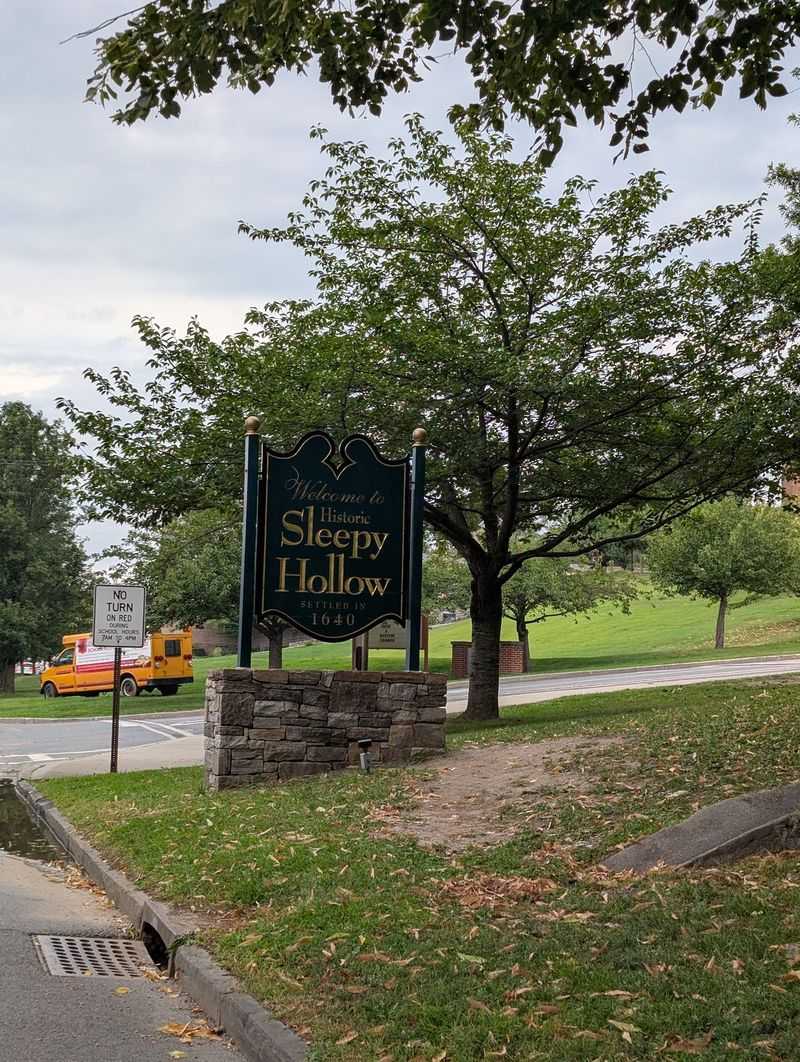
What if a familiar story changed the way you saw an ordinary street? That question fits Sleepy Hollow, where fiction and real geography overlap in unusual ways.
The colonial-era Albany Post Road forms part of the setting behind Washington Irving’s The Legend of Sleepy Hollow.
Today, U.S. Route 9 follows the modern successor to that historic road through the village, passing near the Old Dutch Church, Philipsburg Manor, and the Pocantico River.
One detail needs care: the famous Headless Horseman bridge from Irving’s story no longer survives in its original form or exact setting.
Local historians have documented several later bridges, while the present Route 9 crossing is a modern structure that was heavily altered during the twentieth century.
That does not weaken the atmosphere. The road still cuts through a village that actively preserves its literary connection, and seasonal events continue to use the Albany Post Road route as part of the Headless Horseman tradition.
Drivers should remember that Route 9 is an active, ordinary roadway. Historic scenery, church grounds, and cemetery entrances deserve attention only after parking somewhere permitted.
A daylight drive makes the literary geography easier to understand before darkness changes the mood.
Here, the eerie reputation comes from one of America’s most enduring stories. The landscape supplies the setting, but fiction still does most of the haunting.
4. Spook Rock Road, Suffern
A road with that name hardly needs help setting a mood. Even so, the most interesting part of Spook Rock Road is how its name became attached to local folklore.
Spook Rock Road runs through the Ramapo area near Suffern and Montebello, where the actual Spook Rock stands near Highview Road.
Historical newspaper accounts describe the boulder as a place associated with Indigenous gathering traditions before later settlers began attaching supernatural stories to it.
By the early twentieth century, writers were already repeating tales about strange sounds, unexplained sights, and the meaning of the word spook in the road’s name.
Later versions became more dramatic and sometimes contradicted one another, so they should be treated as folklore rather than reliable history.
The road itself is no abandoned lane. It remains an active county route lined with homes, intersections, and modern development, which makes respectful driving more important than chasing a legend.
Some online accounts also describe a gravity-hill effect nearby, where a vehicle appears to move uphill. Optical illusions can make slopes difficult to judge, but stopping or coasting on an active road is not a sensible test.
The rock and the stories have survived because the name invites questions before anyone reaches the site.
Drive through, notice the landscape, and leave the supernatural claims where they belong: in the long, complicated tradition of local storytelling.
5. NY-23A Near Kaaterskill Falls, Haines Falls
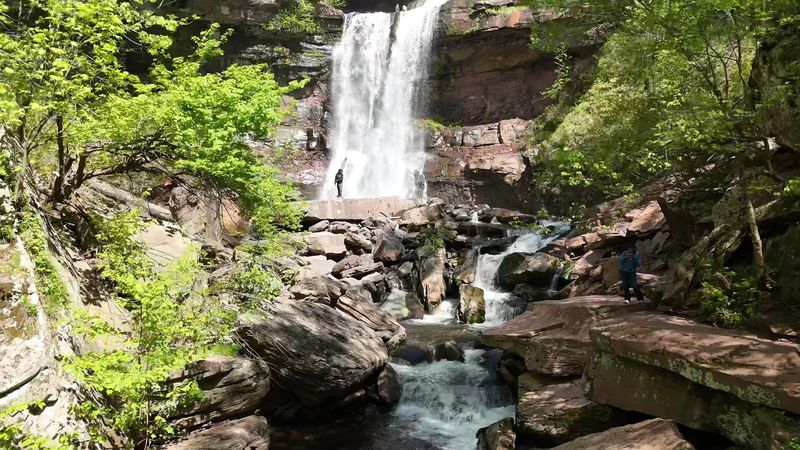
Some roads deserve your full attention before their stories even begin. On Route 23A near Haines Falls, the mountain terrain already supplies plenty of drama.
The original draft called this Kaaterskill Mountain Road, but the road through Kaaterskill Clove is New York State Route 23A.
It follows Kaaterskill Creek beneath steep Catskill slopes and passes close to the famous falls.
The eerie story belongs mainly to Kaaterskill Falls rather than the highway itself.
A long-circulated legend tells of a spaniel that supposedly leaped from the falls in 1868 and later became part of local ghost lore. A newspaper retold the story in 1901, but modern accounts still note that its historical certainty is limited.
That distinction matters. The legend can add atmosphere to the drive without turning a mountain road into a documented haunted site.
Current safety rules matter more. New York has closed the old Molly Smith roadside parking area on Route 23A near Kaaterskill Falls, and roadside parking in unsafe sections is prohibited.
Visitors should use designated access points such as Laurel House Road, Schutt Road, or South Lake.
The route is curving, steep, and visually distracting even in daylight. Weather can change visibility quickly.
Enjoy the story after parking legally. On this road, the Catskills provide enough suspense without asking a driver to search the gorge for ghosts.
6. Tilly Foster Mine Road, Brewster
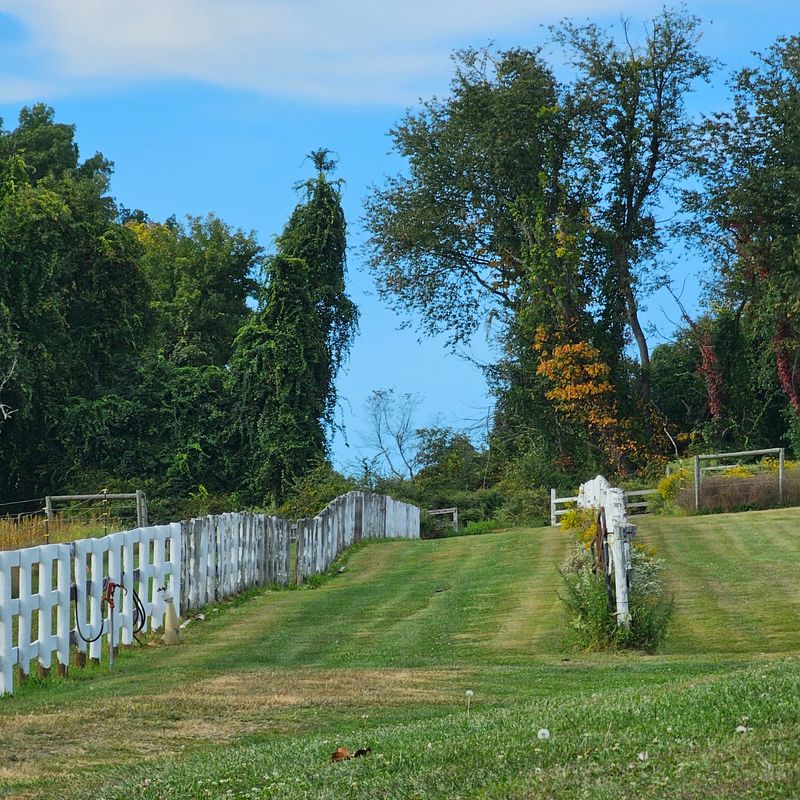
Old industrial ground raises enough questions without adding a flashlight search.
Around Brewster, the verified history is more compelling than the ghost stories attached to it.
There is no official Tilly Foster Mine Road. The historic mine lies near Tilly Foster Road, Old Mine Road, and Mine Lane in the Town of Southeast.
Old Mine Road is a short public road, while the former mine itself is on private property.
The Tilly Foster iron mine became a major nineteenth-century operation and eventually grew into an enormous open pit. Town records note heavy production, hundreds of workers, and a major collapse in 1895 before the mine closed.
That history has encouraged eerie retellings online, but a specific, well-documented local haunting tied to this road could not be verified.
Presenting every dark mining story as established folklore would give the location more supernatural history than the evidence supports.
The real setting still carries atmosphere. Reservoir water, old industrial traces, wooded slopes, and the knowledge of deep excavation nearby can make the area feel unusually stark after sunset.
Public-road boundaries matter here. The mine opening is not a roadside attraction, and private property should remain untouched.
For this entry, the mystery is strongest when the facts stay visible. The road passes a landscape shaped by difficult industrial history, and that is enough to make a quiet nighttime drive feel different.
7. Mount Misery Road, West Hills
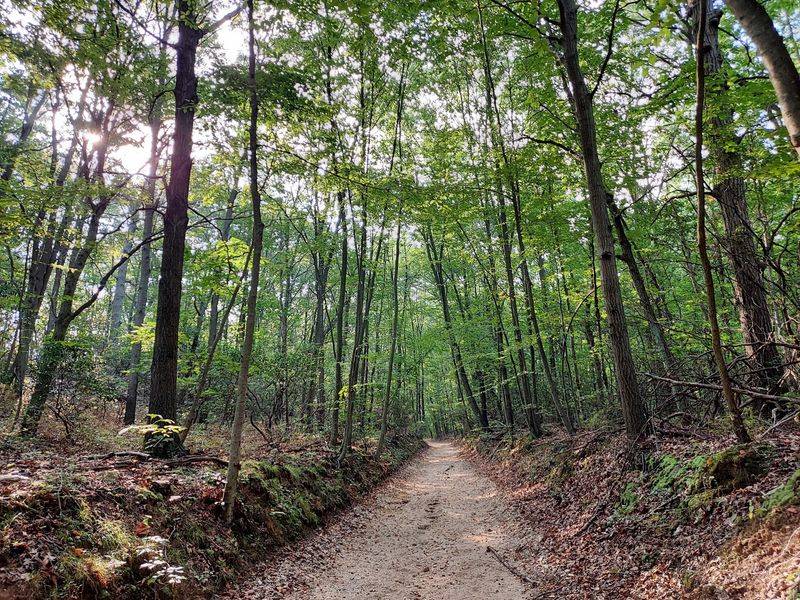
That name certainly knows how to make an entrance. Mount Misery Road already sounds like folklore before the woods add anything to the picture.
The road borders the Mount Misery Nature Preserve, a 175-acre section of West Hills County Park in the Huntington area.
The town’s own trail guide acknowledges that local legends about ghosts, strange creatures, and unusual lights have circulated around these woods for years.
One of the best-known tales involves a figure called Hatchet Mary, but the story is presented as legend, not documented crime history.
Other accounts overlap with stories told about nearby Sweet Hollow Road, which helps explain why details often change from one retelling to the next.
The landscape does plenty of work without embellishment. Steep trails, oak forest, pine stands, and relatively undeveloped sections make this corner of Long Island feel more isolated than nearby suburban roads suggest.
Mount Misery Road remains a normal public route beside parkland and private property. Drivers should not stop suddenly, enter closed areas, or treat neighboring woods as an invitation for nighttime searching.
Daylight offers a better look at the preserve and its trail network, while darkness naturally sharpens the road’s dramatic name.
This is one place where the folklore is genuinely part of the local record. The stories may be unproven, but the tradition behind them is real.
8. Widow Susan Road, Amsterdam
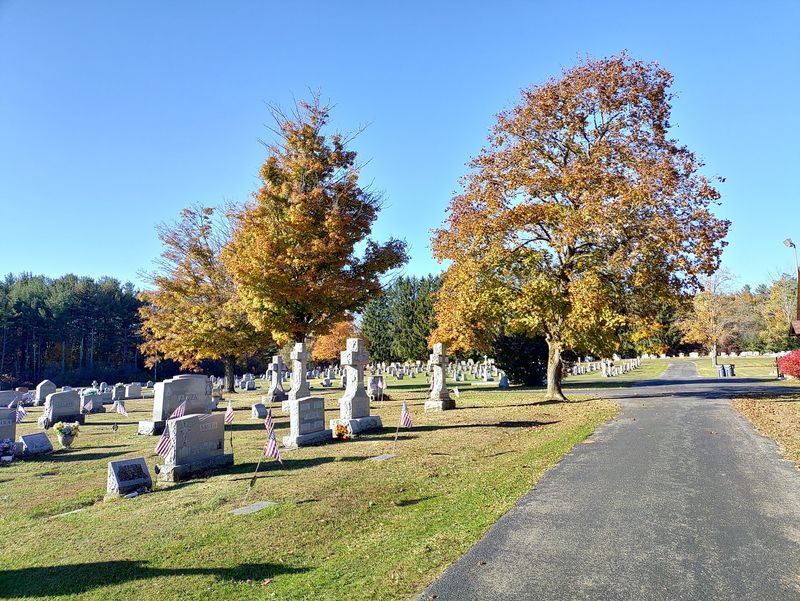
Sometimes a road name sounds as if it holds an entire story. Widow Susan Road in Amsterdam does, although the supernatural part belongs to folklore.
The name is tied to Susan DeGraff, a real nineteenth-century resident who became known locally as Widow Susan after her husband died.
A Legends & Lore marker placed by the William G. Pomeroy Foundation preserves the story that her ghost wanders the road searching for his grave.
That legend grew from an unusual burial detail.
Historical research cited by the foundation says Susan was buried in Green Hill Cemetery rather than in the deteriorating DeGraff family plot.
That gives storytellers a reason to imagine her searching for the place where she expected to rest beside her husband.
The tale usually describes a crying woman in old-fashioned white clothing. There is no need to treat that image as a verified sighting; its value comes from the way local memory attached a personal story to a road name.
Widow Susan Road remains an ordinary residential route, so homes, driveways, and private land deserve the same respect they would anywhere else.
A daylight trip makes the landscape easier to appreciate without turning the road into a challenge.
Here, the history and the legend fit together neatly. One explains the name, while the other shows how communities keep a story alive long after the people in it are gone.
9. 13 Curves, Marcellus
Count the turns if you want, but let a passenger handle the math.
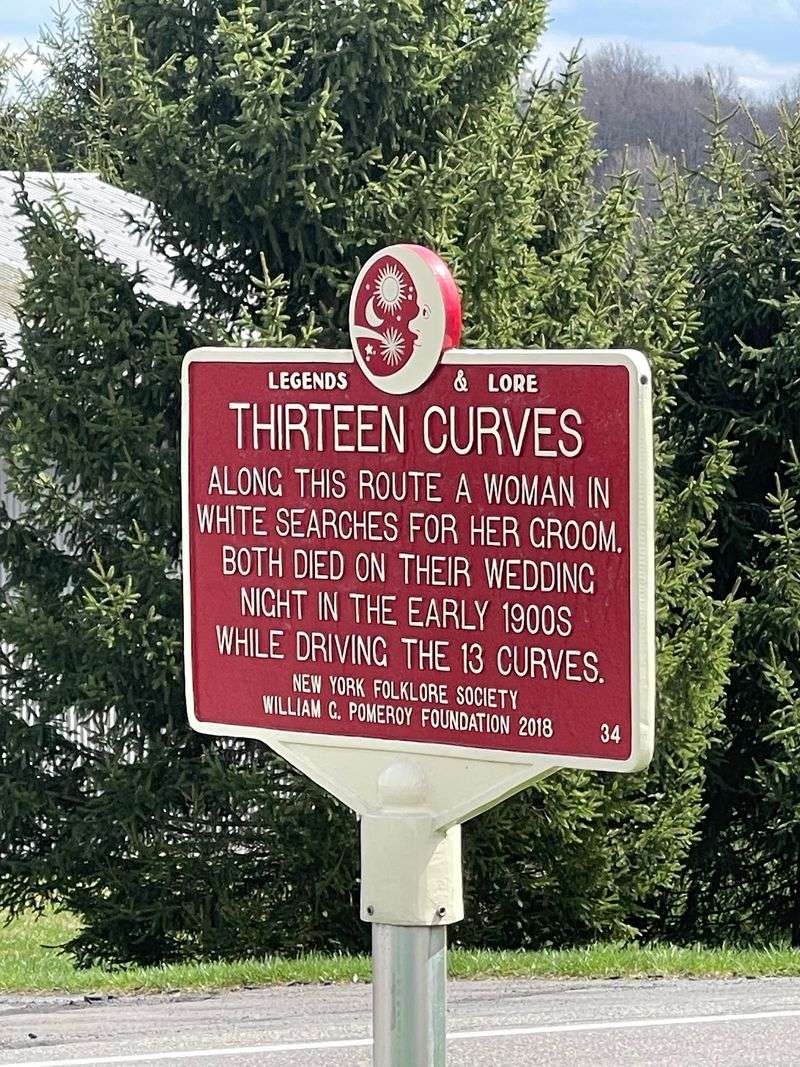
Cedarvale Road near Marcellus earned its nickname from the thirteen curves that make the route memorable. The road’s best-known legend centers on a bride in white.
According to local folklore, a newly married couple died in a crash while traveling the curves in the early twentieth century, and the bride’s ghost still appears along the route searching for her husband.
The William G. Pomeroy Foundation and New York Folklore Society installed a Legends & Lore marker for the story in 2018.
Their documentation also notes that versions differ, including later retellings that replace the original vehicle with a motorcycle.
That variation is a good reminder that folklore changes as it travels. The marker preserves the legend, not proof that the crash happened exactly as described.
The practical challenge is easier to verify. Curves shorten sightlines, and darkness, rain, fog, or fallen leaves can make the road harder to read. Cedarvale Road still carries ordinary traffic, so stopping on a bend for a photo is a bad trade for a spooky story.
The route can be enjoyed without testing the legend or counting turns behind the wheel.
Its reputation works because the physical road and the ghost tale reinforce each other. The curves are real. The woman in white remains part of the story.
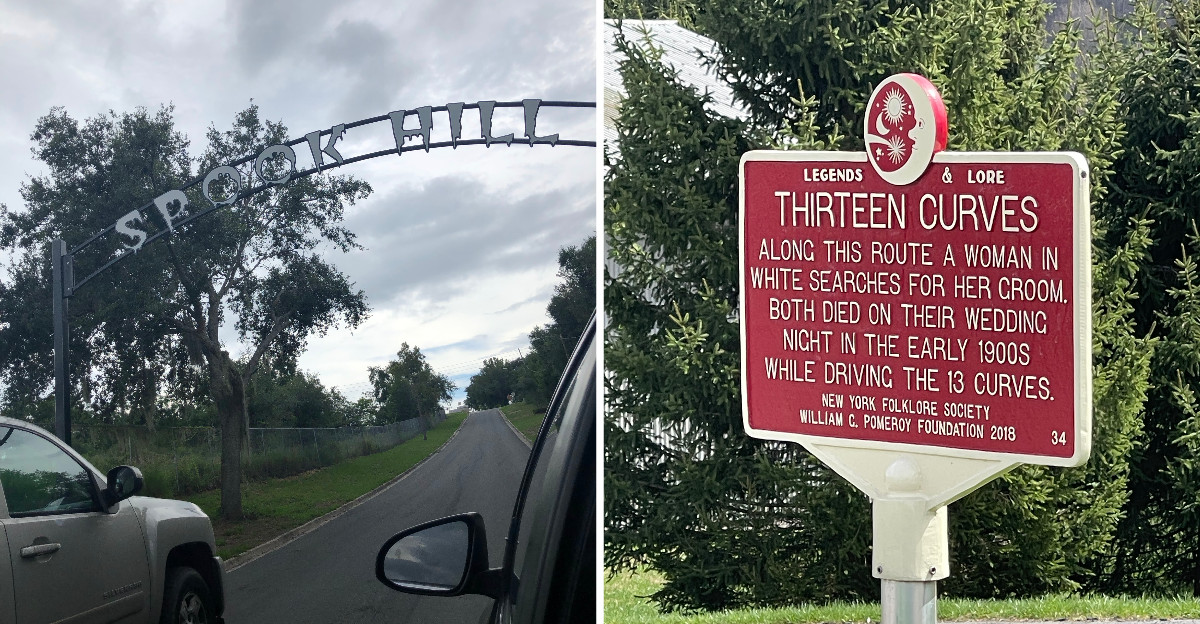
10. Spook Hill, Middlesex
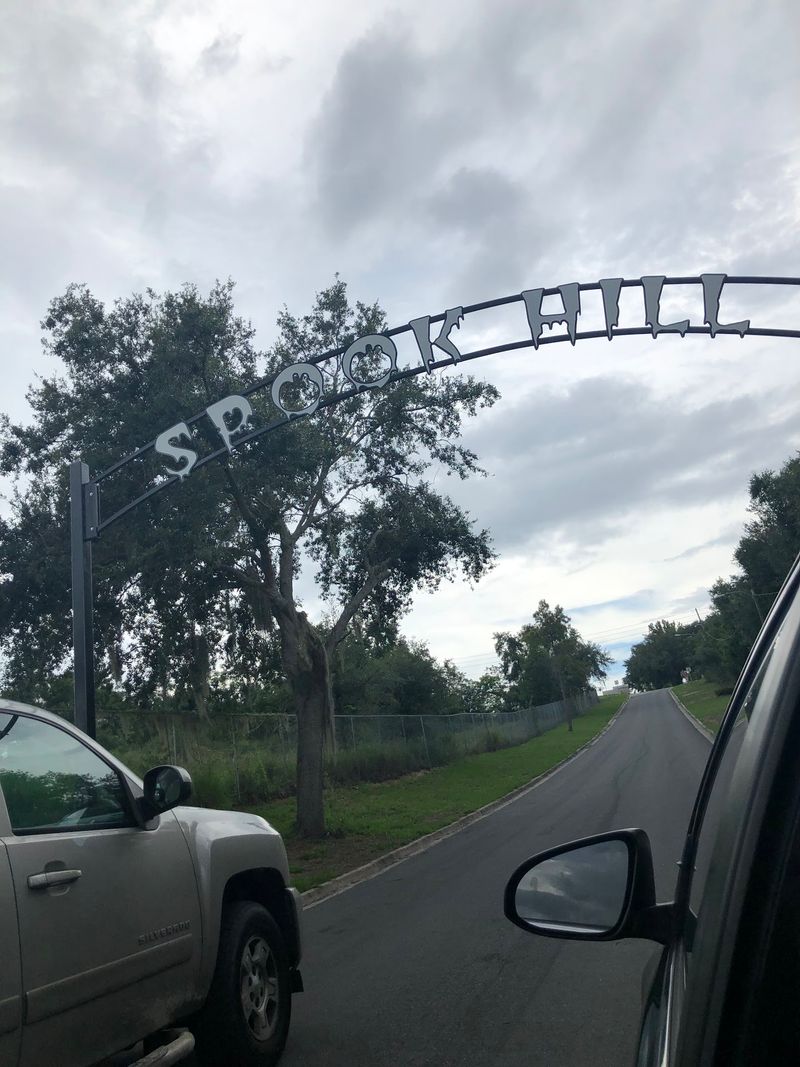
Wait, is the road climbing or dropping? I love a landscape that makes me pause and check my first guess.
Spook Hill sits along Newell Road near Middlesex in Yates County, where the roadway creates the impression that a vehicle can roll uphill.
That odd effect has turned the spot into a long-running local curiosity. The often-cited spot lies near Skyview Drive and Spike Road.
The explanation is much less supernatural than the name suggests. Gravity hills work because the surrounding terrain, trees, and limited horizon can make a slight downhill grade appear to rise.
Your eyes judge the slope against nearby visual cues rather than a level reference.
Online versions sometimes add ghost stories or unseen forces, but the optical illusion is enough to explain why the hill earned attention. No paranormal explanation is needed for the effect to feel strange.
Newell Road is still an active public road lined with homes and private property. Stopping in a travel lane, coasting in neutral, reversing unexpectedly, or blocking another driver creates a real hazard.
A safer approach is simply to notice how the land changes your perception while continuing normally through the area.
Spook Hill works because the surprise comes from your own eyesight. The road appears to break a basic rule of gravity, and understanding the trick does not make that first impression much less entertaining.