This Idaho Ghost Town Still Has About 70 Old Buildings Standing
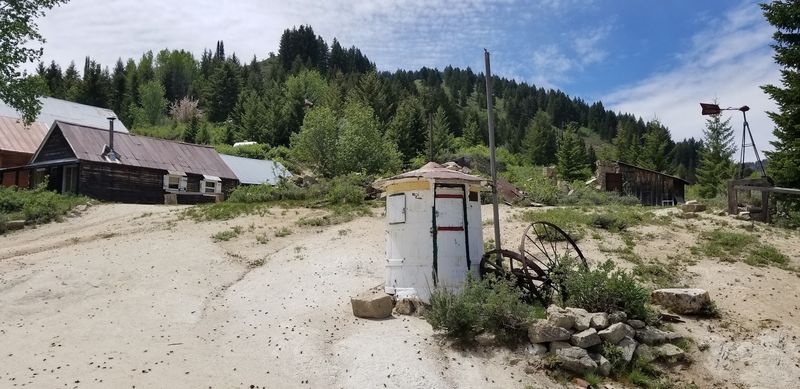
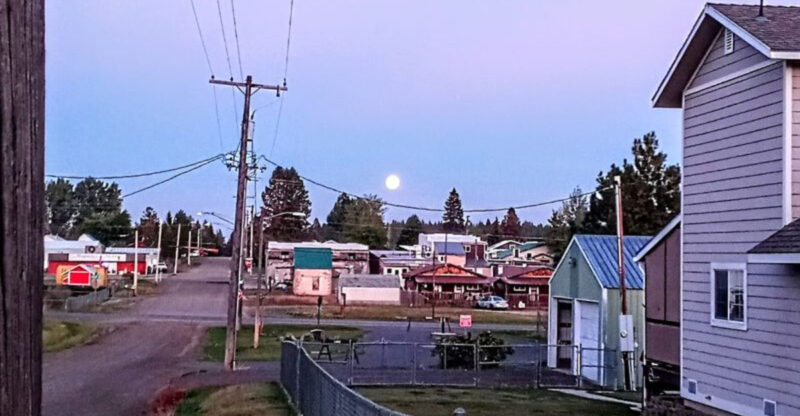
Seventy weathered buildings sit at the end of a rough gravel road in southwest Idaho, and almost nobody lives in them year-round. The paint is faded, the boardwalks creak, and the town speed limit is slower than a jogger.
Yet this mountain settlement once had Idaho’s first daily newspaper and its first telegraph office. It is one of the best places in the state to see what a mining boomtown really looked like, and it only opens up for a few warm months each year.
A Mining Town Above The Sagebrush
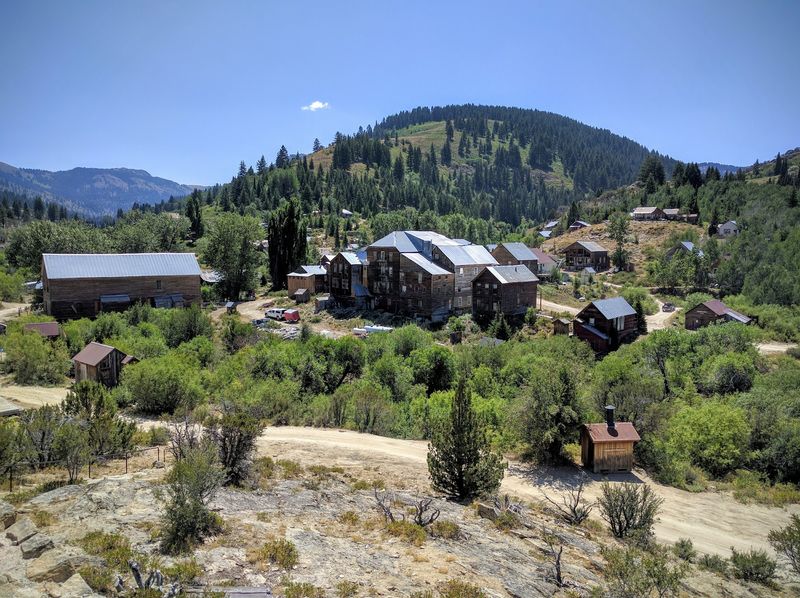
High in northwestern Owyhee County, about 6,200 feet above sea level, a cluster of old wooden and stone buildings fills a narrow valley along Jordan Creek. Silver City is a ghost town, but a lived-in one, and it sits in the Owyhee Mountains of southwest Idaho.
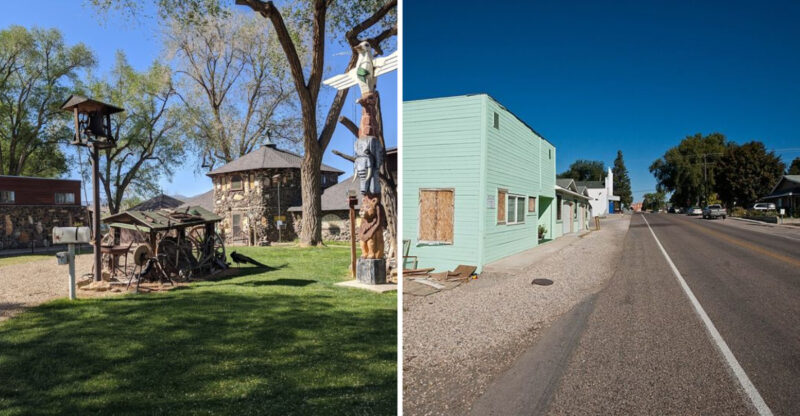
Roughly 70 original structures still stand here. They date from the 1860s into the early 1900s, which means the homes, shops, and halls you walk past are the real thing, not copies built for tourists.
The whole town is listed on the National Register of Historic Places as a historic district. That label matters, because it helps keep the look of the place frozen in time.
For many Idahoans in the Treasure Valley, Silver City is a name they have heard for years but never visited. The drive is long and bumpy, and the season is short, so it stays off a lot of summer plans.
Those who make the trip find something rare. Instead of a museum behind glass, the entire town works like an open-air history lesson, with creaky porches, tall false fronts, and quiet streets that feel far removed from modern life.
Silver Strikes On War Eagle Mountain
Back in 1864, prospectors found silver on nearby War Eagle Mountain, and almost overnight a town began to rise. Miners, merchants, and families poured into the valley hoping to strike it rich.
Growth came fast. Within a few years, Silver City had become one of the most important places in the Idaho Territory, and in 1867 it took over as the Owyhee County seat.
Gold and silver both came out of these hills. Mills crushed ore, freight wagons hauled supplies up steep roads, and the streets filled with the sounds of a busy boomtown.
Picture a place with no highway nearby and no easy way in or out, yet still pulling in thousands of people. Silver was a powerful magnet in the 1860s, and War Eagle Mountain delivered enough of it to build a real town instead of a short-lived tent camp.
Today, the mountain still rises above the rooftops. Looking up at its rocky slopes, it is easy to imagine the miners who climbed it every morning, lunch pails in hand, chasing the next rich vein of ore.
Firsts That Put Owyhee County On The Map
Quick trivia question for your next family road trip: where did Idaho get its first daily newspaper? The answer is this remote mountain town, not Boise.
Silver City also opened Idaho’s first telegraph office. On top of that, it was among the first places in the region to get electric and telephone service, which was a big deal for a town tucked so deep in the mountains.
By the 1880s, the population had grown to somewhere between 2,500 and 4,000 people. Around 75 businesses served them, from stores to hotels to shops that kept the mines running.
That kind of success shows how much money was flowing out of the hills. Towns with deep pockets could afford new technology early, and Silver City wanted to stay connected to the wider world.
It remained the county seat until 1934, when that role moved down to Murphy. Walking through town now, it is a little surprising to realize that this quiet valley once buzzed with telegraph messages, printing presses, and the brand-new hum of electric lights.
How A Boomtown Slowly Went Quiet
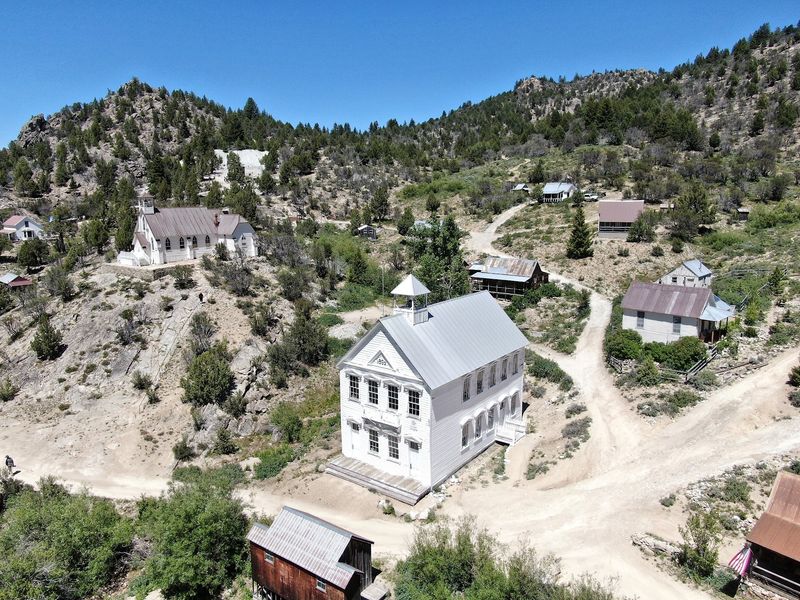
Around 1890, the rich gold and silver lodes started running out. When the ore dried up, so did most of the jobs, and people began to drift away.
Many mining towns across the West vanished completely once the money stopped. Silver City took a different path.
Its remote spot high in the Owyhees meant nobody hauled the buildings away, so the town faded slowly instead of disappearing.
Small mining efforts kept going on and off for decades. The last working mine shut down around 1942, during World War II.
By the 1940s, the town was down to just one permanent resident. Imagine being the only person living year-round in a place built for thousands, with empty hotels and shops all around you.
Still, Silver City was never fully abandoned. That thin thread of people who stayed or kept visiting helped protect the buildings through the lean years.
It is a big reason so much of the town survives today, while other Idaho boomtowns are now only foundations hidden in the sagebrush.
Summer Neighbors In Century-Old Homes
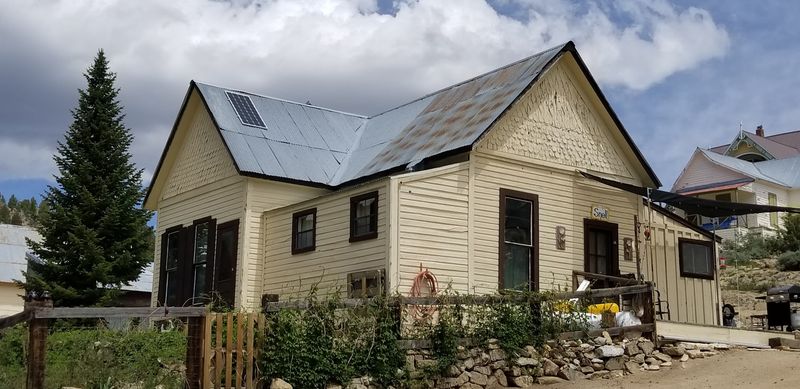
Here is the twist that surprises most first-time visitors: people still live here. About 60 families keep part-time homes in the historic buildings, mostly during the warm months.
The land under the town is federally owned and managed by the Bureau of Land Management. The buildings, though, are privately owned, and many belong to descendants of the original miners.
That family connection gives Silver City a special feel. Owners are not just caring for old houses; they are caring for their great-grandparents’ homes.
Because of this, visitors should remember that most buildings are private property. Admire them from the street, snap photos from the road, and give residents their space.
Local rules and the historic district status block new construction, so the skyline has barely changed in more than a century. No modern cabins pop up between the old ones.
For anyone who has watched their own Idaho hometown change quickly, there is something comforting about a place where the owners work hard to keep everything looking exactly the way it did in the 1800s.
The Idaho Hotel Since 1866
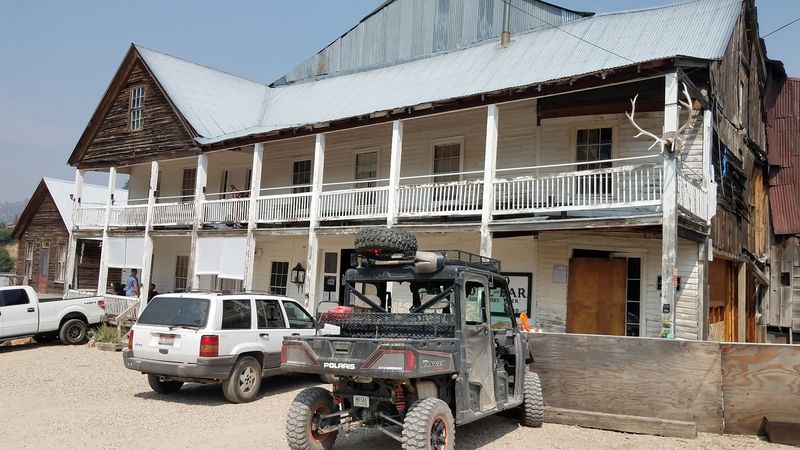
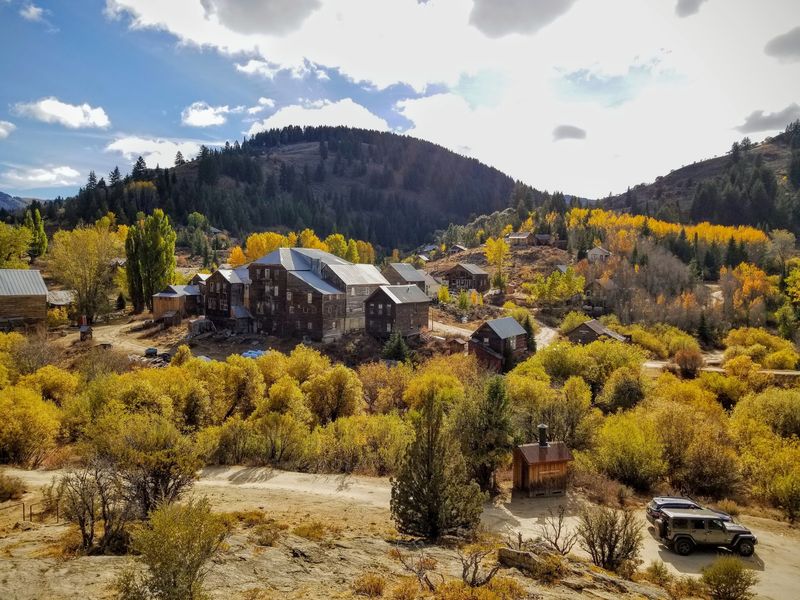
Few buildings in the state can claim more birthdays than the Idaho Hotel. Built in 1866, it still welcomes overnight guests during the open season.
The hotel mixes old-time atmosphere with modern comforts. Guests get to sleep in a building that was already standing when Idaho was still a territory, which makes for a memorable night far from any city lights.
Its tall wooden front is one of the most photographed sights in town. Stand across the street and you can take in the whole building, balcony and all, against the mountain backdrop.
Staying overnight changes the whole experience of Silver City. Day-trippers see the town at its busiest, but hotel guests can enjoy quiet mornings when the streets are empty and the only sound is Jordan Creek running past.
Rooms are limited and the season is short, so planning ahead is smart. Check availability well before you drive up, since this is one of only a few small businesses operating in town and it is the main indoor lodging option up in these mountains.
Schoolhouse Lessons And A Courthouse Past
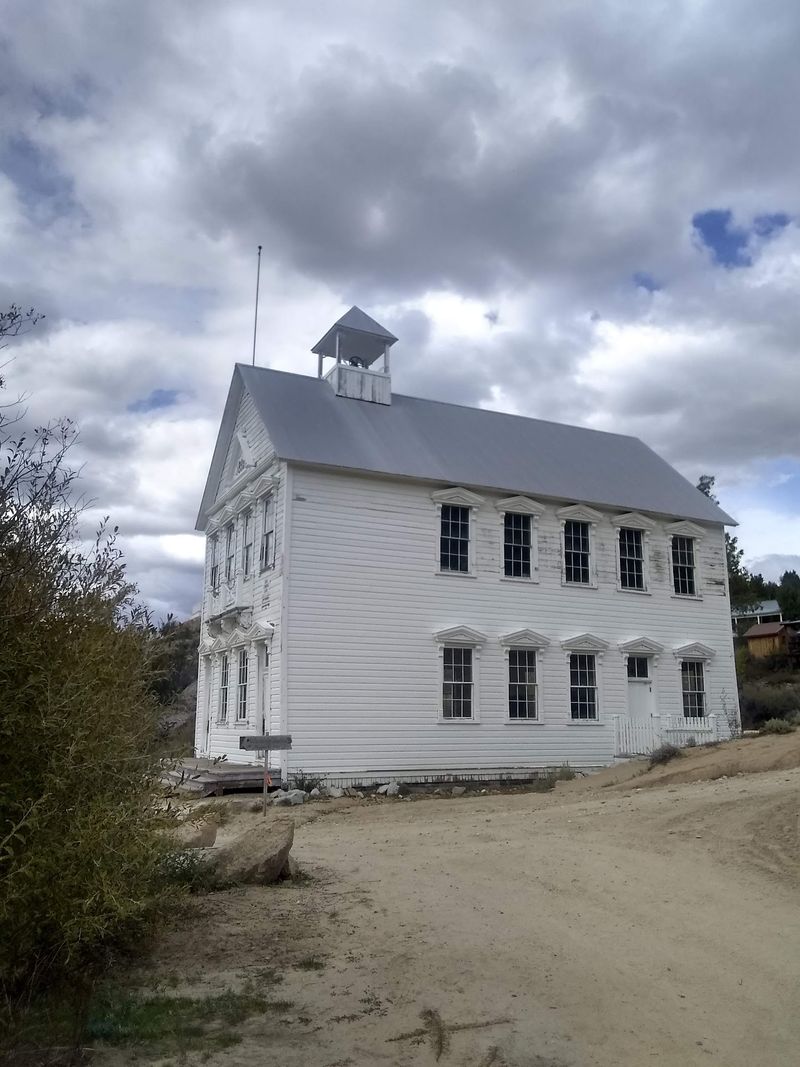
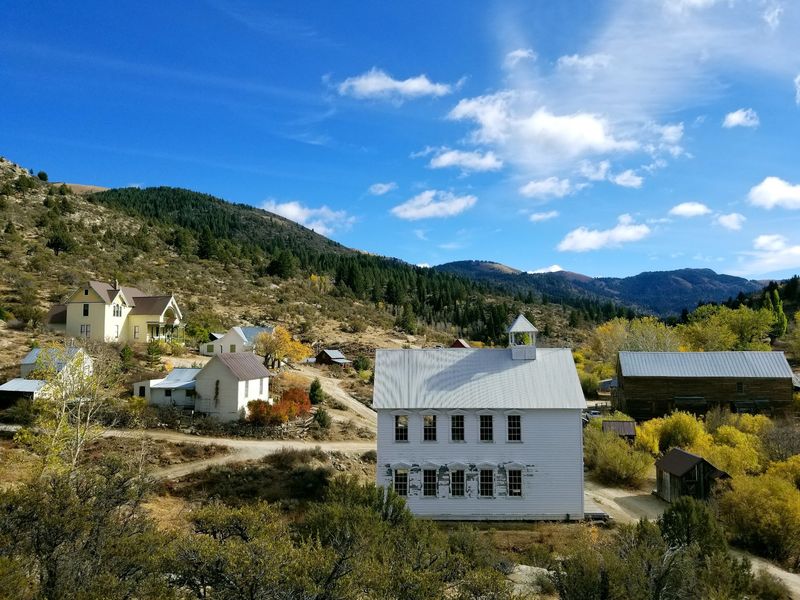
Kids once climbed the steps of the Idaho Standard School, built in 1892, to learn reading and arithmetic in a busy mining town. Now its second floor holds a museum.
The museum is a great stop for families and history fans. It helps connect the empty streets outside with the real people who once lived, worked, and studied in Silver City.
Nearby stands the old Owyhee County courthouse, a reminder of the decades when Silver City ran county business. From 1867 to 1934, important decisions for the whole county were made right here in these mountains.
Seeing both buildings together tells a fuller story. One shows everyday family life, and the other shows the town’s importance in Idaho’s early government.
Museum hours can change with the season, so it is wise to check before you go. Even if the doors are closed, the outside of the schoolhouse is worth a slow look, with its tall windows and sturdy frame that has survived well over a century of harsh mountain winters.
A Lodge Hall Straddling Jordan Creek
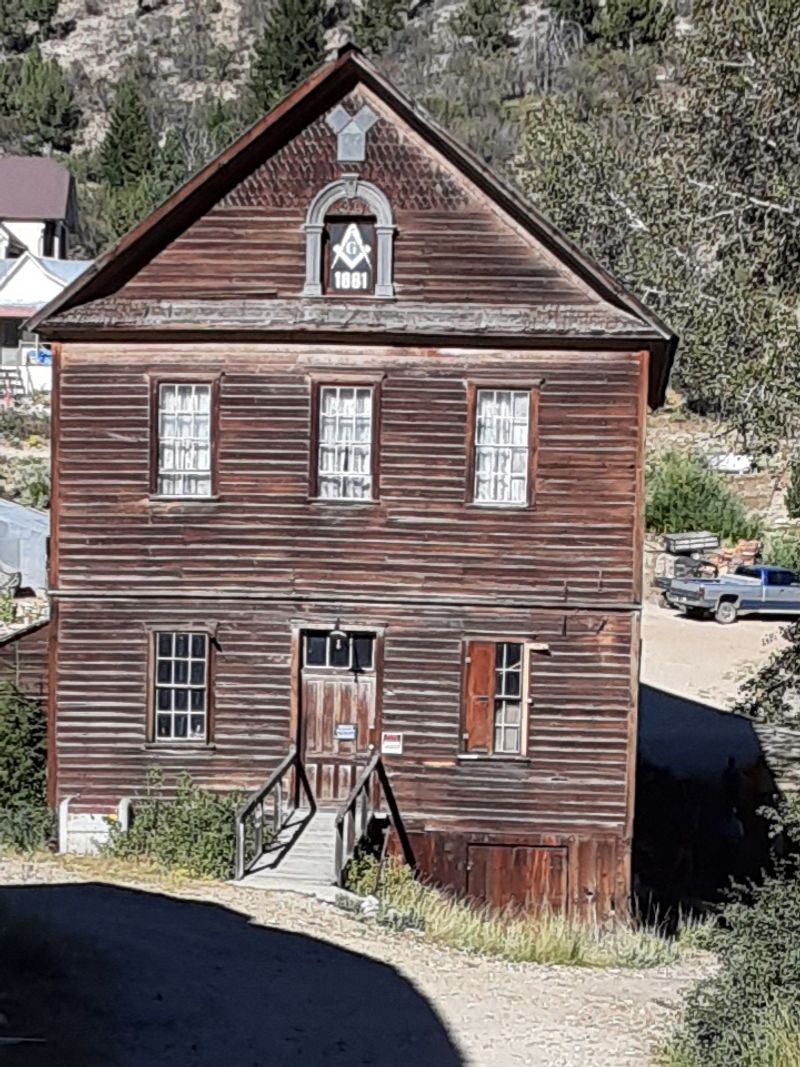
Most buildings avoid water. The Masonic Hall in Silver City does the opposite and stretches right over Jordan Creek like a bridge.
It is one of the quirkiest sights in town and a favorite for photos. Standing on the bank, you can watch the creek flow directly beneath the building, which feels a little like a riddle come to life.
Jordan Creek itself shaped the town. The valley follows its path, and much of Silver City lines up along its banks, so the stream is never far from wherever you wander.
Kids especially enjoy spotting the hall and figuring out how it stays up. It is a good chance to talk about how early builders solved problems with the space they had in a narrow mountain canyon.
Take time to walk the creekside and look at the building from a few angles. Morning light tends to make the old wood glow, while late afternoon brings long shadows across the water.
Either way, it becomes one of those details visitors remember long after the drive home.
Five Miles Per Hour And Open Sky
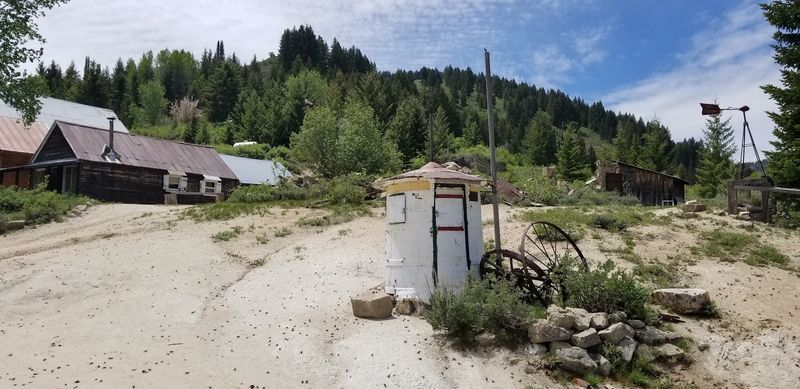
Five miles per hour. That is the speed limit inside Silver City, and it sets the tone for the whole visit.
Driving that slowly almost forces you to park and walk. Once you do, you notice the little things: hand-painted signs, old hinges, weathered porches, and the way the buildings lean into the hillside.
The atmosphere suits people who like a calm, unhurried day. Near-retirees, photographers, history buffs, and families with curious kids all tend to enjoy the pace.
Travelers hoping for gift shops on every corner or lots of attractions may feel a little lost. Silver City is more about soaking up the setting than checking off a busy list.
Out here, the air feels thinner and the sky seems bigger. With no highway noise and very little traffic, it is possible to hear birds, wind in the sagebrush, and the creek all at once.
For Idahoans who spend their weeks in Boise or Nampa traffic, that quiet can feel like the best part of the whole trip up into Owyhee County.
Gravel Roads And A Short Season
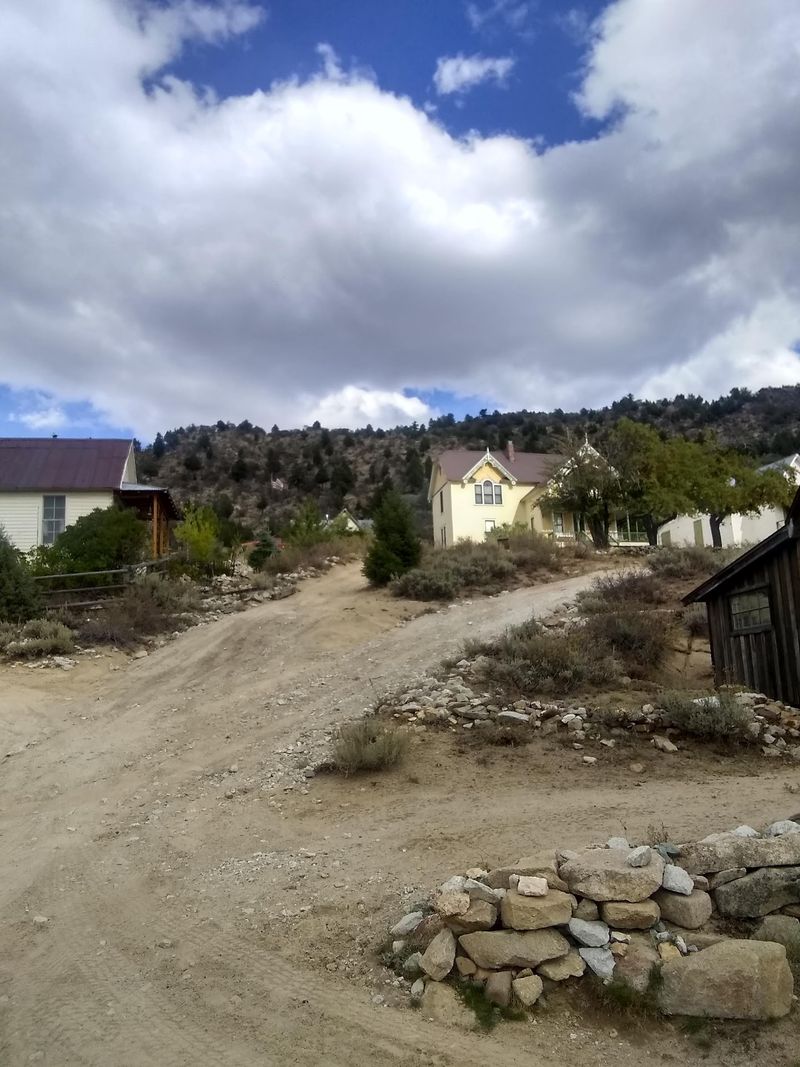
Getting there is half the adventure. Silver City sits about 25 miles southwest of Murphy, and the route in is a winding, unpaved gravel road.
Rocky stretches make a high-clearance vehicle a smart choice. Take it slow, watch for washboard sections, and expect dust on everything by the time you arrive.
Snow closes the road each year from November 1 until the Friday before Memorial Day weekend. The best time to visit runs from July through October, when the road is usually in better shape.
Plan carefully, because the town has no gas station, no grocery store, and no public phone service. Fill your tank before leaving the valley, and pack plenty of water, snacks, and anything else you might need.
Primitive camping is available along Jordan Creek, with pit toilets and not much else. Campers should come fully prepared.
For those staying indoors, the Idaho Hotel is the main option. The general address is Idaho 83650, but a good map or GPS track is far more helpful than a street number for finding your way.
Worth Every Bump Of The Drive
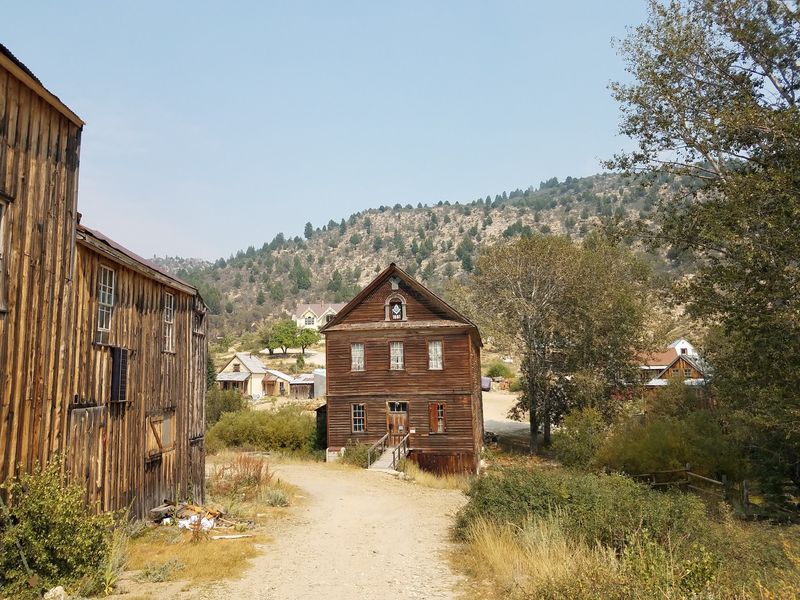
After a long, dusty drive, the first glimpse of those old rooftops tends to make the bumps feel worth it. Silver City delivers something few places in Idaho can match: a whole town from the 1800s, still standing in its original spot.
It is not a quick stop. Between the road, the lack of services, and the short season, a visit takes real planning.
Yet that effort is part of why the town has survived. Its remote setting kept it safe from modern growth, and its families and preservation rules keep it that way today.
For a summer or early fall day trip from the Treasure Valley, few outings offer more history per mile. Bring water, bring patience, and bring a camera with a full battery.
Then slow down to five miles per hour and let the place do the talking. Somewhere between the Idaho Hotel, the schoolhouse museum, and the lodge hall over Jordan Creek, most visitors start planning a second trip before the first one even ends.