10 Quirky Idaho Small Towns With Populations Under 500 People
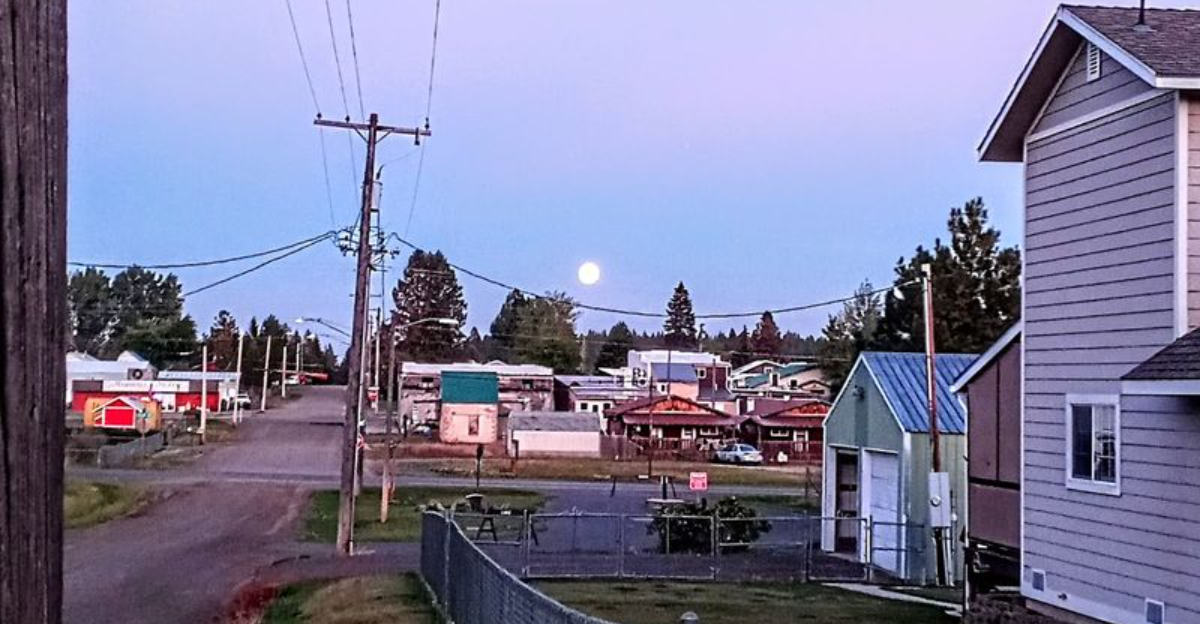
In a town of 300 people, showing up for lunch practically counts as a population boom.
That is part of the fun of exploring Idaho’s tiniest communities.
These places rarely bother with flashy attractions or carefully polished downtowns. They simply sit where they have always sat, surrounded by enormous scenery and carrying stories far bigger than their head counts suggest.
A few have histories that sound almost too strange for places this small. Others survive on the kind of local character that disappears quickly once a town gets crowded.
And yes, a new face gets noticed.
When fewer than 500 people call somewhere home, anonymity is not really part of the package.
That makes every stop feel a little more personal and a lot less predictable.
Ten tiny Idaho towns are waiting ahead.
Blink on the highway and you might miss one entirely. That would be a shame.
10. Atomic City
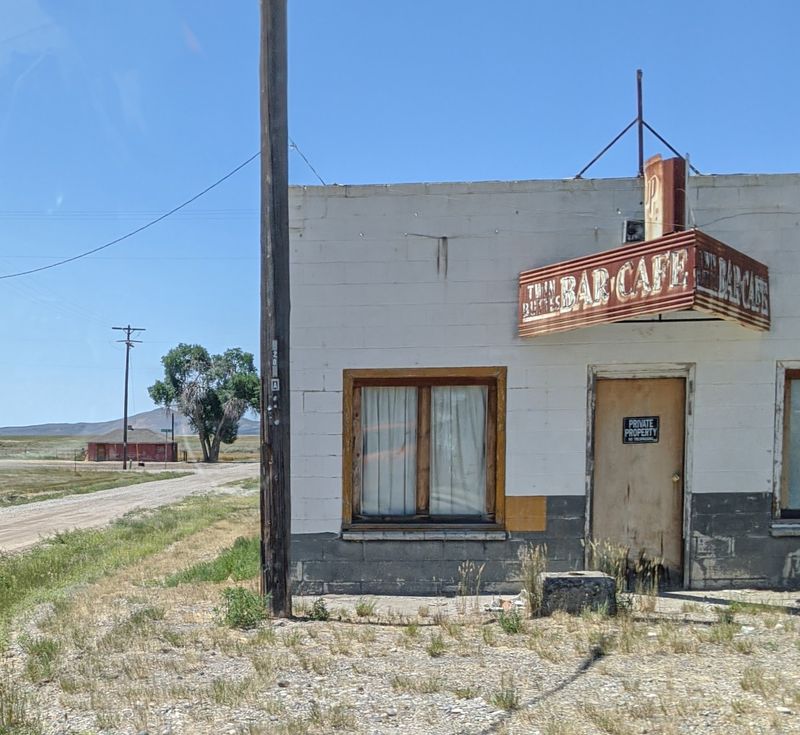
The name alone makes Atomic City difficult to pass without wondering how it got there. Known as Midway before 1950, the tiny Bingham County community adopted its atomic-era name as major scientific work developed nearby at what was then the National Reactor Testing Station.
The 2020 Census counted only 41 residents, leaving a remarkably small settlement surrounded by the broad Snake River Plain.
Its most interesting companion stop lies along U.S. 20 at Experimental Breeder Reactor-I, where usable electricity was first generated from nuclear energy in 1951.
EBR-I is now a National Historic Landmark and museum, giving travelers a hands-on look at an important chapter in Idaho’s scientific history. For the 2026 season, the museum is open daily through Labor Day with free admission.
That makes late summer an especially convenient time to connect Atomic City’s unusual name with the research landscape surrounding it.
Open sagebrush, distant mountains, and huge skies make the community appear even smaller, giving this corner of eastern Idaho an atmosphere unlike almost anywhere else on the list.
9. Warm River
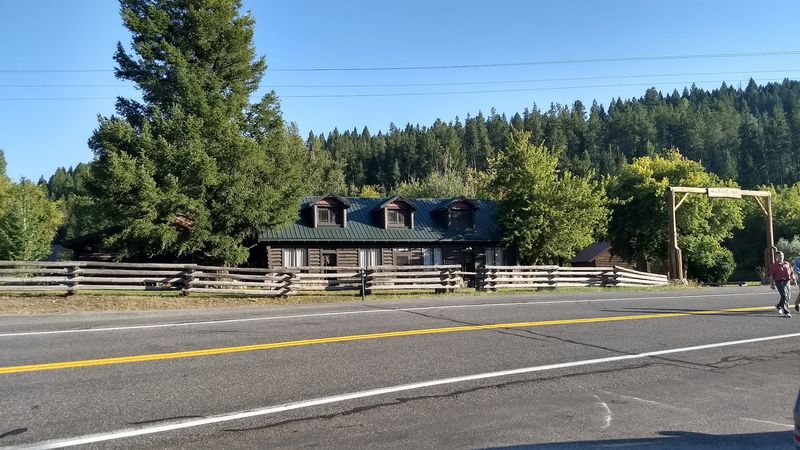
Four residents made Warm River one of Idaho’s tiniest incorporated cities in the 2020 Census, but the surrounding recreation area becomes considerably livelier once warm weather arrives.
The spring-fed Warm River runs 36.5 miles through Fremont County before joining the Henrys Fork, and Idaho Fish and Game records rainbow trout, brook trout, brown trout, and mountain whitefish in its waters.
Near the little city, Warm River Campground puts visitors beside the slow-moving stream in Caribou-Targhee National Forest. Tubing is a popular summer activity there, while fishing and nearby trails give the area plenty to do without needing a conventional downtown.
The setting also connects naturally with the Mesa Falls Scenic Byway, a 28.7-mile route passing through the Warm River area toward Upper and Lower Mesa Falls. That makes the population figure almost comically small compared with the amount of scenery close by.
Warm River is less about shops or streets and more about realizing that an official Idaho city can consist of only a handful of residents beside a clear mountain waterway. Even its name fits the landscape surprisingly well.
8. Tensed
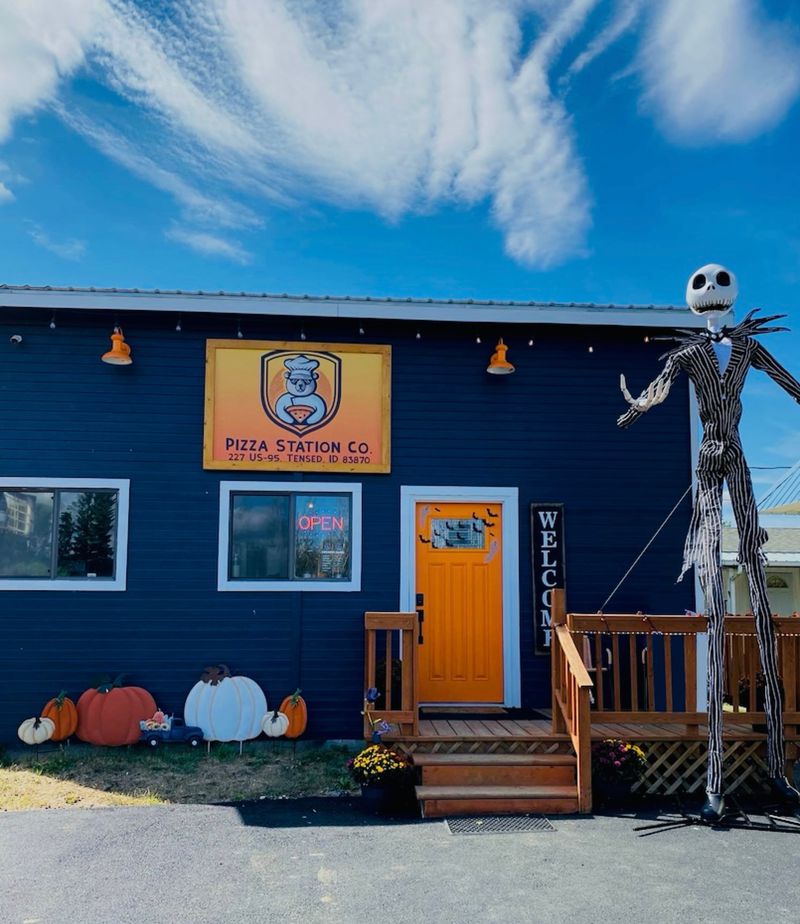
Blink while traveling U.S. 95 and Tensed can pass quickly, which only makes its unusual name more interesting once you know how it developed.
The 2020 Census counted 84 residents in this Benewah County city, based within the Coeur d’Alene Reservation.
Its name traces back to an attempt to use Desmet. When that name was unavailable, it was reversed to Temsed, and a postal spelling mix-up reportedly produced Tensed instead.
The town also provides a convenient gateway to Mary Minerva McCroskey State Park, with access beginning roughly a mile away. The 5,300-acre park stretches along a forested ridge where the Palouse prairie meets wooded mountain terrain.
Skyline Drive follows a gravel road through the park, opening onto broad viewpoints and providing access to trails used for hiking and biking. Camping areas offer another reason to linger during the warmer seasons, while winter snow can restrict the road.
Between an accidental-looking name and a huge state park almost next door, this tiny northern Idaho city packs far more personality into 0.19 square miles than its size suggests.
7. Swan Valley
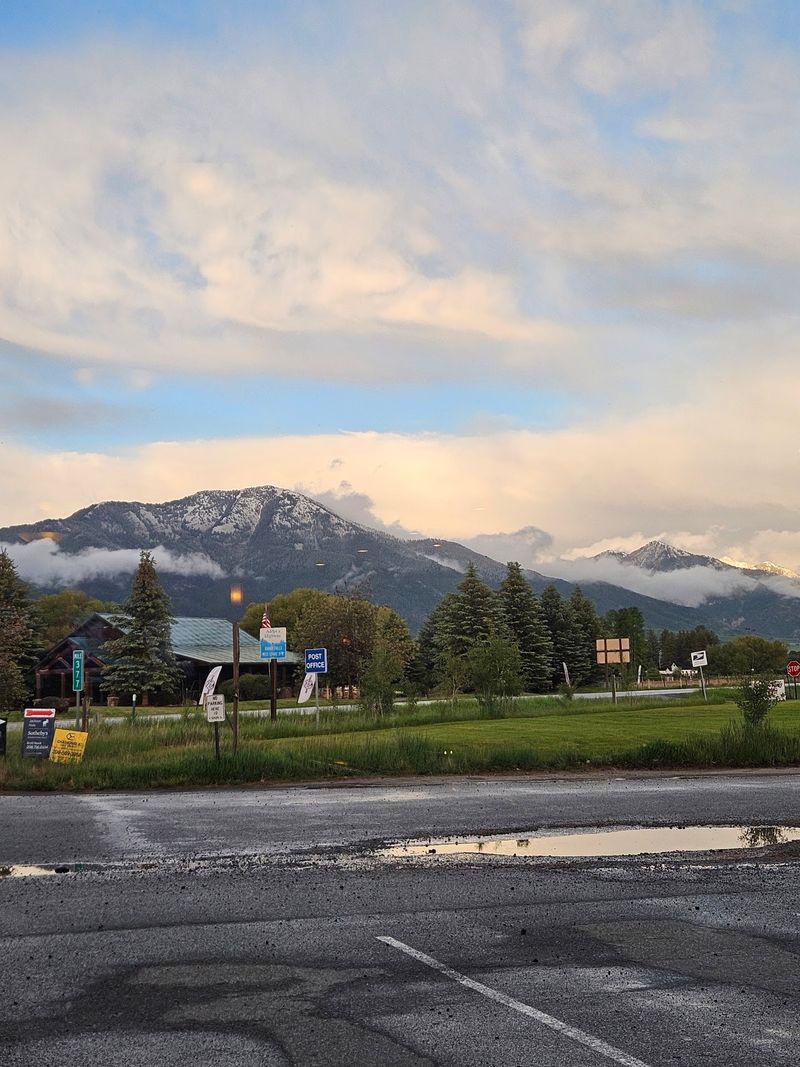
Water defines Swan Valley more than any cluster of buildings ever could. The 2020 Census counted 225 residents, yet the community sits beside one of southeastern Idaho’s best-known river corridors.
Below Palisades Dam, the South Fork of the Snake River travels northwest for about 66 miles before meeting the Henrys Fork near the Menan Buttes.
The Bureau of Land Management describes the South Fork as a premier trout fishery and notes that it supports the largest native cutthroat trout fishery outside Yellowstone National Park.
Conant Boat Access, just off the Swan Valley Highway, provides a practical entry point with a boat ramp, separate raft launch, picnic tables, and seasonal visitor information. Fall Creek also reaches the South Fork nearby, adding a waterfall to an already dramatic valley setting.
Cottonwoods follow stretches of the river while mountains rise beyond the highway, making the community feel surrounded by recreation rather than simply close to it.
Swan Valley qualifies for this list because of its population, but the real surprise is how much nationally recognized river country sits immediately around such a small Idaho city.
6. Tetonia
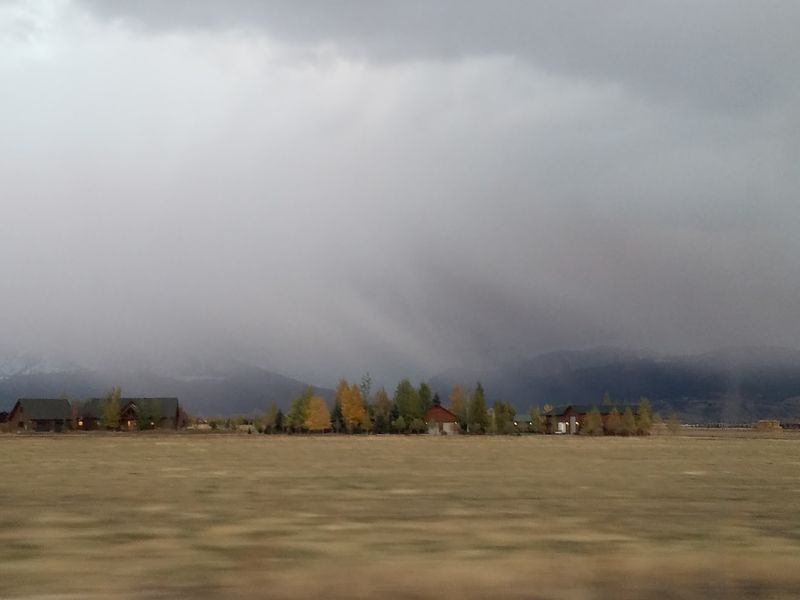
Few towns of 308 people get a mountain backdrop this oversized. Tetonia occupies the northern end of Teton Valley, where open agricultural land leaves long sightlines toward the Teton Range and makes the eastern horizon difficult to ignore.
Its 2020 Census population keeps the city comfortably below the 500-person mark, while one of eastern Idaho’s notable rail-trails reaches town as well.
The Ashton-to-Tetonia Trail follows 29.6 miles of former railroad corridor through farmland, past historic grain elevators, and across impressive trestles, with Teton views appearing along much of the route.
Idaho Parks and Recreation is carrying out a major paving project during 2026, so checking the latest access information is worthwhile before planning a ride from the Tetonia end.
Even without covering the entire trail, the town works as a quiet base for exploring the northern side of Teton Valley.
Its charm comes largely from proportion: a very small street grid sitting beneath mountains that seem enormous by comparison. When the peaks catch early or late light, Tetonia’s tiny scale becomes even more obvious.
5. Weippe
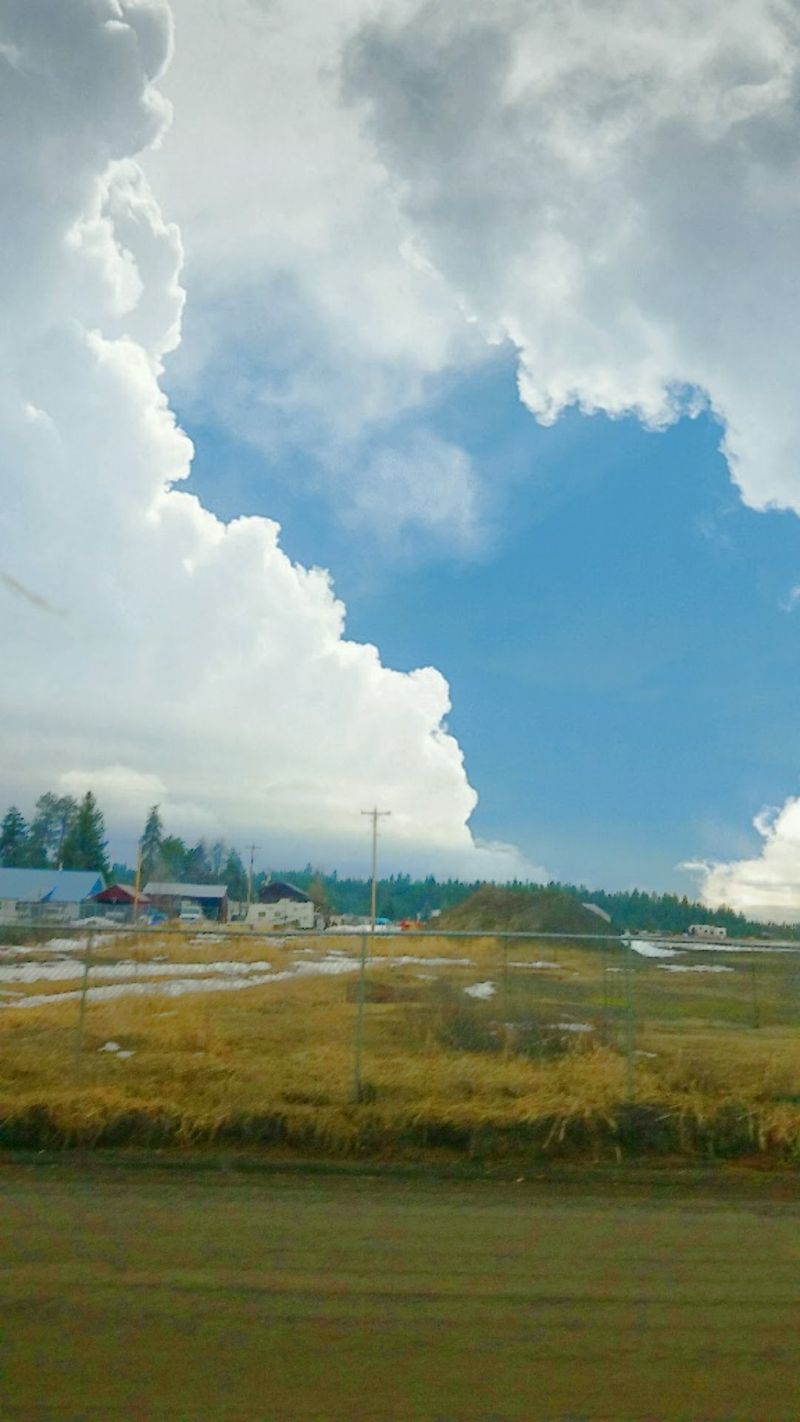
Camas prairie gives Weippe a sense of place long before its small downtown comes into view. Exactly 400 residents were counted in the 2020 Census, making it the largest community on this list while still remaining below the title’s cutoff.
Weippe Prairie has served as a traditional gathering place for the nimíipuu, or Nez Perce, for thousands of years, and families continue gathering camas there today.
The National Park Service also identifies this landscape as the place where Nez Perce people first met members of the Lewis and Clark Expedition in September 1805.
A publicly accessible portion of the National Historic Landmark preserves broad views over the prairie, with camas blooms adding color in late spring.
Back in town, the Weippe Discovery Center remains part of the community in 2026, while nearby Deyo Reservoir and Campground provides another warm-season stop from May through September.
Rather than concentrating everything onto one block, Weippe spreads its character across prairie, water, and a compact north-central Idaho town. Spring adds an especially memorable layer when blue camas appears across the surrounding landscape.
4. White Bird
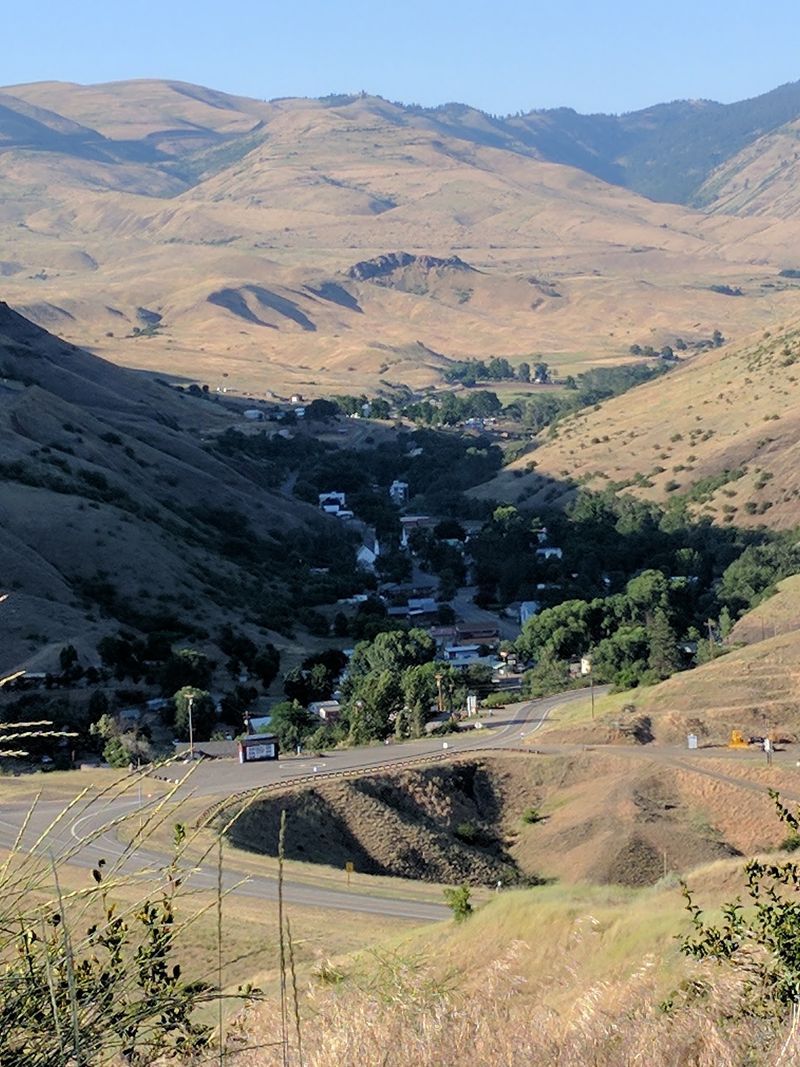
Highway 95 makes the approach to White Bird memorable before the town itself even appears. The 2020 Census counted just 83 residents in this Idaho County community, which sits below White Bird Hill near the Salmon River.
Scenic overlooks around the hill reveal the steep transition between the Camas Prairie and the canyon country below, while the old highway grade traces a far more winding route across the slope. Near town, the Salmon River becomes the main outdoor attraction.
Visit Idaho highlights the Lower Salmon for rafting and kayaking, and a Bureau of Land Management recreation site roughly 0.3 miles from Highway 95 provides access for boating, fishing, and paddling.
The community also keeps its small-town calendar lively with White Bird Days, an annual June gathering featuring a downtown parade and local activities.
Between the dramatic highway descent and easy river access, the landscape supplies plenty of character without needing an elaborate attraction. White Bird is the kind of place where the drive, the canyon, and the town all become part of the same memorable stop.
Few communities this small have such an impressive arrival.
3. Winchester
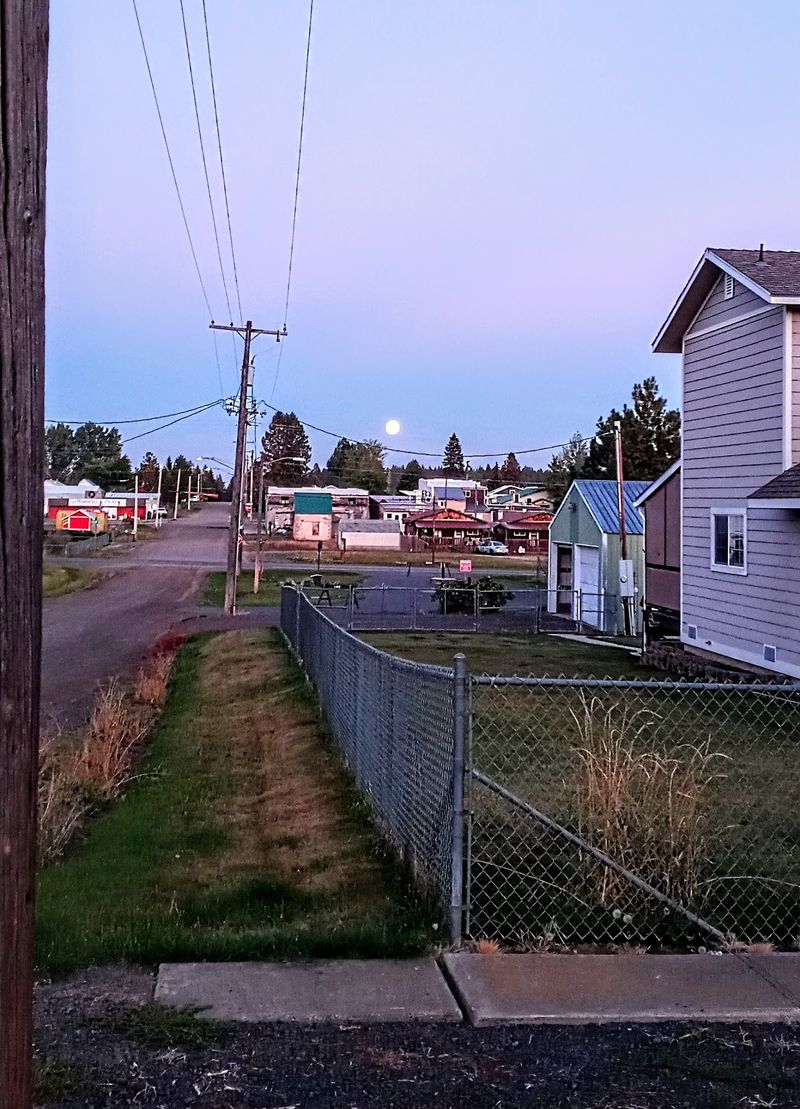
A 418-acre state park sitting directly beside town gives Winchester an outdoor identity much larger than its population suggests. The 2020 Census counted 356 residents, while Winchester Lake State Park occupies the community’s southern edge and wraps around its namesake water.
Fishing remains one of the park’s signature activities, with rainbow trout, perch, bass, and bluegill among the fish found in the lake. Gas-powered boats are not allowed, keeping the water oriented toward quieter boating and paddling.
Trails serve hikers and cyclists during the warmer seasons, then Nordic skiing and snowshoeing add another dimension when snow arrives.
Four heated yurts remain available year-round, complete with electricity and basic furnishings, so sleeping near the lake does not require bringing a tent.
Winchester Lake State Park covers far more ground than many visitors might expect beside a city this size, and its proximity makes the water feel woven into the community rather than simply found nearby.
For travelers drawn to tiny towns with substantial recreation immediately outside the door, Winchester earns its place easily.
The lake makes town and park feel closely connected.
2. Wardner
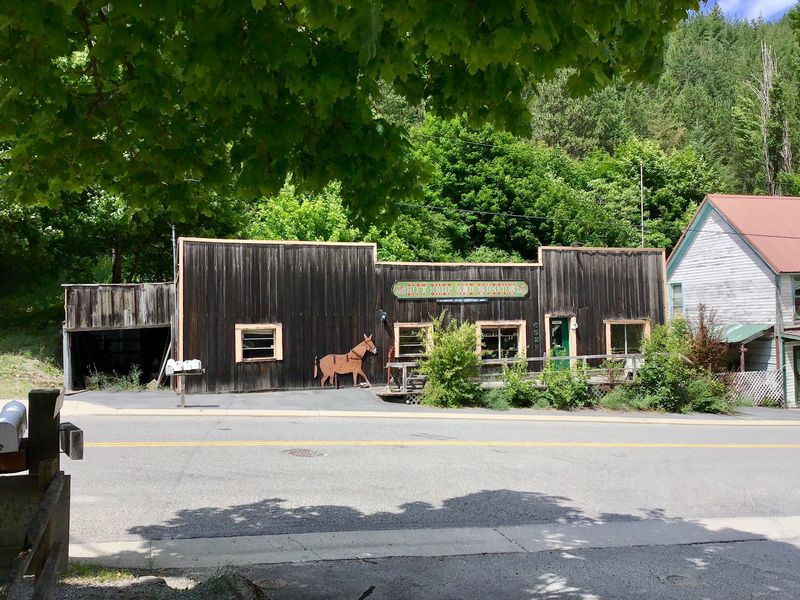
Gondola cabins moving above town give Wardner a sight few Idaho communities can match. Silver Mountain’s 3.1-mile gondola starts in neighboring Kellogg and climbs toward the mountain, passing over Wardner along the way.
Below sits a Shoshone County city that counted 192 residents in the 2020 Census, with homes arranged along steep streets in the Silver Valley. The mountain connection continues after the gondola passes overhead.
Silver Mountain offers scenic rides and hiking during its summer season, along with lift-served mountain biking, while winter shifts attention toward skiing higher on the slopes.
The resort’s original mountain terrain developed around Wardner Peak, keeping the town closely linked with the recreation area above it.
Wardner’s unusual geography does much of the storytelling on its own: hillside homes occupy the valley while gondola cabins quietly cross the sky on their way uphill. Riding from Kellogg provides the widest perspective, revealing the little city below before continuing toward mountain views.
It is a rare Idaho streetscape where simply remembering to look up can completely change the scene.
1. Clayton
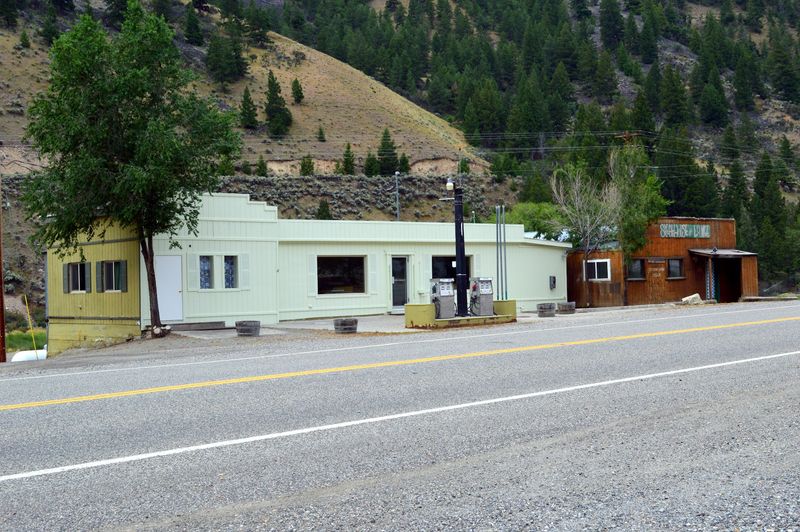
Ten people were counted in Clayton in the 2020 Census, a number so small that its historic buildings can seem unusually prominent beside the Salmon River.
The Custer County city sits along Highway 75 in central Idaho, surrounded by steep mountain terrain and a landscape shaped by the region’s early mineral industry.
Clayton developed around a smelting operation beginning around 1880, and one of its most significant surviving buildings is the Idaho Mining and Smelter Company Store.
Constructed in 1880, the building once served as a general merchandise store and housed the local post office, becoming an important gathering point for the community.
Preservation work has since kept that history visible, and the Clayton Area Historical Association continues sharing local exhibits, photographs, and stories. The restored company store has also received recognition for historic preservation.
Step outside that history and the setting changes immediately, with the Salmon River running through a narrow mountain corridor beside town.
Clayton may have one of the smallest populations anywhere on this list, but its preserved architecture and central Idaho scenery give visitors considerably more to notice than ten residents might suggest.
It is the kind of place where the scale of the town makes every surviving piece of its past feel easier to notice. A short stop can quickly turn into a closer look at how much history remains in such a tiny community.