The Only San Diego County Restaurant On The New York Times 50 Best List Is Hiding In This California City
Getting national attention is impressive for any restaurant. Being the lone representative from an entire county makes the reservation suddenly feel a little more interesting.
That distinction puts one unexpected dining destination into a much bigger conversation.
Instead of another famous coastal address grabbing the spotlight, the recognition points diners toward a city some food lovers might not immediately think of when planning their next meal.
California food fame can pop up in places even serious restaurant hunters overlook.
That surprise is part of what makes the recognition worth exploring.
A celebrated meal does not always require heading toward the neighborhoods already crowded with buzzy restaurants and lengthy must-try lists.
Sometimes the more interesting discovery sits beyond the usual dining map.
National Praise Arrived Just A Year After Opening
Most restaurants spend years building a name before any national writer notices them.
Mesa Agricola opened its doors in August 2025, and within about a year it appeared on The New York Times list of the 50 best restaurants.
That kind of timeline is rare, and it helps explain why so many curious diners have started making the drive to Escondido.
Fast recognition like this usually points to a clear idea carried out with care. Here, the idea is simple to describe but hard to pull off.
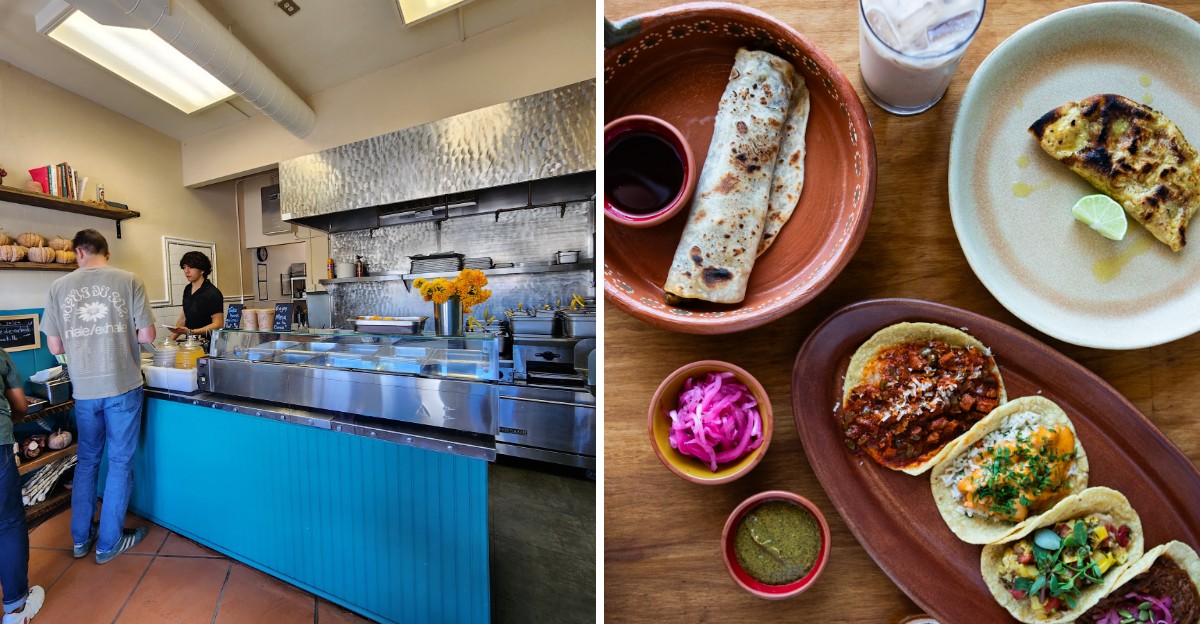
Slow-cooked Mexican stews, house-made tortillas, and ingredients grown close to home all come together in a casual counter setting.
Newer restaurants sometimes change a lot during their first year as they figure things out. Visitors today may notice that the menu still feels personal and focused rather than stretched too thin.
For anyone planning a trip, the young age of the place is worth keeping in mind. A spot that suddenly gains attention may see bigger crowds than it did a few months earlier.
Arriving with a little patience and an open appetite tends to make the experience smoother.
Seeing a restaurant in its early chapters can also feel special, since the energy of a new project often shows up in the food and the room.
The official location is 707 S. Escondido Blvd., Escondido, CA 92025, as shown on the restaurant website and current business listing.
A Surprisingly Tiny Space
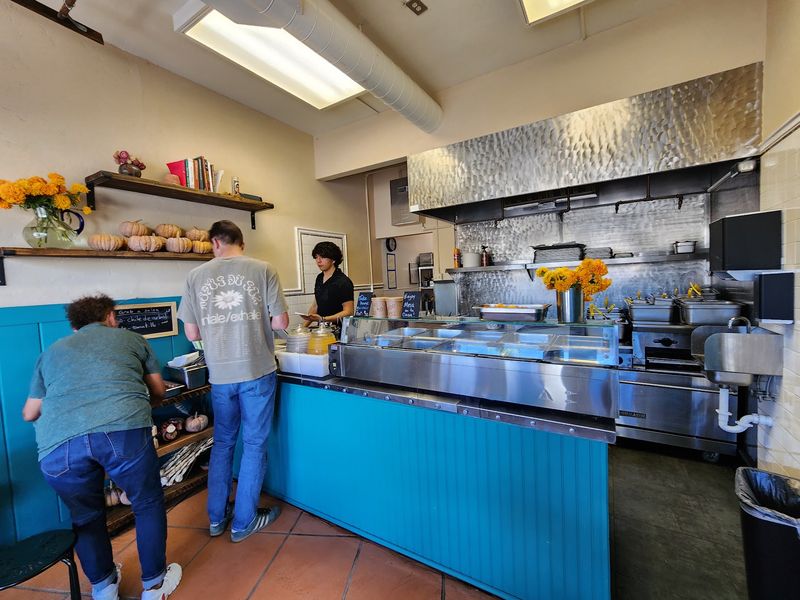
Blink while driving down the street and it would be easy to miss this place entirely.
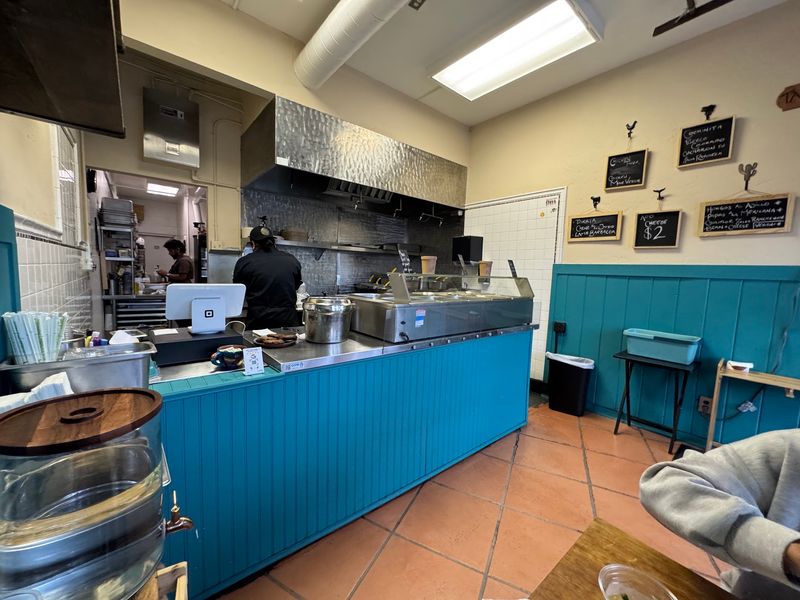
There are only about six tables in total, split between the small indoor room and a few seats outside along the street. The compact size shapes almost everything about a visit.
During busy periods, the room can feel loud and crowded, with people waiting in line and looking for open seats.
At quieter times, the space may feel calm, with the sounds of the kitchen drifting out from behind the counter.
Outdoor tables offer a little extra breathing room on pleasant days. The street-facing seats can be a nice option for anyone who prefers fresh air over a snug indoor setting.
Street parking is available nearby, though spots may vary depending on the time of day.
Groups should keep the size in mind before showing up together. A party of two or three will usually find it easier to settle in than a big crowd.
Takeout can be a smart backup plan when every table is full, and the food travels to a nearby park or home without much fuss.
Ingredients Grow Just Down The Road
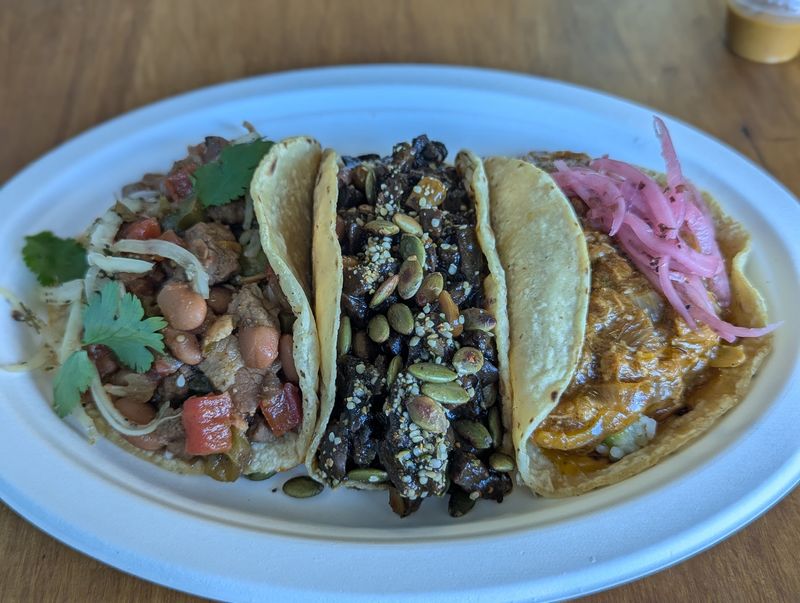
About 12 miles separate the kitchen from the farm that supplies a big share of its produce.
The owners work a farm in Valley Center, a rural area northeast of Escondido known for its open land and agriculture.
The property covers about 5.5 acres, and it once belonged to a respected grower of heirloom beans who now mentors the farming side of the team.
Heirloom beans are older varieties that have been saved and passed down over many years. They can have richer flavors and more interesting colors than common grocery store beans.
Bringing that kind of crop into a taqueria adds depth to simple dishes like stews and burritos.
Beyond the home farm, the restaurant also buys fresh, local, and organic ingredients from other Southern California growers.
That mix helps the kitchen fill gaps when a certain vegetable is out of season at home.
Because the menu follows the harvest, some items may appear for a while and then disappear.
Seasonal cooking rewards repeat visits, since a spring meal could look quite different from one in the fall.
Paying attention to vegetable-based guisados is a good way to notice these changes. Squash, mushrooms, potatoes, and cauliflower have all shown up in past rotations.
Slow-Cooked Guisados Take Center Stage
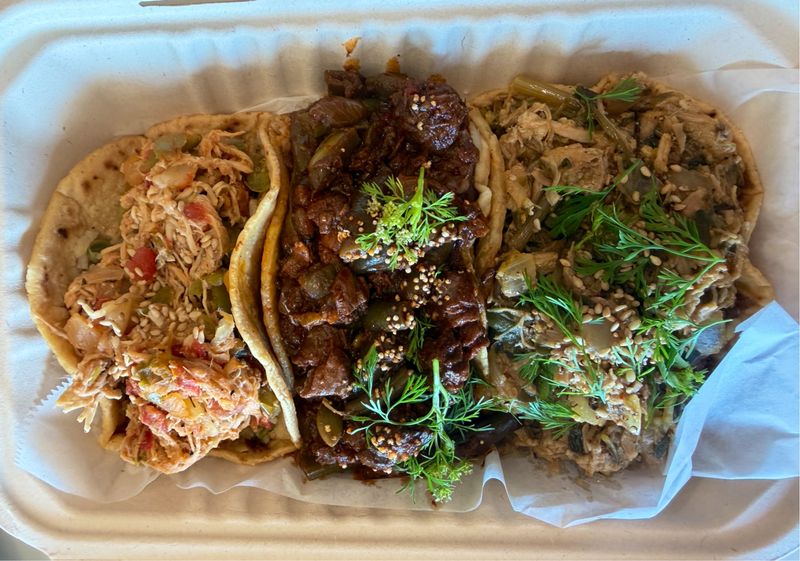
Forget the grill for a moment, because the heart of this menu comes from the stove.
Guisados are Mexican stews and braises cooked slowly until the meat, seafood, or vegetables soak up deep flavor.
At Mesa Agricola, these stews fill the tacos and burritos instead of the grilled meats found at many Southern California taco shops.
The guisados are prepared fresh each morning in batches as large as the small kitchen allows.
Popular options may sell out as the day goes on, so late visitors could find a shorter list. Showing up earlier gives the best shot at seeing the full range.
Many of the stews reflect different states and regions of Mexico. That means one visit might include a red chile beef, a green mole with chicken, or a vegetable dish with a gentle smoky taste.
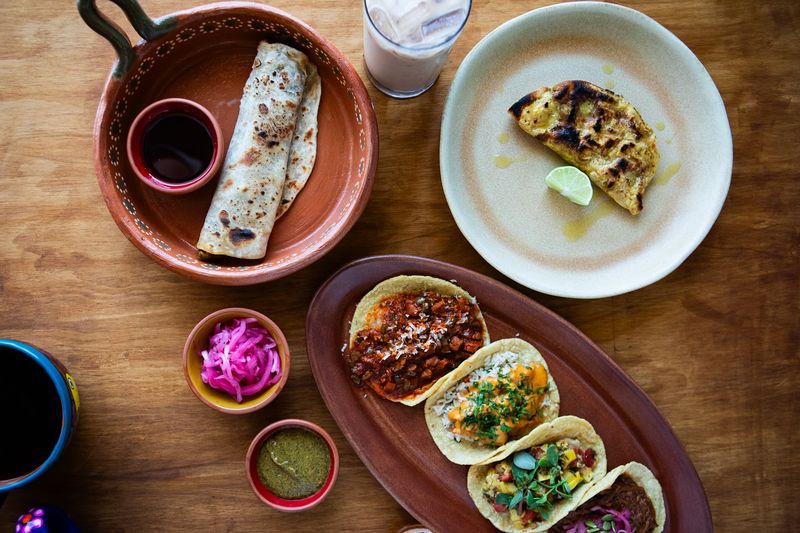
Past favorites have included steak Colorado, steak Jalisco, cochinita pibil, and pork in salsa verde, though offerings change.
Guisado tacos can be juicy, and the fillings may spill out a little. Grabbing extra napkins or keeping a fork handy is a practical move.
Some guests order a mix of tacos to sample several stews in one sitting, which is a fun way to learn what each region brings to the table.
A Rotating Lineup Of 10 To 12 Choices
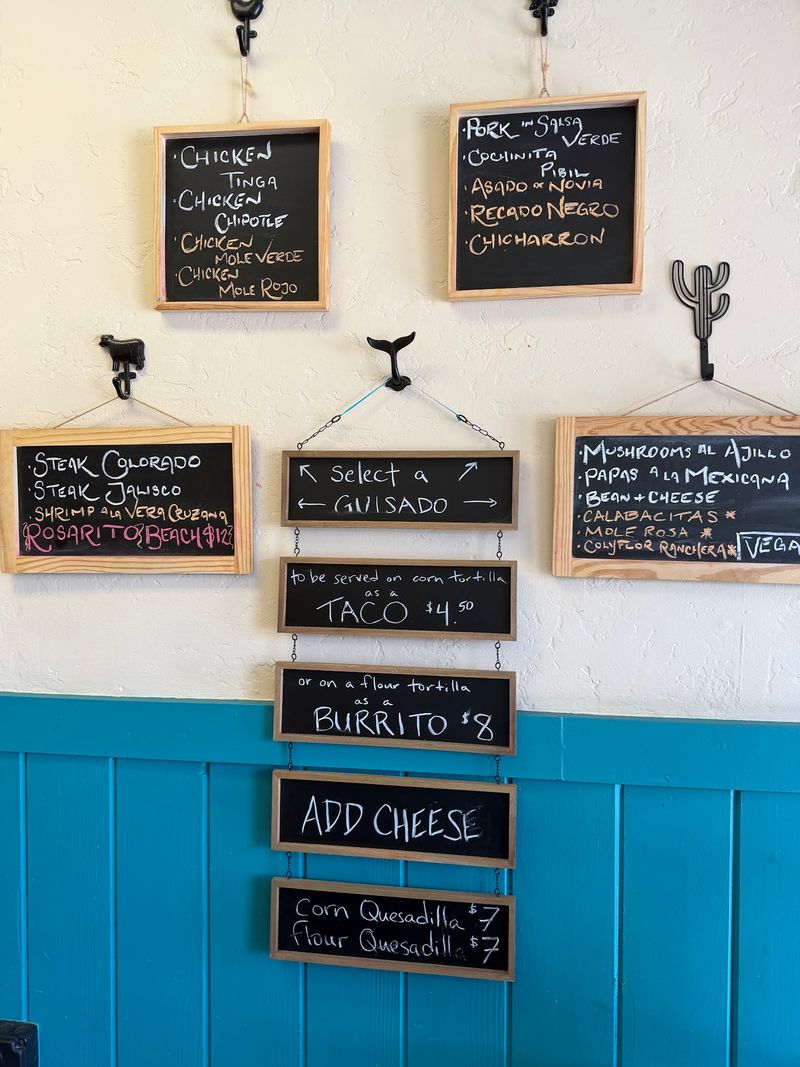
Picking a favorite here can be tricky, since the lineup rarely stays the same for long. On a typical day, diners may find roughly 10 to 12 guisados posted on the menu.
The choices cover meat, seafood, and vegetables, so there is usually something for different tastes. Vegetarian and vegan guests have found several plant-based stews in the rotation.
Past examples have included potatoes, cauliflower in ranchero sauce, mushrooms with garlic, and squash with roasted chiles.
Seafood lovers have spotted shrimp dishes at times, such as a Veracruz-style shrimp.
The menu is posted on a board near the counter, and first-timers sometimes need a few minutes to read through it.
Stepping aside to study the options before joining the line can keep things moving for everyone.
Choosing a filling usually comes first, followed by the format, such as a taco or burrito. Quesadillas have also appeared as an option.
A few salsas are offered for topping, and the heat levels may be milder or stronger than expected, so a small taste first is a smart idea.
Because the rotation keeps shifting, coming back later can feel like visiting a brand new menu.
Corn Milled In-House For Fresh Tortillas
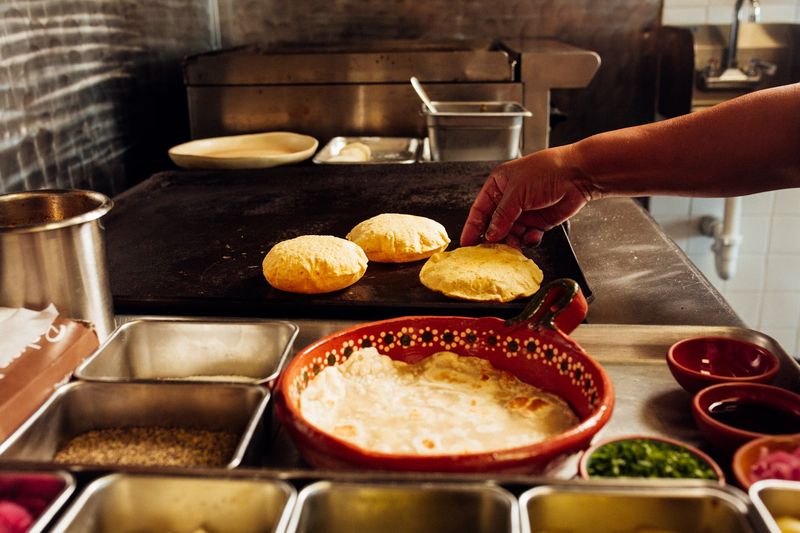
A tortilla might look like the simplest part of a taco, yet here it gets serious effort.
The owners mill the corn used for the house-made tortillas, which takes farm-to-table cooking a step further than simply buying local vegetables.
The team also works with a local supplier called Somos Maíz for nixtamalized corn masa. Nixtamalization is an ancient process that soaks and cooks corn in an alkaline solution.
The method improves the flavor, texture, and nutrition of the corn, and it has been used in Mexico for thousands of years.
Tortillas made this way often taste earthier and feel softer than many packaged versions. Diners have mentioned both yellow and blue corn tortillas on different visits.
Freshly cooked tortillas can be tender and a bit delicate, especially with a saucy filling on top.
Eating tacos soon after they come off the counter keeps the tortillas at their best. They can stiffen or get soggy if left sitting for a long time.
Baja Roots Shape The Flavors
Home cooking memories often travel with a chef, and they show up clearly in this kitchen.
Chef Juan González was born and raised in Rosarito, a coastal town in Baja California, Mexico.
Flavors from that region help guide the cooking at Mesa Agricola, blending familiar tastes with dishes from across Mexico.
Pre-Hispanic cooking techniques also play a role. Methods like open-fire cooking and nixtamalization reach back to traditions practiced long before modern kitchens existed.
Using these older approaches can give food a smoky depth and a sense of history on the plate.
Baja California sits just south of San Diego County, so the connection feels natural for a North County restaurant.
Many local diners grew up with Baja flavors, and some may notice familiar touches in the salsas and stews. Others might be meeting these tastes for the first time.
The chef also has family roots in Spain and experience cooking in Spanish kitchens. That background adds another layer to the menu and helps explain some surprising choices.
For curious eaters, asking about the story behind a certain guisado can make the meal more meaningful.
Sweet Endings And Fresh Aguas Frescas

Saving room for something sweet pays off at this taqueria. Alongside tacos and burritos, Mesa Agricola serves a Basque-style cheesecake that has become a crowd favorite.
The cake is known for its deeply browned top, which brings a slightly bitter caramel taste that balances the creamy center.
Basque cheesecake comes from the Basque region of Spain, which ties back to the chef’s family roots.
Seeing it on a Mexican menu might feel unexpected, yet it fits the personal story of the kitchen.
Chocolate chip cookies have also shown up and tend to get plenty of attention, though they can run out.
House-made aguas frescas round out the meal. These are light, refreshing drinks made from fruit, water, and a little sweetness.
Flavors rotate, and past choices have included pineapple, guava, citrus, and prickly pear. A cool agua fresca can help calm the heat from a spicy salsa.
Drinks and desserts may be limited on busy days, so ordering them with the main meal is a practical move.
Open Wednesday Through Sunday
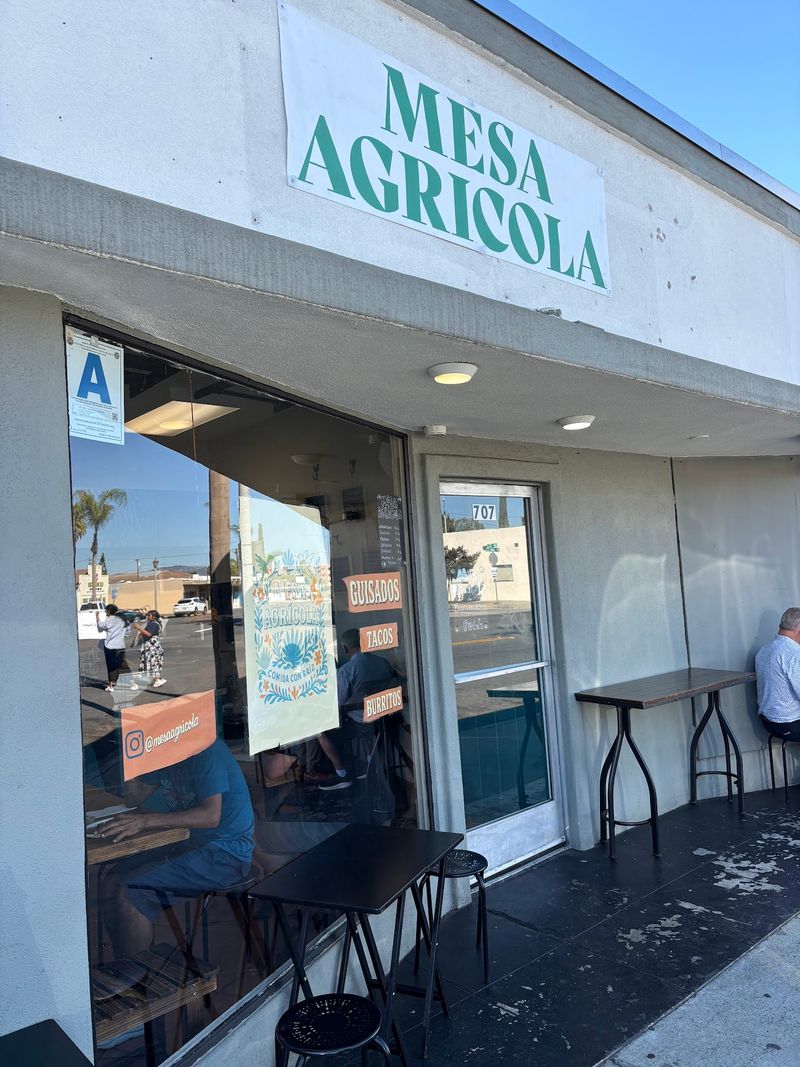
Timing a visit starts with knowing which days the kitchen is cooking. Current hours run from Wednesday through Sunday, 11 a.m. to 6 p.m.
The restaurant closes on Mondays and Tuesdays, so anyone planning an early-week trip should pick another day.
The daytime schedule makes this a great lunch or early dinner stop. Arriving well before closing leaves time to order without feeling rushed.
Hours can change for holidays, special events, or other reasons. Checking the official website or current business listing before heading out is a smart habit.
Five open days also means the guisados are made in fresh morning batches throughout the week. A Wednesday visit might offer a different lineup than a Sunday stop.
A midweek lunch could fit nicely into a workday for locals, while visitors might combine a weekend meal with a stroll through downtown Escondido.
Either choice gives a chance to enjoy the food at its freshest.