Locals Quietly Skip Downtown In These 10 Florida Towns Overrun By Tourists
I once spent a full hour circling a Florida downtown for parking, only to give up and eat a sandwich in a grocery store lot across town. That sandwich turned out to be the best part of my day.
Across Florida, the busiest historic districts fill with crowds every season, and the people who live nearby have quietly learned where else to go. Here are ten towns where skipping the main drag can make a trip calmer, cheaper, and far more memorable.
1. St. Augustine
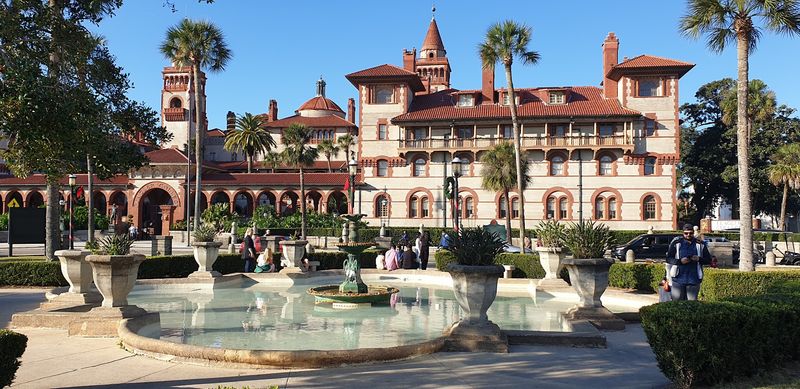
Cobblestones, coquina walls, and a steady river of sightseers define St. George Street on a busy Saturday. The pedestrian-only lane runs through the heart of the nation’s oldest city, lined with colonial-style buildings, gift shops, and ice cream counters.
Why do residents steer clear? The historic core is compact, so crowds concentrate in just a few blocks.
Parking fills early, and weekend traffic along the bayfront can crawl, especially during holiday light displays in winter and spring festival weekends.
My own trick is simple. I go early, grab coffee before the tour trolleys start rolling, and walk the quieter side streets where older homes sit behind garden gates and the noise drops fast.
Consider heading over the Bridge of Lions toward Anastasia Island for a different pace. Beaches there feel wider and calmer, and the drive itself offers views of the Matanzas River that the downtown bustle never quite matches.
St. Augustine sits roughly forty minutes south of Jacksonville off I-95, making it an easy day trip. Pick a weekday if the calendar allows, and check event listings before driving out, because special weekends can transform the district into a shoulder-to-shoulder scene with very little room to breathe.
2. Key West
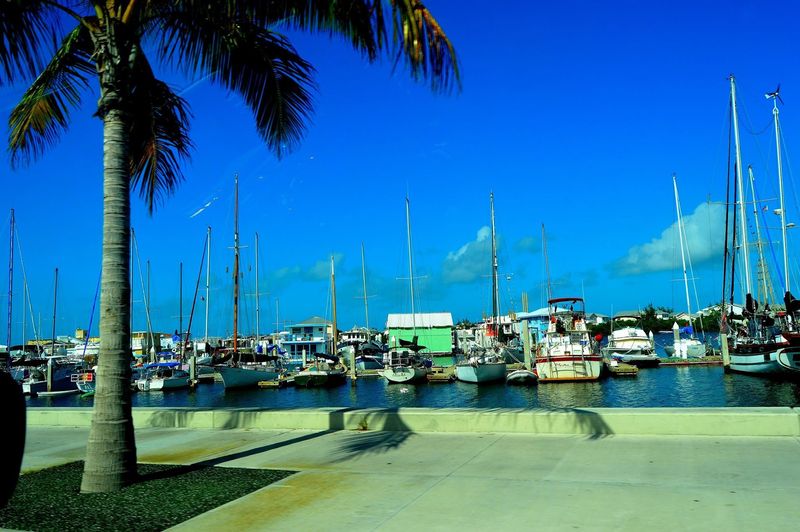
Picture a narrow island road where scooters, bicycles, trolleys, and walkers all compete for the same strip of pavement. That is Duval Street at nearly any hour, the southernmost corridor of the Florida Keys and a magnet for cruise passengers and weekend crowds alike.
Mallory Square adds another layer. Its sunset celebration draws performers and packed dockside crowds each evening, and the Southernmost Point Buoy often has a photo line stretching down the sidewalk.
Residents have their own playbook. The Key West Historic Seaport offers a slower waterfront stroll, while the Edward B.
Knight Pier makes a quieter perch for watching the sky turn orange.
Food follows the same logic. El Siboney on Catherine Street serves Cuban plates like roast pork and black beans away from the main strip, and Stock Island, just across the bridge, has fresh seafood spots with far more elbow room.
Getting here takes planning. The drive down US-1 from Miami runs several hours, with only one road in and out.
Rent a bicycle once you arrive, since parking near downtown is tight and expensive. During hurricane season, from June through November, always check conditions before starting the long drive south.
3. Where Naples Gets Busy in Season
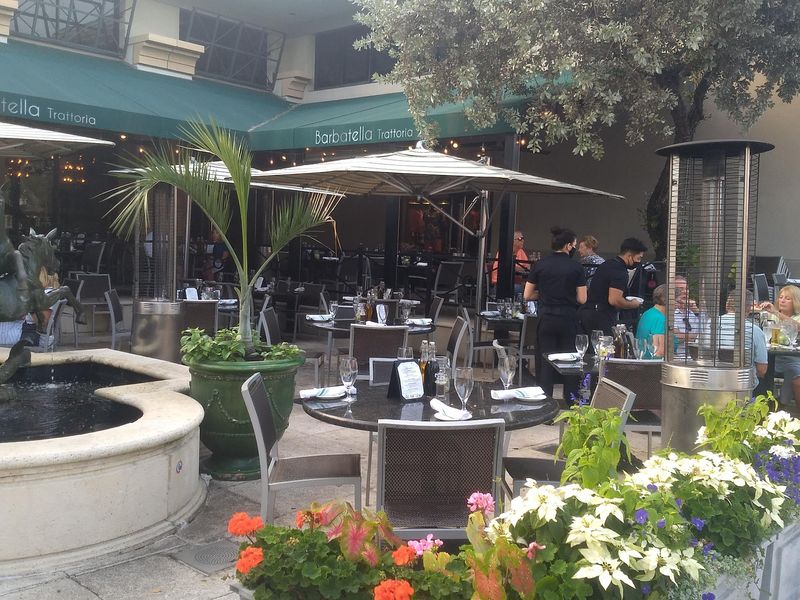
Fact first: Naples runs on a calendar all its own. Residents call the winter months simply Season, when snowbirds arrive and the population swells.
During those months, Fifth Avenue South and Third Street South turn into packed promenades. Sidewalk tables fill, boutique windows draw lines of shoppers, and the dinner wait at popular spots can stretch well past an hour.
Traffic along US-41 slows noticeably, too.
Contrast that with the shoreline a few miles north. At Seagate Beach in North Naples, a short walk away from the main access point opens up stretches of soft white sand with barely a towel in sight.
The trick is patience and comfortable sandals.
Keewaydin Island offers an even calmer escape. Reachable only by boat, this barrier island stays uncrowded because getting there takes effort, and that effort keeps the sand pristine.
For a smarter downtown stop, try a weekday morning. Shops open to quiet sidewalks, and the famous pier is peaceful before midday.
Naples sits about two hours south of Tampa via I-75, and summer brings far thinner crowds, though afternoon thunderstorms roll in often. Pack an umbrella and plan outdoor hours for mornings.
4. Destin
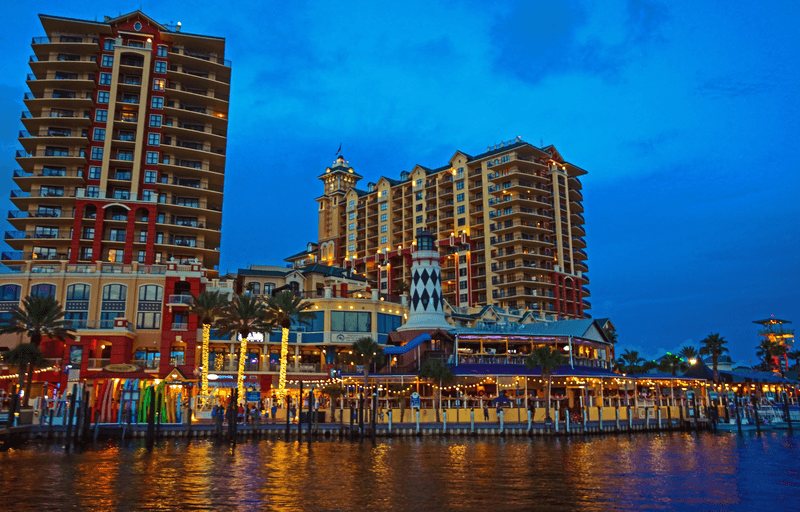
Emerald water, sugar-white sand, and a harbor full of charter boats make Destin a Panhandle heavyweight. Most of the summer action funnels toward the Destin Harbor Boardwalk, a waterfront strip with shops, arcades, and boat tours crowding the docks.
Families pour in from across the region when school lets out. US-98, the main road through town, gets so congested on summer weekends that a short drive can take far longer than it should.
So where does a smart planner go instead? Henderson Beach State Park offers dunes and boardwalks with a more relaxed feel, and there is a park entrance fee.
Early mornings on the public beach accesses also bring calm water and easy parking.
Timing matters more than location here. Late spring and early fall deliver warm water with thinner crowds, and the boardwalk becomes pleasant rather than pressured.
Fishing charters still run, and the harbor sunsets look just as good.
Destin sits about an hour east of Pensacola along the coast. Summer overlaps hurricane season, so check forecasts before booking a boat trip.
Afternoon storms can also build quickly over the Gulf, which makes mornings the ideal time for anything on the water.
5. Fernandina Beach on Amelia Island
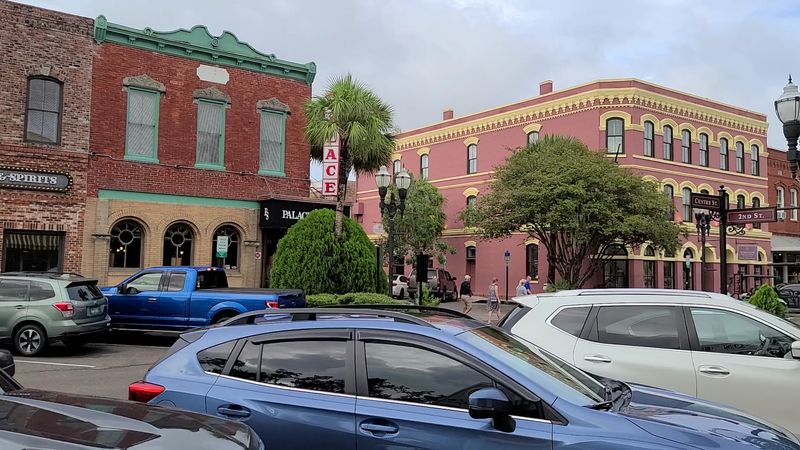
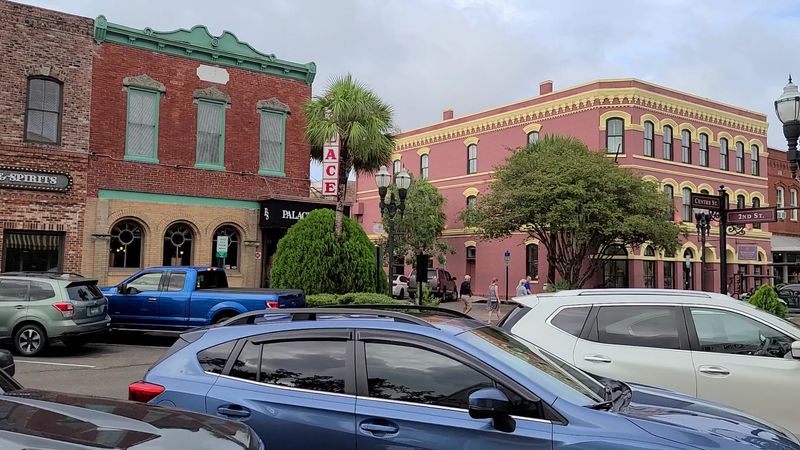
Walk down Centre Street and you will spot ornate Victorian storefronts, brick sidewalks, and shop windows filled with nautical trinkets. This historic seaport district on Amelia Island has a small-town look that pulls in shoppers and sightseers by the busload.
Size is the issue. Downtown covers only a handful of blocks, so a busy weekend or festival quickly turns the sidewalks into a slow shuffle.
Parking near the waterfront disappears early.
Head a few minutes east and the mood shifts completely. Fort Clinch State Park offers wooded trails, a quiet beach, and a brick fort to explore, with an entrance fee.
The island’s northern beaches often feel spacious even when downtown is packed.
Shrimp boats still work these waters, and the town proudly traces its shrimping heritage back generations. That working-harbor character shows best in the early morning, when the docks are active and the tourist crowds have not yet arrived.
Fernandina Beach sits about forty-five minutes northeast of Jacksonville, just off I-95. Weekday visits make the historic district pleasant to explore at your own pace.
Save the busy Centre Street shops for a quick browse, then spend the afternoon on the sand.
6. Mount Dora
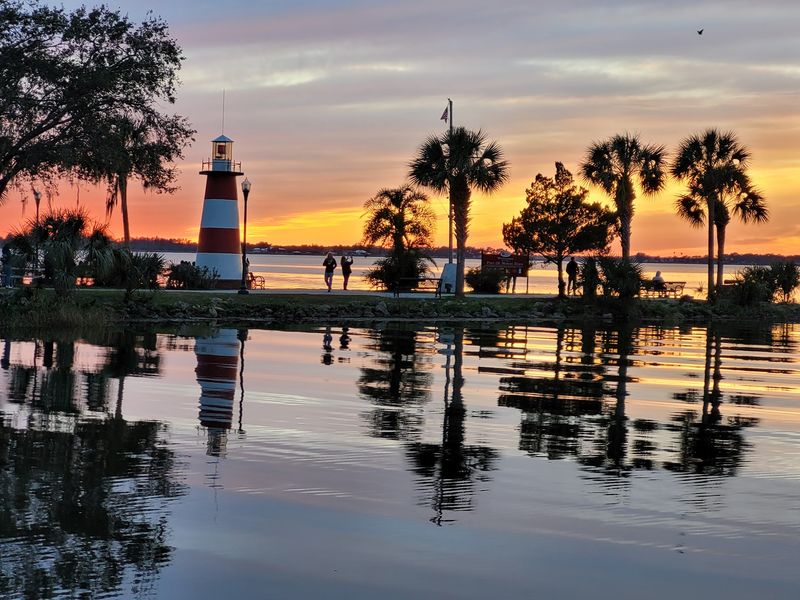
A lighthouse on a lake sounds odd until you see the small one standing at Grantham Point in Mount Dora. That quirky landmark hints at the personality of this Central Florida hill town, with its oak-lined streets and antique shops.
Festival weekends change everything. Large antique fairs, arts shows, and craft events can pull huge crowds into the compact downtown, filling every parking space and side street for blocks.
My advice is to watch the calendar closely. On a regular weekday, downtown feels relaxed, with room to linger over vintage glassware, old postcards, and handmade quilts without bumping elbows.
For quieter scenery, the Palm Island Park boardwalk winds along Lake Dora through shady wetlands where herons and turtles often appear. Lake tours by boat also offer a peaceful look at the surrounding waterways and old Florida homes along the shore.
Mount Dora sits roughly forty minutes northwest of Orlando, a manageable drive that avoids the theme park corridor entirely. Winter and early spring bring cool air perfect for strolling, though they also bring the biggest events.
Check the festival schedule before driving out, and choose a quiet day if browsing is the goal.
7. Cocoa Beach
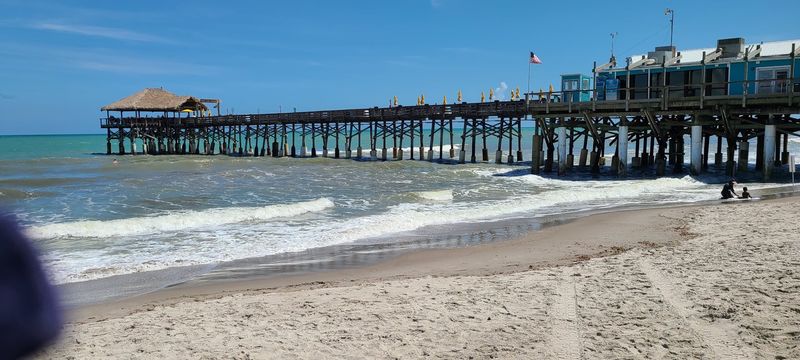
Surfboards strapped to car roofs line the A1A traffic on any warm weekend in Cocoa Beach. The Space Coast town draws beachgoers from Orlando, cruise passengers from nearby Port Canaveral, and rocket launch watchers all at once.
Most of that energy gathers around the Cocoa Beach Pier and the busy commercial strip nearby. Parking lots fill quickly, and the stretch of sand closest to the pier can feel crowded well before lunchtime.
Driving south a few miles changes the picture. Lori Wilson Park offers a boardwalk through coastal hammock and a calmer beach access.
Farther south, smaller public accesses dot the coastline with plenty of room to spread out a blanket.
Launch days deserve their own plan. Crowds swell along the shore when a rocket is scheduled, so arrive early or watch from a less obvious spot along the river side of town.
Cocoa Beach sits about an hour east of Orlando via the Beachline Expressway. Summer brings warm water and daily afternoon storms, so morning swims are safest.
During hurricane season, check the forecast before heading over, since ocean conditions can shift quickly along this exposed stretch of the Atlantic.
8. Sarasota and Its Circle of Crowds
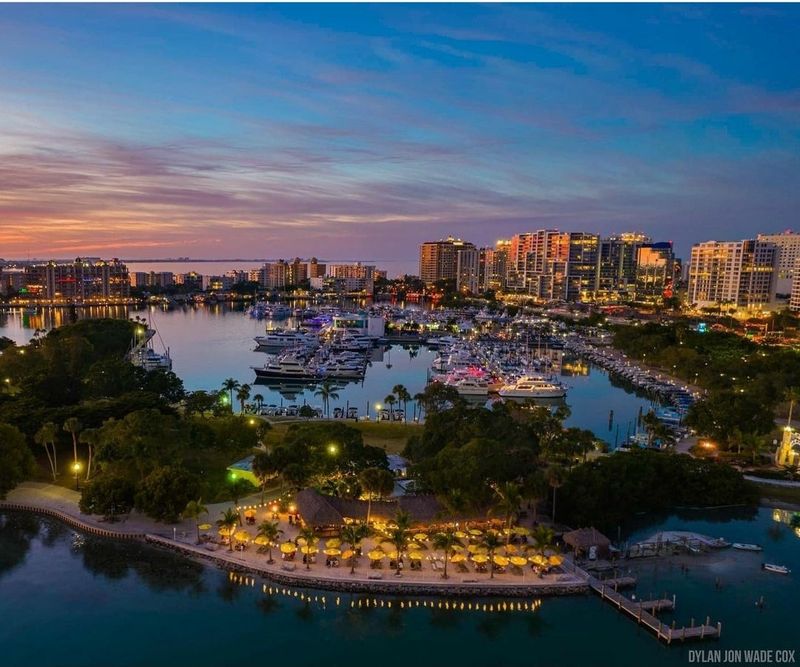
How does a roundabout become a destination? St. Armands Circle in Sarasota answers that with a ring of boutiques, sidewalk cafes, and ice cream shops that pull shoppers in all day long.
From December through March, the peak season turns the circle and nearby downtown into slow-moving traffic. Bridges toward Lido Key and Siesta Key back up on weekends, beach parking fills fast, and restaurant waits lengthen noticeably.
Residents adapt by shifting schedules. Early morning beach trips, weekday errands, and dinners outside the main districts help dodge the heaviest crowds.
Neighborhood spots farther inland keep a quieter rhythm even at the height of Season.
Culture offers another escape. The Ringling museum grounds feature sprawling gardens and a waterfront mansion, and wandering the bayfront grounds feels calm compared with the shopping circle traffic.
Autumn is the sweet spot. Crowds thin, beach parking opens up, and the famous powdery sand on Siesta Key feels cool underfoot even in the afternoon sun.
Sarasota sits about an hour south of Tampa via I-75. Plan beach days for mornings in summer, and remember that storm season calls for a quick weather check before crossing any bridge to the islands.
9. Seaside
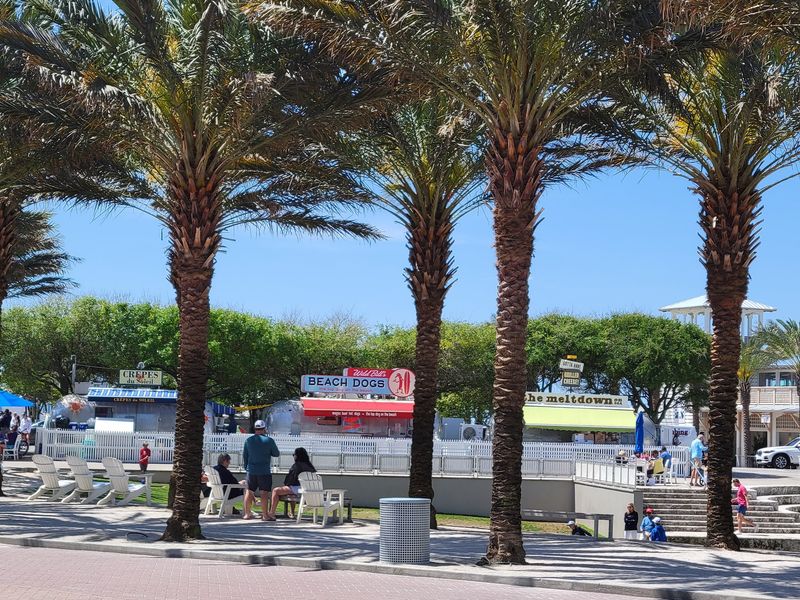
Pastel cottages with tin roofs and white picket fences make Seaside look almost too tidy to be real. This master-planned town along County Road 30A helped launch the New Urbanist design movement, with walkable streets and homes built close together.
That fame brings crowds. Central Square and the amphitheater area fill with summer vacationers, and the row of food vendors near the highway can have long lines by midday.
Parking along 30A is famously limited.
Bicycles solve most problems here. The paved multi-use path runs along 30A, connecting beach towns without the stress of hunting for spots, and rental shops make it easy to join in.
Nearby Grayton Beach State Park offers a slower day, with coastal dune lakes, pine forest trails, and a quiet stretch of sand. An entrance fee applies, and the dunes there feel wild compared with Seaside’s manicured lanes.
Seaside sits between Destin and Panama City Beach in the Florida Panhandle. Spring and fall deliver pleasant weather and thinner crowds, while summer peaks during hurricane season.
Check forecasts before driving out, and try arriving early in the day to snag parking before the square fills up.
10. Sanibel Beyond Periwinkle Way
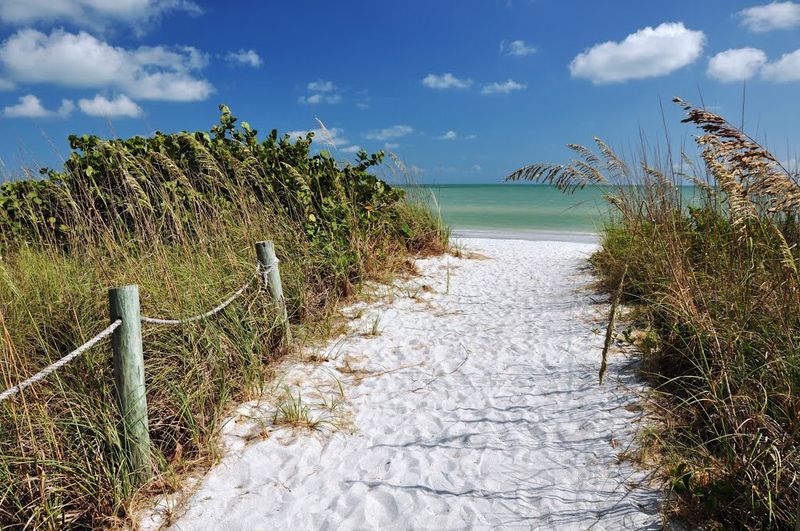
Shells crunch underfoot on Sanibel beaches, where the island’s curved shape helps sweep countless seashells ashore. Bending over to hunt for them is so common here that the posture even has a nickname, the Sanibel Stoop.
Periwinkle Way serves as the island’s commercial core, lined with shops, rental stores, and restaurants. In the busy winter season, traffic along this road and across the causeway can slow to a crawl, especially on weekends.
Nature provides the quiet alternative. The J.N.
Ding Darling National Wildlife Refuge offers a wildlife drive and trails through mangroves, where roseate spoonbills, wading birds, and alligators may appear. Early mornings bring the best sightings and the calmest roads.
Shelling works best at low tide, particularly after a storm. Pack a mesh bag, arrive at sunrise, and walk away from the main beach access points for more shells and fewer footprints.
Sanibel sits about forty minutes southwest of Fort Myers, just off I-75. Parking at beach lots costs a fee, so budget accordingly.
During hurricane season, confirm conditions before driving out, since the island has recovered from major storms in recent years and some areas may still be changing.