This Alaska Salvage Shop Is Packed With Architectural Antiques And Vintage Treasures
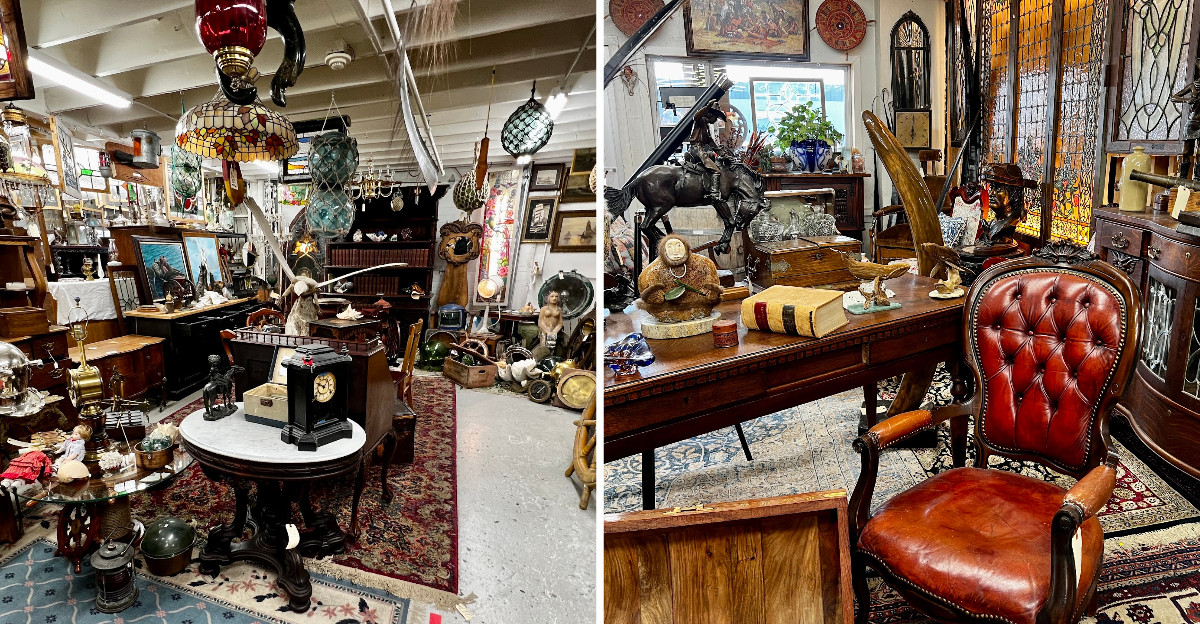
Where did that old door live before it ended up here?
One Alaska salvage shop turns questions like that into half the fun, with furniture, architectural pieces, and curious little objects packed into a slow-moving hunt through the past.
You do not need to be remodeling anything to get pulled in.
A worn cabinet can spark an idea. A strange fixture can make you stop for no logical reason. That is how salvage shopping gets you!
The scratches and age are not flaws so much as clues.
Every piece feels like it already had one life and is quietly waiting for somebody to imagine the next.
Room To Wander
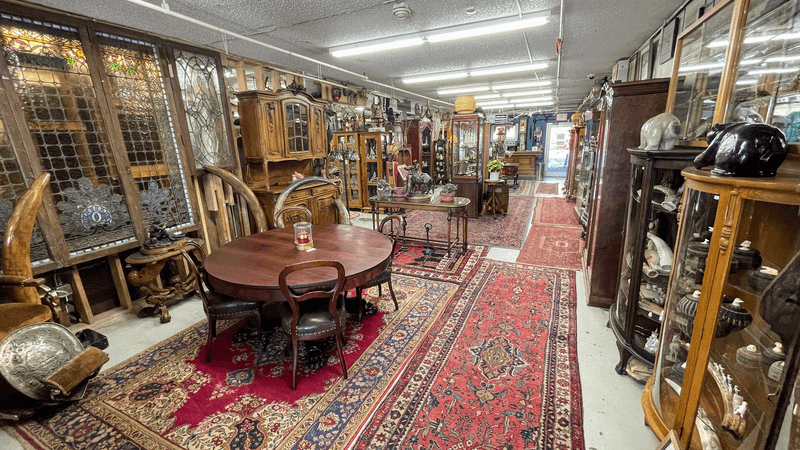
Duane’s Antique Market rewards a slow visit, not a quick lap. Current listings describe roughly 12,000 square feet of showroom space plus exterior stock.
Furniture fills much of the indoor space, while artwork, glass floats, antique scales, lanterns, bronze pieces, and other collectibles broaden the mix.
A large shop can feel confusing without a simple plan. Looking across each area before studying individual shelves helps large pieces and smaller finds get equal attention.
Comfortable shoes make sense in a market this large, and keeping hands free helps around tightly arranged displays.
If something promising turns up, noting its location can save another long search later.
An object should not be assigned to a period just because it looks old. Labels, construction details, and documentation are more useful than a guess.
Alaska weather can make an indoor outing especially welcome. Here, the pleasure comes from giving ordinary objects careful attention.
Duane’s Antique Market is at 1233 E 76th Ave in Anchorage.
Architectural Details Worth Studying
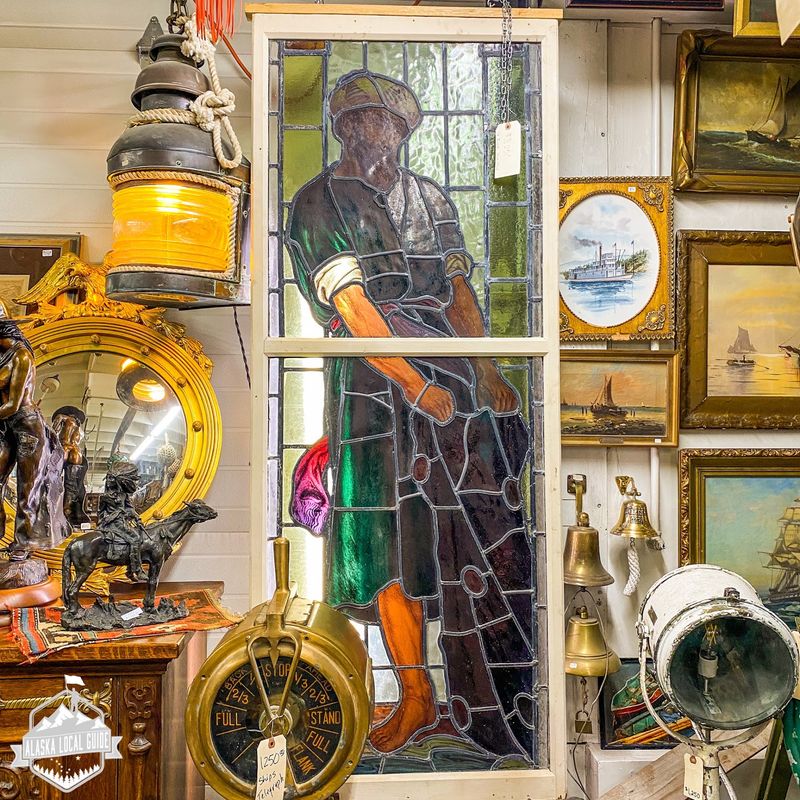
Architectural and decorative pieces add another layer to the search. Older glass, lighting, and building details deserve a closer look when they appear.
Salvaged details can change how a room feels. Shape, surface, proportion, and signs of workmanship matter as much as age.
An appealing piece still needs practical consideration. Age alone does not show whether it will fit a room or opening.
Measurements matter first, especially for anything intended to fit a doorway, wall, or built-in space. A beautiful panel needs a safe and suitable place to go.
Loose sections, chips, and earlier repairs can affect installation and future care.
Lighting matters with glass. Colors that look one way under indoor fixtures can appear different once daylight passes through them at home.
Fragile pieces also need a realistic transport plan.
Architectural antiques can make an Anchorage treasure hunt especially memorable because useful building parts often carry decorative choices of their own.
Furniture With Character
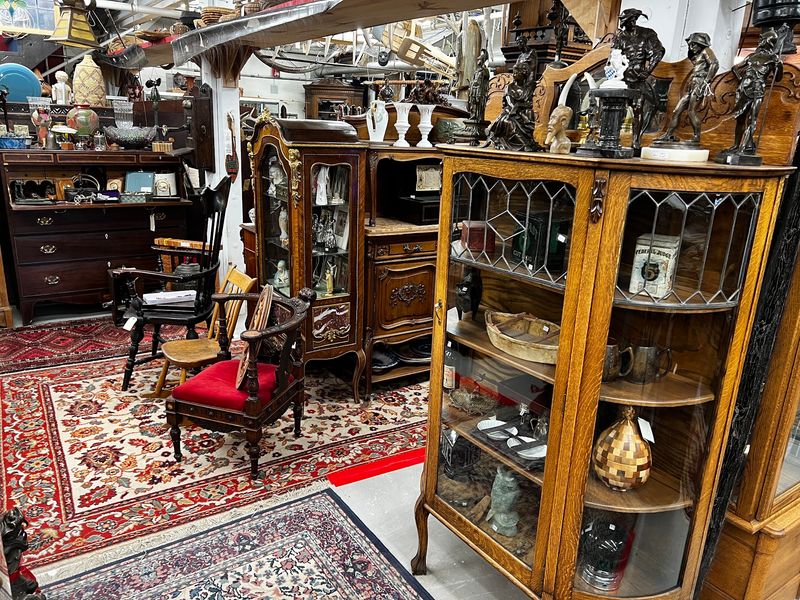
A cabinet may look wonderful until the practical questions begin.
Furniture shopping here works best when admiration is followed by a careful look at size, construction, and condition.
The broad furniture inventory makes it possible to compare different shapes, scales, and uses in one visit.
With chairs, stable legs and secure joints matter more than surface charm. Delicate or tightly displayed pieces are better left in place until staff can assist.
For cabinets, doors and drawers should move without unnecessary force. Older edges and hardware can be vulnerable to rough handling.
Wood grain can be beautiful, but condition matters just as much. Looking underneath and along joints may reveal repairs that are easy to miss from the front.
Measurements taken at home can prevent wishful thinking about large furniture. A tape measure, written dimensions, and room photos can help with scale.
Older furniture often shows wear that adds personality. The useful question is whether any needed repairs fit the buyer’s plans.
Thoughtful planning makes an antique purchase easier to enjoy. The strongest finds can combine character with everyday usefulness.
Small Finds, Big Stories
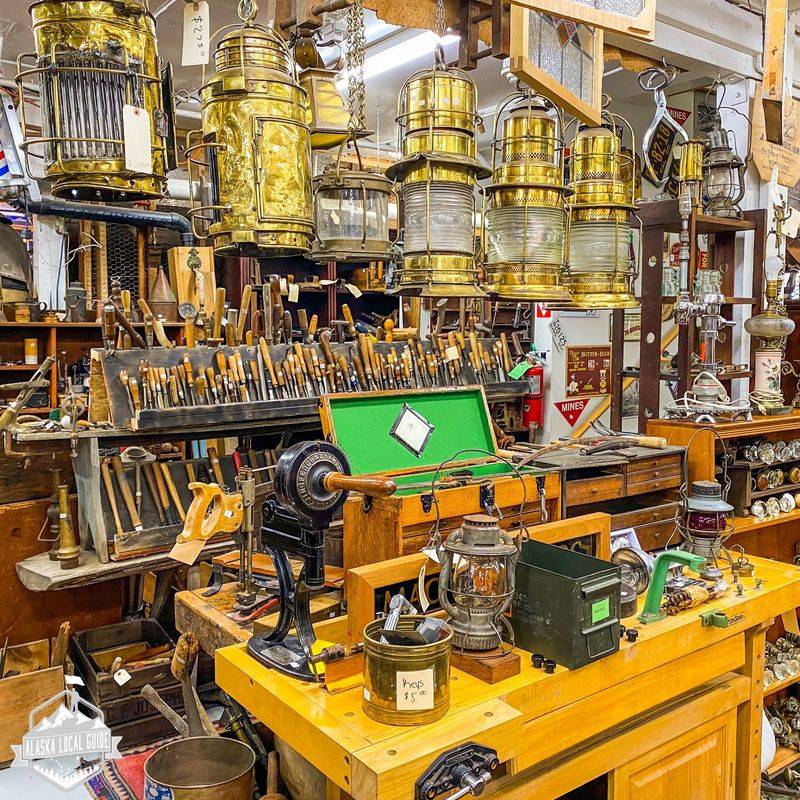
Some of the most interesting discoveries can fit in one hand. Antique scales, lanterns, glass floats, framed posters, artwork, and other collectibles broaden the search beyond furniture.
Duane’s Antique Market carries a wide mix of decorative and functional objects, so browsing only the largest pieces would miss much of the inventory.
Unfamiliar tools and household objects often make more sense once their original use is understood.
Materials, fasteners, wear patterns, and moving parts may offer clues about how an object was used.
Fragile collectibles deserve close visual inspection around edges and joints. Anything delicate should stay on the shelf until handling is appropriate.
Framed prints and other paper-based pieces need a different kind of attention. Tears, fading, staining, and signs of moisture can affect condition.
Smaller size helps when travel space is limited, but glass, ceramics, and framed pieces still need safe packing.
Not every interesting object needs to become a purchase; a note can be enough for later research.
Open-minded browsing suits a market with changing inventory. Arriving with one idea can easily lead to a completely different kind of find.
Art With Cultural Context
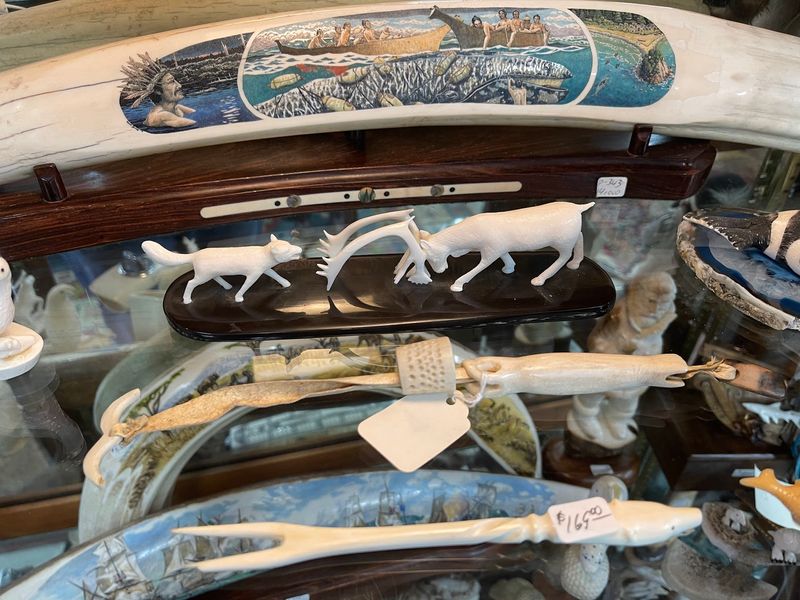
Beautiful craftsmanship deserves more than a quick glance.
Alaska Native art has been among the market’s documented inventory over the years, alongside a much broader range of antiques and artwork.
A maker, community, or tribal affiliation should never be guessed from style alone. Under the Indian Arts and Crafts Act, sellers cannot falsely market work as Native-made or as the product of a particular tribe.
For a piece represented as Alaska Native art, written information about the maker and provenance matters.
Materials deserve attention as well. Some Alaska Native works incorporate ivory, bone, fur, feathers, or other wildlife materials that can be subject to federal rules.
Those restrictions can differ according to the species, the material, whether the object qualifies as an authentic Native handicraft, and whether it will remain in the United States or travel internationally.
Careful questions protect the buyer and support accurate records.
Admiration does not require pretending to know more than the documentation supports. Respectful uncertainty is better than inventing a history for a piece.
Anyone considering wildlife-based art should understand the applicable transport and export rules before taking it across borders.
The Outdoor Search
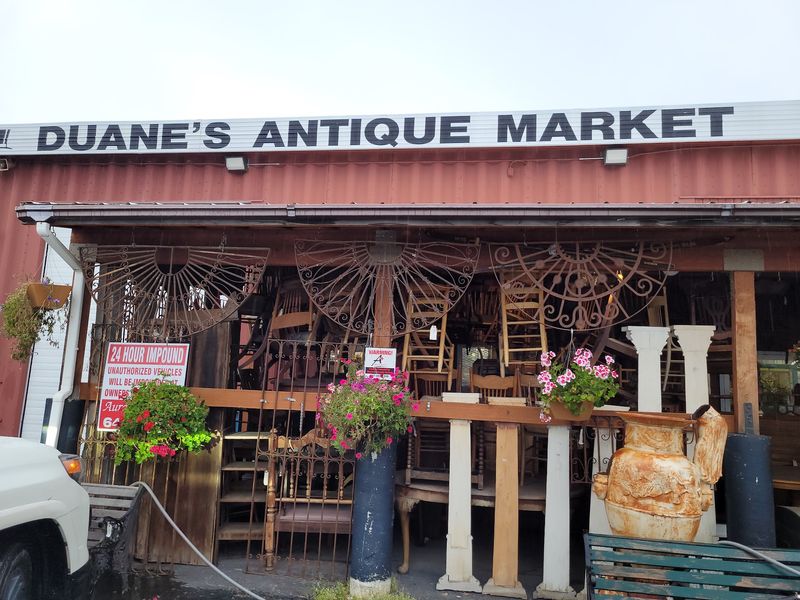
Just when the indoor browsing feels complete, the exterior areas add another place to look. Current listings describe additional stock stored in outdoor or covered overflow areas beyond the main showroom.
Exposure and storage conditions can affect surfaces, joints, finishes, and metal components.
A sturdy object may still need cleaning or repair because weathering is not always cosmetic.
Metal pieces deserve a look around hinges, seams, and moving sections. Rust can develop where parts meet or fold.
Wood needs attention at the base and along joints. Heavy pieces are better left in place until staff can help with access.
Footing deserves attention around tightly stored objects and exterior displays. Moving slowly is safer than reaching across stacked pieces.
Large finds need careful measurements before any transportation plan begins.
For anything difficult to reach or move, staff assistance is safer than guessing how a display is meant to be handled.
Questions Before Restoration
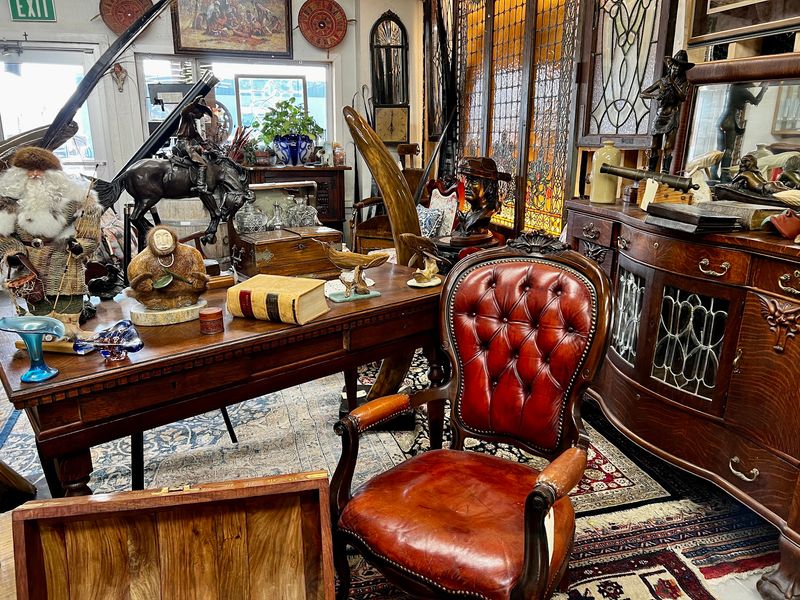
A scratch can be charming; a loose joint asks for attention. The difference matters before any restoration plan begins.
Duane’s Antique Market offers antique furniture restoration services, which makes condition and repair part of the store’s broader role beyond retail browsing.
Original components, replacements, and later repairs can all affect how an older piece should be treated.
Necessary safety work should come before cosmetic changes. A chair intended for regular seating deserves a different assessment from an object meant only for display.
Unknown finishes should not be treated with harsh cleaners. An aggressive product can permanently alter an older surface.
Clear photographs can document condition before work begins.
Known repairs and replaced parts are useful information when available. Honest uncertainty is more reliable than assigning an unsupported date or origin.
For fragile finds, stabilization may matter more than making everything look new.
A slower approach suits antique restoration. Construction, materials, previous repairs, and intended use all deserve attention before refinishing starts.
Make Time For Discovery
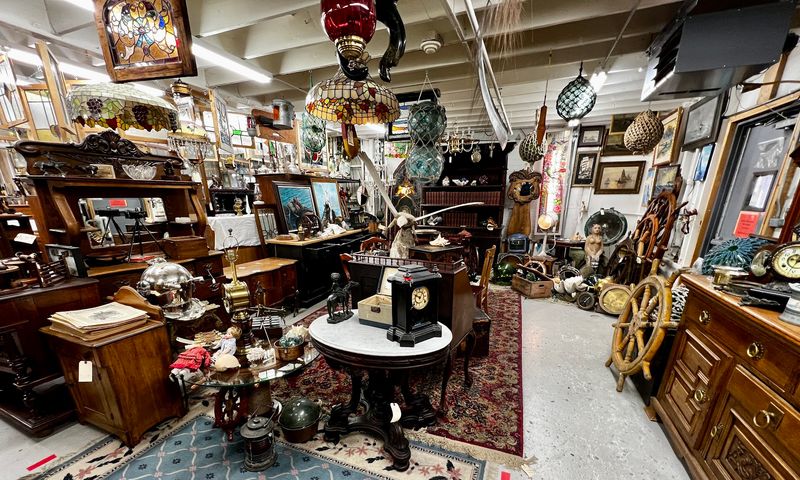
The best browsing rule is simple: leave room for surprises. A strict shopping list can make a large antique market feel smaller than it really is.
Choosing a few areas of interest gives the visit direction without deciding every turn in advance.
With roughly 12,000 square feet indoors plus exterior stock, allowing enough time for both areas makes more sense than trying to rush through.
Current 2026 listings agree on the Anchorage address but differ on the exact weekly hours, so a fixed schedule should not be assumed from an older directory.
Visitors who need step-free access should be aware that the indoor and exterior inventory areas do not necessarily offer the same conditions. Some sections may be easier to navigate than others.
Measurements and phone notes can keep track of anything intended for a specific place at home.
When an unfamiliar object raises questions, asking about its purpose, condition, or documentation is more useful than guessing.
Careful movement matters around older furniture, glass, and tightly arranged displays. It protects both visitors and the objects around them.
Alaska offers many reasons to explore beyond a fixed plan. At Duane’s Antique Market, patience makes it easier to notice workmanship, age, condition, and the surprising range of objects gathered in one place.