This California Quilt Shop Hides A Colorful Textile Art Gallery Behind Its Fabric-Filled Doors
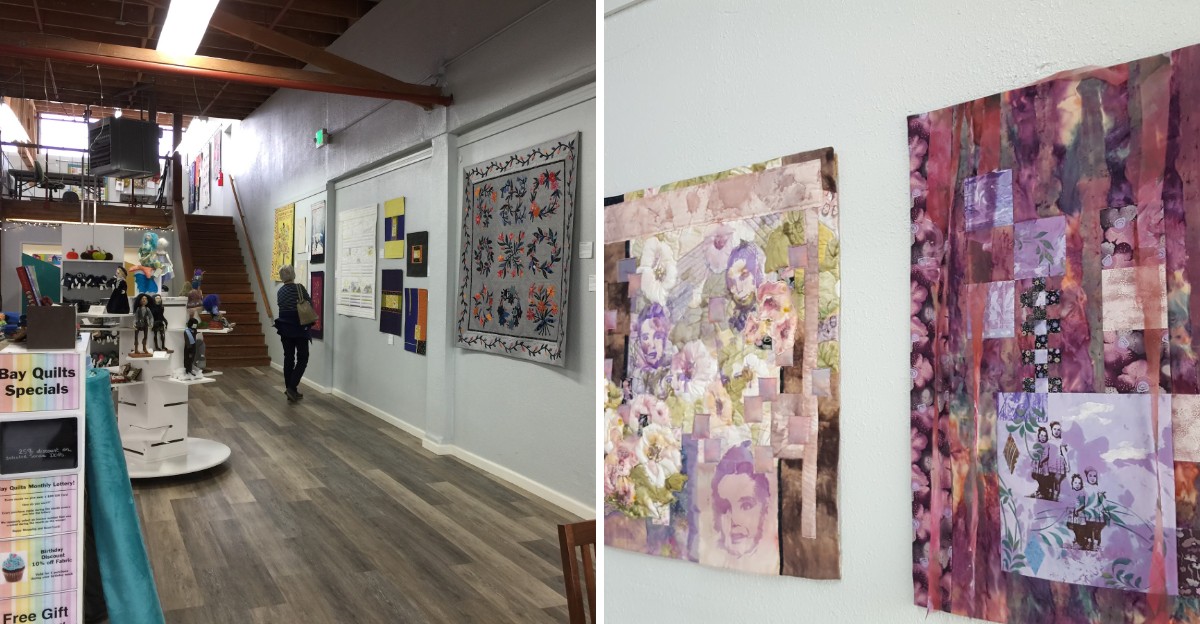
A fabric shop can already consume an impressive amount of time before anyone adds an art gallery to the equation.
Suddenly, choosing cotton for a quilt is only part of the reason to keep wandering.
Beyond the fabric-filled shelves, textile art gives visitors a chance to see what all those colors, patterns, and materials can become in creative hands.
It also makes browsing considerably more dangerous for anyone who arrived claiming they did not need another project.
California quilting gets wonderfully artsy when the fabric aisle leads straight into a gallery.
Seeing finished textile pieces can send you back toward the shelves with completely different ideas.
A color combination you might have ignored suddenly makes sense, or an unfamiliar technique starts looking suspiciously like your next weekend obsession.
More Than A Place To Buy Fabric
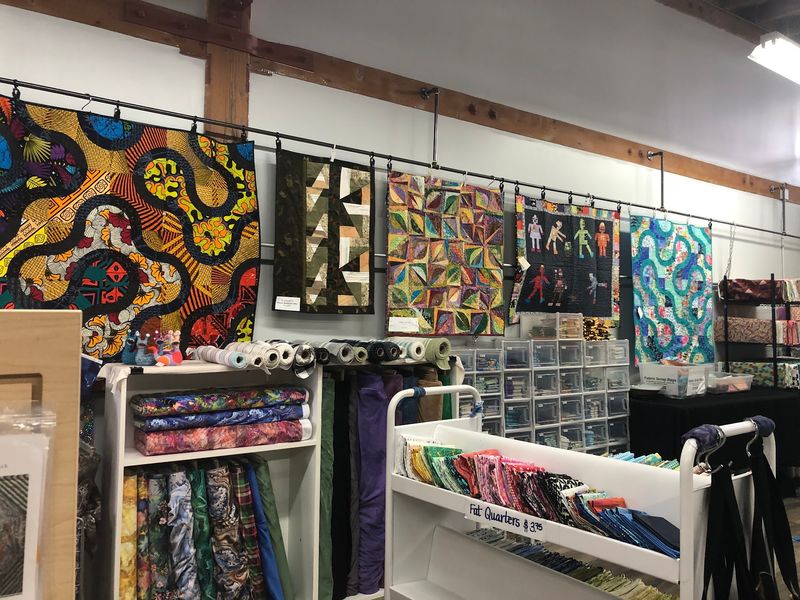
Walking in for thread and leaving with a head full of new ideas is a common outcome here. Bay Quilts runs as a fabric store and a textile art gallery at the same time.
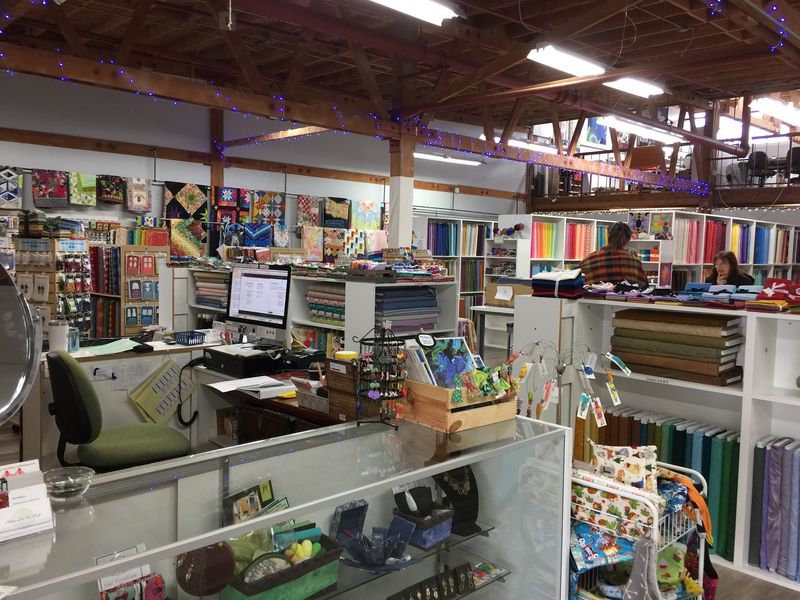
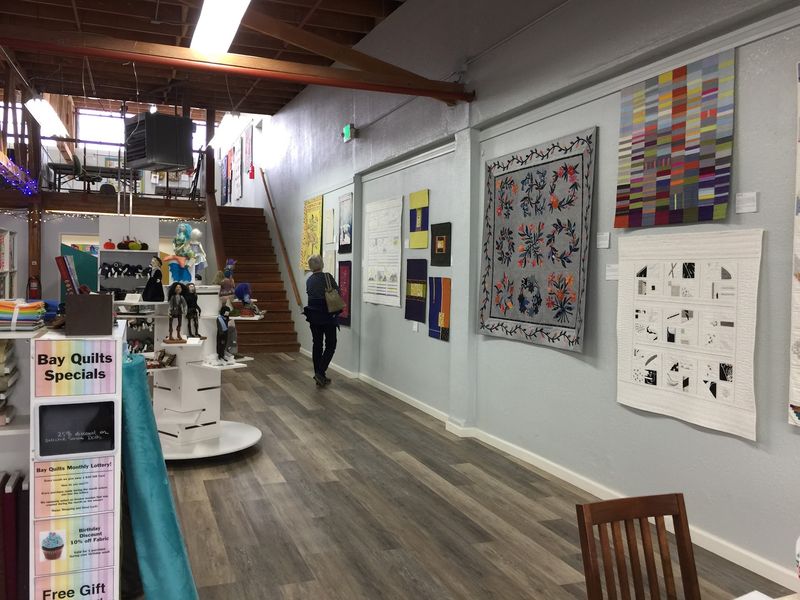
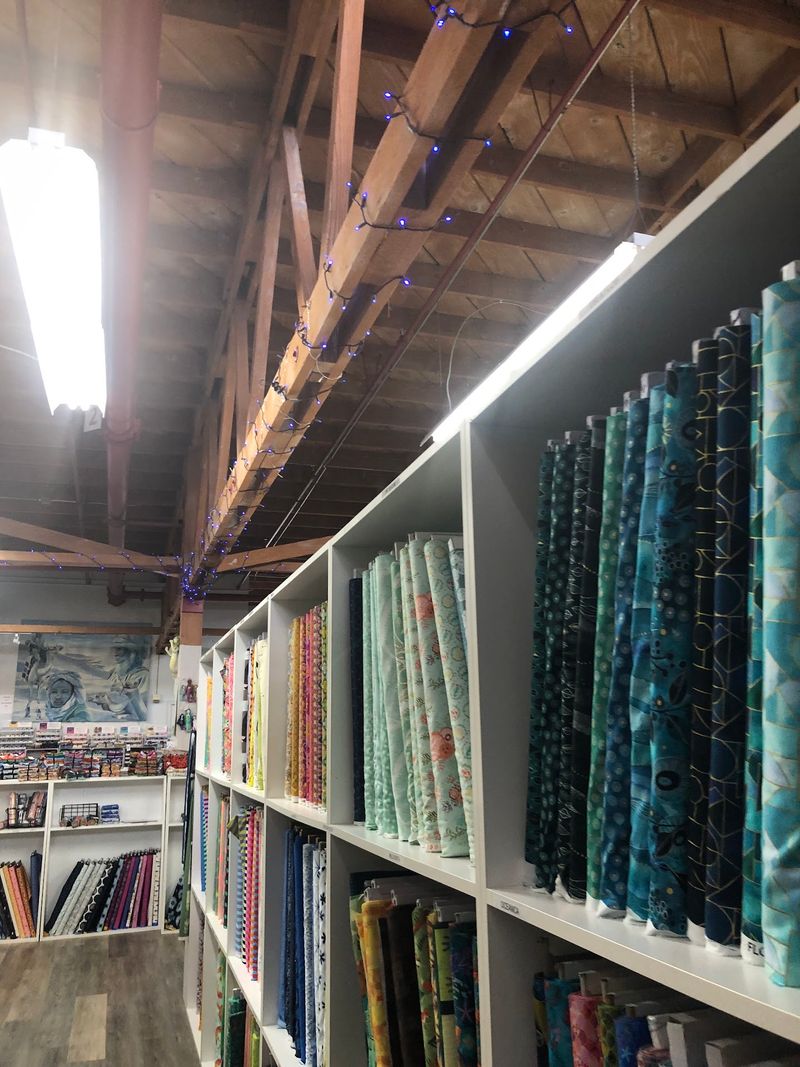
Shelves of cotton, linen, and specialty cloth fill the floor, while the walls hold quilts and fiber art meant to be studied. That mix changes how a visit feels.
Shopping becomes slower and more thoughtful, since the art on the walls can spark color ideas for a project at home.
A visitor might notice how a quilter paired orange with teal, then go hunt for those same shades on the bolts nearby. Beginners can treat the gallery as a free lesson in design.
Looking at stitching, layout, and fabric choices up close may teach more than a dozen online photos.
Experienced makers often enjoy seeing how other artists push quilting beyond simple blocks and patterns.
Non-quilters can still have a good time. Friends or family members who tag along may find the art interesting even if they never plan to sew a stitch.
The space works well for a relaxed outing with a creative friend. Plan for extra time rather than a quick in-and-out stop.
Moving between the fabric racks and the walls tends to stretch a visit longer than expected.
An Industrial Setting With A Bright Surprise Inside
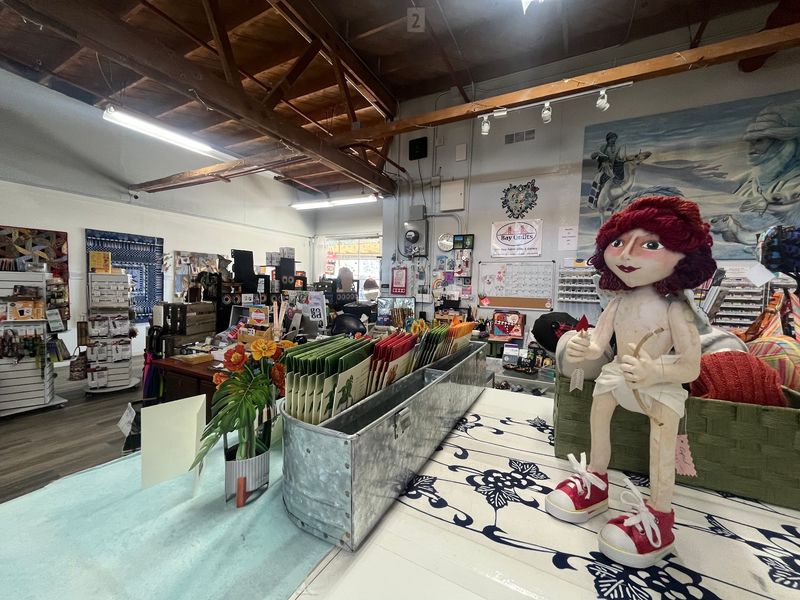
First-time visitors are often surprised by how ordinary the outside looks.
The shop sits at 5327 Jacuzzi Street, Suite 3-C, Richmond, California 94804, inside a commercial area that feels more like a business park than a shopping district.
Nothing about the street hints at the rainbow of fabric waiting indoors.
The entrance is located off the back parking lot, so it helps to drive around the building rather than search along the front.
Parking is free, which makes longer browsing sessions easier to enjoy without watching a meter.
The location sits close to the I-80 and I-580 freeways, a handy detail for drivers coming from other parts of the Bay Area.
Once inside, the space opens up. The room is known for good natural light and a roomy layout, which can make fabric colors easier to judge than under harsh store lighting.
Aisles feel open enough to pull a bolt and look at it without bumping into other shoppers.
The contrast is part of the charm. Going from gray pavement to walls of color can feel a little like finding a hidden studio.
Gallery Walls That Keep Changing
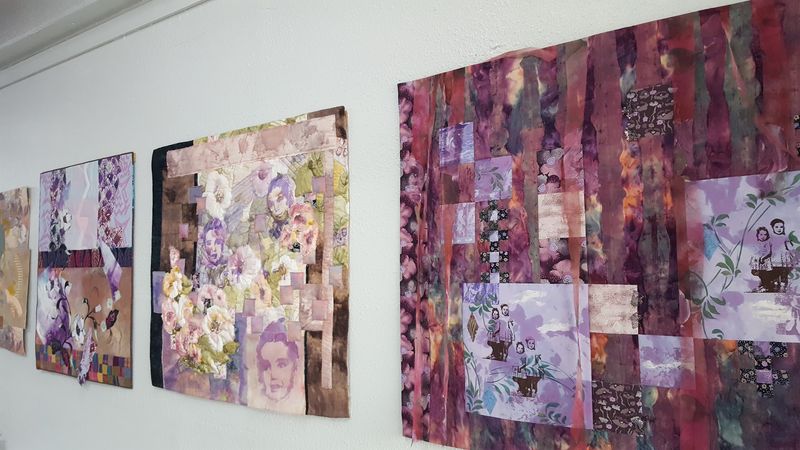
Coming back next month can mean seeing a totally different wall of art. Bay Quilts has hosted monthly gallery exhibitions that feature textile and quilt artists.
Each show swaps out the work on display, so repeat visitors are not stuck seeing the same pieces every trip.
Exhibits and artist receptions are a big part of how the shop connects with its community.
A reception can offer a chance to see the art with other makers and hear how certain pieces came together.
Event dates may vary, so checking the shop website before a visit is the best way to stay current.
Rotating shows give quilters a fresh source of ideas without leaving the region.
One month might lean toward bold modern designs, while another could focus on traditional patterns or experimental fiber work.That variety helps makers see new possibilities for their own projects.
Viewing tips can make the experience better. Stepping back to see the full design, then moving close to study stitches and fabric texture, often reveals small details missed at first glance.
Touching the art is usually not a good idea, so keeping hands to oneself respects the artists.
Designer Cottons From Big Names In Quilting
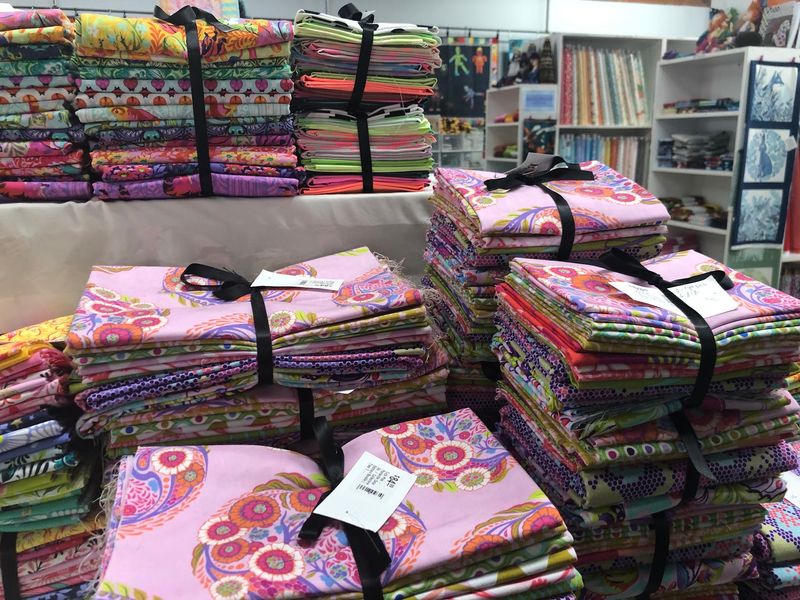
Fans of famous fabric designers tend to light up when they spot familiar prints on the shelves.
Premium quilting cottons at Bay Quilts come from designers such as Kaffe Fassett, Tula Pink, Rachel Hauer, Alison Glass, Tim Holtz, Marcia Derse, Anna Maria Horner, Elizabeth Hartman, and Jennifer Sampou.
That lineup covers a wide range of styles.
Kaffe Fassett prints are known for rich, painterly color, while Tula Pink designs often feature playful animals and bold patterns.
Tim Holtz fabrics lean toward a vintage, collage-like look, and Alison Glass brings bright, saturated tones.
Having these lines in one place makes it easier to compare and mix them in person. Seeing fabric in real life matters more than many people expect.
Screen colors can look different from the actual cloth, and feeling the weight helps judge how a quilt will drape. Holding two bolts side by side can quickly show whether colors clash or blend.
Stock can change as new collections arrive and older ones sell out. Anyone hunting for one specific print may want to call ahead to ask about availability.
Bringing a small swatch from an existing project can help with matching.
Japanese Fabrics Worth Seeking Out
Few fabric categories feel as special as Japanese textiles, and the shop gives them real attention.
Bay Quilts highlights an extensive Japanese fabric selection on its website.
The collection includes kimono fabrics from Kasuri Dyeworks, along with prints from Kokka, Echino, Lecien, Kona Bay, and Daiwabo. Each brand brings its own personality.
Echino prints often feature bold, graphic designs, while Lecien is known for delicate small-scale florals.
Daiwabo fabrics frequently have a soft, woven feel that suits cozy, traditional-looking quilts.
Kasuri Dyeworks stands out as a rarer find. Kimono-style fabrics can add a unique touch to bags, pillows, or a small wall hanging.
Even a single fat quarter of a special print may become the focal point of a project.
Quick fun fact: kasuri is a traditional Japanese technique where threads are dyed before weaving, which creates soft, slightly blurred patterns.
Knowing that detail can make browsing these bolts feel even more meaningful.
Small projects are a great way to start with these fabrics. Japanese prints may cost more than basic cottons, so planning a pouch or table runner first can be a smart move.
Linen, Silk, Wool, And Much More
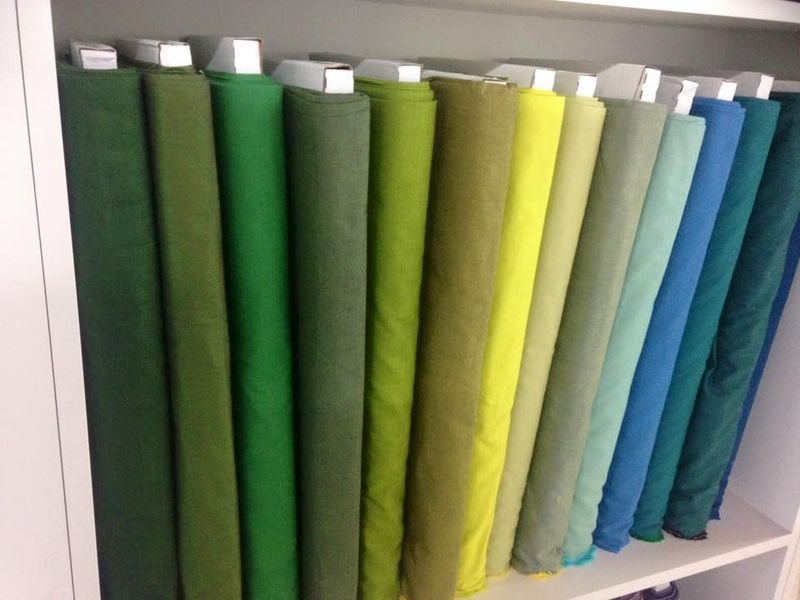
Quilting cotton is only the beginning of what fills the racks here. Shoppers can find linen, canvas, silk, organic fabric, bamboo, double gauze, cuddle fabric, and wool.
Many of these options work well for clothing and home projects, not just quilts.
Each material behaves differently.
Linen has a crisp, slightly textured feel that softens with washing, which makes it popular for summer tops and napkins.
Double gauze is light and airy, a common pick for baby blankets and breezy shirts. Canvas brings sturdiness, so it often shows up in tote bags, aprons, and cushion covers.
Cuddle fabric offers a plush, soft surface that kids may love on a blanket backing. Wool can add warmth and texture to appliqué or cozy accessories.
Running hands across different bolts is the easiest way to learn the differences. Online shopping cannot match that kind of hands-on comparison.
Feeling weight, stretch, and softness in person can prevent buying the wrong fabric for a project.
A simple tip helps here. Writing down the project type before visiting, such as a dress or a pillow, makes it easier to ask staff which material fits best.
A Rainbow Aisle Of Solid Colors
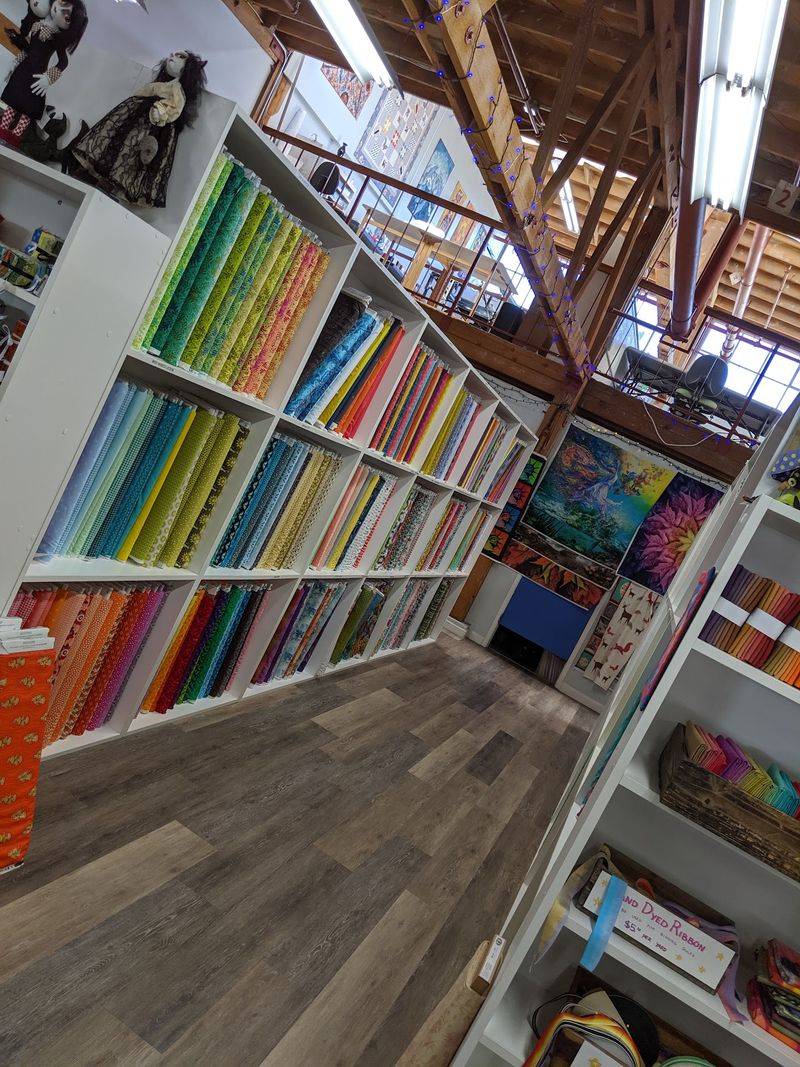
Matching an exact shade can be one of the most frustrating parts of quilting. Bay Quilts stocks the full Kona Solids collection by Robert Kaufman, which helps solve that problem.
Moda’s Grunge collection is also on hand for makers who want solids with a little more texture.
Kona Solids is a huge line known among quilters for its wide color range. Having the whole collection under one roof means fewer trips to different stores chasing one missing shade.
Bolts lined up together can look like a giant rainbow, which is fun to see even for non-sewists.
Moda Grunge offers a different feel. The fabric has a mottled, slightly weathered look that reads almost solid from a distance but adds depth up close.
Many quilters use it to soften a modern design or add interest to a background.
Solids are the backbone of many quilts. Modern quilters often build entire designs from plain colors, letting the shapes and stitching do the talking.
Traditional quilters may use solids to calm down busy prints. Bringing a printed fabric to the shop and holding it against several solids is an easy way to test color pairings.
Classes And Community Upstairs
Learning alongside other makers can turn a solo hobby into a social one. An upstairs creative space at the shop serves as a classroom and workshop loft.
Workshops are offered for different skill levels, from people just starting out to more experienced quilters.
Group learning has real perks. Watching an instructor demonstrate a technique in person can clear up confusion faster than a video.
Fellow students may share tips, tools, or color ideas that make a project easier. Local groups use the space too.
East Bay Modern Quilters has held meetings and show-and-tell events upstairs, which shows how the shop supports the wider quilting community.
Show-and-tell sessions let members share finished work and get friendly feedback.
Accessibility is worth knowing ahead of time. The upstairs area is reached by a flight of stairs, so anyone with mobility concerns may want to call and ask about options before signing up.
Class topics and schedules change, so the shop website is the best place to check current offerings.
Packing supplies the night before a class can make the day feel calmer.
Many workshops share a supply list in advance, and buying fabric downstairs right before class can be a convenient shortcut.
Check The Hours Before Heading Over
Nothing spoils a fabric trip faster than arriving to a locked door.
Current listings show California’s Bay Quilts open Tuesday through Friday from 10 a.m. to 3 p.m. Saturday and Sunday hours run from 10 a.m. to 4 p.m., and the shop is closed on Monday.
Weekday hours end fairly early in the afternoon. Anyone driving from farther away should leave enough time for traffic so the visit does not feel rushed.
Weekends offer an extra hour. Saturday and Sunday may suit people who work regular weekday schedules, though weekend visits could feel busier at times.
Class days might also affect how lively the space feels.
A simple checklist helps make the most of the trip. Bring fabric swatches, pattern photos, and a list of needed yardage to keep shopping focused.
Free parking in the back lot of this California spot removes one common stress, leaving more time to enjoy the colorful walls and well-stocked shelves.