Rows Of Bolts And Fat Quarters Fill This Idaho Quilt Shop In Downtown Boise
A plain storefront on a busy Idaho avenue does not look like it holds a rainbow. Step inside, though, and the walls glow with stacked cotton, hanging quilts, and spools of thread in every shade you can name.
Quilters across the Treasure Valley treat this place like a second sewing room, and first-timers often walk out with more fabric than they planned to buy. Here is what waits behind the door, from the fat quarter bins to the busy classroom in back.
A Fabric Giant On Fairview Avenue
Fifteen thousand square feet. That is how much retail space the shop calls home, and it bills itself as the largest quilt shop in Idaho.
For anyone who sews, that number alone is worth a drive.
Quilt Crossing sits in west Boise, a short trip from the downtown core, along a stretch of Fairview Avenue lined with everyday businesses. From the parking lot it looks like any other storefront in the Treasure Valley.
The surprise only starts once you open the door.
Inside, the shop works as a full quilting headquarters rather than a simple fabric counter. There are cotton bolts by the hundreds, racks of patterns, thread walls, wool supplies, sewing machines, and a large classroom where students gather for lessons.
It is the kind of place where a quick errand for backing fabric can easily turn into an afternoon.
Boise has seen several bigger fabric chains close over the years, and many local sewists say dedicated fabric stores have become harder to find. That makes a shop of this size feel even more valuable to the people who rely on it.
For quilters in southwest Idaho, it has become a regular stop rather than an occasional treat.
Getting There And The Other Door
Plug 10959 Fairview Avenue, Boise, Idaho 83713 into your map, and you will land in the right lot. The shop sits west of downtown, close to the edge where Boise starts blending into Meridian and the rest of the Treasure Valley.
Here is a fun detail regulars mention. The building has more than one entrance, and one of them opens straight into a huge classroom with at least a dozen work stations set up.
Walk through the adjoining doors on the right, and you reach the main shopping floor.
One visitor who wandered in by accident compared the moment to Dorothy stepping out of gray Kansas into the color of Oz. That is a fair way to describe it.
The jump from a quiet classroom into a room crowded with printed cotton is a little startling in the best way.
Parking is easy, which matters when you are carrying out bags of yardage or a sewing machine. Fairview is a main road, so the drive from downtown, Garden City, or Meridian stays simple.
Families and friends who sew together can make it a short, easy outing without any freeway stress.
Aisles Of Cotton Bolts
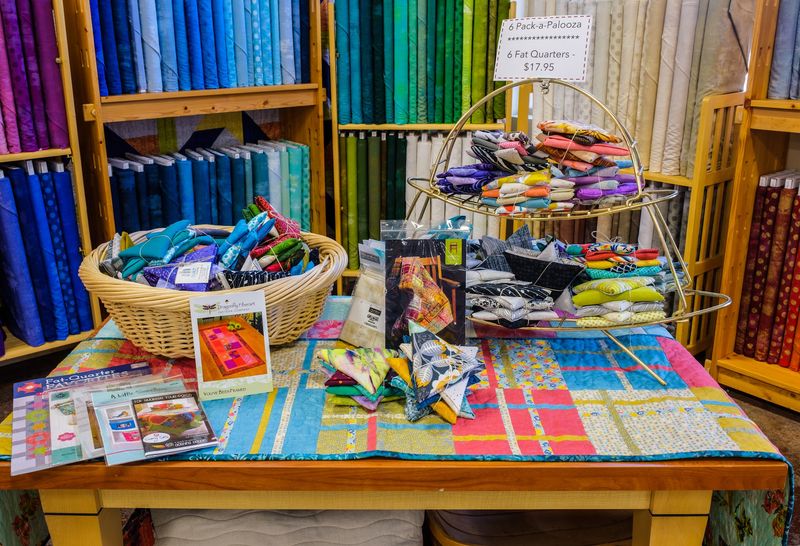
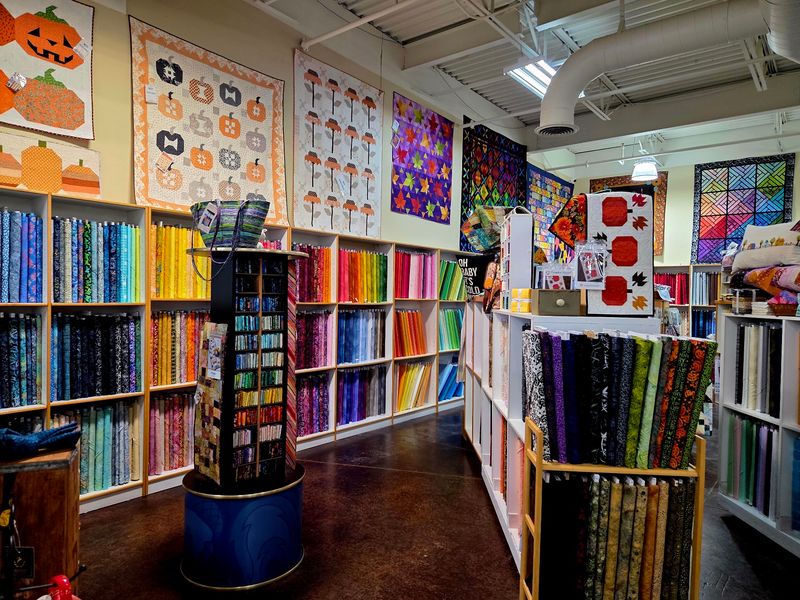
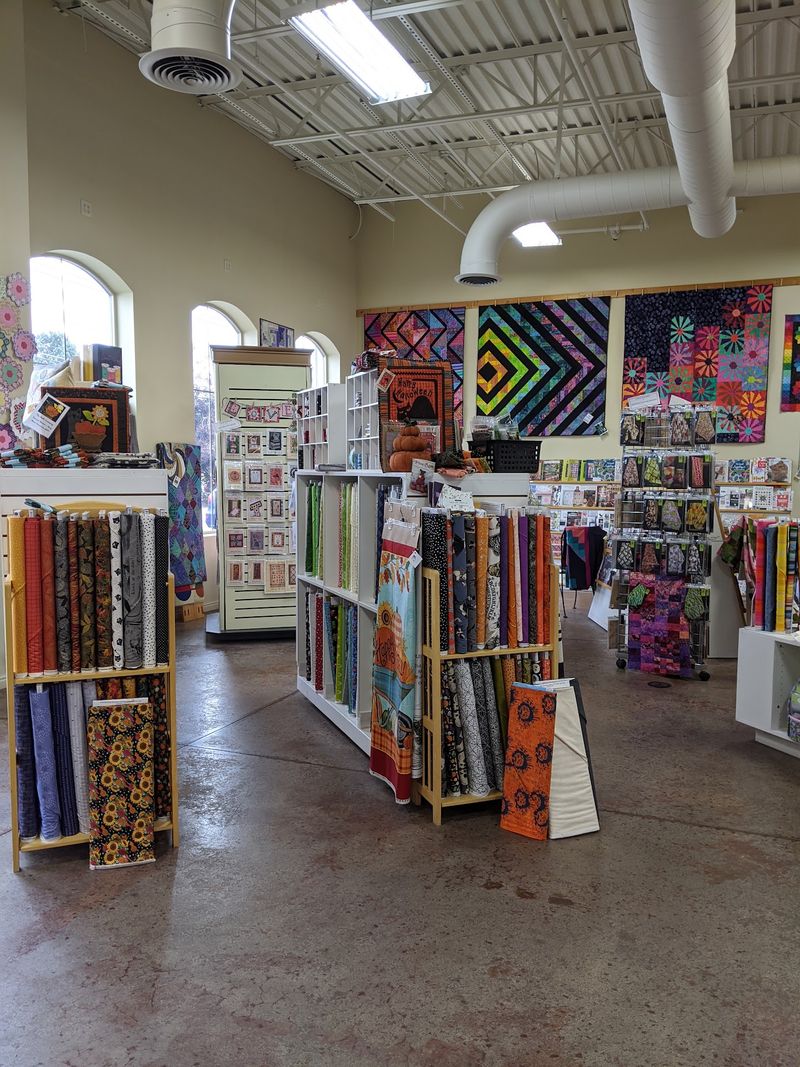
Color hits first. Row after row of cotton bolts line the shelves, sorted so your eye moves from soft creams to bold reds, deep blues, and cheerful prints.
Fabric selection is the thing visitors bring up most when they talk about the shop. People come in hunting for one coordinating print for a baby quilt and walk out having found it, plus fabric for a second project.
The range covers modern designs, classic florals, tone-on-tone blenders, and solid basics that hold a quilt together.
Newer fabric lines show up on the floor too, so returning shoppers often spot collections they have not seen before. That keeps the experience fresh even for people who stop in every few weeks.
It also helps when you are trying to match something that just came out.
A good tip is to bring a swatch or a photo of your project. With this many choices, having a starting point keeps you from wandering for hours, although wandering is half the fun.
Staff can cut yardage at the counter, so you leave with exactly what the pattern calls for and maybe a little extra for luck.
Fat Quarters And Precut Bundles
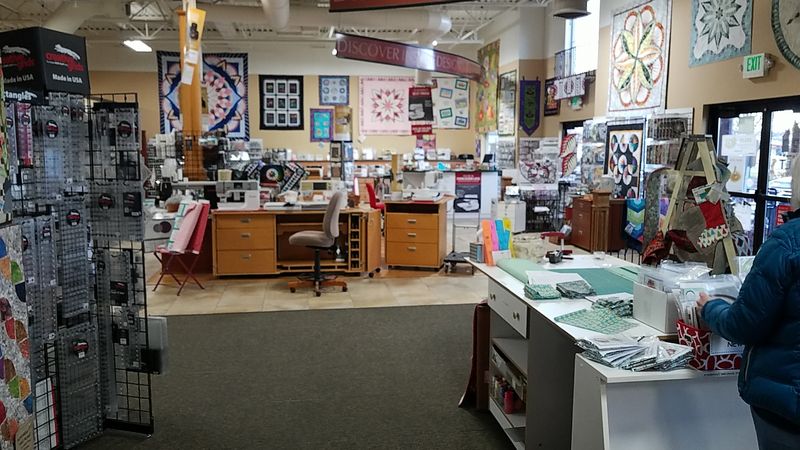
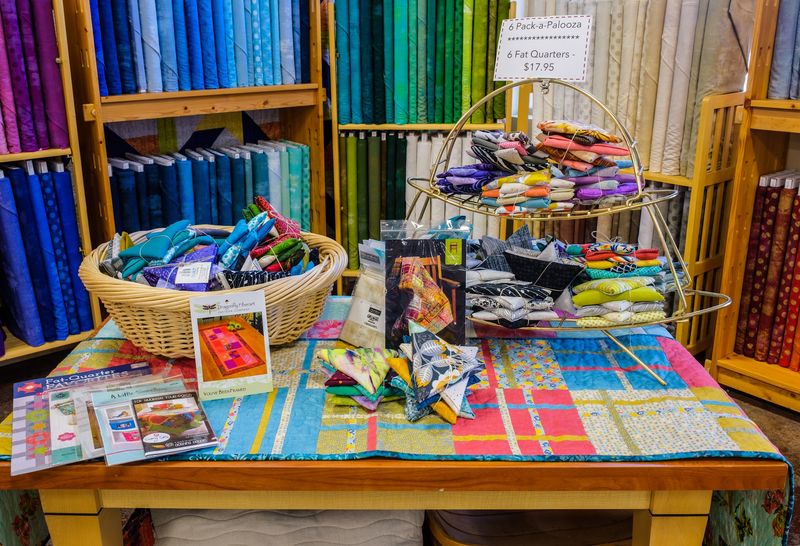
Small squares of fabric can cause big trouble for your budget. Fat quarters, those handy pieces cut from half a yard and split down the fold, are some of the easiest things to toss in a basket, and this shop has plenty of them.
Precut fabrics also get their own space. Bundles of coordinated strips, squares, and stacks let quilters skip a lot of measuring and cutting.
They work well for beginners who want a matched set without guessing, and for experienced sewists who want to jump straight to piecing.
Fat quarters are a favorite for scrappy quilts, pillow fronts, small bags, and test blocks. They also make easy gifts for a friend who sews.
A handful of coordinating prints tied with a ribbon costs only a few dollars per piece and feels thoughtful.
Fun fact for newer quilters: a fat quarter usually measures about 18 by 22 inches, which gives more usable width than a skinny quarter-yard strip. That shape is why so many patterns are written with them in mind.
Once you learn that, the bins near the counter start looking a lot more tempting.
Finished Quilts Overhead
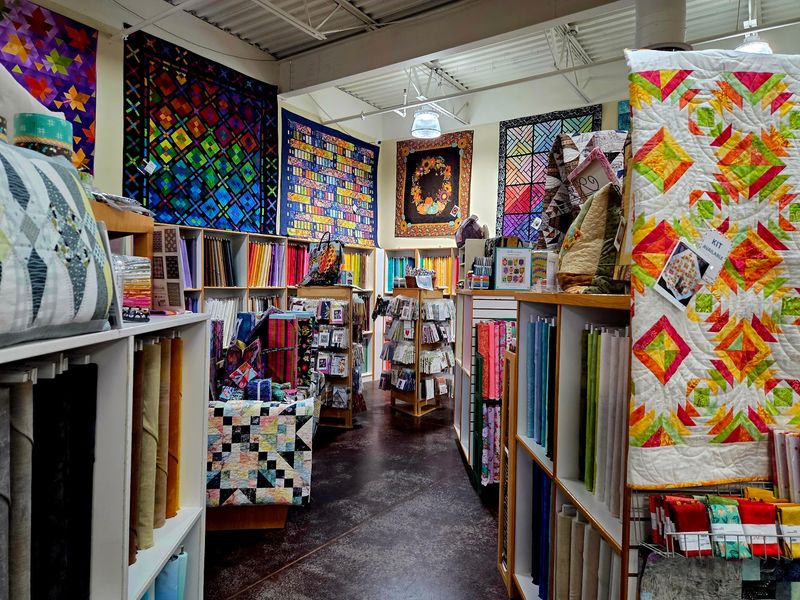
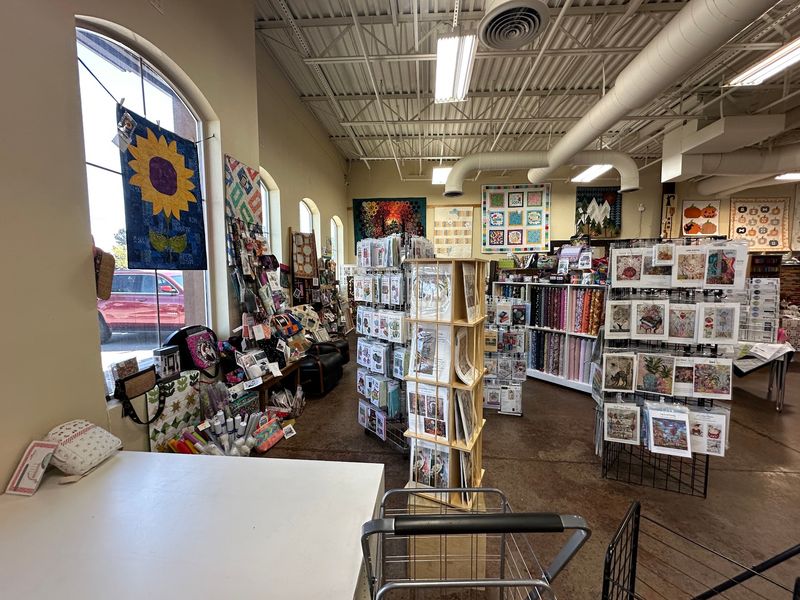
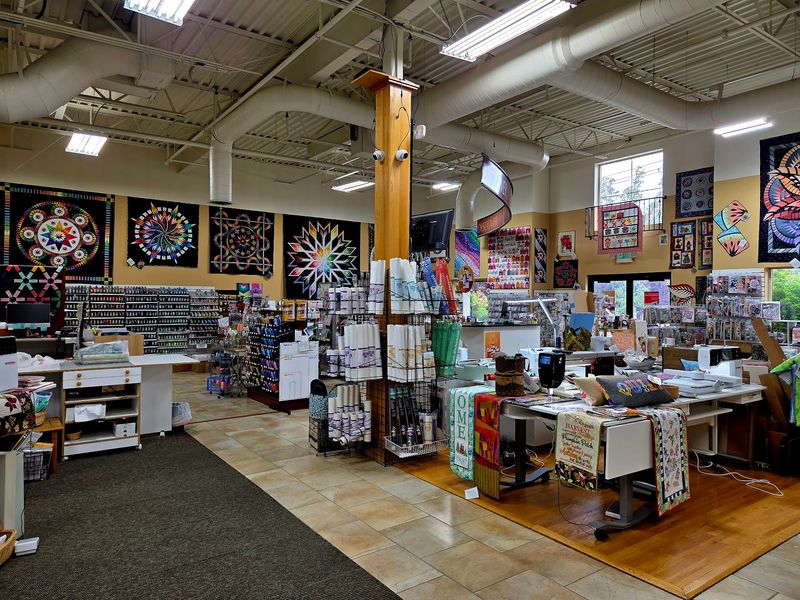
Look up. Finished quilts hang across the walls and above the aisles, turning the shop into something close to a gallery.
Sample quilts and sewn bags appear almost everywhere you turn, and shoppers say they spark ideas right away. Seeing a pattern sewn up in real fabric is much easier than imagining it from a flat picture on a pattern cover.
You can study how colors play together, how borders frame the center, and how quilting lines add texture.
One longtime customer first found the shop during a quilt shop hop, spotted a displayed quilt she could not stop thinking about, and asked the staff to order the pattern. Years later, she still comes back for patterns and fun finds.
That kind of story happens often when the samples do their job.
For anyone stuck on what to make next, a slow walk under the hanging quilts can solve the problem. Take photos if you are allowed, jot down pattern names, and ask about fabrics used in a sample.
Many of those displays connect directly to kits and patterns sold nearby, so the inspiration has a clear path home.
Pattern Racks And Ready Kits
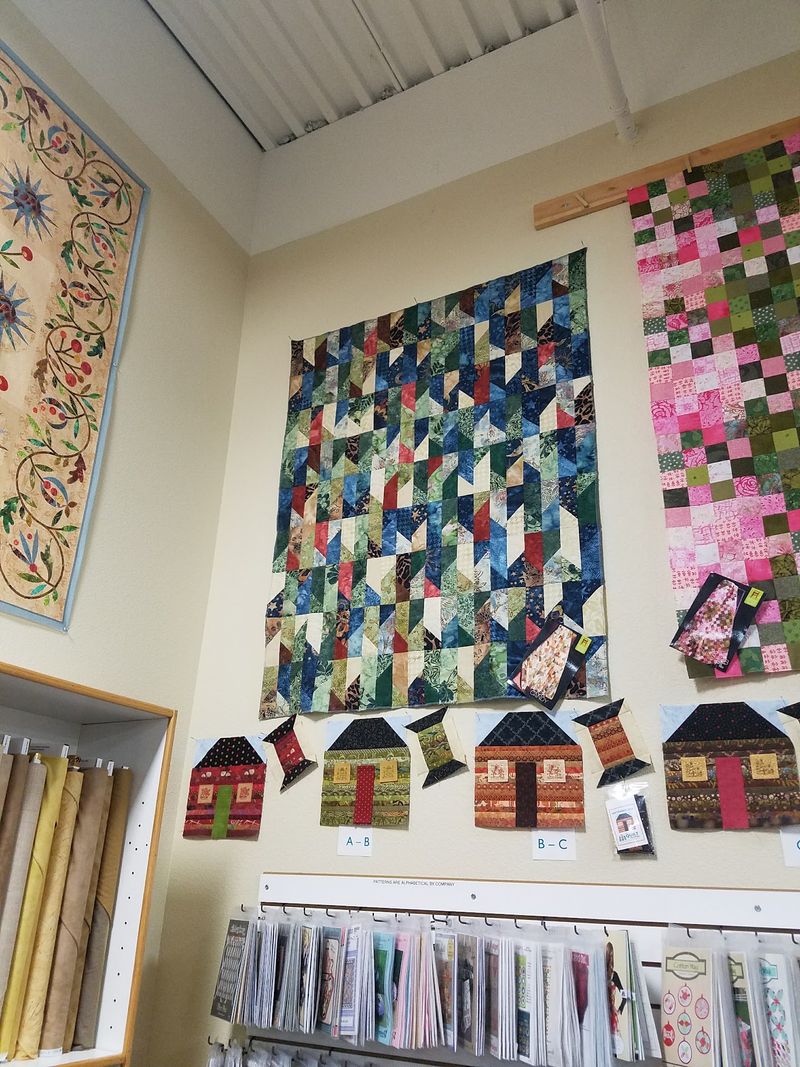
Patterns rank right behind fabric as the reason many shoppers walk in. Racks hold pattern booklets, single sheets, and books covering everything from easy throw quilts to detailed appliqué.
Quilt kits make life even simpler. A kit bundles the pattern with the fabric needed to finish the top, so there is no guesswork about yardage or color.
For a beginner, that removes a lot of worry, and for a busy quilter, it saves an afternoon of planning.
Notions fill in the rest of the picture. Rulers, rotary cutters, marking pens, pins, and small gadgets sit close by, ready for anyone who forgot something at home.
Several shoppers mention learning about new tools during classes and then finding them right on the shelves.
When a specific pattern is not in stock, staff have been known to order it in. That service turns a single shopping trip into a longer relationship with the shop.
Out-of-town quilters even say they plan to call and order by phone once they get home, which shows how far the reach of a well-stocked pattern wall can go.
Wool, Thread, And Embroidery Corners
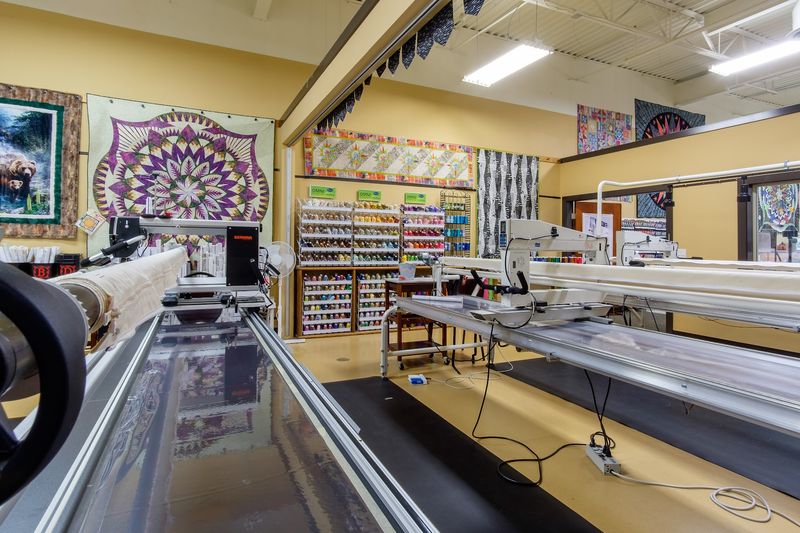
Thread lovers, get ready. Walls of spools in dozens of colors give the shop a candy-store look, and shoppers often single out the thread selection as one of its strongest areas.
Wool crafting has a home here too. The shop carries Sue Spargo wool and thread, a name that wool appliqué fans recognize instantly for rich colors and textured stitching.
Finding those supplies in person, rather than ordering blind online, is a real draw for hand stitchers in Idaho.
Machine embroidery supplies round out the corner. Stabilizers, embroidery threads, and related items sit near the machines, which helps anyone who wants to add designs to quilts, towels, or clothing.
It means one stop can cover piecing, hand stitching, and machine work.
Matching thread to fabric is easier in person, too. Hold a spool against a bolt under the shop lights, and you can see right away if it blends or pops.
That small step saves frustration later, especially on projects where stitching shows on the surface. Quilters who enjoy slow handwork may find this corner the most relaxing spot in the building.
Bernina Machines On The Demo Floor
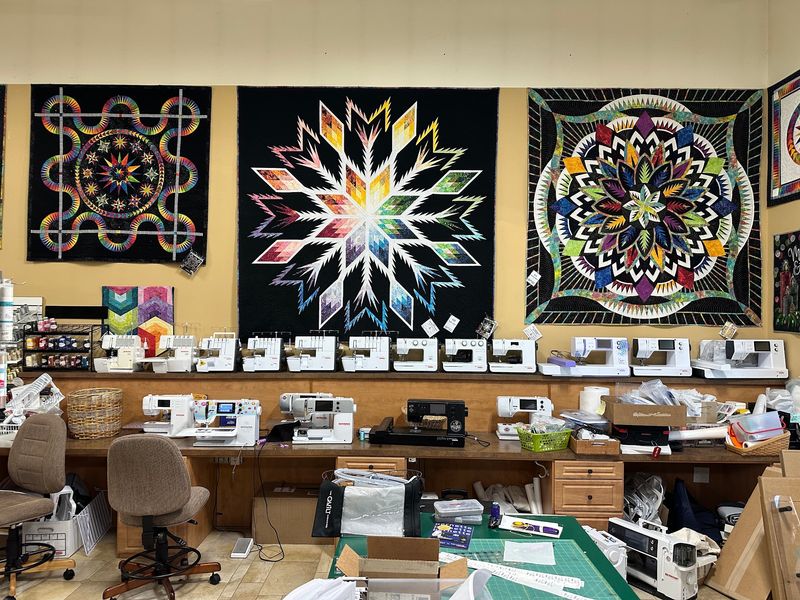
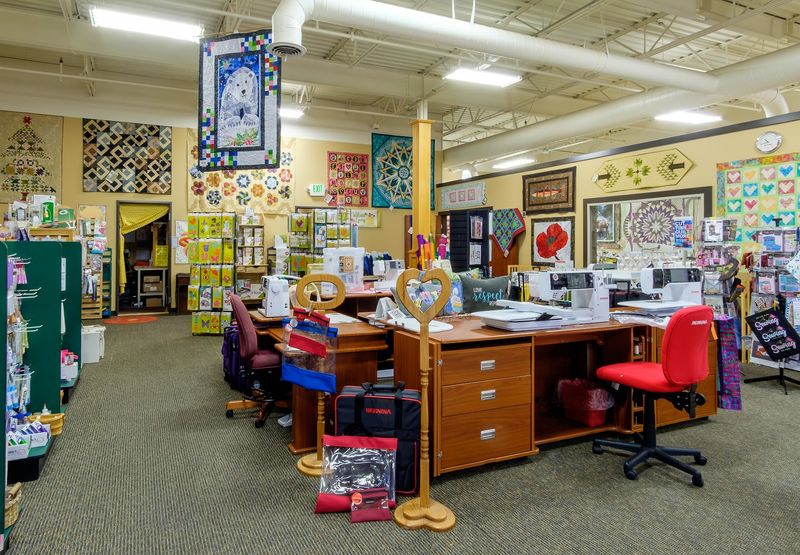
Sewing machines line a demo floor where shoppers can test drive models before buying. The shop works closely with Bernina, and staff are known for understanding both fabric and those machines.
Cabinets sit on the floor as well, so you can see how a machine fits into a sewing setup. Long arm machines also appear in the mix, a big help for quilters who want to finish large tops without wrestling them through a small machine.
Accessories, presser feet, and parts fill nearby shelves.
A service department handles repairs and tune-ups, and longtime customers praise how it keeps their machines running. One quilter remembers her machine breaking down during an art event, and the shop helped her get going again quickly.
That kind of support matters when a deadline is close.
Machine buyers should know the return policy on sewing machines is strict. A machine returned after use is treated as a used demo, so it may carry a restocking fee.
The shop explains this protects the next buyer, who wants a truly new machine. Ask questions and test carefully before you commit.
Classes, Clubs, And Homemade Treats
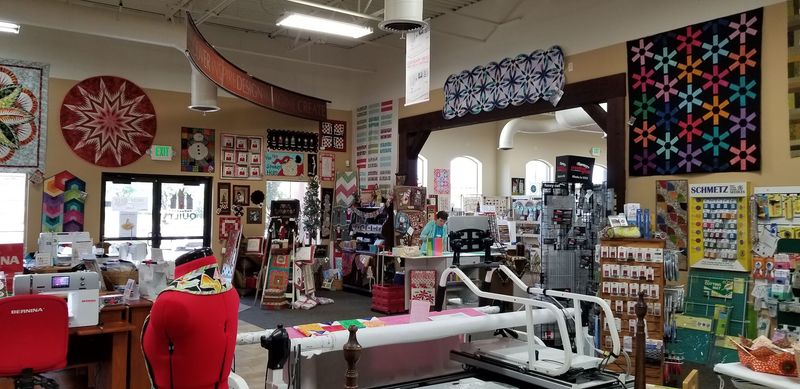
Remember that big classroom near the side door? It stays busy.
The space lets the shop run a wide range of classes for every skill level, taught by experienced instructors.
The Saturday Sampler class introduces students to new tools and lets them share their projects with others. Some students wish a little less time went to machine tension tips for one brand, since not everyone owns that model.
Still, the hands-on learning and group sharing win most people over.
A VIP club offers ongoing lessons focused on getting more from a Bernina machine. Members say it pushes them to keep building skills, and the owner says the group keeps challenging her too.
Guest teachers visit as well, including classes with quilt artist Karen Stone.
Here is a sweet detail. During one of those Karen Stone workshops, the owner baked homemade treats for students.
Small touches like that make a class feel more like a gathering of friends than a lesson. Check the class calendar ahead of time, because popular sessions can fill up.
Staff Who Talk Seam Allowances
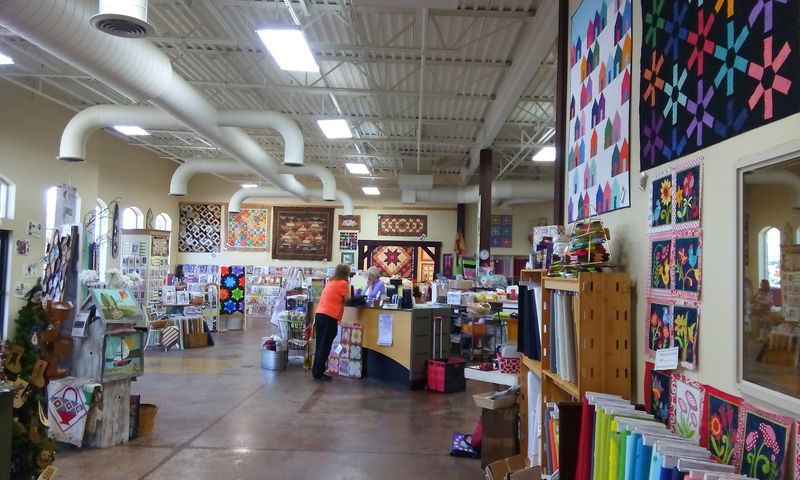
Ask about binding widths, and you will likely get a cheerful answer plus a tip or two. Helpful staff come up more than any other topic when shoppers describe the shop.
Many say the team seems to truly love quilting, and that energy turns even quick errands into something fun. One shopper joked she half expected employees to break into song.
The owner, Laura, has even helped customers choose backing fabric for their quilts.
No shop is perfect on busy days. A few visitors have felt overlooked while staff handled other customers or folded cut fabric, and the owner has responded by promising to share feedback and do better.
It helps to speak up and ask if you need assistance.
Staff knowledge covers fabric, patterns, threads, and machines, so bring your project questions. Pairing fabrics, estimating yardage, and picking the right needle are all fair game.
A short chat at the cutting counter often saves you a return trip, and you may leave with a pattern idea you never considered.
Rewards And Skinny Bolt Bargains
Bargain hunters, take note. The shop runs a loyalty rewards program, so regular visits can add up over time.
Big storewide sales are not common, according to frequent shoppers. Instead, there is a small clearance section worth a quick look each trip.
Fabric there changes, so what you see one month may be gone the next.
The best deal might be the skinny bolts. When a bolt is running low, the shop may offer a discount if you take the remaining fabric.
For quilters who like scrappy projects or need extra for backing, that leftover yardage can be a smart buy.
Planning helps your wallet too. Make a list before you go, measure what you already have at home, and decide on a budget.
With so many tempting prints, it is easy to grab more than a project needs, though most quilters will admit a fabric stash never really feels too big.
Gift shoppers can also check with staff about options for friends who sew. A few fat quarters or a pattern makes a simple present.
Planning A Weekday Or Sunday Stop
Mornings tend to be the easy window. The shop opens daily, with regular daytime hours most of the week and a shorter afternoon schedule on Sundays, so check current hours before driving across the Treasure Valley.
Give yourself time. Between the fabric aisles, the hanging quilts, thread walls, and machine floor, a visit can easily stretch past an hour.
Plan on more if you are matching fabrics for a big project or chatting with staff about machines.
Bring your project notes, swatches, and measurements. A phone photo of your quilt top helps staff point you toward backing and binding options.
If you have a pattern, tuck it in your bag so yardage math is simple.
Travelers coming from farther corners of Idaho, like the Magic Valley or the mountains to the north, can fold a stop into a Boise trip. Shoppers from out of state have bought from the shop at quilting expos and then made a point to visit.
Families with a quilter in the group might pair the trip with lunch nearby, keeping the outing relaxed and unhurried.
Worth The Drive Down Fairview
Walking out with a bag of fat quarters and a new pattern feels like a small victory. That is the quiet promise this west Boise shop keeps for many of its visitors.
The biggest strengths are easy to list. Huge fabric selection, plenty of patterns and kits, standout thread and wool supplies, a machine floor with service, and a classroom that rarely sits empty.
Few places in Idaho pack that much quilting under one roof.
It is not a downtown boutique, despite how many people picture it. It sits a short drive west on Fairview Avenue, and the trip pays off once you see the walls of color.
Service may vary on busy days, so asking for help is a good habit.
Beginners will find kits and classes that make starting less scary. Longtime quilters will find new fabric lines, Sue Spargo supplies, and staff who speak their language.
Anyone who sews, or lives with someone who does, will probably find a reason to return. For the Treasure Valley quilting crowd, it has earned its spot as a regular stop.