This Nebraska City Is Home To One Of America’s Top 50 Hospitals For Gastroenterology And GI Surgery
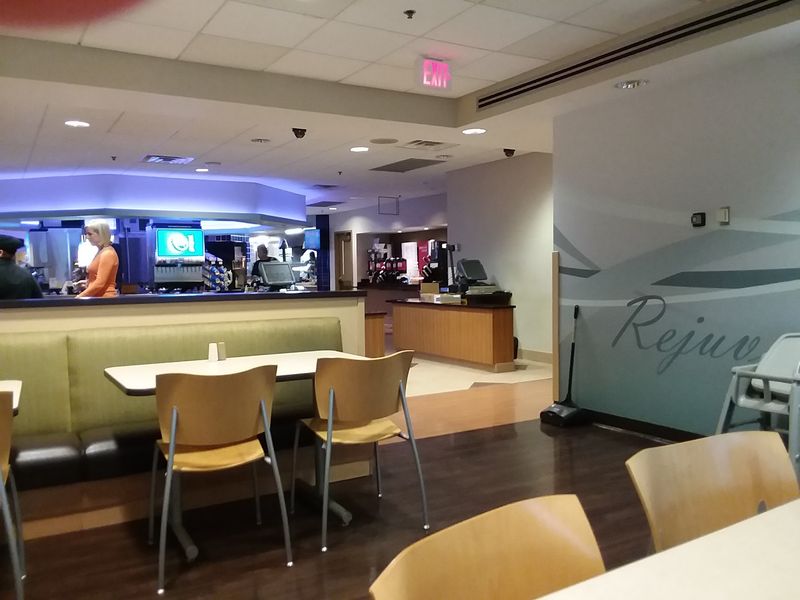
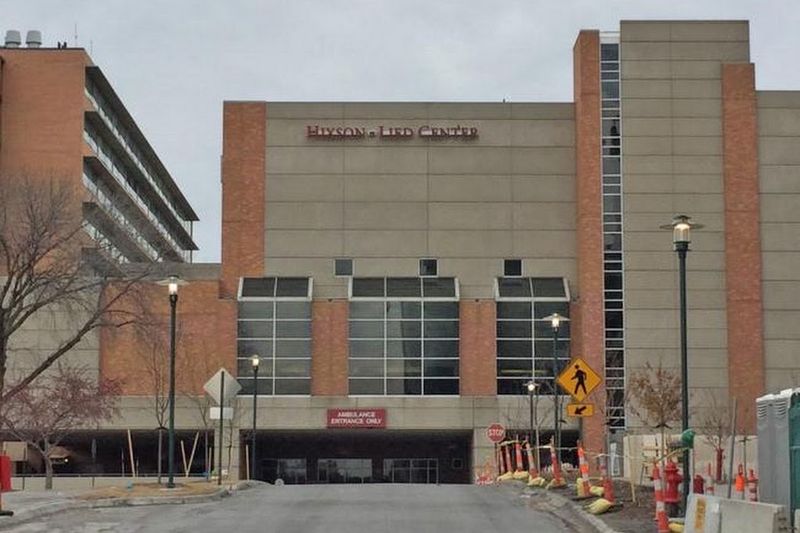
Most people drive past a big hospital campus without giving it a second thought. It looks like brick, glass, parking garages, and busy crosswalks.
Yet one campus in Nebraska has quietly earned a spot among the best in the country for treating the stomach, liver, and digestive system. Here is what makes it stand out, and why it matters to families across the state.
A Medical Campus on Omaha’s Emile Street
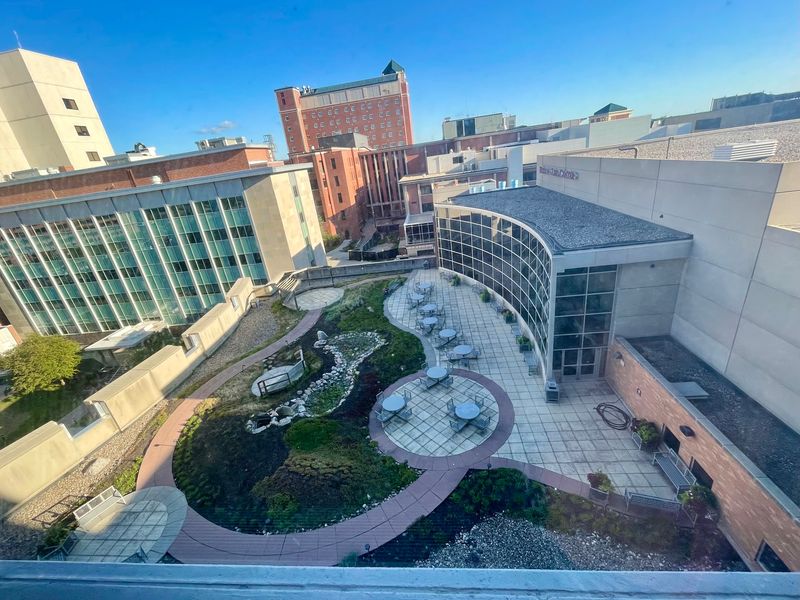
Picture a sprawling cluster of towers, labs, and classrooms near 42nd and Emile Street in Omaha. That is the University of Nebraska Medical Center, the state’s public academic medical campus, where future doctors train and patients arrive around the clock.
Two names show up here, and they can be confusing at first. UNMC is the university side, handling teaching and research.
Patient care on the campus is provided by Nebraska Medicine, the health system that runs the hospital known as Nebraska Medicine – Nebraska Medical Center.
So when a national ranking praises the hospital, it points to the clinical team working side by side with a university. That pairing matters.
Students, residents, researchers, and seasoned specialists share the same hallways, and new ideas can move from the lab to the bedside faster than at many community hospitals.
The campus sits in midtown Omaha, a short drive from downtown and the interstate. For anyone in eastern Nebraska, it is close enough to reach in an afternoon.
For families farther west, it is often the place a local doctor mentions when a digestive problem needs a deeper look.
How Nebraska Landed on a National Top 50 List
Nearly 5,000 hospitals. That is roughly how many U.S.
News and World Report reviews across 15 specialties and 20 procedures and conditions when it builds its yearly rankings.
For 2024, Nebraska Medicine – Nebraska Medical Center in Omaha placed No. 48 in the nation for Gastroenterology and GI Surgery. The program held its top 50 national standing again in 2025.
Gastroenterology and GI Surgery was also named one of two specialties ranked No. 1 in the Omaha metro while sitting among the best in the country.
The streak continued. In the 2026-2027 rankings, published August 4, 2026, the hospital earned a score of 66.2 in the specialty.
That list evaluated 960 gastroenterology hospitals, which gives a sense of how crowded the field is.
Staying near the top year after year takes more than a single strong season. It points to steady teams, dependable outcomes, and a program built to last.
For a state that often gets overlooked on national maps, seeing Omaha listed next to big coastal names is a genuine point of Nebraska pride.
What Gastroenterology Covers
Heartburn that never quits. A liver test that comes back strange.
Stomach pain that keeps a person up at night. All of these land in the world of gastroenterology.
Gastroenterology is the branch of medicine that focuses on the digestive tract. That includes the esophagus, stomach, small and large intestines, liver, pancreas, and gallbladder.
Specialists in this field diagnose problems, often using scopes and imaging, and manage long-term conditions with medicine and follow-up care.
GI surgery is the partner field. When a problem needs an operation, surgeons step in to repair, remove, or reconstruct parts of the digestive system.
Having both groups at one hospital can make a big difference, since patients can move from diagnosis to treatment without starting over somewhere new.
Why should the average Nebraskan care? Digestive trouble is extremely common, and some of it is serious.
Knowing there is a nationally recognized program within driving distance may help people feel less alone when a local clinic says the next step is a specialist. It turns a scary referral into a clear destination.
Teaching Hospital Advantages
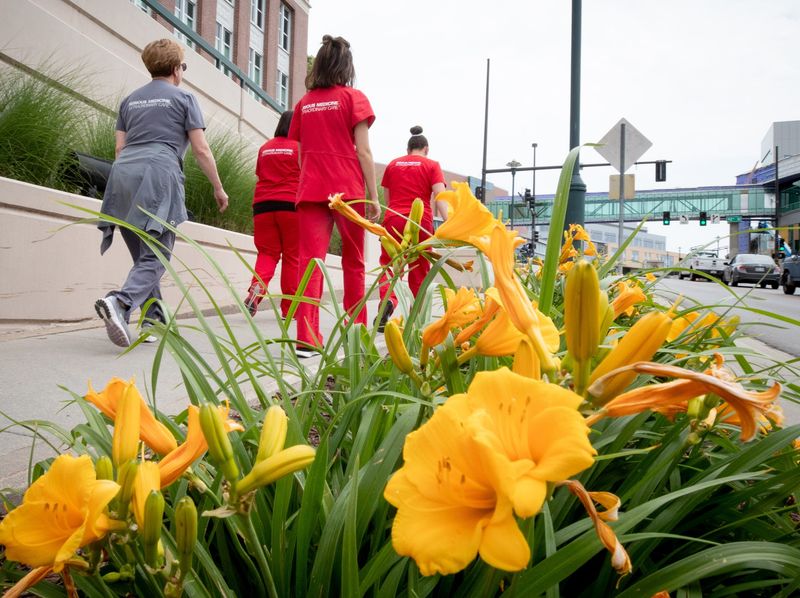
Walk down a corridor here and a small crowd in white coats may pass by, clipboards and tablets in hand. They are residents and students following an attending physician on rounds.
That is the everyday rhythm of an academic medical center. Learners work under experienced doctors, and cases get discussed from several angles.
A patient may meet more people than at a small clinic, which can feel like a lot, but it also means extra eyes on tricky problems.
Research lives on the same campus. University scientists study diseases, test new approaches, and train the next wave of specialists.
For conditions of the stomach and liver, that connection can open doors to treatments and expertise that smaller hospitals may not offer.
There is a practical side too. Many doctors who train in Omaha go on to practice in towns across Nebraska.
So even a family in Scottsbluff or Norfolk may be seeing a physician whose skills were sharpened on this campus. In a quiet way, the medical center shapes care statewide, well beyond its own buildings.
Transplants, Strokes, and Other Specialties
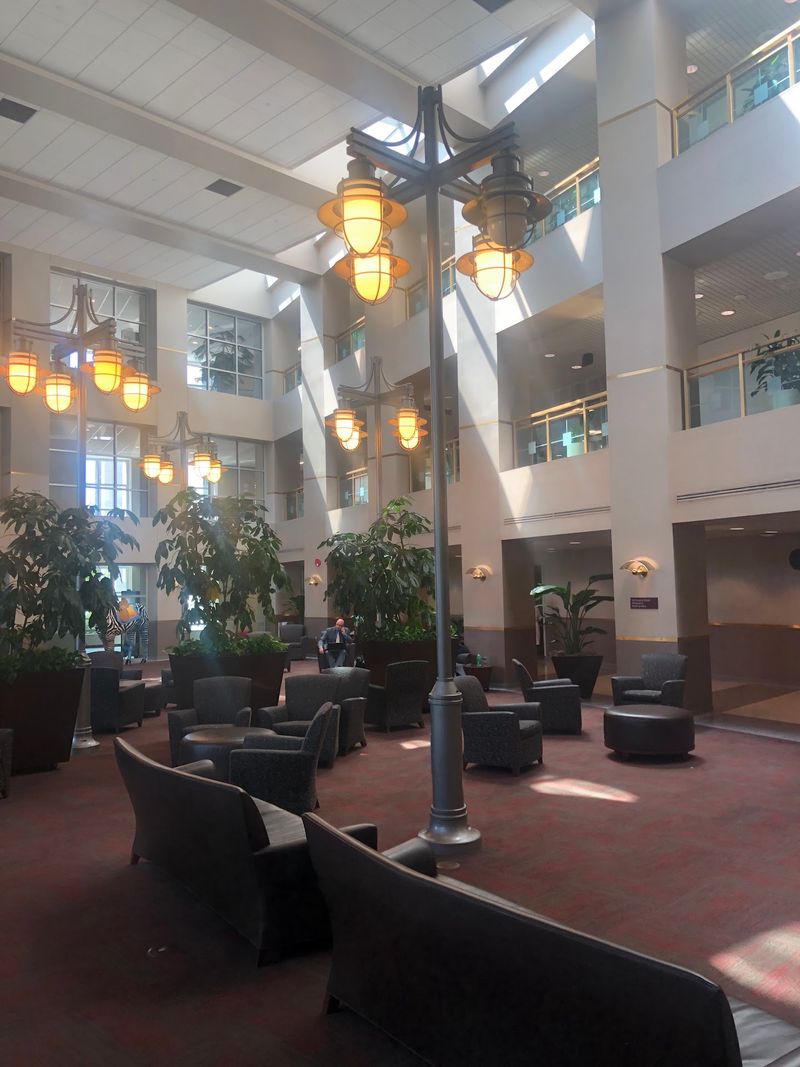
Kidney transplants come up often when people talk about this hospital. So do stroke care, pain management, heart surgery, eye care, and dermatology.
The digestive program does not operate in a bubble. A large academic hospital brings many specialties under one roof, and that breadth supports GI care in ways that are easy to miss.
Liver disease, for example, can overlap with transplant medicine, and complex surgeries often call for strong anesthesia, imaging, and intensive care teams.
Surgeons here also take on difficult repeat cases. One patient credited Dr. Bauman with removing a problem implant and straightening a sternum after several earlier heart operations elsewhere.
Another had a long-awaited hysterectomy with Dr. Katherine Lessman, who checked in afterward through the patient portal.
Lung transplants, emergency sepsis surgery, and stroke recovery with rehab also appear in patient stories. The picture that forms is of a place that handles the hard cases, the ones that get referred in from other hospitals.
For Nebraska families, that means the most complicated problems often do not require a flight out of state.
Nurses Who Go the Extra Mile
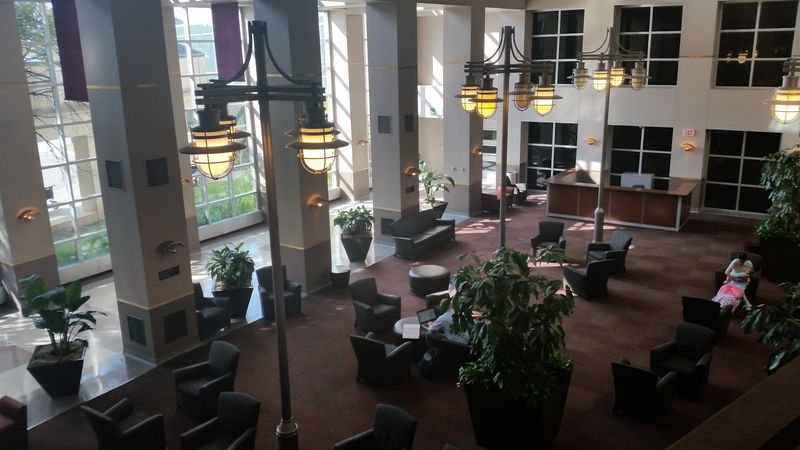
A nurse braiding a patient’s hair. It is a small gesture, yet it says plenty about how some staff treat the people in their care.
Caring staff is the single most common theme tied to this hospital. Nurses named Lisa and Kelli have been singled out for kindness and skill, and doctors are described as professional and knowledgeable.
One patient who arrived with sepsis, then needed surgery and stroke treatment, left and moved on to rehab, praising the team despite short staffing.
The hospital’s motto points to extreme medicine and extraordinary care. At its best, that means comfort as well as treatment.
Warm bedside manner, clear explanations, and follow-up messages all shape how a stay feels.
Honesty matters here as well. Experiences are not uniform, and some patients have waited long for call lights or felt unheard.
Staffing pressure is real at many large hospitals, and this one is no exception. Still, the steady stream of thanks aimed at individual nurses shows that the human side of care is alive and well on Emile Street.
The Feel of a Big-City Hospital
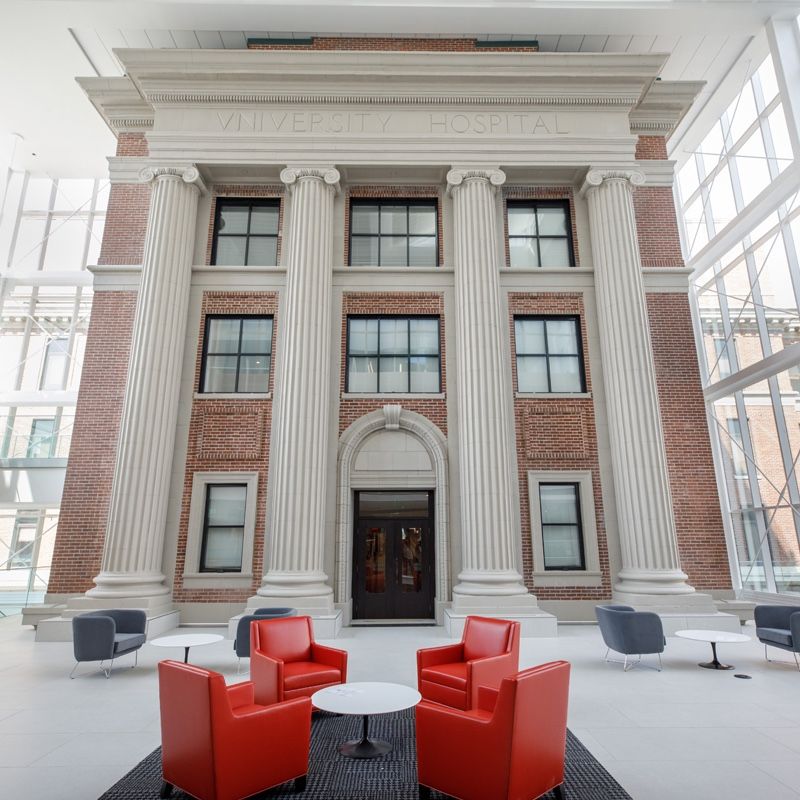
How big is too big? For some patients, the size of this campus is comforting, since nearly every specialist seems to be somewhere nearby.
Towers like Clarkson Tower rise above the grounds, and clinics spread across multiple buildings and levels. The eye clinic alone has three levels.
Patient rooms in some units are roomy enough for a couch and several chairs, although visitor limits may apply depending on the unit.
The mood shifts by area. Clinics during weekday hours feel steady and scheduled, while the emergency department runs on its own clock with waits that can stretch for hours when it is busy.
Beds can fill up, so admission from the ER may take longer than expected.
It suits people facing complex or serious conditions who value having experts in one place. It may feel overwhelming for someone used to a small-town clinic where the receptionist knows everyone by name.
Bringing a list of questions and a support person can make the visit smoother, especially on a first trip to the campus.
Billing Questions to Ask Up Front
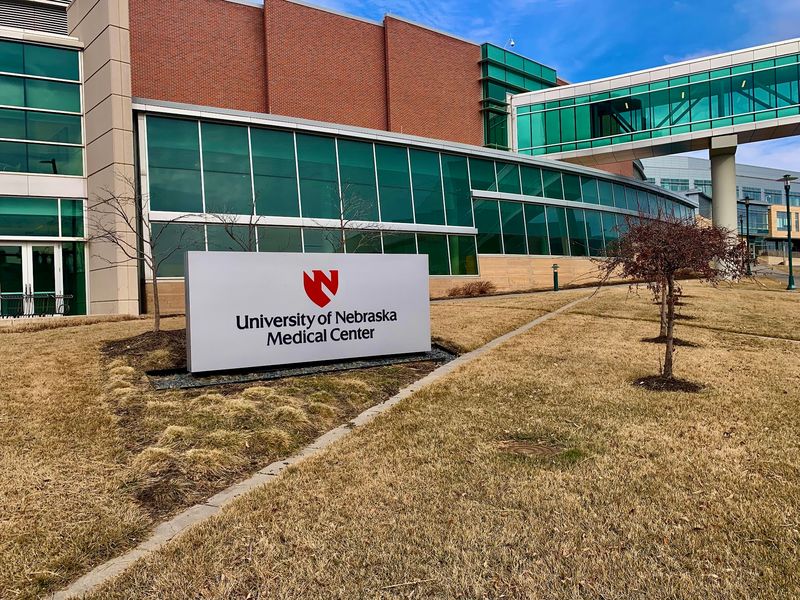
Sticker shock can hit after a visit, and it pays to plan ahead. Some specialist appointments at this campus are billed with hospital fees added on top of the physician charge, because those clinics operate in combination with the medical center.
That setup can raise out-of-pocket costs compared with a standalone office. Patients have reported co-pays jumping sharply for the same kind of visit they once paid less for, and charges for patient portal messages that other clinics provide free.
None of this is unusual for hospital-based clinics across the country, yet it surprises many people. A few simple steps may help:
Ask whether the clinic bills as a hospital outpatient department. Call your insurance company before a test or procedure to check coverage.
Request a cost estimate when possible, especially for allergy testing, imaging, or anything scheduled in advance.
For questions or concerns about care, Nebraska Medicine directs people to its Patient Relations team. Knowing the rules going in can save stress later and keep attention where it belongs, on getting better.
Parking, Drop-Offs, and Wheelchair Access
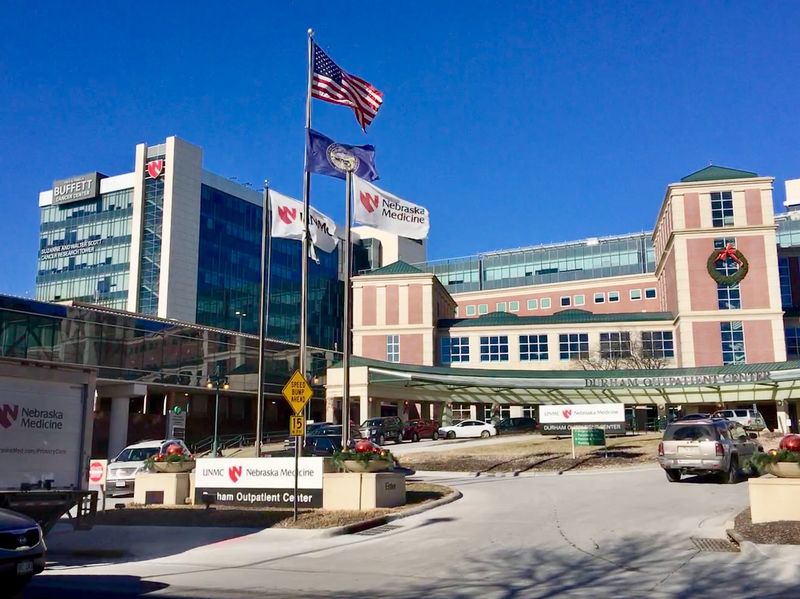
Cars lined up for valet can block the front curb at the main entrance, and that is worth knowing before arriving with someone who uses a wheelchair.
Parking is one of the trickiest parts of a visit. Drop-offs can be tight when the valet line is long, and accessible access is not always simple.
Leaving extra time is the easiest fix. Arriving fifteen or twenty minutes early can turn a rushed scramble into a calm walk inside.
Here are a few practical tips. Check which building your appointment is in, since the campus spreads across several towers and clinics.
Ask the clinic ahead of time about the closest entrance and any accessible drop-off points. In winter, dress for Omaha wind and icy lots.
A lighter moment: one patient once spotted a broom leaning against a handicap parking sign in the first row, likely left behind after someone swept snow off a car. It is a very Nebraska winter scene.
With a little planning, getting from the car to the check-in desk becomes the least of your worries.
Open Around the Clock
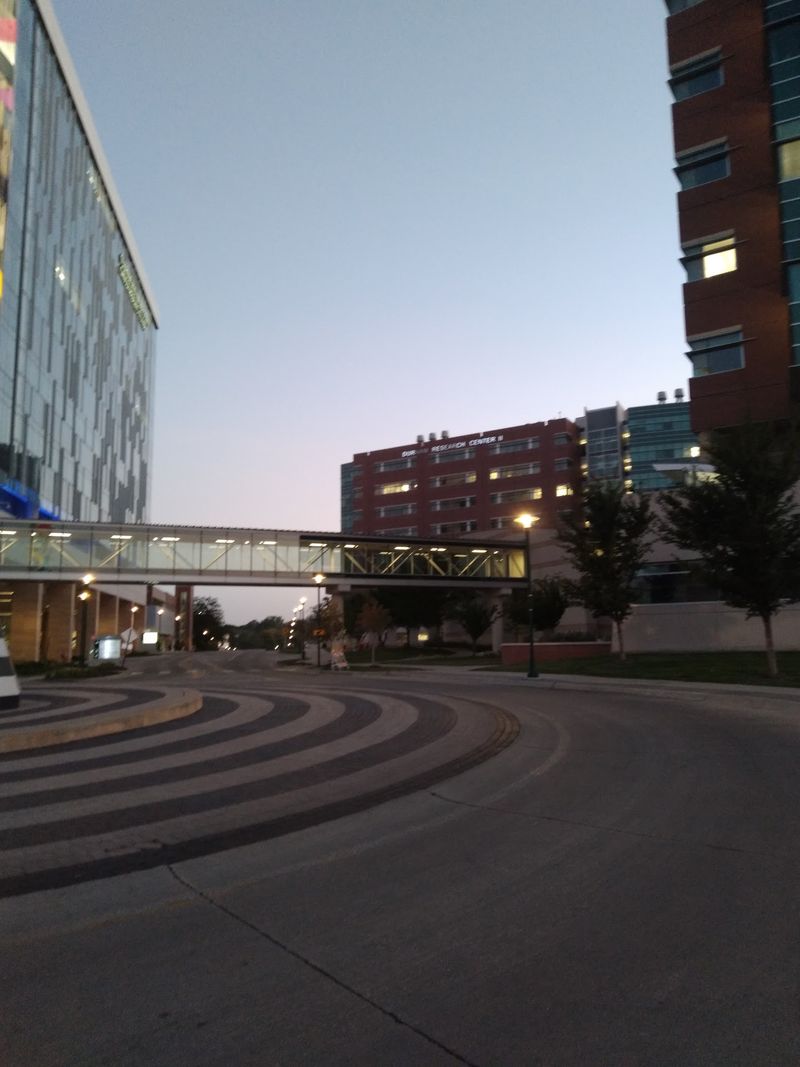
Midnight or noon, the doors stay open. The hospital operates 24 hours a day, every day of the week, including weekends.
Scheduled GI appointments, scopes, and clinic visits follow their own office schedules, so confirm times directly with the specific clinic. The emergency department, however, is always staffed.
Patients also arrive by transfer from other hospitals, including nearby Bellevue, when a case needs a higher level of care.
Getting there is fairly direct. The campus sits near 42nd and Emile Street in midtown Omaha, a short hop from Dodge Street and the interstate system.
From Lincoln, it is roughly an hour’s drive, making it reachable in a single outing for much of eastern Nebraska.
Referrals can take some patience. Some people have had trouble confirming that a referral was received, so it helps to call, then follow up, and ask your local doctor’s office to confirm it was sent.
Requests like a wide bore MRI scanner for claustrophobia may require asking early and specifically. A little persistence goes a long way at any large system.
A Point of Pride for Omaha

Top 50 in the nation, year after year, from a campus in the middle of Nebraska. That is a record few states this size can match.
The gastroenterology and GI surgery program has earned national recognition in 2024, 2025, and again in the 2026-2027 rankings. Pair that with transplant expertise, a teaching mission, and staff who braid hair and check in after surgery, and the picture becomes clear.
Serious digestive care does not require leaving the state.
It is not perfect. Parking can be a headache, bills deserve a close look, and busy days can mean long waits.
Going in prepared, with questions written down and insurance checked, may make the whole experience easier.
For anyone who has driven past those towers on the way through midtown, they now carry a little more meaning. Inside, specialists are solving problems that once sent Nebraskans hundreds of miles away.
Omaha has built something the rest of the country is noticing, and families from Grand Island to Falls City can count it as their own.