Hundreds Of Sandhill Cranes Leave But This Nebraska River Center Keeps Its Blind Open All Year
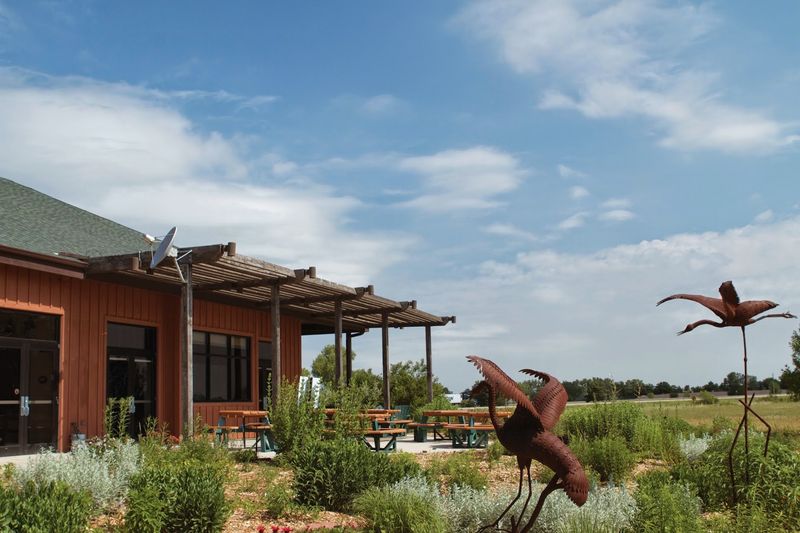
A quick exit off the interstate for gas can turn into the best part of a Nebraska road trip. Out past the cornfields sits a low building beside the Platte River, and behind it roams a herd of bison.
Most people picture this stretch of river only when the cranes pour in each spring. Stay a little longer, though, and you find a place that keeps its doors, trails, and prairie open long after the big flocks fly north.
A Prairie Stop Right Off Interstate 80
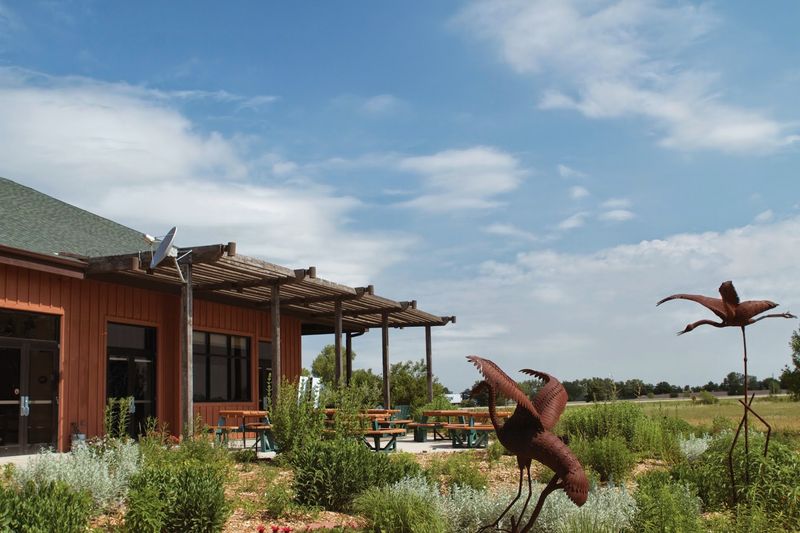
Picture the long, flat run of Interstate 80 through central Nebraska, and then picture a sign pointing toward cranes. Follow it south on Alda Road near Wood River, and the Crane Trust Nature and Visitor Center appears on open grassland close to the Platte River.
The center is the public front door of the Crane Trust, a conservation group that cares for a large stretch of river and prairie. Its land covers roughly 6,000 acres, with trails, pastures, and river channels spreading out from the building.
Inside, you find an art gallery, exhibits, a gift shop, snacks, and clean restrooms.
Why does it matter for a traveler with only an hour? Because it is one of the easiest nature stops along the whole interstate.
You can stretch your legs, refill water bottles, learn something new, and still get back on the road without losing your afternoon.
Plenty of drivers have passed the sign for years before finally pulling in. Once they do, the stop usually grows longer than planned.
The bison alone tend to see to that, and the trails finish the job.
The River That Bends Like an Hourglass
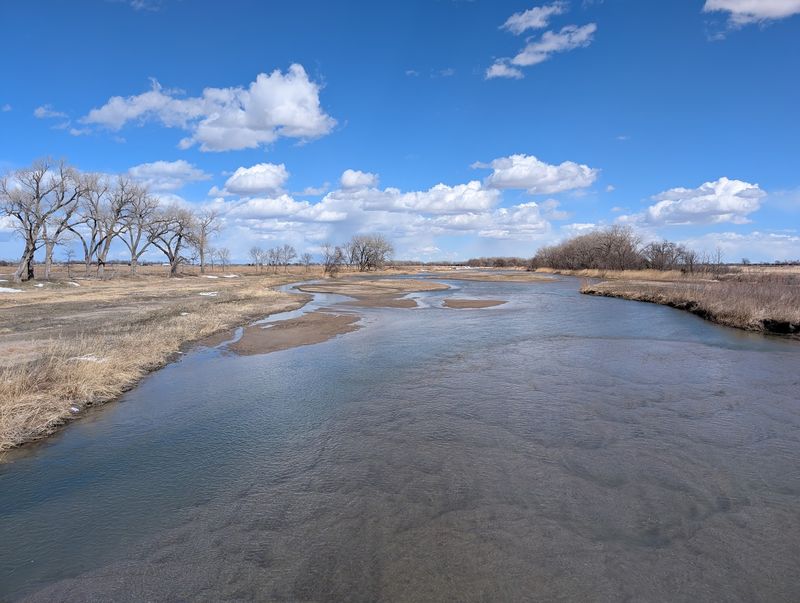
Here is a fact that changes how you see the map. Migrating sandhill cranes funnel through a narrow section of the Platte River, and a stretch of about five miles near the center sits at the pinched middle of that hourglass shape.
The Platte is wide, shallow, and braided into many small channels. Sandbars poke up between them, giving cranes safe places to stand overnight in the water.
Nearby fields offer leftover grain to fuel the long trip north.
From late February into April, the river fills with birds. On one March day, counts climbed past 750,000 cranes on this part of the Platte, a number hard to wrap your head around even after you see it.
The Crane Trust exists to protect this habitat so the birds keep coming back. That work means managing grasslands, guarding wet meadows, and keeping the river channels open.
When you walk the property, you are standing on land shaped by that mission.
So the building is more than a gift shop by the highway. It sits at one of the most important river bends on the continent for these birds.
Spring Crane Season at the Blinds
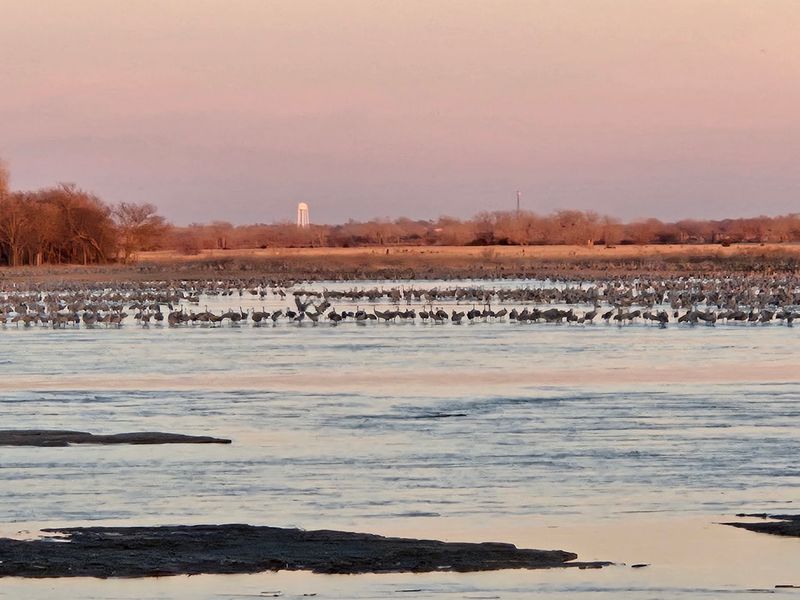
Dusk falls, the wind drops, and a low rattling call rolls across the water. Then come the cranes, wave after wave of gray wings settling onto the sandbars for the night.
Guided blind tours run in the spring, and they come in evening and morning versions. You sit inside a viewing blind near the river while a guide explains what you are watching.
Guides here bring plenty of knowledge and real excitement about both the wildlife and the Trust itself.
Timing matters more than anything. Spring weather in Nebraska swings wildly, and a warm March can push the birds north faster than usual.
Booking earlier in March gives you better odds of a crowded river.
Staff call spring their Super Bowl season, and the energy fits. Tours fill, the building buzzes, and cars line the country roads with people scanning the fields.
One helpful tip: cranes feed in cornfields along Interstate 80 during the day, so watching the farmland on the drive in can add to the experience. Tens of thousands sometimes gather in those fields by late March.
Overnight VIP Cabins and Heated Blinds
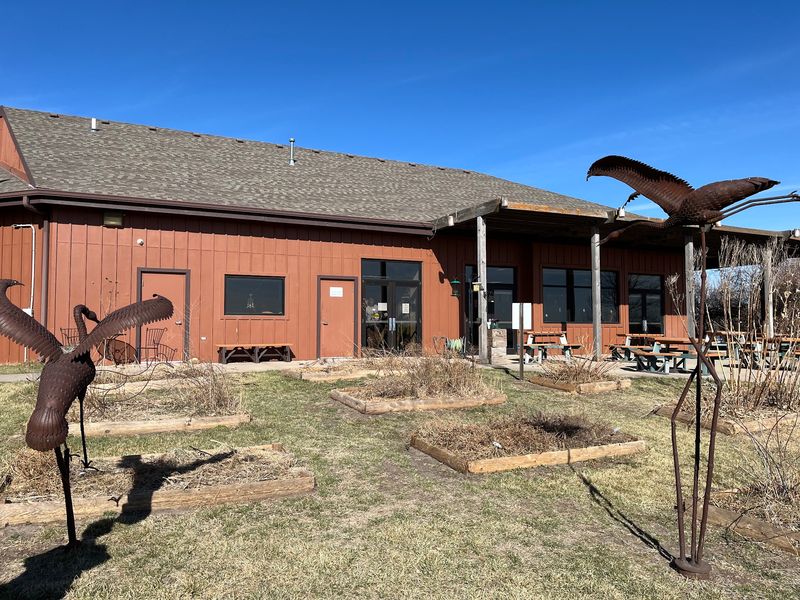
Most crane trips end when the light fades. The VIP overnight experience keeps going, letting you watch cranes land at the end of the day and lift off again at daybreak.
Guests stay in cabins stocked with what you need for a comfortable night. Meals are part of the package, and the viewing blinds are heated, a welcome detail on a frosty spring morning beside the river.
Beyond cranes, the overnight trips often turn up bald eagles, snow geese, and ducks. The staff rotate through, and each person has a specialty.
One might explain migration routes, while another walks you through how the bison herd is managed over breakfast.
That mix of general knowledge and deep expertise sets the program apart. You can ask a broad question and then follow it down into the details with the right person.
The overnight option suits people who want more than a quick glimpse. It takes the rush out of the experience.
Instead of hurrying in and out, you get two crane flights, quiet time on the prairie, and long conversations with people who spend their working lives on this land.
Bison Grazing Beside the Front Door
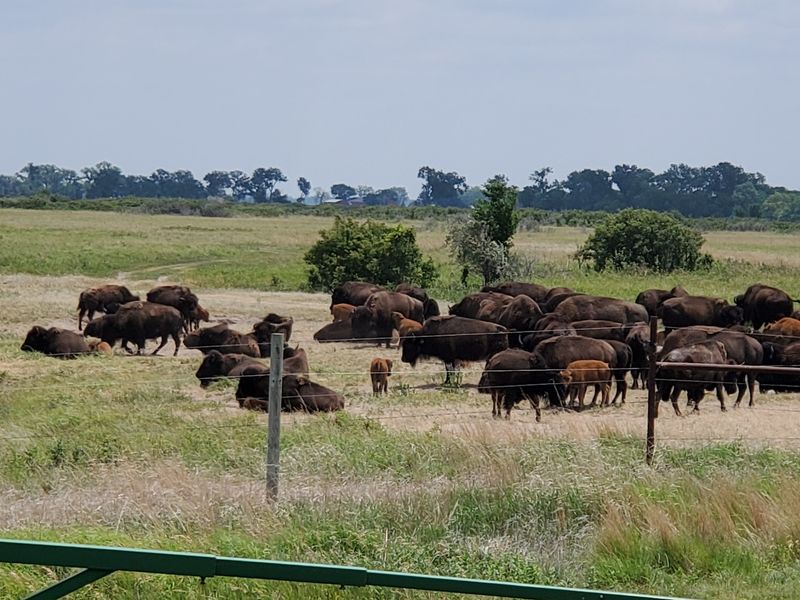
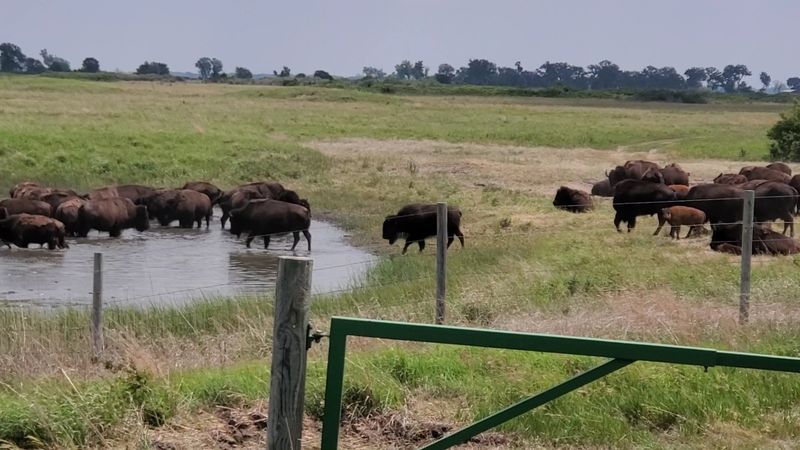
Cranes get the headlines, yet the bison steal plenty of hearts. A herd of roughly 150 animals lives on the property, spread across pastures covering about 1,500 acres.
Sometimes the herd wanders right up near the visitor center. Other days you walk a trail out toward the fields to find them.
Either way, seeing these massive, shaggy animals on open Nebraska grassland feels like a glimpse of the old prairie.
The bison are not there just for show. Grazing helps shape the grasslands, keeping the habitat healthy for birds and other wildlife.
Staff manage the herd carefully, and they enjoy explaining how it all works.
Plenty of people stop by several times before realizing bison live here at all. It is the kind of discovery that turns a quick break into a longer walk.
The Trust also hosts bison events through the year. Past gatherings have included a free hayride to see the herd, ending with s’mores around a firepit.
Another featured bison viewing with live music and food trucks. Those events give families a fun reason to come back when the cranes are long gone.
Trails, Footbridges, and an Observation Tower
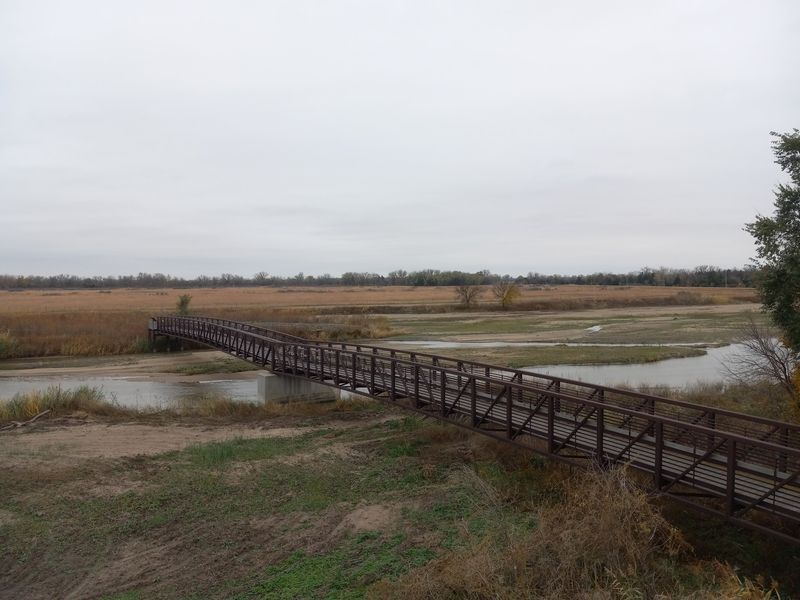
Grass brushes your shins, a footbridge creaks under your boots, and the Platte glints just ahead. A few miles of nature trails loop across the preserve, easy to find and simple to follow.
One trail leads straight to the river, crossing channels on footbridges. Another prairie path heads toward the bison pastures, and you can walk as much or as little as your schedule allows.
An observation tower gives you a higher look across the land. From the top, the wide sweep of grassland and river channels makes more sense than it does from ground level.
Near the door sits a basket of bug spray and sunscreen for anyone heading out. It is a small touch, though a thoughtful one, especially in summer.
The trails are a big reason the center works year-round. Spring belongs to cranes, but summer brings green grass and wildflowers, while fall paints the prairie gold.
Birdwatching stays good through every season, even for people who are not crane fans. There is also a monarch butterfly sanctuary on the grounds, which adds another reason to slow down and look closely.
Gallery Walls Full of Wings
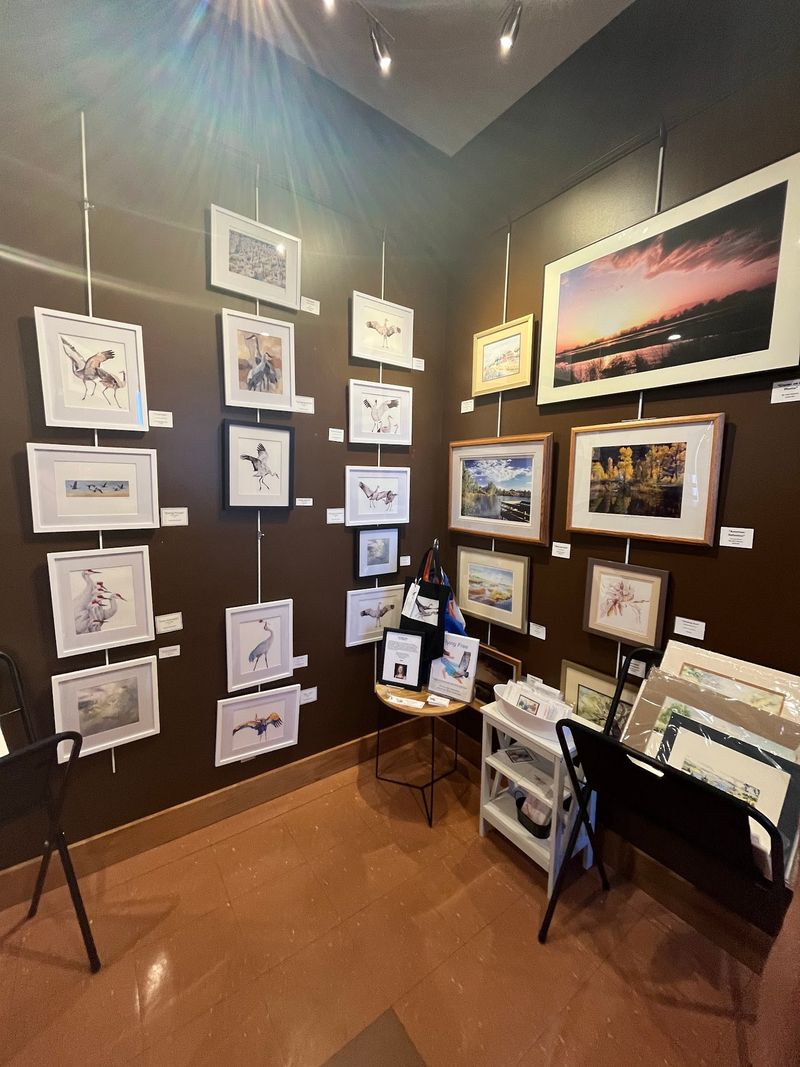
Walk inside and the walls take over. Paintings, portraits, and large photographs fill the gallery, many showing cranes, bison, and the prairie you just crossed in the parking lot.
Much of the art is for sale. Buying a framed photo or painting supports the Trust, which turns a souvenir into a small piece of conservation work hanging in your living room.
Taxidermy displays add another layer, letting kids see bird details up close that would be impossible to spot in the wild. Interpretive exhibits explain the land, the animals, and the reasons the Platte matters so much.
There is also an educational film, a good way to learn the migration story before heading outside. Volunteers greet people at the door and give a short orientation, then let everyone explore at their own pace.
The gift shop is well stocked with books, keepsakes, and crane-themed treasures. Snacks are available too, handy for travelers mid-drive.
Before you leave, you can fill out a postcard at the center, and staff will mail it for you. It is an old-fashioned touch that fits the place well.
Origami Cranes and Backseat Coloring Sheets
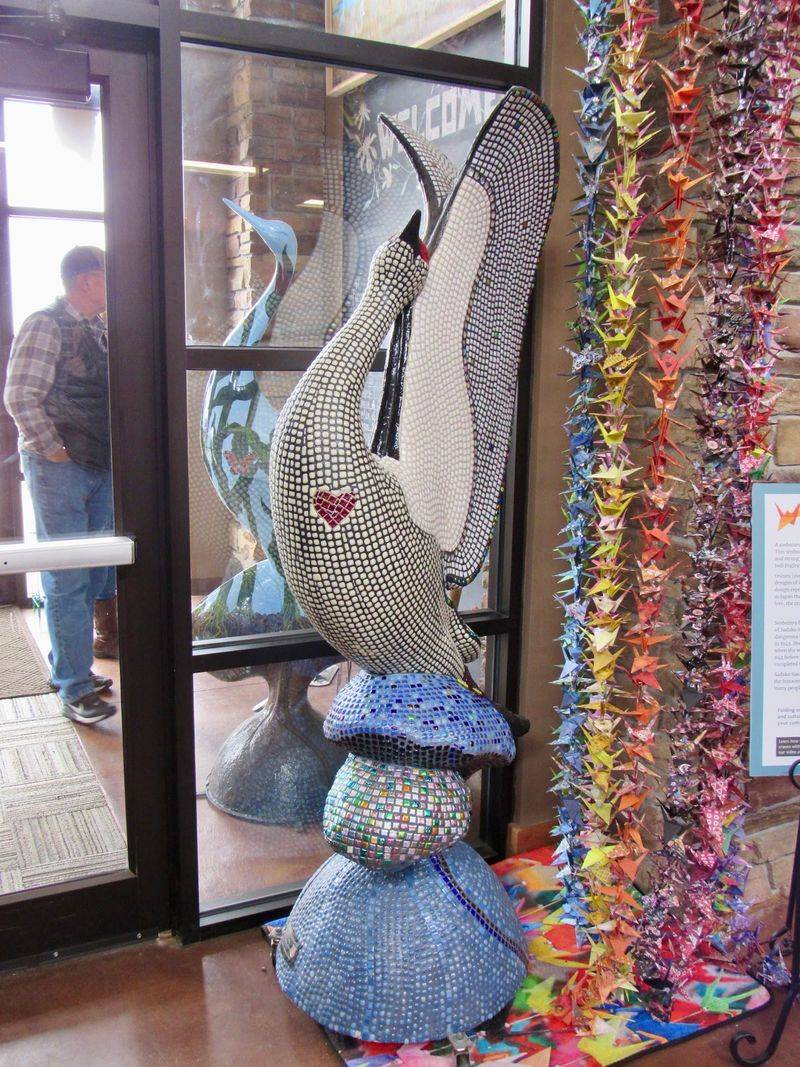
Long drives across Nebraska can test any kid’s patience. Here, children get a real break with hands-on activities, crafts, and plenty of room to learn.
Folding paper origami cranes is a favorite activity. Kids also pick up coloring sheets and activity pages to take back to the car, which helps the miles pass a little faster.
Exhibits explain why cranes come to this area each spring and how their migration works. Children who learn that story inside often run outside eager to look for the birds themselves, or to spot the bison in the field.
Homeschooling families find the center a natural fit for a learning day. The mix of film, displays, crafts, and trails covers science, geography, and art in one visit.
Practical comforts help too. Restrooms are clean, water bottles can be refilled, and staff are happy to answer every question a curious child can think up.
For parents, the best part might be how easily the stop fits into a trip. It costs little time, wears out restless legs, and sends everyone back on the road a bit wiser.
Planning Your Visit to the Wood River Center
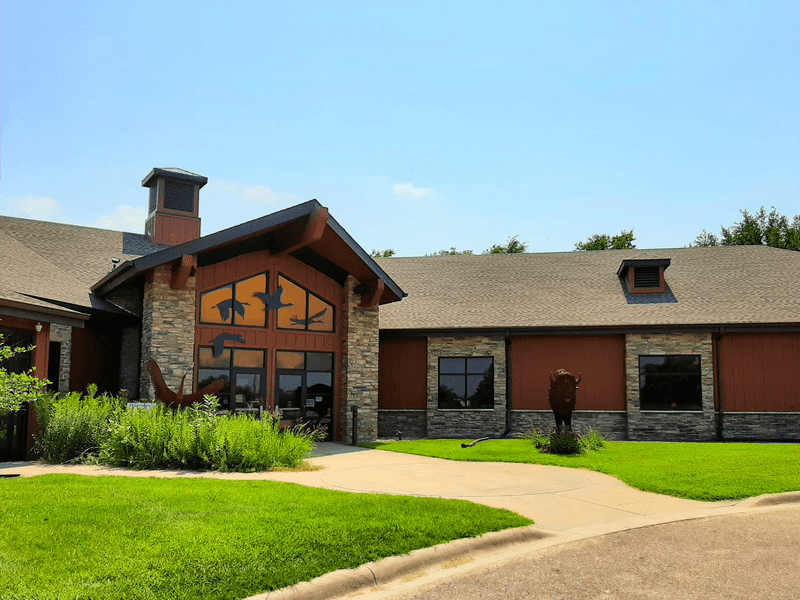
Getting here is simple. The center sits at 9325 Alda Road South near Wood River, just a short hop from an Interstate 80 exit in central Nebraska.
The building opens in the morning and closes in the afternoon on most days, and it stays closed on Sundays. Check the Crane Trust schedule before you go, especially during spring when tours and events shift.
Spring blind tours carry a fee and require a reservation. Booking early in the season improves your chances of seeing large crowds of cranes on the river.
If plans change, staff are willing to help reschedule.
Parking is generally roomy enough for an RV, though anyone towing a long trailer should drive in carefully, since tight spots can happen on busy days. Cell signal holds up across much of the property.
Bring layers in spring, sturdy shoes for the trails, and binoculars if you own a pair. Summer calls for a hat and that bug spray by the door.
Membership is available for anyone who wants to support crane conservation year after year, and the gift shop offers another simple way to give back.
Why the Doors Stay Open After the Flocks Fly
Spring may be the loud season, but the quieter months hold their own rewards. Once the cranes leave, the prairie belongs to bison, songbirds, butterflies, and anyone willing to walk a trail.
Few places along Interstate 80 pack so much into one stop. You get art, wildlife, a river walk, kids’ crafts, and a lesson in why central Nebraska matters to birds traveling across the continent.
Time it right in March and you may witness one of the great wildlife gatherings on Earth. Arrive in July or October, and you still find the herd grazing, the tower waiting, and volunteers ready to talk about the land.
Is it a destination or a rest stop? Honestly, it can be either.
A twenty-minute break works fine, though a full afternoon fits better.
Next time that Crane Trust sign flashes past your window, consider taking the exit. The cranes might be thousands of miles north, yet the river, the prairie, and the bison will be right where they always are, ready to make a long drive feel a lot shorter.