This Tiny California Heritage Orchard Lets You Press Your Own Fresh Apple Cider This Fall
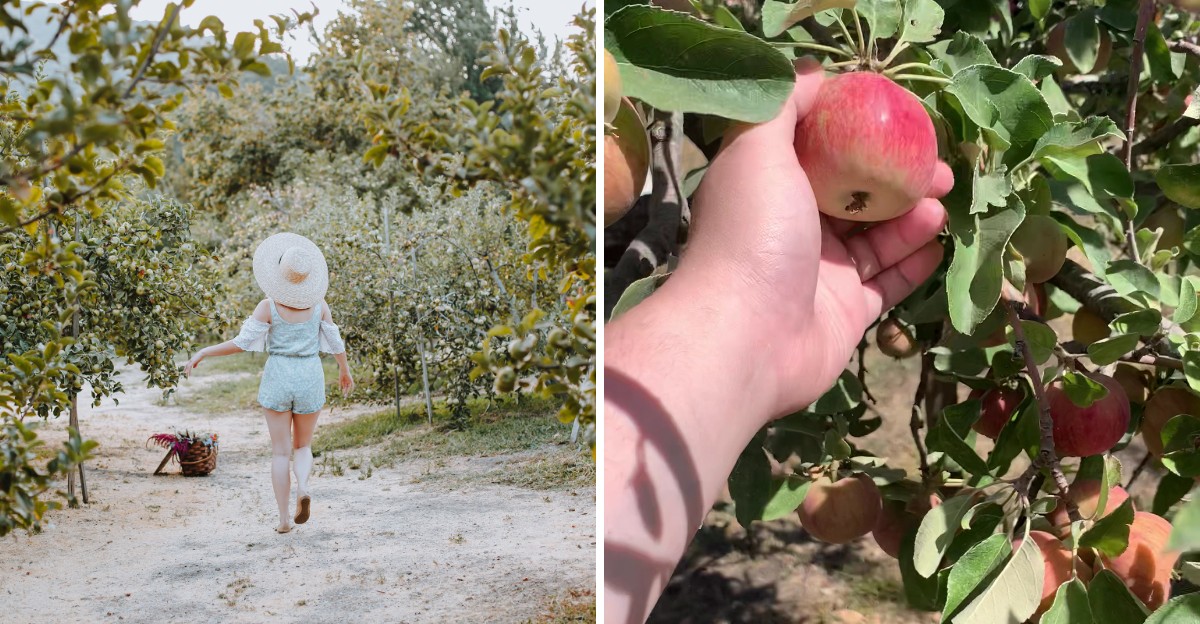
Fresh apple cider already tastes like fall, but making it yourself adds a little more satisfaction to every glass.
Instead of simply grabbing a jug and heading home, visitors here can get involved in turning orchard apples into the good stuff.
The experience brings an old-fashioned harvest tradition back to life in a way that feels much more memorable than another seasonal grocery run.
There is something wonderfully simple about apples, a cider press, and the reward waiting once the work is finished.
Fall in California gets a lot more hands-on when you are the one helping turn fresh apples into cider.
The orchard’s smaller scale adds to the appeal. This feels like spending time somewhere that genuinely cares about old fruit varieties and traditional farming.
Crank Out A Jug Of Fresh Cider
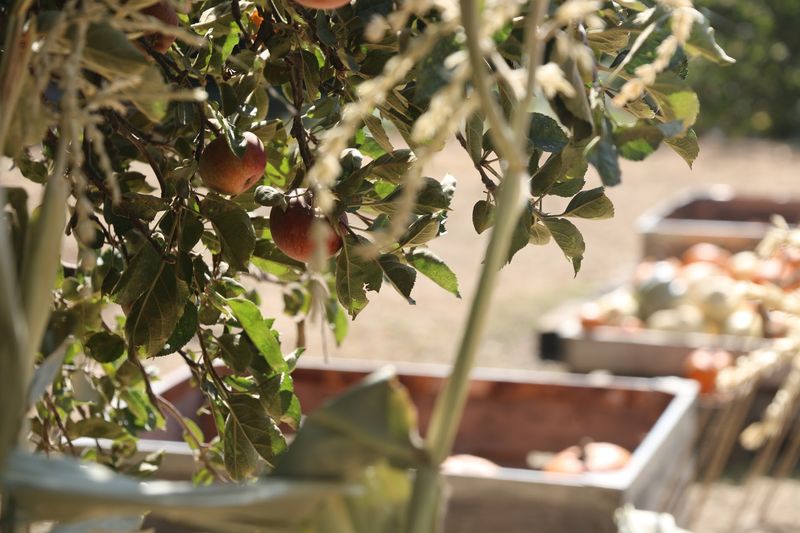
Few fall activities feel as satisfying as watching apple juice pour from a press you turned by hand. Open Farm Days give visitors a chance to use the farm’s cider setup for private pressing.
The finished cider goes home with you, which makes it a sweet souvenir from the mountains.
These pressing days are usually scheduled every other weekend in October and November.
Availability depends on the season’s apples, so pressing continues only until the crop runs out. Arriving earlier in the day may be wise, since supplies can be limited in a small harvest year like 2026.
The Apple Fair handles cider a bit differently. Guests join a group pressing workshop, and everyone enjoys a tasting afterward.
Individual gallons are not pressed during that workshop, so plan around Open Farm Days if a take-home jug is the goal.
Fresh cider has a cloudy look and a bright, tangy flavor that bottled juice rarely matches. It contains no added sugar when made straight from apples, so the taste changes with the fruit used.
Bringing a cooler for the drive home can help keep the cider cold and fresh.
Unpasteurized cider usually lasts only a short time in the refrigerator, so plan to enjoy it within several days.
The best part is simple, since every sip connects back to the moment the press turned.
A Vintage Press With Old-Time Charm
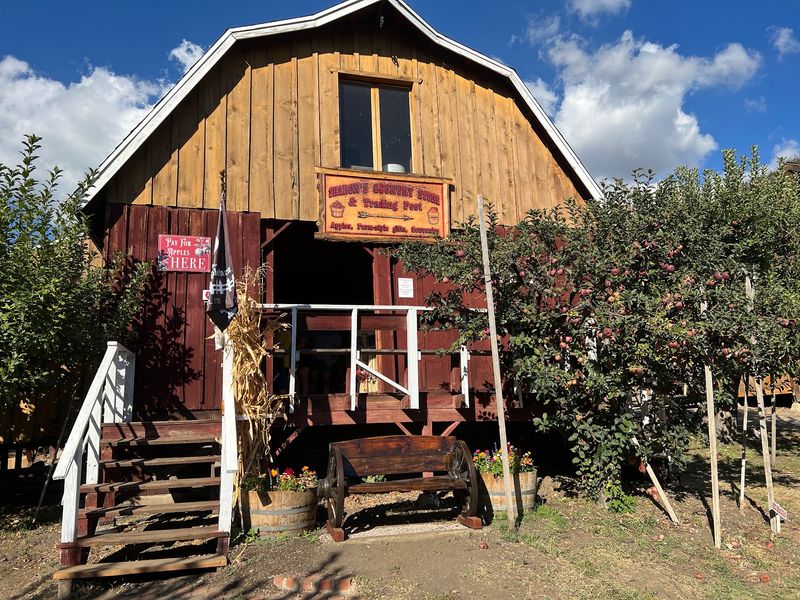
Old machines have a way of slowing people down in the best sense. During the Apple Fair workshop, guests gather around a vintage fruit press and a selection of heritage apples.
The setup feels closer to an old harvest day than a quick stop at a farm stand. Presses like this work with simple pressure rather than electric motors.
Apples are first broken into a coarse mash, then squeezed until the juice trickles out.
Hearing the wood creak and feeling the resistance of the crank gives a real sense of how much effort goes into each cup.
Here is a fun bit of history. Cider was a common everyday drink on early American farms, partly because apples stored well and juice could be made at home.
Using an older press connects visitors to that long tradition in a hands-on way.
Adults may enjoy comparing how different heritage apples change the color and taste of the final cider.
Group workshops also create an easy, friendly mood among strangers. Everyone takes a turn, and everyone shares the tasting at the end.
Small Farm, Big Personality
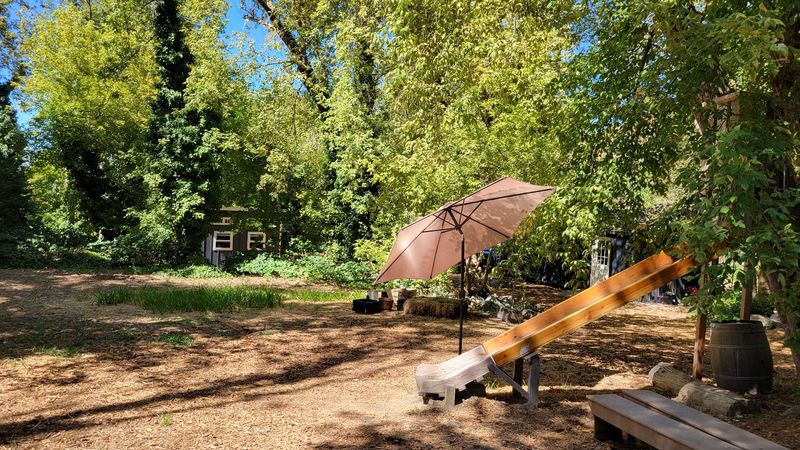
Size changes everything about how a farm visit feels. Stone Soup is a three-acre micro-farm rather than a sprawling commercial orchard.
The grounds hold an heirloom apple orchard, cottage gardens, and seasonal displays within an easy walk. Compact spaces often mean less time hiking between activities.
Families with small children or visitors who prefer a gentle pace may appreciate how close everything sits together.
A short stroll can lead from the orchard rows to flower beds and shaded seating areas. The atmosphere generally feels calmer than at larger orchards along the same road.
Crowds still depend on the day and the event, so quiet moments are never guaranteed.
Limited Apple Fair capacity helps keep the grounds from feeling packed during ticketed weekends.
Sensory details stand out more on a small farm. Visitors might notice the rustle of leaves, the smell of ripe fruit, or the cool shade beneath the trees.
A small creek runs along the back edge, adding a soft sound to the setting.
Comfortable walking shoes are still a good idea since paths are natural ground rather than pavement.
Rare Apples Worth Tasting
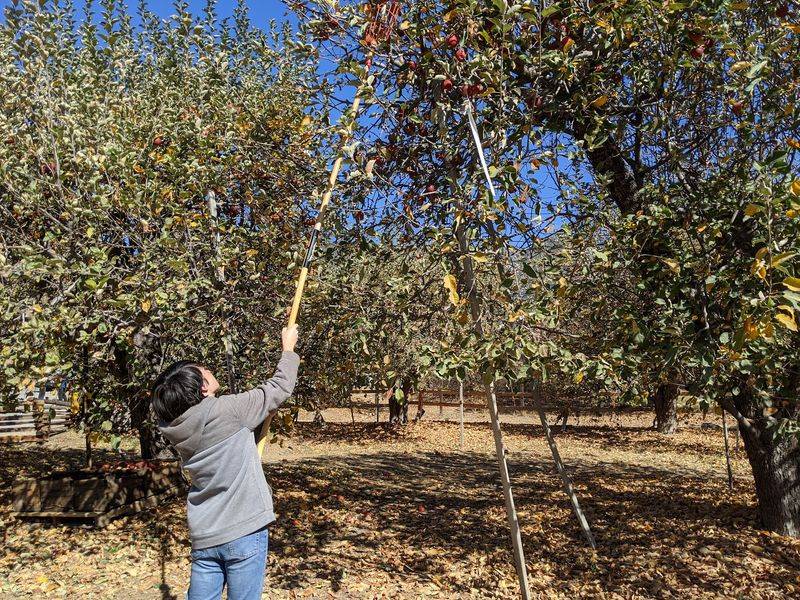
Most grocery stores carry only a handful of apple types, yet thousands of varieties have existed over time. The Apple Fair includes a heritage apple tasting focused on lesser-known kinds.
Guests sample organic heirloom apples and learn why keeping older varieties alive matters. Heritage apples can taste wildly different from familiar store options.
Some may be tart and crisp, while others might feel soft, spicy, or almost honey-like. Paying attention to texture and aroma can make the tasting more fun.
Conversations during the session touch on reviving regional landscapes.
Older fruit trees carry genetic traits that might help orchards handle changing conditions in the future. Preserving them also protects flavors that could otherwise disappear.
A simple trick helps when sampling many apples in a row. Taking a small sip of water between bites keeps the flavors from blending together.
Writing down favorites on a phone note can help with future shopping.
Children often enjoy the tasting because it feels like a game of comparing flavors. Adults may discover a new favorite they never knew existed.
The farm mentions that pre-picked Winesap and other organic heritage apples may be available in the shop after the Apple Fair.
Vote for An Apple That Gets Planted
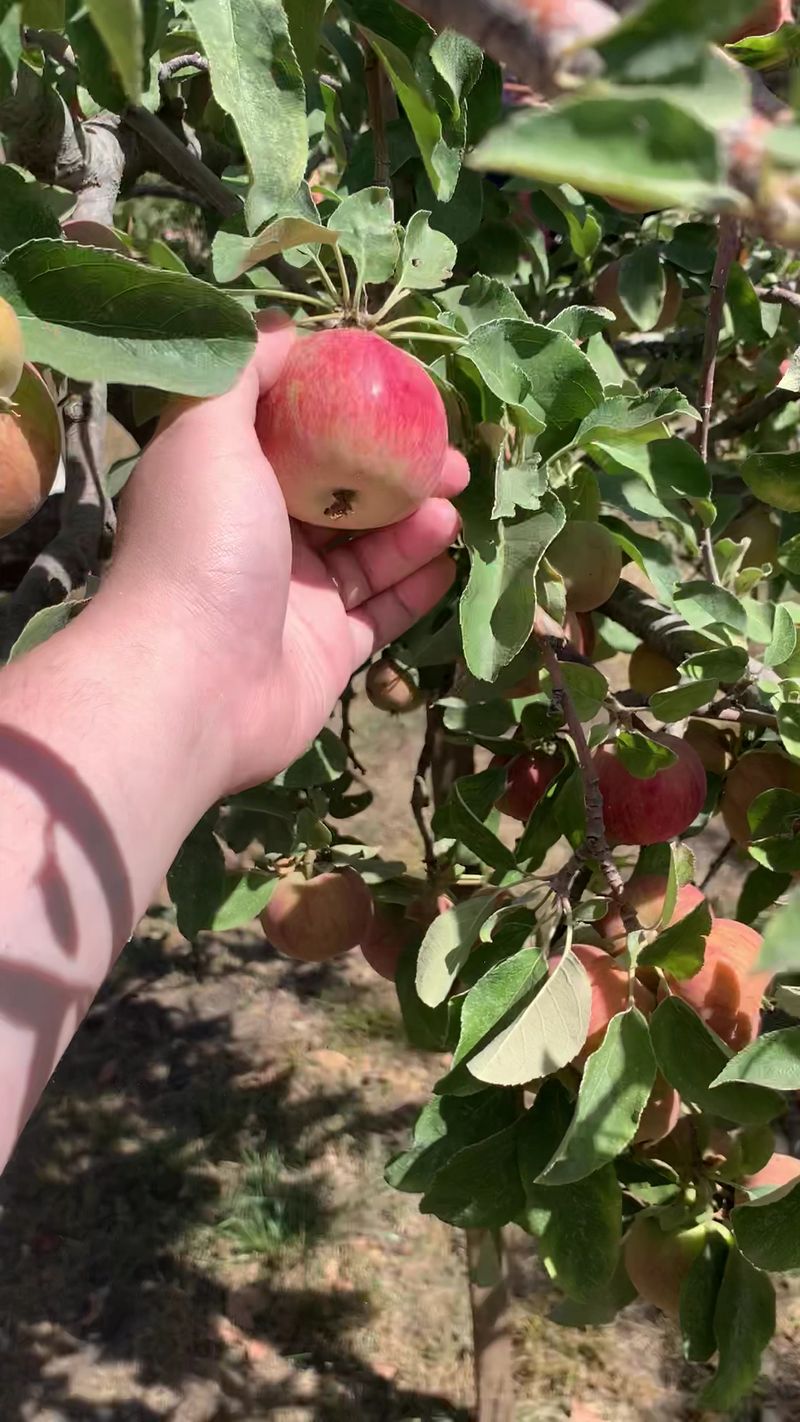
Most taste tests end when the last bite is gone, but this one leaves a lasting mark. After sampling, visitors vote for their favorite heritage apple.
The farm says the top two varieties will be added to its family orchard for future seasons. That small twist turns casual snacking into real participation.
Each guest helps shape what grows on the land in years to come. Kids especially may love knowing their pick could someday become an actual tree.
Apple trees take time to mature, so results will not appear overnight. Young trees often need several years before producing a meaningful harvest.
Returning visitors might one day taste fruit from a variety they helped choose. Choosing wisely can be part of the fun.
Some people vote for the sweetest apple, while others favor a sharp or unusual flavor. Thinking about how an apple might work in cider, pies, or fresh snacking adds another layer to the decision.
The vote also reflects the farm’s interest in preserving older varieties. Planting rare apples helps keep them growing instead of fading away.
Visitors become small partners in that effort just by sharing an opinion.
A Garden Built For Curious Kids
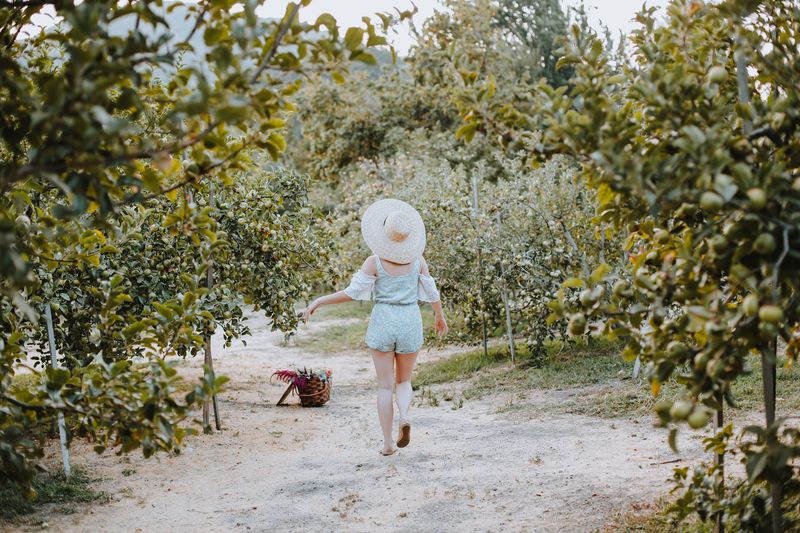
Kids do not always need flashing lights or rides to have a great time outdoors. The Children’s Garden and Nature Play Space encourages outdoor play and exploration.
Miniature farm scenes and nature-focused areas replace typical amusement attractions. Access to the garden is included with Apple Fair admission.
Families do not need to pay extra to let little ones roam and discover. That makes it a helpful resting spot during a busy event day.
Natural play often sparks imagination in creative ways.
Children might invent stories around the tiny farm displays or examine leaves, bugs, and soil up close. Unstructured time outside can feel refreshing after hours of screens and schedules.
Parents may appreciate a calmer setting where kids can explore at their own speed. Shaded areas and nearby seating can help adults relax while keeping an eye on things.
Nature play sometimes involves dust, mud, or grass stains. A spare shirt in the car might save the drive home.
The garden gives children a chance to connect with the farm in a hands-on, playful way that fits the overall spirit of the place.
Small-Batch Finds At Cultivar Studio & Shop
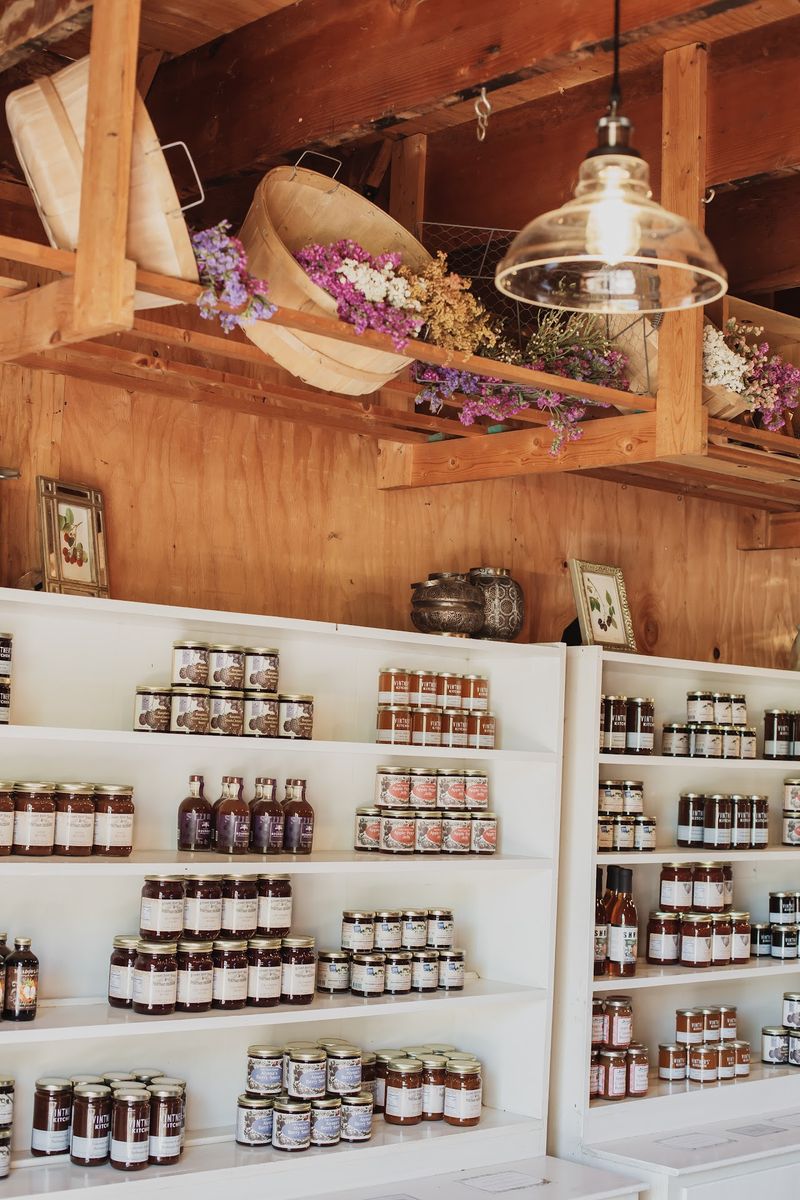
A good farm shop feels more like a treasure box than a gift store. California’s Cultivar Studio & Shop carries a range of small-batch goods.
Shelves include locally grown produce, seasonal preserves, heirloom squash, floral bouquets, fine foods, and natural body-care products.
Other artisan items round out the selection. Inventory can shift with the seasons and what the farm produces.
A product seen one month might be gone the next, so buying a favorite on the spot may be wise.
Heirloom squash makes a festive fall find. Many varieties have unusual shapes and colors that look great on a table before becoming soup or roasted sides.
Some squash can keep for weeks when stored in a cool, dry place. Seasonal preserves capture the flavor of the harvest in a jar.
They can brighten breakfast toast or make thoughtful homemade-style gifts. Fresh bouquets add color to a kitchen or dining space.
Natural body-care products appeal to visitors who prefer simple ingredients. Reading labels can help match items to personal needs or sensitivities.
Shop hours generally line up with farm events rather than daily schedules. Bringing a reusable tote can make carrying purchases easier.
Free Open Farm Days
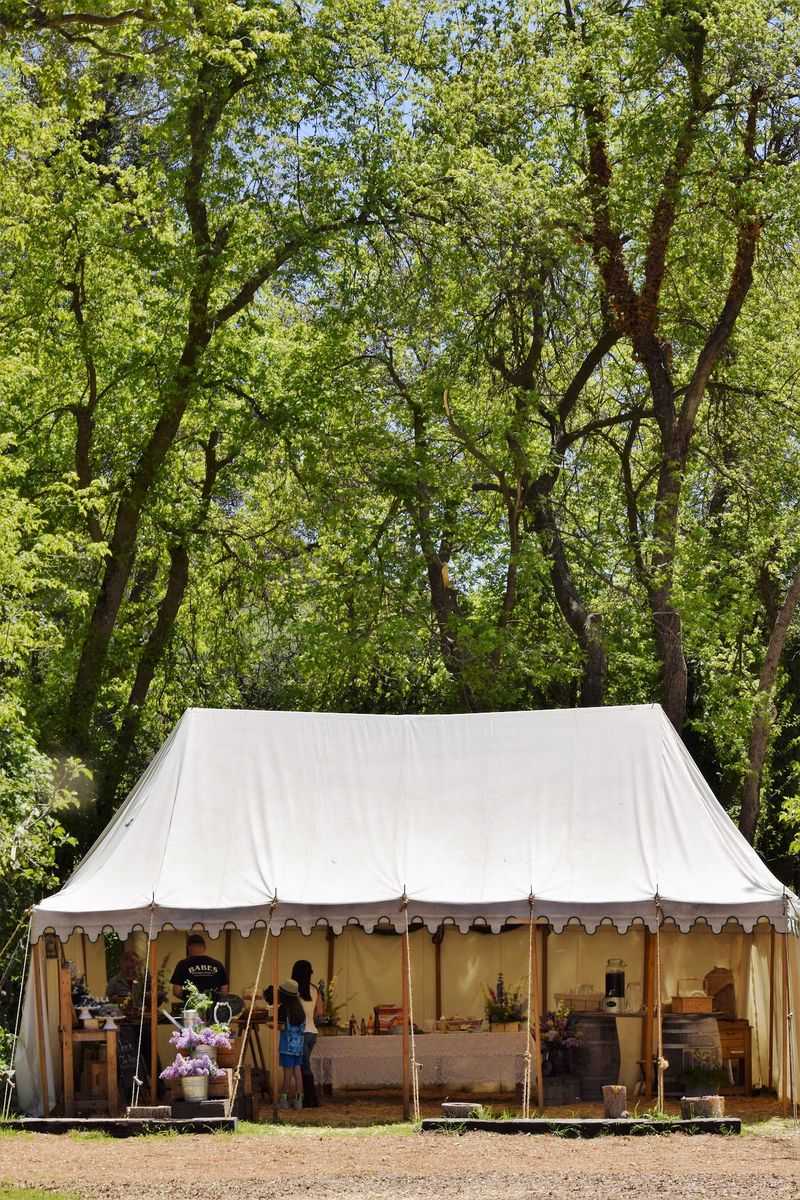
Some of the best fall outings cost nothing to enter.
Regular 2026 Open Farm Days require no reservation and charge no admission fee. Visitors can simply show up during scheduled hours.
Fall dates include October 17, 18, 24, and 25. November dates include the 7th, 8th, 21st, and 22nd. Hours run from 10 a.m. to 4 p.m. on each scheduled day.
Free entry does not mean every activity is free. Cider pressing, caramel apples, food, and shop items may carry their own costs.
Bringing a payment method and a rough budget helps avoid surprises.
Parking is available in front of the farm along Oak Glen Road at no charge. Street parking can fill on busy weekends, so arriving near opening time might help.
Walking carefully along the road is important since traffic passes nearby.
Open Farm Days often feel relaxed and flexible. Visitors can stay for a short stop or spend a few unhurried hours.
The no-reservation format suits spontaneous trips to the mountains.
Schedules can change because of weather or crop supply. Checking the official website the morning of a visit is a smart habit.
Hidden Into The San Bernardino Mountains
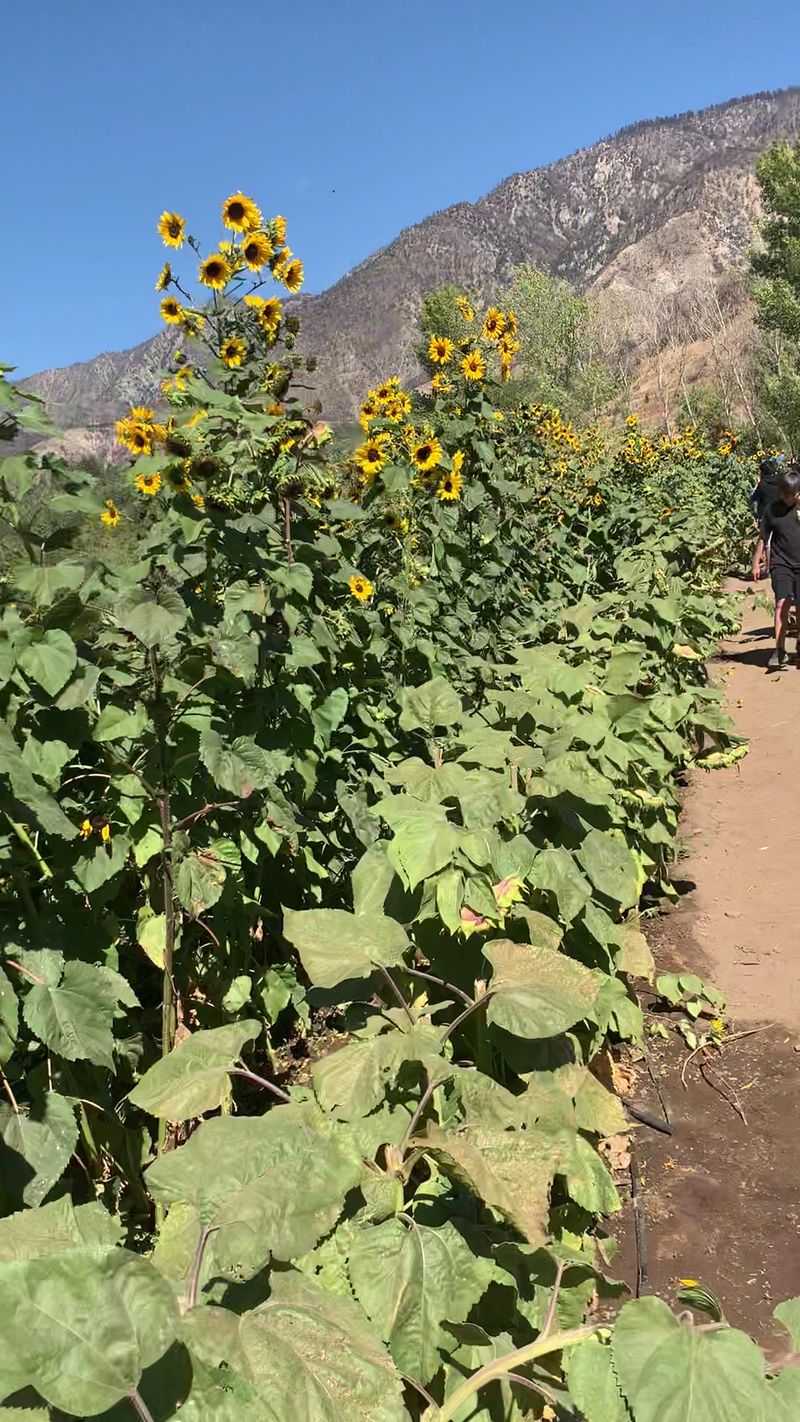
Winding roads and cooler air signal the arrival into historic apple country. Stone Soup Farm & Heritage Orchard sits at 12131 S. Oak Glen Road, Oak Glen, California 92399.
Mapping apps may list the location under a Yucaipa address, which refers to the same spot.
The surrounding area is known for its long apple-growing history. Many orchards line the road, giving the drive a classic fall feel.
Trees may show shades of gold and red later in the season. Elevation brings noticeably cooler temperatures than the valleys below.
Mornings and evenings can feel crisp, even when afternoons warm up. Packing a light jacket is usually a good call.
Free parking is available in front of the farm along Oak Glen Road. Spaces can fill during popular weekends, so earlier arrivals may have an easier time.
Watching for traffic while walking from parked cars is important.
Mountain roads can be slow on busy fall days. Patience and extra travel time help keep the trip relaxed.