Pink Georgia Marble Wraps The Outside Of This 1931 Art Deco Museum In Nebraska
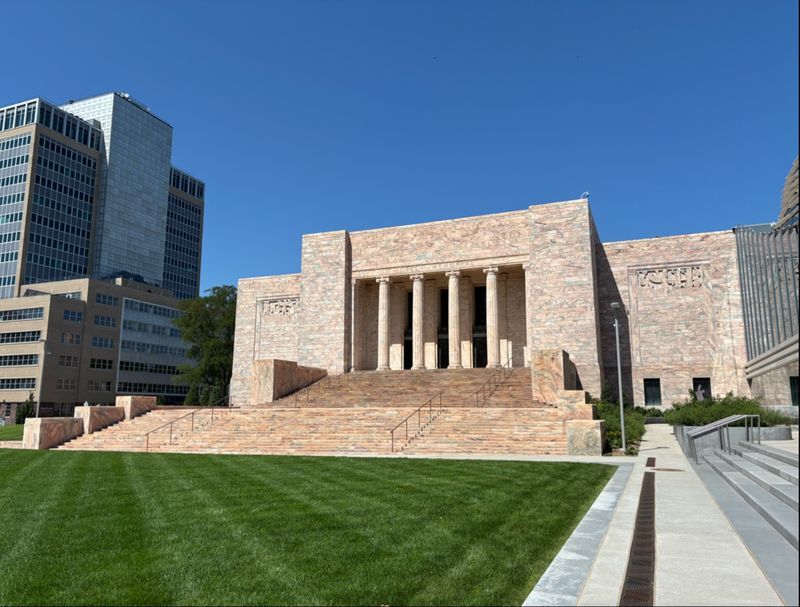
Some buildings ask you to stop the car. Driving through eastern Nebraska, I expected another plain stop on a busy afternoon, and instead found a pink stone giant glowing like a sunset someone forgot to switch off.
Inside waited Rembrandt, Jackson Pollock, Native American textiles, and a cafe grilled cheese that fixed my hunger fast. It turned out to be one of the most surprising afternoons the state has ever handed me.
A Pink Landmark on Dodge Street
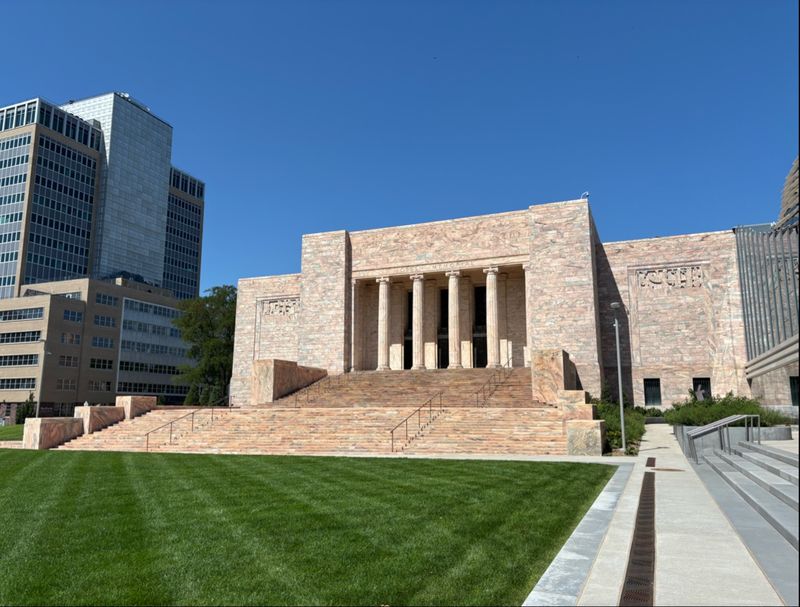
Picture a long, low temple of rosy stone rising beside one of Omaha’s busiest roads. That is the Joslyn Art Museum at 2200 Dodge Street, the largest art museum in the city and a fixture of the downtown skyline since 1931.
The building houses a broad permanent collection, rotating exhibitions, a theater, a cafe, and classrooms. Its original Art Deco core now connects to two modern additions, so one visit covers nearly a century of design under a single roof.
Most of the galleries cost nothing to enter, with select special exhibitions carrying a ticket.
Anyone who grew up in Omaha has probably passed the place on a school bus or a Sunday drive. Plenty of people have never gone inside, though, and that gap between seeing it and knowing it makes for a fun discovery.
The pink walls look calm from the street.
Up close, they turn out to be covered in carvings, inscriptions, and sculpted figures that reward slow looking. Think of the exterior as the first gallery, open around the clock and visible to every driver heading west toward midtown.
Sarah Joslyn’s Gift to Omaha
Love built this museum. Sarah H.
Joslyn funded the structure as a memorial to her husband, George A. Joslyn, a successful Omaha businessman, and the building opened in 1931 under the name Joslyn Memorial.
Her contribution of $2.6 million paid for construction during a period when the country was sliding into hard economic times. The early plan centered on a concert hall.
Over time the concept grew to include art galleries, shaping a cultural center for the whole city rather than a single performance space.
How many Nebraska buildings started as a tribute between spouses and ended up serving millions of neighbors? Few can claim that kind of origin story, and it shows in the care poured into every surface.
The concert hall idea did not vanish, either. A theater remains part of the complex today, a quiet nod to that first vision.
Walking the halls, it helps to remember that the whole project began with one woman deciding her city deserved something lasting. That generosity set the tone for the free admission policy that keeps most galleries open to everyone now.
Etowah Fleuri Marble From Georgia
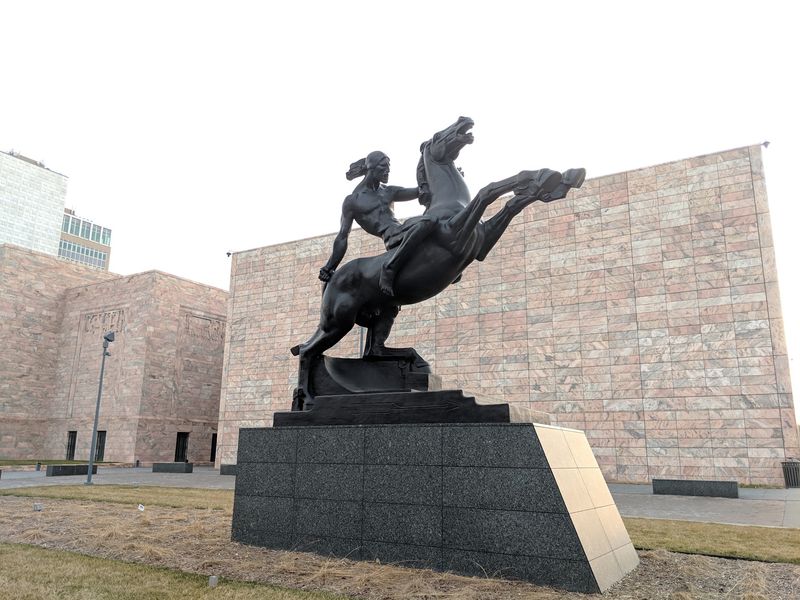
Run a hand along the outer wall and the stone feels cool and smooth, flecked with soft rose and cream. The material is Etowah Fleuri marble, quarried in Georgia and shipped halfway across the country to dress a Nebraska landmark.
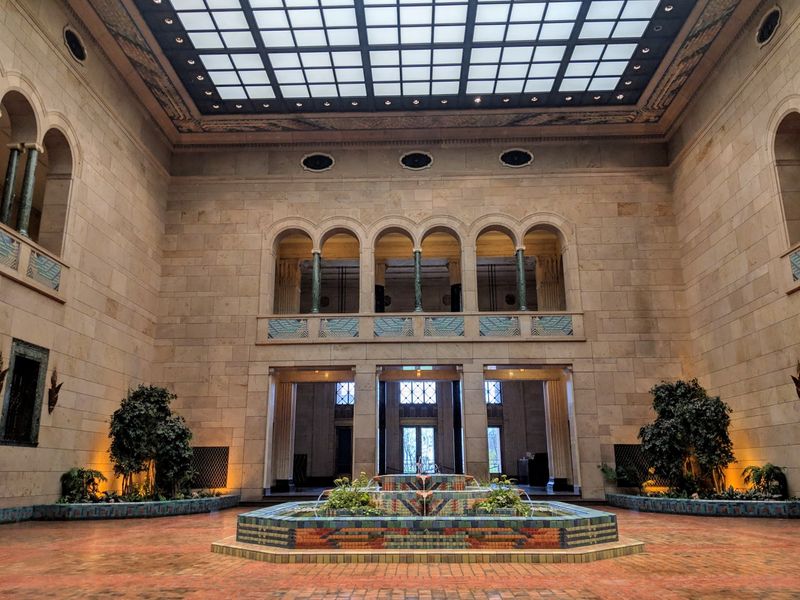
The original builders did not stop at the outside. Pink marble once covered the interior surfaces too, including floors, walls, and even the bathroom stalls.
Few public buildings anywhere commit so fully to one stone, and the result feels unified from curb to restroom.
Here is the remarkable part. Later expansions pulled from the same Georgia quarry, so marble cut decades apart still matches across the complex.
That kind of continuity takes planning, patience, and a supplier still working the same ground generations later.
The color shifts with the weather. On gray days the walls lean toward a dusty blush, while bright sun brings out warmer peach tones.
A quick lap around the building at different hours shows just how much personality one rock can carry. Bring a camera, because the texture photographs beautifully up close.
The Rose-Gold Glow at Sunset
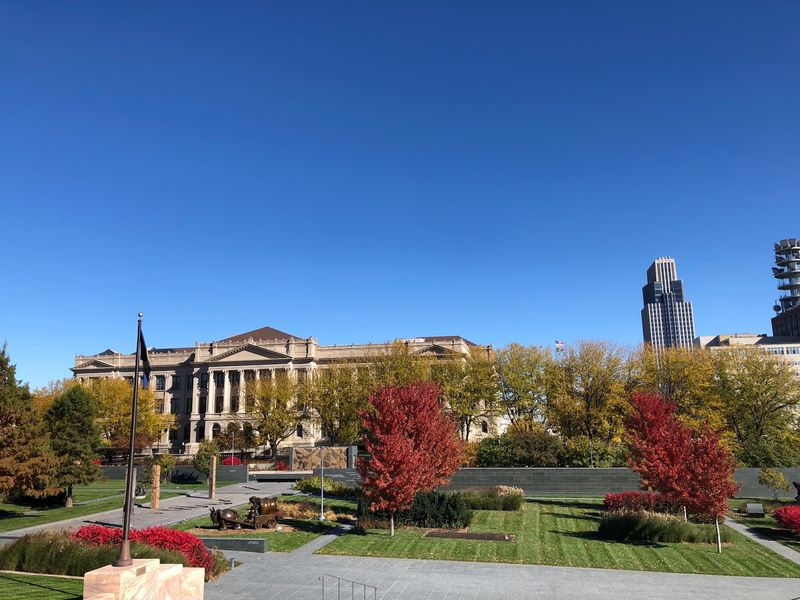
Evening changes everything here. As the sun drops toward the western horizon, the pink marble catches the light and turns a deep rose-gold, as if the building were lit from within.
Thursday makes the timing easy. The museum stays open until 8 pm that day, while other open days wrap up at 4 pm, so a Thursday visit can stretch from gallery browsing straight into golden hour outside.
Seasonal sunset times vary, of course, so the glow lines up best in the cooler months.
Photographers tend to favor the long front facade, where the colonnade throws stripes of shadow across glowing stone. Standing back on the lawn helps fit the full length into a frame.
A quieter option works just as well. Grab a bench, watch the color creep across the carvings, and let the city traffic fade into background noise.
Few free shows in Omaha come with this much drama. It is a small reminder that architecture is not frozen; it responds to sky, season, and hour, and this particular stone seems built to perform for anyone patient enough to wait.
Egyptian Echoes in an Art Deco Facade
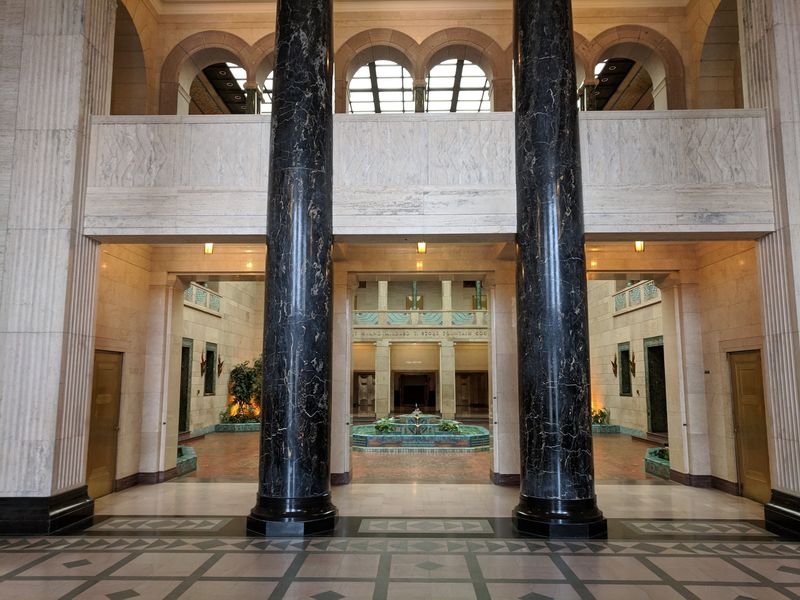
Ancient temples along the Nile seem like an odd inspiration for a building in Omaha. Yet the Joslyn’s monumental front, with its stately stone colonnade, borrows directly from Egyptian temple design, filtered through the sleek lines of the Art Deco era.
Father and son architects John and Alan McDonald designed the original building. During construction, Herschel Elarth reworked decorative details and sharpened the streamlined Moderne style that defines the finished look.
The mix produces something unusual. Heavy, timeless massing sits alongside crisp geometric ornament, so the structure feels both ancient and modern at once.
Some eyes even read Assyrian influence in the bold, blocky forms.
National recognition came early. In 1938, the Joslyn was named one of the 100 finest buildings in the United States, a remarkable honor for a museum barely seven years old.
Spend a minute studying the corners and rooflines. Stepped edges, flat planes, and repeating vertical bands create rhythm without clutter.
That restraint is classic Art Deco, and here it gets the full pink marble treatment, which few cities can match.
Carved Words and Sculpted Figures

Letters cut deep into stone frame parts of the exterior. Philosopher Hartley Burr Alexander wrote the carved inscriptions, and sculptor John David Brcin created the decorative figures that animate the walls.
Their work tells a story rooted in the region. Scenes along the building depict the westward migration across the Plains, linking the museum’s polished stone to the wagon trails and settlements that shaped Nebraska.
Native and pioneer themes appear throughout.
Why does this matter on a casual visit? Because most people walk right past it.
The relief panels are easy to miss when the goal is getting inside, so slowing down at the entrance reveals a whole outdoor narrative.
Alexander also contributed inscriptions to the Nebraska State Capitol in Lincoln, which makes the Joslyn a fun companion stop for anyone interested in how Nebraska told its own story in stone during that era.
Look for the crisp, stylized human forms typical of Deco sculpture. Muscles, clothing, and animals become simplified shapes, bold enough to read from the sidewalk yet detailed enough to study from arm’s length.
Norman Foster’s 1994 Scott Pavilion
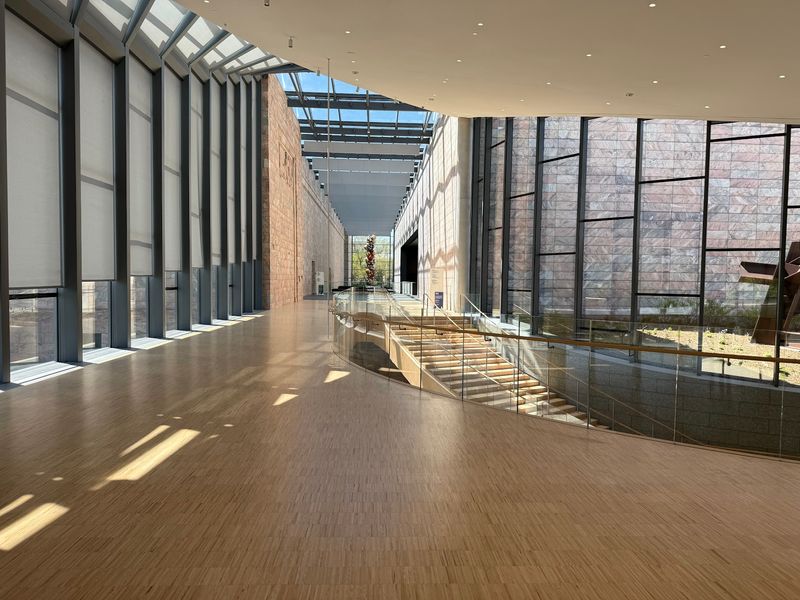
Matching a beloved building is a tall order for any architect. In 1994, Lord Norman Foster took on the challenge with the Walter and Suzanne Scott Pavilion, a modern addition that sits respectfully beside the 1931 original.
The secret was the stone. Foster’s team used pink Georgia marble from the same quarry that supplied the first building, so the newer wing reads as part of the family rather than a stranger parked next door.
Clean geometry defines the pavilion. Large glass areas bring daylight into the spaces, and a connecting atrium links old and new without forcing either to imitate the other.
Foster went on to design landmarks around the globe, which gives Omaha a quiet claim to world-class modern architecture. It is easy to overlook while focused on the Deco facade, but the pavilion deserves its own slow walk.
Notice how the transition feels. Moving from the older galleries into the Foster wing, ceilings lift, light brightens, and the mood shifts from formal grandeur to open calm.
That contrast is a big part of what makes the complex so interesting to explore.
Snøhetta and the Newest Wing
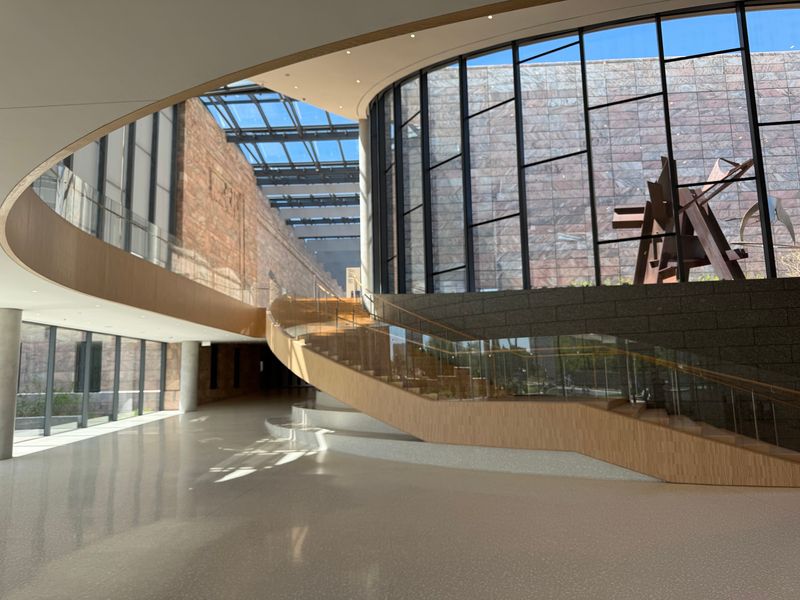
September 2024 marked a fresh chapter. The Rhonda and Howard Hawks Pavilion opened that month, designed by the international firm Snøhetta in collaboration with Alley Poyner Macchietto Architecture of Omaha.
Once again, the designers turned to Georgia. The new wing uses textured precast panels embedded with pink Etowah Fleuri aggregate, keeping visual ties to the historic facade while giving the surface a more contemporary grain.
Returning after years away can feel like visiting a different museum. The expansion and reopening added galleries, gathering areas, and room to breathe, so longtime Omahans who last came on a field trip will find plenty that is new.
That sense of change fits the city. Omaha has grown and shifted over the decades, and its flagship museum now mirrors that story with three distinct eras of architecture standing shoulder to shoulder.
The pavilion also opens toward the surrounding grounds, connecting indoor galleries with walking paths and landscaped spaces. Light pours in through generous windows, and the pink tones carry across the whole complex, tying nearly a century of building into one continuous ribbon of color.
From Rembrandt to Pollock
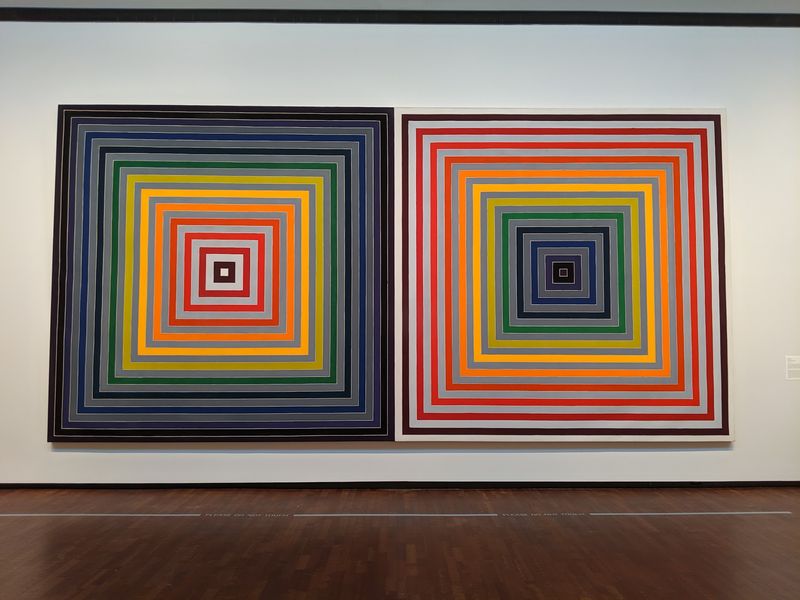
A Rembrandt and a Jackson Pollock under the same roof in Omaha? Absolutely.
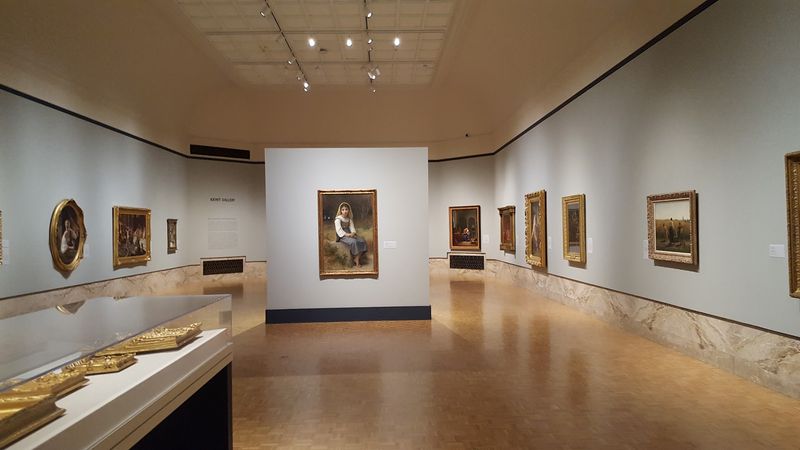
The Joslyn’s permanent collection spans classic European works, sixteenth-century religious art, modern American pieces, and a lot in between.
Modern and contemporary art form the collection’s strongest section, predominantly American and impressively deep. Women artists have a solid presence throughout the galleries as well, adding perspectives that older museums sometimes overlooked.
Much of the holdings came from wealthy local families who donated or loaned works over the years. That history gives the collection an eclectic personality.
One room might feature old masters, and the next pops with bold color and abstract shapes.
Not every area runs equally deep. The antiquities section is small, and Asian art has only a limited presence, so anyone hunting for those specific fields should set expectations accordingly.
Galleries are bright, spacious, well lit, and clearly marked. Some pieces connect with the Bloomberg Connect app for extra background, which helps curious kids and adults alike.
Plan on at least two hours, since rushing through means skipping plaques and missing details worth seeing.
Native American Art and Textiles
Woven patterns in earthy reds, deep browns, and crisp whites stand out among the collection. The Joslyn’s Native American art, including a strong showing of textiles, ranks among its most distinctive holdings.
Plains history runs through this part of the museum. The work connects directly to the land surrounding Omaha, offering a grounded counterpoint to the European paintings elsewhere in the building.
Textiles reward close looking. Tight weaving, careful color choices, and repeating geometric motifs reveal skill and tradition passed through generations.
Standing a few inches from the glass shows stitch work that photos rarely capture.
For Nebraska families, these galleries offer a meaningful way to talk about the people who lived on the Plains long before the pink marble arrived. Kids often connect with the bold designs quickly, which opens the door to bigger conversations.
Pair this section with a look at the exterior relief panels depicting westward migration. Together they present different angles on the same landscape and its history, and seeing both in one afternoon adds depth that neither offers alone.
Give these rooms extra time; they are easy to underestimate.
Sculpture Garden and Outdoor Paths
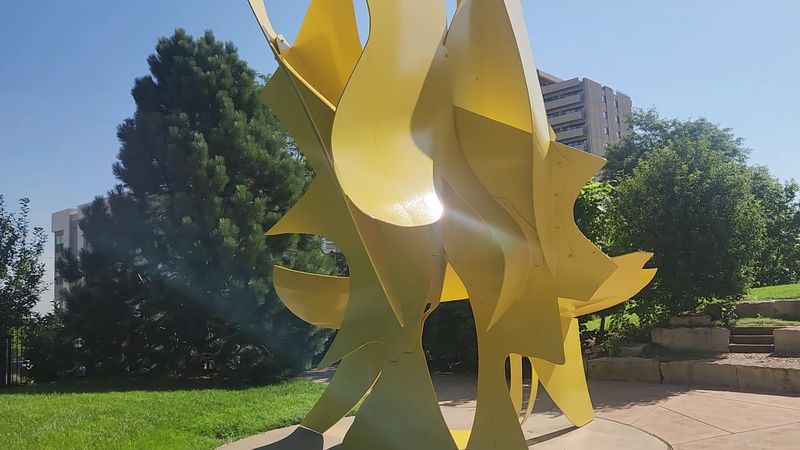
Fresh air belongs on the itinerary. Outside the Joslyn, walking paths wind past sculptures, landscaped beds, and a pollinator garden buzzing in the warmer months.
The outdoor art holds its own against anything in the galleries. Large works stand among the greenery, and the pink building creates a striking backdrop for each piece.
Skipping this stroll means missing a big part of the experience.
Families with restless kids will appreciate the change of pace. After an hour of quiet gallery manners, a loop around the grounds lets everyone stretch, chat, and point at sculptures without worrying about volume.
Seasons shape the scene. Spring and summer bring flowering plants and pollinators, while fall paints the landscaping in warm colors that echo the marble.
Winter strips things back, letting the sculptures stand out sharply against bare ground.
Benches along the way invite a short rest. From certain spots, the old Deco building, the Foster pavilion, and the Snøhetta wing appear in one view, a neat way to see how three generations of architecture share a single campus without clashing.
Cafe Breaks, Kids’ Spaces, and Gift Shop Finds
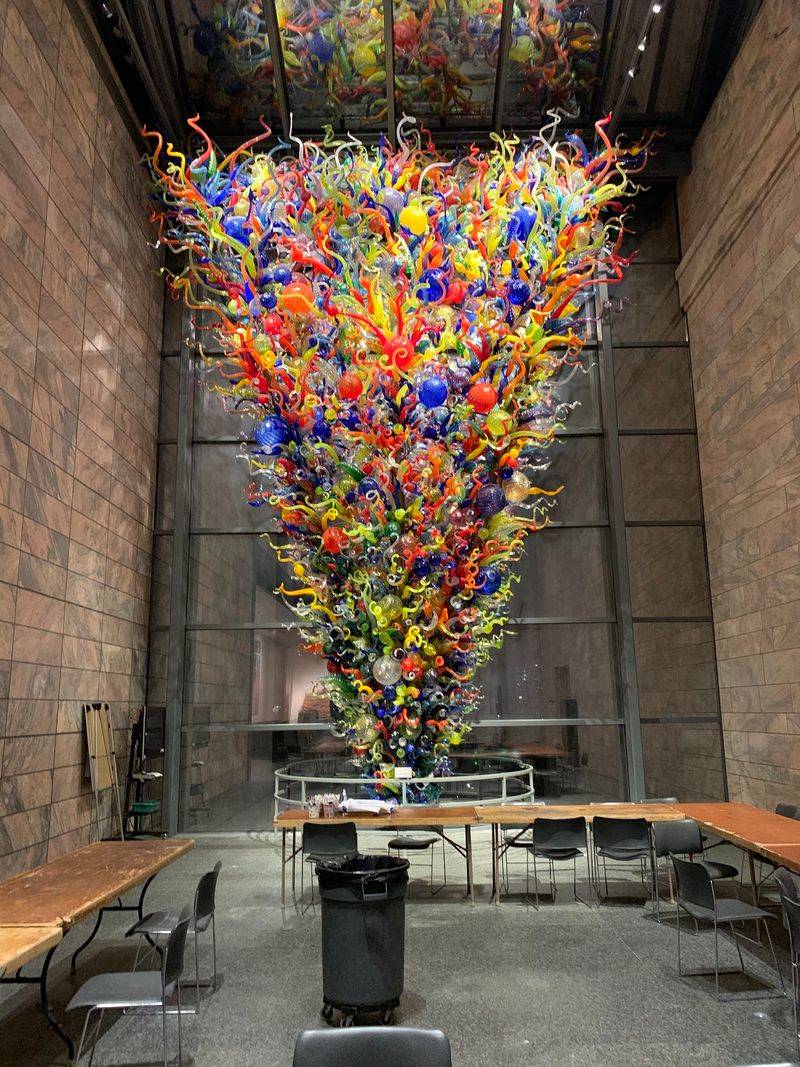
Tomato soup and a grilled cheese with bacon jam make a solid case for lingering. The on-site cafe serves soup, burgers, sandwiches, coffee, and snacks, a handy refuel between galleries.
Downstairs, a lower-level area gives kids room to make their own art. Classrooms buzz with activity, and sketching activities invite visitors of every age to try drawing what they see.
It turns a museum trip into a hands-on afternoon.
Near the main entrance, the gift shop pulls people in right away. Shelves hold books, prints, and design objects, beautifully arranged and easy to browse for longer than planned.
Small comforts add up here. Coat storage keeps jackets out of the way, and portable folding seats are available for anyone who wants to sit while studying a painting.
Staff greet arrivals warmly, and docents are careful and friendly when questions come up.
Together, these touches make a full day feel manageable. Grandparents, toddlers, and teens can each find a pace that works, with food and a place to rest never far away.
Planning a Visit to Omaha’s Art Museum
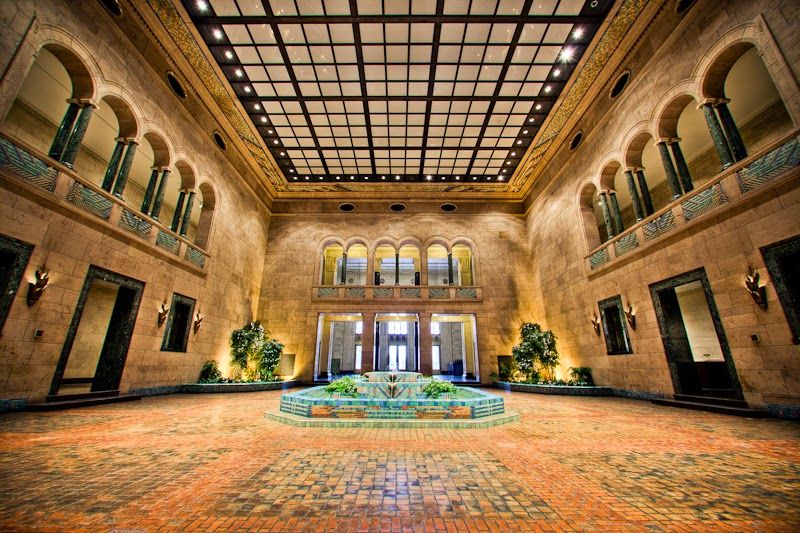
Mondays are the one day to skip, since the museum stays closed. Doors open at 10 am Tuesday through Sunday, closing at 4 pm most days and staying open until 8 pm on Thursdays.
General admission to most of the collection is free. Special exhibitions are often ticketed, so check the museum’s website before going to see what is currently on view and whether an upgrade appeals.
Arriving late in the day can backfire. An hour before closing is not nearly enough time, and there is enough here to fill a full day.
Two to three hours covers the highlights at a comfortable pace.
Parking is available out front and nearby, and the downtown location puts restaurants within walking distance for a meal before or after. Omaha’s zoo makes a natural pairing for families planning a weekend trip into the city.
Memberships offer perks for frequent visits, though casual drop-ins get plenty without one. The building is accessible, and Thursday evening hours offer a relaxed option for anyone working regular daytime schedules during the week.
Why the Pink Museum Belongs on a Nebraska Weekend
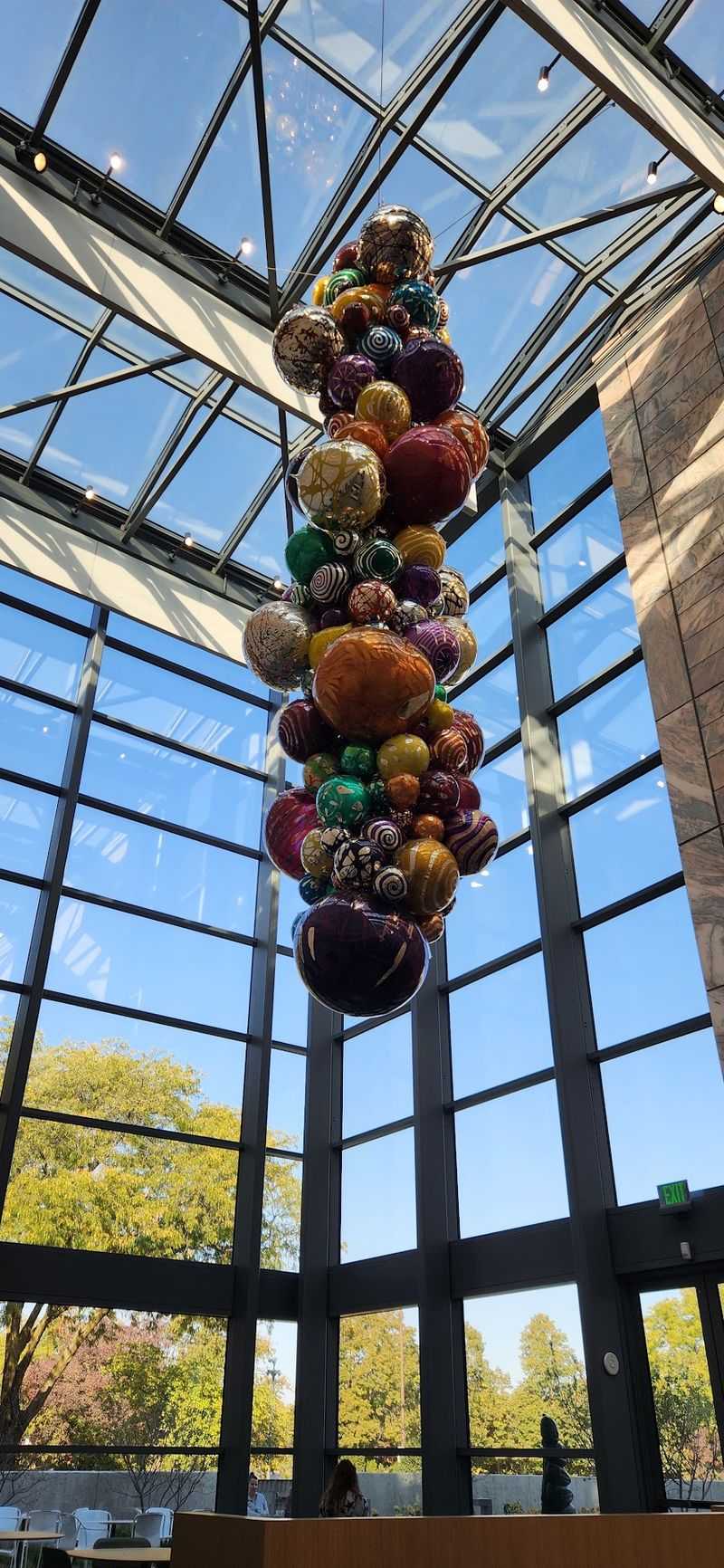
Few places in the state pack this much into one free afternoon. Pink Georgia marble, an Egyptian-inspired Deco facade, a Norman Foster pavilion, a Snøhetta wing, Rembrandt, Pollock, Native American textiles, and a sculpture garden all share the same address.
The Joslyn suits a wide crowd. Architecture fans can spend an hour outside before ever opening a door.
Families get hands-on art spaces and a cafe, while retirees will find benches, folding seats, and calm, spacious rooms.
Nostalgia plays a part too. Plenty of Nebraskans remember a childhood field trip here, and the recent expansion gives them a reason to come back and compare memories with what stands today.
Timing can sweeten the trip. A Thursday visit allows extra gallery hours plus a shot at seeing the marble glow as evening settles over Dodge Street.
Sarah Joslyn wanted a lasting gift for her city. Nearly a century later, her rosy stone memorial still delivers, offering a beautiful, budget-friendly outing that shows off the best of Omaha and gives the whole state something to brag about.