Swinging Monkeys Greet You From The Trees At This Strange Roadside Florida Jungle
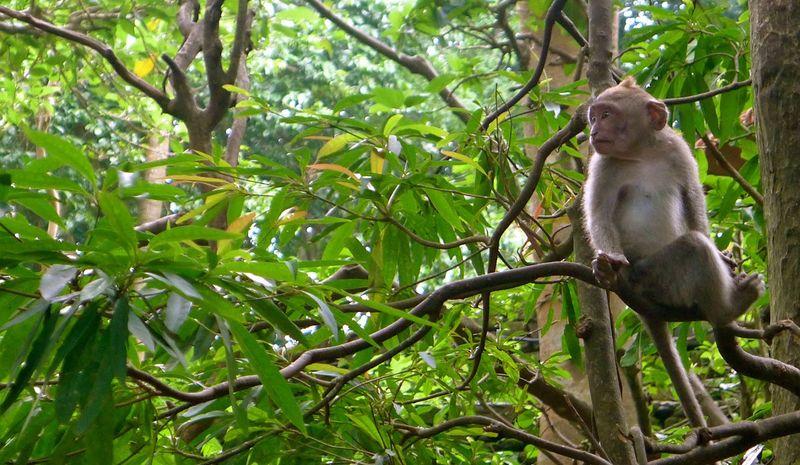
I went in expecting a quick roadside stop and maybe a souvenir magnet. Instead, a small monkey above my head yanked a chain, hauled up a bowl of raisins, and made me laugh out loud.
Florida has an old jungle attraction where the people walk through screened tunnels and the monkeys roam free overhead. Bring a few dollars for monkey snacks, wear sunscreen, and get there early.
A Wild Detour South of Miami
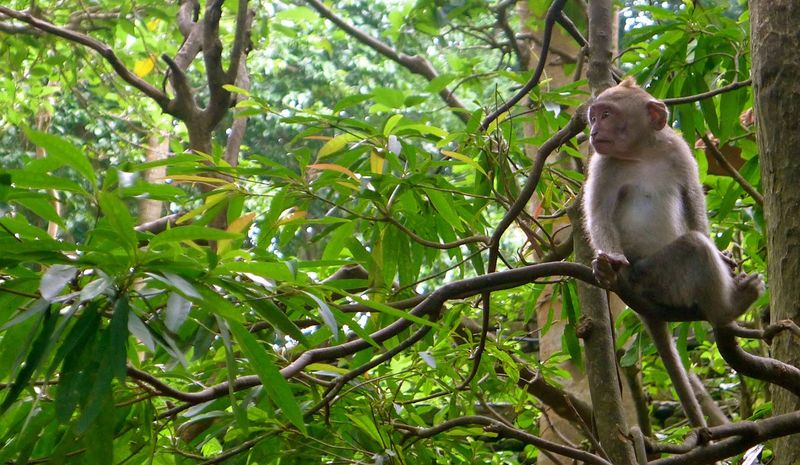
From the road, it looks like a simple gift shop sitting at the edge of a thick patch of trees. The parking lot is plain, the building is modest, and nothing shouts that you are about to enter a monkey kingdom.
That modest front door belongs to Monkey Jungle, a zoological park in the farm country southwest of Miami, near Homestead. Getting there is a short drive off the Florida Turnpike or US-1, roughly forty minutes from downtown Miami depending on traffic.
Parking is free, which is a nice start to any family outing.
Step inside the entrance shop and you buy tickets at the counter, along with little boxes of monkey food. Then the door opens onto a shady rainforest setting filled with primates, parrots, reptiles, tortoises, and even a fossil display linked to a site thousands of years old.
Monkeys climb, chatter, swing, and swim across a large open-air area. Humans, meanwhile, stay inside screened walkways.
It flips the usual zoo idea upside down, and that reversal is the whole charm of the place.
You can find Monkey Jungle at 14805 SW 216th St, Miami, Florida 33170.
Roots Reaching Back to 1932
Long before theme parks took over Florida road trips, this patch of hammock was already welcoming curious drivers. Monkey Jungle has operated since 1932, which makes it one of the older animal attractions still running in the state.
Plenty of South Florida adults first came here as kids and now bring their own children. That kind of loyalty across generations says more than any brochure.
The park has the feel of a place that has watched Miami grow up around it.
There is another twist in the story. A parrot attraction once operated in the Miami area, and when it closed, many of its birds ended up here.
So the colorful macaws squawking near the walkways carry a little local history in their feathers.
You can see the age in the park itself. Paths are weathered, some structures show wear, and certain exhibits have gone through repair work in recent seasons.
Yet the grounds stay clean and well managed, and the animals look healthy and cared for.
Is it polished like a big resort park? No. It is something older and stranger, a slice of roadside Florida that kept going while flashier neighbors came and went.
Where Humans Live in the Cage
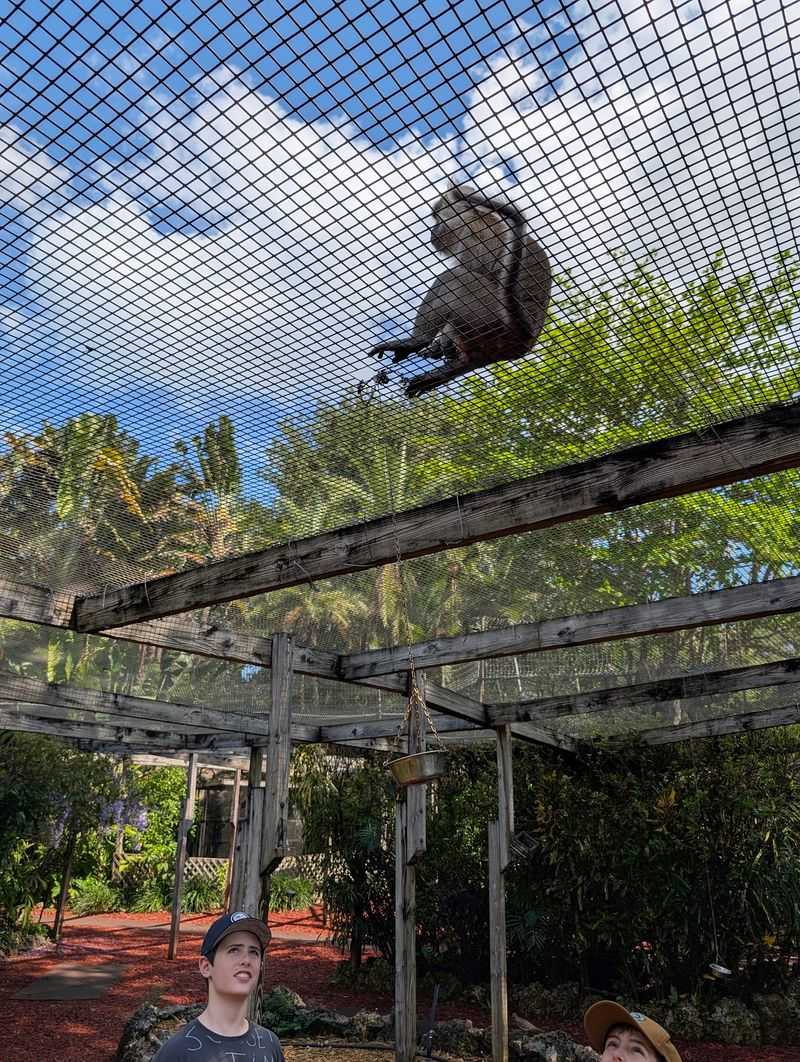
Here is the strange part. The cages you see are built for people, not for the monkeys.
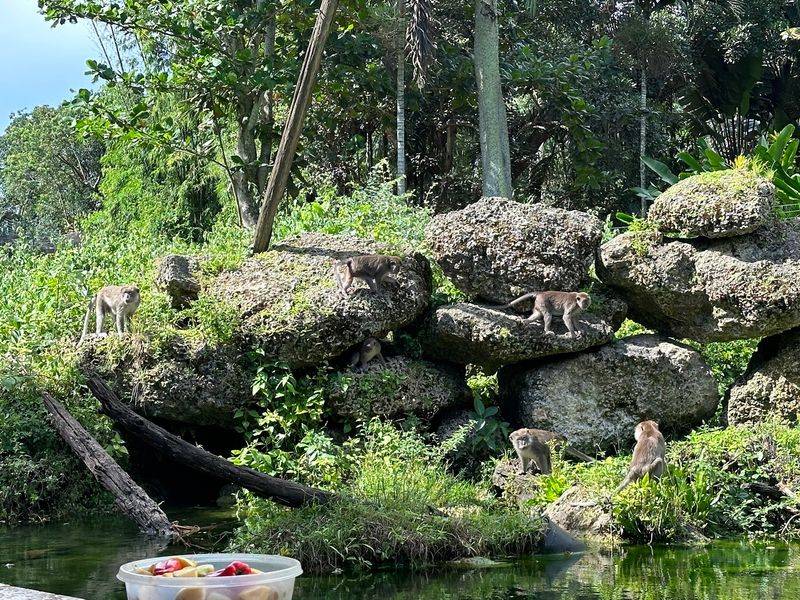
A troop of macaques roams across roughly seven acres of open-air forest. Visitors walk through long screened tunnels that wind between the trees.
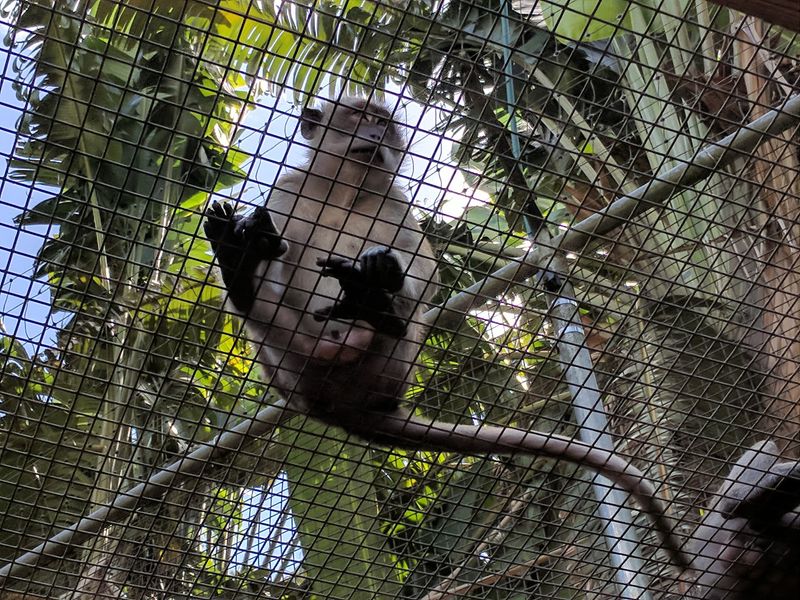
Above, beside, and sometimes right on top of the mesh, monkeys go about their business, grooming each other, napping on branches, and eyeing your snack box with great interest.
The effect is surprisingly personal. Without bars between you and a tiny enclosure, the animals move in a way that feels natural, leaping between limbs and scrambling up vines.
Some stop to stare back at you, which is both funny and a little humbling.
Keep in mind that this is more habitat than manicured zoo. Brush grows thick on purpose, so a few exhibit signs can be partly hidden by leaves, and some animals may choose to stay out of sight.
That wildness is what gives the walk its energy. You are a guest on their turf, peering out from your screened hallway like a tourist in a reverse safari.
Raisins, Bowls, and a Clever Chain Trick
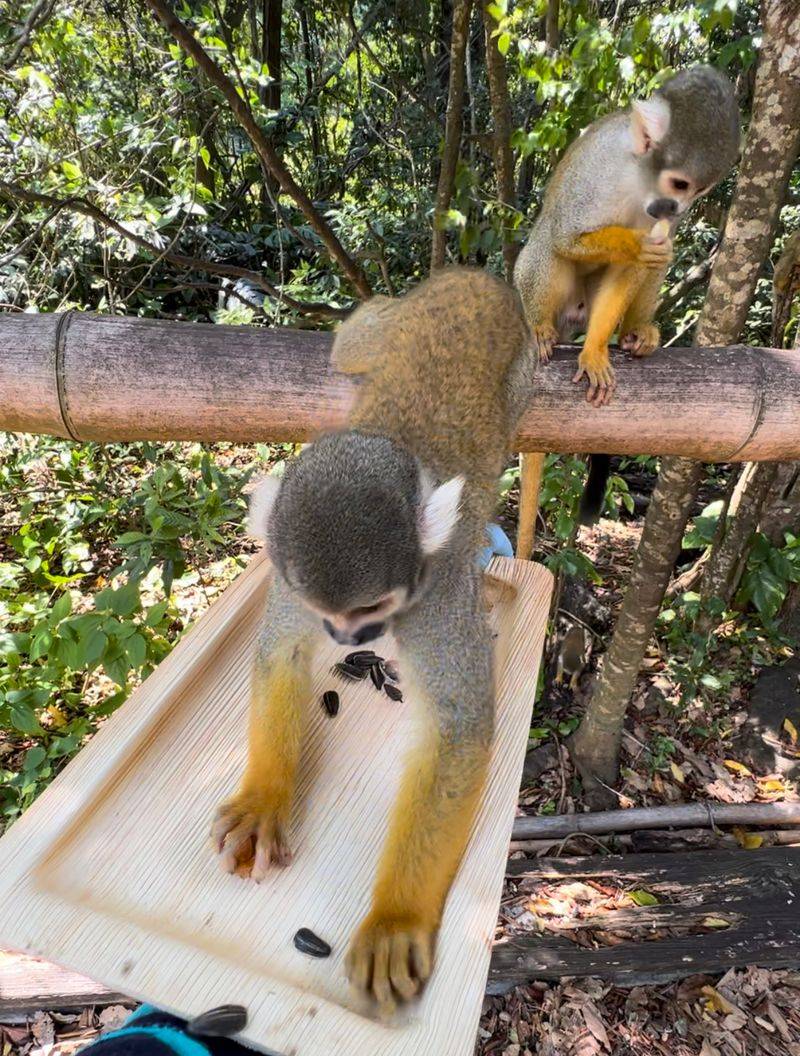
Picture a tiny tin bowl hanging from a chain just below the screen. You drop in a handful of raisins or sunflower seeds, step back, and wait.
Within seconds, a monkey above grabs the chain and hauls it up hand over hand, faster than you expect. The bowl rises, the snack disappears, and the empty dish drops back down for the next round.
It is the single funniest thing in the park, and grown adults with no kids along laugh just as hard as the little ones beside them.
Food boxes are sold at the entrance counter for about a dollar each. Buy a few.
One box goes quickly once the monkeys figure out you are the generous type.
A key rule: only use the food sold on site. Bringing your own snacks for the animals is unsafe and not allowed, since the park controls what goes into their diets.
My tactic was simple. Space out the raisins across several bowls along the walkway so different monkeys get a turn, and keep a phone ready, because the chain-pulling move happens in a blur.
Splashdown at the Monkey Swimming Pool
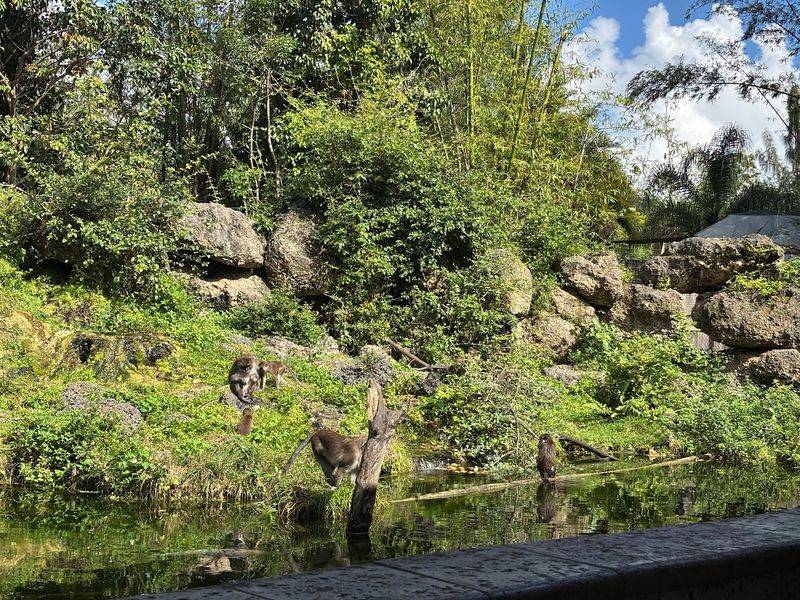
Ever seen a monkey cannonball? At the swimming pool exhibit, it happens regularly.
Macaques here are strong swimmers, and they treat the water like a playground. They dive off ledges, chase each other across the surface, and pop up dripping before scrambling back to try again.
Watching a whole group splash around feels more like a summer camp pool party than a nature exhibit.
Scheduled shows run at this pool throughout the day, and the first one of the morning makes a great opening act. A guide explains how the troop behaves, who leads, how they dive for food tossed into the water, and why these primates are so comfortable getting wet.
Guides at Monkey Jungle mix facts with humor, which keeps kids paying attention and gives adults plenty to learn. Expect questions to be welcomed at the end.
Arrive a few minutes before the show starts to grab a spot along the rail. Shade can be limited, so a hat helps in the warmer months.
Then just enjoy the chaos as the monkeys turn an ordinary pool into a splash zone.
Gorillas, Orangutans, and Mandrills
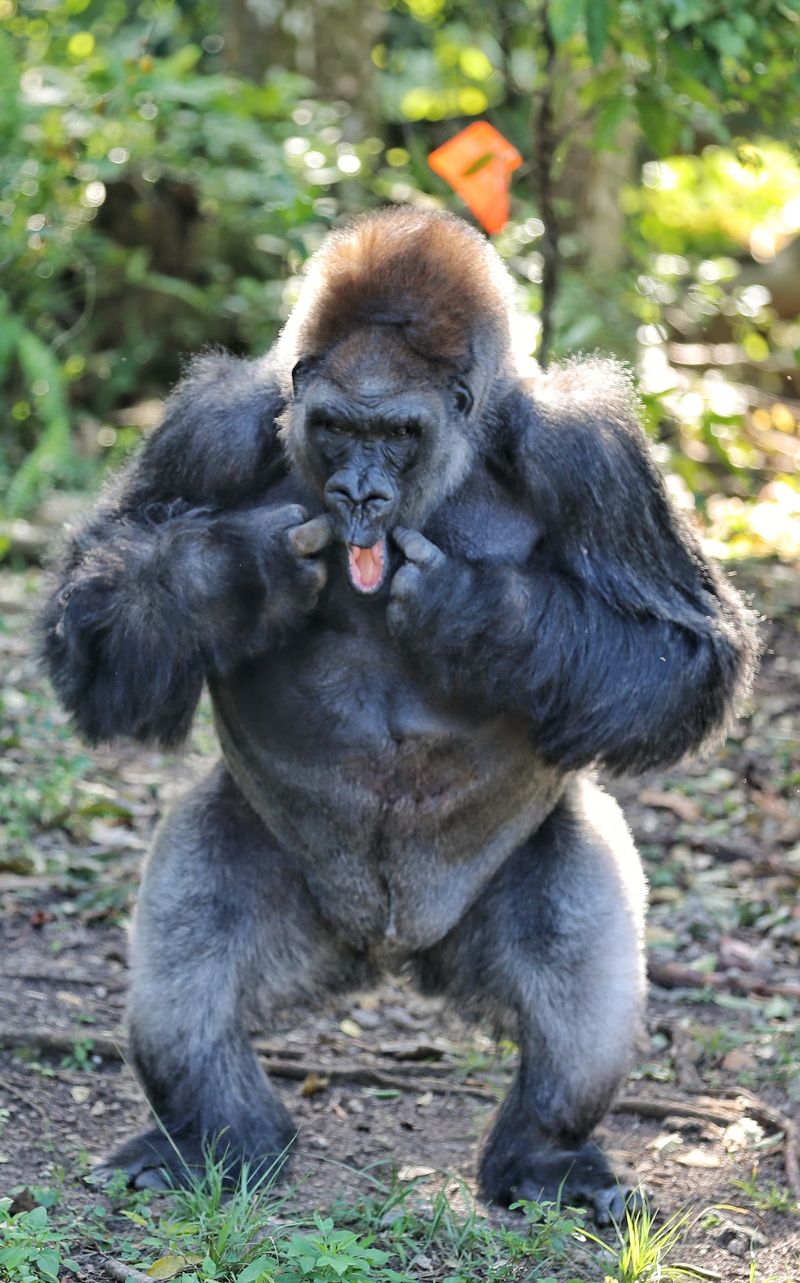
Not every resident here is small enough to pull a raisin bowl. Some of the park’s primates are big, bold, and impossible to ignore.
A gorilla holds court in its own habitat, one of the most talked-about animals on the grounds. Nearby, an orangutan lounges with a calm, well-groomed look, its long reddish arms draped over ropes and platforms.
Both animals give the park a weight that the playful macaques do not.
Then come the mandrills. Their bright blue and red faces make kids light up instantly, and plenty of young fans point and shout about the famous baboon character from a certain animated lion movie.
It is hard to blame them.
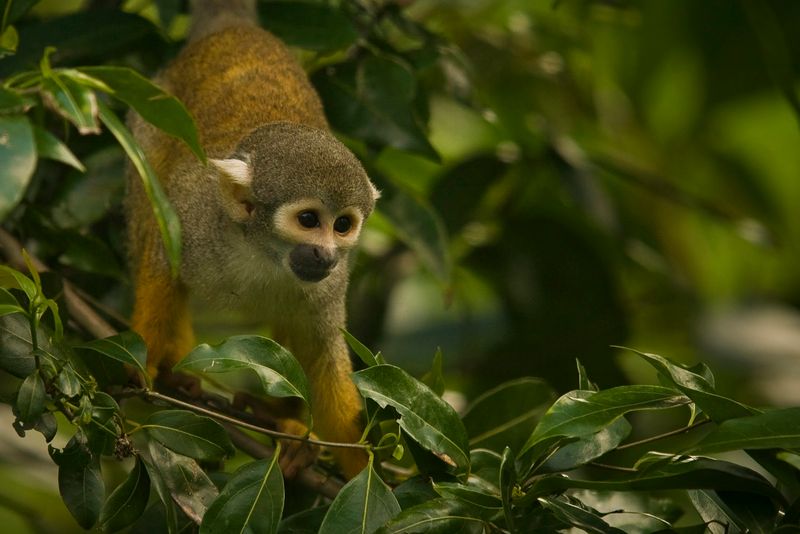
Spider monkeys, capuchins, and squirrel monkeys round out the primate lineup, each in separate spaces suited to their size and habits. Spider monkeys swing using their long tails, while squirrel monkeys move in quick, twitchy bursts that make them fun to follow.
Take time at each enclosure. Larger apes often sit still for long stretches, then suddenly do something fascinating, like inspecting a leaf or staring straight into your camera lens.
Tortoises, Parrots, and a Fossil Surprise
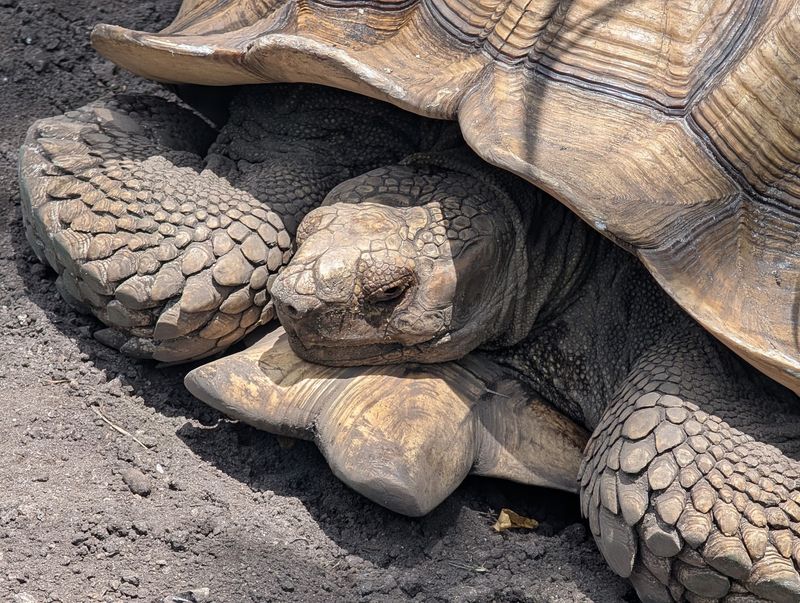
Slow down for a minute. The tortoises certainly will.
Beyond the primates, Monkey Jungle hosts a surprising mix of other creatures. Hefty tortoises munch on greens and can sometimes be fed during scheduled sessions, which gives younger kids a calmer animal encounter.
Iguanas sun themselves on rocks, and there are fish you can feed with pellets bought at the entrance.
The parrot area brings a burst of color and noise. Macaws and other tropical birds show off bright feathers, and a bird presentation runs during the day for anyone curious about how they talk, eat, and live so long.
A reptile show covers the scaly side of the collection with plenty of up-close moments.
Then there is the oddest exhibit of all: a fossil display connected to a site roughly 10,000 years old. It adds a quiet, museum-like pause to an otherwise lively walk, and it reminds you that this patch of Florida land has a very deep past.
Plan to spend around two hours total if you want to catch shows, feed animals, and see every corner without rushing.
The Rainforest Tour Up Close
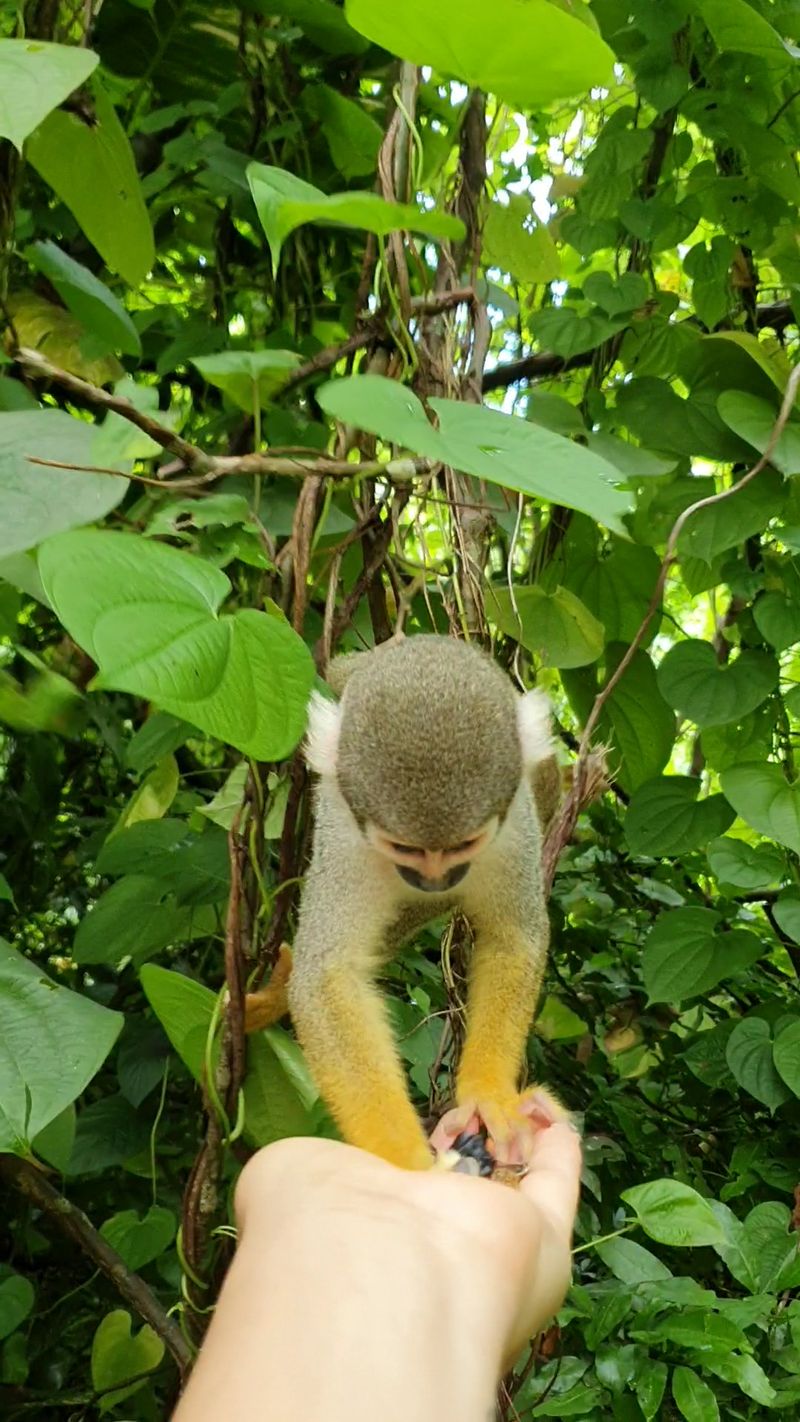
For the full, hands-on experience, there is the rainforest tour. This guided session takes small groups inside an enclosed rainforest exhibit where squirrel monkeys and capuchins roam.
Once you step in, the monkeys come right to you. They may hop onto your shoulders, scamper down your arms, and accept food straight from your hand.
Spider monkey feeding sessions are another option on certain programs. A typical visit inside lasts close to an hour, giving plenty of time for photos and questions.
Guides lead every step. Staff member Will, for example, regularly runs these sessions and the daily demos, mixing storytelling with clear instructions so everyone feels relaxed around the animals.
The cost sits well above general admission, often in the triple digits per person, so it is a splurge rather than a casual add-on. Check current pricing before you go.
Birthday groups sometimes book more than one tour, and staff can help plan time frames ahead.
Not ready to spend that much? Watching through the netting while the monkeys perform is still a delight, and the regular feeding bowls deliver plenty of laughs for a dollar.
Planning Your Trip to Florida’s Oldest Monkey Hangout
Timing matters here. Gates open in the morning, ticket sales stop in mid-afternoon, and the park closes not long after, so a late arrival can leave you locked out entirely.
Check current hours online before driving down.
Early is best for another reason too. South Florida heat builds fast, and the first hour after opening is cooler, quieter, and sometimes nearly empty.
During the June through November hurricane season, also check weather updates before heading out.
General admission is affordable for families, with lower rates for children, and discounts have been offered when parts of the park were closed for repairs. Call ahead to confirm which exhibits are open.
A few practical tips:
Bring water bottles, since drinking fountains are scarce and vending machines are the main option. Food service may not be available, so eat before or after.
Wear comfortable shoes and sunscreen, and pack small bills for the monkey food boxes.
The entrance shop doubles as a gift store with fair prices and plenty of plush monkeys. Afterward, Homestead’s farm stands and the gateway to Everglades National Park are a short drive away, making for an easy full day out.
A Quirky Classic That Still Delivers
Some attractions dazzle with rides and fireworks. This one wins you over with a monkey yanking a chain to snatch a raisin.
Monkey Jungle is not slick, and it does not pretend to be. The paths are old, the plants grow wild, and a few signs disappear behind leaves.
In exchange, you get something rare: primates moving freely through real forest while you watch from a screened tunnel, plus guides who make every show feel like a conversation.
It suits families with young children, couples on a day trip, and grown-up friend groups who want an easy laugh. Kids love the feeding bowls and the splashing pool.
Adults tend to linger at the gorilla habitat and the fossil display.
For anyone chasing classic roadside Florida, few places capture the spirit better. It has survived since the early 1930s by staying a little odd, a little scrappy, and full of animals doing hilarious things.
So grab a handful of snack boxes, head down early before the heat settles in, and let the monkeys put on the show. They have been rehearsing for nearly a century.