Bison Graze The Pastures At Blackhorn Bison Ranch In Lemhi, Idaho
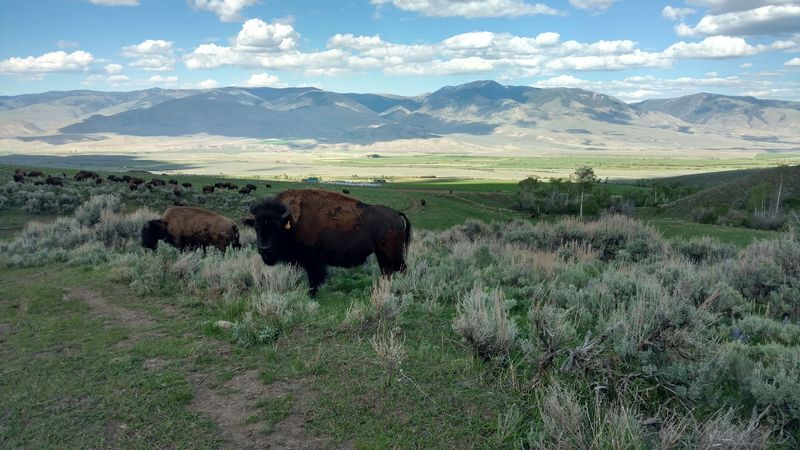
A gravel road in eastern Idaho can look like nothing special until a dark, shaggy shape lifts its head from the grass. Then another appears, and another, until a whole hillside seems to be moving.
In this quiet valley, a herd of bison roams open pasture below rugged peaks, much like their kind did long ago. It is the kind of sight that makes a long drive feel worth every mile.
Bison Country Below The Lemhi Range
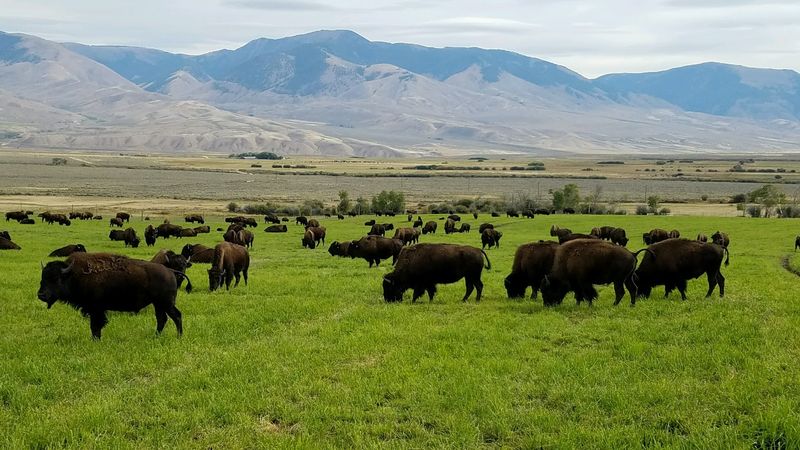
Few ranches in Idaho can say their main residents weigh as much as a small car and grow a winter coat thick enough to shrug off snow. Blackhorn Bison Ranch sits in the high country of Lemhi County, on the western slopes of the Lemhi Mountains, where bison move across open pasture and hillside.
The ranch spans thousands of acres in eastern central Idaho. Wide valleys, rugged peaks, and the Salmon River corridor shape the land around it, giving the place a feeling of space that is hard to find closer to the bigger cities.
At its heart, Blackhorn is a working bison operation. The owners raise animals for 100% grass-fed, all-natural, free-range meat, and they manage the land in a way meant to follow nature rather than fight it.
Still, the ranch also hopes to be a destination where friends and family can come and see the herd. That mix of working land and welcoming spot makes it a curious stop for anyone exploring this corner of the state.
Visitors get a look at ranch life on a scale most people only see in old photographs or nature films, with real animals and real grass.
Thirty-Five Miles South Of Salmon
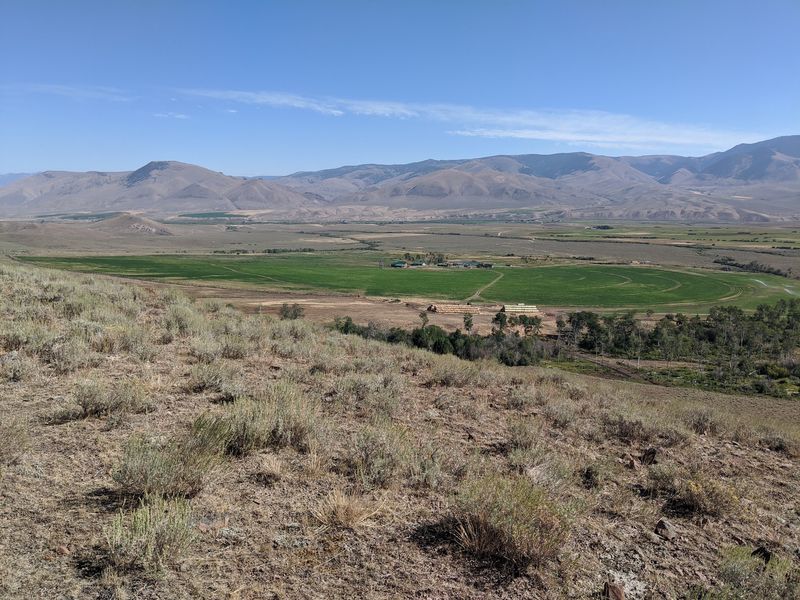
Salmon is the closest real town, and the ranch lies roughly 35 miles south of it. That drive follows the Lemhi Valley, where hay fields, ranch fences, and long views stretch out in every direction.
The physical address is 138 Zeph Creek Road in Lemhi, Idaho. Lemhi itself is a tiny spot on the map, so it helps to have directions ready before cell service gets spotty.
Salmon, the county seat, makes a handy place to fill the tank and grab snacks before heading south.
Lemhi County is one of the smaller counties in Idaho by population. The 2020 census counted 7,974 people, and the number is projected to reach around 8,418 by 2026.
With that few residents spread over so much land, empty roads are normal, and traffic usually means a cattle truck or a slow tractor.
Anyone driving in from the Treasure Valley or the Snake River Plain should plan on a full day of travel or an overnight. The trip itself becomes part of the adventure, with mountains rising on both sides and the river never too far away.
Keep an eye out for deer near the shoulders, especially around dusk.
Footsteps Of Sacajawea And Lewis And Clark
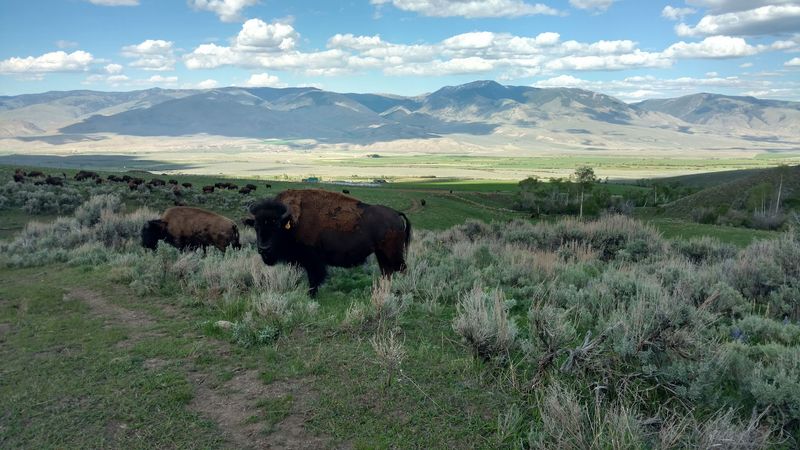
Long before bison ranches and gravel roads, this valley was home to Sacajawea. Lemhi County is known as her birthplace, which gives the region a special place in American history books.
The Lewis and Clark Expedition also crossed the Continental Divide near the Montana and Idaho border in the Lemhi area. Imagine walking over those passes with no maps, then looking down into the same broad valley that visitors drive through today.
It puts the scenery in a whole new light.
That history still shapes how people here see their home. Residents of Lemhi County value independence, outdoor living, and their local heritage.
Ranching and agriculture remain a big part of the local economy, so a bison operation fits right into the story of the valley.
Fun fact for curious kids: bison once roamed across much of the West, and the explorers wrote about the wild animals they saw on their journey. Watching a herd today on these slopes gives families an easy way to connect a history lesson with something they can see with their own eyes.
Few classrooms come with a view this big, or with teachers that grunt and roll in the dust.
Springs Running Through High Ground
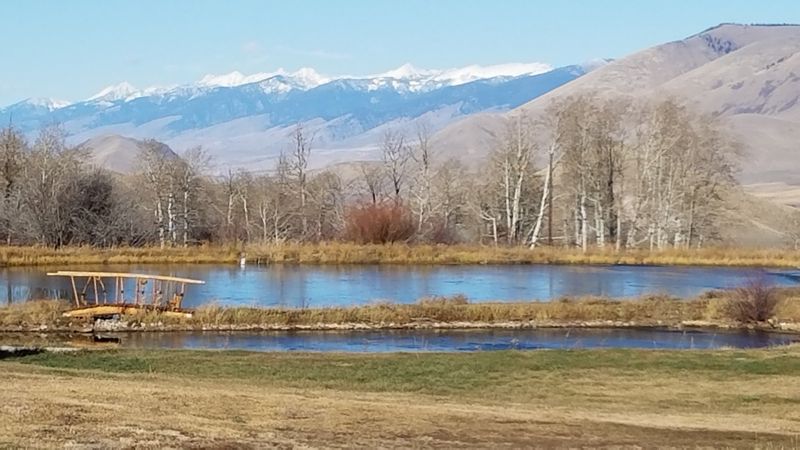
Elevation on the ranch runs from about 6,400 to 7,400 feet. That is higher than many ski towns, and it means cool nights, bright sunshine, and air that feels crisp even in summer.
Water is the secret ingredient up here. Natural springs and streams wind across the property, giving the bison access to clean mountain spring water.
Those same streams help keep the whole ecosystem healthy, from the grasses along the banks to the birds that drop in for a drink.
Up this high, weather can change fast. A sunny morning may turn breezy by afternoon, and snow can show up earlier and stay later than it does in the lower valleys of Idaho.
Packing a warm layer is a smart move no matter the month.
The thin air also makes the colors pop. Green meadows, gray rock, and deep blue sky stack up in layers that look almost painted.
Even a short stroll can leave flatlanders a little winded, so taking it slow is part of the fun. Bison seem to agree, since they rarely hurry anywhere unless something truly catches their attention.
Nearly Three Hundred Shaggy Neighbors
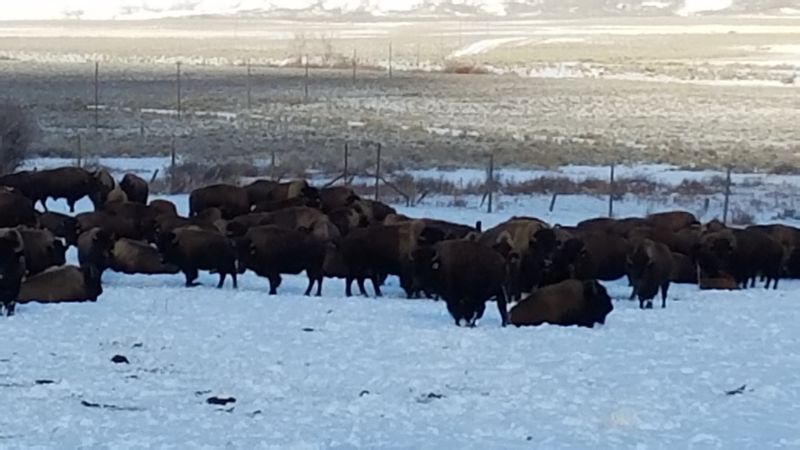
Count the dark humps on the hillside and you might give up somewhere past fifty. The ranch is home to a herd of nearly 300 bison, and they graze freely across open pastures and slopes.
Bison are the largest land animals in North America. Bulls carry a massive hump of muscle over their shoulders, which helps them swing their heads like snowplows to push snow aside and reach the grass underneath.
Cows are smaller but still impressive, and calves start out a reddish color before turning darker brown.
Watching the herd move is oddly calming. They graze in loose groups, wander toward water, then settle down to rest and chew.
Every so often a bison flops onto its back and rolls in the dirt, kicking up dust in a move that looks silly but helps keep bugs away.
These animals are wild at heart, so the best view comes from a respectful distance. Give them plenty of room, keep pets close, and let the herd go about its day.
A pair of binoculars turns a far-off brown dot into a full portrait, beard and all.
Where Grass And Wildflowers Grow Thick
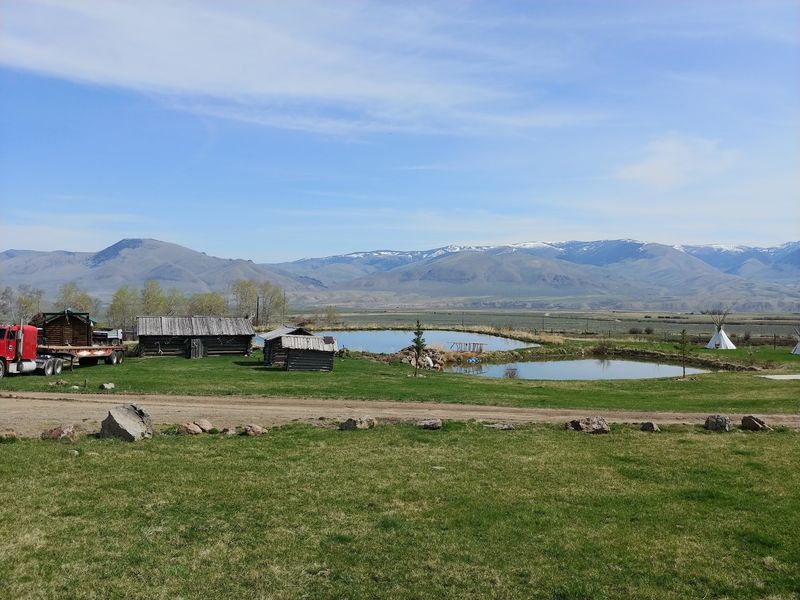
Kneel down in the pasture and the ground tells its own story. Grasses, forbs, and flowers flourish across the ranch, forming the base of a food web that keeps the whole place running.
Forbs are leafy, non-grass plants, and many of them bloom with bright colors in early summer. Mixed with native grasses, they give bison a varied diet, a bit like a salad bar that changes with the seasons.
Healthy plants also hold the soil in place and help the springs stay clear.
The open prairie at the base of the Lemhi Mountains is kept healthy by giving the herd plenty of room. Instead of crowding animals onto one small patch, the bison spread out across a wide area.
That space lets plants recover between visits, so the grass keeps coming back strong.
Late spring and summer usually bring the greenest views in this part of Idaho. By fall, the meadows fade to gold and tan, which makes the dark bison stand out even more.
Each season paints the pasture differently, and photographers will find something new to frame on every trip.
Ranching That Follows Nature’s Lead
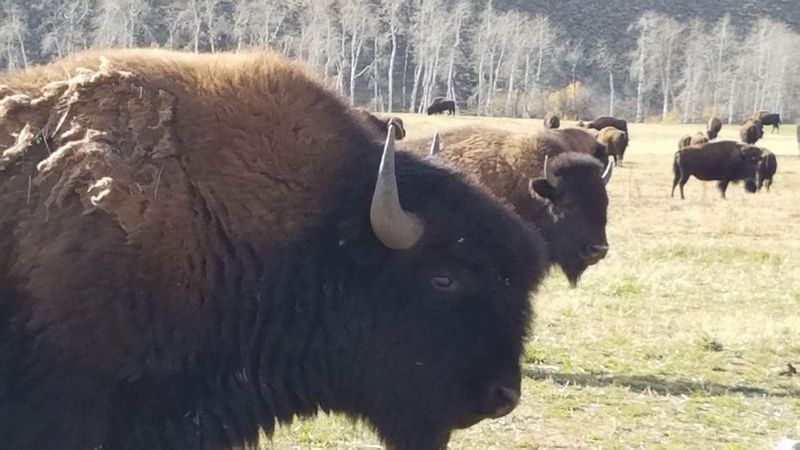
Copy what nature already does well. That simple idea guides how Blackhorn manages both its land and its animals.
The ranch describes its practices as designed to mimic nature’s intentions. Bison roam across large pastures instead of standing in tight pens, eat grass instead of grain, and drink from natural springs.
The goal is a herd that lives much like wild bison would, with the room and food their bodies are built for.
Low stress matters too. The ranch uses humane, low-stress methods when the time comes to process animals, which reflects respect for the herd from start to finish.
Calm animals and calm handling go together, and that approach is a point of pride for the operation.
For visitors, this philosophy shows up in small ways. The herd tends to look relaxed, the pastures look lived-in but not worn out, and the whole scene feels more like a nature preserve than a feedlot.
It offers a helpful lesson for kids and adults who want to understand where food comes from and how ranchers in Idaho care for the land that feeds their animals.
Miles Of Trails Among The Herd
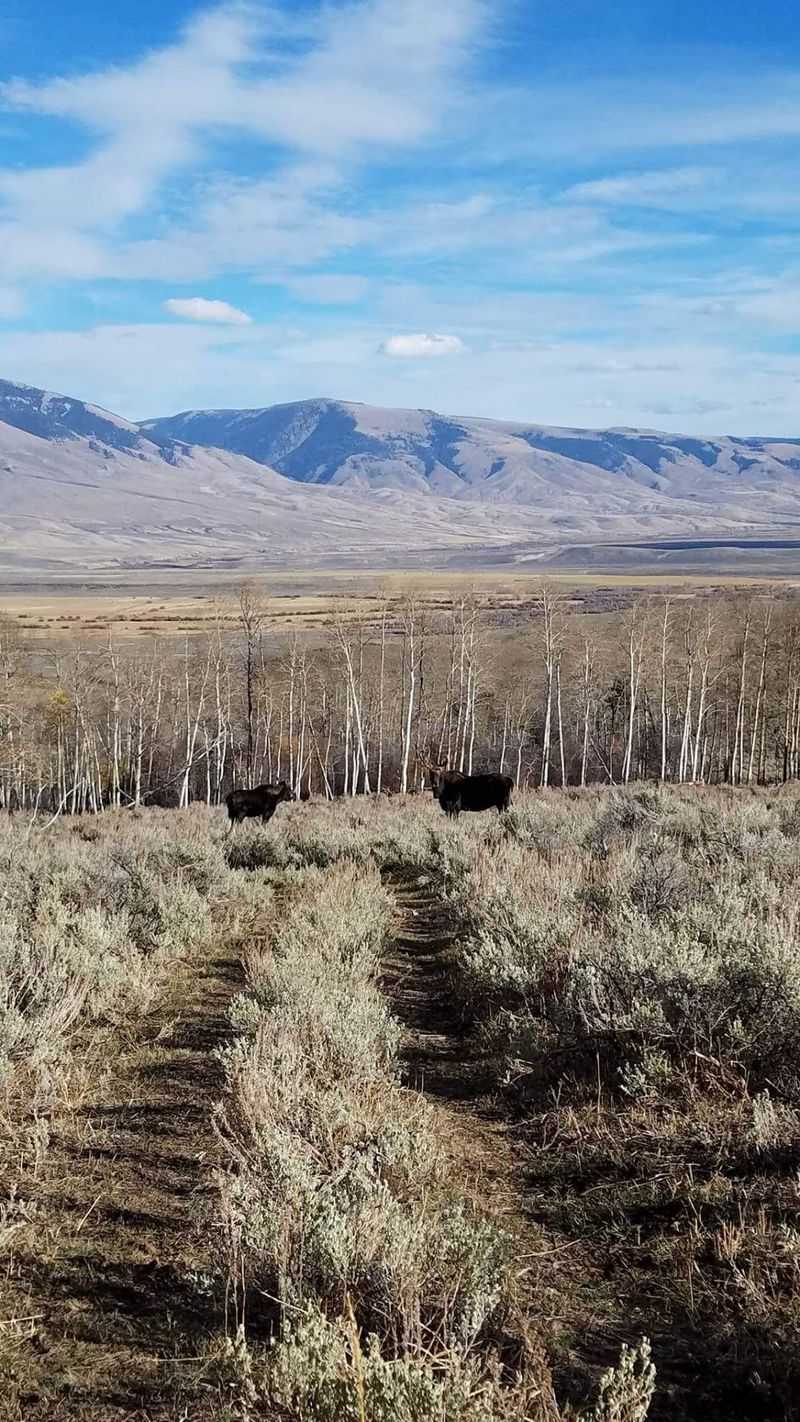
Lace up sturdy shoes, because the best part of the ranch is out on foot. Visitors can explore miles of trails to watch the bison herd in its natural setting.
The trails cross open hillsides and pasture, with wide views of the valley and the mountains beyond. Some stretches climb gently, and at these elevations even a mild grade can feel like a workout.
Plenty of water, sunscreen, and a hat make the outing far more comfortable.
Walking slowly pays off. Bison often blend into the landscape until one shifts or snorts, and suddenly a whole group appears where only grass seemed to be.
Stopping on a high spot with binoculars is a great way to scan the slopes and spot animals without crowding them.
Keep a safe distance at all times and follow any guidance from the ranch. Bison can run surprisingly fast, so the rule is simple: if an animal changes its behavior because of you, you are too close.
Respect keeps the visit fun for everyone, including the herd, and it guarantees the trails stay open for the next family who drives all this way.
Moose, Elk, And Surprise Guests
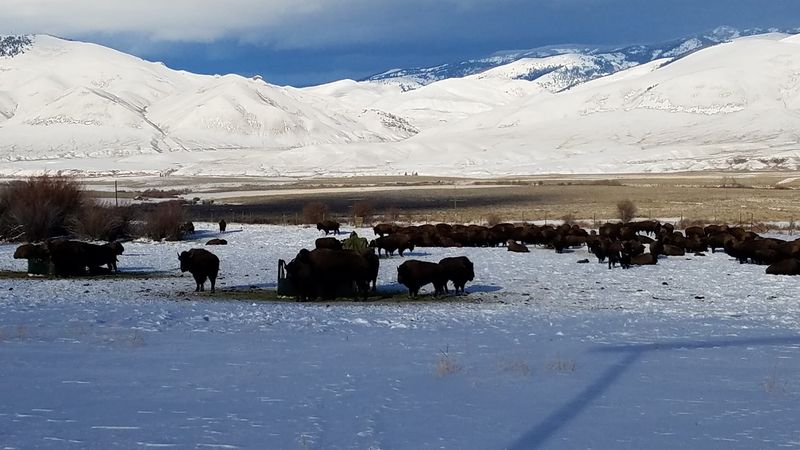
Bison may be the headliners, but the supporting cast is just as exciting. Moose, elk, deer, and antelope all share the land around the ranch.
The list keeps going. Mountain lions, bears, wolves, coyotes, and many kinds of game birds also call this part of Idaho home.
Most of the bigger predators stay shy and out of sight, but just knowing they are out there makes every rustle in the brush a little more thrilling.
Early morning and evening are usually the liveliest times for wildlife. Moose like to hang around willows and streams, while pronghorn antelope prefer open sagebrush where they can see danger coming.
Elk often move along the edges of the hills, and deer pop up almost anywhere.
Kids can turn the visit into a game by keeping a sighting list. Check off each animal spotted, and see who finds the most.
Grown-ups might get competitive too. Just remember that all of these creatures are wild, so watching from afar is the safest and kindest way to enjoy them in the high country of Lemhi County.
Grass-Fed Bison From Mountain Pasture
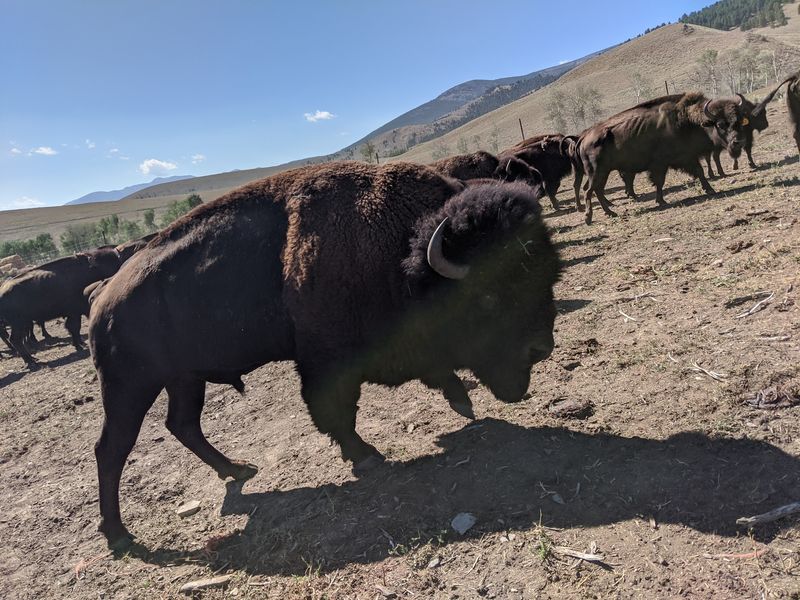
Ask a rancher here what makes the meat different, and the answer usually points back to the grass. Blackhorn focuses on producing 100% grass-fed, all-natural, free-range bison meat.
Grass-fed means the animals eat pasture plants their whole lives rather than being finished on grain. Free-range means they have room to move, graze, and behave like bison.
Put those together with clean spring water and high mountain air, and you get meat shaped by the land it came from.
Bison is a lean red meat with a rich flavor that many people enjoy in burgers, roasts, and stews. Home cooks often say it cooks faster than beef because it has less fat, so a gentle hand on the grill helps keep it tender.
A little salt and pepper is often all it needs.
Buying from a working Idaho ranch also supports the local economy, where agriculture remains a big part of daily life. For families who like knowing where dinner comes from, it is hard to beat seeing the actual pasture in person.
Check directly with the ranch about availability before planning a stop.
Quiet Days For Families And Wanderers
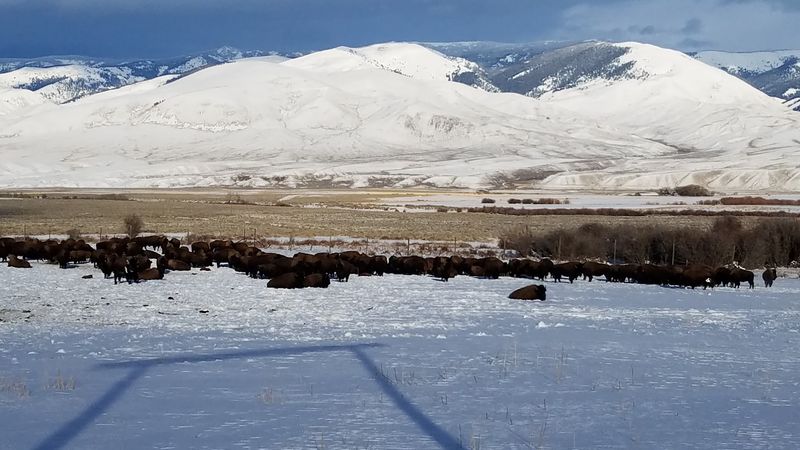
Silence is the first thing many visitors notice. No traffic hum, no crowds, just wind in the grass and the occasional low grunt from the herd.
That calm makes the ranch a good fit for families who want an unhurried outing, near-retirees chasing open space, and photographers hoping for wildlife shots. Outdoor lovers will also find plenty nearby, since Lemhi County offers hiking, fishing, rafting, horseback riding, and wildlife watching throughout the year.
Parts of the Salmon, Challis, and Targhee National Forests sit within the county too.
Past guests have described the setting as pristine and the views as top notch, and a few mention enjoyable stays. The staff have been called friendly and welcoming, which fits the ranch’s hope of being a place for friends and family to gather.
Travelers who need restaurants on every corner may find it a bit too remote. For everyone else, the distance is the point.
Out here, a good afternoon might simply mean sitting on a tailgate, sharing a thermos of cocoa, and watching hundreds of bison drift across a hillside in central Idaho as the shadows grow long.
Before You Point The Truck South
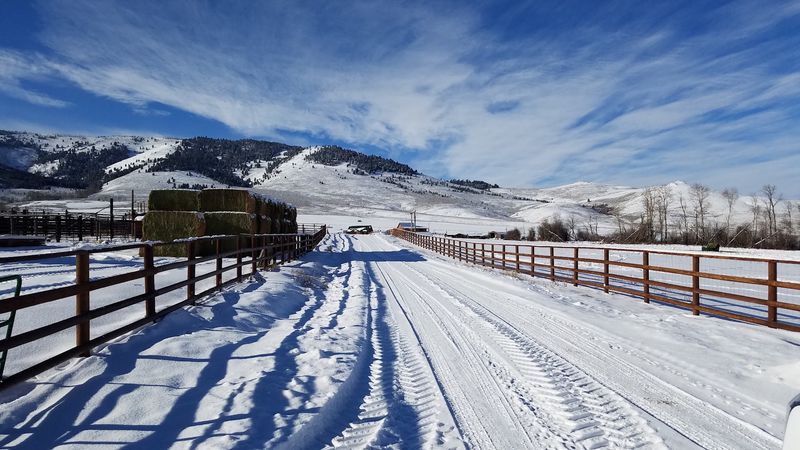
Planning ahead goes a long way in a place this remote. The ranch is a working operation, so reach out before driving to confirm visiting options, seasonal access, and whether meat or stays are available during your trip.
Hours and prices were not listed in the information we found, so check directly with the ranch rather than guessing. Summer and early fall usually offer the easiest road conditions in this part of Idaho, while winter can bring deep snow and cold temperatures at 7,000 feet.
A full tank, snacks, water, warm layers, and binoculars belong in every vehicle headed this way.
Remember to stay on trails, keep a wide gap between you and the animals, and leave gates the way you found them. Ranch courtesy keeps the land healthy and the welcome warm.
So is the trip worth it? For anyone who loves big skies, Idaho history, and the sight of a bison herd rolling across mountain grass, it likely will be.
The ranch offers a slower, simpler kind of day, one that tends to stick in your memory long after the dust settles on the drive home through the Lemhi Valley.