This Enormous Georgia State Park Has Native Copperheads So Hikers Know To Watch Their Step
Every great trail has a rule. Here, it’s simple.
Look down once in a while. This sprawling state park in Georgia covers thousands of acres of forest, river, and rocky creek banks.
It’s home to rushing shoals, quiet lakes, and old ruins that make you slow down and stare. It’s also home to copperheads.
That sounds scarier than it is. These snakes are shy.
They blend into fallen leaves and would much rather slip away than meet you. A little awareness goes a long way.
I actually like that about this place. It feels wild in the best sense.
You’re a guest here, not the owner. Stay on the trail, keep your eyes open, and the woods reward you with views worth every mile.
Few parks in Georgia offer this much room to roam. Lace up and pay attention.
A Wild Escape Just Outside The City
Fifteen miles from downtown Atlanta sounds too close for real wilderness. I thought so too, until the trees swallowed up every trace of traffic.
The park covers about 2,549 acres in east Douglas County. That is a lot of room for trails, bluffs, creek valleys, and quiet corners to explore.
Georgia established the park in 1972, and it opened to visitors in 1976. It has grown into one of the most loved outdoor spots near the city ever since.
A creek with a sweet name runs right through the middle of it all. The water gives the land its shape, its sounds, and plenty of its charm.
Families come for picnics, fishing, paddling, and long hikes. Trail runners and bird watchers show up early to beat the crowds and catch the morning songs.
Parking costs about ten dollars per visit and is paid digitally with a QR code. If you plan to return often, an annual pass is a smart buy.
Bring water, bug spray, and a few snacks for the trail. Good shoes matter too, since the ground gets rocky and uneven in places.
All of this makes for a big, rewarding day trip at Sweetwater Creek State Park. Find everything at 1750 Mt Vernon Rd, Lithia Springs, GA 30122.
Smart Steps For Snake Country
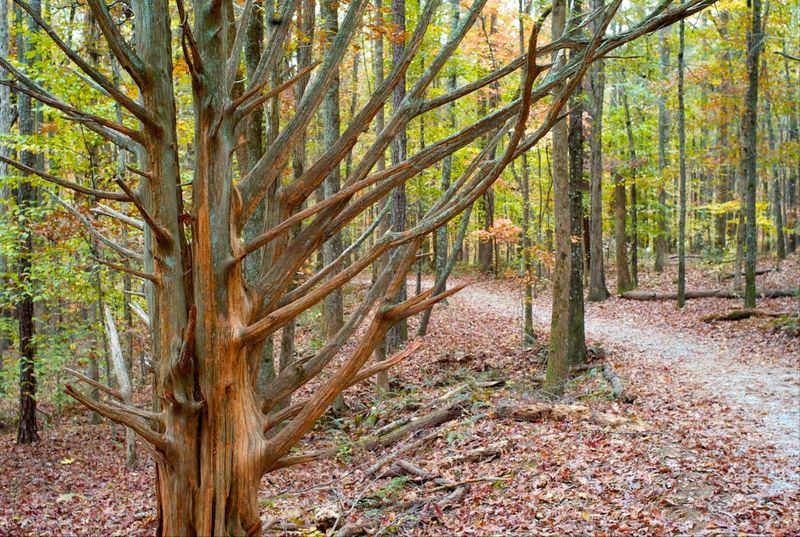
Leaves are lovely until they start hiding things. Copperheads blend into leaf litter so well that I once stared at a patch for a full minute.
Camouflage is their best trick. That is why careful eyes matter more than fast feet on these trails.
Staying on marked paths is the simplest safety rule. Open trail ground makes it easier to see what is in front of you.
Watch closely around shaded trails, leafy paths, and rocky outcrops. Those spots are favorite resting places for snakes on warm days.
Timing helps too. Copperheads are most active around dawn and dusk, although their habits can shift with the seasons.
Listen as well as look. Copperheads have no rattles, but they may shake their tails hard, making a buzzing sound in dry leaves.
Never put your hands where you cannot see. Step onto logs and rocks, not blindly over them, and keep kids close on narrow sections.
Wear closed shoes with good grip instead of sandals. A small flashlight helps on early morning or evening walks.
None of this should scare you off. A little attention turns a snake sighting into a cool story rather than a problem.
Historic Mill Ruins Beside The Creek
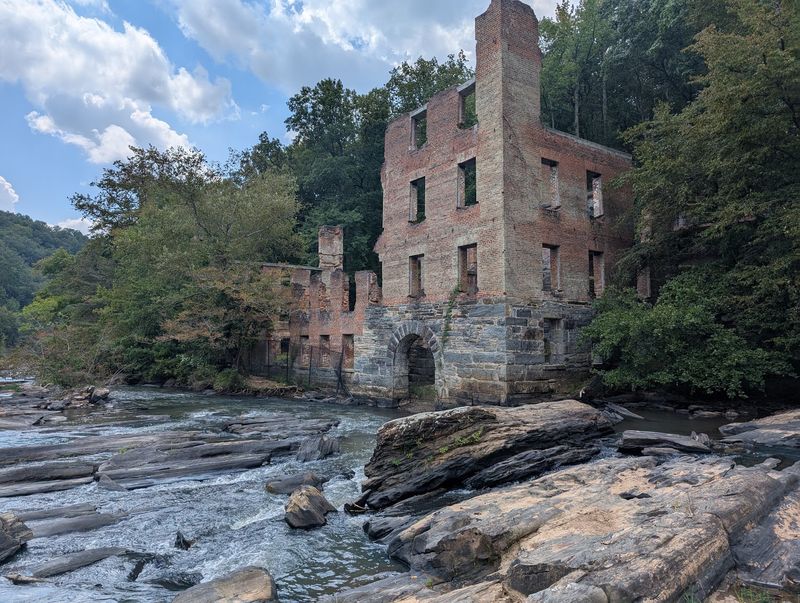
Old brick walls rise out of the forest like a scene from a movie. In fact, this area has served as a filming location, including scenes tied to The Hunger Games.
The ruins belonged to the New Manchester Manufacturing Company mill. This textile mill once turned cotton into cloth beside the rushing creek.
The mill was destroyed in the 1860s. What remains today is a tall shell of brick, windows open to the sky.
A modern viewing platform lets you see the ruins up close. It feels surprisingly grand, almost like something from a national park.
I stood there longer than planned, trying to picture the noise of machines. Now the only sound is the water racing past the old foundation.
Photographers love the contrast between green leaves and weathered red brick. Morning and late afternoon light make the walls glow nicely.
Please respect the barriers and stay on the platform. The structure is old, and the history deserves careful treatment.
Want more background before you go? The Visitor Center has displays that explain the mill, the workers, and the community that once lived here.
Red Trail Rapids And Creekside Views
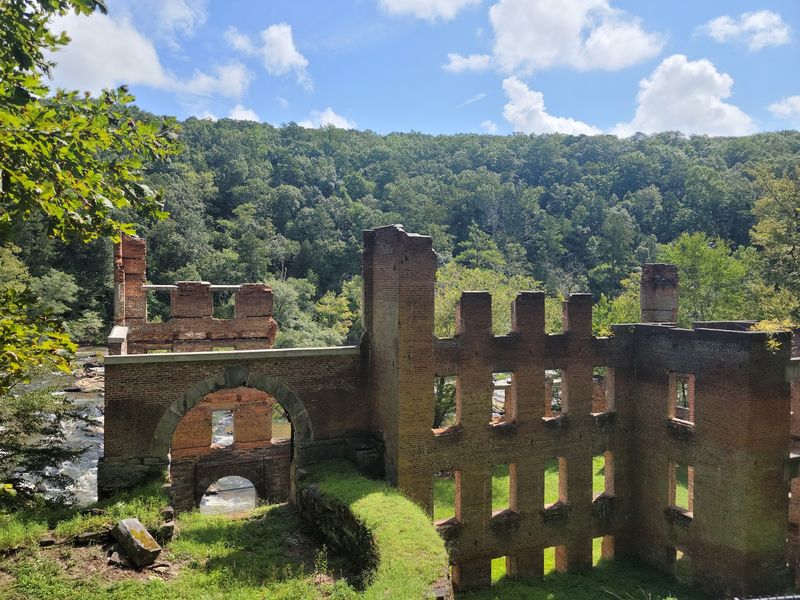
Short trails can still steal the show. The Red Trail runs about two miles and packs in more scenery than some trails twice its length.
It follows the creek closely for much of the way. The shade along the water keeps things cooler on sunny afternoons.
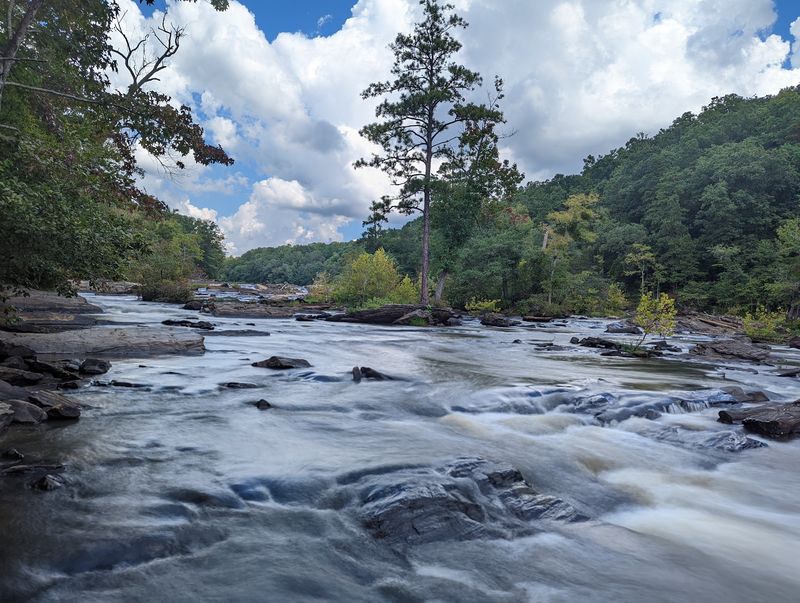
The path leads straight to the mill ruins. Keep going and you reach the whitewater rapids, where the creek tumbles loudly over boulders.
Near the rapids, several viewpoints offer clear looks at the rushing creek and surrounding rocky landscape.
Families love this trail because it feels manageable. Kids can point out rocks, ripples, and birds without getting worn out.
Fair warning, though, the rocks near the water can be slippery. Wet surfaces and roots ask for slower, steadier steps.
After heavy rain, the creek can run fast and strong. Wading is best saved for calmer days, and swimming in strong currents is not wise.
Remember the snake tips here as well. Rocky edges near water make great hiding spots, so look before you sit or reach.
Color-Coded Paths For Every Kind Of Hiker
Colorful markers on trees make navigation feel like a friendly game. More than 15 miles of maintained trails wind through the park, each tagged with its own color.
Want a bigger challenge? The White Trail loops about five miles through some of the most remote parts of the park.
That route was designed to show off wildlife and plant communities. Expect ridges, valleys, and quiet stretches where you may not see another person.
I nearly took a wrong turn out there. Checking the markers often saved me from an accidental bonus mile.
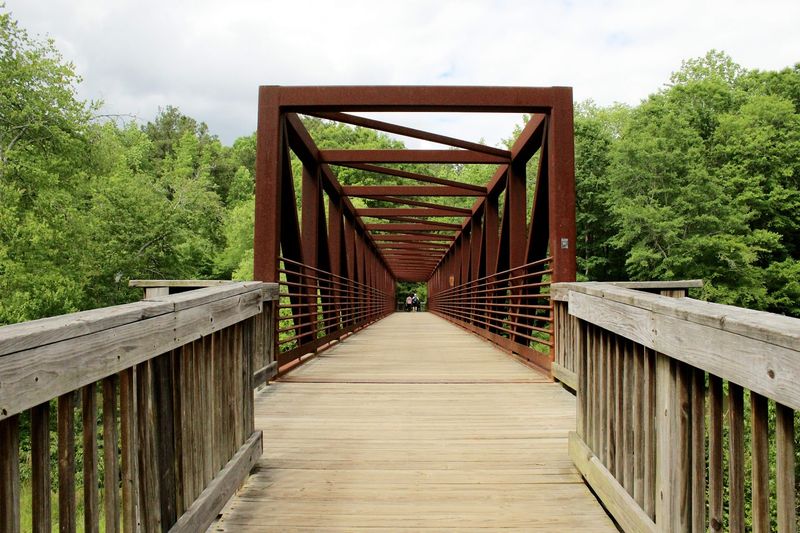
The Yellow Trail is a three-mile loop with its own perks. It crosses the creek on a bridge and offers views of the mill ruins from the opposite bank.
The footbridge gives lovely views up and down the water. It is a fine spot for a quick photo and a sip of water.
Along the way, look for ferns, magnolias, and wild azaleas. Spring blooms add bright splashes of color to the green woods.
Grab a trail map before starting. Paper maps still beat a dead phone battery deep in the forest.
Calm Water Made For Kayaks And Pedal Boats
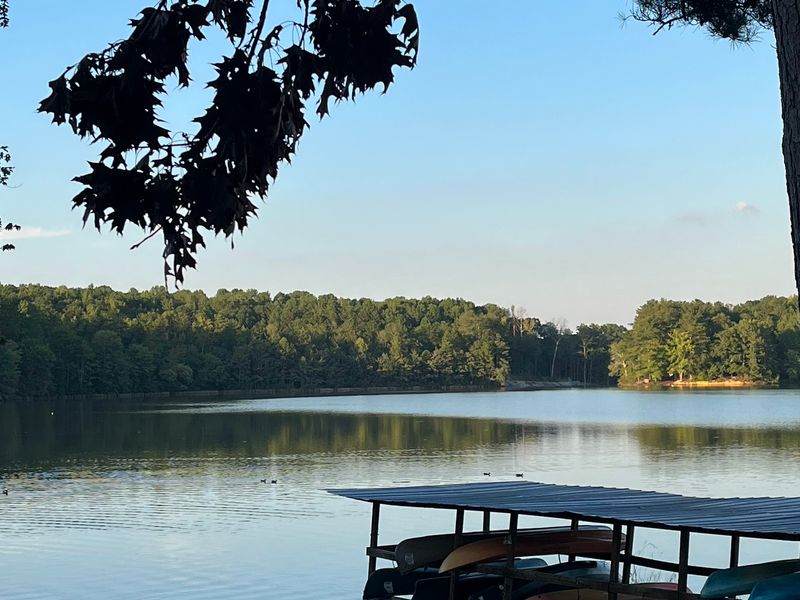
Calm water has a gift for slowing everyone down. George Sparks Reservoir spreads across 215 acres, giving the park a whole second personality.
Only electric motors are allowed on the lake. That rule keeps the surface quiet and pleasant for paddlers and anglers.
During warmer months, you can rent canoes, kayaks, stand-up paddleboards, and pedal boats. I chose a kayak and drifted along the shoreline far longer than planned.
Fishing is a big draw here. Anglers line the banks and float in small boats, hoping for a good tug on the line.
Picnic tables near the water make lunch easy. Bring a simple meal and enjoy the breeze off the lake.
Ducks often wander the area looking for company. Watching them paddle around is free entertainment for kids and grown-ups alike.
Wear sunscreen and a hat, since open water offers little shade. A life jacket is important for paddlers, and swimming is not allowed in the reservoir.
Bird lovers should keep their ears open. Morning hours here can bring a chorus of songs from the trees lining the shore.
Fall Asleep Under A Sky Full Of Stars
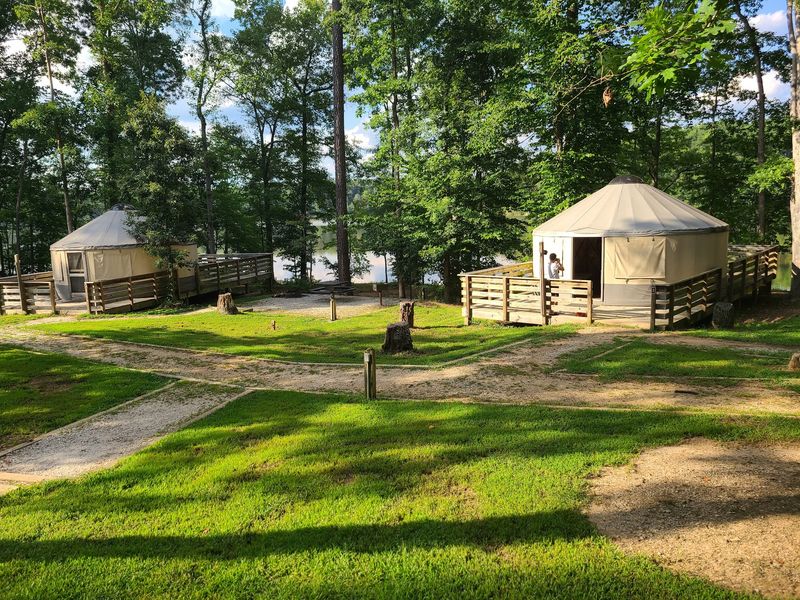
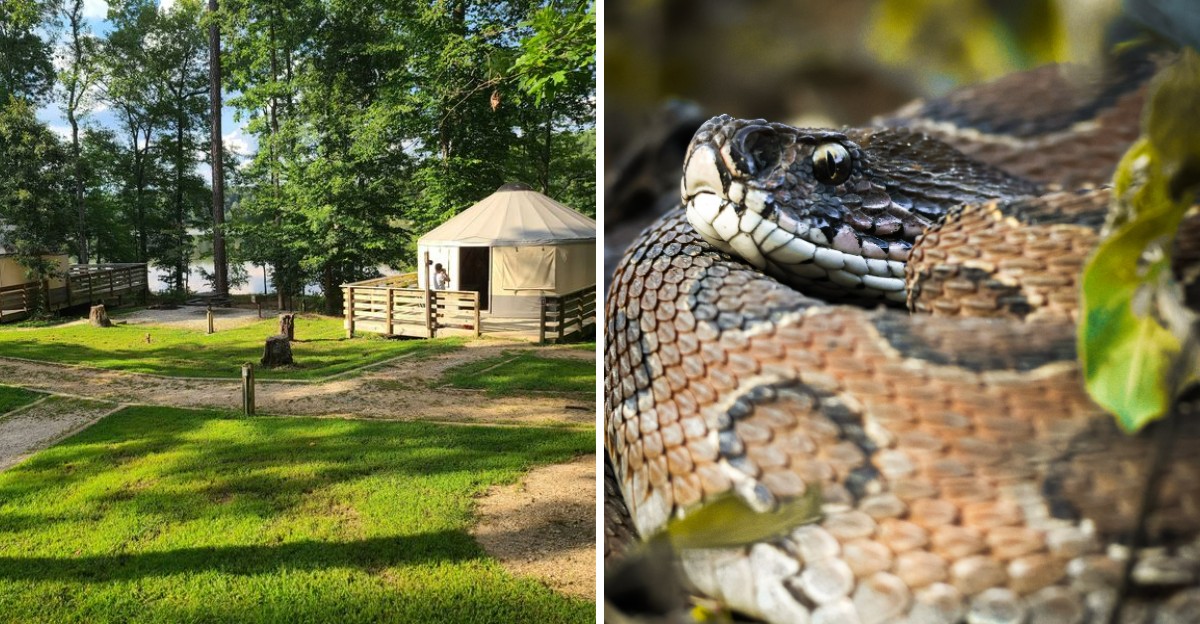
Sleeping in a round tent with a real floor sounds fancy, and it kind of is. The park offers a yurt village with 10 yurts for overnight stays.
Yurts sit somewhere between camping and a cabin. You get sturdy walls and a deck while still hearing the woods around you.
Prefer the classic approach? Five tent campsites are available for anyone who likes sleeping closer to the ground.
The tent pads use gravel, so bring an extra ground sheet. A small rake or broom can help smooth your spot before setup.
The campground has a locked gate, which adds peace of mind. A campground host is also assigned to the area.
Since the park sits close to highways and an airport, nights are not silent. Packing earplugs is a smart move for light sleepers.
Firewood can be ordered ahead for yurt stays, which makes evenings cozy. Nothing beats warm hands by a fire after a long hike.
Book early, especially for weekends and holidays. With so few sites, spots fill quickly once the weather turns nice.
Meet The Copper-Headed Locals

Some neighbors never send a welcome card. Copperheads simply live here, quietly, and they were here long before the trail markers.
These snakes are native to most of Georgia, except the far southeastern corner. Shady forests and rocky ground at this park give them exactly what they like.
Spotting one is easier when you know the look. Copperheads are medium-sized pit vipers, usually two to three feet long.
Their heads are triangular and copper colored. Their tan or light brown bodies carry darker hourglass bands that look like candy kisses from the side.
Here is a fun fact that surprised me. Baby copperheads are born with bright yellow-green tail tips, which they wiggle to lure in small prey.
They are shy by nature and would rather stay still than cause trouble. Most problems happen when someone steps on or reaches near one without seeing it.
Bites are rare when hikers stay alert and give snakes space. Their venom is also less potent than many other species, and some bites carry no venom at all.
Respect them, admire them from a distance, and keep walking. The forest has room for everyone.
An Award-Winning Visitor Center Worth A Stop
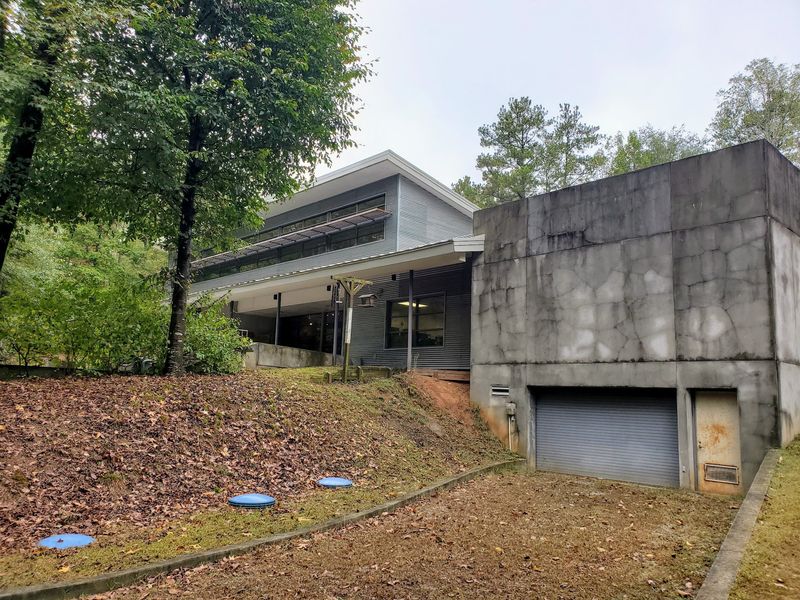
Most buildings in parks are just places to grab a map. This one earned national praise as one of the most environmentally responsible buildings in the country.
Inside, exhibits explain the history and wildlife of the area. I learned more about the mill in twenty minutes than in years of passing road signs.
Wildlife displays are especially handy before a hike. Knowing what a copperhead looks like makes those leafy trails feel less mysterious.
Trail maps are available here, along with friendly staff ready to help. Ask about trail conditions, creek levels, and the best route for your energy level.
A gift shop offers fun souvenirs for nature fans. Snacks are also sold, which can rescue a hungry hiker.
Restrooms nearby make it a good starting and ending point. The playground and workout area near some trailheads keep active families busy too.
Parking lots can fill fast on busy days. Arriving early gives you a better spot and a quieter start on the trails.