Llamas And Alpacas Greet Every Visitor Who Wanders Through This Idaho Farm Store
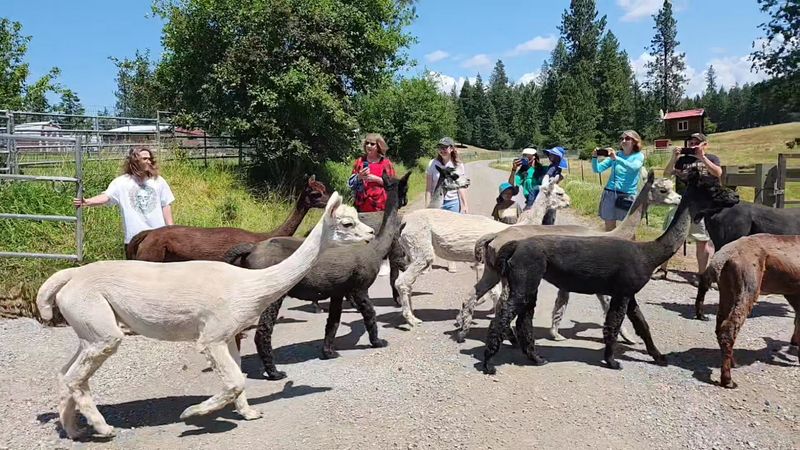
Gravel crunches under the tires for the last half mile, and then a llama lifts its head over a fence like it has been expecting you all afternoon. Up on a quiet ridge in North Idaho, a family ranch trades fiber, feed buckets, and friendly faces with anyone who books a visit.
Kids lose their minds over mini donkeys, grandparents stand still to listen to the wind in the grass, and nobody leaves without fuzz on their sleeves. It is the kind of Idaho outing that looks ordinary from the road and turns into the story everyone tells at dinner.
A Ridge Above Coeur d’Alene
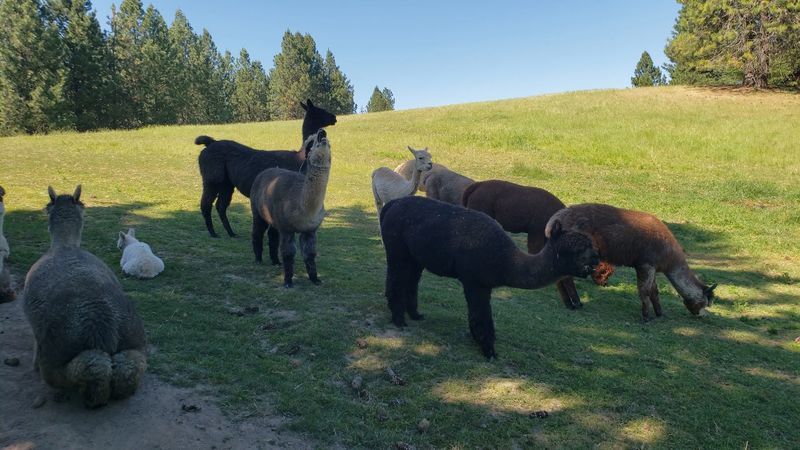
Folsom Ridge rises east of Coeur d’Alene, and near the top sits a working ranch where alpacas, llamas, and a small crowd of barnyard friends spend their days. Seven Stars Alpaca Ranch is part breeding operation, part country store, and part open invitation to come meet the animals up close.
The ranch raises alpacas for high-quality fiber, and that purpose shapes everything. Fleece becomes yarn and goods in the gift shop, while the herd becomes the reason families drive out of town on a free afternoon.
Plenty of North Idaho spots promise a quiet escape. Few hand you a scoop of feed and let a curious llama make the first move.
Visitors describe the property as tidy and well kept, with green hills and forest wrapping around the pastures. Paddocks spread across the slope, and the animals wander them in a loose, contented rhythm.
It sits close enough to the Panhandle’s biggest lake town for an easy half-day trip, yet far enough uphill that the traffic noise simply fades. That balance is a big part of the appeal for locals and travelers alike.
Finding Folsom Ridge Road
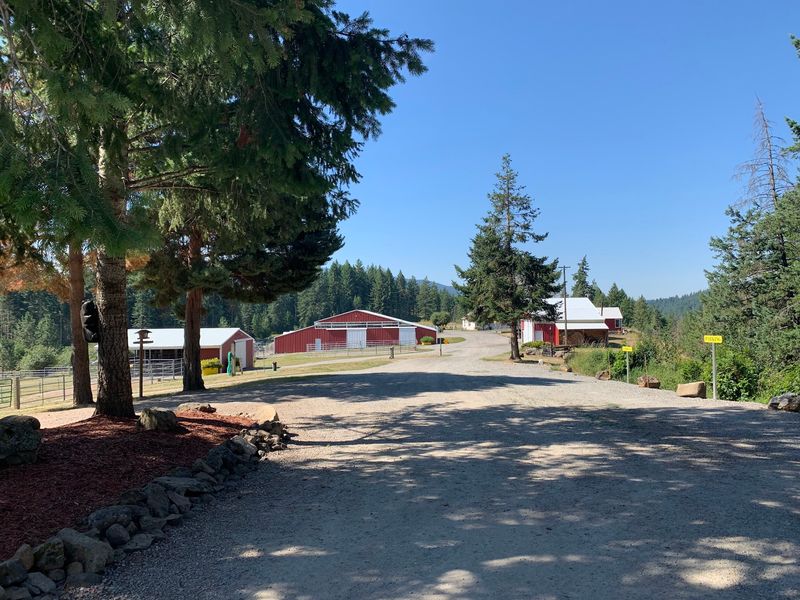
Directions start with a simple address: 2885 S Folsom Ridge Rd, Coeur d’Alene, ID 83814. From there, the route climbs through countryside that visitors call pretty nearly the whole way.
Most of the drive stays on pavement. The final stretch, roughly half a mile, turns to well-maintained gravel, and a few first-timers admit that surprise made them second-guess their phone.
Good news on that front. Guests report that trusting the map app gets you right to the gate without trouble.
Any regular car handles the road in decent weather, though it pays to take the gravel slowly and enjoy the view. Pines crowd the edges, and open hillsides start peeking through as you near the ranch.
Timing matters more than the road itself. Visits run by appointment, so plan the drive around your booked slot rather than just showing up hoping for an open gate.
Leave a little cushion in your schedule, too. Rushing up a ridge to meet a herd of easygoing alpacas defeats the whole point of the trip.
Generations Of Ranch Hands
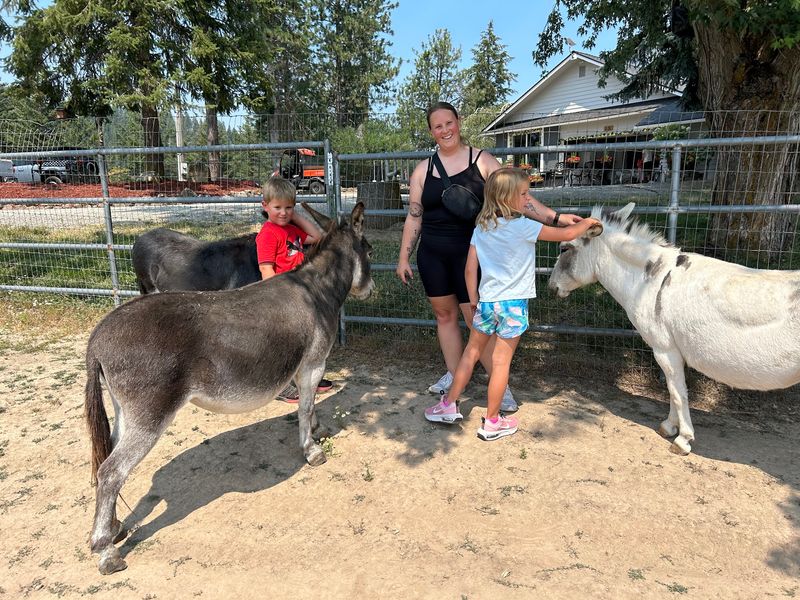
Family runs this place, and you feel it within minutes. Seven Stars is a multi-generational operation, with parents, kids, and relatives all pitching in on tours and chores.
Guests mention different names over the years, which tells its own story. Some recall Sonia and Andy caring for the land, while recent visitors describe Deanna and her daughter Ellie guiding groups through the pastures, and others remember a guide named Clint who kept young kids engaged.
That changing cast hints at a ranch passed along and kept going by people who clearly love the work. The care for animals and guests carries through no matter who opens the gate.
One longtime visitor remembered riding a utility vehicle through the woods and across a little stream years ago. Recent guests describe the same patient, welcoming spirit today.
A ranch in Idaho surviving and growing across generations matters to folks watching the area change fast. Around Coeur d’Alene, new houses climb the hillsides every season, so a family still raising alpacas on a ridge feels like a small piece of the old Panhandle holding steady.
Fleece Worth The Fuss
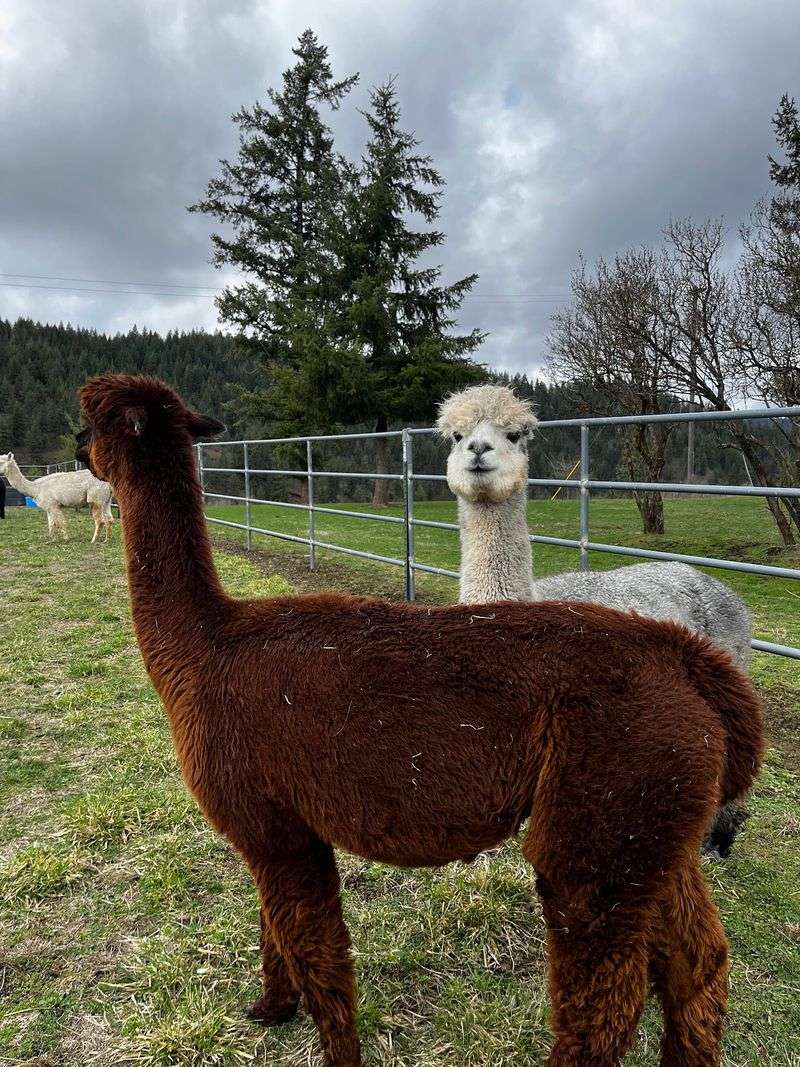
Soft does not quite cover it. Alpaca fiber has a silky, warm feel that makes wool sweaters seem scratchy by comparison, and this ranch breeds its herd specifically for high-quality fleece.
Fun fact for the car ride home: alpacas and llamas are cousins, both originally from South America, but alpacas are the smaller of the two and are prized mainly for fiber. Llamas are bigger and were traditionally used as pack animals.
On a tour, guides share an educational introduction to alpacas, covering how they live, what they eat, and why their coats are so valued. Kids pick up the difference between the two species fast, usually by height.
Watching the herd graze, you start noticing variety. Coats come in shades of cream, fawn, brown, and darker tones, each one fluffy enough to tempt a pat.
Breeding season also means babies. Recent guests were lucky enough to meet a newborn llama and alpaca, and one family watched a baby alpaca arrive during their visit.
Nothing about spring on an Idaho ranch beats a wobbly-legged newcomer finding its feet in the grass.
Donkeys Steal The Show
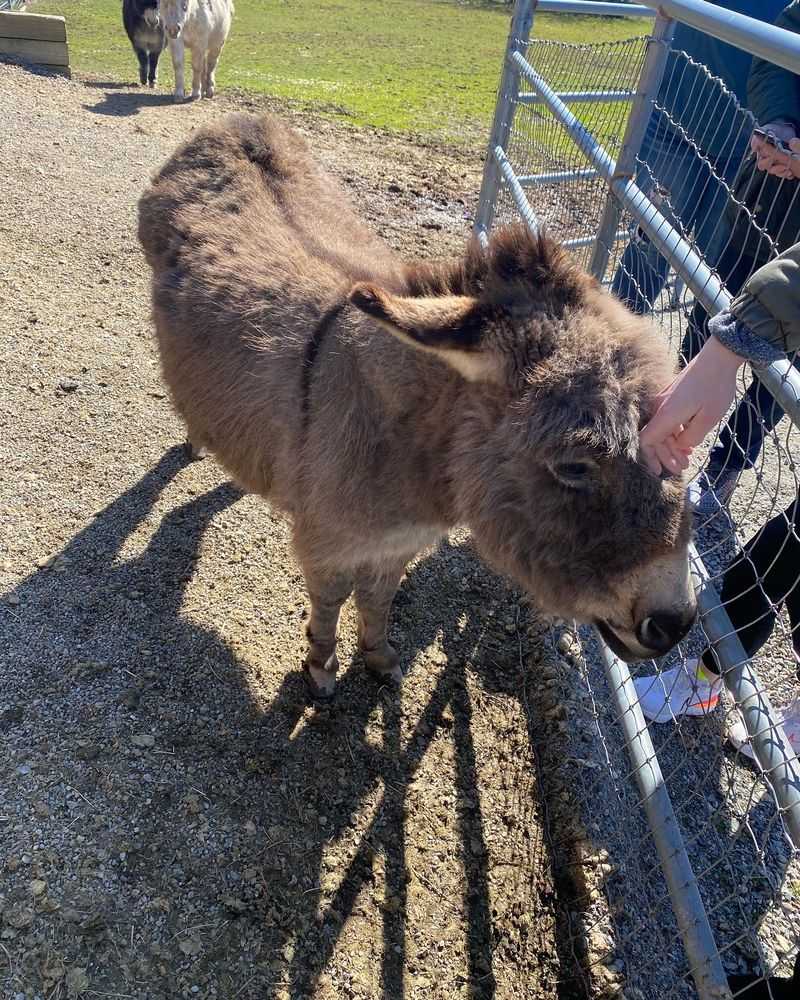
Alpacas get top billing, but mini donkeys might be the real celebrities. Donkeys come up in visitor stories more often than any other animal, with mini horses close behind.
Picture small, fuzzy, long-eared characters pressing their noses toward outstretched hands. They are patient, curious, and seem to enjoy the attention as much as the humans do.
One animal named Duke left such an impression that a guest said he was permanently imprinted on her heart. The owners replied that Duke holds the same spot for them.
Mini horses add their own charm. They stand at a height kids can reach easily, which makes them a natural first friend for timid little ones.
Families with kids around five to seven describe the pasture time with donkeys and little ponies as a highlight. The animals are calm and easy to be near, which lets parents relax instead of hovering.
Some guests even say the donkeys, goats, and ponies were their favorites over the alpacas. That says a lot about a ranch named for its fiber herd, and the donkeys likely do not mind one bit.
Goats, Sheep, And Shaggy Highland Cows
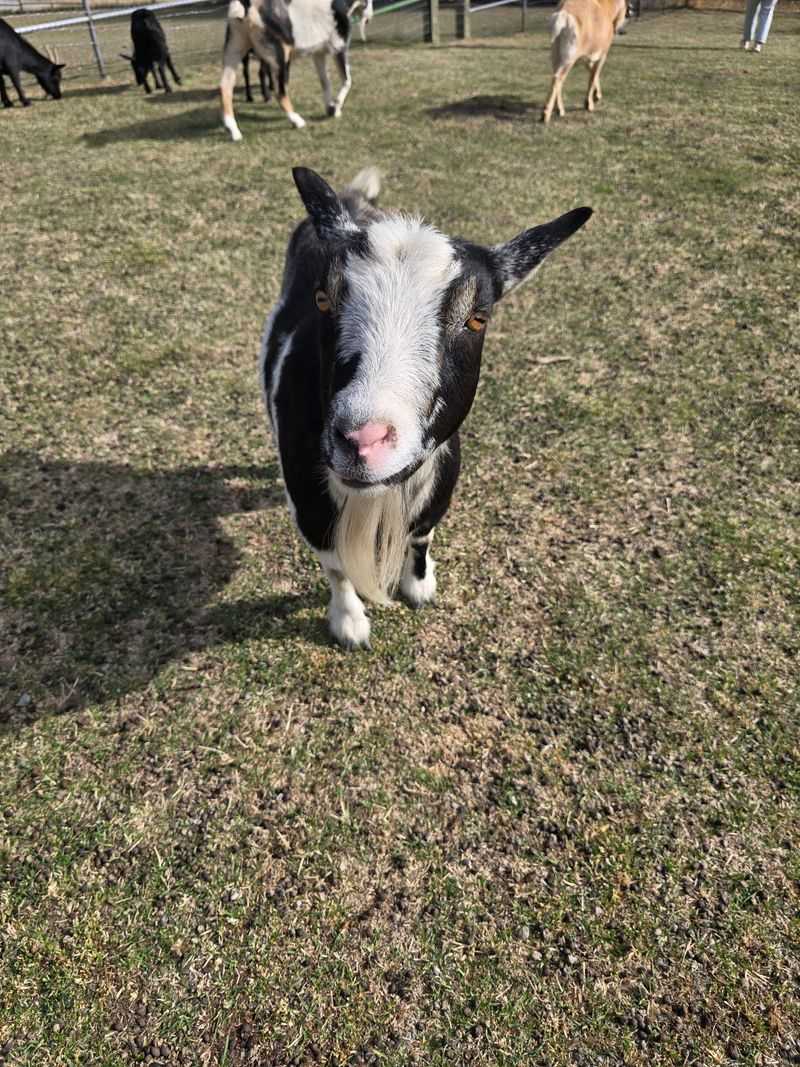
Goats on this ridge have a reputation for affection. One visitor noted they actually lean into being petted and seem to love it.
Beyond the alpacas, the roster runs long. Recent guests met llamas, sheep, goats, mini horses, mini donkeys, and even Highland cows, those shaggy, long-haired cattle with bangs over their eyes.
Turkeys strut around too, and a winter visitor suggested a fun game: count how many cats and bunnies you spot along the way. Little scavenger hunts like that keep small kids happily occupied between pastures.
Variety is the thing that surprises first-timers most. Several people said they found more animals than they expected, which turns a quick alpaca visit into a full barnyard tour.
Sheep tend to hang back a bit at first, then wander over once feed appears. Goats, of course, show up immediately and inspect your pockets.
Many of the animals are rescues, according to visitors. Knowing that adds a warm layer to the experience, since each friendly face has found a safe home here in Idaho.
Feed Buckets And Muddy Boots
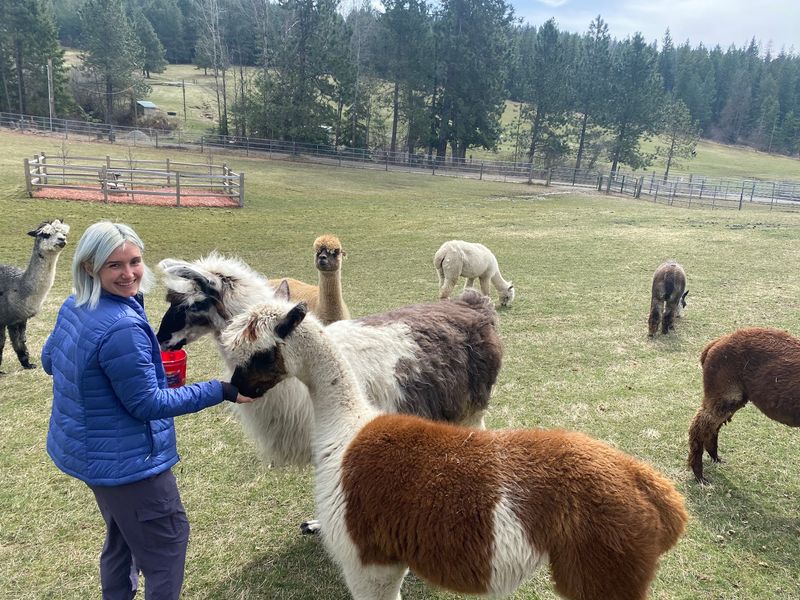
Hands get messy fast, and that is the best part. Tours bring guests right into the paddocks to feed, pet, and interact with the animals instead of watching from behind a rope.
A guided visit runs about an hour and a half. Guests describe moving from pasture to pasture, meeting each group of animals, and learning along the way.
Some visitors even helped move animals between pens. One family recalled letting the kids herd the herd, which is about as hands-on as a farm visit gets.
Hosts encourage everyone to go at their own comfort level. Nobody gets pushed toward a big llama if a small goat feels like the safer start.
Since this is a working ranch, sturdy footwear is a must. Skip the sandals, dress for the weather, and expect a bit of dust or mud depending on the season.
A guest who grew up in the country said the tour was still a blast. That says plenty, because people raised around livestock rarely get excited about feeding goats on someone else’s farm.
Shelves Stocked With Ranch-Made Goods
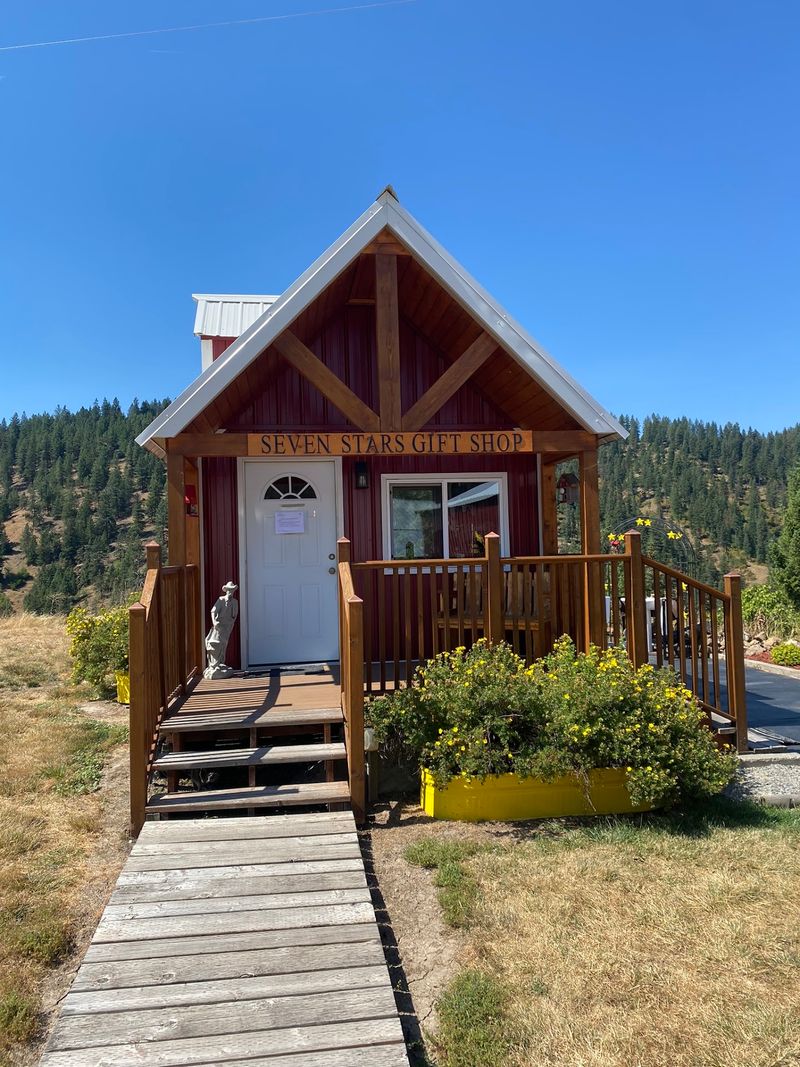
Yarn, soft knits, and handmade treasures wait inside the ranch’s country store once the tour wraps up. The gift shop sells alpaca-fiber items along with other ranch-made goods.
Shopping here closes the loop nicely. You meet the herd in the morning, then hold a skein of fiber that may have come from one of the very animals you just fed.
Knitters and crafters tend to linger longest. Alpaca fiber is a favorite for warm socks, hats, and scarves, especially with a North Idaho winter always just around the corner.
Non-crafters still find something to bring home. Small fiber goods make thoughtful gifts, and they carry a story a mall souvenir simply cannot match.
Inventory depends on what the ranch has made, so selection can shift over time. Browsing with an open mind usually pays off.
Buying from the shop also supports a family ranch directly. For anyone who wants places like this to stick around in the Panhandle, a few dollars spent on local fiber goes further than you might think.
Wind Across The Grasslands
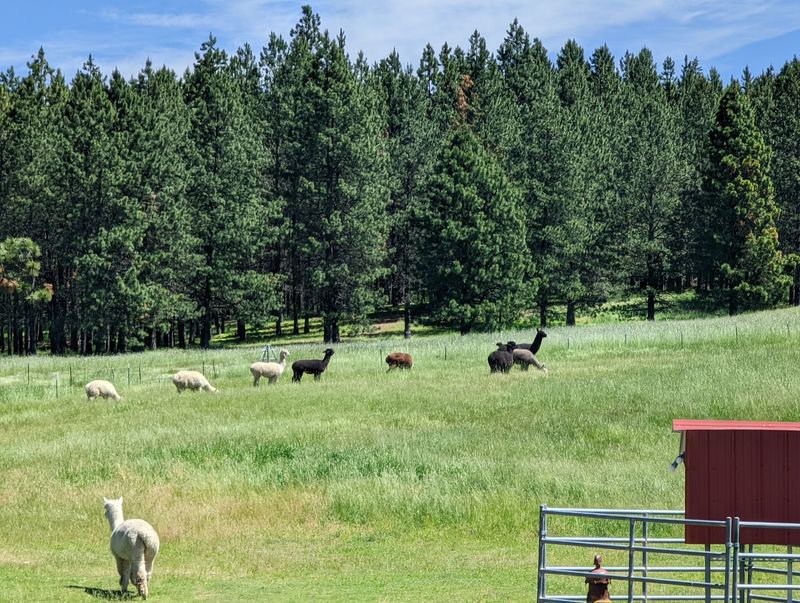
At one point during a tour, a host simply stopped and asked guests to listen. Wind moved through the mountain grasses, and the group stood quietly taking it in.
Moments like that define the mood here. Green hills roll out from the pastures, forest wraps the edges, and the alpacas graze as if time runs slower on this ridge.
Weather does not ruin the magic either. One family arrived on a cold, cloudy, drizzly day and still left calling the trip inspiring.
Others visited under perfect blue skies and credited the scenery for part of their joy. Either way, the ridgeline view earns plenty of attention.
A guest with a three-year-old wished they had packed a picnic to enjoy the view after their tour. Check ahead with the ranch about whether that is allowed during day visits.
For locals used to crowded lake beaches in summer, the calm can feel like a reset button. Up here, the loudest sound might be a donkey offering its opinion, which is honestly part of the charm of this corner of Idaho.
A Vintage Cottage For Overnight Guests
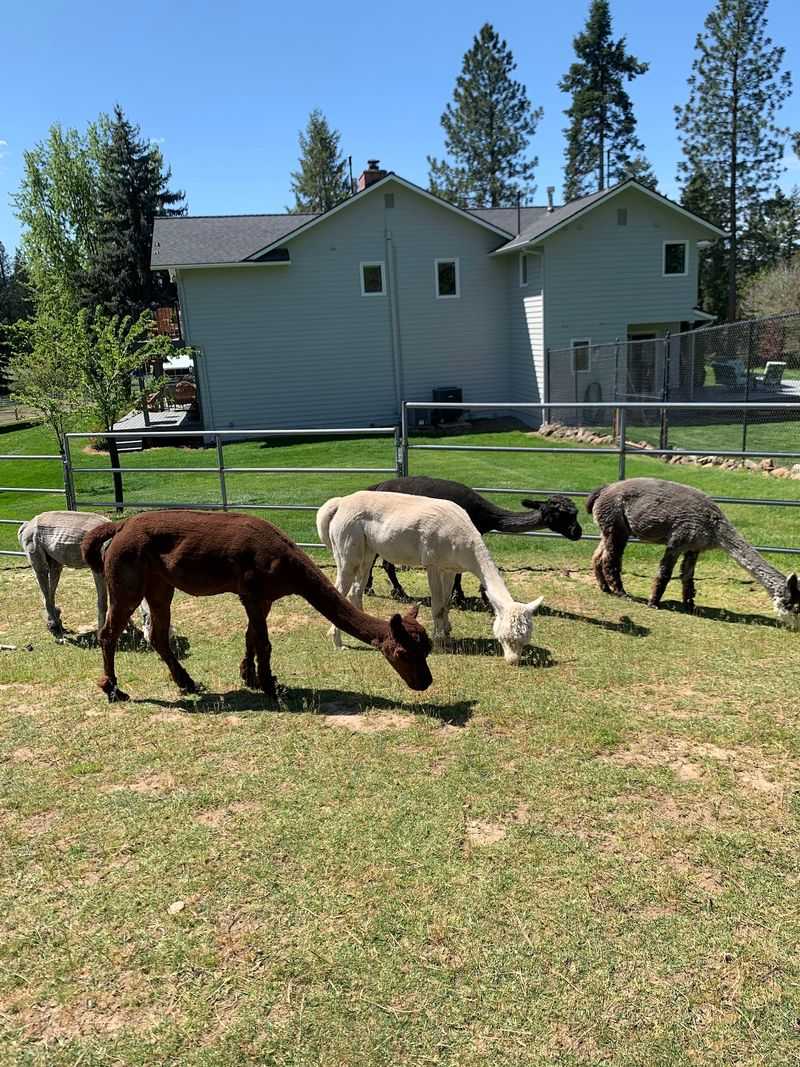
Waking up to alpacas grazing in morning sunshine beats any hotel alarm clock. Seven Stars offers on-site lodging, so the farm visit can stretch into a full stay.
One family described a vintage cottage that felt like stepping into a simpler life. Small but complete, it came with a fully stocked kitchen, plenty of soft towels, and more pillows and blankets than they could use.
Guests in the lodging talk about privacy and quiet away from busy town streets. Families with small kids especially appreciate the calm setting.
An older memory from a past visitor mentions touring cabins for rent on the property years ago, so lodging has been part of the ranch experience for a while.
Staying overnight means seeing the animals at different times of day. Early light and evening shadows on the hills give the pastures a whole new feel.
Coeur d’Alene’s lakefront and downtown sit within easy driving distance, so you can split days between water fun and ranch quiet. Hosts are described as going above and beyond, which makes the cottage feel less like a rental and more like visiting friends.
Toddlers To Grandparents
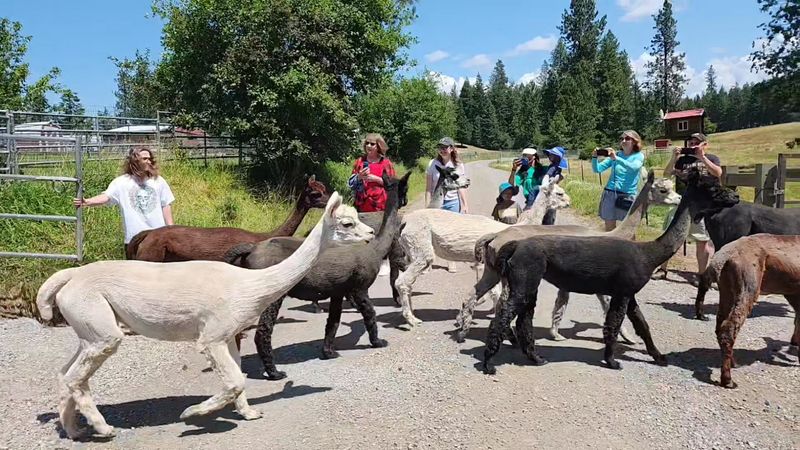
Three generations in one pasture is a common sight here. Visitors mention toddlers, school-age grandkids, parents, and grandparents all having fun together.
Kids love the obvious stuff: feeding, petting, and getting nose to nose with fuzzy faces. Hosts help with the youngest ones, and one guest praised how kindly the owner helped with a traveling toddler.
Adults end up just as delighted. A girls’ trip from Colorado called the tour a highlight, and couples without kids describe it as a relaxing afternoon.
Animals here seem trained and comfortable around children, which matters a lot for nervous parents. Guests note how calm and approachable they are.
Small groups sometimes become private tours. Several visitors happened to be the only guests in their slot, getting a personal experience with the host.
Winter visitors say you might have the farm nearly to yourself, which one called pure bliss. For Idaho families hunting a low-key outing that keeps everyone smiling, from the stroller set to retirees, this ridge covers a surprising amount of ground in about ninety minutes.
Booking Your Barnyard Afternoon
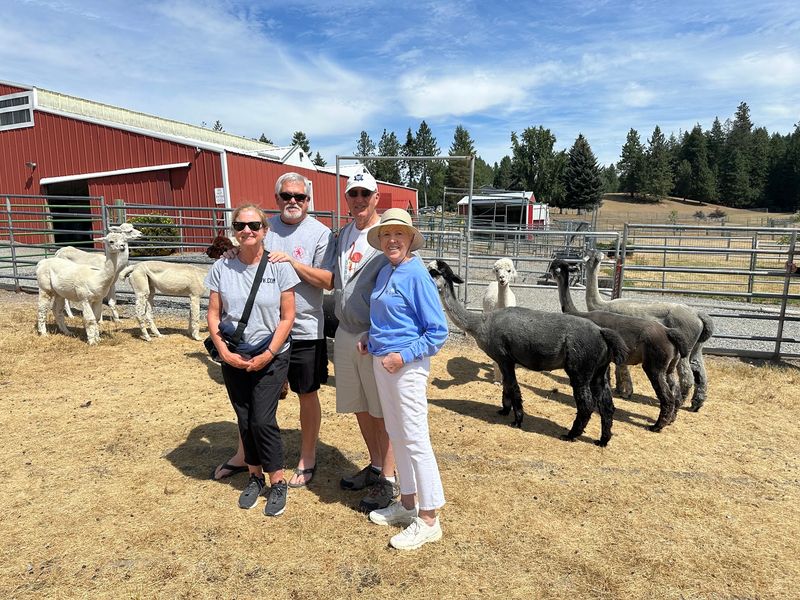
Appointments are the golden rule. Tours run by reservation only, so call or book ahead before heading up the ridge.
Good news for spontaneous planners: same-day appointments are often available. Tours usually happen in late morning or early afternoon, with Sunday slots running later in the day, and other times can sometimes be arranged.
Schedules can shift with seasons and ranch needs, so confirm your time before driving out. A quick check saves a wasted trip down that gravel lane.
Pricing is modest. Visitors repeatedly call it reasonable, and one guest said it felt surprisingly cheap for everything included.
Plan on about an hour and a half for the tour itself, plus time to browse the shop. Add extra if you want to soak up the view.
Wear sturdy shoes, dress for the weather, and bring a camera with a charged battery. You will want photos of a llama photobombing your kids, and you will definitely want them on the drive back into Coeur d’Alene.
Why The Ridge Is Worth The Gravel
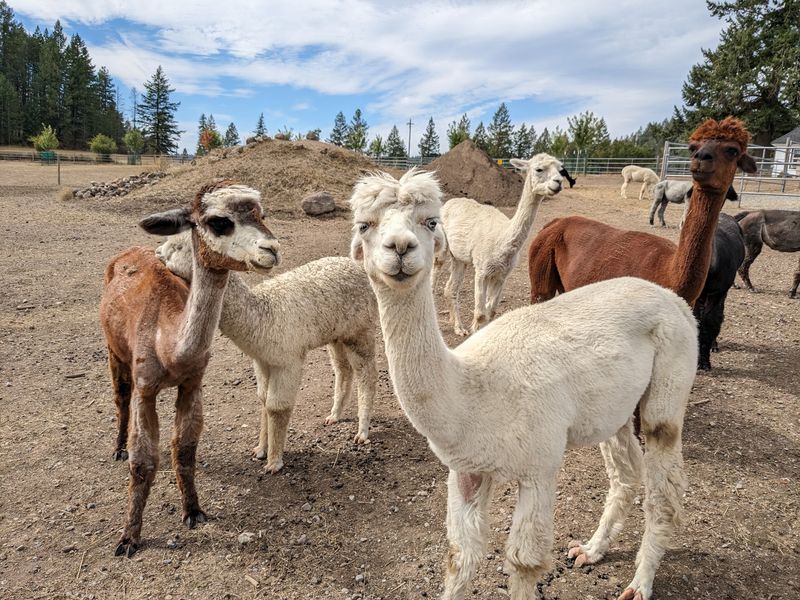
Some outings fade from memory by the next weekend. Folks who visit Seven Stars tend to remember the names of donkeys years later.
Everything here leans toward simple pleasures done well. Friendly hosts, well-kept pastures, a long list of animals, and a gift shop full of real alpaca fiber add up to a half-day that feels personal.
The ranch fits neatly into a Panhandle weekend. Pair it with a lake stroll in town, and you have a day that balances water and pasture, busy and quiet.
Animal lovers who care about how creatures are treated will feel right at home. Visitors repeatedly describe respect and compassion woven into every stop.
Newborns, rescues, and the occasional chatty goat make every visit a little different. You never quite know which character will become your favorite.
For anyone living in or passing through North Idaho, the half mile of gravel is a tiny price for that first llama greeting. Book a slot, lace up your boots, and let the herd handle the rest.