Over 25,000 Snow Geese And Swans Aren’t The Only Draw At Camas National Wildlife Refuge In Idaho
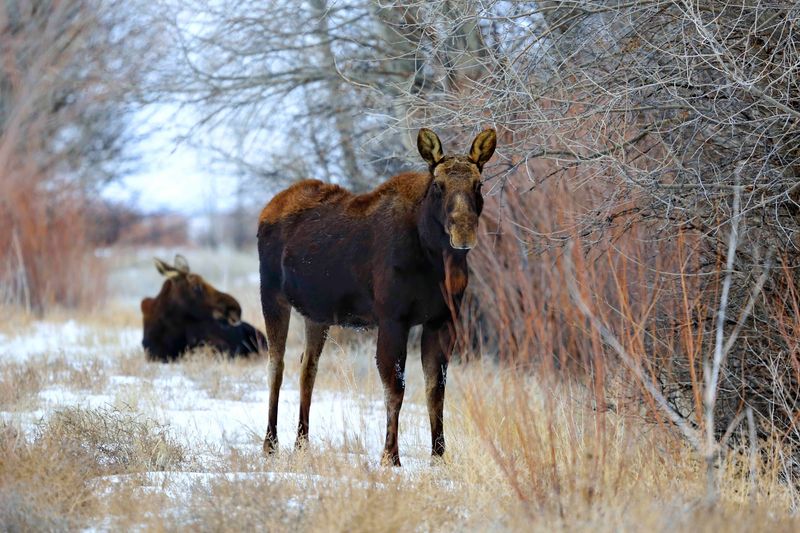
Flat farm roads and a lone old barn do not look like much from the highway in eastern Idaho. Then a nighthawk swoops past your windshield, a moose lifts its head from the willows, and the whole plain starts to feel crowded with life.
This federal refuge pulls in huge flocks of snow geese and swans, but the real surprise is how much else lives here all year. Grab binoculars, because one afternoon can fill a whole notebook.
Wetlands On The Snake River Plain
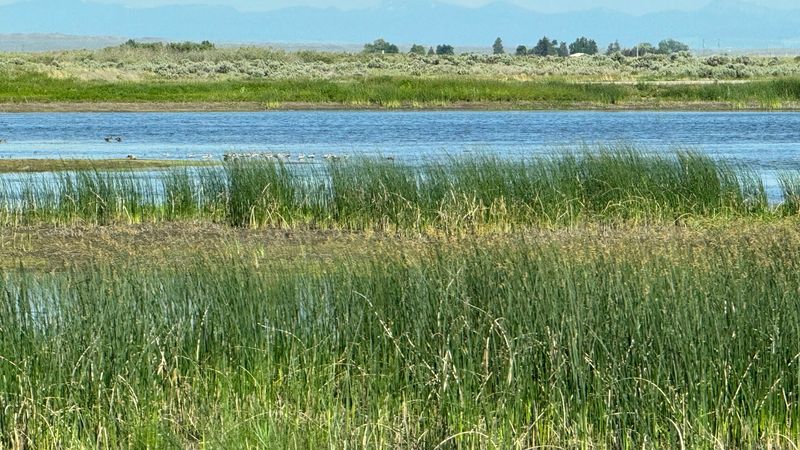
Out on the high, open Snake River Plain, about 4,800 feet above sea level, a patchwork of ponds, marsh, and sagebrush stretches across roughly 10,000 to 11,000 acres. Camas National Wildlife Refuge has guarded this ground since 1937, and the U.S.
Fish and Wildlife Service still manages it today.
Camas Creek winds through the property and feeds the wetlands, which explains both the name and the birds. The refuge sits right along the Pacific Flyway, a giant travel lane that migrating birds follow between their summer and winter homes.
For Idaho families in Rexburg, Idaho Falls, or nearby farm towns, the refuge is close enough for a spur-of-the-moment trip. Birders around Rexburg rank it among the best spots within a short drive, and some call it one of the top places in eastern Idaho for wildlife of every kind.
The visitor center works as a starting point, with information about the refuge and its seasons. From there, gravel routes and trails fan out into the marshes, ready for anyone curious enough to roll down a window and watch.
A Barn, A Rat Farm Pond, And WPA Hands
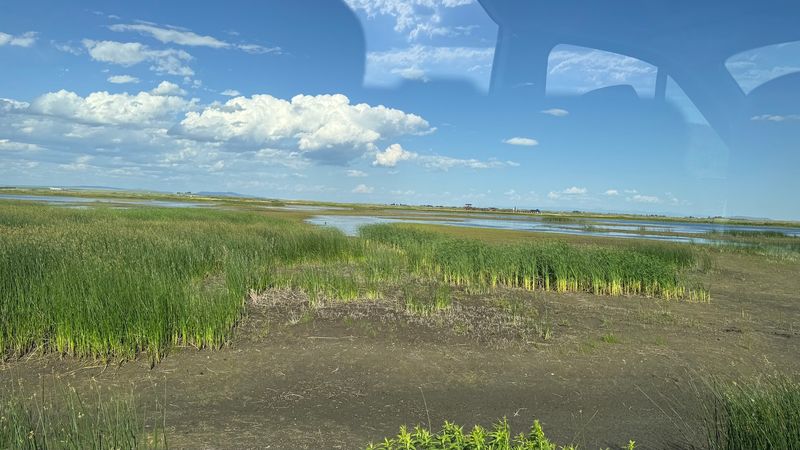
Long before binoculars and field guides, ranchers and farmers worked this land. Their story mostly faded, but one survivor remains: the Brindley Barn, the only structure still standing from those early days.
Some history hides in the names. Rat Farm Pond nods to a time when muskrats were raised in the marshes for the fur trade, a quirky chapter most visitors never guess.
Muskrats still paddle through the refuge, though now they just live here in peace.
Workers with the Works Progress Administration, a Depression-era program that put people to work on public projects, built some of the lasting buildings and water control facilities. Their labor helped shape the dikes and channels that birds depend on today.
Then there is the name itself. Camas honors the blue-blooming camas lily, which flowers here in May.
Native Americans relied on its bulb as an important food and medicine source for generations, long before the refuge existed.
Standing near that old barn on a quiet morning, you can almost picture all those layers stacked together. Ranch life, fur farming, federal work crews, and native plant gathering all left marks on this one stretch of Idaho ground.
Spring Wings Over Camas Creek
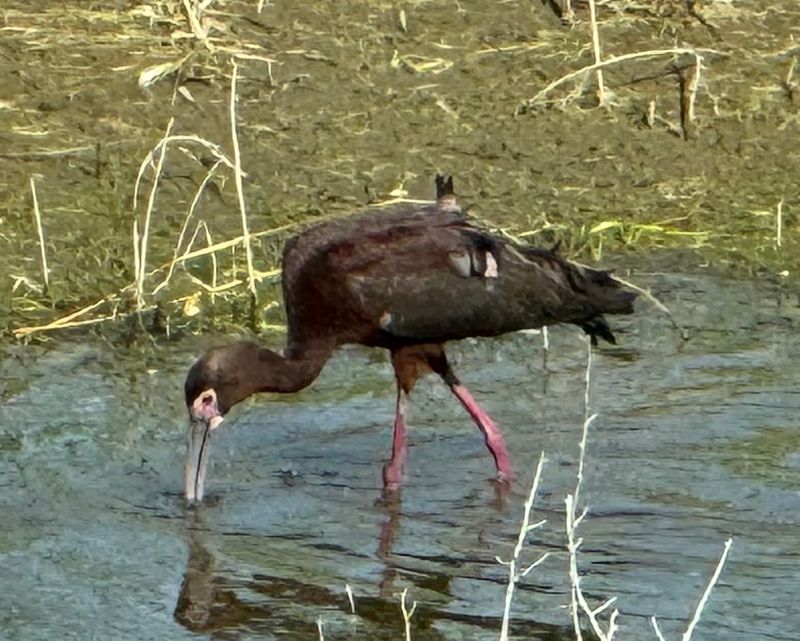
March flips a switch out here. Sandhill cranes come back with their rattling calls, peregrine falcons return to nest in late March, and the ponds start filling with travelers heading north.
Peak waterbird migration runs from March through mid-May. Ducks reach their highest numbers and greatest variety around April 1, so that week makes a smart target for anyone hoping to tally a long list.
Look for mallards, ruddy ducks, cinnamon teal, and American shovelers with their spoon-shaped bills.
Songbirds follow in late May and early June. Red-winged and yellow-headed blackbirds sing from the cattails, while sandpipers poke along muddy edges.
Visitors often say spring is when the species count really climbs.
Summer brings its own show. In mid-June, birders report seeing more common nighthawks than they ever had anywhere, with dozens of species counted in a single visit and several first-ever sightings for newcomers.
Early arrivals catch the nighthawks at their busiest.
With more than 250 bird species recorded through the year, there is always a new name waiting in the reeds. Bring a checklist and a sharp pencil, since the margins fill up faster than expected.
Bald Eagles In The Cottonwoods
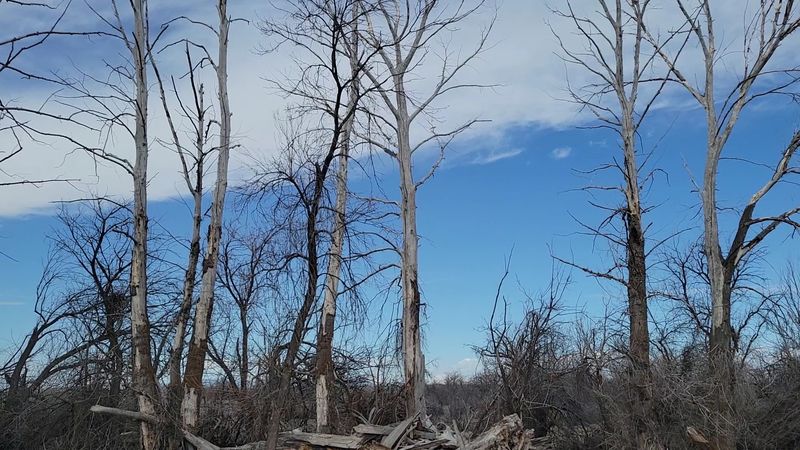
Cold weather empties most Idaho marshes of crowds, yet winter might be the sneakiest-good season at Camas. From late November through March, bald eagles gather in cottonwood trees near the headquarters to roost for the night.
Seeing several of those white heads settle into bare branches as the light fades is a moment people talk about for years. Plan to arrive a bit before dusk, dress warmly, and give the birds plenty of space so they stay relaxed.
The snowy months also bring rough-legged hawks drifting over the fields, hunting for small animals in the stubble. Ring-necked pheasants strut along brushy edges, their copper feathers bright against the white.
Of course, the refuge is famous for those giant winter and migration flocks too. Thousands of snow geese and trumpeter swans can blanket the wetlands when conditions line up, turning the sky into a noisy swirl of white wings.
Winter visits reward patience more than speed. Roll slowly, scan every treeline, and keep a thermos of hot cocoa handy.
A quiet, frosty afternoon here can turn into a surprisingly full day of sightings across the frozen plain.
Moose, Pronghorn, And Small Surprises
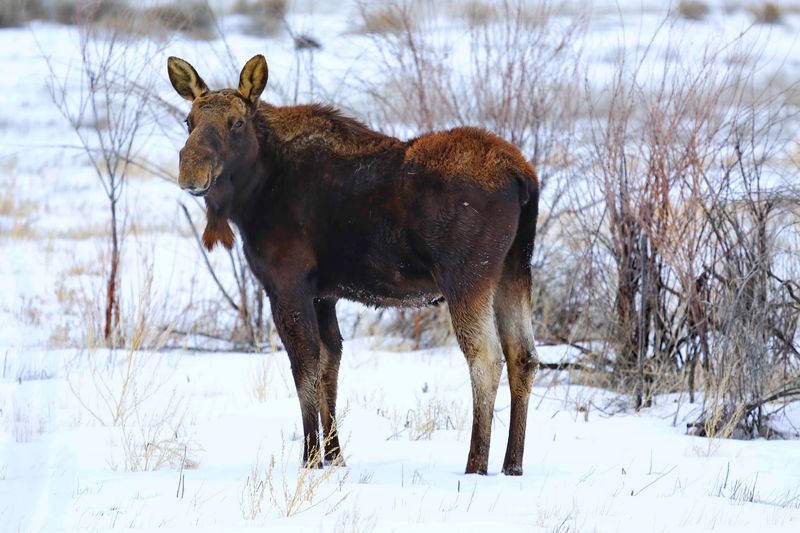
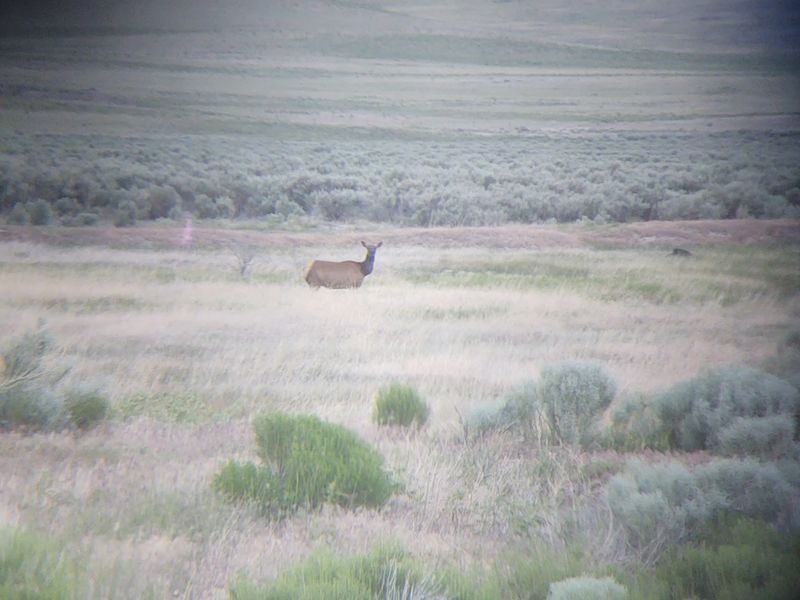
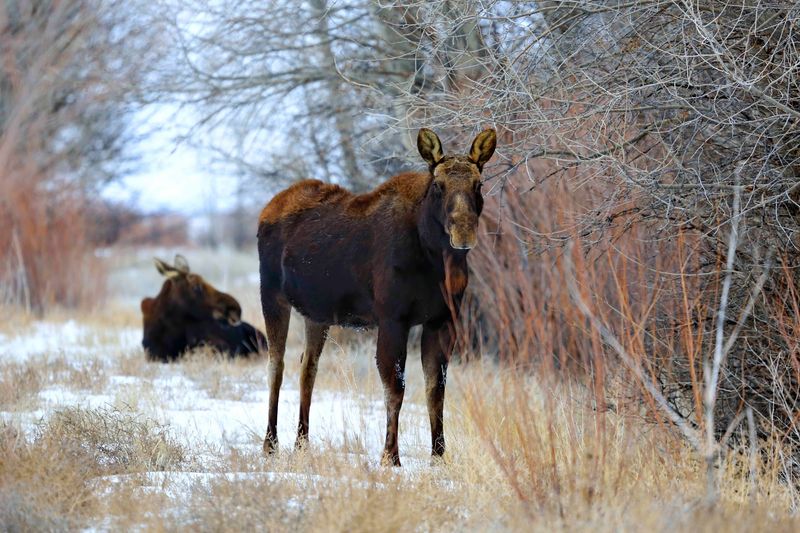
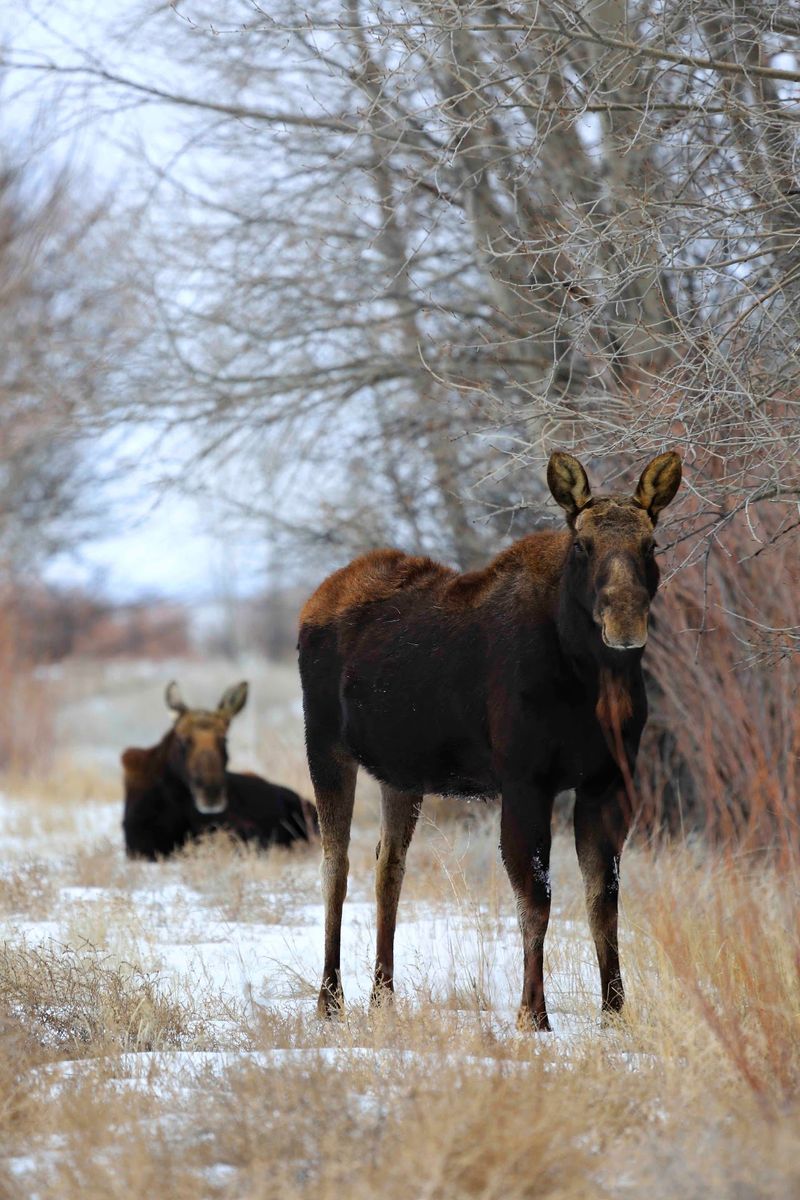
Birds get the headlines, but plenty of four-legged neighbors share the refuge. Moose wander the wetter corners, elk and white-tailed deer move through the brush, and pronghorn race across the sagebrush with that springy, effortless stride.
Summer adds a sweet bonus. Sharp-eyed visitors may spot elk calves and deer fawns trailing their mothers, especially early or late in the day when the animals feel bolder.
Smaller critters keep things interesting too. Coyotes trot along dikes, porcupines waddle through cover, cottontail rabbits freeze beside the road, and muskrats and weasels slip in and out of the water’s edge.
Some residents are harder to find but matter just as much. The refuge helps protect the Columbia spotted frog and the yellow-billed cuckoo, two species that need careful habitat to keep going in Idaho.
Photographers love this mix. Visitors say the refuge is a great place to photograph many kinds of birds and other wildlife, all in one outing.
A long lens helps, but even a phone can capture a moose silhouetted against the marsh if you stay still and let the animals come into view.
Tetons On One Side, Centennials On The Other
Turn in a slow circle on any clear day and count the mountain ranges. The Tetons rise to the east, the Centennial Mountains line the northern horizon, and the Beaverhead, Lemhi, and Lost River ranges stack up to the west.
That ring of peaks frames the flat wetlands like a giant stage. Ponds reflect the sky, sagebrush steppe rolls toward the foothills, and farm units add tidy stripes of green and gold depending on the season.
Visitors mention how quiet the place feels. Traffic is light, the wind carries bird calls instead of engines, and you can often drive long stretches without seeing another car.
People describe it simply as a peaceful spot to unwind, and one that sits close to Mount Borah country for anyone exploring further.
May adds splashes of blue when camas lilies bloom in the meadows. Fall paints the cottonwoods yellow, and winter turns the whole scene into a snowy sheet broken only by dark trees and eagles.
Nobody needs a fancy camera to enjoy these views. Just pull over, turn off the engine, and let the high desert silence settle in for a few minutes.
Auto Routes, Trails, And Ski Tracks
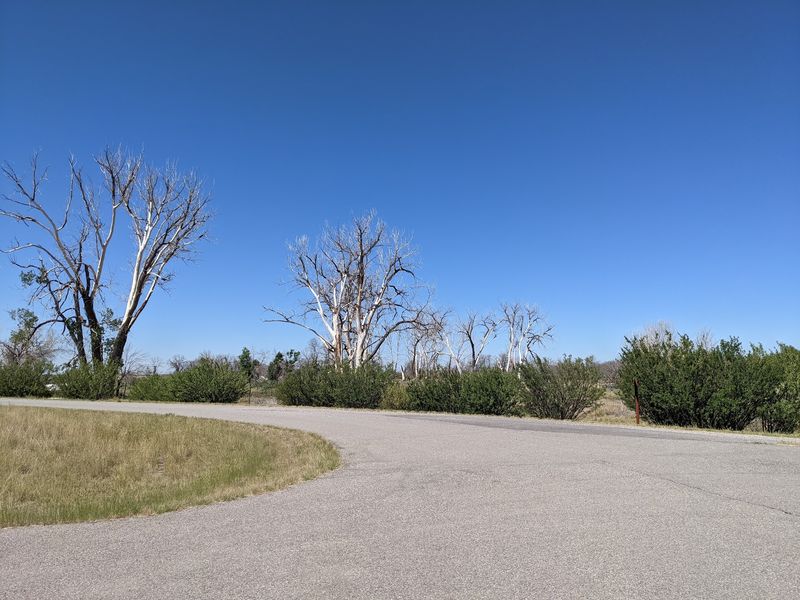
Lazy explorers, rejoice. Auto tour routes ranging from about 3.5 to 7 miles let you watch wildlife from the comfort of your car, with interpretive signs explaining the habitats along the way.
Driving the dikes slowly is a favorite way to see birds without spooking them.
Hikers have options too. Walking is allowed on refuge roads all year, and off-road hiking is permitted except during nesting season from March 1 to July 15.
Longer day hikes through the high desert habitat suit anyone wanting more miles.
An accessible walking trail stays open year-round, though winter maintenance may be spotty. Visitors praise the number of ADA accessible places, which makes the refuge friendly for grandparents, strollers, and wheelchairs.
Wildlife drives, blinds, and overlooks give photographers solid vantage points. Photography ranks as one of the two most popular activities here, right alongside wildlife watching.
Winter opens even more doors. Cross-country skiing and snowshoeing turn the snowy roads into quiet tracks, and biking works on the multi-use trails in warmer months.
Hunting is allowed in designated areas under federal rules, so check the regulations before heading out in season.
Dry Years And Changing Water
Here is the honest part. Water makes this refuge work, and lately there has not been enough of it.
Since around 1990, the wetlands have depended on artificial upkeep because the water table keeps dropping. Canals, dikes, wells, and water control structures move what water exists to help wildlife.
Drier than usual conditions have gripped the refuge since summer 2024, and forecasts of very low snowpack and regional groundwater shortages mean most or all of the wetlands could go completely dry for an extended time.
Recent visitors have noticed. Some arrived to find little water and few animals, while others still reported an impressive variety of species despite the dryness.
One recent trip described it as a bit dry overall yet still amazing for birding.
A few visitors also found overgrown paths and an office that seemed unstaffed, which disappointed passport stamp collectors hoping for a refuge book stamp.
The takeaway is simple. Check current water and visitor center conditions with the refuge before driving out, especially if you are coming for waterbirds.
Sagebrush species, raptors, and mammals can still make a dry-year visit worthwhile across this Idaho landscape.
Planning Your Hamer Day Trip
Find the refuge visitor center at 2150 E 2350 Rd N, Hamer, ID 83425, a short hop off the main routes in eastern Idaho. It is an easy add-on for anyone driving between Idaho Falls, Rexburg, and the mountains to the north.
The visitor center typically keeps weekday daytime hours and closes on weekends, so a weekday morning visit gives the best chance to find someone inside. Hours can shift, and some visitors have found it closed, so confirm before you go.
The auto routes and trails make a fine outing even when the doors are locked.
Timing matters more than anything. Aim for March through mid-May for waterbirds, mid-June for nighthawks, and late November through March for roosting eagles.
Early mornings tend to bring the most activity.
Families and groups get extra perks. The refuge offers environmental education tours and classes, often for Scouts and schools, with scavenger hunts and nature journaling.
Past Scout day camps here have been a hit.
Casual sightseers might find quiet stretches, but birders and patient wildlife watchers will likely leave grinning. Pack snacks, binoculars, and a full tank, then let the plain show you what it has.