This Underrated California College Lets Students Study Among Giant Redwoods Without Paying A Fortune
College campuses usually compete over impressive buildings and fancy facilities.
This one has something considerably harder to build: towering redwoods that make the walk to class feel like a nature retreat.
For students who love the outdoors, that setting is a pretty convincing reason to look beyond the usual college brochures.
Add the comparatively affordable tuition of a community college, and the idea becomes even more appealing.
In Northern California, getting a college education can come with towering redwoods instead of towering tuition bills.
The surroundings offer a refreshing change from crowded city campuses.
Forest scenery becomes part of the everyday routine, giving students a chance to enjoy a quieter environment while working toward degrees.
Of course, beautiful trees cannot do your homework.
But when choosing a college involves balancing costs, academic goals, and quality of life, having such remarkable scenery outside the classroom feels like a pretty wonderful bonus.
A College Campus Surrounded By Towering Redwood Trees
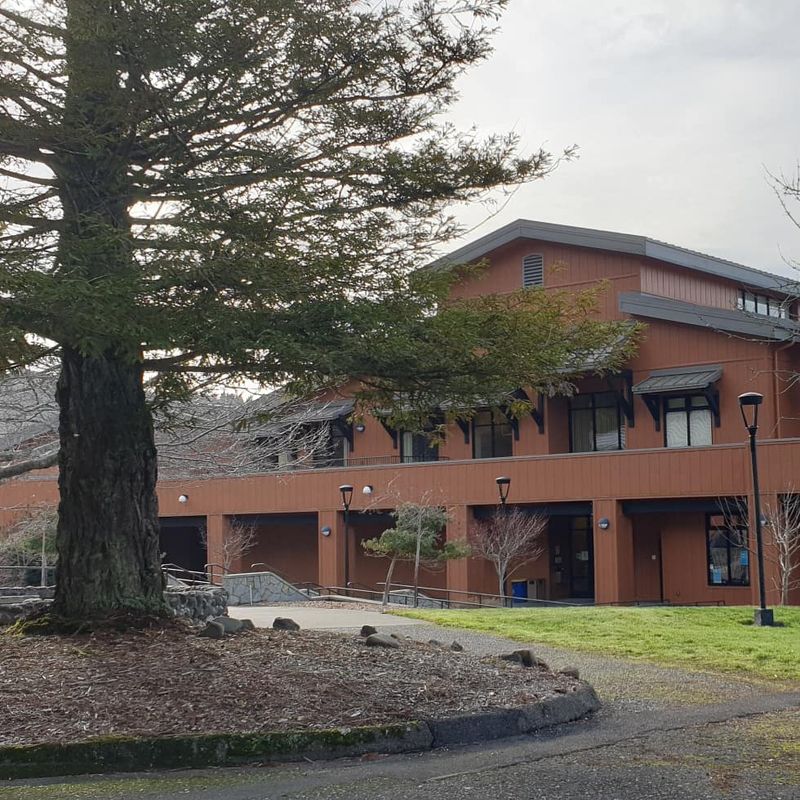
Tall trunks rise beside classroom buildings, and the air often smells like damp bark and pine needles.
The main campus of College of the Redwoods is set into a forested hillside above the Humboldt Bay National Wildlife Refuge.
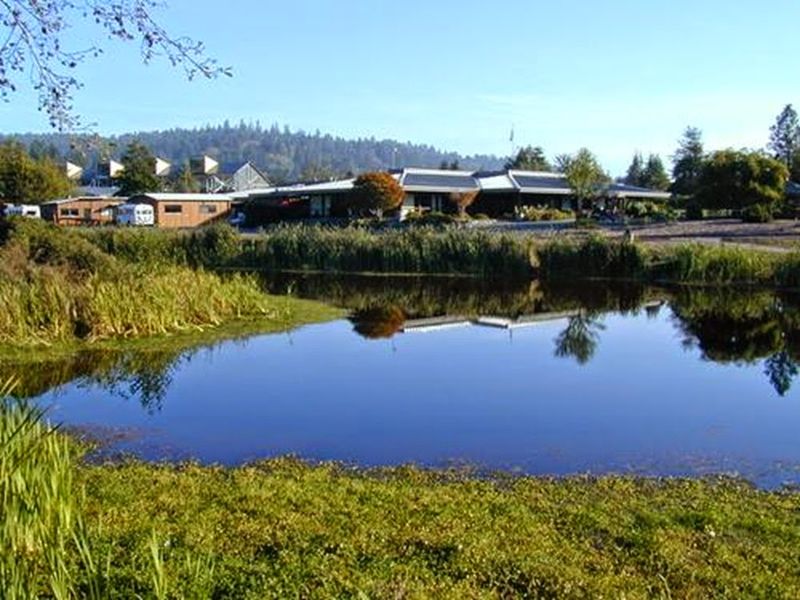
Its grounds include ponds, wetlands, stream areas and stands of coast redwood, Sitka spruce and Douglas-fir.
Most community colleges sit next to highways or shopping centers, so a forest setting like this feels unusual.
Fog may roll through in the morning and soften the light between the trees. On clear afternoons, sunlight can slip through the branches and make bright patches on the walkways.
Fun fact: coast redwoods are the tallest trees on Earth, and they grow naturally only in a narrow strip along the coast of California and southern Oregon.
Students on this campus get to live inside that small range every day.
The forest is also more than a backdrop. Trees, birds and changing weather can turn an ordinary walk to the library into something worth noticing.
For anyone feeling stressed by exams or busy schedules, a few minutes under tall trees may help slow things down.
Visitors who want to see the setting for themselves can check the college website for campus tour information before planning a trip.
California Residents Pay Just $46 Per Unit In Enrollment Fees
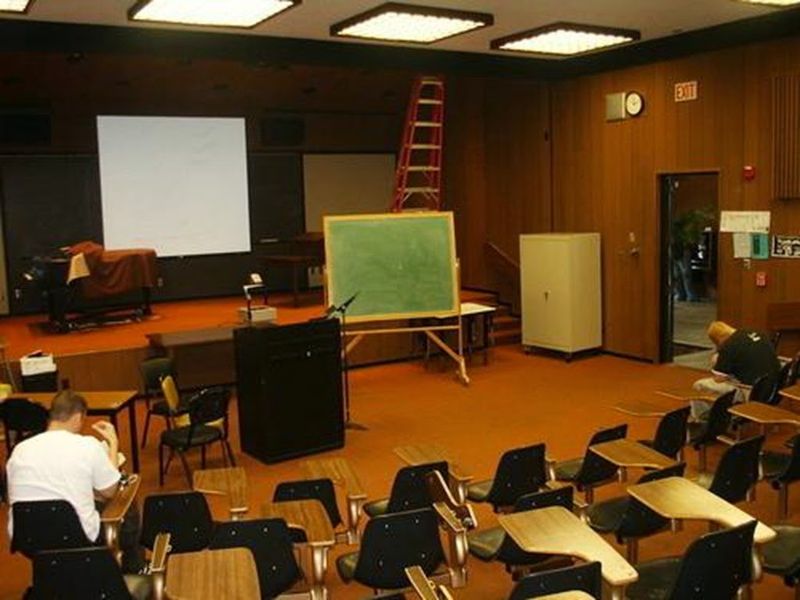
Forty-six dollars is the number that grabs most families first.
California residents pay $46 per unit in enrollment fees at College of the Redwoods, which matches the statewide community college rate.
A full-time load of 12 units comes to about $552 in enrollment fees for one semester.
Compare that with many four-year schools, where a single semester of tuition can cost several thousand dollars or more.
The gap can feel huge for students paying their own way or trying to avoid big loans. Still, the per-unit fee is not the whole bill.
Students may also see smaller charges for things like health services, student activities, technology, parking and course materials.
Books and supplies can add up too, so it helps to budget for them early.
Fees can change from year to year, which makes the official college website the best place to confirm current numbers.
A simple tip is to build a semester budget before registering for classes. List the enrollment fee, extra campus fees, books, food, gas or bus fare, and housing if needed.
Seeing everything on one page makes it easier to plan, and it also shows how affordable starting college here really is.
Eligible First-Time Students Can Receive Up To Two Years Of Free Enrollment
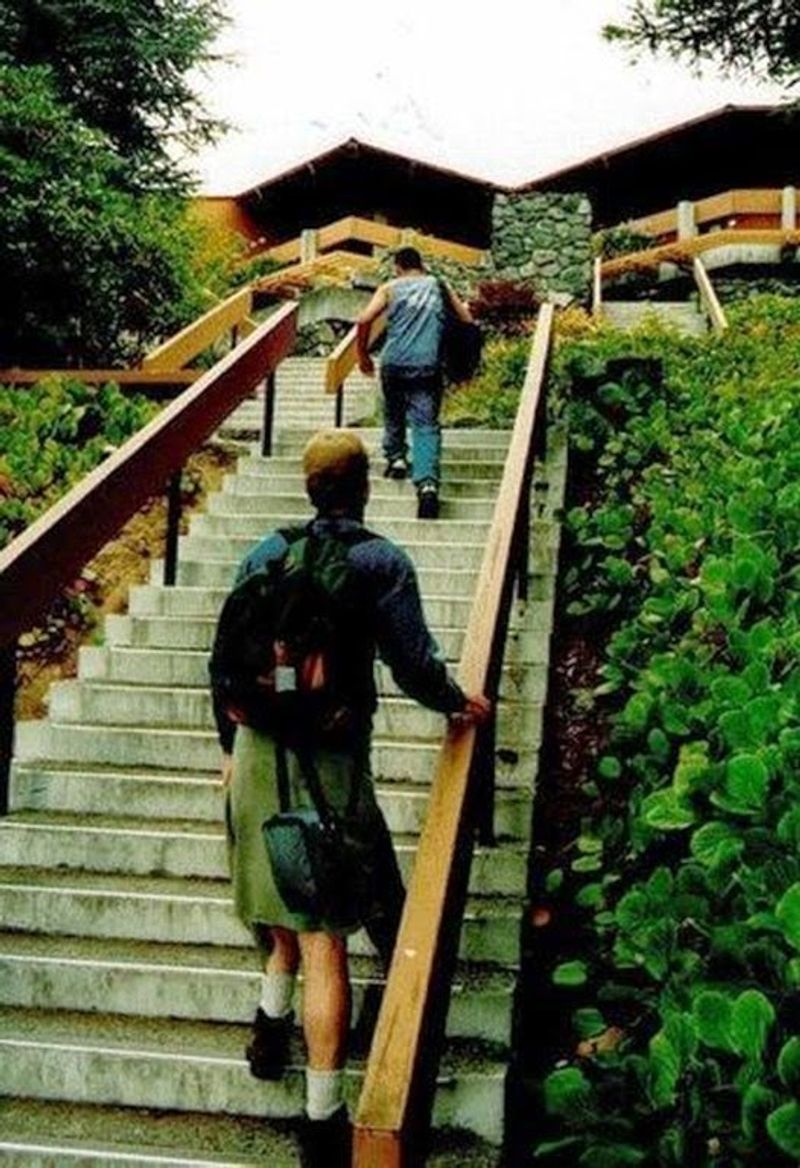
Free is a word that can change a family conversation about college.
College of the Redwoods offers a College Access Program that waives enrollment fees for eligible first-time students who stay enrolled full time in 12 or more units.
The program can last up to two years, which is about the time it takes to finish an associate degree.
A few steps are needed to qualify. Students complete the college application and submit either the FAFSA or the California Dream Act Application.
They also need to be California residents or meet AB540 requirements, and they should not already be receiving the California College Promise Grant.
Second-year students may stay eligible if they met the rules during their first year.
The program covers enrollment fees only. Charges for health services, technology, student activities, course materials, audits and parking are not included.
Program details can be updated, so checking with the financial aid office each year is a wise habit.
Planning a full-time schedule early can make a real difference here. Dropping below 12 units might affect eligibility, so meeting with a counselor before adjusting classes is a good move.
Student Residence Halls Offer A Rare On-Campus Living Experience For A Community College
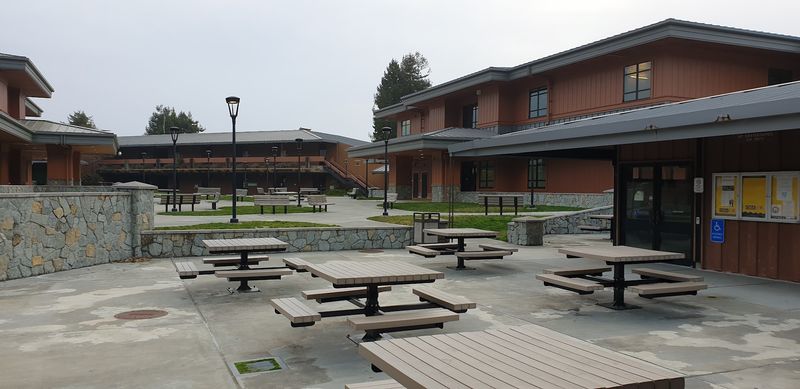
Most community college students drive home after class, but some here simply walk back to their rooms.
College of the Redwoods is one of only a small number of California community colleges with residence halls on campus.
That option is uncommon, and it can make the school feel closer to a traditional college experience.
Living on campus can cut out a long commute, which matters in a rural area where distances between towns can be large.
Classes, the library, tutoring and campus events are all a short walk away. Evenings may feel quiet, with the sound of wind in the trees replacing city traffic.
Shared living also brings everyday chances to meet people. A quick chat in a hallway or a study session in a common area can turn classmates into friends.
For students moving from far away, that kind of built-in community may ease the first few weeks.
Room and board costs are separate from enrollment fees, and prices can change each year. The housing office is the best source for current rates, meal plans and application deadlines.
Applying early is a good idea, since spots in a small residence hall program may fill up.
The Main Campus Sits On A Scenic 270-Acre Property South Of Eureka
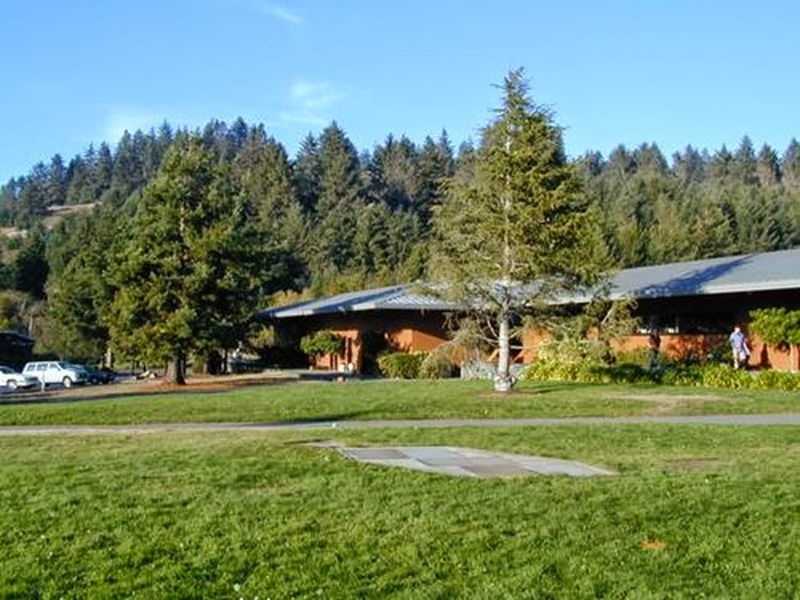
Space is one thing this campus has plenty of.
The main campus of College of the Redwoods sits at 7351 Tompkins Hill Road, Eureka, CA 95501, on roughly 270 acres.
It rests on a raised shelf along the southwest side of Humboldt Hill, a short drive south of town.
From that spot, views stretch over dairy and ranch land toward the Humboldt Bay National Wildlife Refuge, Table Bluff and the southern part of the bay.
On a clear day, the green fields and gray water can feel wide open after time spent under the trees.
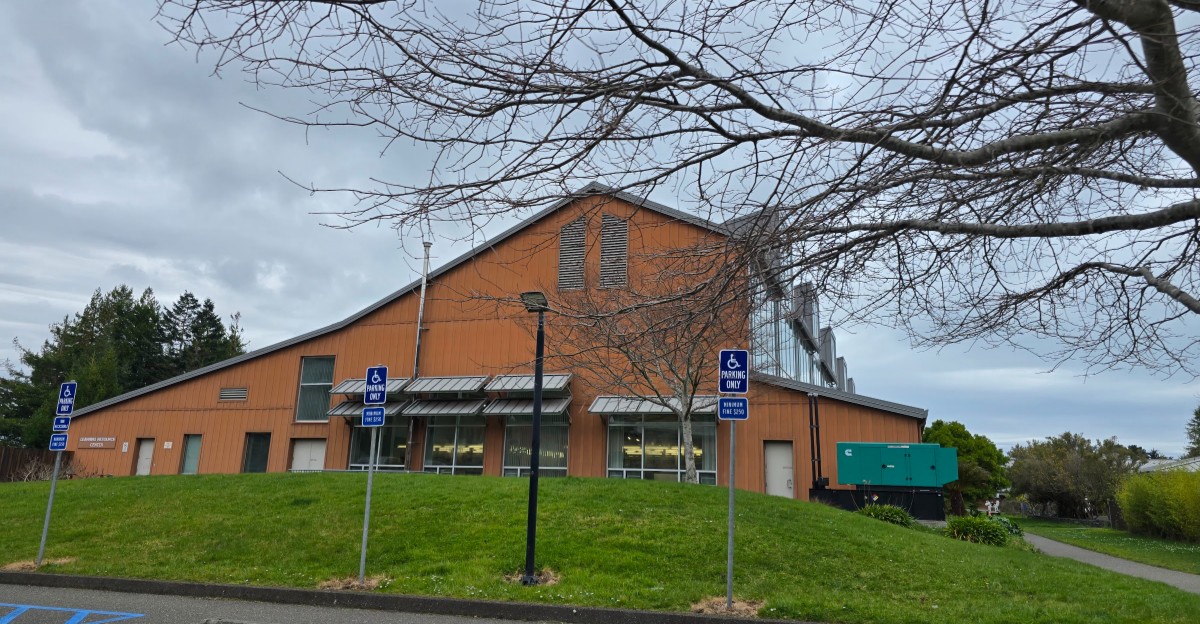
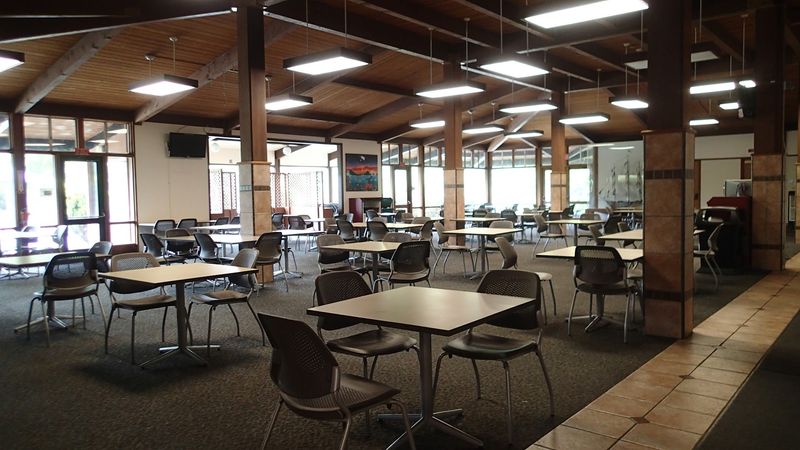
Campus buildings feature large exposed wooden beams, which give them a warm and woodsy look that fits the setting.
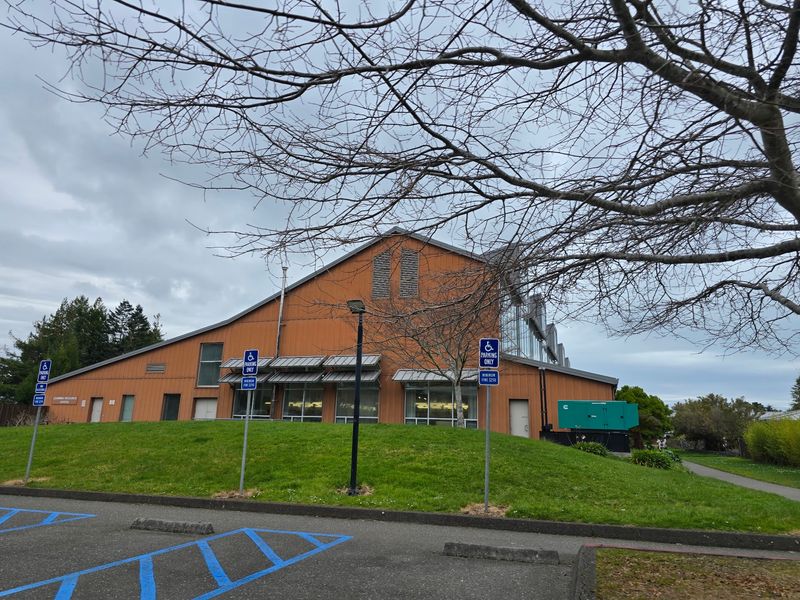
The campus is outside the main part of town, so having a car, bike or bus plan helps. Local transit serves the area, but schedules should be checked ahead of time.
Administrative offices are generally open weekdays from 9 a.m. to 5 p.m., while weekend hours are limited.
Visitors arriving for a first look might want to stop by during those weekday hours to ask questions in person.
An Affordable Pathway To Four-Year Universities Through Transfer Programs
Starting small and finishing big is a plan that works for many students.
College of the Redwoods has transfer agreements with many four-year universities, so planned coursework can count toward a bachelor’s degree.
That means the first two years can cost far less while still moving a student forward. Transfer degrees, often called ADTs, are a big part of this path.
For example, the Associate of Science in Agriculture Plant Science for Transfer can give students priority in admission to the California State University system.
Students have gone on to schools such as Cal Poly San Luis Obispo, Chico State and Oregon State, along with nearby Cal Poly Humboldt.
Smaller class sizes can help, since instructors may have more time to answer questions. Counselors are also available to help map out which classes match a target university.
Meeting with one during the first semester is one of the smartest steps a new student can take.
Requirements differ from school to school and major to major, so checking official transfer tools like ASSIST can prevent wasted credits.
Keeping grades steady and watching application deadlines may make the move to a university much smoother.
Associate Degrees And Career Certificates Give Students Different Ways To Get Started
Not every student wants the same finish line, and that is perfectly fine.
College of the Redwoods offers Associate of Arts and Associate of Science degrees for students who want a broad academic base.
It also offers career technical certificates for people ready to learn job skills quickly.
Degree and certificate options cover dozens of fields. Popular areas include biological and physical sciences, humanities and liberal arts.
Career programs focus on hands-on training that may lead straight into the workforce.
Certificates can be a good fit for adults changing careers or anyone who wants to earn a paycheck sooner.
Some certificates take less time than a full degree, though length depends on the program. Earning one first and adding a degree later is another option many people consider.
Choosing a direction can feel confusing at first. A helpful approach is to take a few general classes, notice which subjects feel exciting, and then talk with a counselor about matching programs.
Many courses are also offered online, which may help students who work or live far from campus.
Program lists can change, so the online catalog is the best place to see current choices.
The College’s Forestry And Natural Resources Programs Connect Students With The Surrounding Environment
Few classrooms have walls made of living trees, but nature studies here come close.
Campus lands at College of the Redwoods work as an outdoor learning space where students can study real habitats.
Forests, wetlands and streams nearby give science lessons a hands-on feel. The Del Norte campus in Crescent City even includes an 18-acre forest of Sitka spruce and red alder.
That woodland serves as an outdoor lab for environmental science and biology classes. Students may look at plants, soil and water instead of only reading about them in a textbook.
Learning outside can make tricky ideas easier to understand.
Watching how moss grows on a trunk or how water moves through a wetland helps lessons stick. Clubs focused on the environment may also give students ways to take part in conservation projects.
The north coast region has long ties to forestry, parks and resource management.
Skills built through these studies could help with future work in fields that care for land, water and wildlife.
Program offerings change over time, so checking the current catalog for natural resources courses is a smart step.
The College Has Its Own Theater And Performing Arts Opportunities
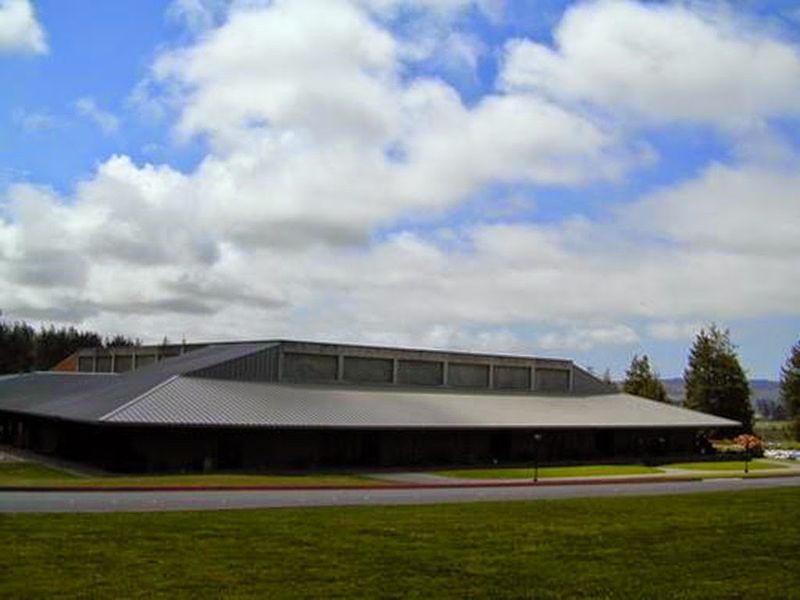
Stage lights and quiet forest trails share the same campus here. The Eureka campus includes its own theater, which hosts college productions and public events.
A Creative Arts complex and the Floyd Bettiga Gallery also give students places to make and show their work.
Performing on a stage can build confidence in ways a regular class might not.
Standing under warm lights, hearing an audience settle into their seats, and remembering lines all take practice and courage.
Behind the scenes, there is also room for students who prefer building sets, running lights or helping with sound.
Art classes have earned positive comments from community members who took electives just for fun.
That suggests creative courses are open to more than just art majors. Taking one can be a relaxing way to balance a heavy science or math schedule.
The wider Humboldt area is known for its lively arts scene, with galleries, small theaters and music venues in nearby towns.
Students may find even more ways to enjoy creative culture just off campus.