Nebraska Is Home To A Glass Rainforest Where Free-Flying Birds Swoop Over Your Head
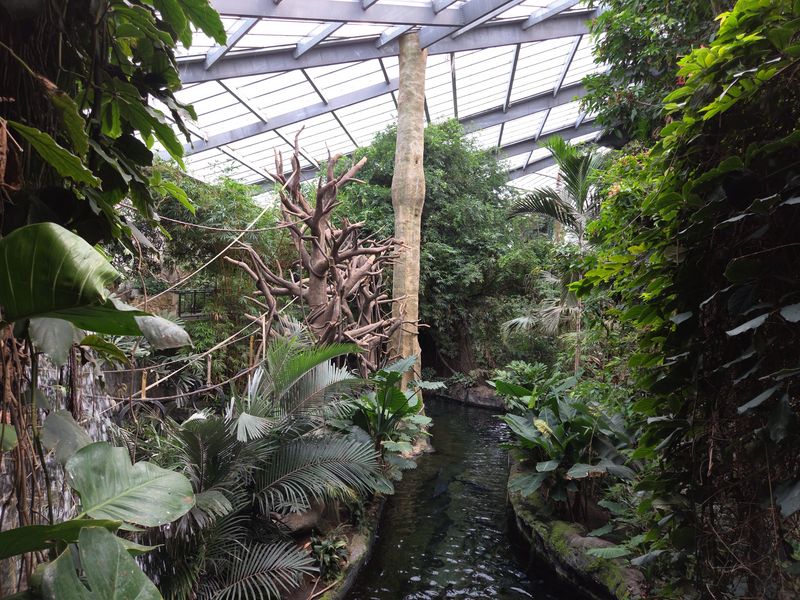
Fruit bats zip past your shoulders while a waterfall roars 50 feet down a rocky cliff. All of it happens indoors, under a glass roof in the middle of Nebraska.
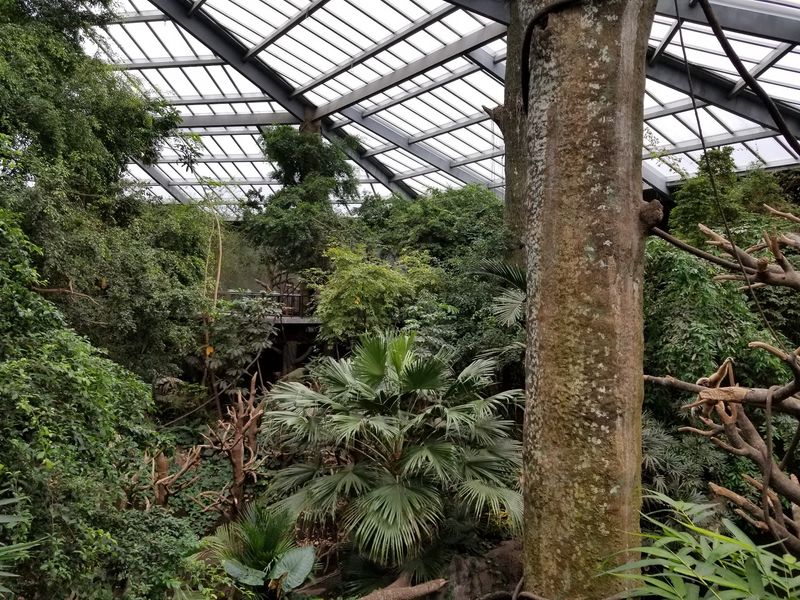
The building holds a tropical forest about 1.5 acres in size, with a ceiling around 80 feet high. Birds glide through that open, humid air without a single cage or net between you and them.
I like how the place splits into two very different worlds of its own. You can stroll a high trail through rocky caves, then drop down to a dirt path on the jungle floor.
I can’t imagine a better answer to a gray, bitter winter afternoon out on the prairie. Warm mist, swinging monkeys, and a pygmy hippo in the shallows sound like a pretty good trade.
A Tropical Forest Hiding Inside Omaha’s Famous Zoo
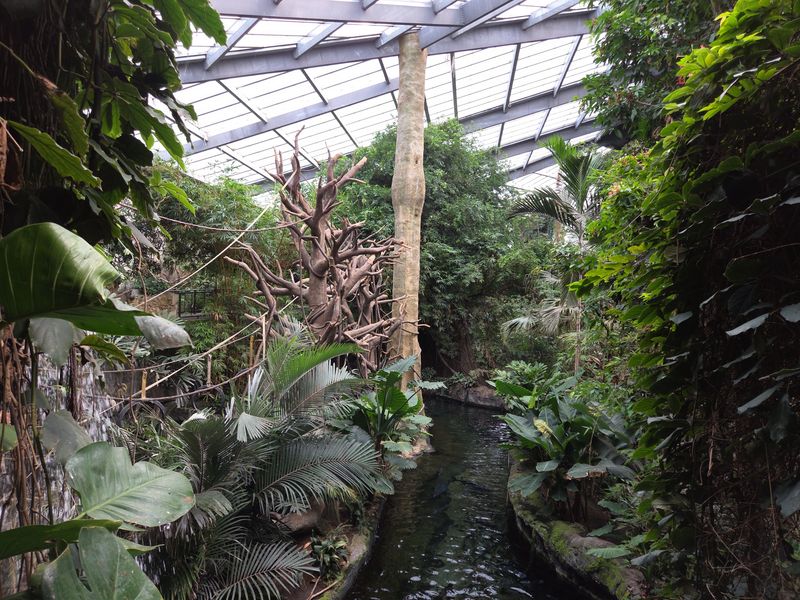
Omaha keeps a rainforest under glass, and it has been doing so for decades. The Lied Jungle sits inside Omaha’s Henry Doorly Zoo and Aquarium, one of the biggest names in Nebraska family outings.
The exhibit covers about 1.5 acres of living, breathing tropical habitat. It ranks among the largest indoor rainforests in the country, which is a fun fact to drop at the next family reunion.
Inside, the space recreates rainforests from three continents. South America, Africa, and Asia each get their own corners, plants, and animal residents.
The roof soars roughly 80 feet overhead, so trees have room to stretch. Birds use that height too, swooping across open air instead of perching behind glass.
Some first-timers don’t even realize the jungle belongs to a full zoo. They look up the rainforest alone, then discover a whole day’s worth of exhibits waiting outside its doors.
That mix of surprise and scale is what makes the building such a point of Nebraska pride. A prairie state with its own jungle feels like a delightful little contradiction worth seeing in person.
The Spring Day In 1992 When Omaha Got A Jungle
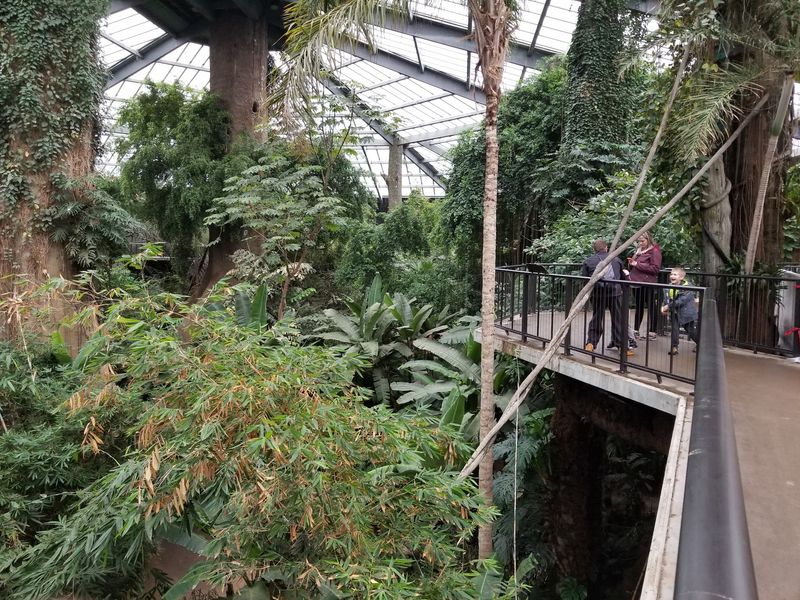
April 4, 1992, marks the day the Lied Jungle first opened to the public. Plenty of Nebraskans who toured it as kids now bring their own children back.
Building a rainforest in a place with icy winters took serious engineering muscle. The National Society of Professional Engineers named it one of the top U.S. engineering accomplishments of 1992.
Recognition kept rolling in after the ribbon cutting. In 1993, the exhibit earned a Significant Achievement Award for exhibit design from the national zoo and aquarium association.
Builders used hot-dip galvanized steel to handle the constant moisture. Humid air is tough on metal, so that choice helps the structure hold up year after year.
The zoo around it has grown enormously since those early days. Still, longtime Omaha residents often feel a soft spot for the jungle, since it stands as a familiar landmark amid all the change.
Renovations have refreshed the space over time, too. Upgraded railings replaced older cloudy plexiglass, opening up clearer views of the animals and greenery below.
Wings Overhead With No Cage In Sight
Look up, because the best show often happens above your head. Birds fly freely through the Lied Jungle, crossing the canopy wherever they please.
Bright tropical species, including macaws, share this open-air setup. Seeing feathers flash between tall trees is a very different feeling from peering into an enclosure.
The 80-foot ceiling gives them real room to move. Flights can stretch across the forest, so a bird on one side may suddenly appear near your path.
Because they roam, it pays to stay alert as you walk. A quick glance at railings and pathways keeps everyone, feathered or not, comfortable.
Kids tend to go wild for this part, and honestly, so do grownups. There’s no glass between you and the action, which makes every sighting feel like a lucky moment.
Bring patience along with your curiosity. Birds don’t follow schedules, so lingering near a clearing for a few minutes can pay off with a swooping flyby you’ll talk about on the drive home.
Bats Zooming Past Like Tiny Jet Pilots
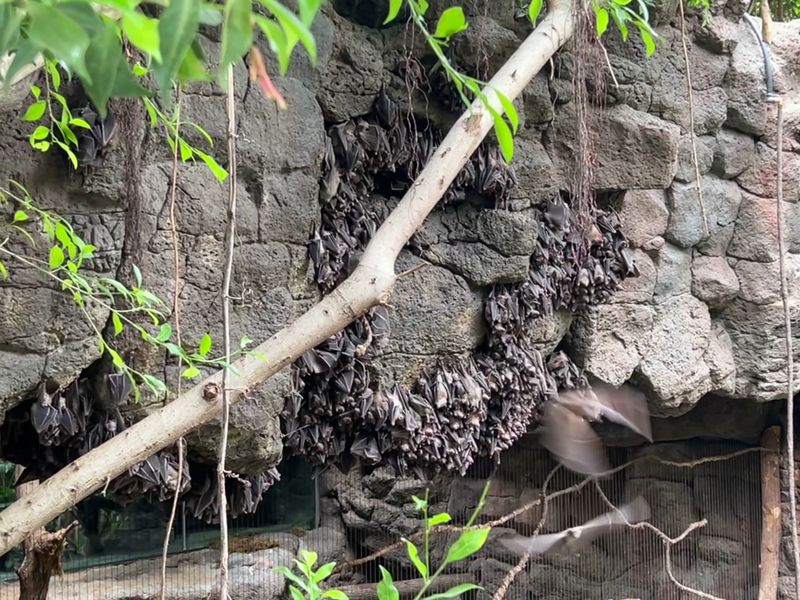
Fruit bats steal the spotlight here, and they don’t seem shy about it. A large colony flies freely through the Lied Jungle, often whizzing past at surprising speed.
Bats come up more than almost any other animal when people talk about this exhibit. That makes sense, since few zoos let you share airspace with so many of them.
Don’t worry about a spooky vibe. These are fruit bats, and they mostly flutter, hang, and swoop around the greenery like they own the place.
Spotting them hanging upside down from branches is half the fun. Watch the darker corners of the canopy, where clusters often gather in plain view.
Younger visitors usually treat each flyby like a fireworks show. The constant motion overhead gives the whole building a lively, buzzing energy.
If anyone in your group feels nervous, keep them on the wider paths. Most guests quickly realize the bats care far more about fruit than people, and the nerves turn into giggles pretty fast.
Monkeys, Gibbons, And Other Treetop Acrobats
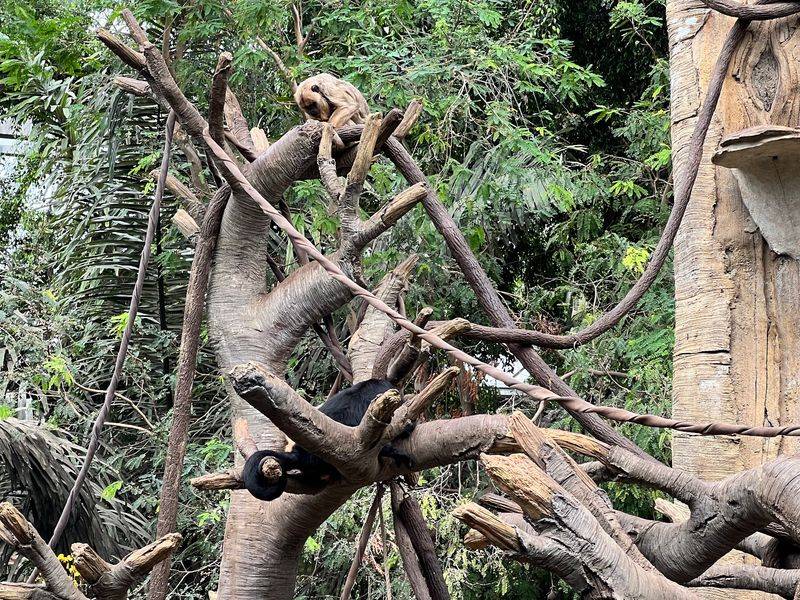
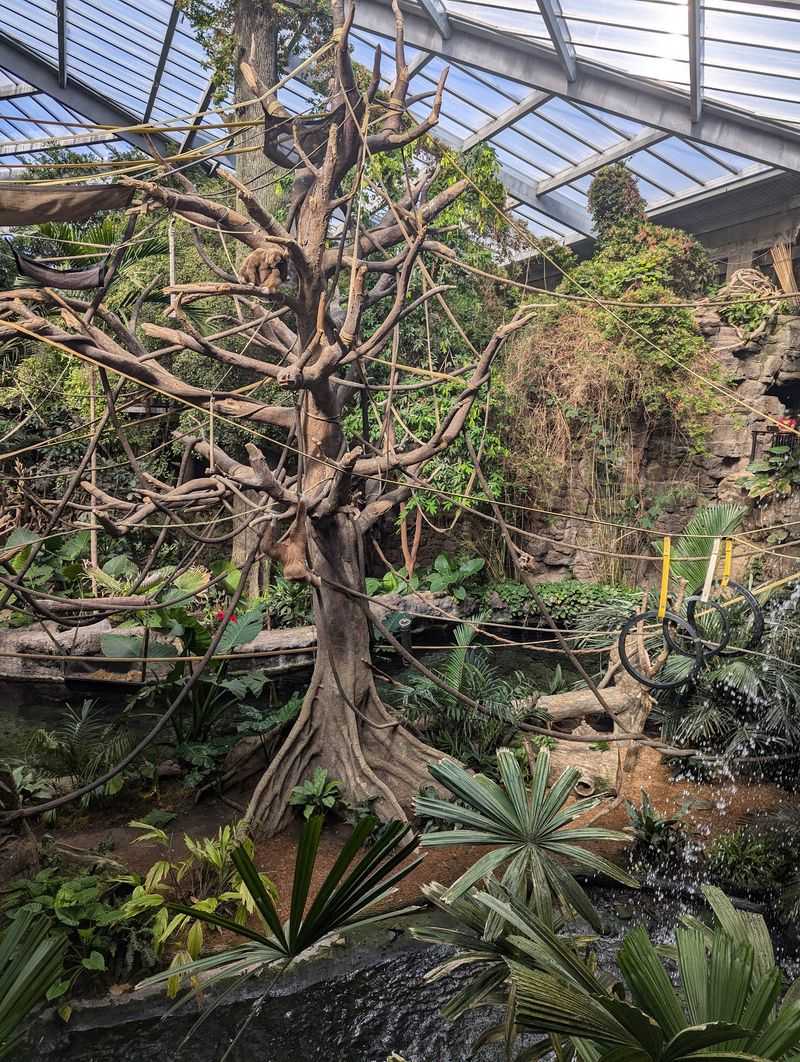
Swinging, climbing, and showing off seem to be the main jobs for the primates here. Gibbons and monkeys move through the trees with a confidence any trapeze artist would envy.
Primates rank among the most talked-about residents of the Lied Jungle. Their treetop antics give you something new to watch at nearly every turn.
Observation caves add a clever twist. Monkeys sometimes climb right up to these viewing spots, putting them surprisingly close to curious faces.
Silvered leaf monkeys and langurs also call the forest home. Their calm poses on high perches offer a sweet contrast to the more energetic swingers.
Timing matters a little with primates, since they shift between rest and play. Spend a few extra minutes at a viewing window, and the scene may change completely.
Families with little ones should plan for slow going in this stretch. Every branch seems to hold another face peeking back, and it’s hard to pull kids away when a gibbon starts its acrobatic routine.
Pygmy Hippos And Tapirs Down On The Forest Floor
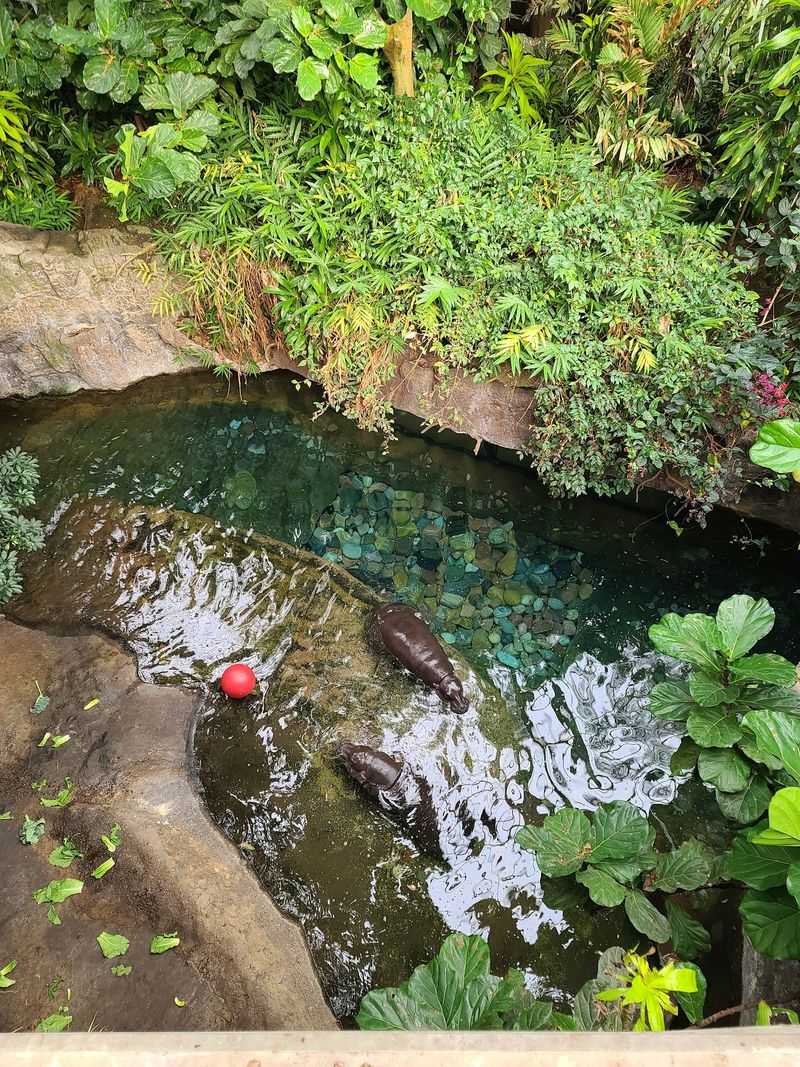
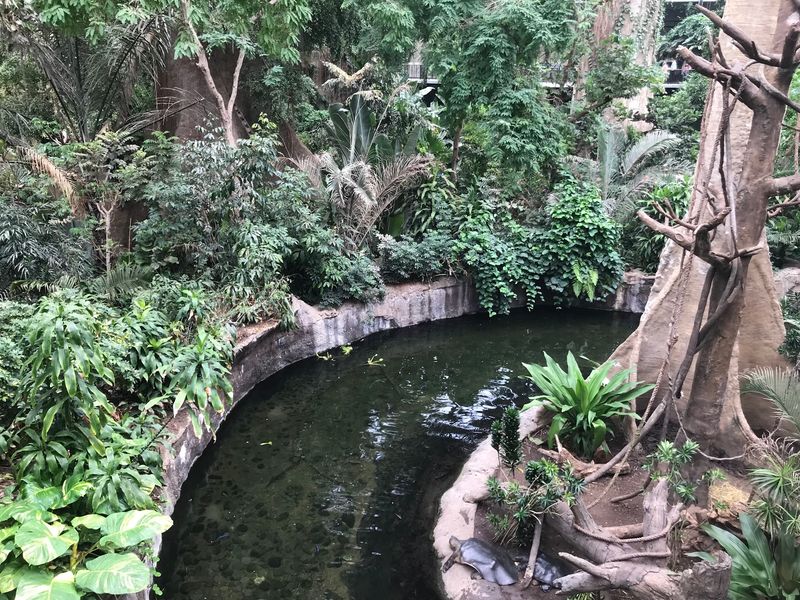
Not every jungle resident needs to fly or climb. Pygmy hippos spend their time near the water, looking relaxed in a way most of us only manage on vacation.
These compact hippos are smaller cousins of the giant river hippo. Watching them lounge in their pools is oddly soothing after all the action overhead.
Malayan tapirs wander the undergrowth nearby. Their black-and-white coloring looks almost like a painted design, and their long snouts make them unforgettable to younger visitors.
Different tapir species appear in the exhibit, roaming their own habitats. Spotting them requires a quick scan of the greenery, since they tend to move at an unhurried pace.
Nearby, river otters add a burst of playful energy. Their quick swimming makes a fun contrast with the slow-moving hippos and tapirs.
The forest floor rewards quiet observers. Find a railing, take a breath, and let the animals reveal themselves at their own speed instead of rushing toward the next sign.
Giant Fish, Stingrays, And Cave Window Surprises
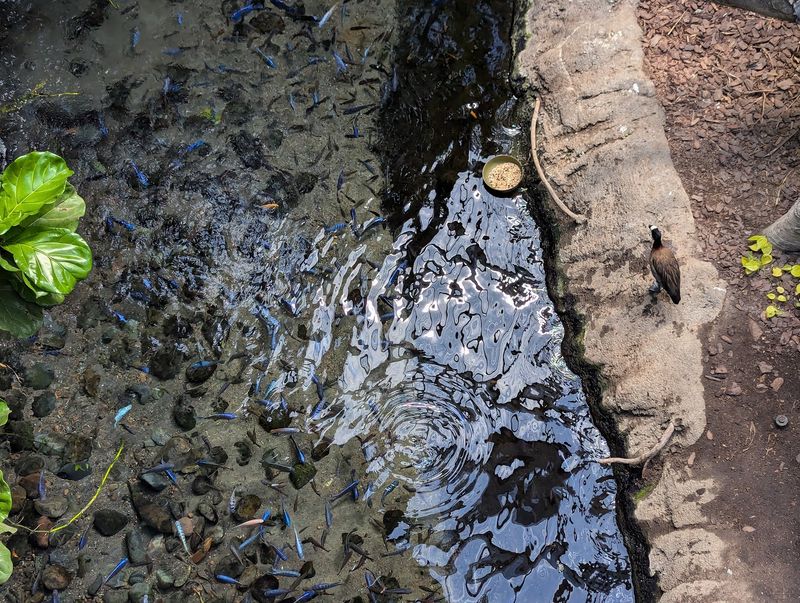
Some of the biggest jaw-droppers swim instead of swing. Arapaima, one of the largest freshwater fish in South America, glide through the jungle’s waters.
Pacu and freshwater stingrays share the aquatic spaces too. Turtles paddle along, adding a slower rhythm to the busy waterways.
Reptiles bring their own drama to the Lied Jungle. Anacondas, lizards, and Philippine crocodiles count among the residents worth tracking down.
Small cubbies built into the walls hold even more creatures. Snakes, spiders, and other critters wait inside these nooks for anyone curious enough to peek.
Overall, the exhibit houses around 90 animal species. That count includes mammals, birds, reptiles, amphibians, and fish, so there’s a lot to discover beyond the headliners.
Little explorers love turning these windows into a scavenger hunt. Make a game of counting snakes or spotting stingrays, and the walk becomes a mini adventure that keeps everyone engaged from start to finish.
Six Waterfalls Doing All The Talking
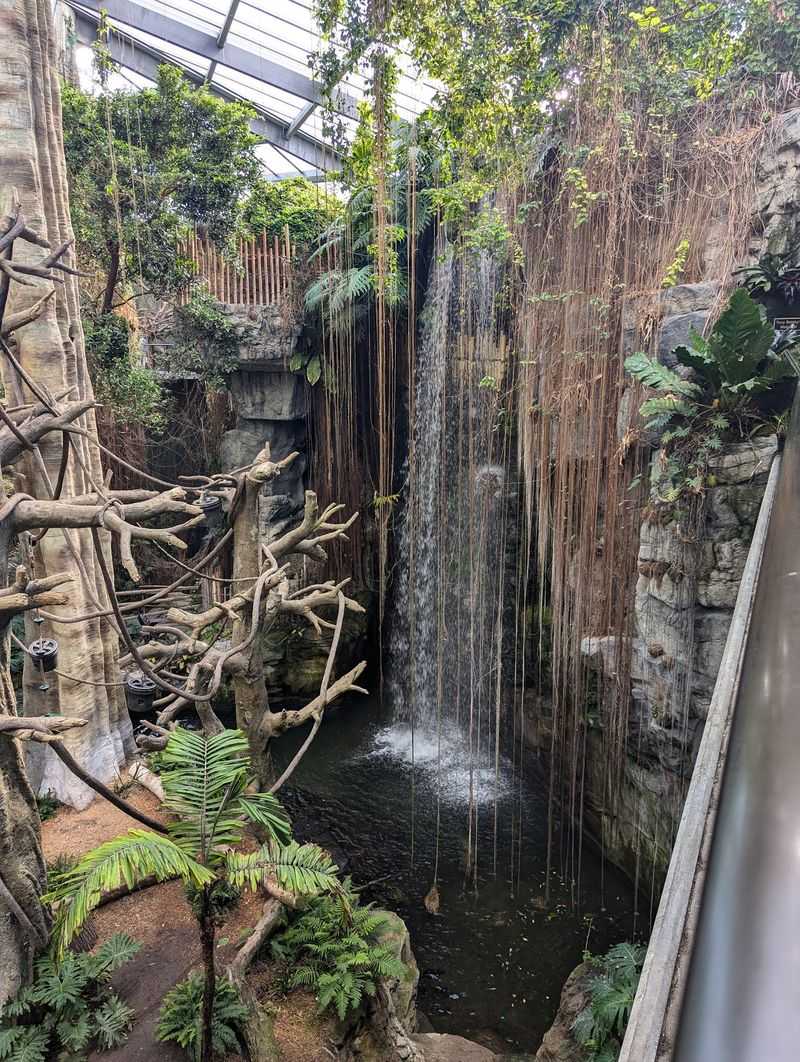
Rushing water provides the soundtrack for the whole building. Six large waterfalls tumble through the jungle, and the tallest drops about 50 feet.
That steady roar makes it easy to forget the parking lot outside. It drowns out everyday noise and wraps the forest in a calm, constant hum.
Hidden misting systems add another layer to the scene. Fog drifts through the treetops, mimicking the damp haze of real tropical forests.
Rocky cliffs frame the falls and hide more surprises. Caves and passages wind through the rockwork, leading to viewing areas tucked between plants and stone.
Photographers will appreciate the moody lighting that mist creates. Snap a shot near a waterfall, and it can look like a far-off expedition rather than a Nebraska zoo.
Bring a lens cloth if you plan on taking pictures. Humidity and spray can fog up glasses and cameras quickly, which is a small price to pay for scenery this dramatic.
Two Trails, Two Totally Different Points Of View
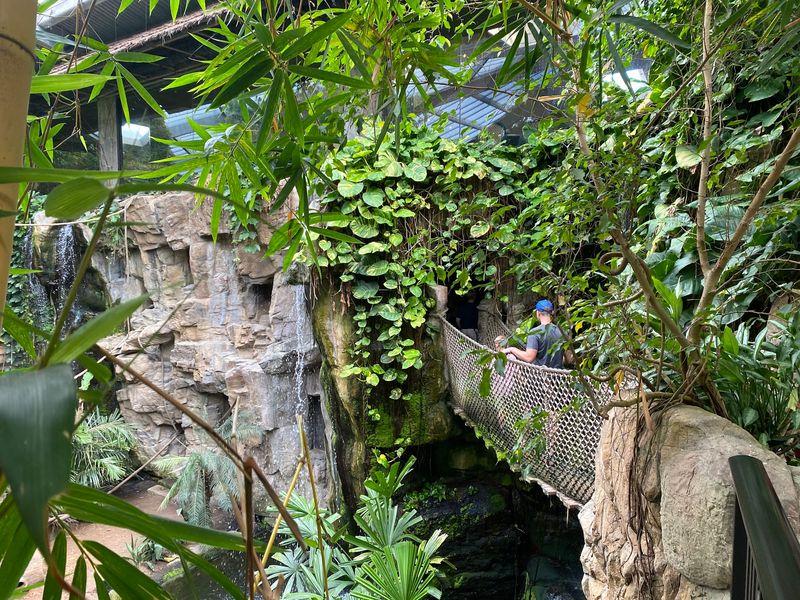
High road or low road? At the Lied Jungle, the right answer is both.
The upper level follows wide, easy paths through caves and over a bridge. From up there, you can gaze down on animals moving through the forest below.
The lower trail drops to the jungle floor on a dirt path. It brings you closer to the plants and water, with a more rugged, explorer-style feel.
Skipping the ground level would be a real mistake. Many longtime fans insist the floor walk is where the jungle-from-the-movies feeling really kicks in.
Each level reveals things the other hides. Animals that seem tiny from above suddenly look much bigger at eye level, and treetop residents become easier to spot from the bridge.
Plan enough time to loop through each section without rushing. It’s tempting to stroll the upper route and call it done, but the full experience comes from seeing the forest from top to bottom.
Warm, Sticky Air That Means Business
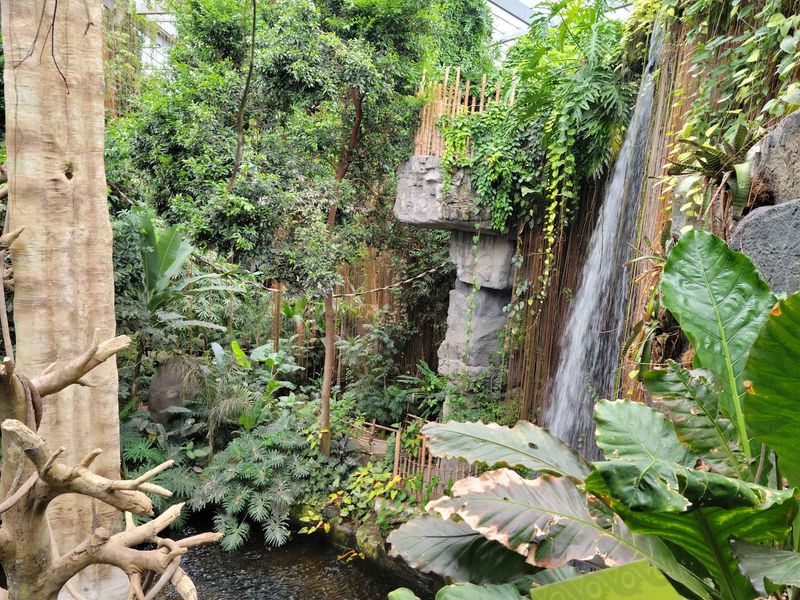
Humidity here isn’t an accident, it’s the whole point. Moisture levels typically stay between 70 and 85 percent to keep the plants and animals healthy.
That means the air feels warm and muggy from the moment you arrive. Real rainforests feel the same way, so consider it part of the authentic experience.
Dressing in layers helps a lot. Shed the heavy winter coat before heading in, and you’ll stay far more comfortable while exploring.
Glasses might fog up during the first few minutes. Give them a moment to adjust, and the steamy view will clear right up.
The warmth also makes the exhibit a favorite cold-weather escape. On a frosty Nebraska day, stepping into tropical air feels like a mini vacation without the airport security line.
In summer, things shift a bit. Some guests use the indoor spaces as a break from outdoor heat, though the jungle itself stays humid, so a water bottle makes a smart companion year-round.
Lunch With A Side Of Jungle Views
Hungry explorers don’t have to leave the forest to refuel. Durham’s TreeTops Restaurant sits within the Lied Jungle and opened alongside the exhibit.
Eating with a rainforest backdrop beats a picnic bench in a parking lot. Greenery, rockwork, and the sound of water keep the immersive mood going during your break.
The space also serves as an education center. That dual role fits the zoo’s focus on learning, letting families mix a meal with a little extra curiosity.
Availability and offerings can change by season. Checking with the zoo before your trip helps you plan whether to eat here or elsewhere on the grounds.
A sit-down pause can save the day with young kids. Tired legs recover faster when everyone gets a snack and a few minutes of rest.
Grandparents especially appreciate a comfortable spot to recharge. After that, it’s back to the trails with fresh energy, ready to hunt for sloths, snakes, and anything else hiding in the leaves.
Strollers, Grandparents, And Everyone In Between

Families of all shapes and sizes fit nicely here. Elevators connect the upper and lower areas, making things easier for wagons and strollers.
The upper paths are wide and smooth, which helps when little ones want to walk on their own. The dirt trail below suits steady feet and sturdy shoes.
Kids love the sheer amount of motion. Flying bats, swinging gibbons, and splashing otters give short attention spans plenty to chase.
Many adults remember their own first trip through the jungle. Some first saw it on a school outing and still count it as their favorite part of the zoo.
Quieter weekdays can feel almost private, at least during slower seasons. Visiting off-peak may give you more space at the best viewing spots.
Nature lovers, photographers, and curious retirees will all find something to enjoy. The mix of plants, animals, and architecture means even folks who aren’t zoo regulars come away with plenty to talk about.
Getting There And Timing Your Visit
Finding the jungle is easy once you reach the zoo. The Lied Jungle sits at 916 D St, Omaha, Nebraska 68107, inside Omaha’s Henry Doorly Zoo and Aquarium.
Entry comes with general zoo admission. Check the zoo’s official channels for current pricing and any membership options before heading out.
The exhibit keeps daytime hours that can be shorter than the zoo’s overall schedule. Arriving earlier gives you more time to wander without feeling rushed near closing.
Indoor exhibits make this a strong pick in any season. When Nebraska weather turns harsh, a full day can happen mostly under roofs and glass.
Holiday seasons sometimes bring decorations and kid-focused activities. Those extras can turn a winter outing into a fun family tradition.
Plan on more than a quick peek at the jungle alone. Between both trails, the caves, and the animal windows, it’s easy to spend a good chunk of your visit right here before exploring the rest of the zoo.
Why This Glass Rainforest Belongs On Your Nebraska List
Few spots in Nebraska can swap prairie wind for tropical mist in a single doorway. The Lied Jungle pulls off that trick every day, and it still feels a little magical.
Birds and bats flying freely give the place a sense of wildness. Caged views just can’t compete with wings sweeping past your shoulder.
The engineering story adds another layer of pride. Award-winning design from the early 1990s still holds up, wrapped in steel built for constant moisture.
Then there’s the variety packed into roughly 1.5 acres. Hippos, gibbons, giant fish, crocodiles, and sloths share one building, which feels like three continents squeezed into an afternoon.
Longtime Omaha families and first-time visitors tend to land in the same spot. Both groups walk out feeling like they’ve been somewhere far away.
So next time someone says Nebraska is all cornfields, you’ll have a pretty great comeback. Just point them toward the glass rainforest in Omaha, and let the macaws do the arguing.