This Georgia Sanctuary Gives Rescued Farm Animals A Peaceful Place To Call Home
Most farm animals never get a name. They get a number, a pen, and a purpose decided long before they arrive.
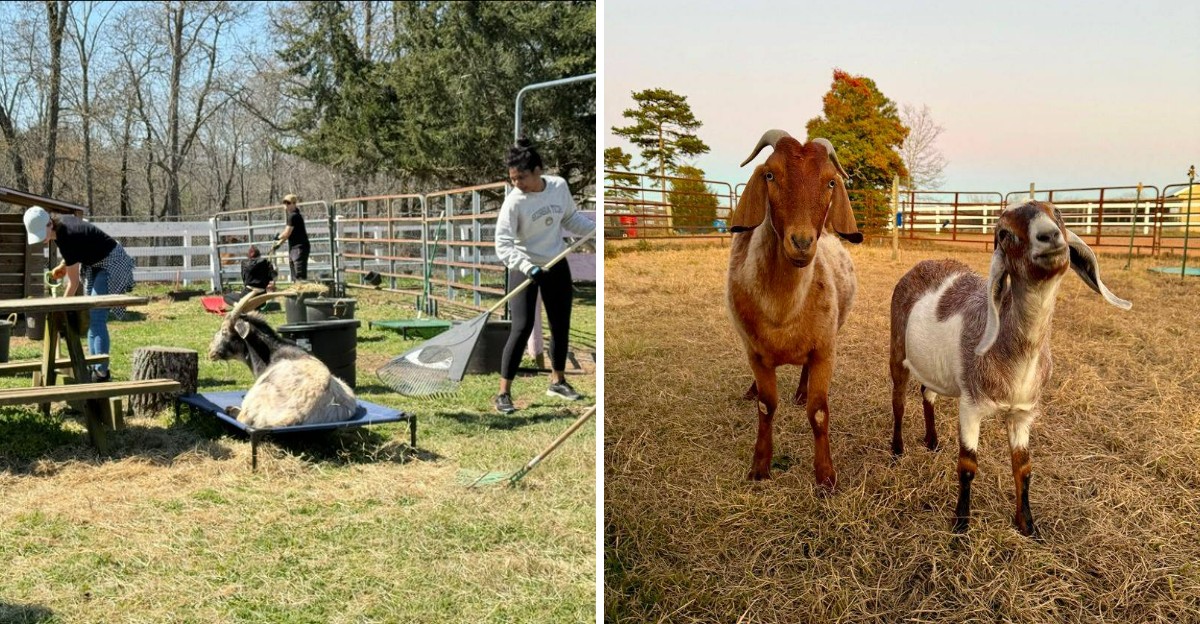
That’s what makes this corner of Georgia feel so special. Here, a pig can spend the afternoon napping in the mud.
A goat can follow visitors around like a curious toddler. A rooster can crow whenever he pleases.
Every resident on this land arrived needing a second chance. Now each one has a name, a story, and a pasture to wander.
I love places that remind us how much kindness can change a life. Even a few minutes here can soften a long week.
The pace is slower. The sounds are gentle.
The animals seem to know they’re safe. If you need a reason to smile, this Georgia sanctuary offers plenty.
Keep reading to meet the residents and the people who care for them.
Rolling Hills Built For Second Chances
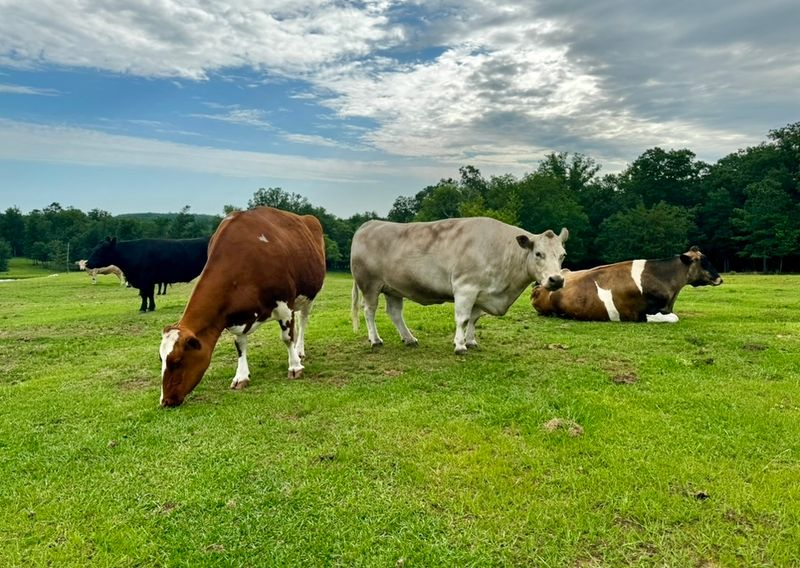
Some places feel calm before you even park the car. Green hills stretch out wide, and the air smells like fresh grass and hay.
The property covers 55 acres of open land in west Georgia. It sits near F.D.
Roosevelt State Park, so the drive in is full of trees and winding roads. I caught myself slowing down just to take in the views.
Space matters a lot for animals who once lived in tight quarters. Here, cows can wander, pigs can root in the dirt, and goats can climb whatever catches their eye.
Nobody rushes them, and that freedom shows in how relaxed they look.
A charming log cabin overlooks the land and hosts many of the community gatherings. From the main house, the view rolls on for what feels like miles.
It is the kind of scene that makes you put your phone down.
The sanctuary actually started in North Carolina back in 2010. In 2016, it moved to Georgia to grow and help more animals.
That move gave the residents room to spread out and settle into a slower, sunnier pace of life at Full Circle Farm Sanctuary in Warm Springs.
You will find the sanctuary at 961 Whitehouse Pkwy, Warm Springs, GA 31830.
A Mission Rooted In Respect
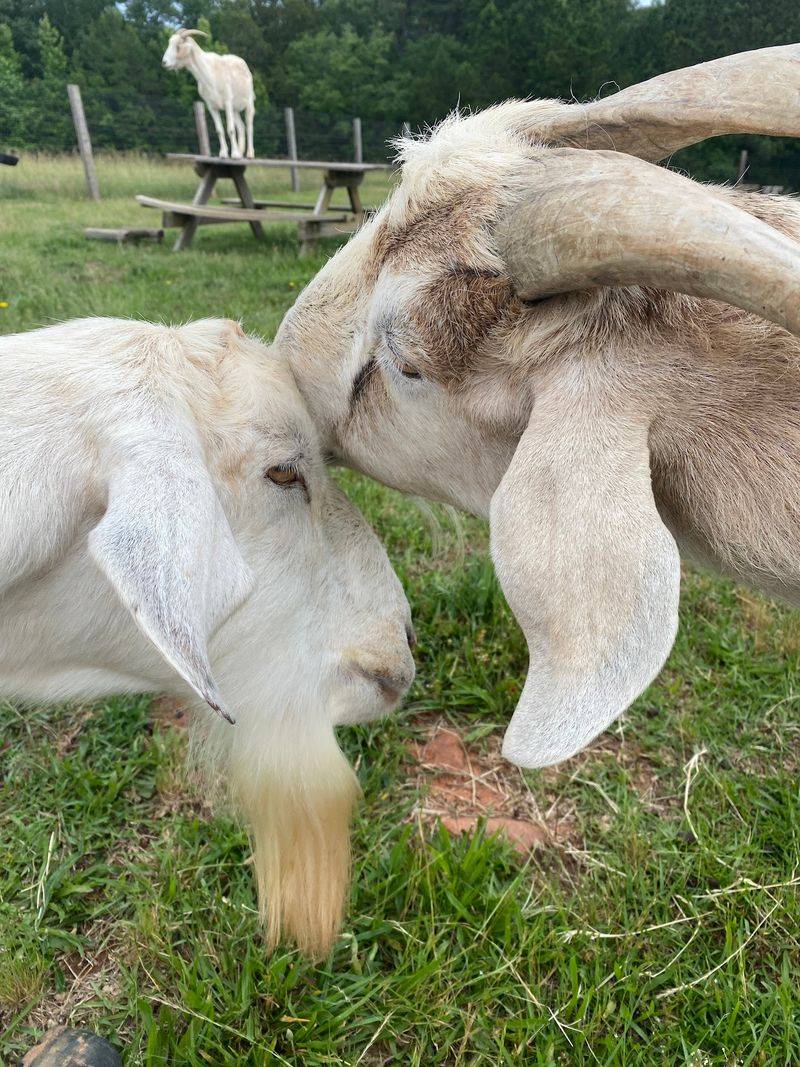
Forget the idea of a working farm with chores and schedules. The animals here are never asked to do a single job.
The heart of the mission is simple. Every animal is treated as an individual who deserves safety, dignity, and respect.
No one has to earn their keep or prove their worth.
Many residents came from tough beginnings. Some faced neglect, some were abandoned, and some simply lacked proper care.
Here, they finally get to rest and live life on their own terms.
I loved how the staff talked about the animals. They did not say livestock or stock.
They said residents, and they shared each one by name like you would a close friend.
Health and happiness come first, every single day. Some animals arrive with complex medical needs linked to how they were bred.
The team plans around those needs instead of ignoring them.
This approach changes how you see a cow or a chicken. You start noticing quirks, moods, and friendships.
Honestly, I left wondering why I ever thought of farm animals as background scenery.
Respect is not a slogan here. It shows up in the smallest daily choices.
Meet The Big Mixed Family
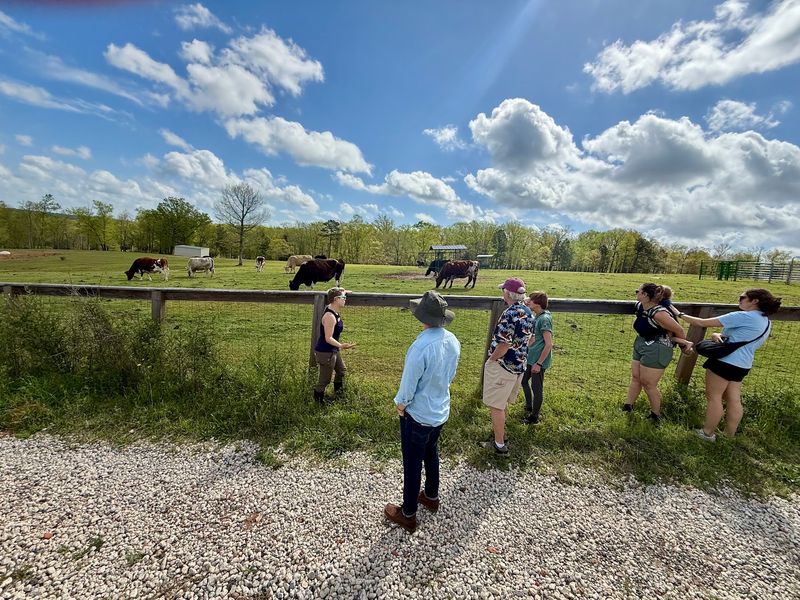
Counting heads here is a fun challenge you will probably lose. More than 100 animals live on the property, spread across 13 different species.
Pigs, goats, and cows make up a big part of the crowd. You will also spot horses, donkeys, chickens, and turkeys going about their day.
Each group seems to have its own little social club.
Then come the surprises. Waterfowl splash around, while llamas and alpacas watch visitors with their famously serious faces.
I swear one alpaca judged my shoes.
What makes the mix special is the attention given to every member. Nobody is just part of a herd.
Each animal has a history, a personality, and a name that staff remember without hesitation.
Kids especially seem to love the variety. One minute they are giggling at chickens, and the next they are staring up at a tall horse.
There is always someone new around the corner.
Quick fun fact: llamas and alpacas are cousins, but llamas are usually much bigger. Seeing them near each other makes the size difference easy to spot.
With so many species together, every visit feels a little different. Who you meet depends on who feels social that day.
Stories That Stick With You
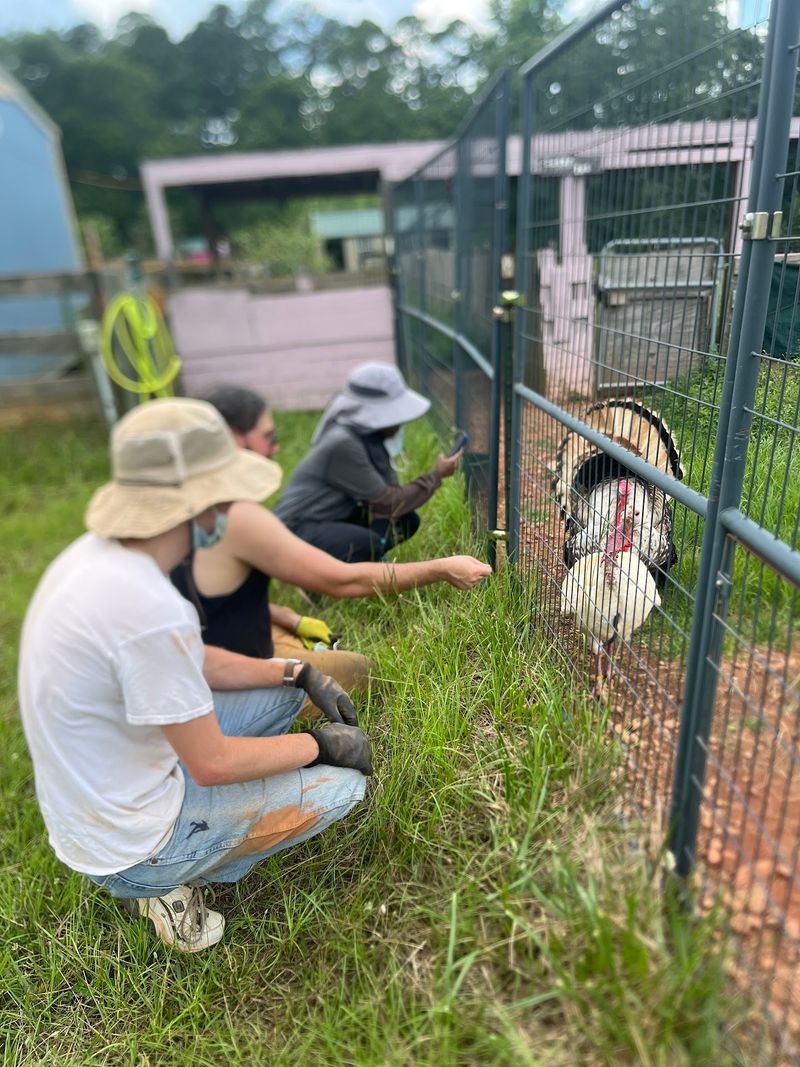
Names turn animals into characters you remember long after you leave. Here, the stories are the real headliners.
Ingrid is a Holstein cross cow who came to the sanctuary as a young calf. She grew up curious and friendly, the kind of cow who checks out visitors with real interest.
Hyacinth, a Yorkshire pig, spent her early life in confinement and darkness. Now she leads the pig herd with quiet confidence.
Watching her move through the group feels a bit like watching a respected mayor.
Pigcasso is a senior pot-bellied pig with a name that made me grin. He arrived underweight and needed care for his skin.
Today, he enjoys life with a zest that younger pigs might envy.
Bradley the turkey was found abandoned and showed some fear at first. A calm companion named Estelle helped him feel safe.
Their bond proves friendship works across feathers too.
Amelie, another turkey, came from a rough spot in New York. She got medical care right away after arriving.
Each story shows how patience and care can change a life. I walked away rooting for every single one of them.
Care That Grows With Every Age
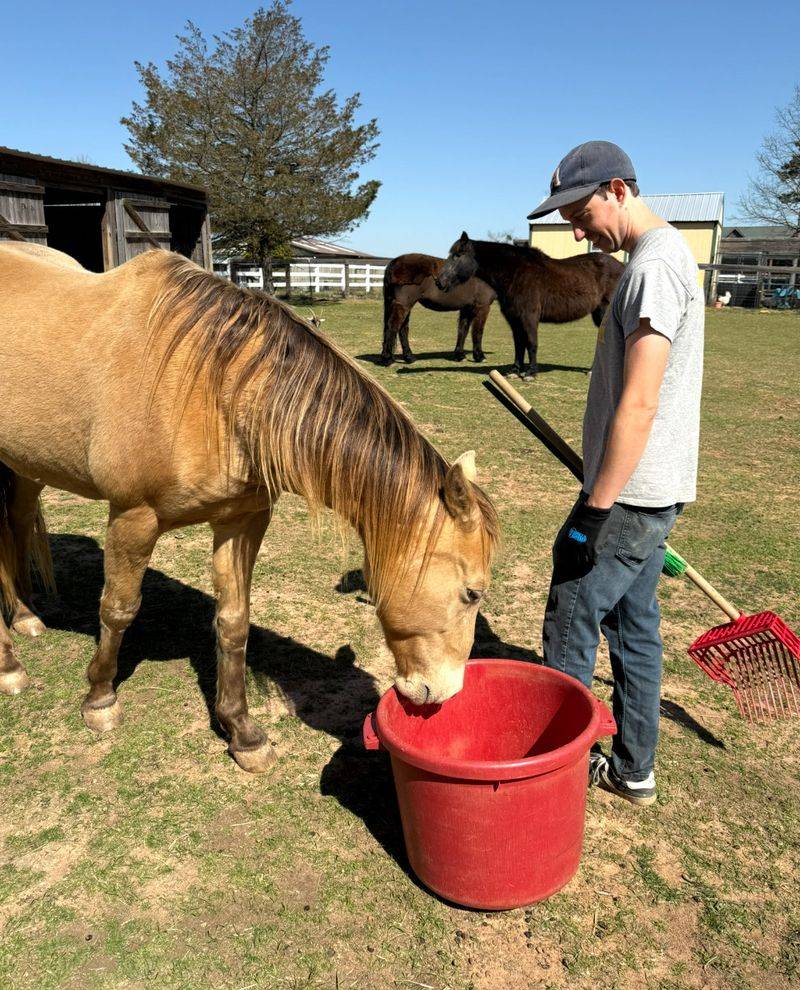
Getting older is hard enough without a creaky barn. Luckily, the senior residents here get serious VIP treatment.
Every animal receives food matched to its species and needs. Staff also plan treatments ahead of time instead of waiting for problems.
Daily check-ins help catch small issues before they grow.
Older farm animals often have special health needs. Caring for senior farm animals requires patience, specialized attention, and routines that adapt to their changing needs.
The team adjusts routines as each animal changes over time.
One detail really impressed me. They built a climate-controlled stall for horses with breathing problems.
That way, hot Georgia summers do not make life harder for them.
The work happens in all kinds of weather. Caregivers show up through scorching heat, rare snow, and stormy days.
Animals do not take days off from needing breakfast, after all.
Here is a practical tip if you visit. Ask about the seniors, since their care routines are some of the most interesting stories on the farm.
Watching an old pig nap peacefully in clean straw says a lot. Comfort in later years is not a luxury here.
It is the plan.
Awards That Back Up The Hype
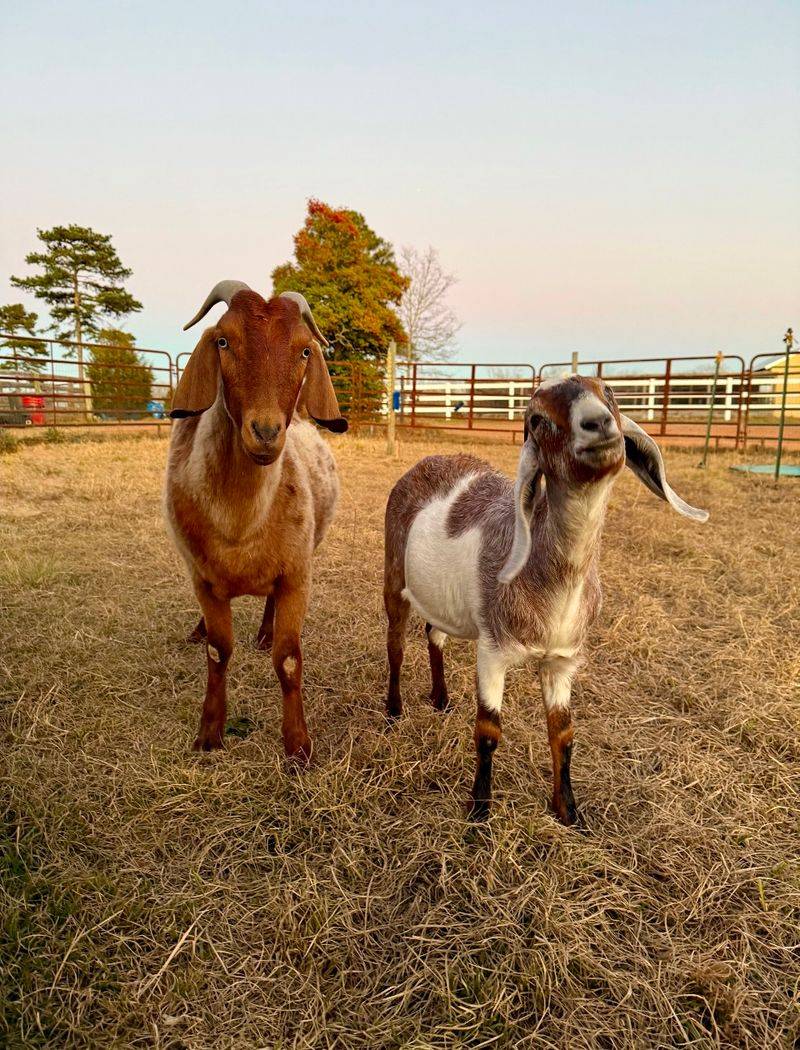
Plenty of places say they care, but proof hits differently. This sanctuary has some impressive credentials to show for its work.
It is accredited by the Global Federation of Animal Sanctuaries, often called GFAS. That made it the first accredited farmed animal sanctuary in Georgia.
Earning that status means meeting strict standards for housing, health, and safety.
Then came another big moment in 2025. The sanctuary received the international Outstanding Farmed Animal Sanctuary Award.
Not bad for a place where the residents mostly care about snacks and naps.
Why should visitors care about these titles? Accreditation helps you know a sanctuary is the real deal.
It means outside experts checked the care, the planning, and the way the place runs.
I always look for this kind of recognition before supporting an animal group. It gives peace of mind that donations and time are going somewhere solid.
The awards also reflect years of steady effort. Good care is not one big moment.
It is thousands of small mornings, buckets of feed, and careful checkups adding up.
Seeing the happy residents made the honors make sense. The animals are the best evidence of all.
Plan A Visit The Right Way
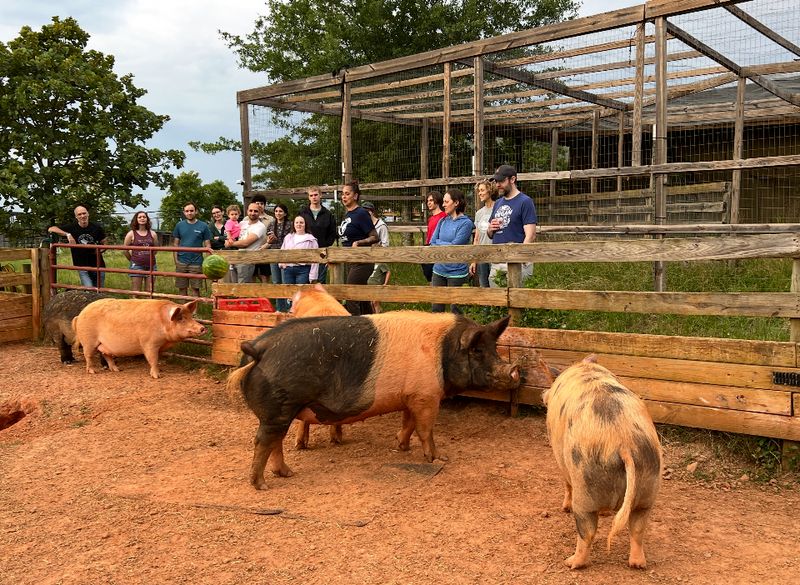
Good news for curious animal fans: you can see it all in person. Guided Guest Days are free and open to families of all ages.
During a tour, you walk the property and meet many residents. Guides share rescue stories and explain how each animal is cared for.
You learn a lot without it ever feeling like a lecture.
One thing stood out to me right away. Animals are never pushed to interact or perform for guests.
If a goat wants to say hello, great. If not, you simply admire her from a respectful distance.
Want a more personal visit? Private tours are available with a requested donation.
There are also special events, like twilight tours, that offer a different mood.
Pack smart before you head out. Wear closed-toed shoes, because farm ground is not sandal friendly.
Bring water and sunscreen too, since Georgia sunshine does not mess around.
Leave extra time in your day. You will probably want to linger.
Hands-On Days That Leave A Lasting Mark
School field trips just got a lot more interesting. The sanctuary welcomes school groups and community organizations for hands-on learning.
A standout program is called LEAP, short for Leaders for Ethics, Animals, and the Planet. It is a humane education program for high school students.
It gives teens a fresh, experience-based alternative to traditional agriculture classes.
Students learn to see farm animals as individuals with feelings and personalities. That lesson tends to stick far longer than a textbook chapter.
Food lovers, this part is for you. Each year, the sanctuary hosts ThanksLiving, its biggest onsite fundraiser.
Guests enjoy plant-based dishes and get to meet the residents too.
The log cabin also hosts cooking classes and wellness activities. You do not need to be vegan to feel welcome.
Curious eaters fit right in.
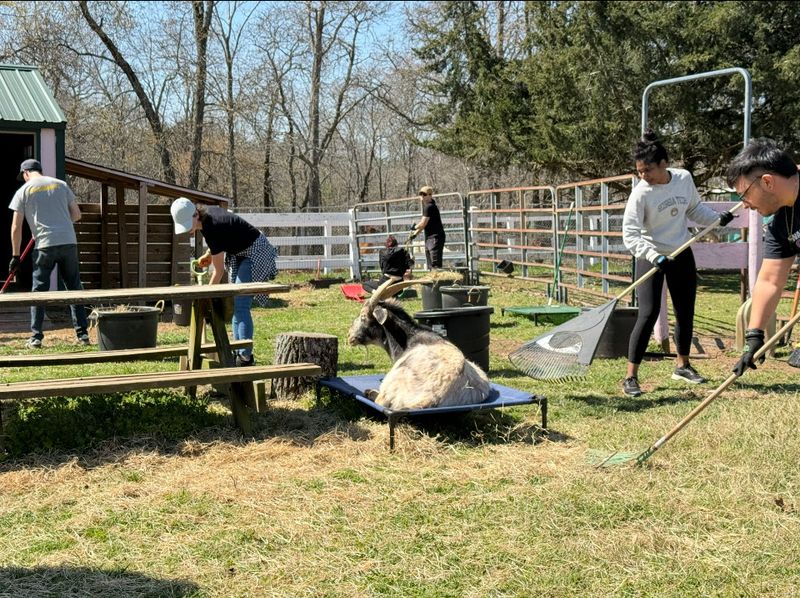
Volunteers keep things running with workdays and friendly potluck gatherings. It is a great way to help out while meeting kind people.
My advice? Sign up for a volunteer day if you can.
Getting a little dirty while helping the animals feels surprisingly rewarding. Plus, the post-work snacks taste even better.
Where Every Dollar Goes
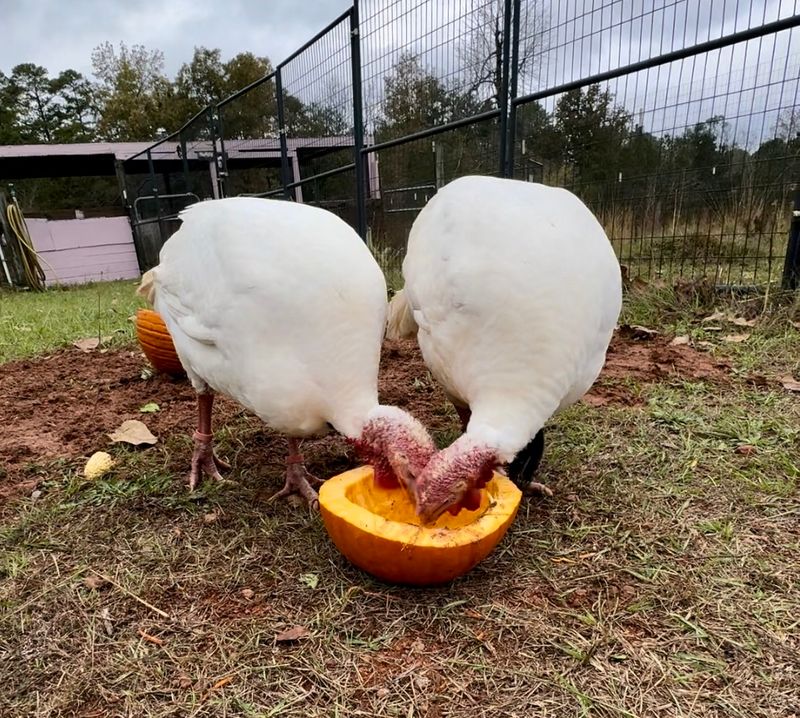
Ever wonder where your donation really ends up? At this sanctuary, the answer is refreshingly simple.
The organization is a 501(c)(3) nonprofit that relies fully on public donations. There is no paid administrative staff at all.
That keeps more money flowing straight to the animals.
Three long-serving volunteer board members guide the big decisions. Meanwhile, a skilled Animal Care team handles the daily needs of every resident.
Feeding, cleaning, and health checks happen like clockwork.
I find this model honestly inspiring. It shows that a lean team can do huge things with heart and planning.
Every bale of hay and vet visit comes from people who believe in the mission.
There are lots of ways to pitch in. You can donate, volunteer, attend an event, or simply share the sanctuary with friends.
Even small gifts help cover food and medical care.
Lifelong care is a big promise. Some of these animals will live for many years, and the team commits to every one of them.
Before leaving, I glanced back at the pastures. A sleepy pig rolled over in the sun.
That moment summed up what support makes possible.