This North Carolina High School Was Just Ranked The Best Public High School In America
High school bragging rights just got ridiculously serious.
A North Carolina campus has climbed all the way to No. 1 in the nation in the newest Niche rankings, beating thousands of public high schools across the country.
That is quite a report card.
This is not a typical bell-rings-and-everybody-goes-home kind of school either.
Students live on campus and spend their days in an environment built for ambitious young minds who genuinely enjoy being challenged.
The national recognition has suddenly given the rest of the country a reason to pay attention.
North Carolina already knew this school was unusual.
Now it has the ranking to make the bragging official.
Niche Just Ranked It No. 1 Out Of More Than 20,000 Public High Schools
Picture a list with more than 20,000 names on it, and then picture one school sitting calmly at the very top.
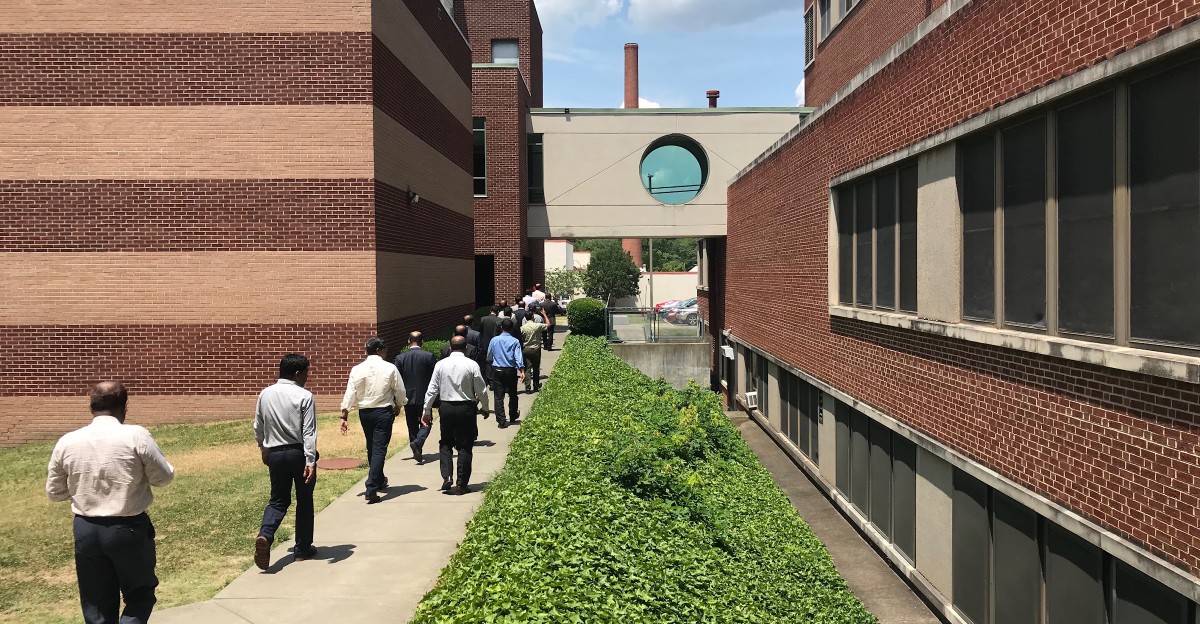
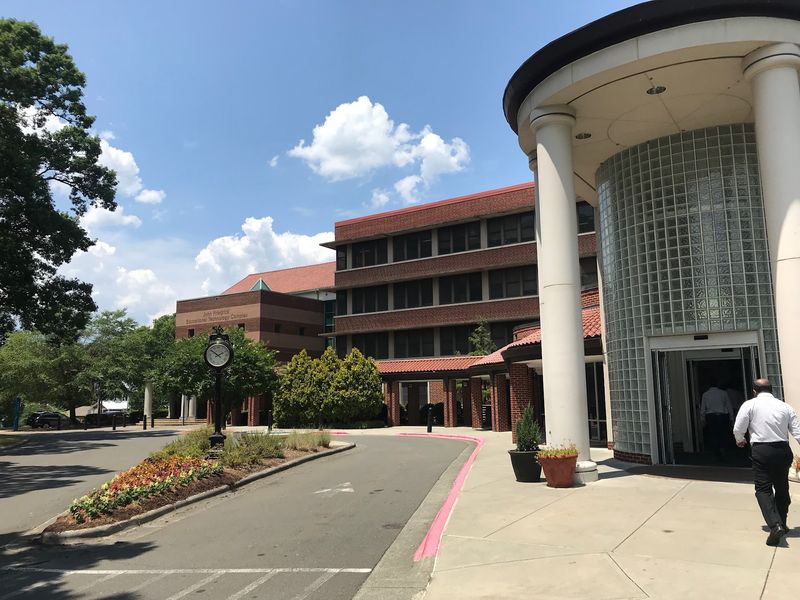
The winner was not a giant suburban campus or a famous big-city magnet school. Instead, the crown went to the North Carolina School of Science and Mathematics, a leafy campus in the heart of Durham.
Niche builds its rankings from areas like academics, teachers, college readiness, and student life, so a first-place finish means the school shines in many ways at once.
For families, a ranking like this works as a helpful starting point rather than the final word.
It shows what is possible when a public school puts curiosity first.
Classes in data science, engineering, and the humanities all hum with the same energy. Passing through Durham?
The campus sits near the shops and cafes of Ninth Street, so a short stroll offers a peek at brick buildings, shady oaks, and students hurrying along with backpacks full of big ideas.
This Is Its Fourth No. 1 Finish In Just Five Years
One great year can be luck.
Four great years out of five is something else entirely, and it points to a school that keeps raising its own bar. NCSSM grabbed first place in the Niche rankings for the 2023 and 2025 school years.
In 2024, it still landed among the top two public high schools in the whole nation, which is hardly a slump.
The newest No. 1 finish adds yet another trophy to a crowded shelf.
Closer to home, the streak looks even longer.
As of October 2025, the school had been named the top public high school in its state for six years in a row.
That kind of steady success usually comes from strong habits, not flashy tricks. So what keeps the school on top?
Small classes, hands-on labs, and students who truly love learning all play a part. Teachers here also encourage students to ask tough questions instead of memorizing answers.
For younger students dreaming about high school, the lesson is simple and useful.
Great results grow from daily effort, good mentors, and a little bit of courage to try hard things.
Keep that recipe in mind, and your own winning streak might start sooner than you think.
You can find the Durham campus at 1219 Broad Street, Durham, NC 27705.
It Became America’s First Public Residential STEM High School In 1980
Back in the late 1970s, a bold idea was taking shape in Raleigh.
Leaders wanted a public school where bright teens from every corner of the state could live together and study science and math at a very high level. In 1978, the North Carolina General Assembly made that dream official by creating the school.
Two years later, in 1980, the doors swung open in Durham.
With that opening, NCSSM became the very first public, residential high school in the country focused on STEM, which stands for science, technology, engineering, and math. Being first is a big deal.
Many other states later built similar schools, often looking to Durham as a model.
You could say this campus helped write the playbook for an entire style of education.
Fun fact: early students were trailblazers in a very real way. They had no older classmates to show them the ropes, so they built traditions from scratch, from study habits to campus events.
Today, the school still carries that pioneering spirit.
Walk past the labs on a weekday and you might spot students testing robots, mixing solutions, or sketching designs.
That curious buzz began more than four decades ago.
About 680 Juniors And Seniors Actually Live And Learn On Campus
Imagine your bedroom being just a short walk from chemistry class.
For roughly 680 juniors and seniors at the Durham campus, that is everyday life during a two-year residential program. Students move in much like college freshmen do.
They share dorms, eat together, and form close friendships with classmates from mountain towns, beach communities, and busy cities.
Late-night study groups and weekend club meetings turn the campus into a lively little neighborhood. Living away from home also teaches skills that never show up on a report card.
Teens learn to manage their time, do their own laundry, and solve problems on their own.
Residential staff stay close by to help when things get tricky. The program has grown beyond Durham, too.
A second campus opened in Morganton in 2022, near the foothills of the Blue Ridge Mountains, and it welcomes about 300 residential juniors and seniors.
Together, the two campuses serve more than 980 residential students. Thinking about applying someday?
Practice independence now by keeping a planner and handling small chores without reminders.
Those little habits make the big jump to dorm life feel much smoother when the time comes.
Tuition, Room And Board Cost Residential Students Nothing
Here is the part that makes parents do a double take.
Tuition is free, and so is room and board, for residential students from North Carolina who earn a spot.
That means classes, a dorm bed, and meals in the dining hall come without a bill. Many private boarding schools charge tens of thousands of dollars each year for a similar setup.
At NCSSM, talent and hard work open the door instead of a big bank account.
Residential students do pay a security deposit, but NCSSM does not currently publish the amount on its public admissions pages.
The school also suggests planning ahead for a laptop, dorm supplies like bedding, and travel to and from campus. Money worries should not stop anyone from applying.
Financial help is available for the deposit, for laptops, and even for J-term trips, as long as a family shows need.
J-term is a short winter session when students explore special topics or travel. A smart tip: make a simple checklist months before move-in day.
Include sheets, a desk lamp, and a reusable water bottle, then shop sales over the summer.
A little planning keeps the experience truly affordable from start to finish.
Every Faculty Member Holds A Master’s Degree Or Doctorate
Ever had a teacher whose excitement made a tough subject suddenly click?
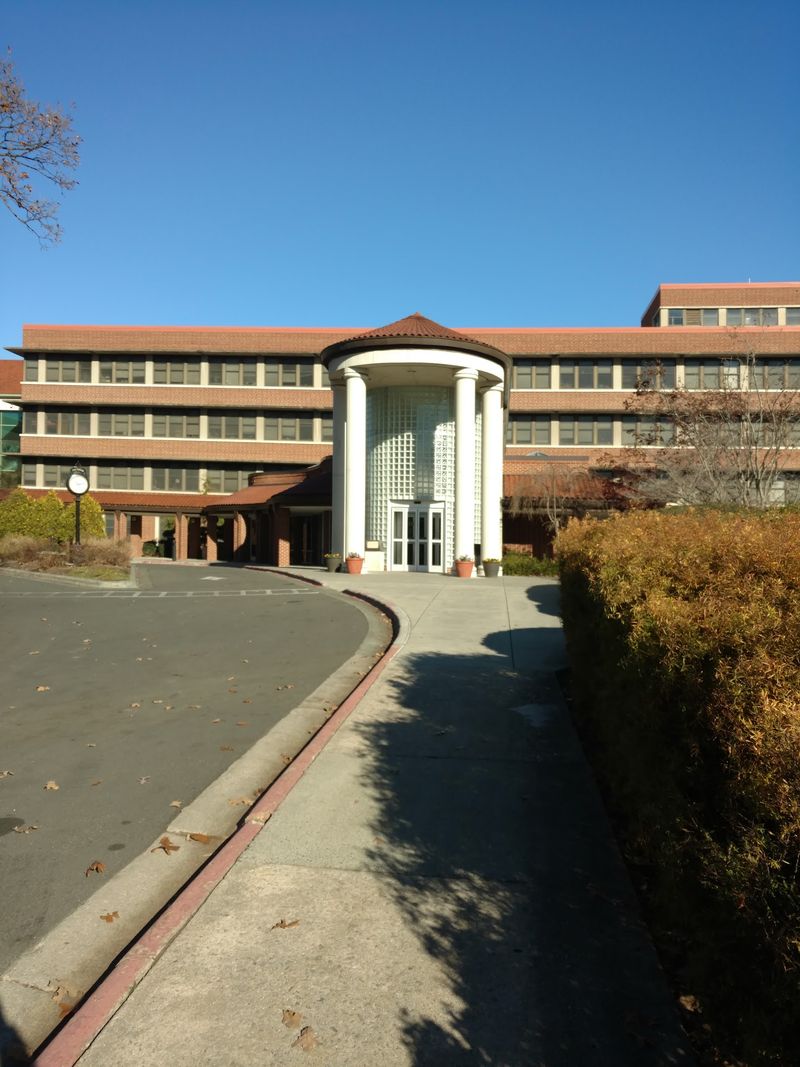
At NCSSM, students meet educators like that in nearly every room. Each instructor holds at least a master’s degree.
Even more impressive, NCSSM currently reports that about 39 percent of faculty members hold a doctorate.
That puts many classes on a level you might expect at a university. Advanced training matters because it lets teachers go deeper.
A biology lesson might connect to the latest genetics research.
A math class could explore real problems that scientists face right now, not just examples from a textbook. Still, fancy diplomas are only part of the story.
These teachers choose to work with teenagers, and their patience shows in office hours, lab sessions, and long conversations after the bell rings.
Students often find that asking questions is welcomed rather than feared.
Here is a takeaway for any learner. Seek out adults who know a subject well and love sharing it, whether that is a librarian, a coach, or a neighbor who builds radios.
Expert guidance can turn a passing interest into a lifelong passion, and it often starts with a single curious question.
More Than 200 Professional Mentors Help Students Tackle Real Research Projects
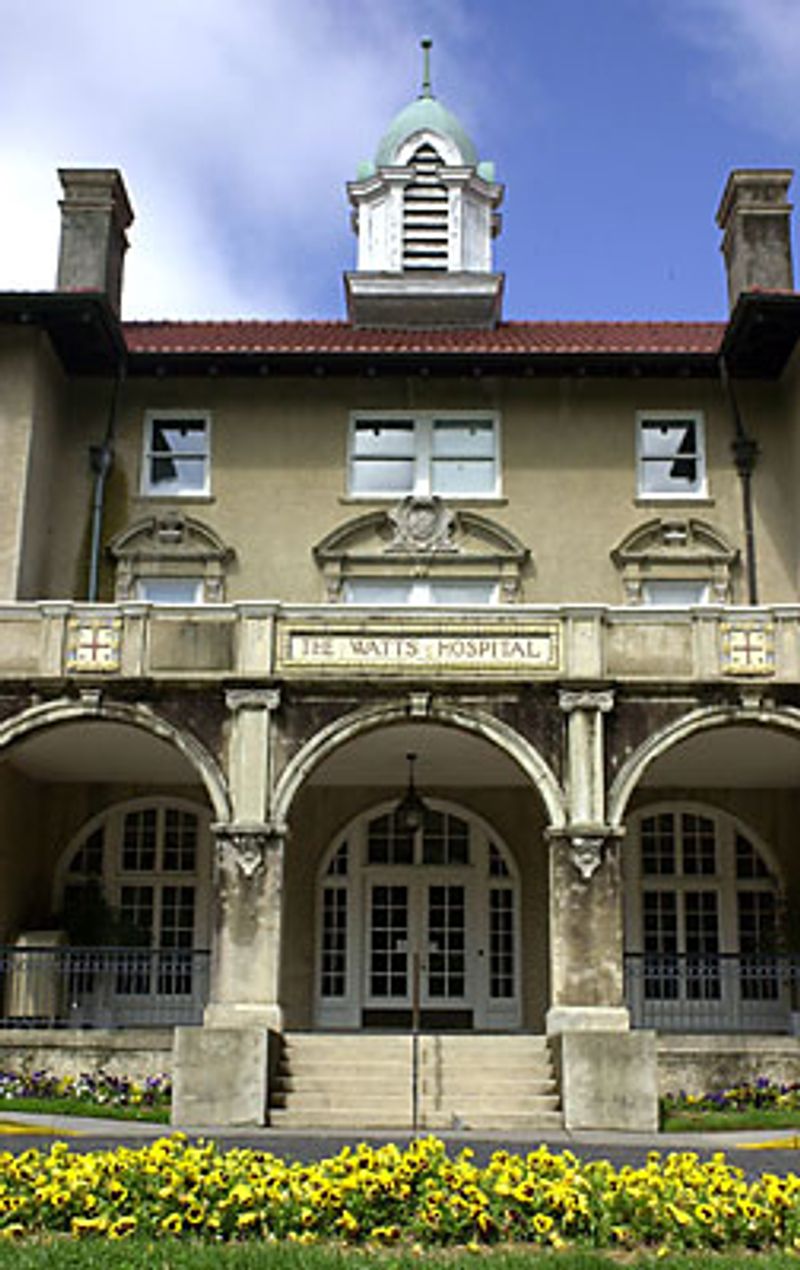
Picture a high school senior working beside a real scientist, peering into a microscope at a university lab.
That scene plays out again and again through the school’s mentorship program.
Seniors connect with research professionals across the Triangle, the busy region formed by Durham, Raleigh, and Chapel Hill, and even beyond it. Mentors come from places such as Duke University, NC State, UNC-Chapel Hill, and RTI International.
The Mentorship Program currently works with more than 200 volunteer mentors each year across academic research, businesses, nonprofits, STEM, humanities, arts, and social sciences.
Projects are not limited to science.
Students can study the humanities and social sciences, too, exploring history, language, or how communities work.
The goal is real discovery, not just a poster for a fair.
Summer brings even more chances. Over 150 rising seniors join the Summer Research and Innovation Program, which offers more than ten options, including Summer Mentorship.
Want to start building research skills early?
Keep a notebook of questions about the world around you.
Visit a local science museum, ask librarians about student programs, and email experts politely.
Many professionals love helping curious young people, and one friendly message can open surprising doors.
The Campus Started With Just 150 Students On The Grounds Of A Former Hospital
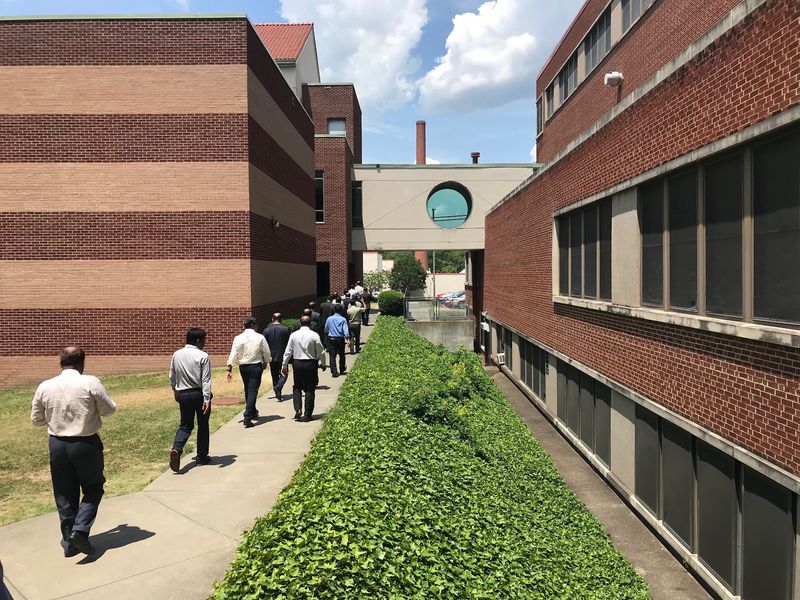
Long before robots and research labs, these brick halls cared for patients.
The campus once belonged to Watts Hospital, a well-known Durham medical center that eventually closed and left its grounds empty.
When state leaders searched for a home for their new school, Durham stepped up with a winning offer: the abandoned 27-acre hospital campus. It was a clever reuse of beautiful old buildings.
Instead of sitting quiet, the halls filled with fresh voices.
The very first class in 1980 was small. Just 150 juniors arrived, ready to try something brand new.
Compare that with today’s crowd of hundreds, and you can see how far the school has come.
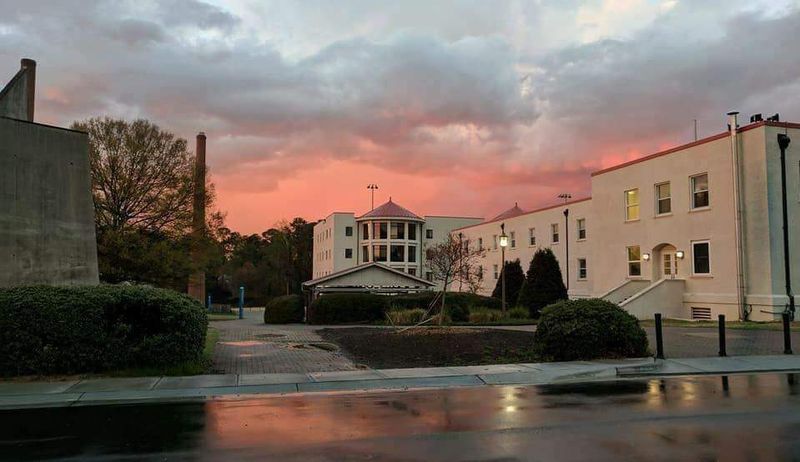
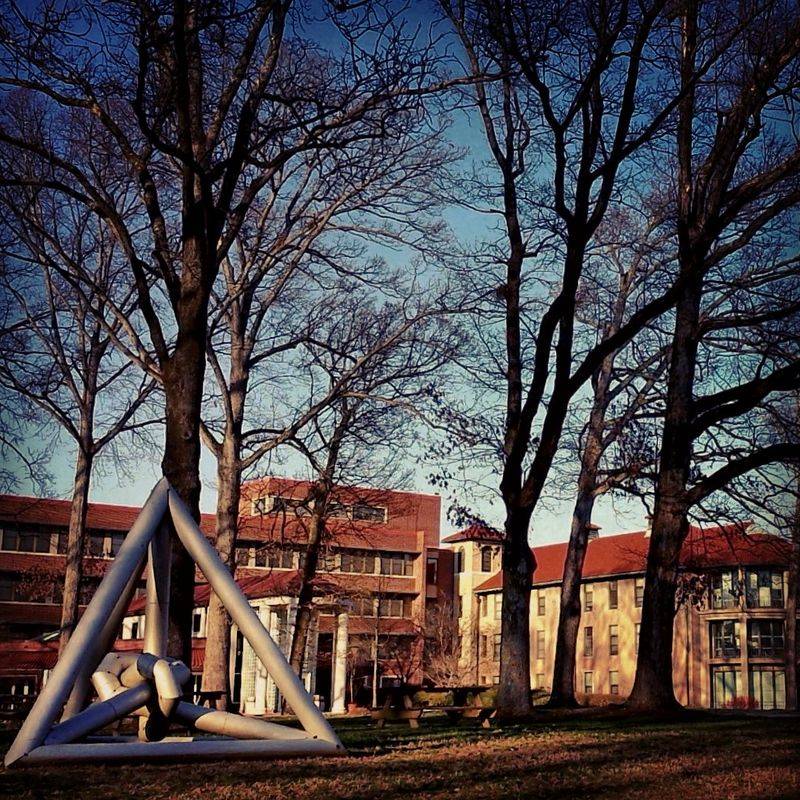
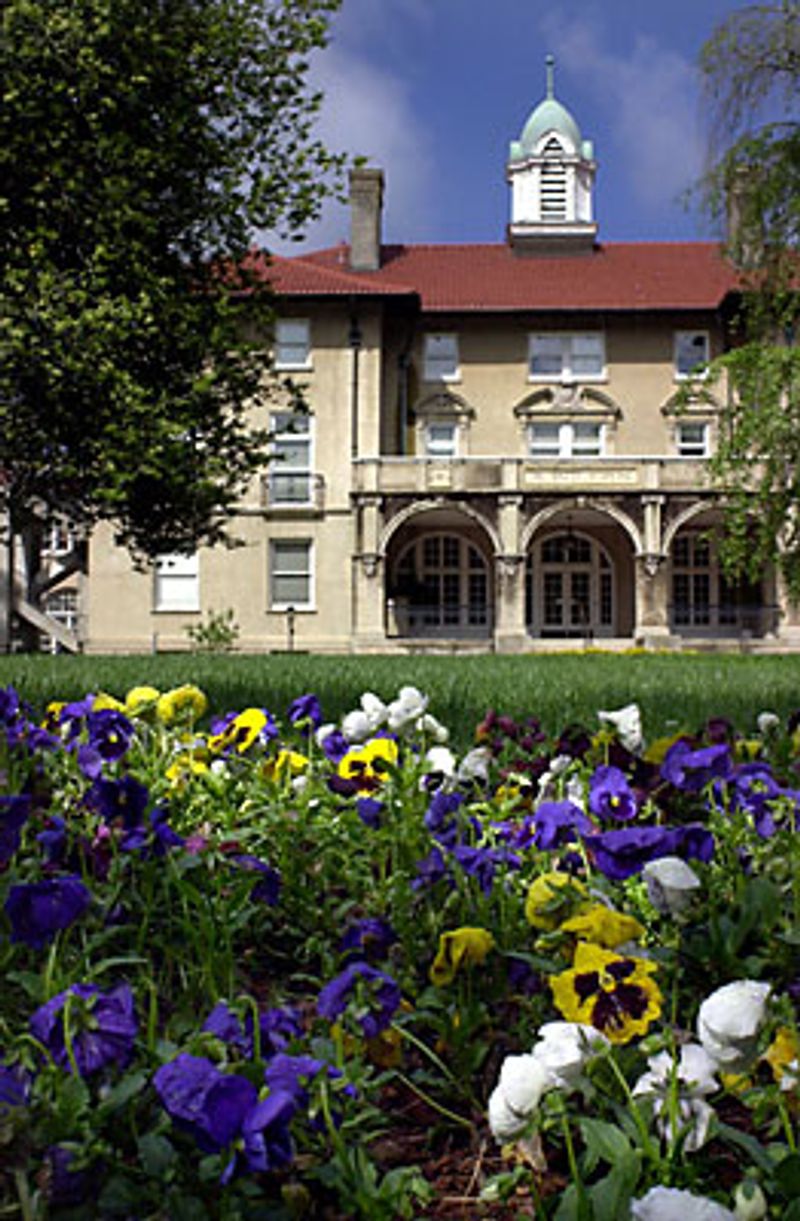
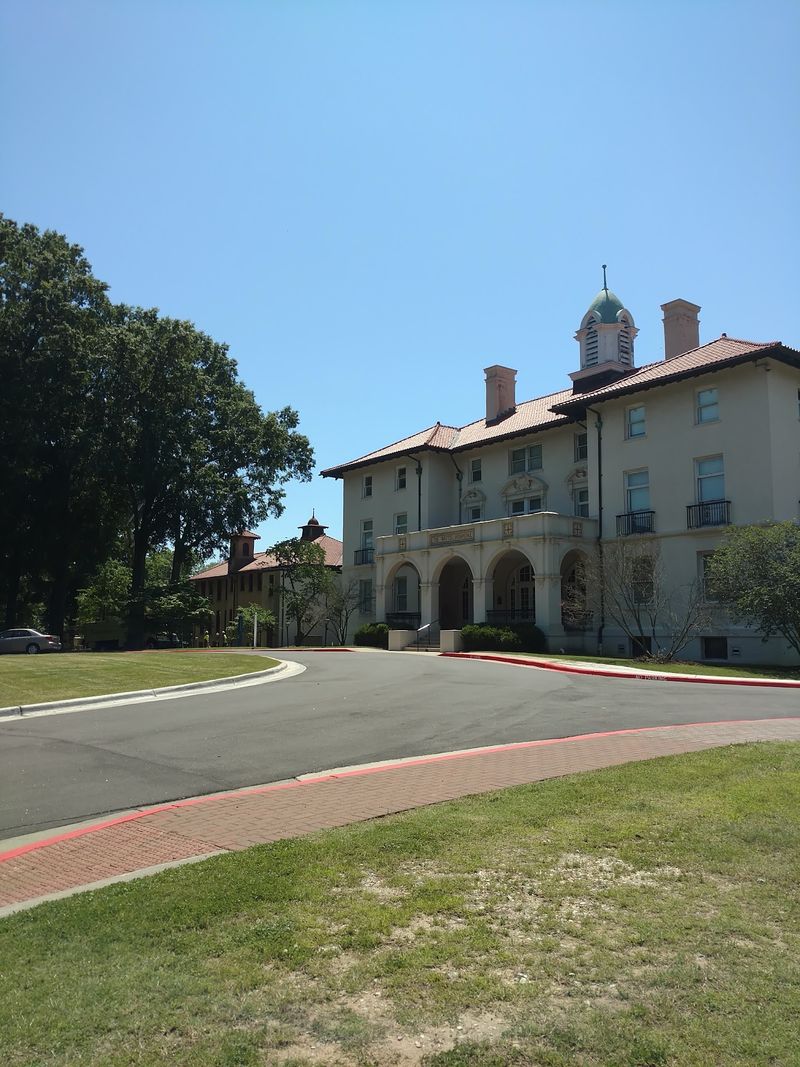
Visitors who wander nearby will notice the grand architecture, with stately brick, white trim, and wide lawns shaded by mature trees.
The setting feels calm and historic, almost like a college quad from an old movie. History lovers can appreciate how a place built for healing now helps young minds grow.
Students arrive from all across North Carolina, carrying the same hopeful spirit as that first group of 150.
Next time you see an empty old building, imagine the bright new story it might hold.