Upstate New York Has An Entire Village Of Historic Buildings That Feels Frozen In Time
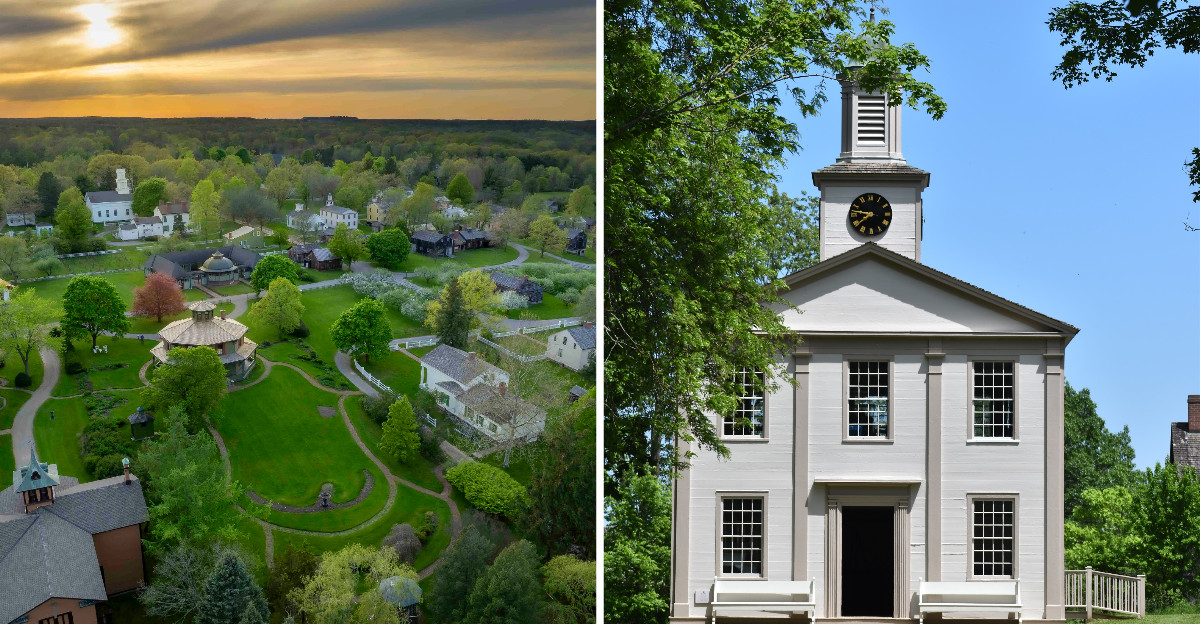
Sixty-eight restored buildings were gathered into one spot and arranged like a real 19th-century village.
Costumed interpreters staff most of them, and some hammer out nails or shape tin while they talk.
That alone got my attention. Then I learned the village is split into three eras, from rough settler cabins to a gas-lit Victorian street.
I like how the place doesn’t just show history behind glass. You can smell pastries baking in a historic kitchen and watch a cooper build a barrel by hand.
There’s even a replica 19th-century baseball park where teams play by old rules.
All of this sits on 600 acres in western New York. I can’t imagine a better way to make a history lesson feel like a day trip. So which era would you visit first?
Three Eras Share One Very Patient Main Street
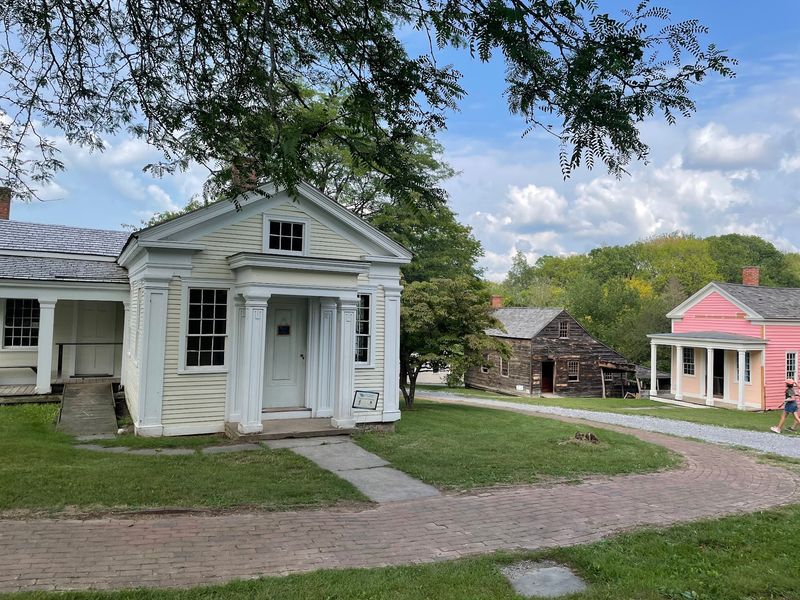
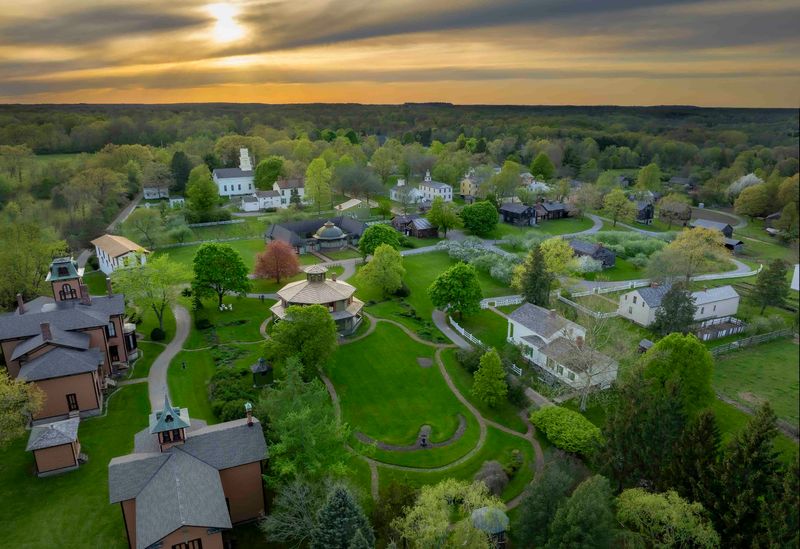
Genesee Country Village & Museum is New York State’s largest living history museum.
It also ranks as the third-largest in the country, with 68 historic buildings arranged to resemble a developing nineteenth-century community.
The buildings originally stood in communities across western and central New York. They were carefully relocated, reconstructed, and furnished to represent the periods when they served families, merchants, and tradespeople.
The village has three main sections, each highlighting a different stage of regional development.
Early Settlement represents approximately 1790 to 1820, featuring modest houses, farm structures, and practical spaces that reflect the early growth of the Genesee region.
Center Village covers roughly 1830 to 1870, when established communities developed busier streets, shops, public buildings, and specialized businesses.
The Gas Light District explores later nineteenth-century life, with larger residences and architectural details reflecting changing tastes and technology.
Gardens, fences, and pathways connect the different areas, helping the village feel like a continuous community rather than a collection of separate exhibits.
The Blacksmith Has Nails To Make And Stories To Tell
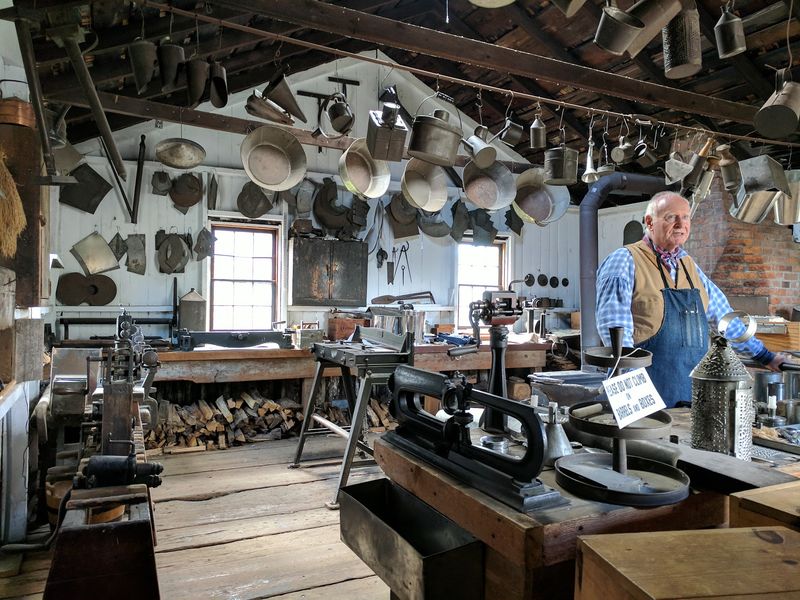
Sparks flying from an anvil beat any textbook diagram. Costumed interpreters work throughout the village, demonstrating traditional skills and explaining the tools used to complete everyday tasks.
Blacksmithing, pottery, coopering, and tinsmithing are among the fourteen historic trades represented at the museum.
Inside the blacksmith shop, iron can be heated and shaped into useful hardware. The cooper’s workshop offers a different challenge, fitting wooden staves together to form barrels and other containers.
Pottery demonstrations reveal how clay takes shape on a wheel, while tinsmithing highlights the careful cutting and shaping required to produce household objects.
The demonstrations offer insight into the practical work that supported nineteenth-century New York communities.
Each craft requires its own tools, techniques, and considerable patience. Watching a finished object emerge from ordinary materials makes those skills easier to appreciate.
Interpreters also explain how workshops operated and why particular trades became essential to growing villages. Demonstration schedules change, so individual buildings may offer different activities throughout the week.
Save Room For A 1-2-3-4 Cake And A Hand Pie
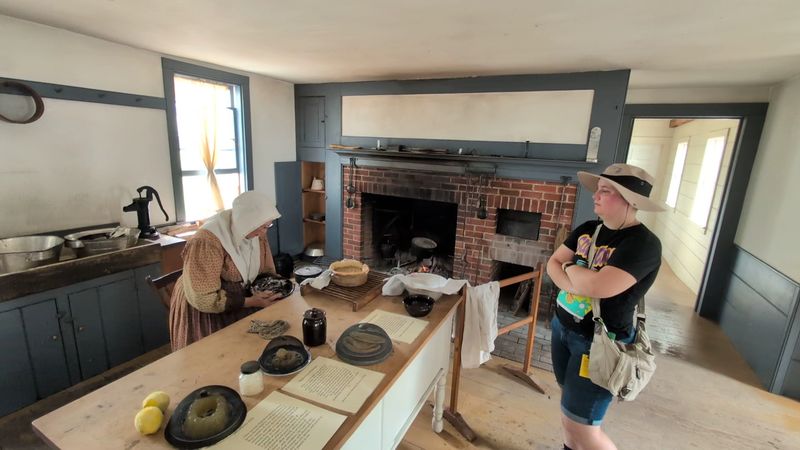
Sweet tooth, meet the 1800s. The D.B. Munger Confectionery sells historic treats made on site, including 1-2-3-4 cakes, springerles, and sweet hand pies.
The 1-2-3-4 cake takes its unusual name from the proportions traditionally used for its main ingredients. The straightforward recipe became popular because its measurements were easy to remember.
Springerles bring another baking tradition into the shop. These decorative cookies feature raised patterns pressed into the dough using carved molds.
Shortbread, tea cakes, macaroons, and other sweets may also appear, with flavors and selections changing throughout the season.
The confectionery operates on select weekends and during special events, so its treats are not necessarily available on every museum day.
For a more substantial lunch, the Depot Restaurant serves familiar options such as burgers, sandwiches, wraps, and salads during scheduled operating hours.
Outdoor tables around the Great Meadow provide another dining option. Visitors can bring a packed lunch and enjoy it between historic demonstrations.
That flexibility makes it easy to turn a morning of exploring into a leisurely afternoon, especially when a freshly prepared hand pie is waiting nearby.
Seven Courses In A Historic Dining Room
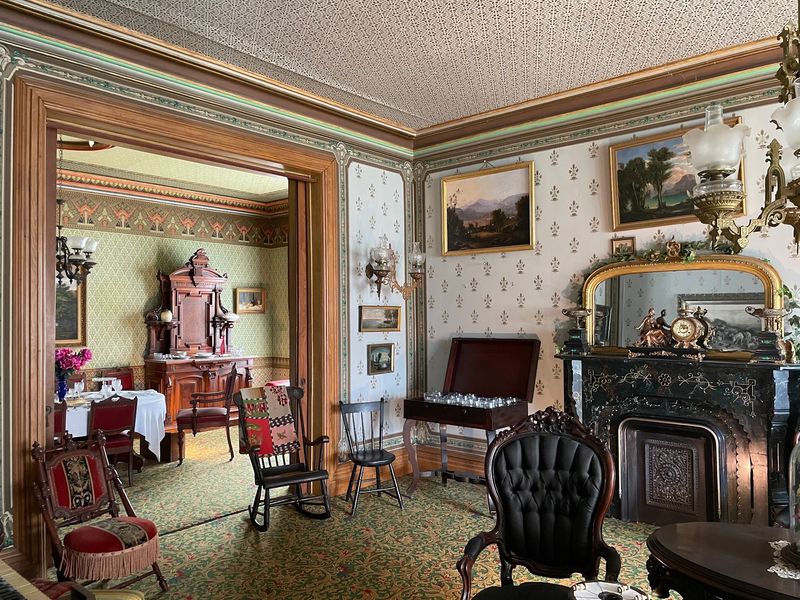
Dinner here can stretch across seven courses. Special historic dining experiences recreate nineteenth-century meals inside restored buildings at Genesee Country Village & Museum.
The experience goes beyond serving old-fashioned recipes. Historical cooks prepare a multi-course meal, with dishes presented family-style in surroundings that reflect the dining customs of the period.
Traditional parlor games can also be part of the evening, offering a glimpse into the entertainment enjoyed during social gatherings.
These dinners create an opportunity to experience historic foodways from the table rather than simply observing cooking demonstrations.
The museum also organizes seasonal afternoon teas, featuring sweet and savory refreshments in a more relaxed setting.
For 2026, All Hallows’ Tea is scheduled for October 23 through 25, while Holiday Afternoon Teas take place December 8 through 10. Tea service is generally followed by a short themed program, adding another activity to the occasion.
The Pavilion Garden Restaurant provides an attractive setting for selected dining events, surrounded by heirloom plantings during the warmer months.
Because historic dinners and afternoon teas are scheduled experiences, advance reservations are essential.
Old-Time Baseball Gets Its Own Ballpark
Batter up, 1800s style. Silver Base Ball Park is a replica nineteenth-century ballpark, and historic matches bring an earlier version of America’s favorite pastime onto the field.
The museum maintains one of the country’s most extensive vintage baseball programs, with games scheduled on many Sundays from late spring through autumn.
Players wear period-style uniforms and follow rules that differ from modern baseball. Traditional equipment, wooden bats, and an old-fashioned scoreboard contribute to the atmosphere.
The National Silver Ball Tournament adds another highlight to the seasonal calendar.
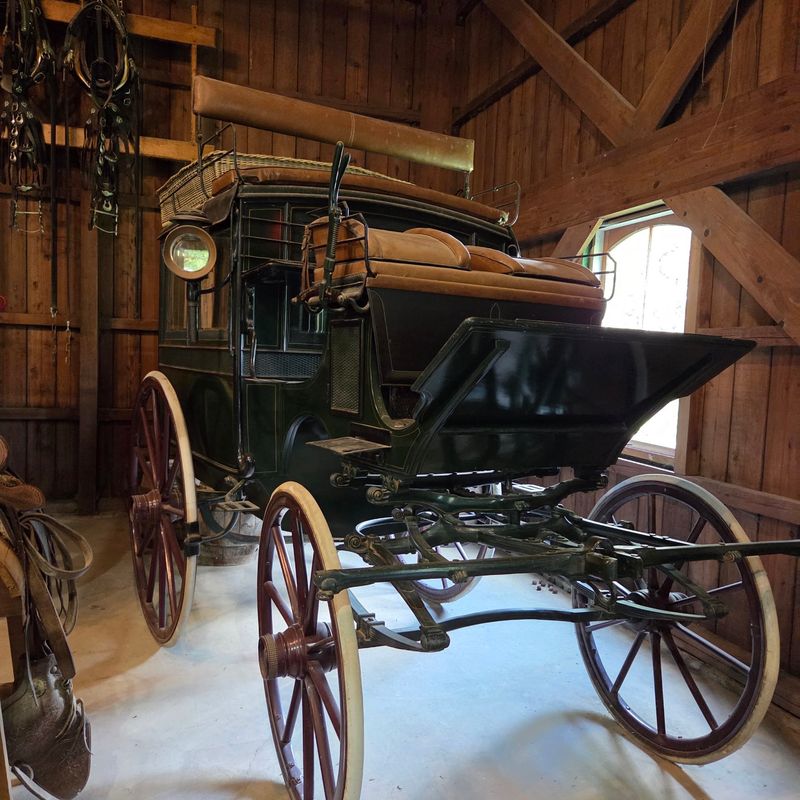
Beyond the ballpark, the Carriage Museum showcases historic transportation, including horse-drawn vehicles that reveal how people traveled before automobiles became widespread.
The John L. Wehle Gallery introduces an entirely different collection.
Sporting and wildlife art shares the gallery with exhibitions devoted to historic clothing and decorative design.
Its extensive costume holdings include more than 3,500 garments and accessories spanning several centuries, although only selected pieces are exhibited at a time.
The 2026 anniversary exhibition explores the museum’s development through its historic buildings, collections, and preservation work.
Five Miles Of Trails Wait Past The Village
History can wear you out, so nature steps in. The Genesee Country Nature Center covers approximately 175 acres of woodland, meadows, and other natural habitats.
More than five miles of trails wind through the landscape, offering an alternative to the streets and workshops of the Historic Village.
Individual routes vary in length, making shorter walks possible for families who prefer a relaxed outing.
The trails introduce plants, wildlife habitats, and seasonal changes across the Genesee Valley. Birdwatching, nature exploration, and educational activities add different ways to experience the surrounding landscape.
The Nature Center building offers programs and activities when staffed, with naturalists helping visitors learn about regional plants and animals.
Seasonal events have included guided nature walks and educational evenings devoted to local wildlife.
Within the historic village, heirloom gardens provide another connection between natural history and daily life.
These plantings demonstrate the vegetables, herbs, flowers, and other useful crops grown by nineteenth-century households.
Together, the gardens and trails show how closely earlier communities depended on the surrounding landscape.
October Brings Candlelit Stories And Seasonal Traditions
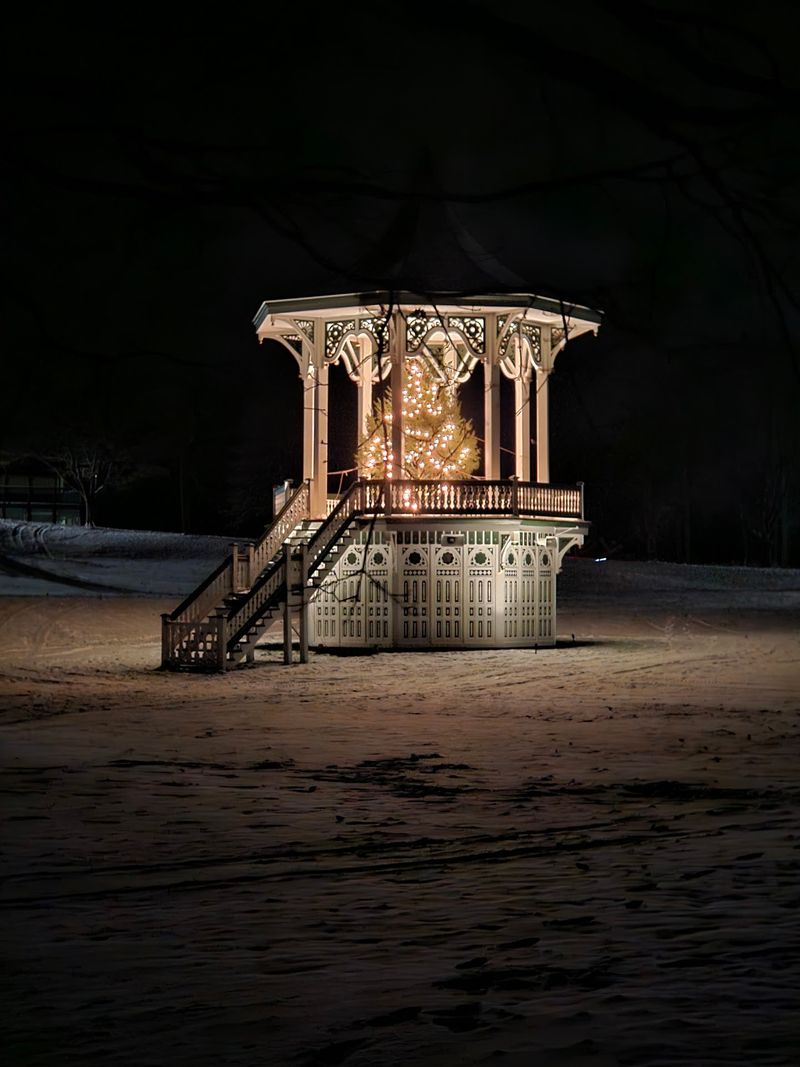
Candlelight and nineteenth-century storytelling make an atmospheric pair. October brings evening programs that transform the historic village into a setting for theatrical performances.
The museum’s candlelit walking experience features stories inspired by Edgar Allan Poe, the nineteenth-century writer known for his imaginative and mysterious fiction.
Costumed performers and historic surroundings add to the theatrical atmosphere, with evening sessions scheduled across several October weekends.
For families seeking a more playful experience, the museum hosts daytime trick-or-treating in the Historic Village.
The 2026 trick-or-treating dates are October 24 and 25, giving children an opportunity to enjoy seasonal activities among the old-fashioned buildings.
Earlier in October, the Agricultural Fair celebrates regional farming traditions through demonstrations, heritage animals, agricultural displays, and hands-on activities.
Other seasonal highlights include maple sugaring programs in spring and the Celtic Faire in June.
Special workshops introduce traditional crafts and cooking techniques, allowing participants to practice skills usually demonstrated by interpreters.
The museum’s changing calendar means that autumn visits can feel very different from those during summer or winter.
For a seasonal outing, the combination of historic streets, candlelit performances, and fall traditions gives the village plenty of personality.
Fifty Years In, And The Clocks Still Run Slow
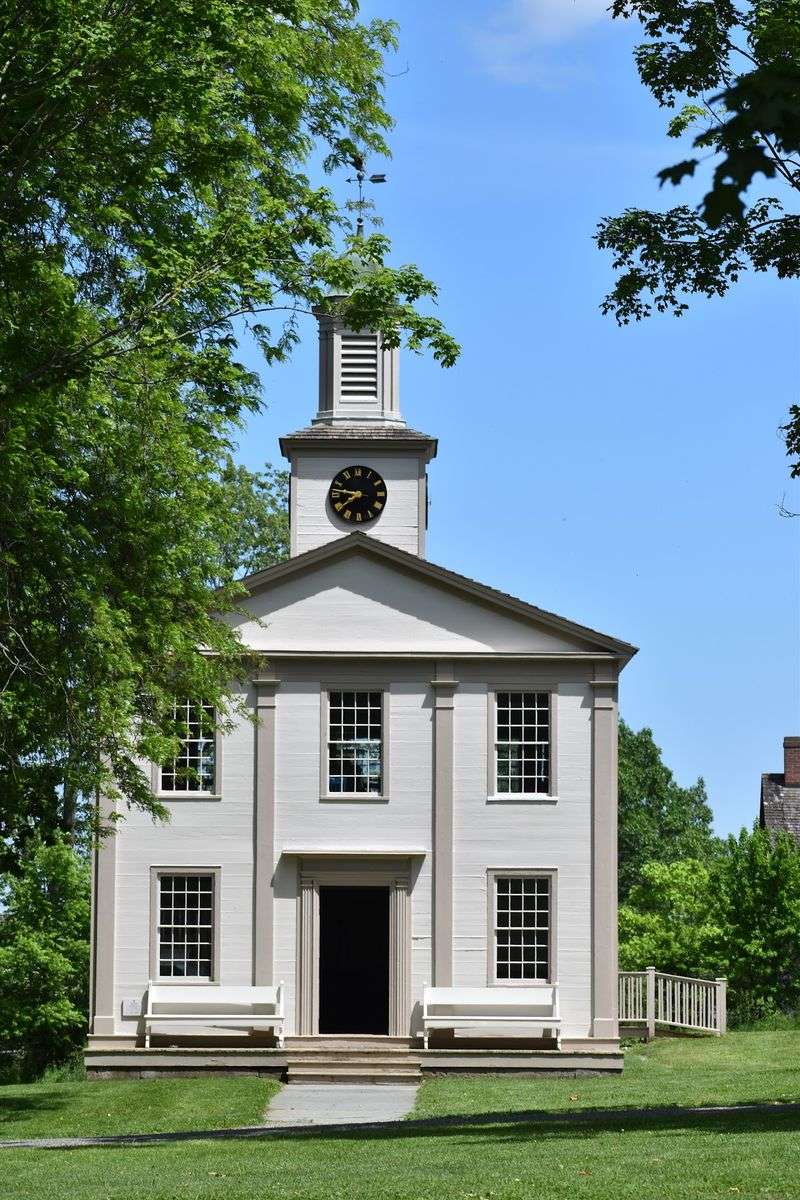
Founded in 1966 and opened to the public in 1976, the museum celebrates its fiftieth public season in 2026.
What began with 35 historic buildings has grown into a 600-acre attraction featuring 68 structures, a nature center, an art gallery, and extensive educational programming.
The anniversary year includes special exhibitions, themed events, and opportunities to explore the museum’s development over five decades.
Its central mission remains preserving regional architecture and making the history of western New York accessible through immersive experiences.
The museum stands at 1410 Flint Hill Road in Mumford, within easy driving distance of Rochester.
From October 16 through November 15, 2026, general admission operates Friday through Sunday, from 10 a.m. to 3 p.m. December visits focus on specially scheduled holiday events.
Accessible facilities and designated routes help visitors explore the grounds, although the historic character of individual buildings can affect entry.
After fifty years of welcoming visitors, this remarkable village still makes the nineteenth century feel surprisingly close.